Skin Concerns4 min read
Stretch Marks: Causes, Types, and Treatment Options
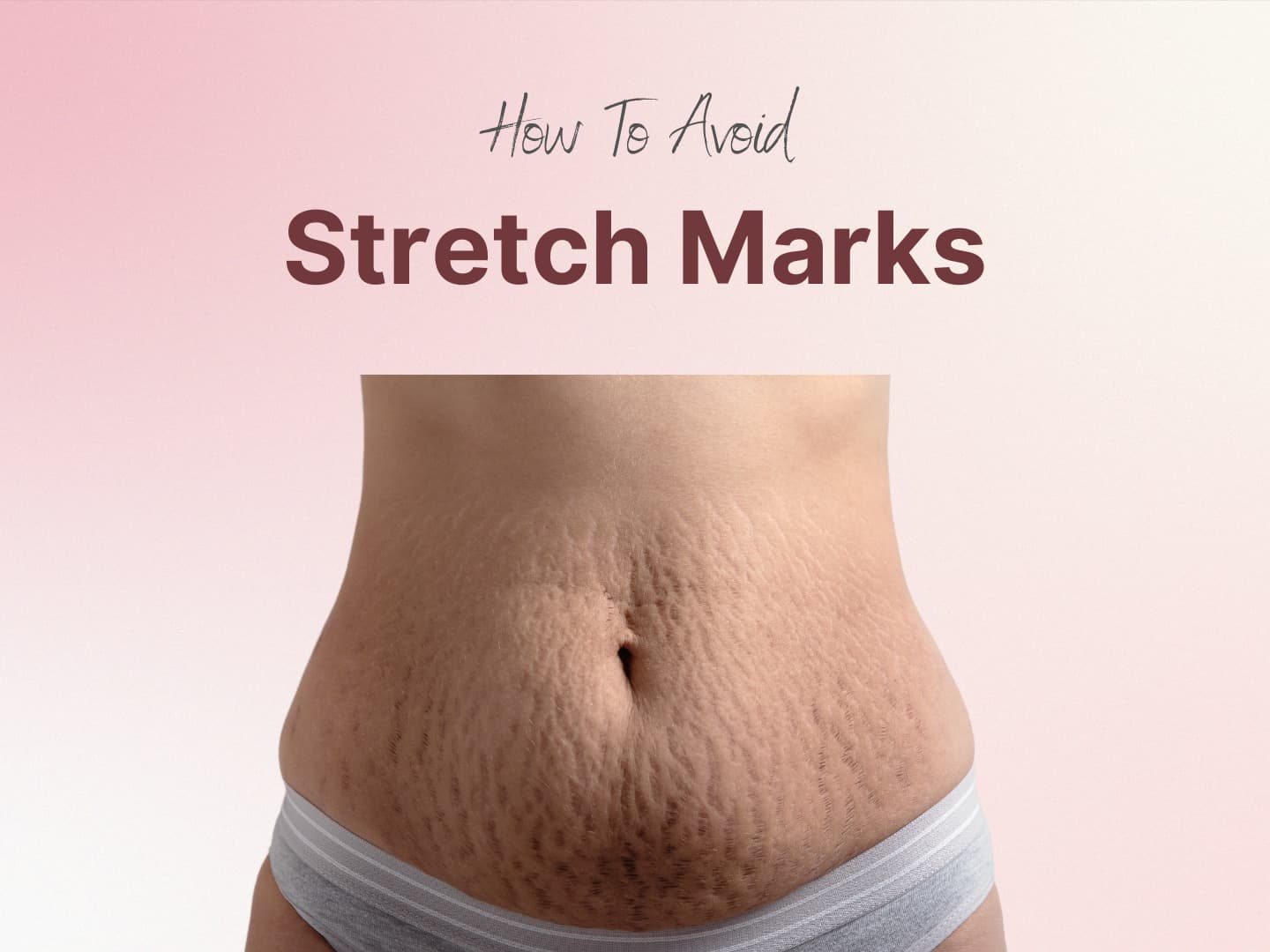
What are stretch marks?
It occurs when our skin stretches or shrinks rapidly in a short period of time. This abrupt change causes our skin supportive structures such as the collagen and elastin, to tear. These damaged areas make long, linear scars called stretch marks when they healed.
Up to 90% on the population have it, commonly occur during pregnancy and in rapidly growing adolescents. Some stretch marks can be extensive and for this reason it can become disfiguring to some people, cause problems with self-image and anxiety.
Causes of Stretch Marks
Genetics
Having a personal or family history of stretch mark (tend to affect more women than men) may increase the risk of developing stretch marks.
Puberty
Childhood growth spurts during puberty can cause stretch marks to form easily.
Rapid weight gain or loss
Rapid weight gain or loss can worsen stretch marks formation. This normally can be prevented with a gradual weight gain or loss.
Body builders tend to get stretch mark from rapid muscle growth that comes with body building.
Pregnancy
Between 50-90% of women who are pregnant experience sudden weight gain especially during third trimester due to expansion of the uterus and also hormonal changes often experience stretch mark during or after birth. Young woman were found to have highest risk of getting severe stretch marks.
Medical condition
Certain medical conditions like Marfan syndrome, Ehlers-Danlos syndrome and Cushing’s syndrome can also cause stretch marks. Marfan syndrome and Ehlers-Danlos syndrome decrease elasticity of skin whereas Cushing’s syndrome increases cortisol (stress hormone) level that lead to rapid weight gain and skin fragility.
Hormonal changes (medications)
Long term usage of corticosteroid creams or tablet can weaken elastin fibre and decrease collagen level in the skin, which normally helps to strengthen and support the skin.
Types of Stretch Marks
Early stretch marks (fresh) are usually pink, red, purple, bluish or dark brown and it can be wrinkly, raised and itchy but overtime they may lose their color and become flat white or silvery in appearance (mature).
Common area:
- tummy
- upper thigh
- breast
- buttocks
- armpit
- groin
Can you prevent stretch marks formation?
- Products containing hyaluronic acid or centella asiatica may help to prevent stretch marks
- Stay hydrated, drink adequate amount of water, 6-8 glasses everyday
- Eat a balanced diet rich in vitamins and minerals (vitamin A, C and D as well as zinc and protein can help promote healthy skin)
- Regular exercise able to improve blood circulation and helps out body to produce collagen in order to keep our skin strong and strecthy
Home remedies for stretch marks:
Products made of almond oil, olive oil, cocoa butter, coconut oil, vitamin E and aloe vera gel, silicon gel and other moisturisers can make our skin softer. Studies showed that they aren’t harmful to use but they do not help much in preventing or treating stretch marks.
Tanning will not remove stretch mark but it may cause skin damage and make them more visible.
Medical treatments:
Chemical peels
Uses acidic solution to burn off top layer of our skin to remove old dead, damaged skin cells and boost new skin growth, brighten up skin tone.
Light and laser therapies
Pulsed dye laser targets fresh (red) stretch marks, improve the appearance by reducing blood supply to this area that cause the marks. Fractional laser helps remove top layer of our skin, which stimulate growth of new collagen fibres to create smoother tighter skin, use in mature (white/silvery) stretch marks. Application of Ultraviolet B (UVB) light able to reduce pigmentation on stretch mark
Microneedling
Stimulate new collagen and elastin with multiple tiny needles to create firmer skin
Platelet Rich Plasma (PRP)
Injection of a solution contains growth factor from our blood for regeneration of new collagen, thus produce healthy new skin
Tretinoin 0.1% (retinoid cream)
Help restore collagen, best use in fresh stretch mark. It can cause skin irritation. Avoid using this cream during pregnancy.
Other non-invasive treatment:
Ultrasound therapy (HIFU/Ultherapy)
Delivers ultrasound energy to heat up deeper tissues in order to generate collagen production, cause collagen contraction, thus able to lift and tighten skin over time.
Radiesse (bio-stimulator injection)
Hyperdiluted Radiesse contains high concentration of calcium hydroxylapatite, which can help stimulate collagen to create smoother looking skin with reduced scarring from stretch mark
Recovery and Aftercare:
For best results, combination treatments are recommended depending on the severity of your stretch marks and skin types and skin tone.
In general, it takes about 6-12 months for stretch mark to fade. With treatment, it may take them less noticeable quickly.
There is no guaranteed way of removing stretch marks, although some therapies may reduce their visibility.
Ideally it takes about 4-6 sessions, one month apart for optimal results from chemical peels, laser and light treatments as well as microneedling and injection. Whereas for ultrasound therapy, a minimum 2 sessions is required.
It is very common to experience minimal downtime from the stretch marks treatments such as redness, swelling and skin dryness. Therefore, try to limit yourself from sun exposure if possible and complement your treatment with adequate skin moisturiser and lotion.
Final Words
Do consult Kaiteki’s certified aesthetic doctor to determine whether you are a suitable candidate for removing your stretch marks!
Book a free consultation
A doctor will assess your skin and tell you honestly whether this is the right option for you, including when it is not.
About the author
Dr Jacqueline Tan
Aesthetic Physician
MBBS, LCP Board Certified, MSc (UCSI) · MMC 83965
Dr. Jacqueline Tan graduated from IMU with a Bachelor of Medicine & Surgery (MBBS). She started her career as a doctor and has completed her 2 years compulsory service as a house officer in government hospital. She continued her medical journey as a medical officer in the Emergency Department to enhance her skill and experience in resuscitation. Being involved in emergency cases, her nature is being calm, empathic and determined.
View full profile- Written by
- Dr Jacqueline Tan, MMC 83965
- Published
- 18 September 2023
- Topics
- Sagging, Aging
- Last reviewed
- 19 September 2023
This page is general information about aesthetic treatments and is not medical advice. Treatments carry risks that are explained during consultation, and individual results vary. A doctor will assess whether a treatment is suitable for you before it is carried out.