

Concern · Skin
Acne Scars
Acne scars are a change in the skin's structure, not its colour, and the type of scar decides what is likely to help.
Free, about 20–30 minutes, no obligation to book treatment.
- Texture, not colour
- A scar is a change in the skin's structure you can feel, not only a mark you can see.
- Type decides the plan
- Ice pick, boxcar, rolling and raised scars respond to different approaches.
- Acne settled first
- Scar treatment usually starts once active breakouts are under control.
On this page
In brief
Acne scarring is a change in the skin's structure, felt as a dip or an irregularity once inflammation has settled. Scars do not fade on their own; they are remodelled gradually, over months. Pico laser is mainly for flat marks rather than texture, so depressed scars usually start with RF microneedling or a resurfacing laser.
How treatment works, illustrated
1 photos · tap one to enlarge
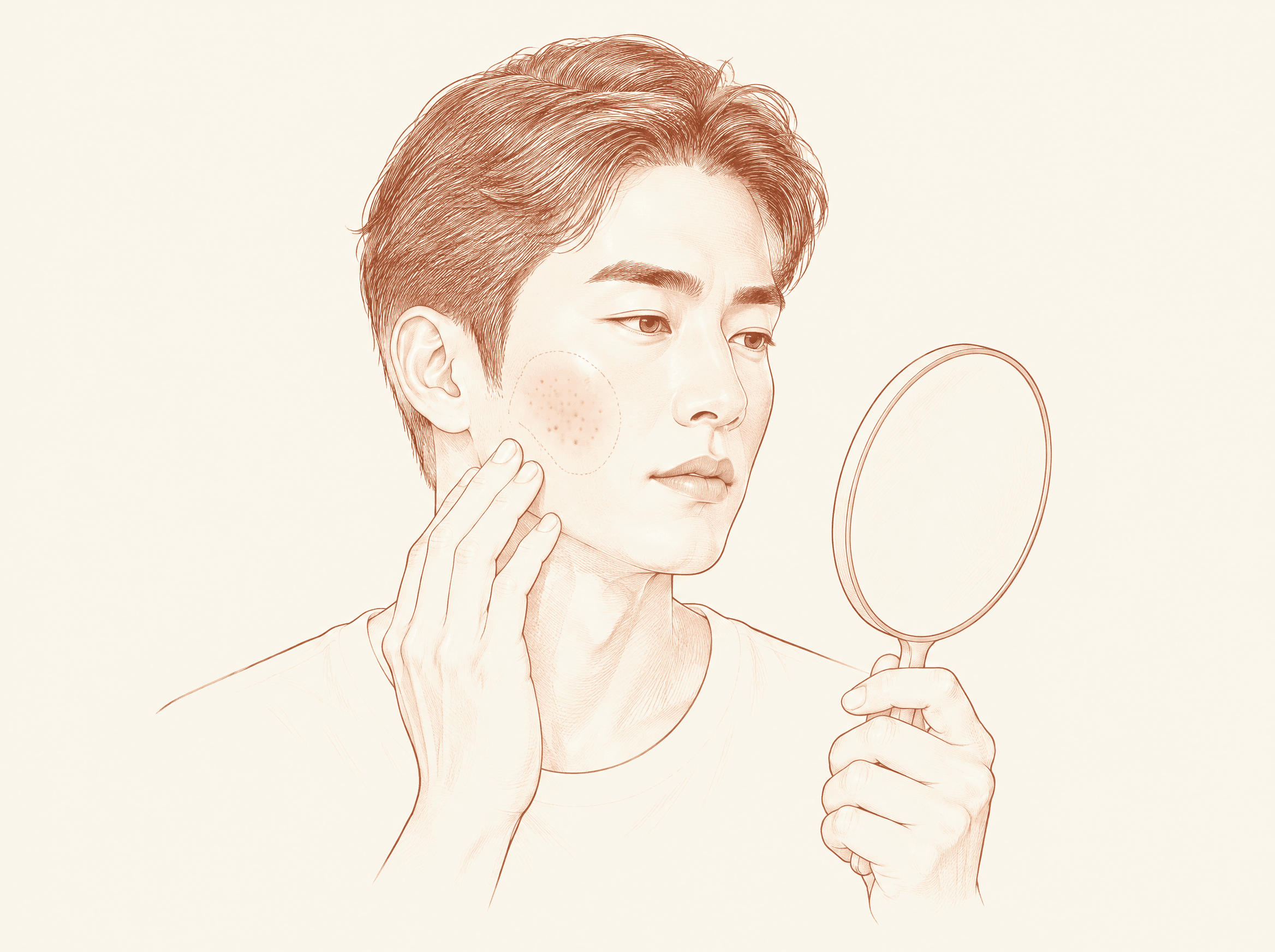
Illustration, not a patient result: collagen remodelling can make the edges of some depressed scars shallower
Photographs of Kaiteki patients, published with consent. Individual results vary and are not guaranteed. These images are not a promise of outcome. A doctor will assess whether any treatment is suitable for you.
What are acne scars?
A scar is a change in the skin's structure, felt as a dip or a raised area. A mark is flat: red or brown discolouration on smooth skin.
What makes acne more likely to scar
Scarring follows inflammation. What raises the chance of it:
- Deep, cystic breakouts: deep, firm, painful lumps under the skin that do not come to a head carry the highest risk of permanent scarring.
- Untreated inflammation: the longer deep, inflamed acne goes on, the more chance it leaves permanent change.
- Where the acne sits: cheeks mark and scar readily, and lesions on the back, chest and shoulders are more likely to leave raised rather than depressed scars.
Which kind of scar do I have?
Most people have more than one type.
Types of scarring
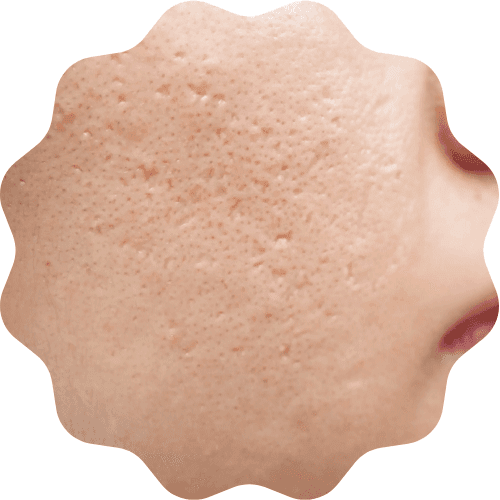
Ice pick scars
Narrow, deep, sharply defined
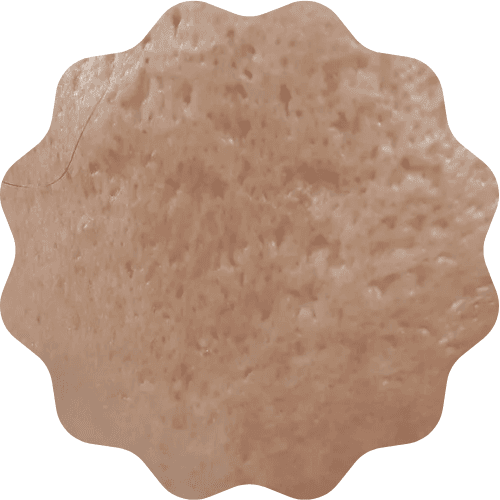
Boxcar scars
Wider depressions with defined edges
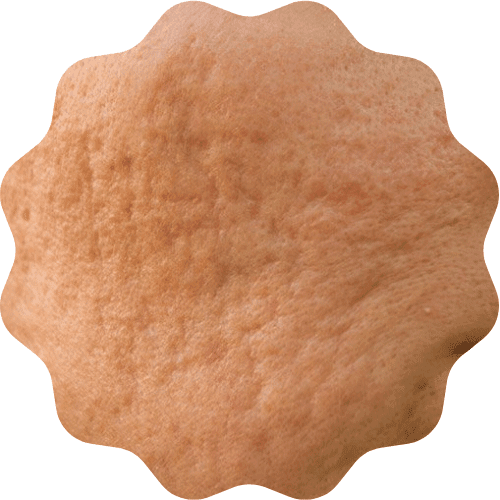
Rolling scars
Broad, soft-edged undulations
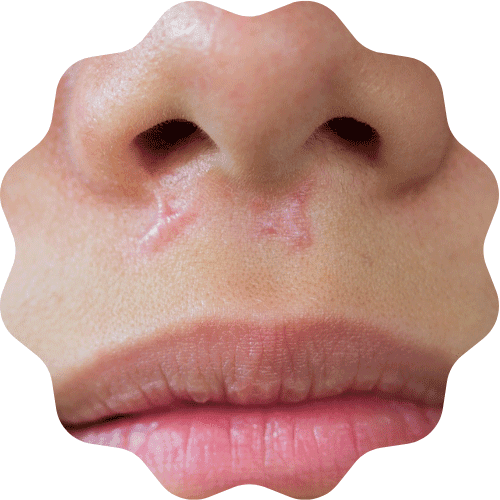
Raised scars
Hypertrophic and keloid
Depressed scars
Dips you can feel
Dips below the skin surface.
- Ice pick: narrow, deep, sharply defined pits.
- Boxcar: wider depressions with defined edges, like a shallow crater.
- Rolling: soft, wave-like undulations caused by tethering beneath the skin.
Usually assessed for: RF microneedling or resurfacing laser, often over several sessions, with combinations chosen by scar type.
Raised scars (hypertrophic or keloid)
Firm, above the skin
Firm, thickened tissue sitting above skin level. More common on the chest, shoulders and back.
Usually assessed for: a separate assessment, because the approach differs from depressed scarring.
Marks, not scars
Flat red or brown
Flat red or brown discolouration on smooth skin. Not a scar, and often fades on its own over months.
- Red or purple marks (post-inflammatory erythema), from dilated blood vessels near the surface. More visible on lighter skin.
- Brown marks (post-inflammatory hyperpigmentation), from excess pigment produced during inflammation. Very common in the medium and deeper skin tones seen across Malaysia, and worsened by sun exposure.
Usually assessed for: pico laser.
When to see a doctor
Have it assessed if:
- You are already seeing indentations or texture change.
- You still have active breakouts.
- A scar is raised and firm.
Treatment options at Kaiteki
Which treatment fits depends on scar type, skin tone and how much recovery time you can plan around.
RF Microneedling
For rolling and boxcar scars, including on deeper skin tones
Fine needles deliver radiofrequency energy into the deeper layer of the skin to stimulate collagen.
RF MicroneedlingResurfacing Laser
For established scarring, where the recovery time works for you
A fractional CO₂ laser used where scarring is more established.
Resurfacing LaserPico Laser
For the flat marks around scars, rather than the dips themselves
A picosecond laser that targets pigment in short, high-speed pulses.
Pico LaserExosome Therapy
To support the skin after scar treatment, as an adjunct
A regenerative approach applied after energy-based treatment to support skin recovery. The evidence base is still developing.
Exosome Therapy
Which treatment suits which type?
A general guide. Combinations are common, and sessions are set after assessment.
| What you have | Commonly considered | Typical course | Downtime |
|---|---|---|---|
| Rolling & boxcar scars | RF microneedling | Several sessions, ~4 weeks apart | 2–3 days redness |
| Deeper or mixed scarring | Resurfacing laser, or a combination | Assessed individually | 5–7 days |
| Ice pick scars | Assessed individually | Individual | Individual |
| Raised or keloid scars | Assessed separately: different approach | Individual | Individual |
| Flat red or brown marks | Pico laser + daily sun protection | Multiple sessions, spaced | Minimal |
Not sure whether it's a scar or a mark?
Send us a photo on WhatsApp and a doctor can tell you whether you're looking at scarring, flat marks, or a combination.
Ask about this on WhatsAppFree consultation, about 20 to 30 minutes, no obligation.
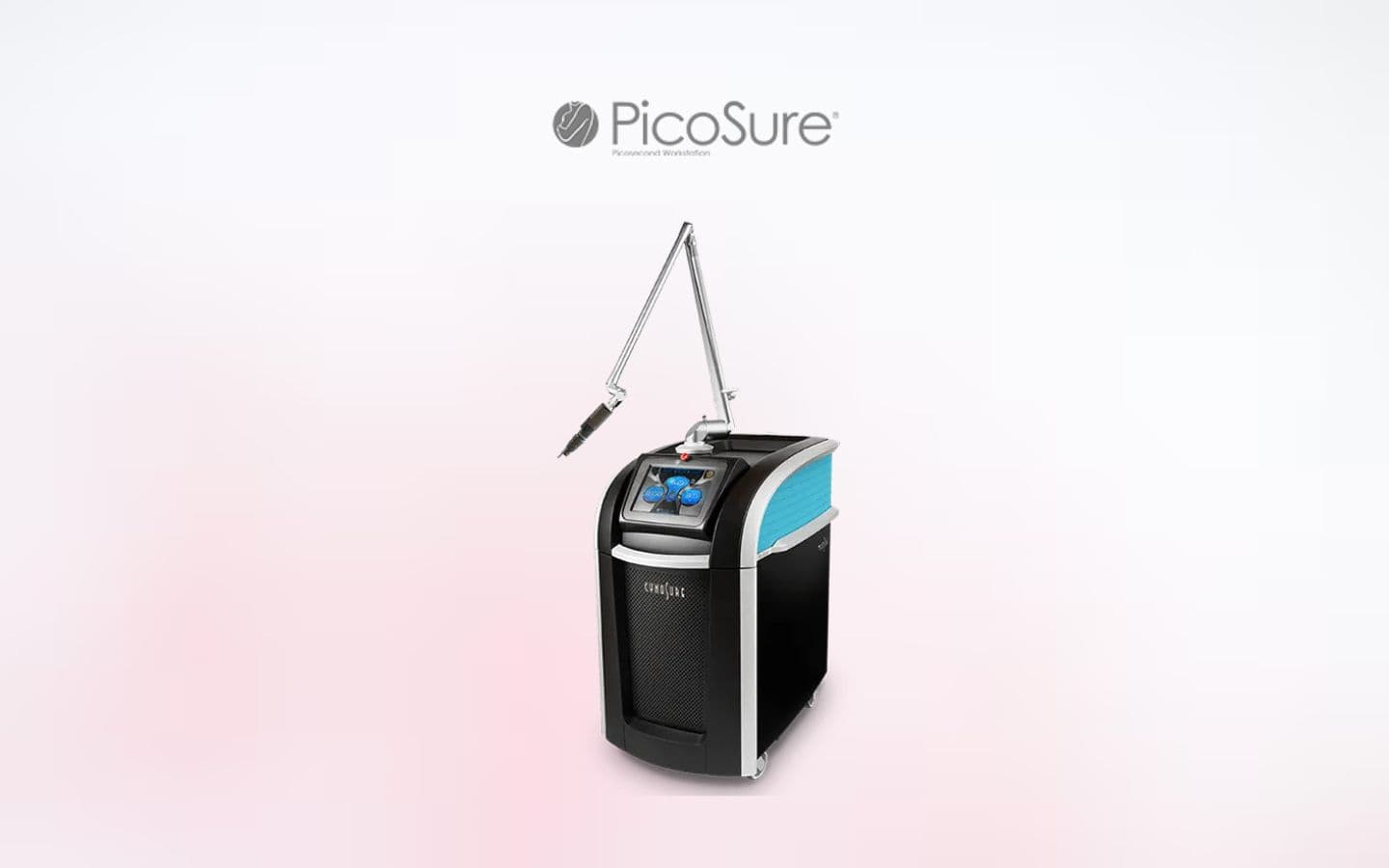
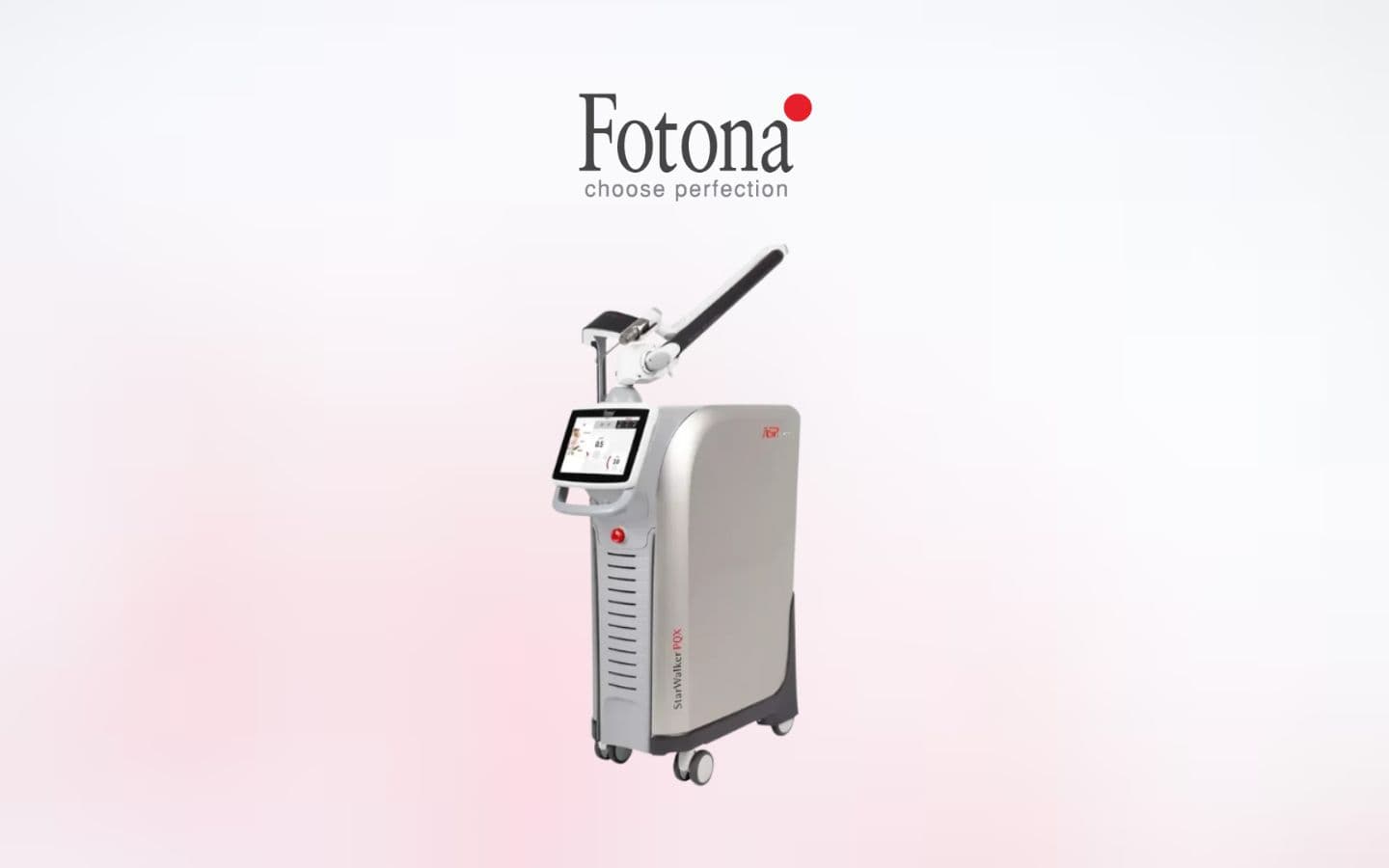
Technology used
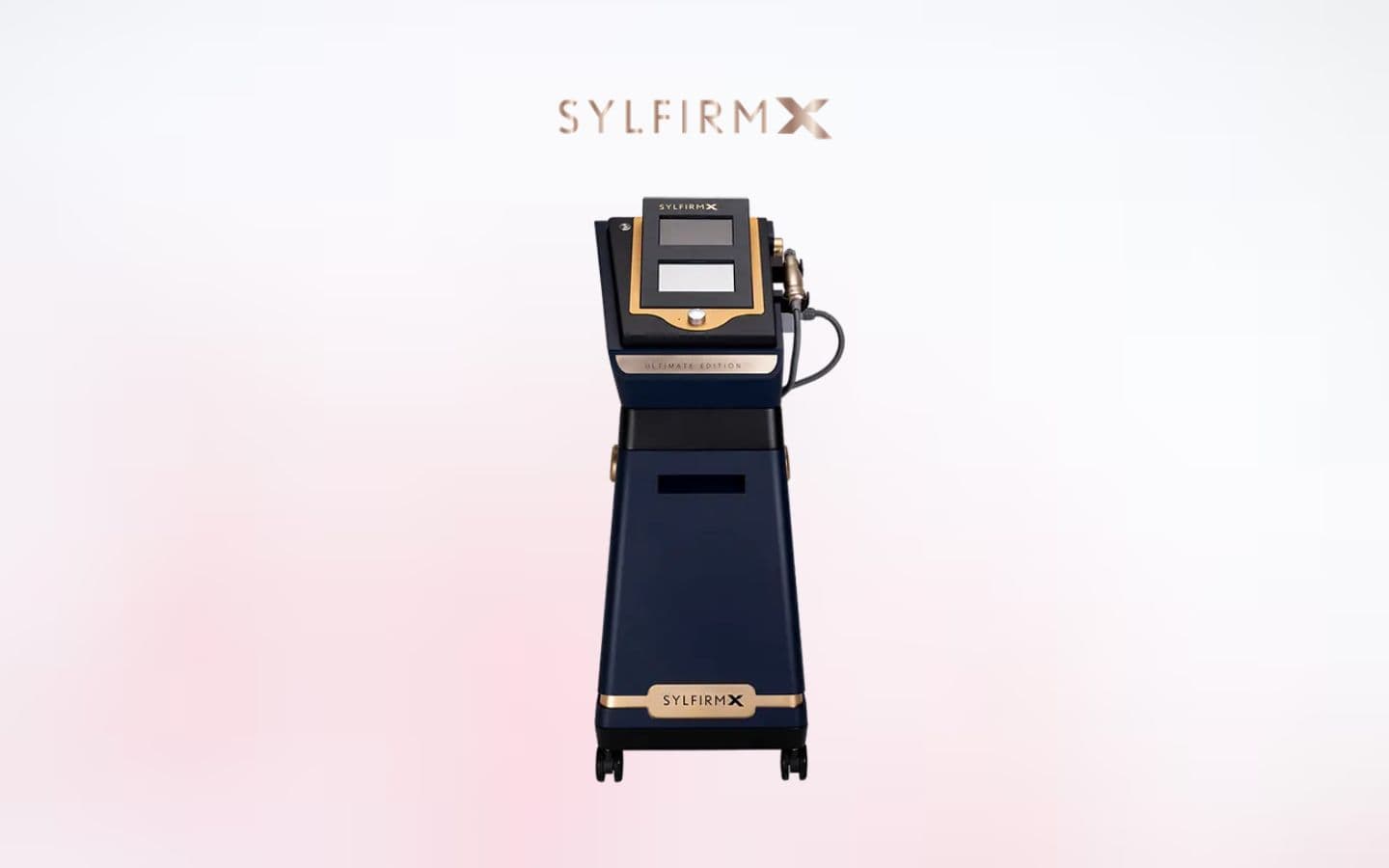
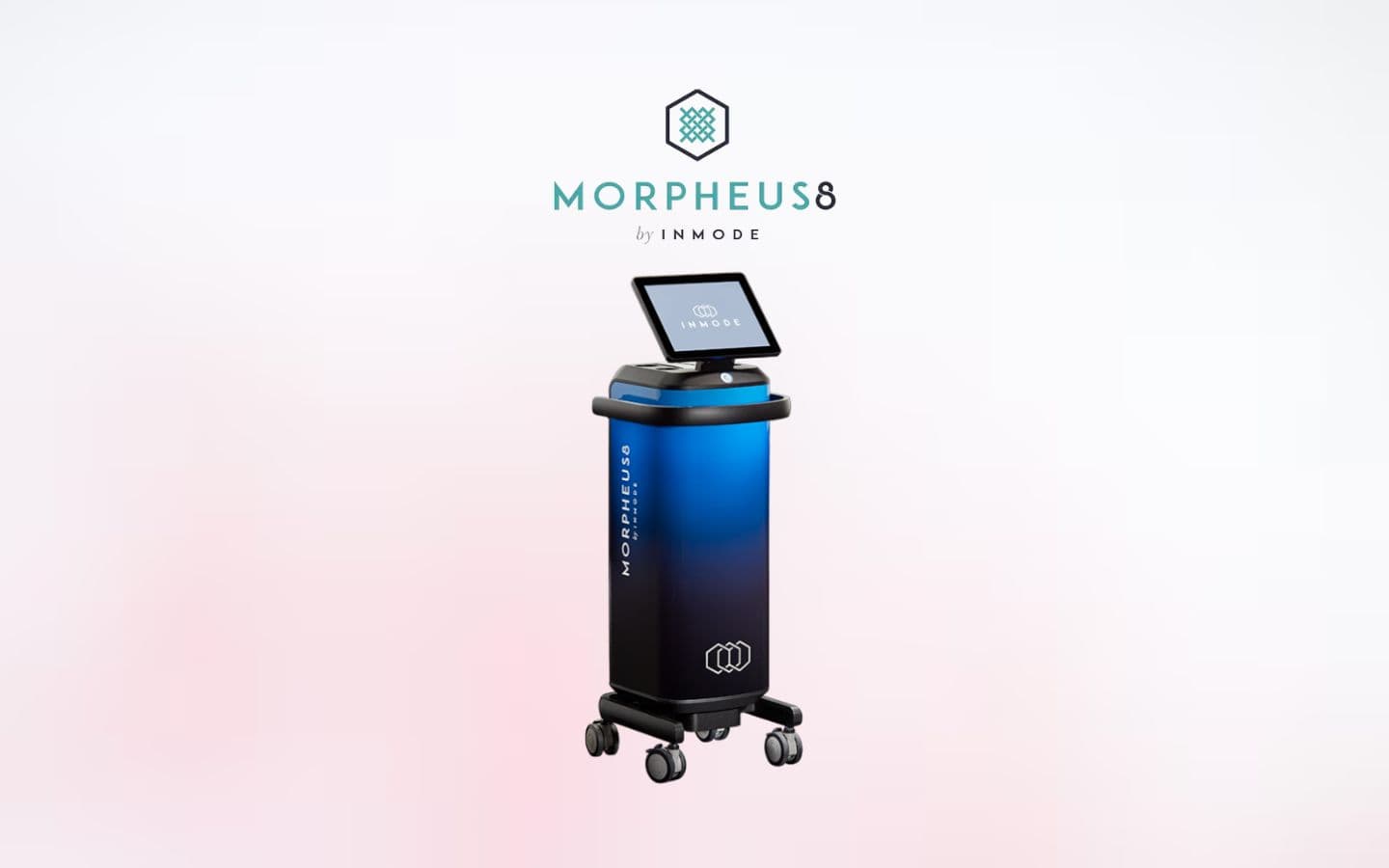
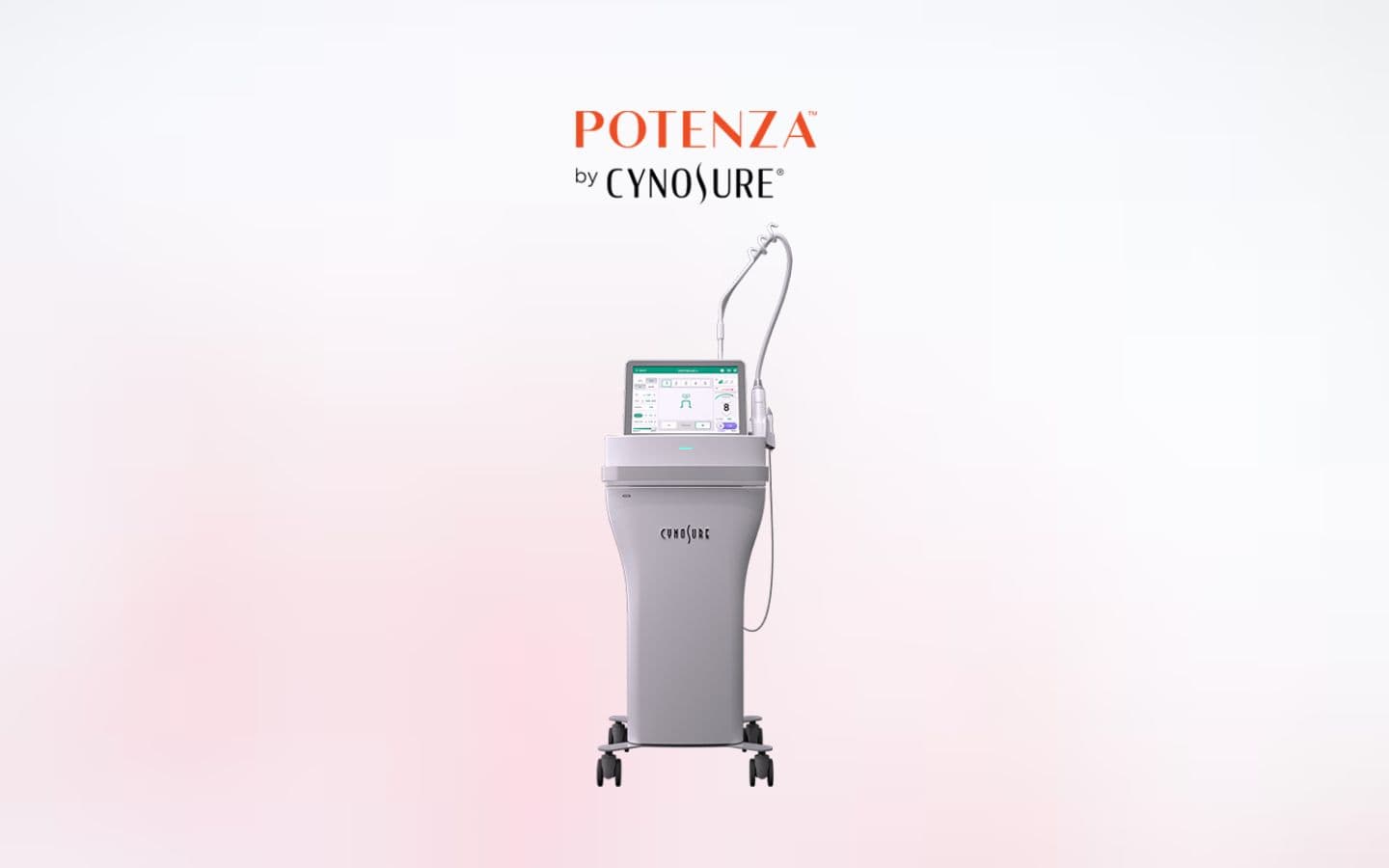
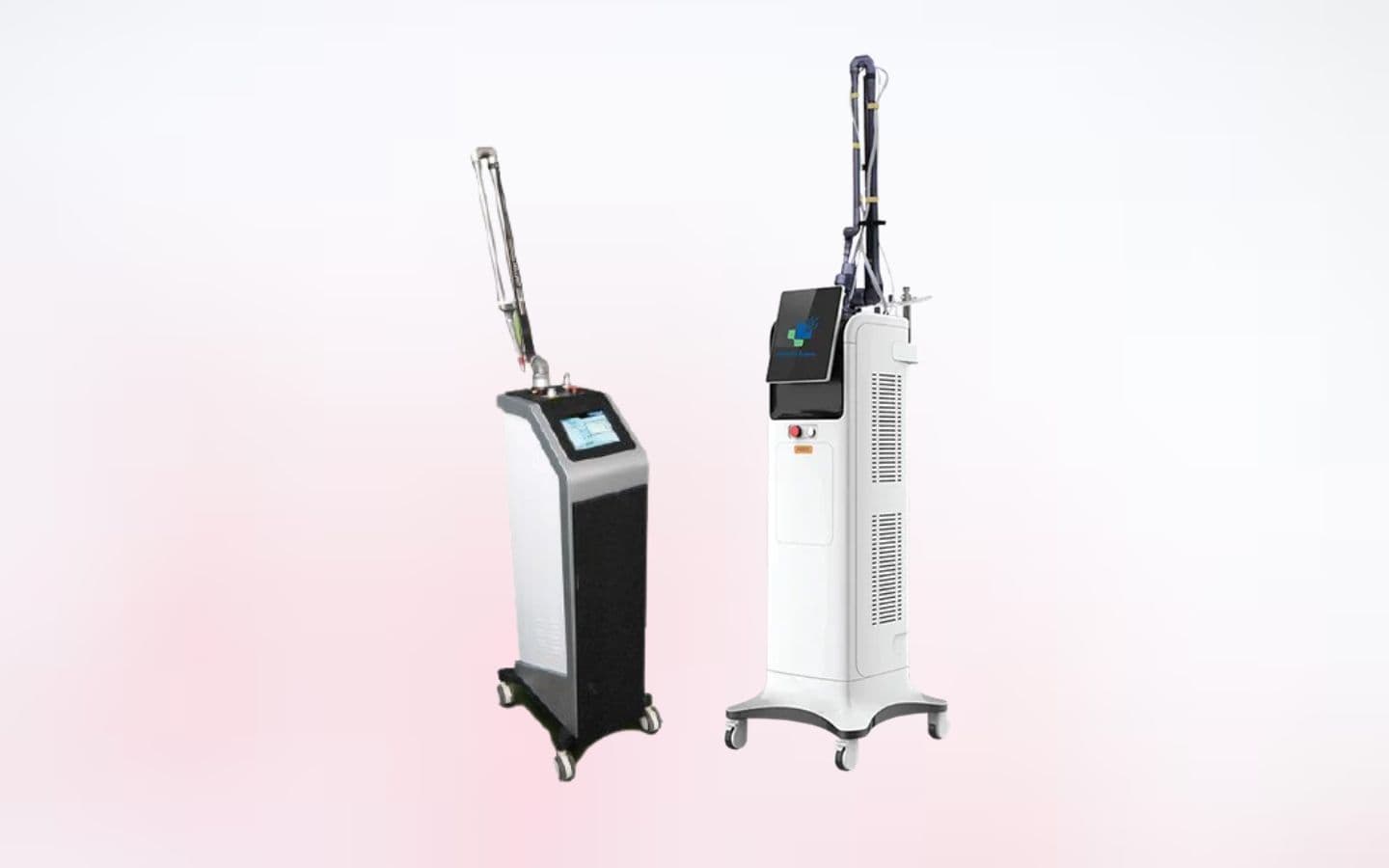
Having more than one platform means the doctor can match the device to your skin type and to what is being treated, rather than fitting your skin to a single machine.
Risks and what to expect
Common and usually temporary
Redness, swelling, dryness, flaking and a warm or gritty sensation for a few days. Less common effects include prolonged redness, blistering, infection, or a change in skin pigment.Pigment change and Malaysian skin
Medium and deeper skin tones, common across Malaysia, carry a higher chance of post-inflammatory hyperpigmentation after energy-based treatment. This is why doctors here often choose gentler settings and longer intervals between sessions.Sun protection is not optional
Daily broad-spectrum sunscreen is part of the plan for every treatment listed above, both before and after.What treatment cannot do
Scars are improved, rarely erased, and ice pick scars rarely resolve with energy devices alone. Treating scars does not stop new breakouts. Collagen remodels over months.
Tell your doctor if you are pregnant or breastfeeding, take or recently took oral acne medication, have a history of cold sores, keloid scarring or recent tanning, or have had any skin procedure in the past few weeks. Any of these may change what is appropriate or when.
What your first visit involves
The examination separates the scar types from flat marks, because each is approached differently.
History
How long the scarring has been there, and whether you still break out.
Examination
The doctor examines your skin, sometimes under magnification.
Discussion and plan
Options, risks and downtime, with no obligation to proceed.
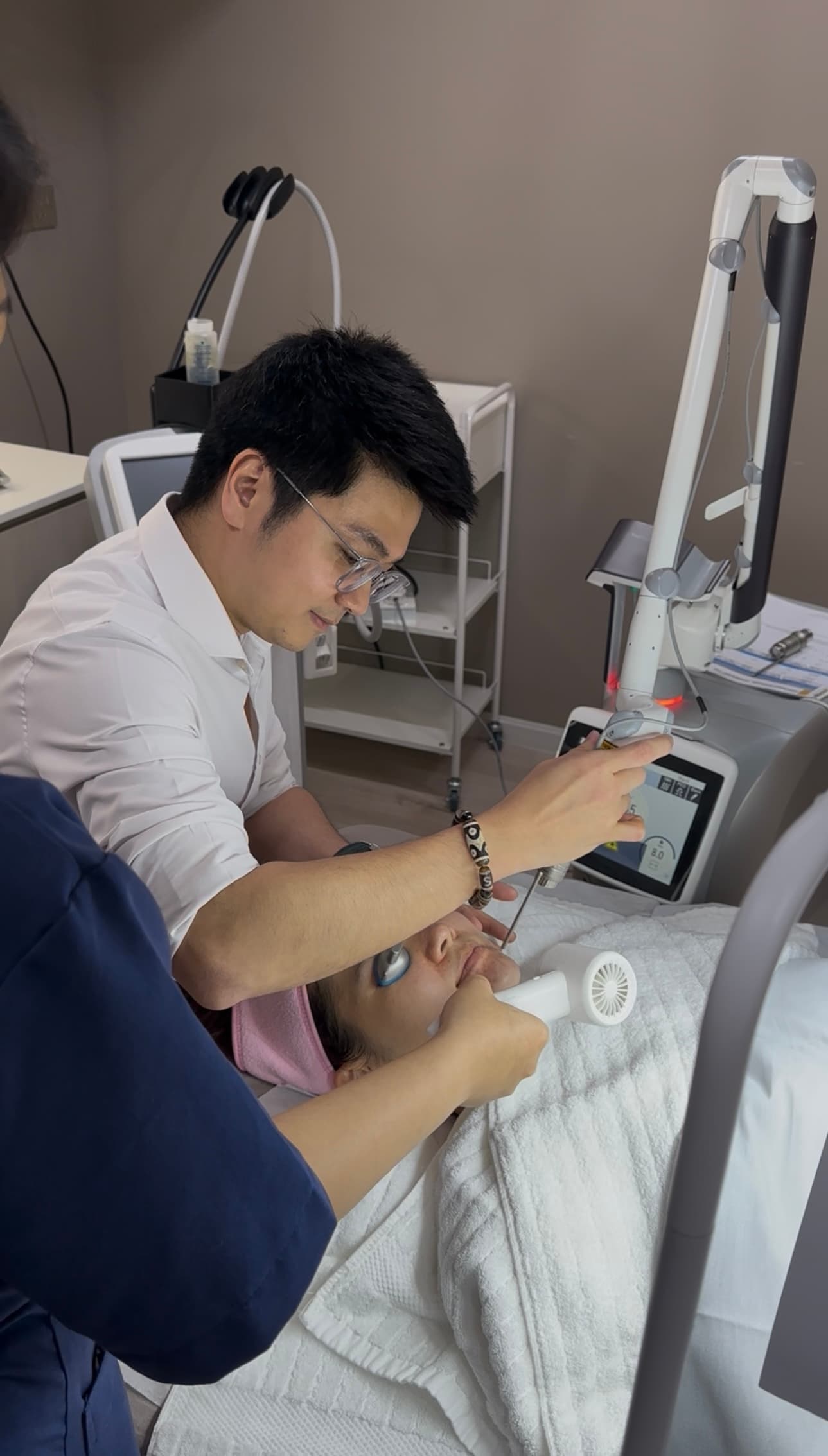
A resurfacing laser for scarring in progress. The depth is set by the type of scar and your skin tone.
What affects the cost
Pricing is set after assessment. It depends on:
- The type of scarring: rolling and boxcar scars, ice pick scars and raised scars are approached differently.
- The area: full face, targeted zone, or back and chest.
- The treatment and device: different platforms have different session structures.
- How many sessions: set after assessment, and adjusted at review as your skin responds.
- Whether treatments are combined: mixed scarring sometimes responds better to more than one modality.
Common questions
Can acne scars be removed completely?
Depressed scarring can often be improved, though rarely erased. Treatments like RF microneedling and resurfacing lasers work by stimulating the skin to remodel its own collagen, which takes place gradually over months rather than immediately.
Is pico laser used for acne scars?
Pico laser is most relevant to the flat marks and discolouration acne leaves, rather than to the texture of a scar. Some pico devices carry a fractional lens array that the manufacturer indicates for acne scars in skin types I to IV.
Can ice pick scars be treated?
Ice pick scars are narrow, deep pits and the hardest type to treat with energy devices alone; they rarely resolve fully that way. Rolling and boxcar scars usually respond better.
Can I treat my scars while I still have active acne?
Usually not yet. Treating scarring while acne is still active usually does not work well, and treating active acne will not remove existing scars.
Is laser treatment for acne scars safe on Asian skin?
Yes, when the device and settings are chosen appropriately by a doctor who is experienced with your skin type. The specific concern with medium and deeper skin tones is post-inflammatory hyperpigmentation, the skin responding to treatment by producing extra pigment. It's a real consideration, not a reason to avoid treatment.
What is the downtime after acne scar treatment?
After RF microneedling, most people wait until the redness settles, typically two to three days. After fractional CO2 resurfacing, expect redness, swelling and a hot, tight feeling for the first day or two, then several days of bronzing and flaking; a lighter session commonly settles within about a week, and deeper settings take longer.
Is acne scar treatment painful?
Most people describe energy-based treatments as uncomfortable rather than painful. Topical numbing cream is applied beforehand where appropriate, and cooling is used during and after. Ablative resurfacing is more uncomfortable than non-ablative treatments, and RF microneedling is generally felt more than pico laser.
Can acne scars on the back or chest be treated?
Yes, though these areas behave differently from the face. Skin on the back and chest is thicker, lesions there tend to be larger, and scarring is more likely to be raised than depressed, which calls for a different approach entirely.
Read next
Related concerns
Melasma
Melasma on its own: why laser needs caution, depth, and what managing it involves.Acne
Active breakouts come first: scarring is usually treated once acne is under control.Pigmentation
Brown marks after spots overlap with uneven tone and pigmentation.Enlarged Pores
Texture and pores are often treated with the same devices as scarring.
Find out which scars you have
The consultation is free, takes about 20 to 30 minutes, and there is no obligation to book treatment afterwards. A doctor will examine your scarring and talk you through what is, and is not, worth doing.
Book a free consultationMedically reviewed by

Dr Chew Yuhhui
Co-Founder & Senior Medical Director
MBBS, LCP Board Certified, MAC, MSAM · MMC 68232
Allow your passion to become your purpose and it will one day become your profession.
View full profile- Reviewed by
- Dr Chew Yuhhui, MMC 68232
- Last reviewed
- 11 Oct 2026
- Next review due
- 11 Oct 2027