
Lifting & Tightening
RF Microneedling
A radiofrequency (RF) microneedling treatment used for texture, scarring and pore concerns.
Free consultation, no obligation.
- 3 RF microneedling devices
- Matched to your concern and skin
- 30–45 minutes of numbing
- Before a treatment of around 20 to 40 minutes
- Assessment first
- Your first visit is a doctor consultation, not a treatment
On this page
In brief
Microneedling at Kaiteki is usually radiofrequency (RF) microneedling: fine needles deliver radiofrequency energy at set depths to prompt a controlled skin-renewal response. The doctor chooses one of three devices and sets needle depth and energy for each area after assessing your skin.
Results from Kaiteki patients
Before and after photos of patients treated at Kaiteki for acne, enlarged pores and fine lines & wrinkles. A plan may combine more than one treatment.
10 photos · tap one to enlarge
Active acne, before and after a course of treatment at Kaiteki
Pore appearance on the cheek, before and after a course of treatment at Kaiteki
Forehead lines, before and after treatment at Kaiteki
Active acne, before and after a course of treatment at Kaiteki
Skin texture and pores, before and after a course of treatment at Kaiteki
Forehead lines, before and after treatment at Kaiteki
Active acne, before and after a course of treatment at Kaiteki
Pores and texture across the face, before and after a course of treatment at Kaiteki
Frown lines between the brows, before and after treatment at Kaiteki
Active acne, before and after a course of treatment at Kaiteki
Photographs of Kaiteki patients, published with consent. Individual results vary and are not guaranteed. These images are not a promise of outcome. A doctor will assess whether any treatment is suitable for you.
What is RF microneedling?
RF microneedling refers to a group of treatments that combine traditional microneedling with radiofrequency (RF) energy.
How does RF microneedling treat several depths in one session?
The needles create controlled micro-injuries, then release radiofrequency energy as heat from their tips. Because needle depth and energy are adjustable, several skin depths can be treated in one session. The combination is intended to prompt the skin's repair and collagen-remodelling response over time, and the extent of any change varies between individuals.
What RF Microneedling is used for at Kaiteki
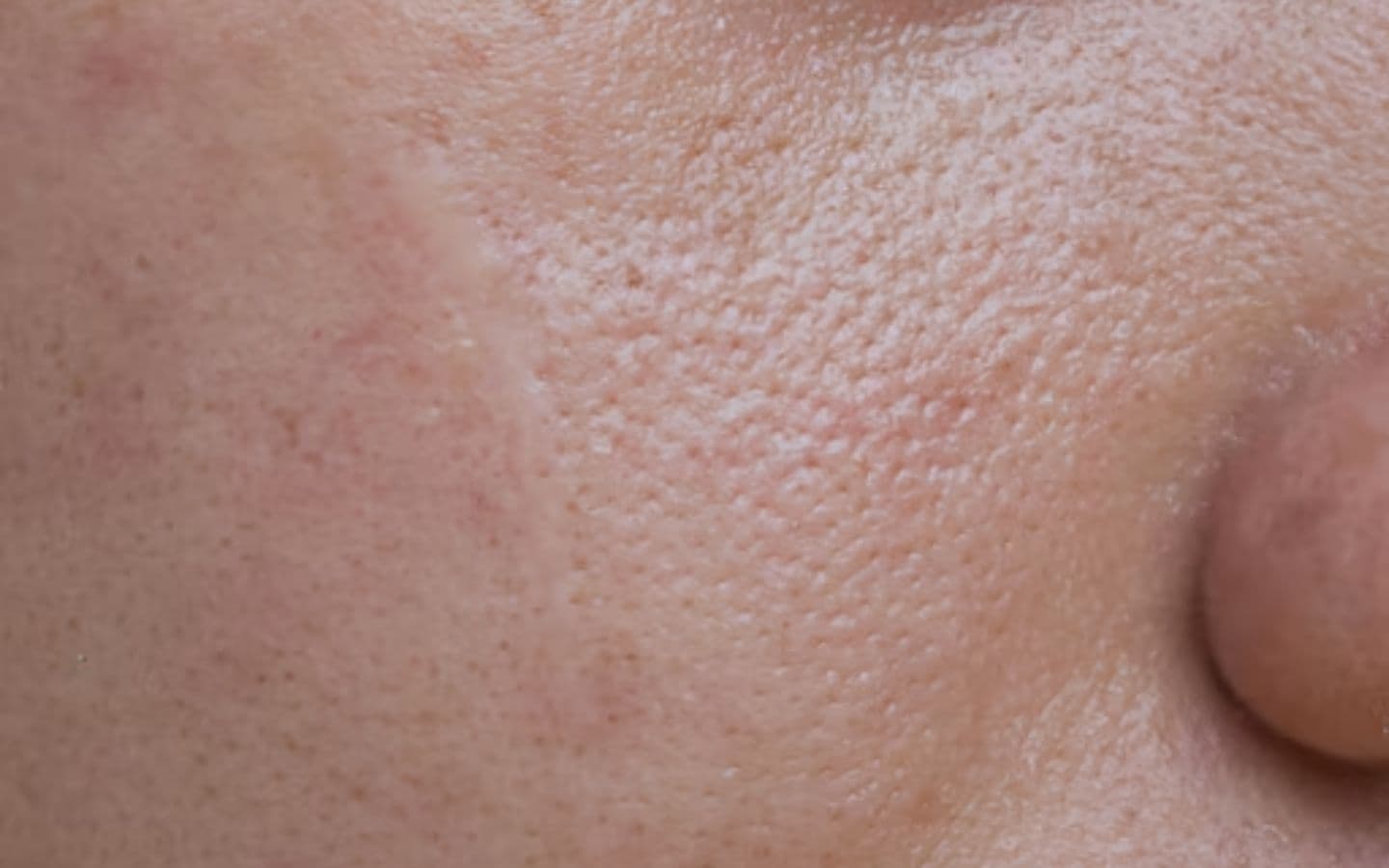
Depressed scarring, texture and enlarged pores
Often the starting point for rolling and boxcar scarring.
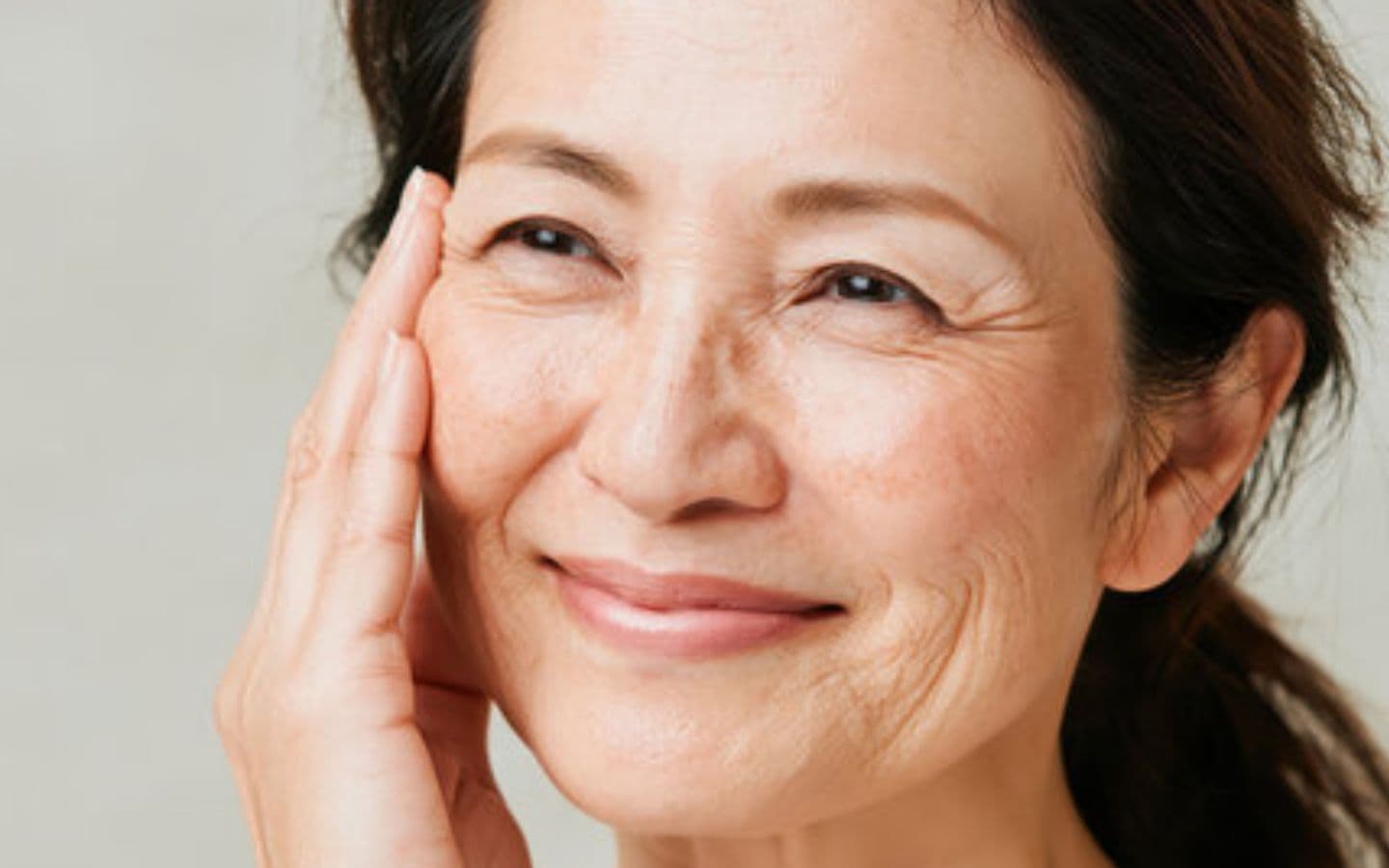
Etched lines and overall texture
Considered for static lines and general texture, where the aim is collagen through the deeper skin rather than relaxing movement.
Morpheus8, Sylfirm X or Potenza: which device, and why
Kaiteki offers three RF microneedling devices with different reach and RF modes.
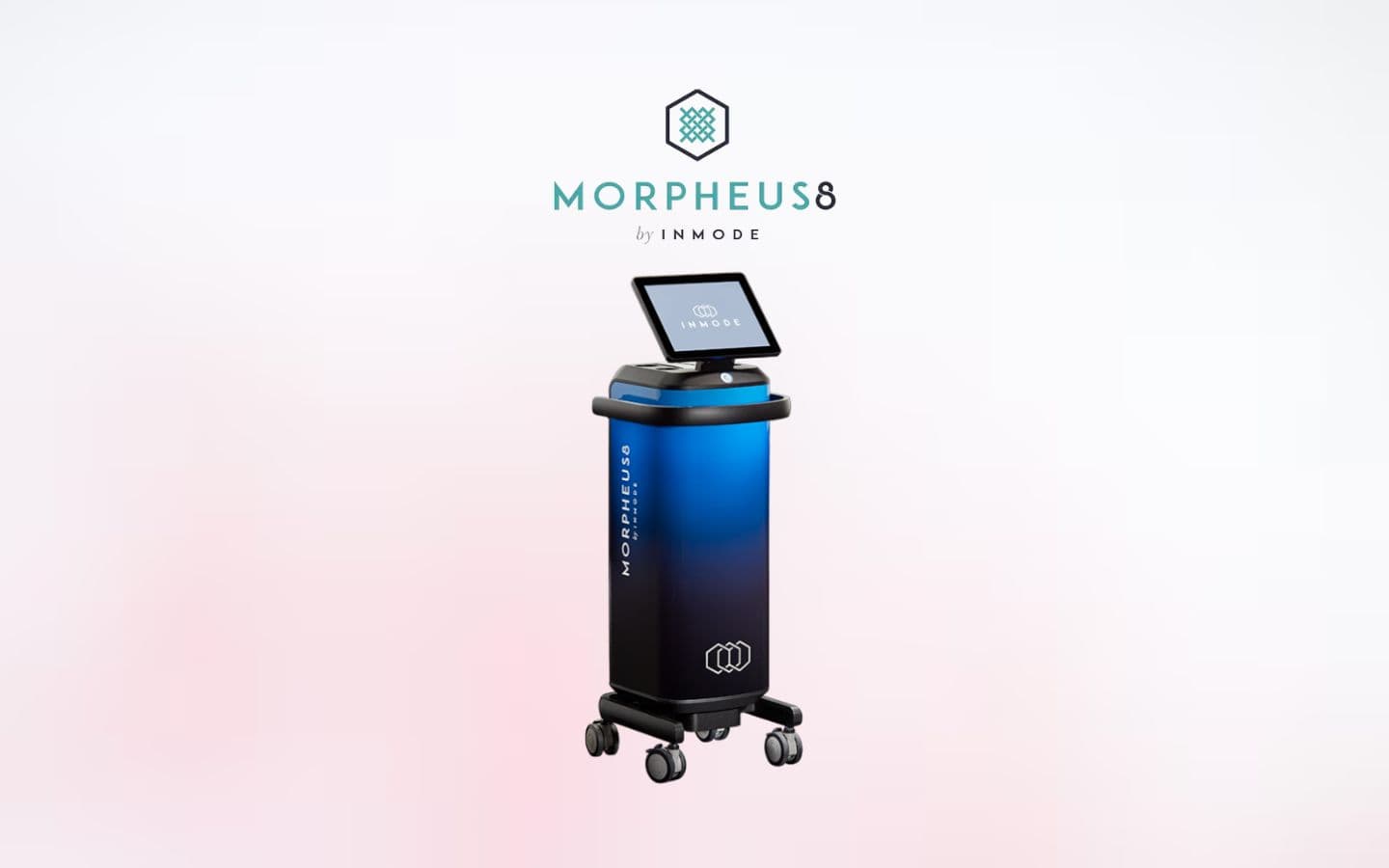
Morpheus8
Subdermal reach · InMode
Designed for deeper RF penetration, and generally considered for skin tightening along the jaw and neck.
About Morpheus8Sylfirm X
Pulsed and continuous wave · Viol
Delivers RF in pulsed and continuous modes, and is generally considered for melasma, post-inflammatory hyperpigmentation and redness.
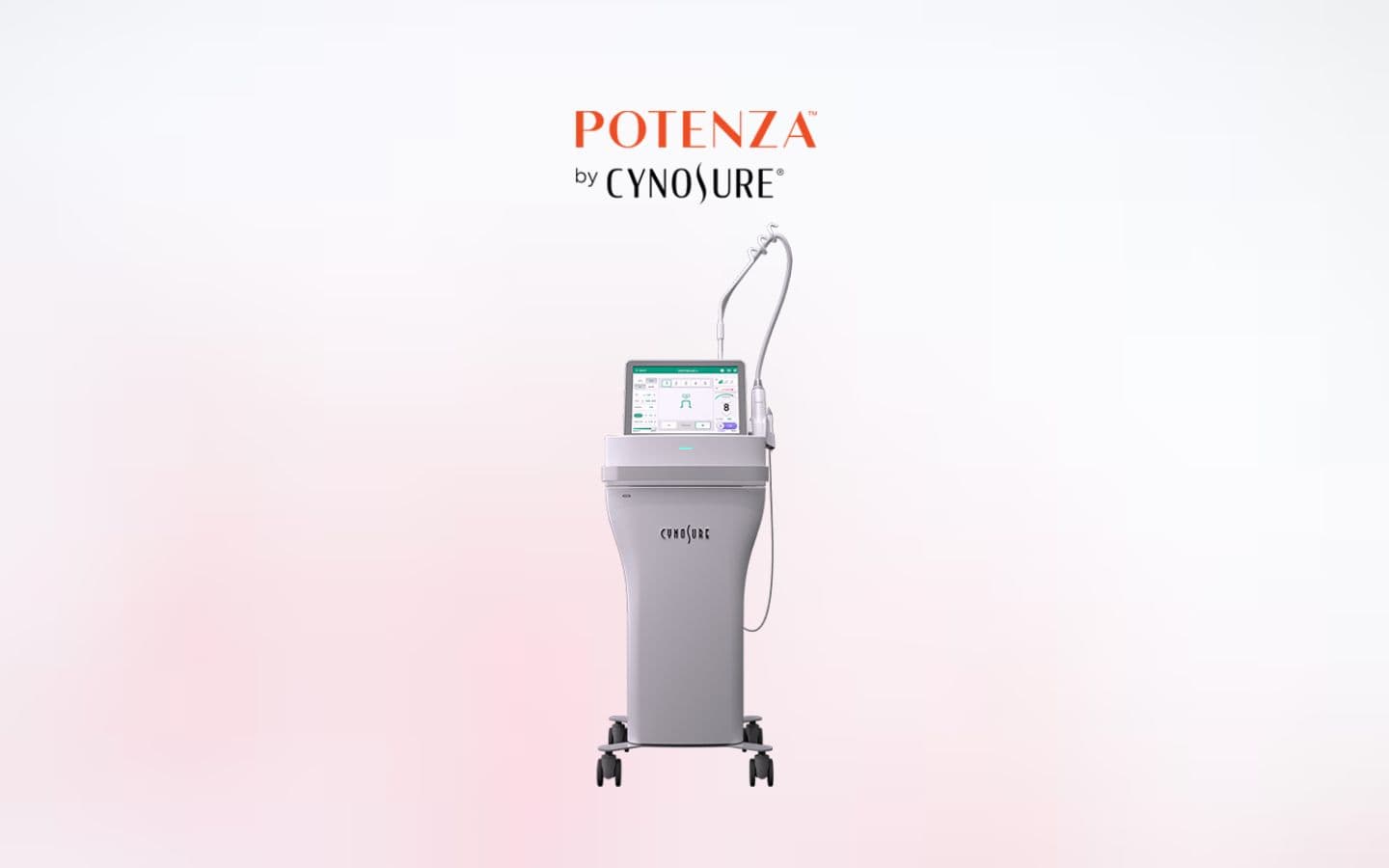
About Sylfirm XPotenza
Monopolar and bipolar · Cynosure Lutronic
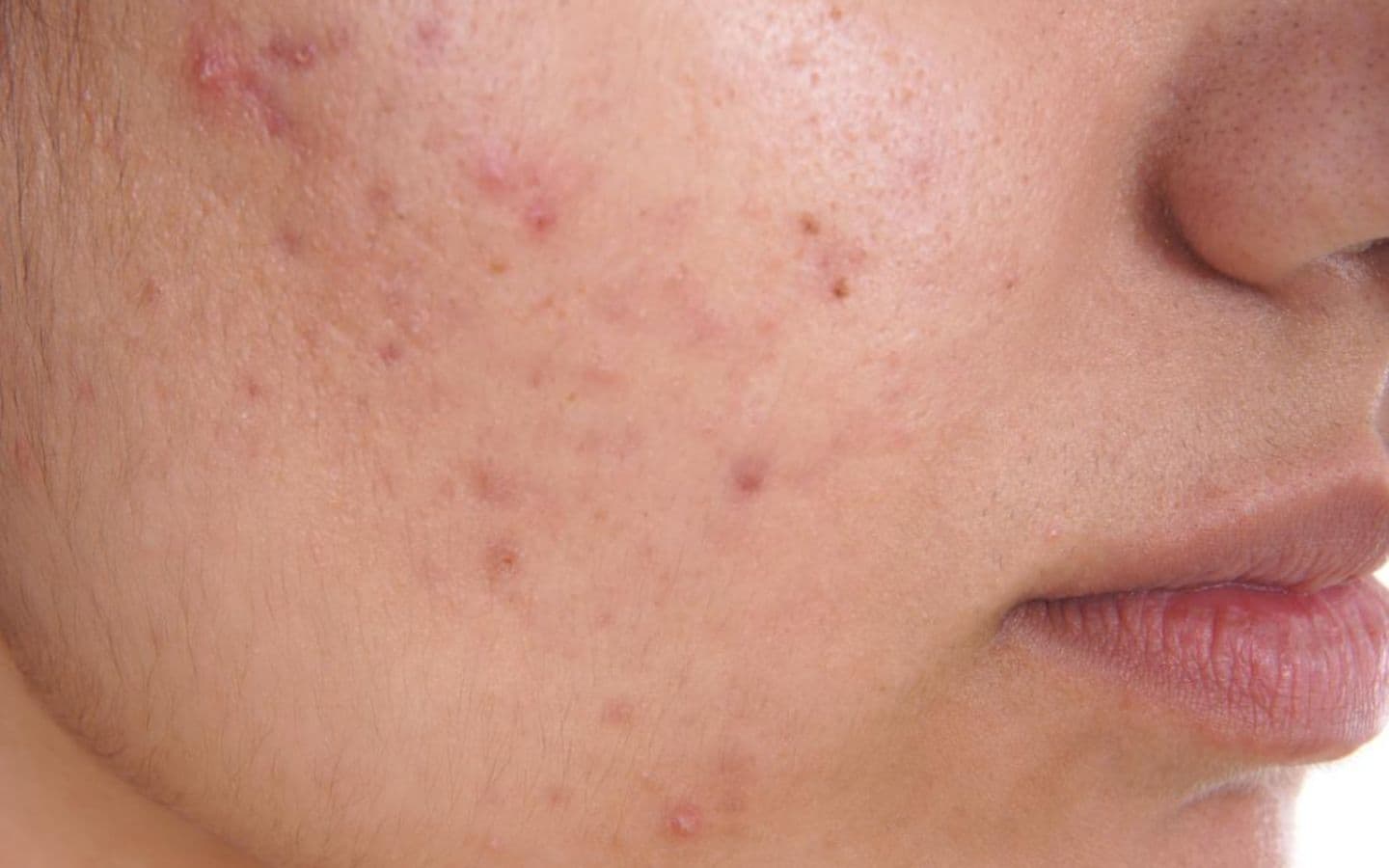
Adjustable needle depth with monopolar and bipolar RF modes, generally considered for acne scarring, enlarged pores and oily texture.
About Potenza
Not sure which of the three devices suits your skin?
Scarring, pores, pigment and firmness call for different devices and depths. A doctor can tell you which you are dealing with.
Ask about this on WhatsAppFree consultation, about 20 to 30 minutes, no obligation.
Who should postpone or avoid it
Recently tanned or sunburnt skin may mean postponing.
- Pregnancy or breastfeeding. Treatment is deferred.
- Active skin infection, acne flares or inflamed areas in the treatment area.
- Recent oral isotretinoin, or other medications your doctor goes through with you.
- A history of keloid scarring.
- A pacemaker or other implanted electronic device, metal implants or permanent fillers in the treatment area, which must be declared.
- Clotting disorders or blood thinners.
What a session involves
Consultation and assessment
A doctor reviews your skin and medical history and chooses the device and settings.
Numbing
Numbing cream is applied for around 30 to 45 minutes, which is much of the appointment.
The treatment
Needle depth, energy level and pattern are adjusted to your skin, and many people describe the sensation as mild heat and pressure.
Afterwards
The skin is cooled and soothed, and you are given aftercare guidance.
In the treatment room
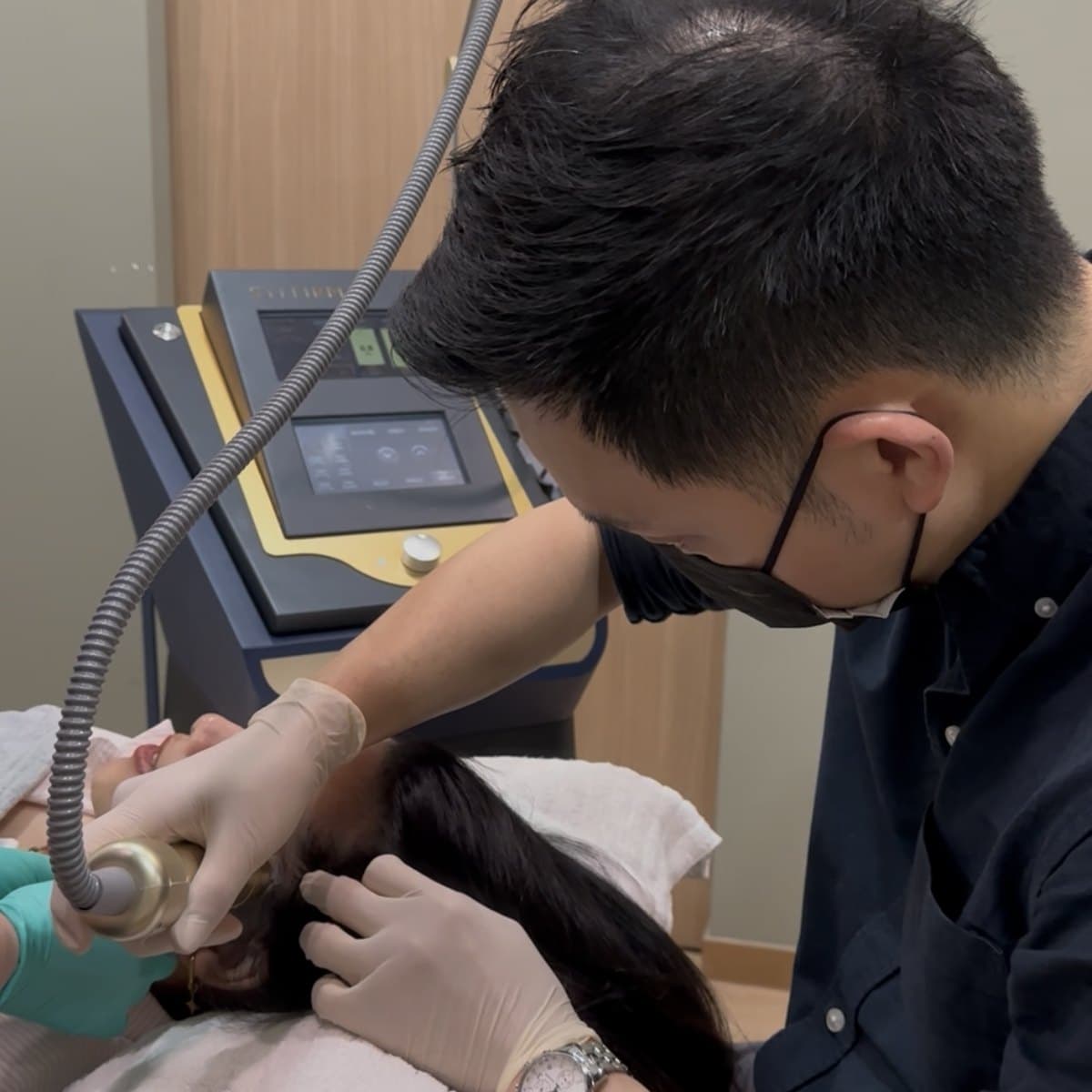
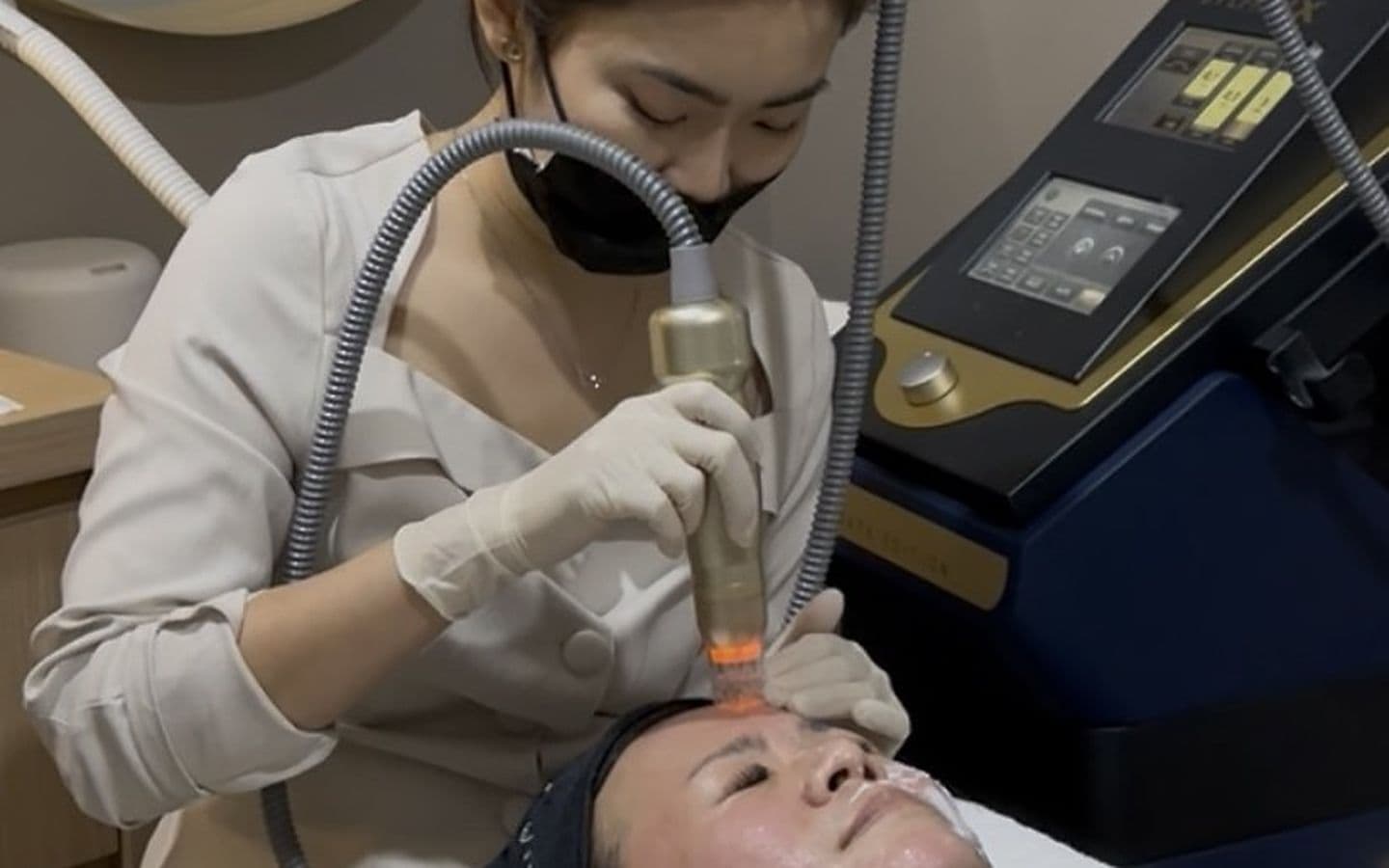
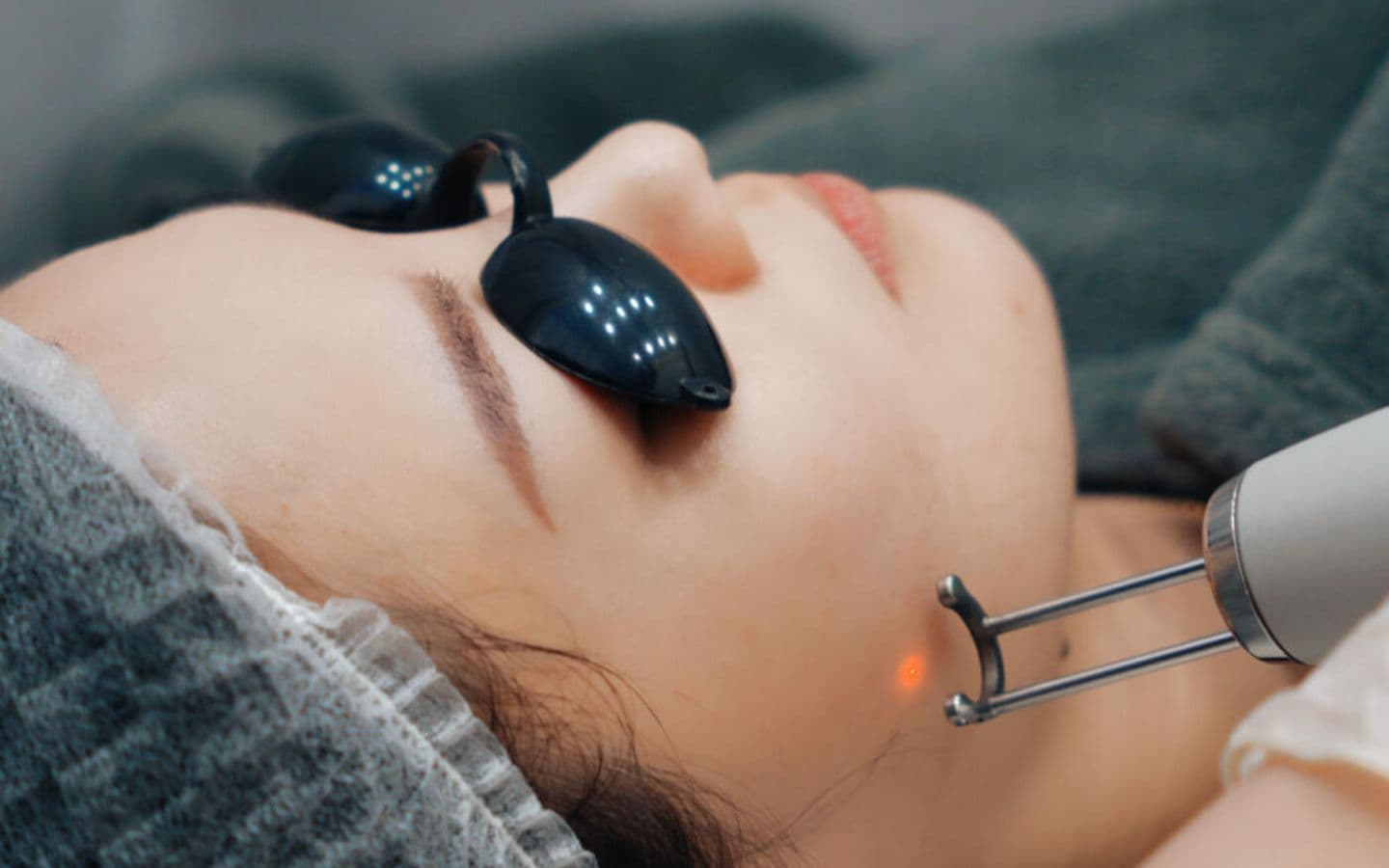
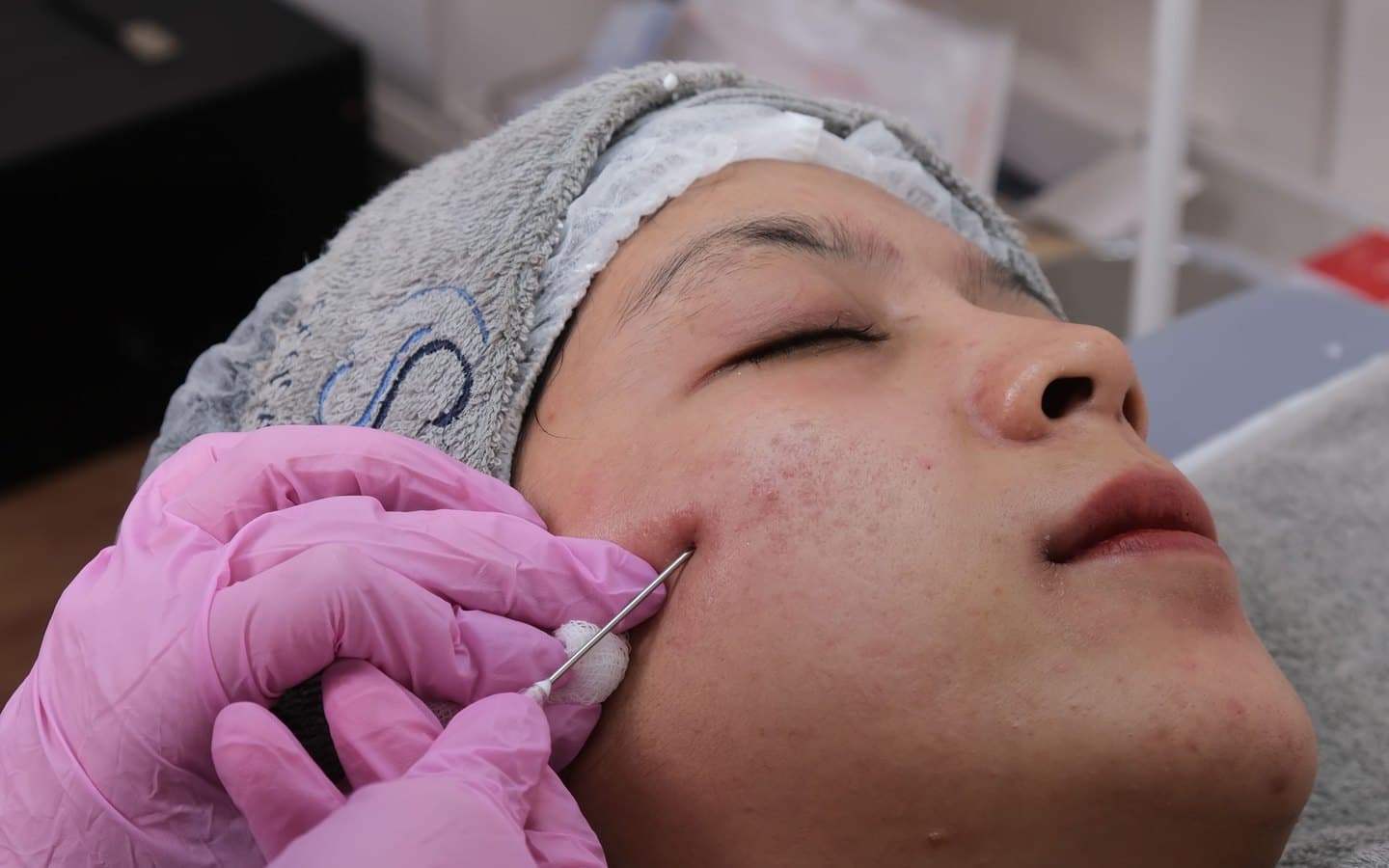
A doctor moves the microneedling handpiece along the patient's face.
After a session
The first one to two days
Some redness is common, and the skin can look flushed and feel warm, often with a faint grid pattern from the needle tips.The following days
Some dryness or light flaking afterwards can be normal. Deeper settings can leave the skin flushed and tender for slightly longer, and pinpoint scabs can occur.
Sun protection and gentle skincare while the skin settles, with retinoids and acids usually paused for a short period.
Risks, side effects, and what RF Microneedling cannot do
Common and temporary
Redness, swelling, sensitivity, dryness, pinpoint bruising or scabbing, and temporary changes in skin appearance.Less common
Infection, prolonged pigment change or scarring.Pigment change and Malaysian skin
Radiofrequency is not absorbed by melanin the way laser light is, so RF microneedling is used across a broad range of skin tones, including deeper Asian skin. Temporary pigment change is still possible, particularly with deeper settings or poor sun protection afterwards.What it cannot do
- It is not a substitute for surgery where there is significant sagging or excess skin.
- Scar work is staged. Different scar types respond differently, and no single session is a fix.
- It does not settle melasma for good. Melasma is chronic and relapsing, and needs ongoing topical care and sun protection alongside any procedure.
Tell your doctor about anything in the list under who should postpone or avoid it, even if it seems minor.
What affects the number of sessions, and the cost
Kaiteki does not quote prices online, because the device, area and plan are set at consultation. What moves it:
- Which device your doctor selects for your concern.
- The size of the area treated.
- The depths and modes used.
- The number of sessions in the course.
- Single-use consumable needle tips.
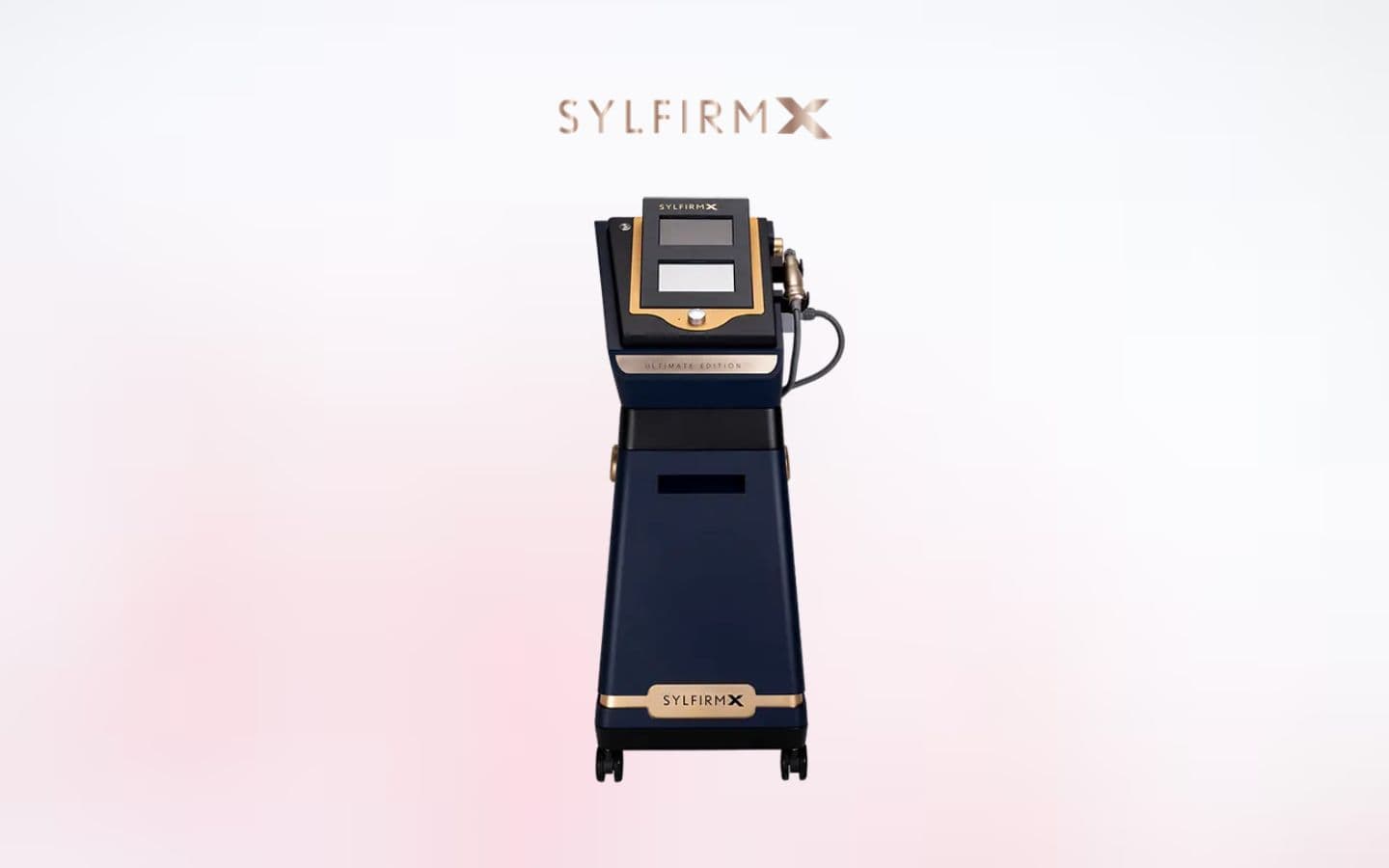
Devices used at Kaiteki
Which platform is used depends on your individual assessment.
Common questions
Which device is right for me: Morpheus8, Sylfirm X or Potenza?
As a general guide, Morpheus8 is associated with deeper skin tightening, Sylfirm X with pigment and redness, and Potenza with scarring and pores.
Is RF microneedling painful?
Numbing cream is applied first.
Is there any downtime?
Some redness for one to two days is common, and mild dryness or flaking can follow.
How many sessions will I need?
Usually a course of sessions spaced a few weeks apart.
Read next


Where to go next
Book a free consultation
The consultation is free, takes about 20 to 30 minutes, and there is no obligation to book treatment afterwards. A doctor will examine your skin and tell you whether RF Microneedling is appropriate, and if it isn’t, what would be.
Ask about this treatmentMedically reviewed by

Dr Say Wei Xian
Aesthetic Physician
MBBS, MAC · MMC 103512
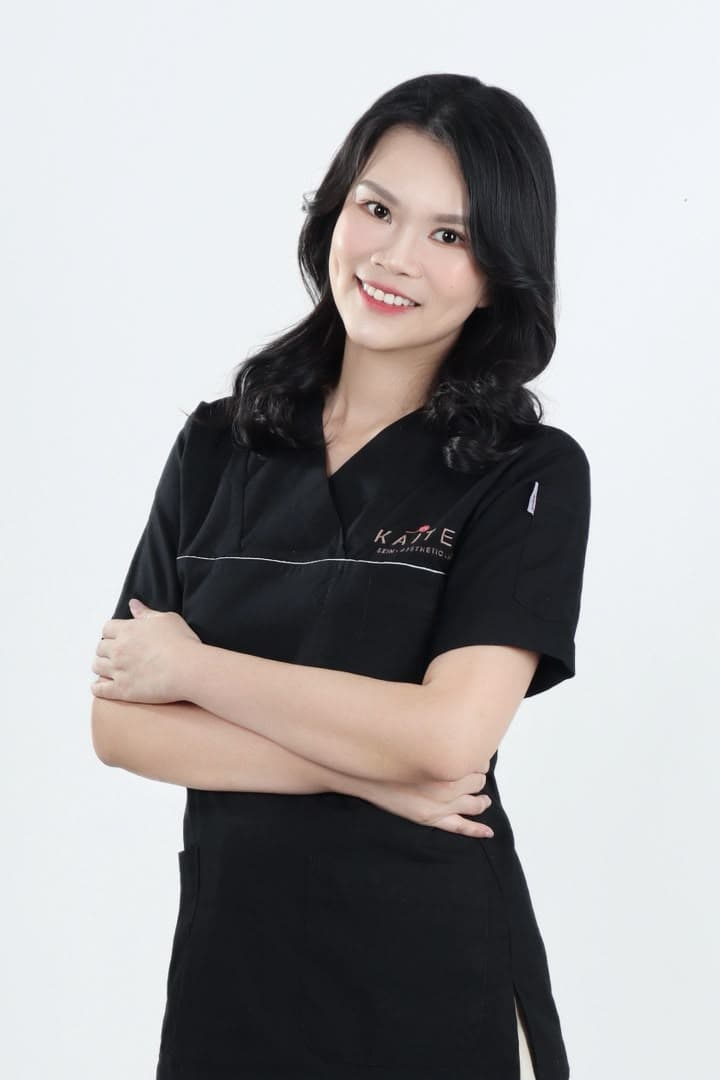
Dr Say Wei Xian is a medical doctor, graduating from International Medical University (IMU). She spent her medical officer years in ophthalmology, where she developed strong precision through microsurgical and laser-based procedures.
View full profile- Reviewed by
- Dr Say Wei Xian, MMC 103512
- Last reviewed
- 12 Jun 2026
- Next review due
- 12 Jun 2027