Lasers
Fotona Laser
A multi-application Nd:YAG/Er:YAG laser platform, most often used at Kaiteki for its Fotona 4D facial-firming protocol.
Free consultation, no obligation.
- Two lasers, four modes
- Nd:YAG and Er:YAG, combined in one protocol
- 45–60 minutes
- A full protocol, depending on how many modes are included
- Assessment first
- Your first visit is a doctor consultation, not a treatment
On this page
In brief
Fotona Laser is Kaiteki's Fotona SP Dynamis / TimeWalker platform, an Nd:YAG and Er:YAG laser system with several application modes. Its main facial protocol, Fotona 4D, combines four modes — one delivered from inside the mouth — for facial firmness and skin-quality concerns. A doctor decides which modes, if any, suit you.
Results from Kaiteki patients
Before and after photos of patients treated at Kaiteki for face lifting and aging. A plan may combine more than one treatment.
10 photos · tap one to enlarge
Facial firmness, before and after a course of treatment at Kaiteki
Skin tone and texture, before and after a course of treatment at Kaiteki
Facial firmness, before and after a course of treatment at Kaiteki
Overall skin quality, before and after a course of treatment at Kaiteki
Jawline definition, before and after a course of treatment at Kaiteki
Jawline definition, before and after a course of treatment at Kaiteki
Jawline definition, before and after a course of treatment at Kaiteki
Lower-face firmness, before and after a course of treatment at Kaiteki
Lower-face firmness, before and after a course of treatment at Kaiteki
Mid-face and cheek support, before and after a course of treatment at Kaiteki
Photographs of Kaiteki patients, published with consent. Individual results vary and are not guaranteed. These images are not a promise of outcome. A doctor will assess whether any treatment is suitable for you.
What is Fotona Laser?
The Fotona SP Dynamis / TimeWalker platform combines two lasers, Nd:YAG and Er:YAG, and runs several distinct applications: NightLase (for snoring-related concerns), LipLase, SmoothEye, TightSculpting and the facial protocol Fotona 4D.
Why does Fotona 4D work from inside the mouth?
In the step Fotona calls SmoothLiftin™, the Er:YAG laser is applied in SMOOTH® mode to the inner cheek, working from within rather than through the outer skin. Fotona describes SMOOTH® mode as a rapid sequence of low-fluence pulses inside a longer pulse, producing gentle coagulative heating rather than ablation.
What Fotona Laser is used for at Kaiteki
Laxity treated from inside the mouth outwards
Early to moderate laxity of the lower face, where firmness and skin quality are both part of the picture rather than descent alone.
Firmness and surface quality in the same course
Loss of firmness alongside surface texture and fine lines.
The four modes, and what each one does
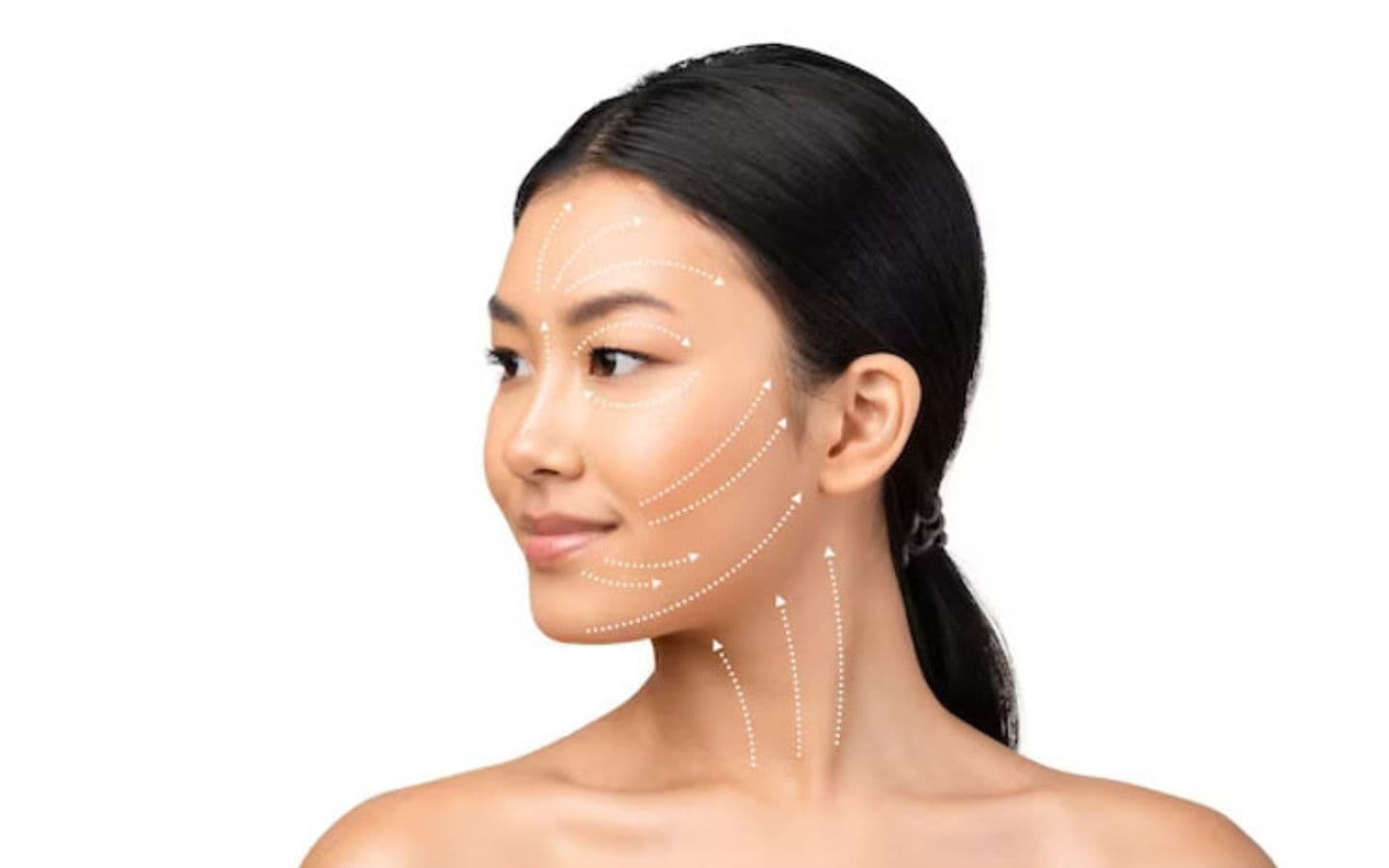
Fotona 4D runs four laser modes in a set sequence, each working at a different level of the skin.
SMOOTH
Er:YAG · intraoral
Delivered from inside the mouth, to the tissue behind the cheeks and around the nasolabial region.
FRAC3
Nd:YAG · fractional
A fractional mode that reaches deeper layers of the skin to target imperfections such as pigmentation and lines.
PIANO
Nd:YAG · bulk heating
A bulk-heating mode that warms deeper tissue in a gradual, controlled way, working below the skin surface.
Superficial peel
Er:YAG · surface
A light resurfacing pass over the skin surface intended to smooth texture.
About the Fotona platform
Not sure whether a laser or another energy suits your laxity?
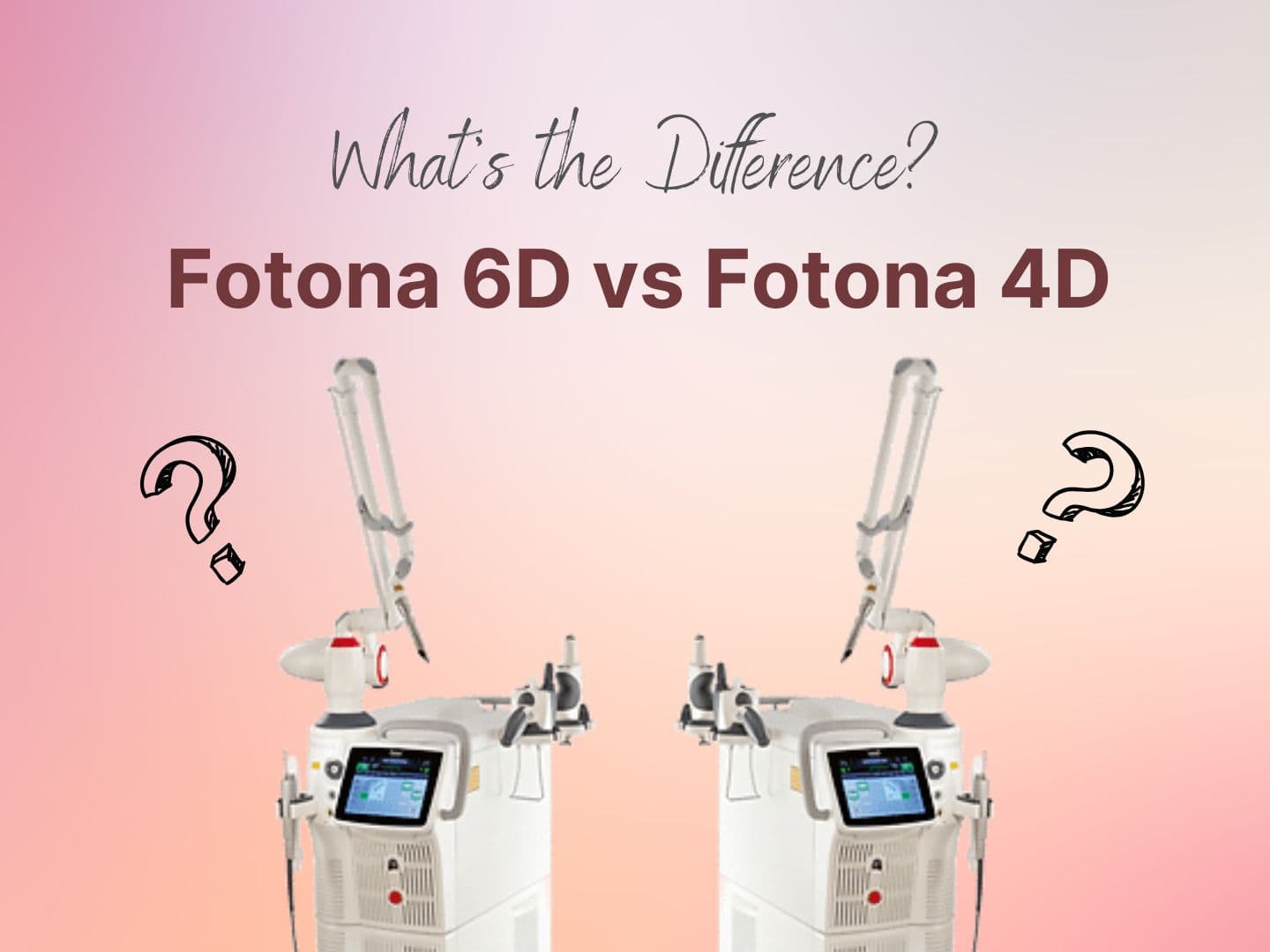
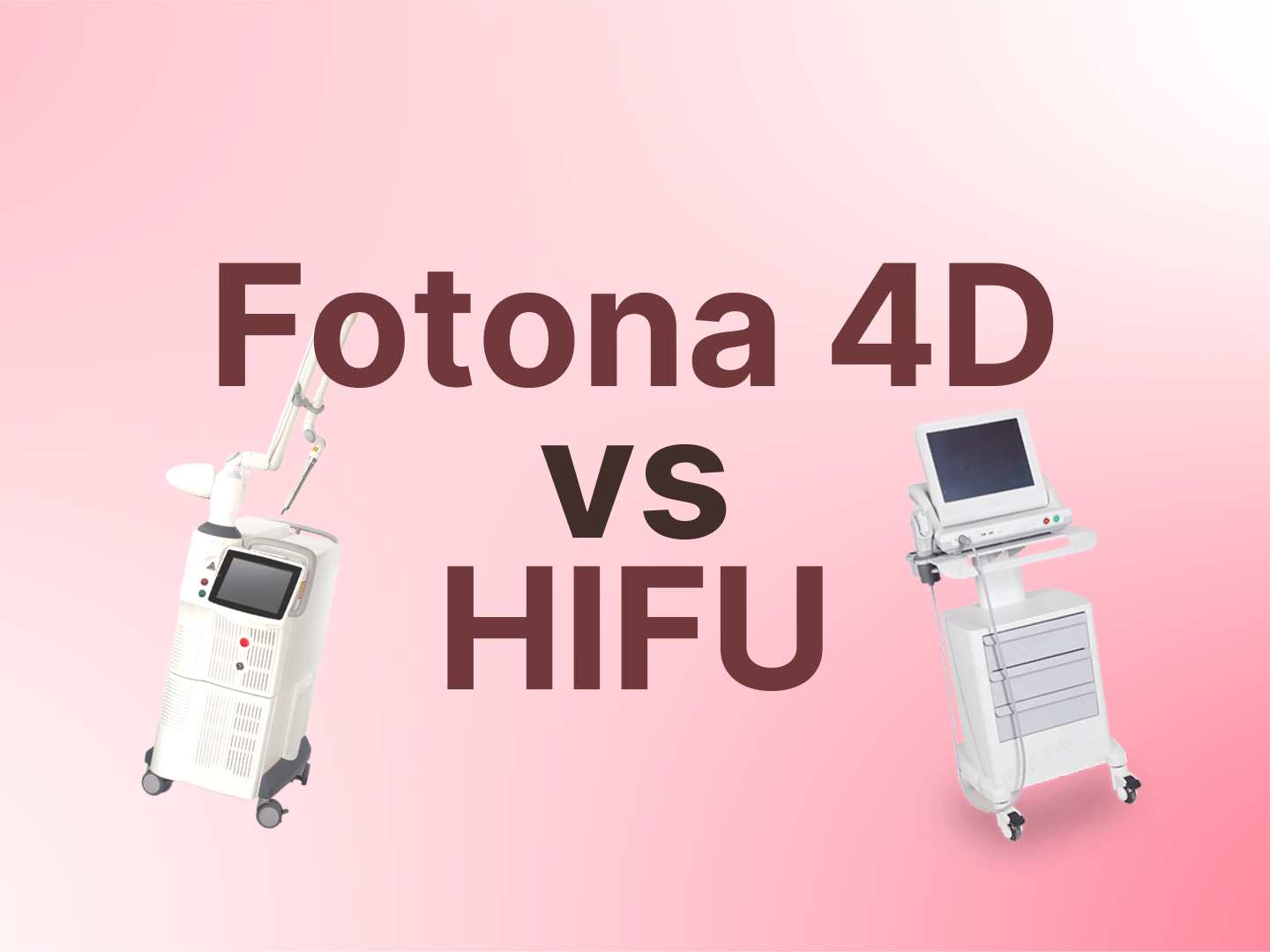
Fotona 4D, focused ultrasound and radiofrequency reach tissue in different ways. A doctor can compare them for your face.
Ask about this on WhatsAppFree consultation, about 20 to 30 minutes, no obligation.
Who should postpone or avoid it
- Pregnancy or breastfeeding. Treatment is deferred.
- Active infection, cold sores or inflamed skin in the area to be treated.
- Recent sunburn or tanning.
- A history of keloid scarring.
- Photosensitising medication, including oral isotretinoin.
- Oral or dental conditions, recent dental work or oral appliances, because one step is delivered from inside the mouth.
What a session involves
Consultation and assessment
The doctor decides which modes suit your face, and in what order.
Preparation
The skin is cleansed and make-up removed, eye protection is fitted, and you are positioned and prepared separately for the intraoral step.
The protocol
The modes are performed in sequence. Most patients describe spreading warmth rather than sharp pain, including against the inner cheek during the intraoral step.
Afterwards
You leave with aftercare advice.
In the treatment room
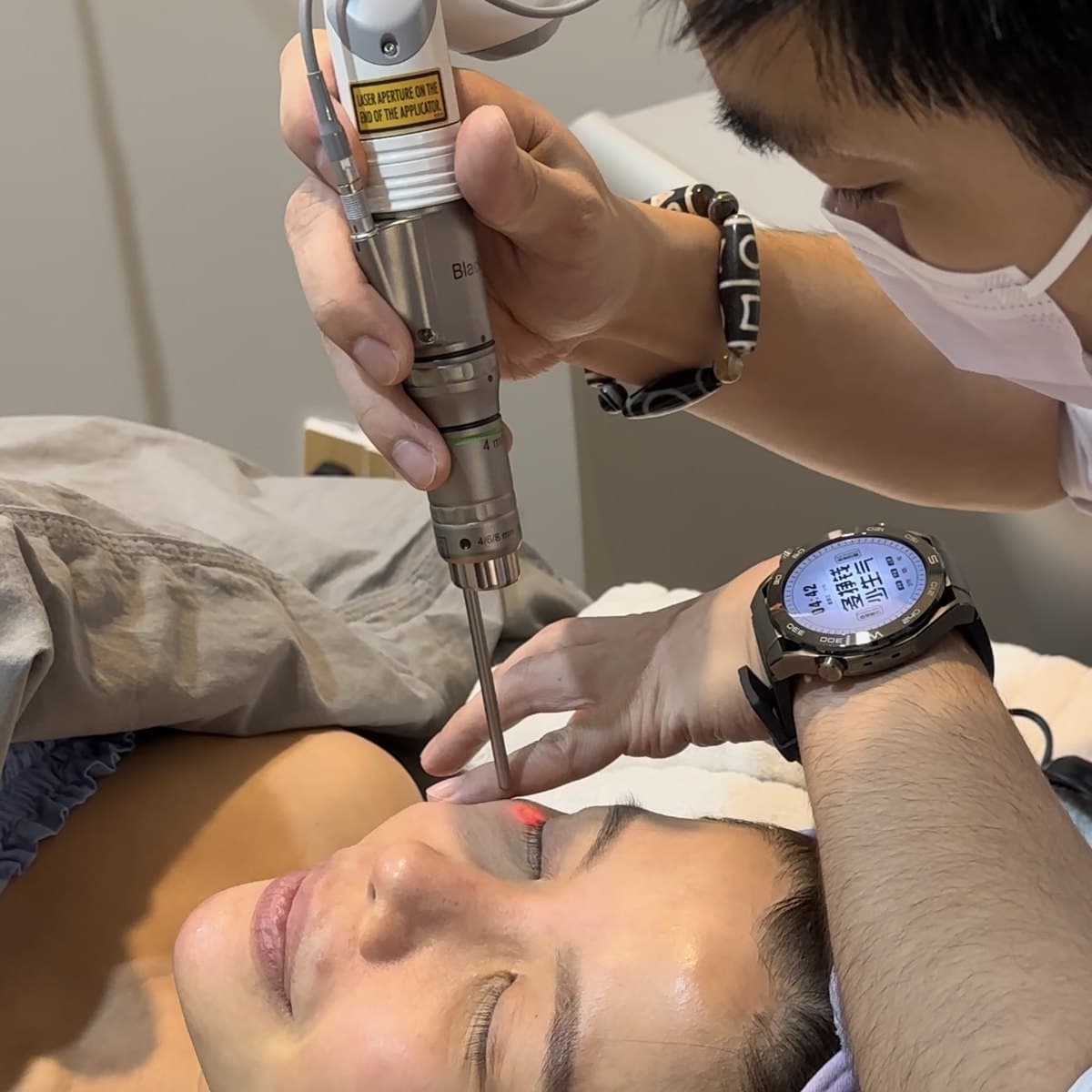
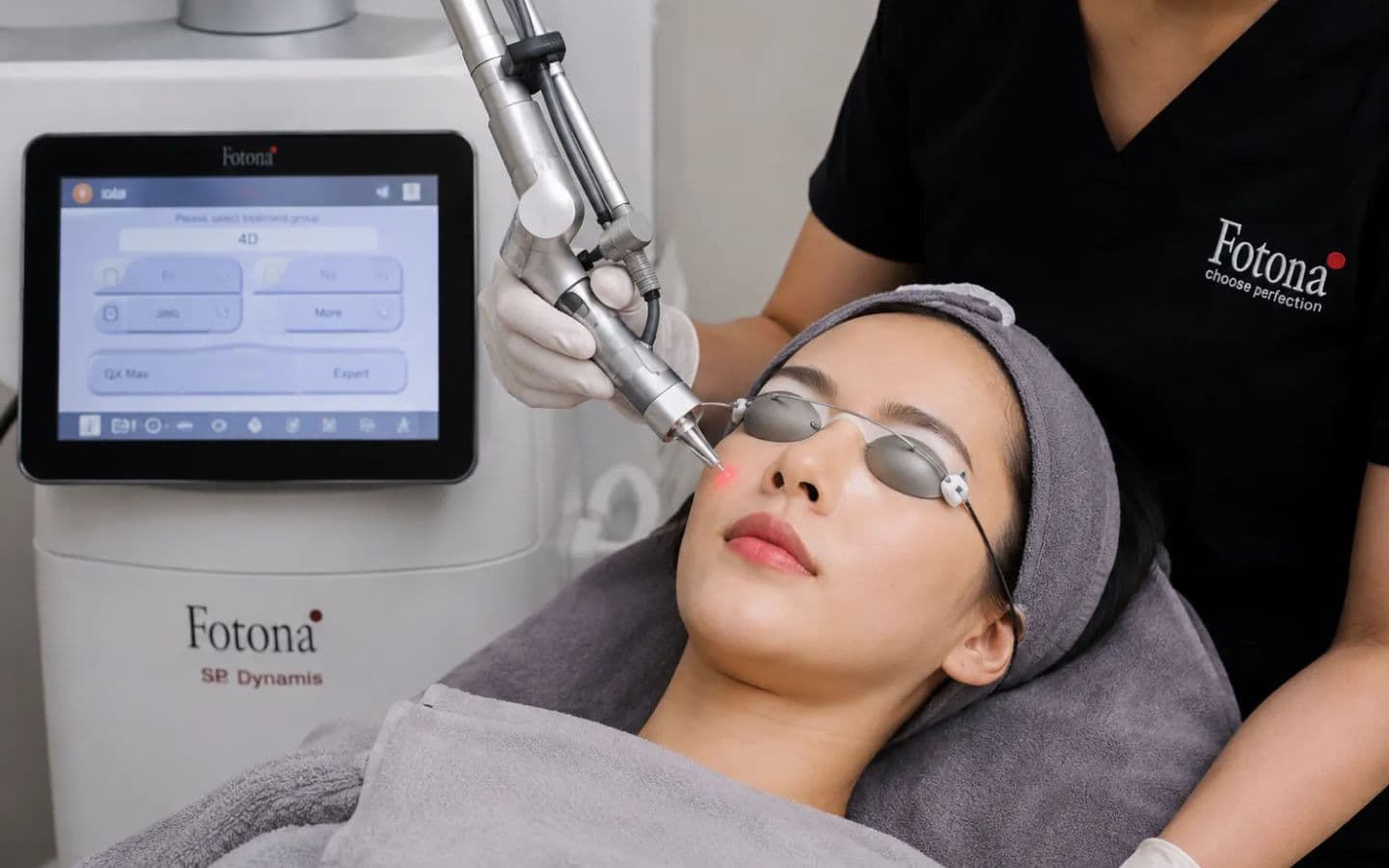
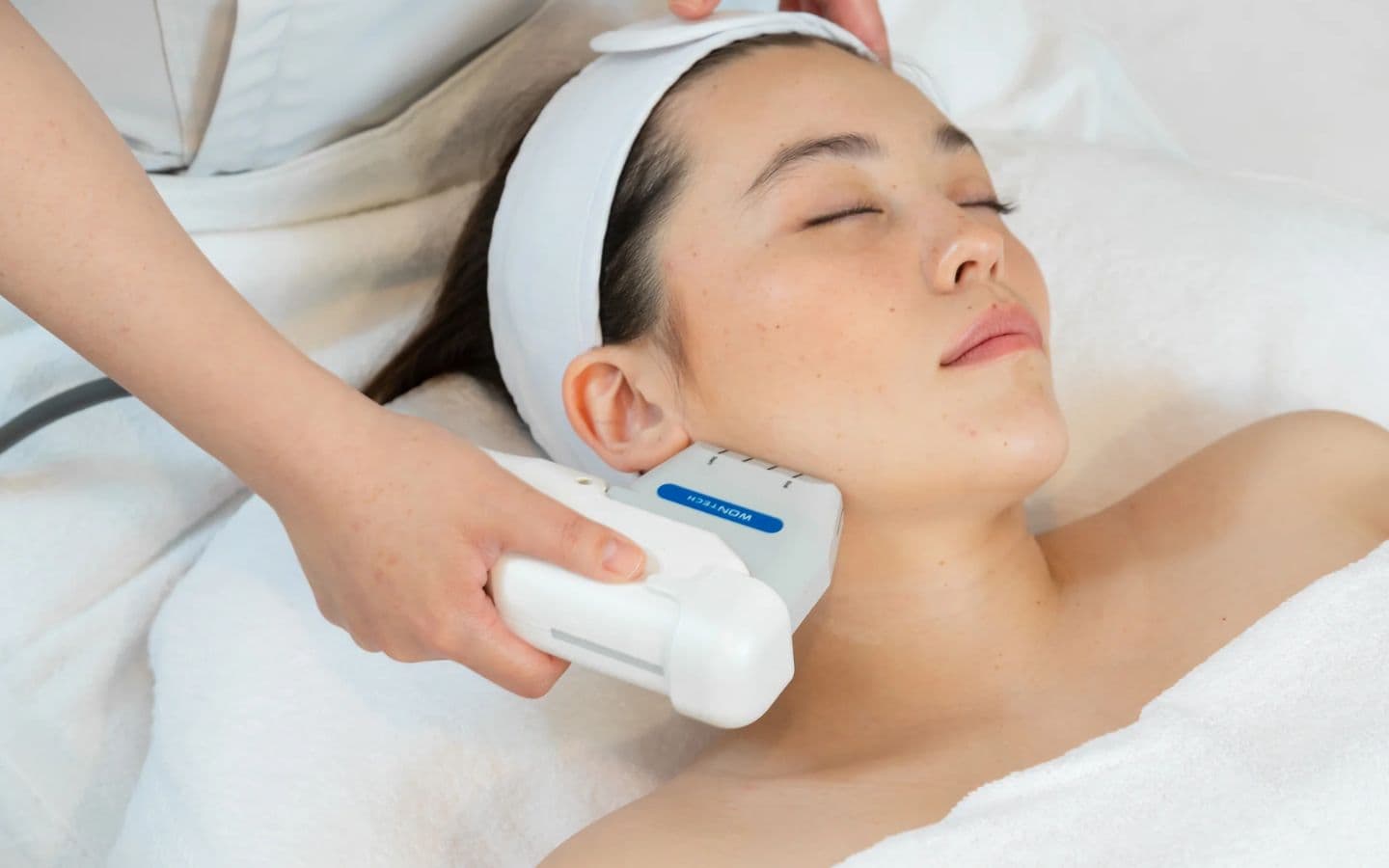
A doctor holds the laser handpiece above the patient's cheek during a session.
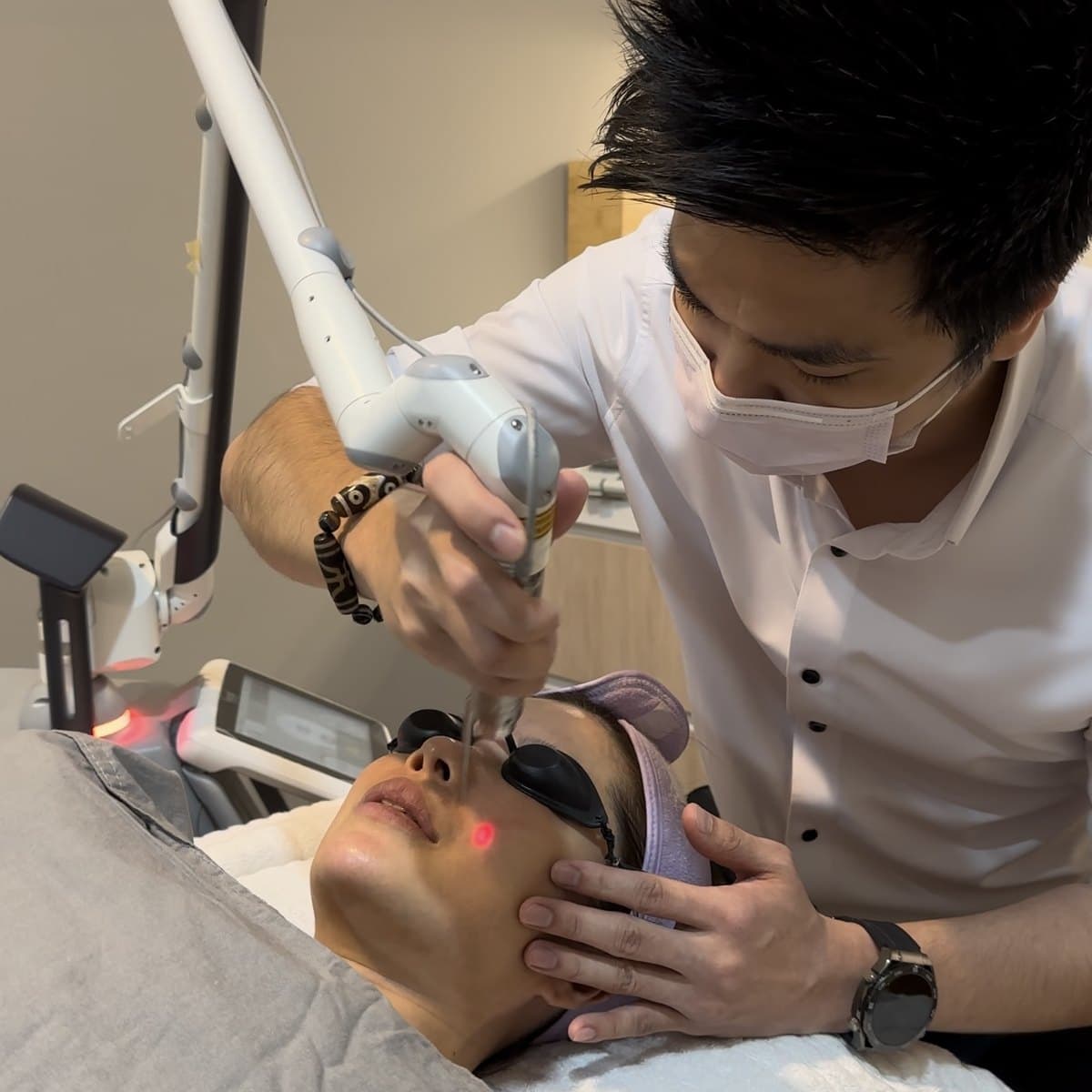
A doctor steadies the patient's face while guiding the laser handpiece.
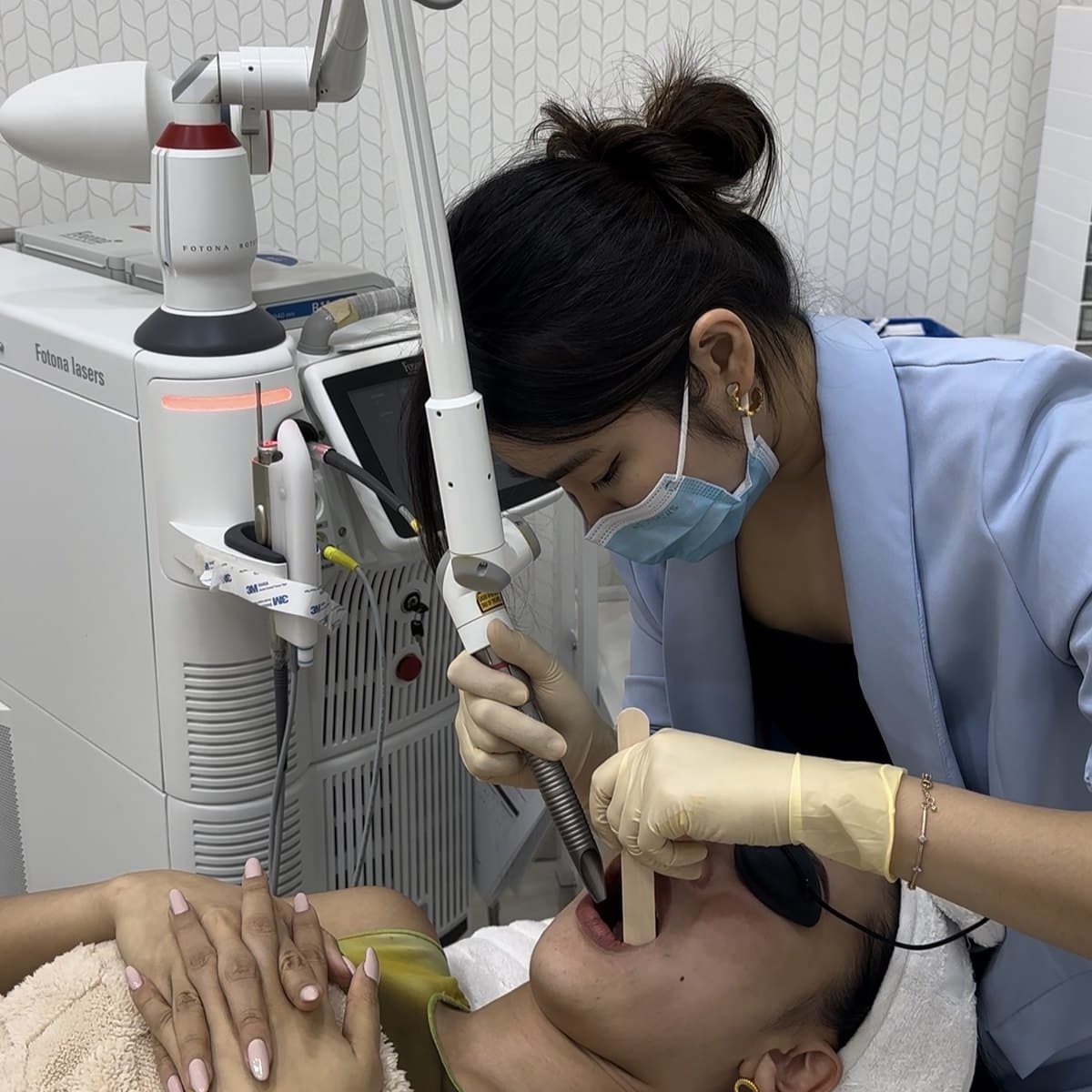
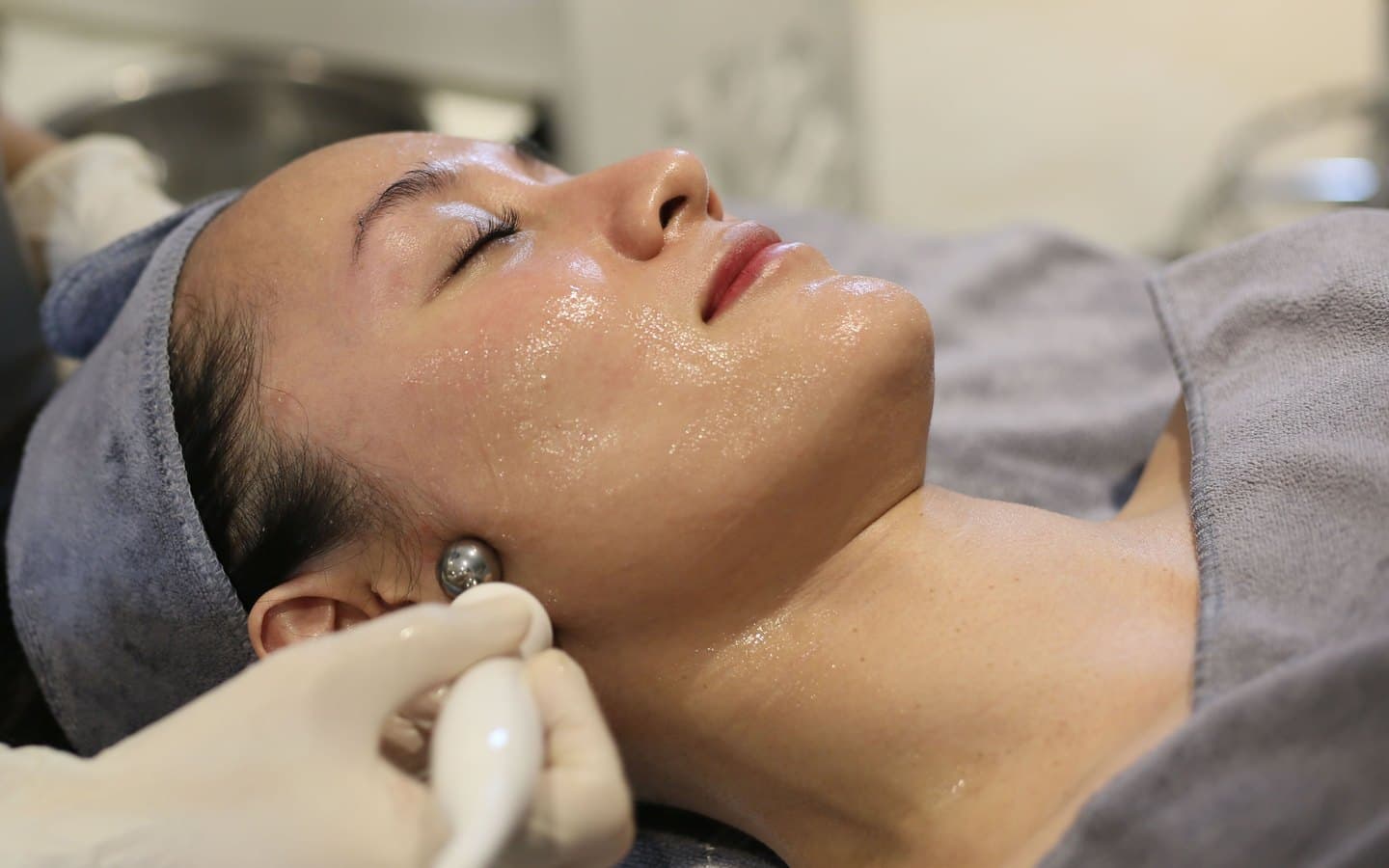
A practitioner works inside the mouth area with a laser handpiece.
After a session
The same day
Flushing, warmth and a mild tight feeling for a few hours to a day are common, and the skin can look slightly pink after the surface pass. Most people return to normal activities the same day.The first few days
Keep skincare gentle and well moisturised, and pause retinoids and acids until your doctor says otherwise.
Use daily broad-spectrum sunscreen, and avoid heat such as saunas and hot yoga for the period your doctor specifies.
Risks, side effects, and what Fotona Laser cannot do
Common and temporary
Redness, warmth, mild swelling, transient dryness or flaking, and temporary sensitivity of the inner cheek or lips after the intraoral step.Less common
Cold sores can be reactivated in people prone to them. Burns, blistering, changes in pigmentation and scarring are uncommon.Pigment change and Malaysian skin
Fotona notes that the Nd:YAG wavelength's low absorption in melanin allows use across skin types, and the Er:YAG surface pass is kept light in a 4D protocol. A history of pigment change after heat, lasers or inflammation still needs raising before treatment.What it cannot do
- It is aimed at early to moderate laxity rather than significant sagging, where a doctor may tell you a laser is not the right tool.
- It is not a single visit: the effect relies on gradual tissue remodelling across a course.
Tell your doctor if you are prone to cold sores.
What affects the number of sessions, and the cost
Kaiteki does not quote prices online, because cost depends on the plan agreed at consultation. What moves it:
- How many of the four modes your plan uses.
- How many areas are covered.
- The number of sessions in the course, and any maintenance.
- Whether the protocol is combined with other treatments in your plan.
Devices used at Kaiteki
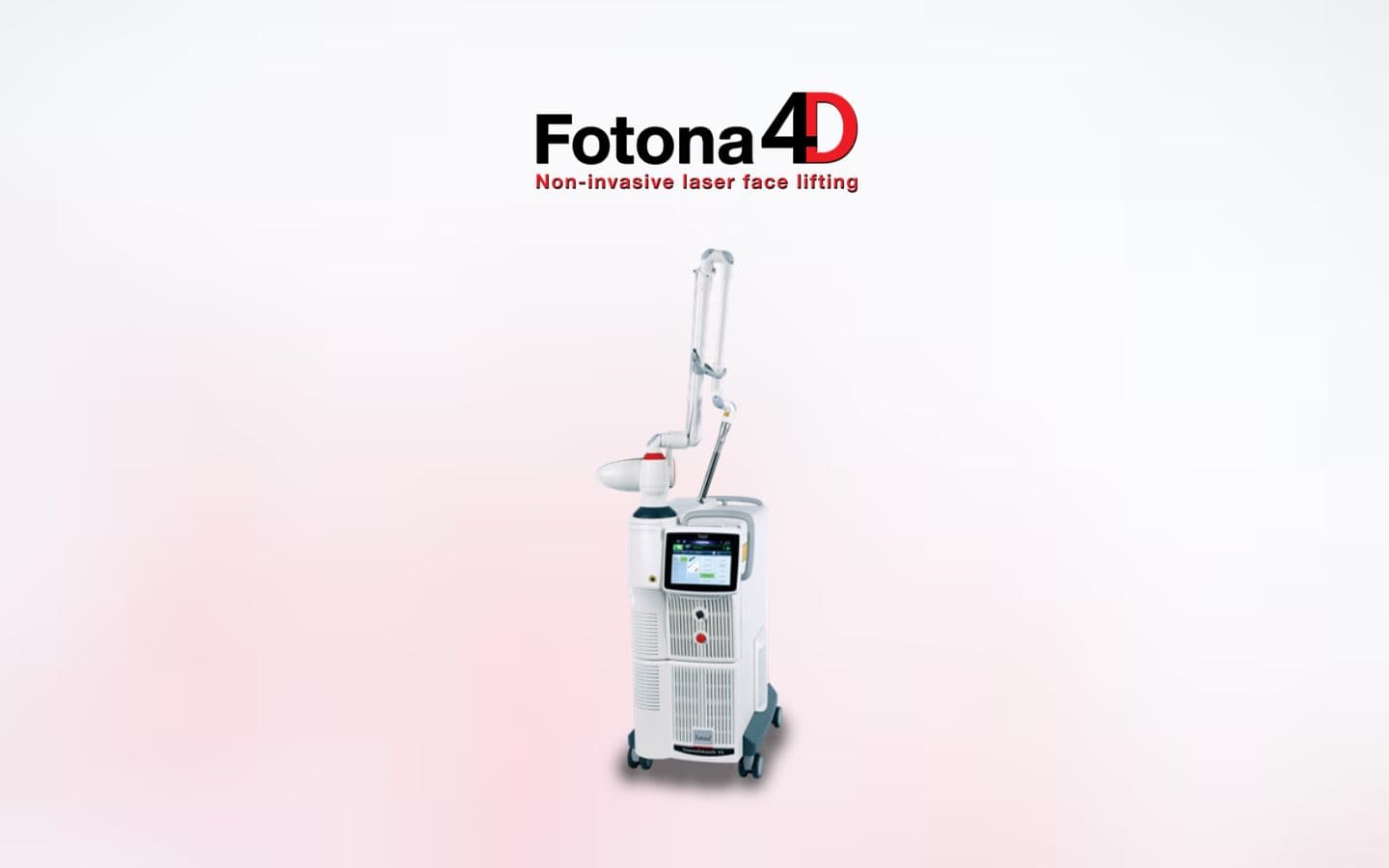
Which platform is used depends on your individual assessment.
Common questions
How many Fotona 4D sessions will I need?
Usually a course of several sessions spaced a few weeks apart, then occasional maintenance.
Is Fotona 4D suitable for darker or Asian skin?
It can be. A history of pigment change should be raised first.
Does Fotona 4D involve needles or injections?
No. It uses laser energy only, on the skin surface and inside the mouth.
How much does Fotona 4D cost?
It is confirmed at consultation rather than quoted online.
Read next
Where to go next
Book a free consultation
The consultation is free, takes about 20 to 30 minutes, and there is no obligation to book treatment afterwards. A doctor will examine your skin and tell you whether Fotona Laser is appropriate, and if it isn’t, what would be.
Ask about this treatmentMedically reviewed by
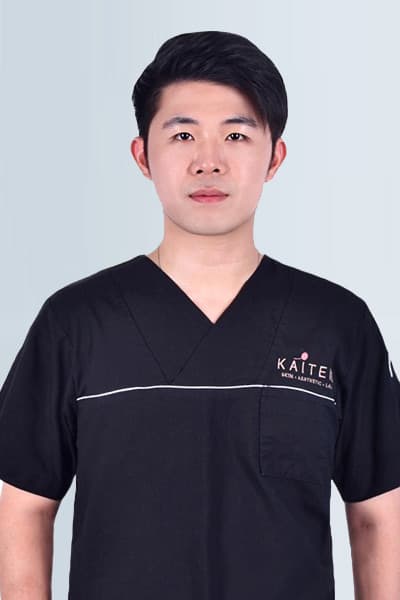
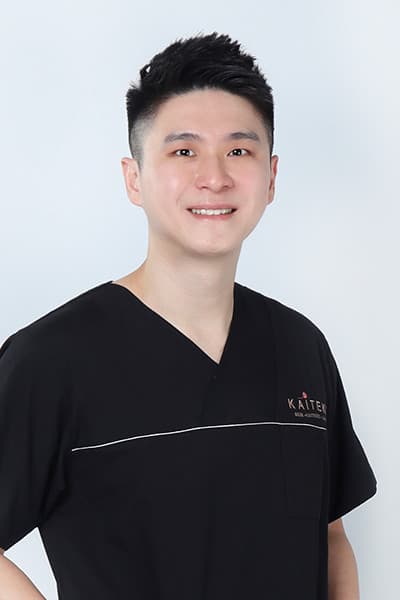
Dr Jen Meng
Aesthetic Physician
MBBS, MAC · MMC 104167
Dr Jen Meng is an aesthetic medical doctor who graduated with Bachelor of Medicine, Bachelor of Surgery (MBBS) from Manipal Academy of Higher Education. With training in Plastic and Reconstructive Surgery, he has strong expertise in facial anatomy, skin health, and procedural safety.
View full profile- Reviewed by
- Dr Jen Meng, MMC 104167
- Last reviewed
- 15 Jun 2026
- Next review due
- 15 Jun 2027