

Concern · Face
Face Lifting
Sagging along the jawline, neck or mid-face can be addressed with non-surgical lifting options.
Free, about 20–30 minutes, no obligation to book treatment.
- Not a surgical face-lift
- These are energy-based and injectable options, a different category from surgery.
- Laxity has layers
- Skin, fat and the layer beneath them each change, and each is treated differently.
- Sitting upright
- Laxity is examined upright, because it looks different lying down.
On this page
In brief
Sagging comes from three layers: the skin loosening, the face losing volume, and the deeper tissue under the skin descending. Non-surgical options such as focused ultrasound, laser protocols and collagen-stimulating injectables work gradually, in degrees of firmness rather than lift.
Results from Kaiteki patients
14 photos · tap one to enlarge
Facial firmness, before and after a course of treatment at Kaiteki
Facial firmness, before and after a course of treatment at Kaiteki
Jawline definition, before and after a course of treatment at Kaiteki
Jawline definition, before and after a course of treatment at Kaiteki
Jawline definition, before and after a course of treatment at Kaiteki
Lower-face firmness, before and after a course of treatment at Kaiteki
Lower-face firmness, before and after a course of treatment at Kaiteki
Mid-face and cheek support, before and after a course of treatment at Kaiteki
Mid-face and cheek support, before and after a course of treatment at Kaiteki
Facial firmness, before and after a course of treatment at Kaiteki
Facial firmness, before and after a course of treatment at Kaiteki
Facial firmness, before and after a course of treatment at Kaiteki
Facial firmness, before and after a course of treatment at Kaiteki
Jawline and neck contour, before and after a course of treatment at Kaiteki
Photographs of Kaiteki patients, published with consent. Individual results vary and are not guaranteed. These images are not a promise of outcome. A doctor will assess whether any treatment is suitable for you.
What is non-surgical face lifting?
As a concern, face lifting means wanting firmer skin that sits higher, mainly along the cheeks, jawline and neck.
What influences facial firmness
Several of these at once, and which one leads decides the treatment:
- Collagen and elastin decline: the scaffolding that holds skin taut is renewed more slowly from the mid-twenties onward, so the skin recovers its shape less readily after it is stretched.
- Changes in muscle and the layer beneath: the sheet of muscle and connective tissue under the skin, the SMAS, loosens with age, and the ligaments that anchor it to bone stretch.
- Gravity and time: constant downward load on tissue that resists it less each year, so change shows first along the jawline and under the chin.
Sun exposure, smoking and rapid weight loss accelerate all of it.
Which layer is it?
Non-surgical lifting is three different conversations, and most faces involve more than one.
Skin-level laxity
Surface laxity and texture
The skin itself has thinned and lost elasticity. Pinch it gently on the cheek and it returns to place slowly.
Usually assessed for: commonly assessed for energy-based tightening or collagen-stimulating treatments aimed at skin quality.
Volume-related change
Flattening and hollowing
The face has deflated rather than descended. Cheeks flatten, the temples and under-eye area hollow, and the folds either side of the mouth deepen because the support above them has gone, not because the skin below has slipped.
- The tell: lying down, or lifting the cheek gently with a fingertip, restores much of the shape.
Usually assessed for: assessed for volume support or collagen-stimulating injectables, placed to rebuild structure rather than to fill a line.
Structural descent
Jowls, jawline and neck
The layer beneath the skin has loosened, and tissue has genuinely moved downward. Jowls break the jawline, the neck angle softens, and pulling the skin taut with a hand makes an obvious difference to the outline of the face.
Usually assessed for: assessed for deeper energy-based treatment, with a frank discussion about where non-surgical options stop.
Non-surgical versus surgical
Different categories of intervention, not two strengths of one.
What non-surgical options do
Heat or stimulate tissue to build collagen, or support structure with injectables. Change is gradual and measured in firmness, not centimetres.What surgery does
Repositions and removes tissue under anaesthetic. Reaches descent no device does, with recovery, scars and surgical risk.Downtime and commitment
Non-surgical treatments are typically same-day, with little or no time away from work. Surgery involves weeks of recovery.
When it is worth an assessment
There is no age or threshold at which lifting treatment becomes appropriate. It is worth an assessment if:
- You are noticing the jawline losing definition, or jowls forming either side of the chin.
- Skin along the neck feels looser, or the angle under the jaw has softened.
Treatment options at Kaiteki
Which fits depends on the layer responsible:
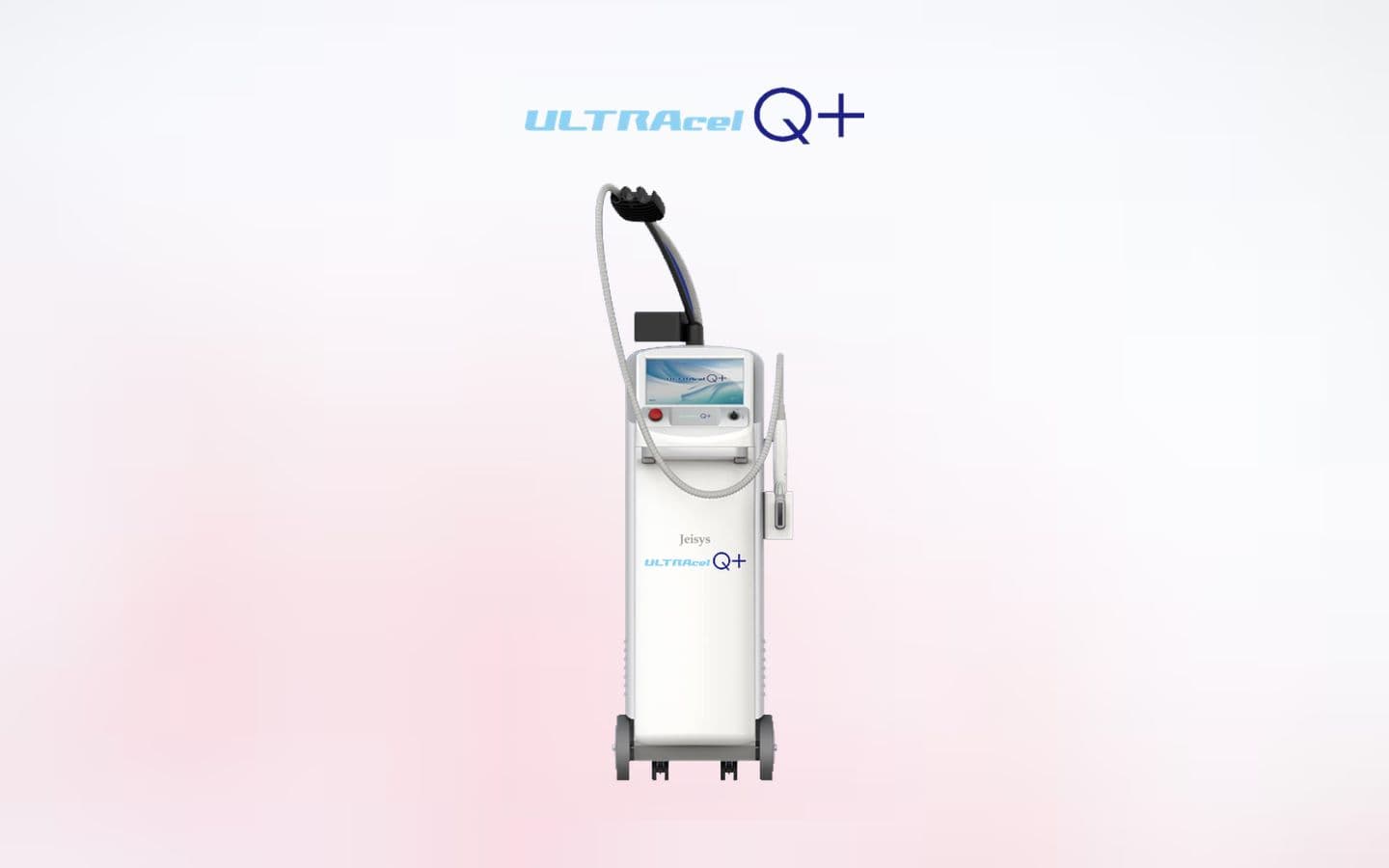
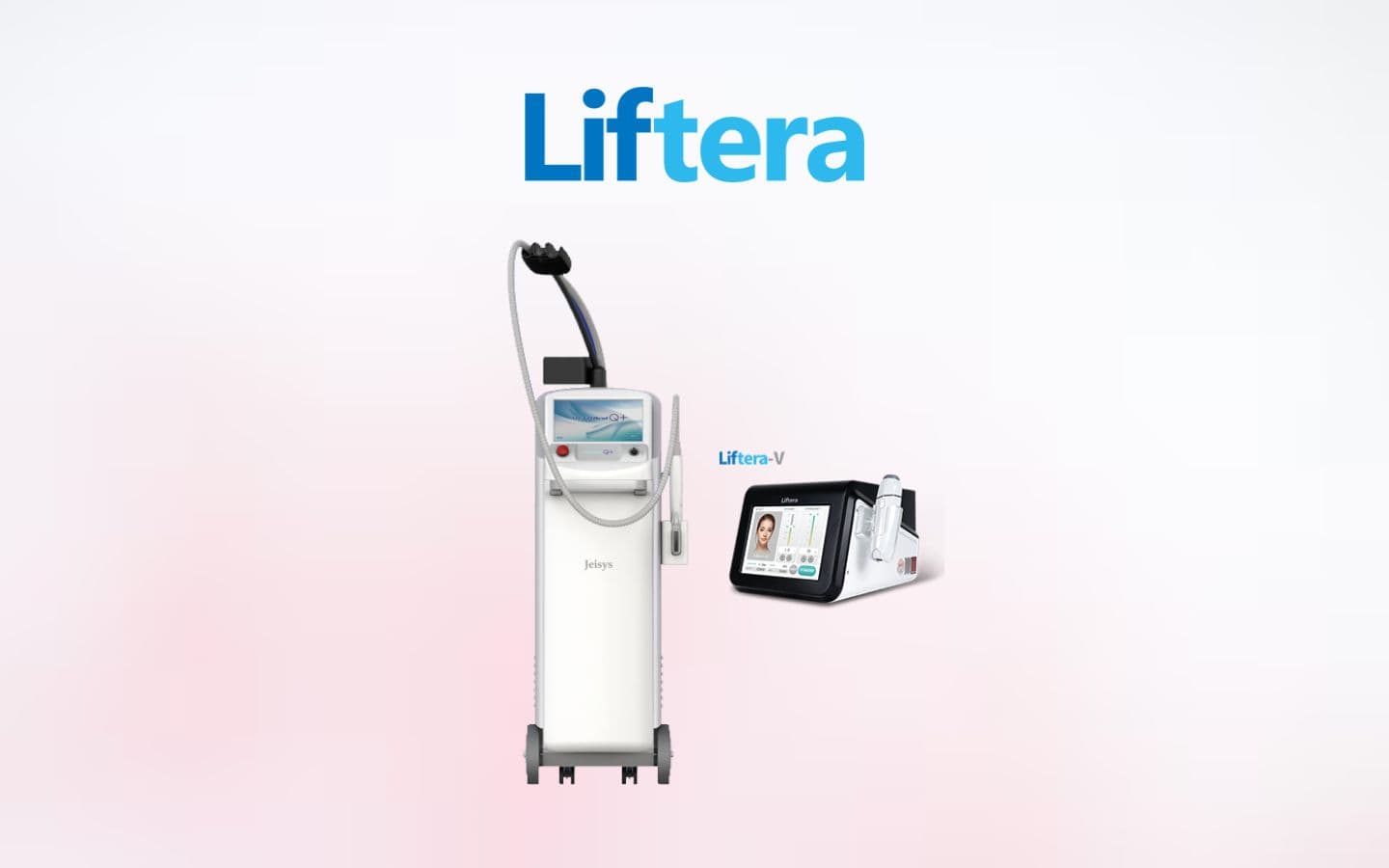
HIFU
For laxity along the jawline and neck
Focused ultrasound delivered to set depths beneath the skin, including the layer surgeons address.
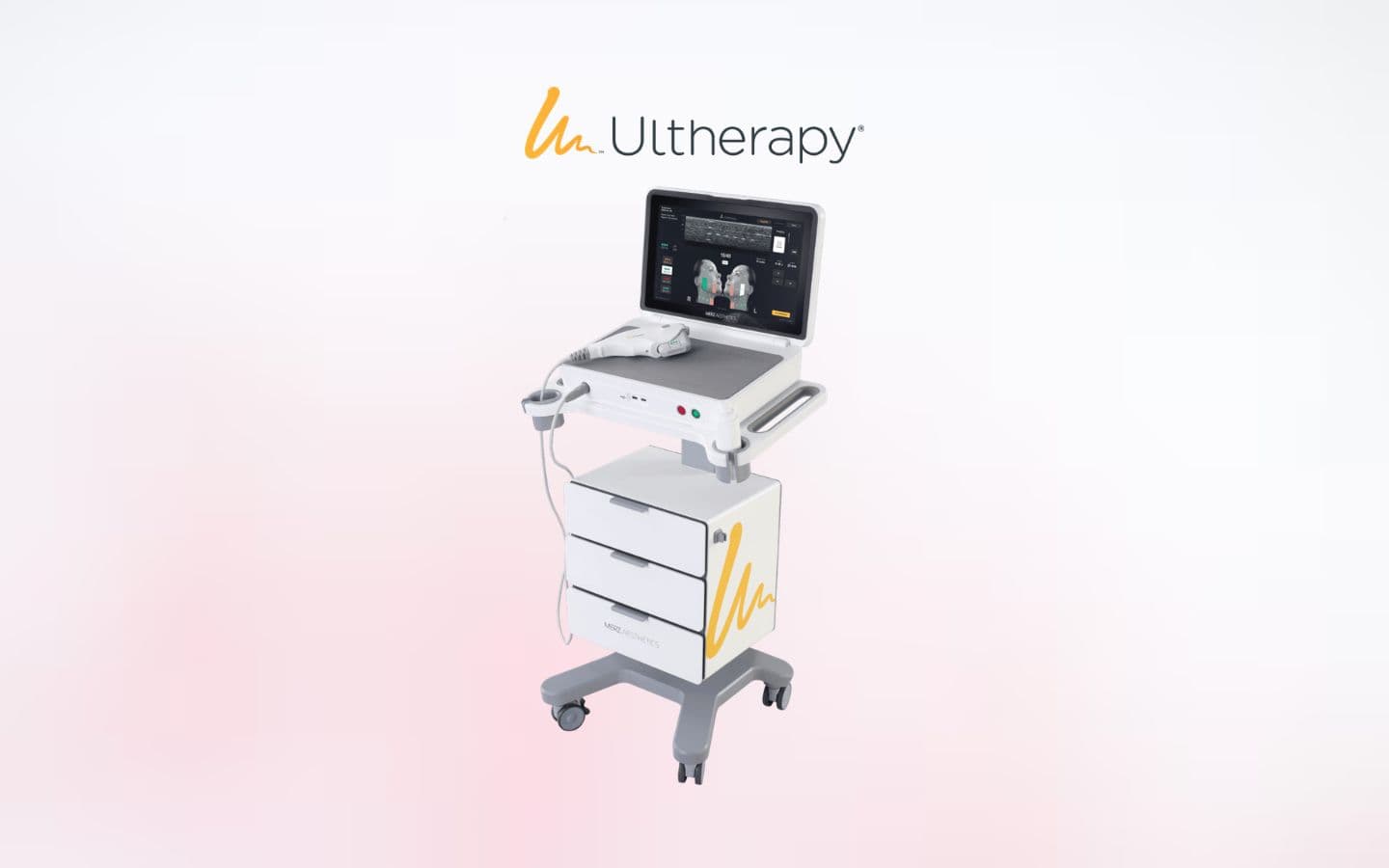
HIFUUltherapy
For lifting with ultrasound imaging to guide it
The same principle as HIFU, with real-time imaging so the doctor can see the tissue layers as energy is delivered.
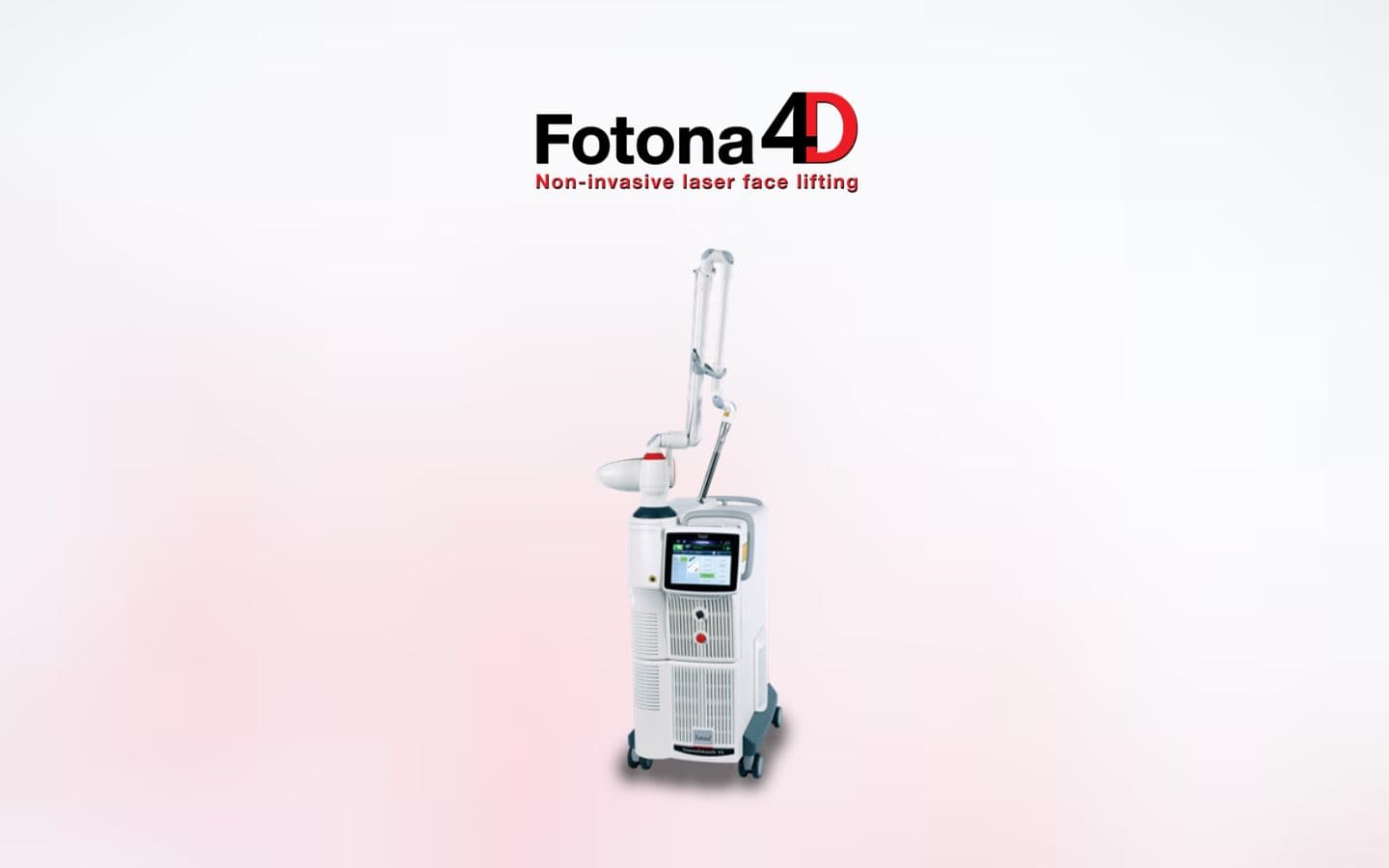
UltherapyFotona Laser
For laxity treated from inside the mouth outwards
A laser protocol that works in several passes, one of them delivered through the inside of the cheek.
Fotona LaserMicrowave Contouring
For fullness under the chin that blurs the jawline
Targets fat and skin firmness in the submental area.
Microwave ContouringBio-stimulator
For gradual collagen rebuilding over months
An injectable that prompts the skin to produce its own collagen rather than adding volume directly.
Bio-stimulatorDermal Fillers
For support where volume loss is doing the sagging
Placed to rebuild structure in a flattened mid-face rather than to fill a line.
Dermal Fillers
Which treatment suits which type?
A general guide. Most plans combine approaches, and collagen-based plans include review points.
| What you have | Commonly considered | Typical course | Downtime |
|---|---|---|---|
| Skin looseness and crepe texture | Collagen-stimulating treatment | Course, then maintenance | Minimal |
| Mild jawline softening | Focused ultrasound | Single session, reviewed | None to minimal |
| Flattened mid-face | Volume support or bio-stimulator | Staged over sessions | 1–2 days swelling |
| Fullness under the chin | Microwave contouring | Assessed individually | Several days tenderness |
| Firmness plus skin quality | Laser protocol across depths | Course, spaced | 1–3 days redness |
Not sure if it's skin, volume or structure?
Send us a photo on WhatsApp and a doctor can tell you which layer is driving what you're seeing, and whether a non-surgical option can reach it.
Ask about this on WhatsAppFree consultation, about 20 to 30 minutes, no obligation.
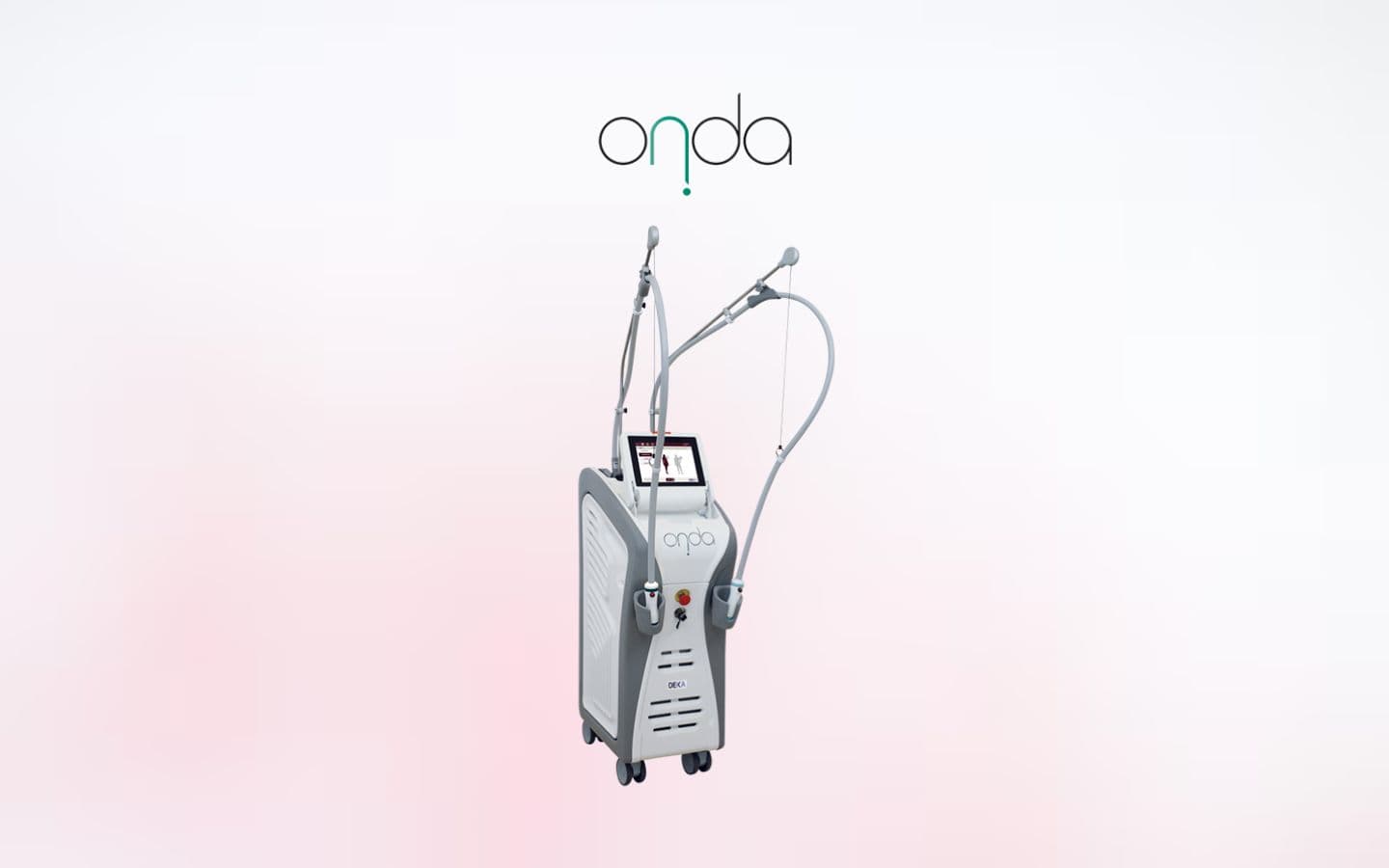
Technology used
Lifting treatments differ mainly in the depth they reach and how they deliver energy there.

Risks and what to expect
Common and usually temporary
Redness, swelling, tenderness and a tingling or numb sensation over the treated area for a few days. Bruising is common with injectables. Less common effects include prolonged swelling, lumps under the skin, or a temporary change in sensation.Uncommon but important
Energy-based lifting can, rarely, cause a temporary weakness in a facial nerve branch or a small area of fat loss. Injectables carry a rare but serious risk of vascular occlusion.Pigment change and Malaysian skin
Where laser or energy is used, medium and deeper skin tones carry a higher chance of post-inflammatory pigment change. Settings are chosen conservatively for this reason, and sun protection afterwards is part of the plan.What treatment cannot do
No non-surgical treatment removes excess skin or stops ageing, and advanced descent is beyond these options. Collagen-based change builds over months and is maintained, not permanent.
Tell your doctor if you are pregnant or breastfeeding, take blood thinners, have an autoimmune or connective-tissue condition, have a pacemaker or metal implants in the treatment area, have had facial surgery, threads or injectables before, or have a history of cold sores or keloid scarring.
What your first visit involves
Skin quality, volume and descent are assessed separately, sitting upright.
History
Previous treatments, surgery, threads or injectables, and your medical history.
Examination
Each layer is examined in turn.
Discussion and plan
Which layer is leading, what each option can reach, and whether a surgical opinion would serve you better.
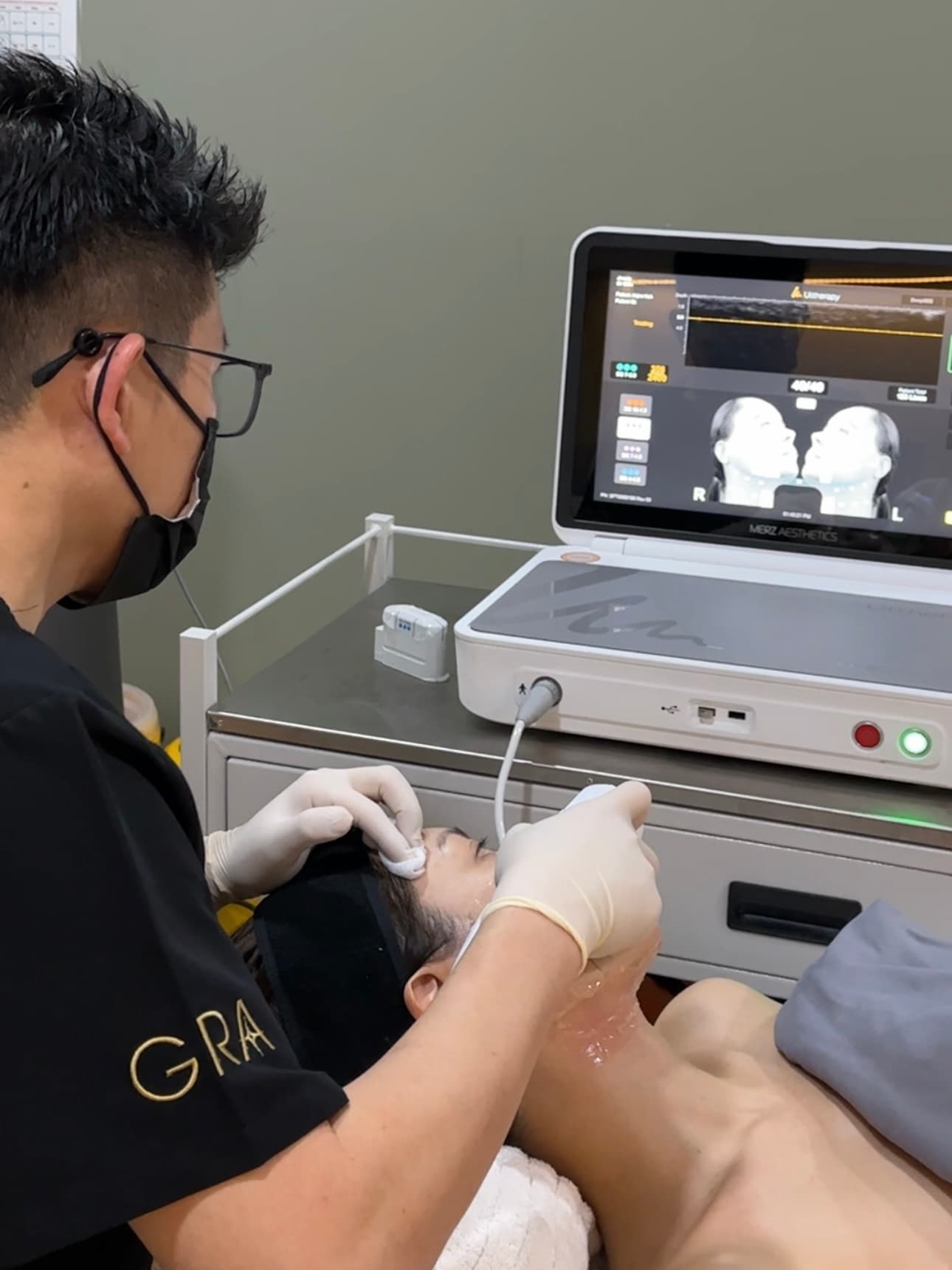
Microfocused ultrasound with on-screen imaging, which lets the doctor see the layers beneath the skin before energy is delivered.
What affects the cost
Pricing is set after assessment. It depends on:
- Which layer is being treated: skin quality, volume support and deeper lifting are different treatments with different structures.
- The area: lower face and jawline only, full face, or including the neck.
- The device or product chosen, and how much of it your assessment calls for.
- How many sessions, and over what period, which is set after assessment.
- Whether more than one approach is combined, which is common where several layers are involved.
Common questions
What is the difference between non-surgical and surgical face lifting?
A surgical face-lift repositions and removes tissue directly under anaesthetic, performed by a qualified surgeon, and it reaches a degree of descent no device can. Non-surgical options work by stimulating the skin to build collagen, or by supporting structure with injectables, and the change is gradual and partial.
How long does the effect last?
Collagen-based treatments build change over several months and then that change gradually recedes as ageing continues, so they are typically repeated periodically rather than done once.
Is it painful?
Most people describe energy-based lifting as uncomfortable rather than painful, with a deep warm or prickling sensation that comes in pulses. Numbing cream, cooling and, where appropriate, oral pain relief are used. Injectables are generally more comfortable, often with local anaesthetic in the product.
How soon will I see a difference?
With collagen-stimulating treatments, gradually. A degree of immediate tightening is sometimes noticeable from tissue contraction, but the meaningful change comes as new collagen forms over the following months, and it is often more obvious to other people than to you.
Will it make my face look done or unnatural?
Energy-based lifting does not add anything to the face, so it does not carry that risk in the way injectables can. With volume support, an overdone look almost always comes from too much product placed to fill lines rather than to rebuild structure.
Is there any downtime?
For most energy-based lifting, little to none: some redness, warmth and tenderness for a day or two, and you can generally go back to work the same day. Injectables can leave bruising and swelling for several days, which is worth planning around if you have an event.
Can I have this if I have had fillers or threads before?
Usually yes, but the doctor needs to know exactly what you have had and when, because it changes the assessment and sometimes the technique. Bring records if you have them, including product names and dates.
Can non-surgical lifting treat the neck?
The neck is commonly assessed alongside the lower face. It also behaves differently: skin there is thinner, has less support beneath it and recovers more slowly, so treatment is typically more conservative.
Read next
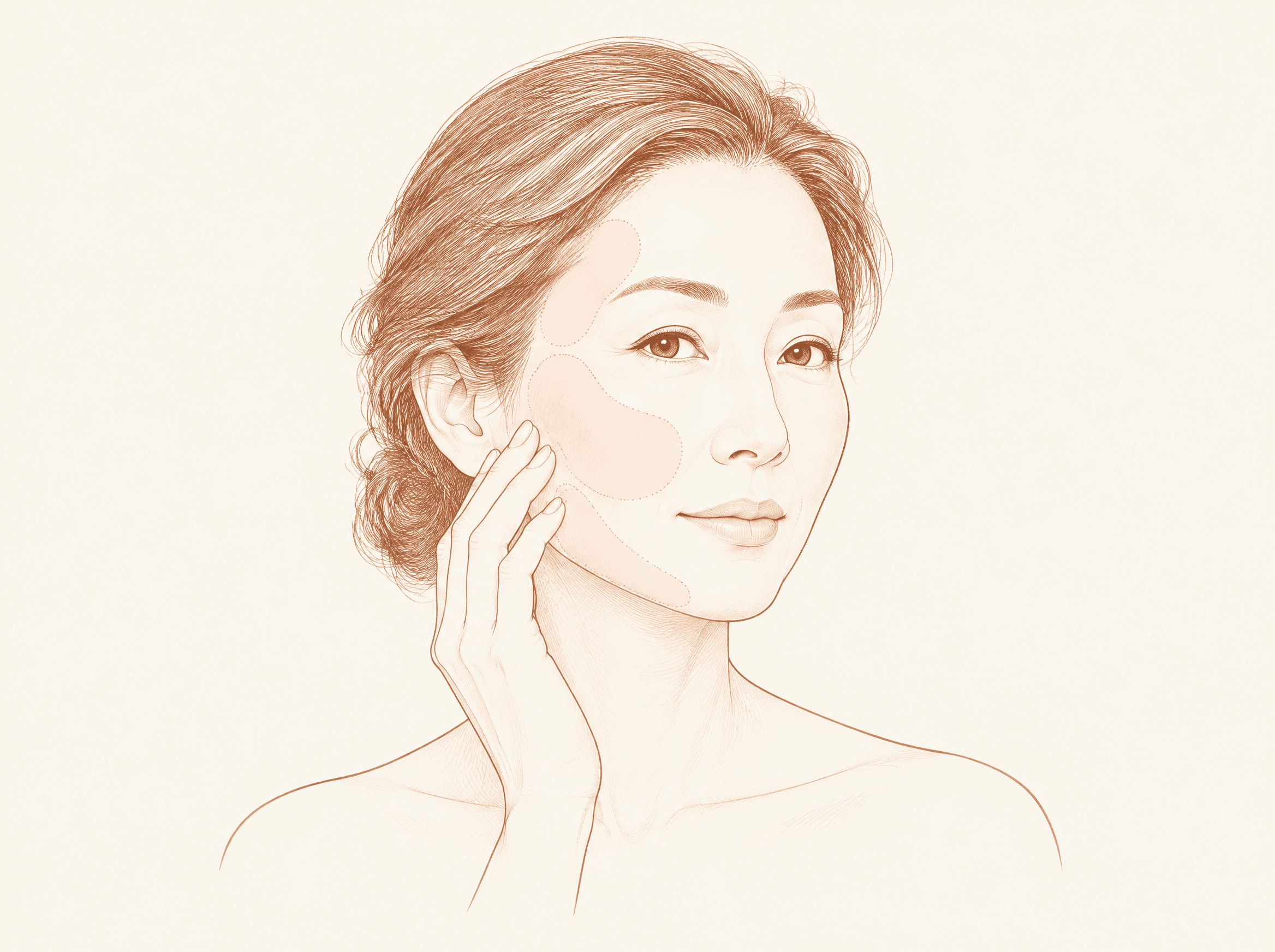



Related concerns
Aging
Firmness is one part of a broader picture that includes texture and volume.Face Contouring
A softened jawline is often a shape question as much as a firmness one.Fine Lines & Wrinkles
Laxity deepens folds, so the two are frequently assessed together.
Find out what's actually loosening
The consultation is free, takes about 20 to 30 minutes, and there is no obligation to book treatment afterwards. A doctor will examine your skin and facial structure and talk you through what is, and is not, worth doing.
Book a free consultationMedically reviewed by
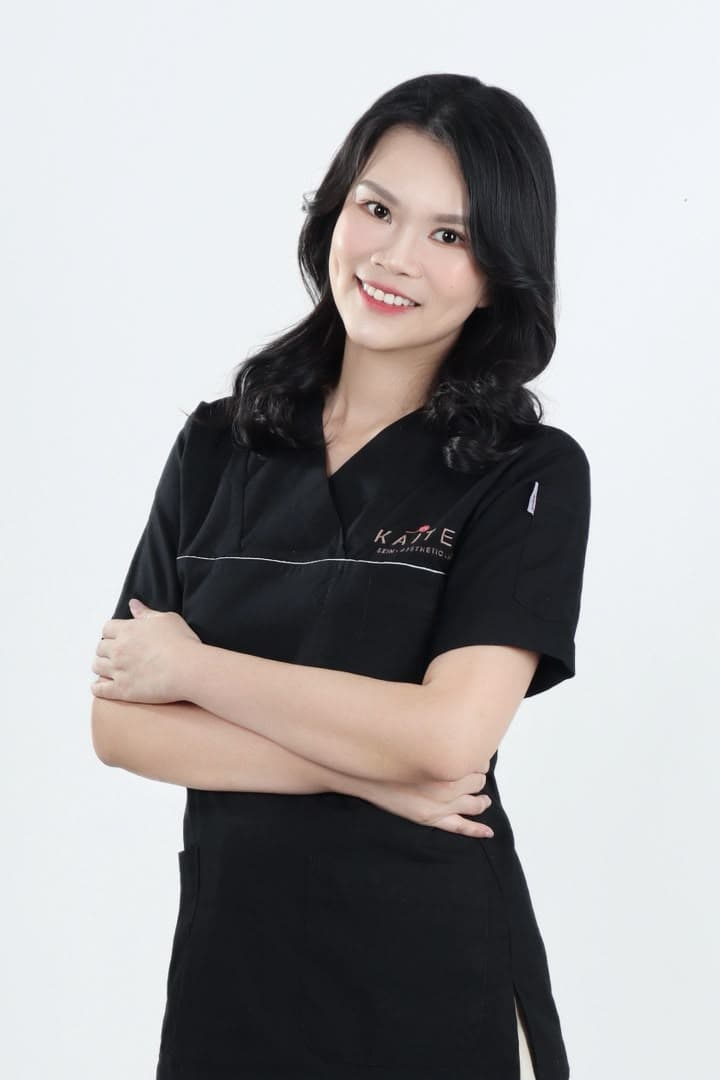
Dr Hong Peiyi
Aesthetic Physician
MD · MMC 64902
Dr Hong Peiyi graduated from Universiti Putra Malaysia (UPM) and subsequently completed advanced training in Family Medicine. With more than a decade of experience in primary care, she has developed a strong foundation in comprehensive and patient-centred healthcare.
View full profile- Reviewed by
- Dr Hong Peiyi, MMC 64902
- Last reviewed
- 12 Jun 2026
- Next review due
- 12 Jun 2027