
Concern · Skin
Enlarged Pores
Visible pores are often tied to oil production, texture or age.
Free, about 20–30 minutes, no obligation to book treatment.
- Every face has them
- Pores carry oil and sweat to the surface. They cannot be removed, only made less noticeable.
- Several causes at once
- Oil, build-up, sun damage and loss of firmness each make pores look larger, and usually overlap.
- Skincare is part of it
- A daily routine and sunscreen sit alongside any in-clinic treatment.
On this page
In brief
Enlarged-looking pores are shaped by oil production, build-up, sun damage and loss of firmness with age. Pores cannot be closed or removed, and they do not open and close. What treatment and skincare may change is how visible they look, by addressing whichever of those factors is driving yours.
Results from Kaiteki patients
4 photos · tap one to enlarge
Pore appearance on the cheek, before and after a course of treatment at Kaiteki
Skin texture and pores, before and after a course of treatment at Kaiteki
Pores and texture across the face, before and after a course of treatment at Kaiteki
Pores on the nose and cheek, before and after a course of treatment at Kaiteki
Photographs of Kaiteki patients, published with consent. Individual results vary and are not guaranteed. These images are not a promise of outcome. A doctor will assess whether any treatment is suitable for you.
What are enlarged pores?
The ones people notice are the oil pores of the T-zone (nose, forehead, inner cheeks and chin).
Pores, blackheads and sebaceous filaments
Sebaceous filaments are the fine, greyish dots across the nose that look like blackheads: they are a normal lining of oil and skin cells in every pore, and they refill within weeks of being squeezed or stripped out. Blackheads are true plugs that have darkened at the surface and are a mild form of acne. An enlarged pore is the opening itself, visible whether or not anything is sitting in it.
Filaments are usually left alone or managed with skincare, blackheads respond to acne care and clinical cleansing, and a pore that stays visible on clean skin is a texture and firmness question.
What makes pores look larger
Usually a mix of these:
- Oil production: more sebum fills and stretches the opening, and an oily surface reflects light in a way that makes pores stand out.
- Build-up inside the pore: oil and dead skin cells collecting in the opening make it look wider and darker, especially when the mix oxidises at the surface.
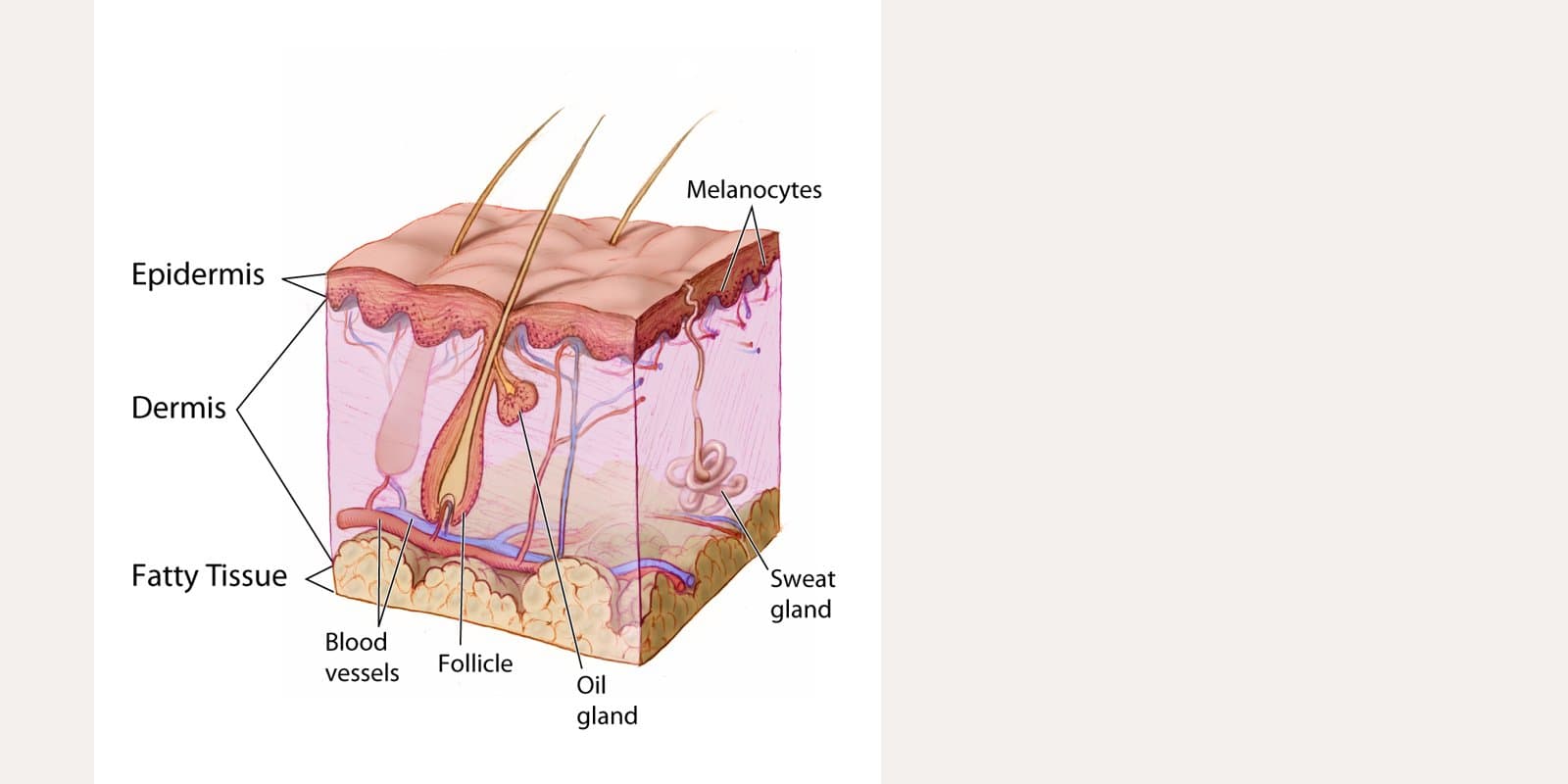
Oil glands open into the hair follicle, and what collects in that opening is what makes a pore look larger. Illustration: National Cancer Institute. - Loss of firmness: collagen and elastin around each pore help hold the opening tight. As they decline with age, the edges slacken and pores can look elongated or teardrop-shaped, particularly on the cheeks.
- Sun exposure: years of UV damage weaken the supporting structure of the skin, so sun-exposed areas often show more visible pores than protected ones.
- Heat and humidity: warm, humid conditions increase oil and sweat on the surface, which is part of why pores can look more obvious in Malaysia's climate by the end of the day.
Pore myths and what is actually true
Several pore myths lead to habits that make things worse.
“Hot water opens pores and cold water closes them.”
Pores have no muscles, so they cannot open or close.“Pore strips and squeezing shrink pores.”
They empty the pore for a short time, which can make it look smaller until it refills, usually within weeks. Squeezing in particular can inflame the skin, leave marks and, done repeatedly, stretch the opening.“A treatment can close pores permanently.”
Pores cannot be closed, because skin needs them to release oil.“Only oily skin has visible pores.”
Oily skin shows them earlier, but loss of firmness with age and sun damage make pores more visible on drier skin too.“Primers and mattifying products shrink pores.”
They blur pores optically and absorb surface oil, which can look good for a day. They do not change the pore itself, and heavy, occlusive layers can add to congestion on skin that is already prone to it.
When to see a doctor
Not a medical problem in itself, but worth a look if:
- A consistent skincare routine has not made a difference after a few months.
- Pores come with frequent breakouts, blackheads or congestion.
- You can feel dips or uneven texture, which may be early scarring rather than pores.
Treatment options at Kaiteki
Which one fits depends on what is driving yours: congestion, oil, texture or loss of firmness.
RF Microneedling
For pores that look stretched as skin loses firmness
Fine needles deliver radiofrequency energy into the dermis to stimulate collagen around the pore walls.
RF MicroneedlingPico Laser
For pores alongside dullness and uneven tone
A picosecond laser mainly used for pigment, with a fractional mode some doctors use for surface texture.
Pico LaserRadiofrequency
For firmness around the pores without needles
Radiofrequency energy heats the deeper layers of the skin to support collagen without breaking the surface.
RadiofrequencyResurfacing Laser
For pores set in rough, uneven texture
A fractional CO₂ laser that resurfaces columns of skin to prompt remodelling. Reserved for more marked texture change, often with scarring, and carries more downtime and a higher pigment-change risk than the options above.
Resurfacing LaserFacial Treatments
For clearing build-up from congested pores
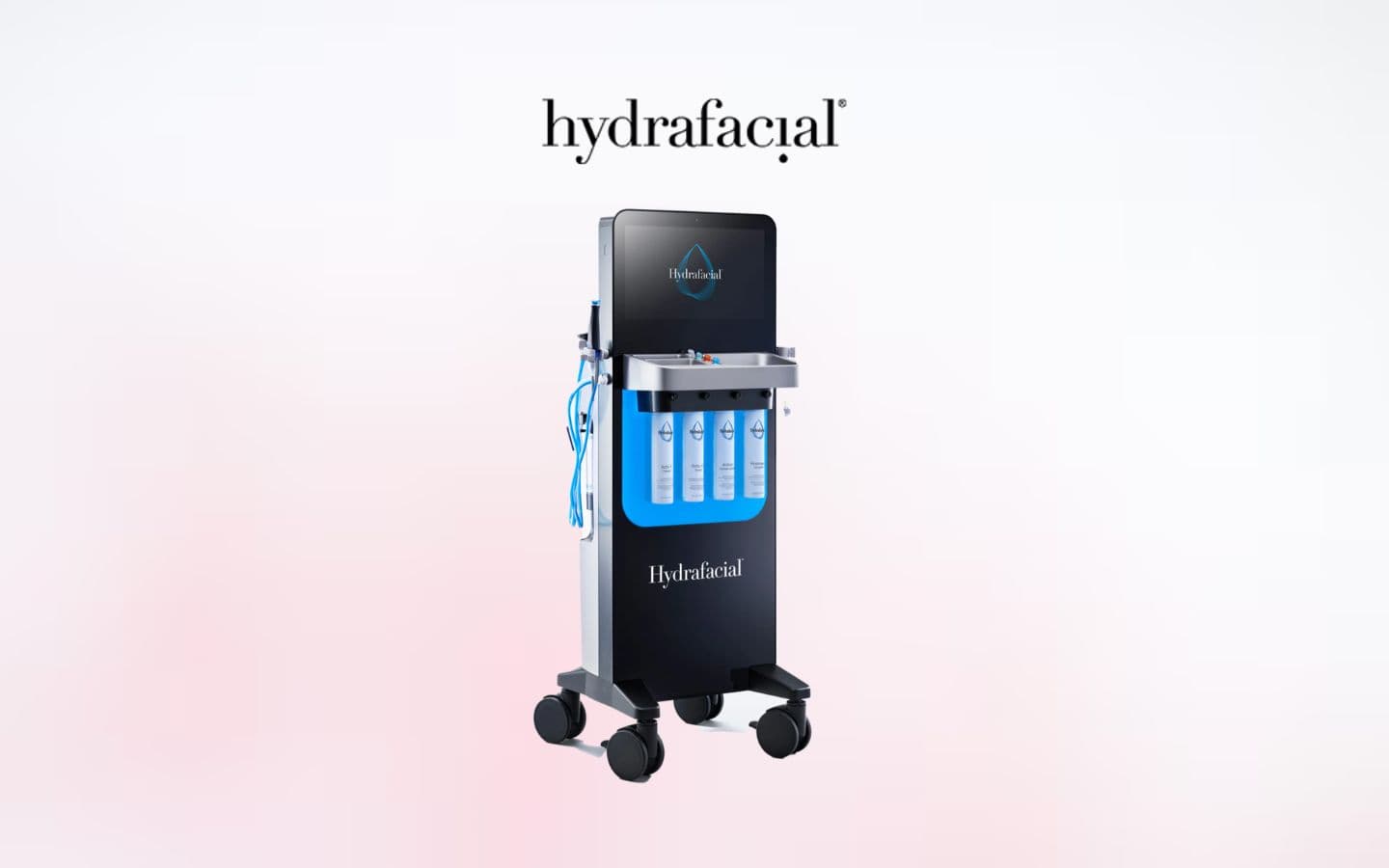
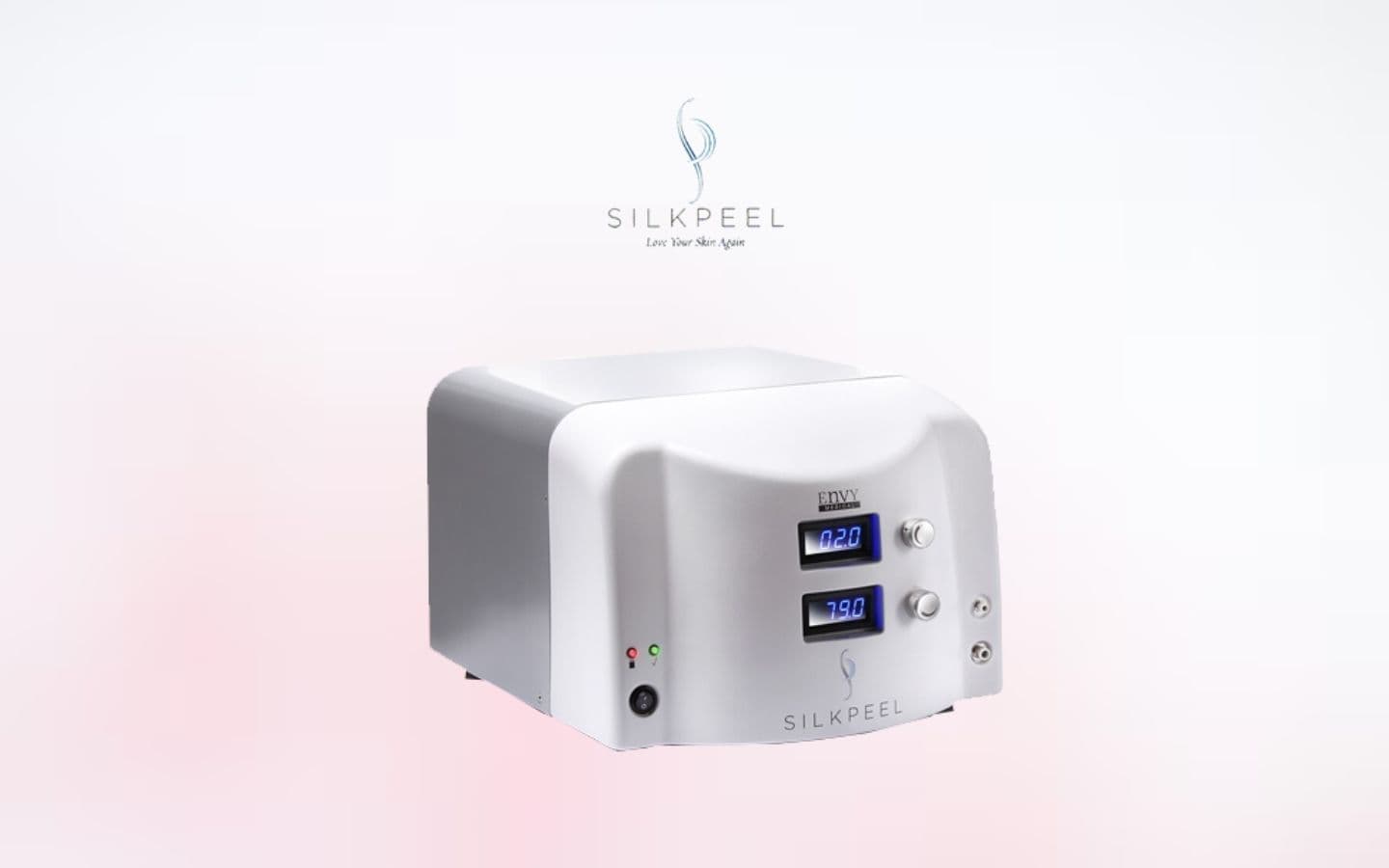
Clinical facials such as Hydrafacial and Silkpeel cleanse, exfoliate and extract. They do not change the structure of the pore.
Facial Treatments
Active acne is usually settled first: energy-based treatment on inflamed skin carries more risk.
Which treatment suits which type?
A general guide. Most people have more than one factor; sessions are set after assessment.
| What you notice | Commonly considered | Typical course | Downtime |
|---|---|---|---|
| Congestion and blackheads | Clinic facials, with acne-focused skincare | Ongoing maintenance | None |
| Pores with uneven tone or marks | Pico laser | Multiple sessions, spaced | Minimal |
| Pores with loss of firmness | Radiofrequency or RF microneedling | Several sessions, spaced | None to 2–3 days redness |
| Pores with rough texture or scarring | RF microneedling or resurfacing laser | Several sessions, spaced | 2–3 days to 5–7 days |
| Single large pore or new bumps | Assessed individually | Assessed individually | Individual |
Not sure what is behind your pores?
Send us a photo on WhatsApp and a doctor can tell you what is most likely behind yours.
Ask about this on WhatsAppFree consultation, about 20 to 30 minutes, no obligation.
Technology used
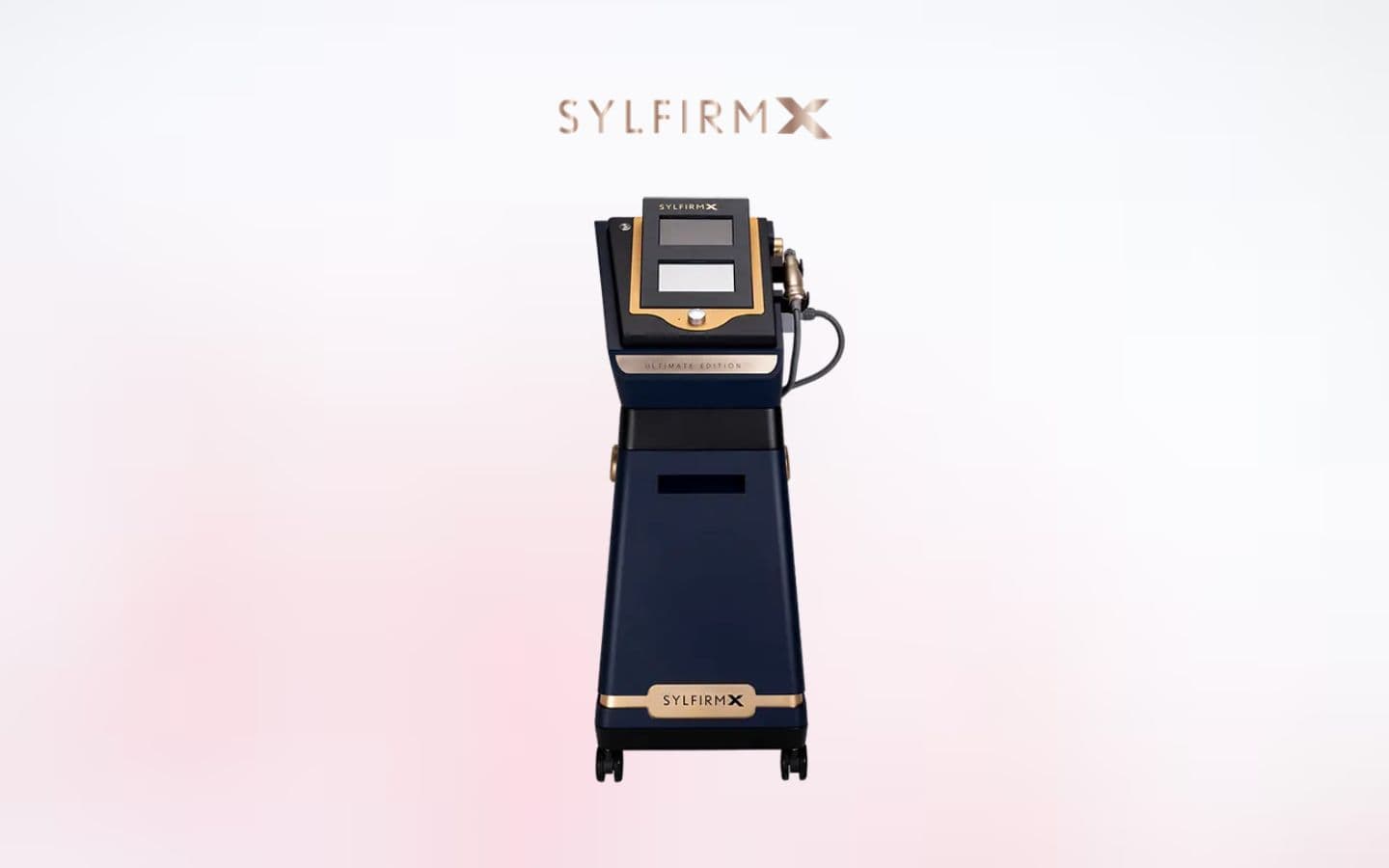
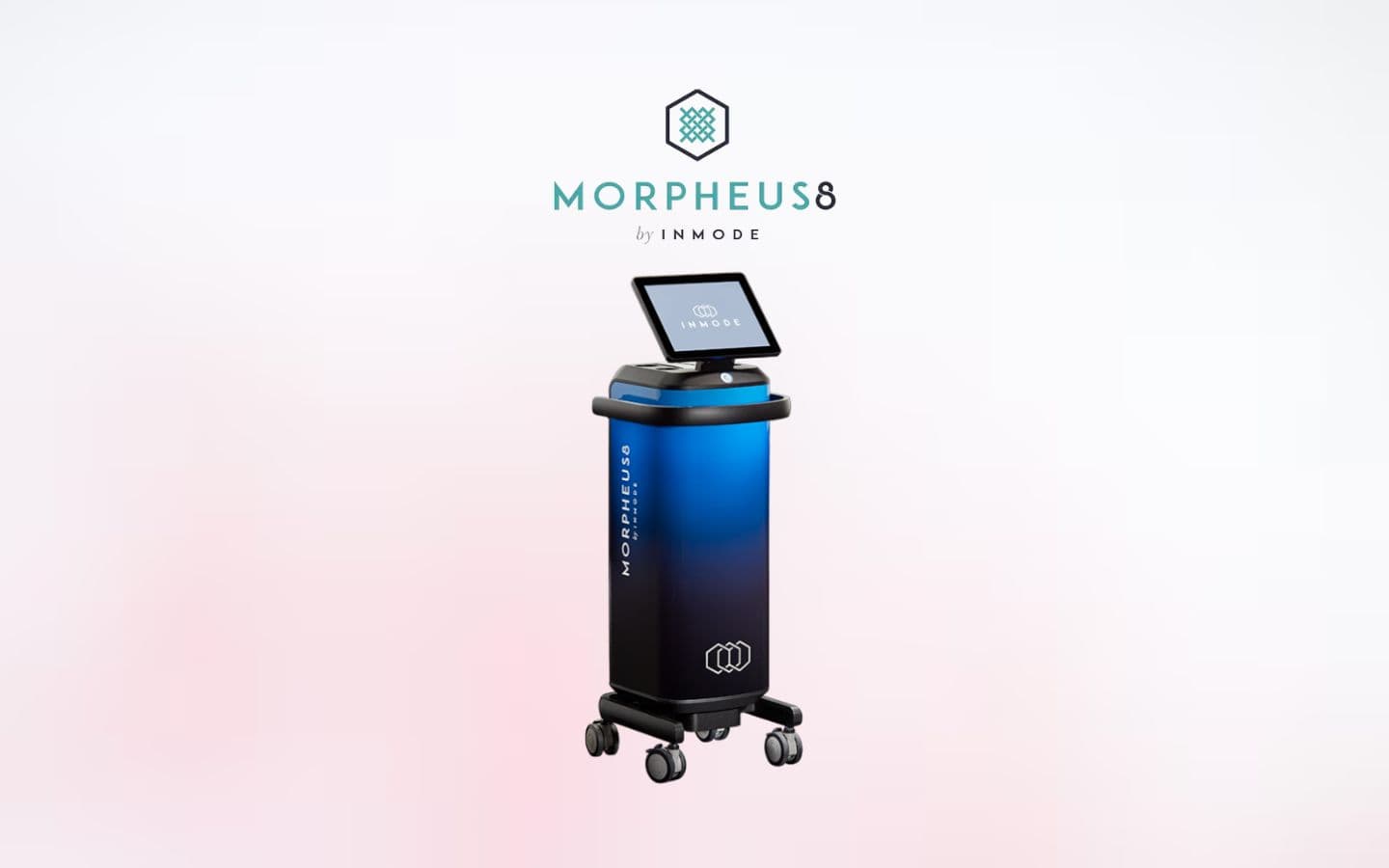
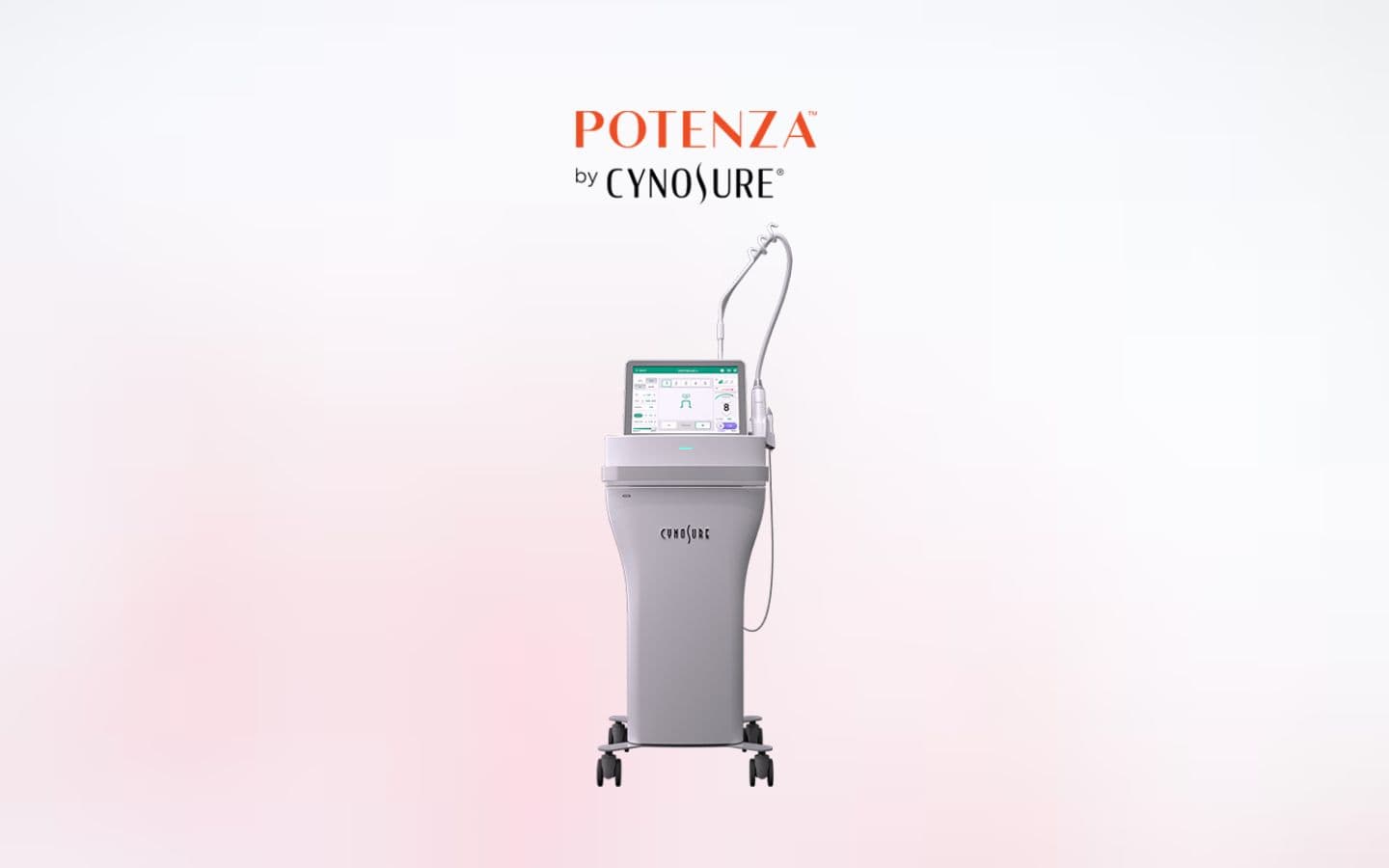
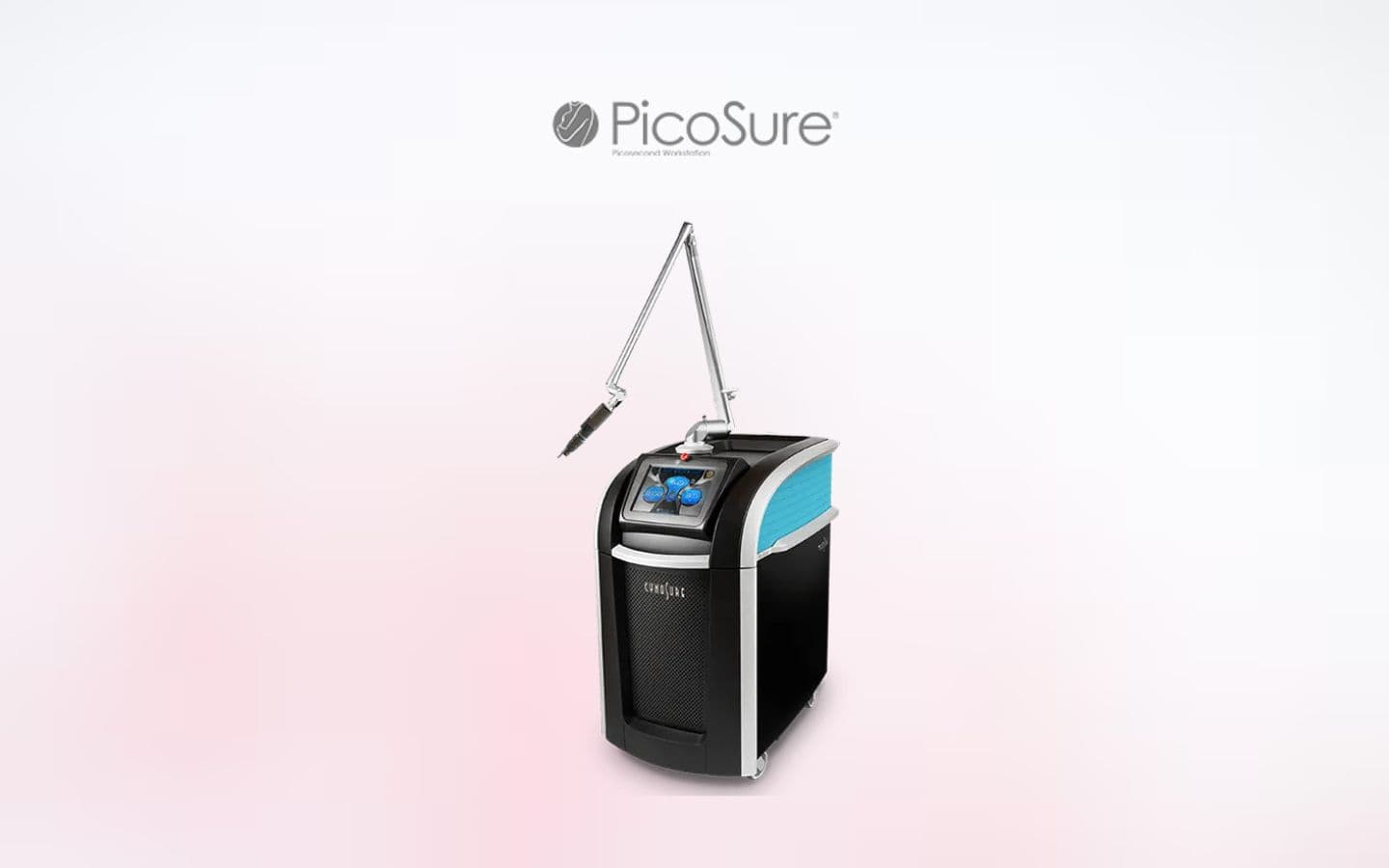
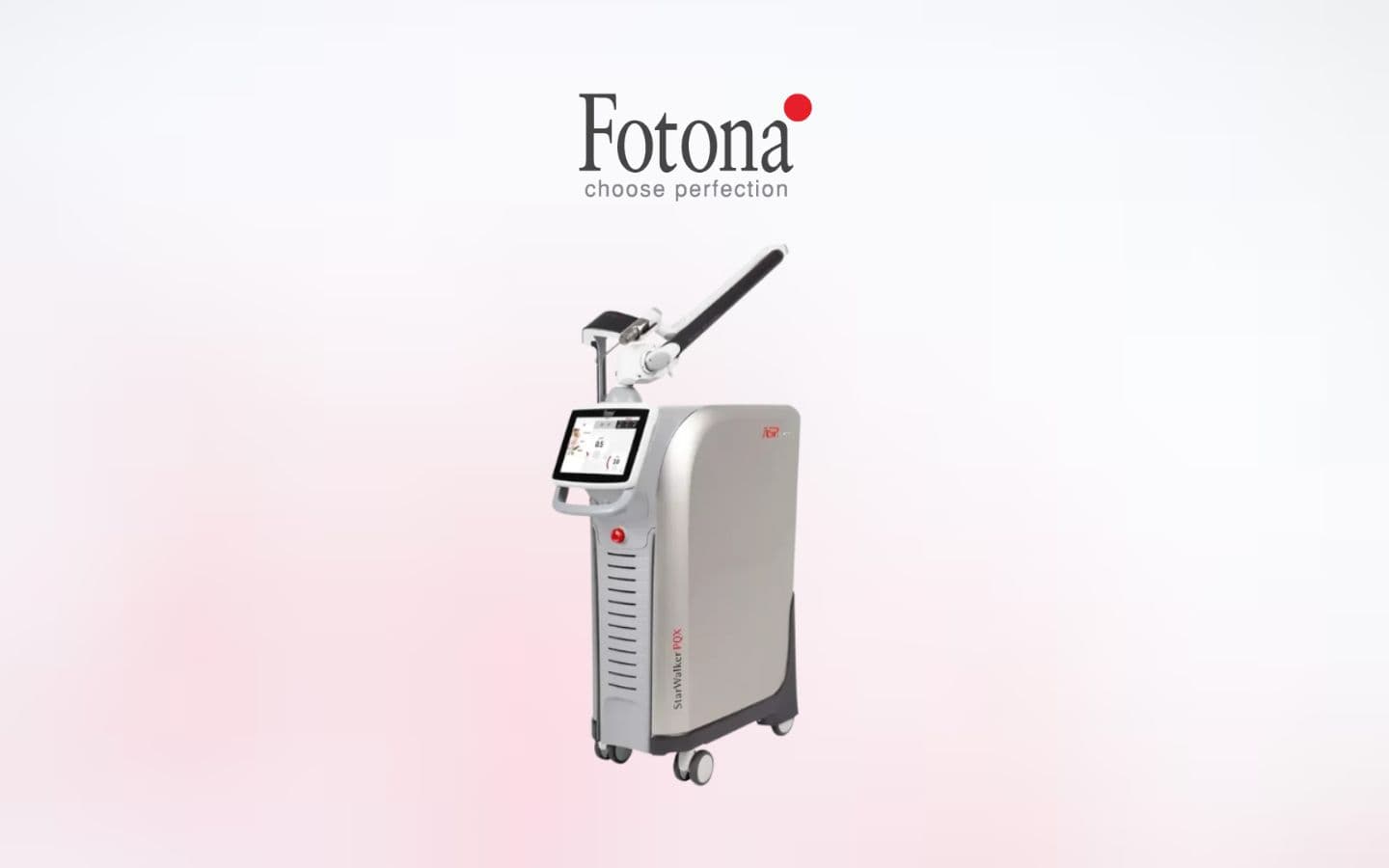
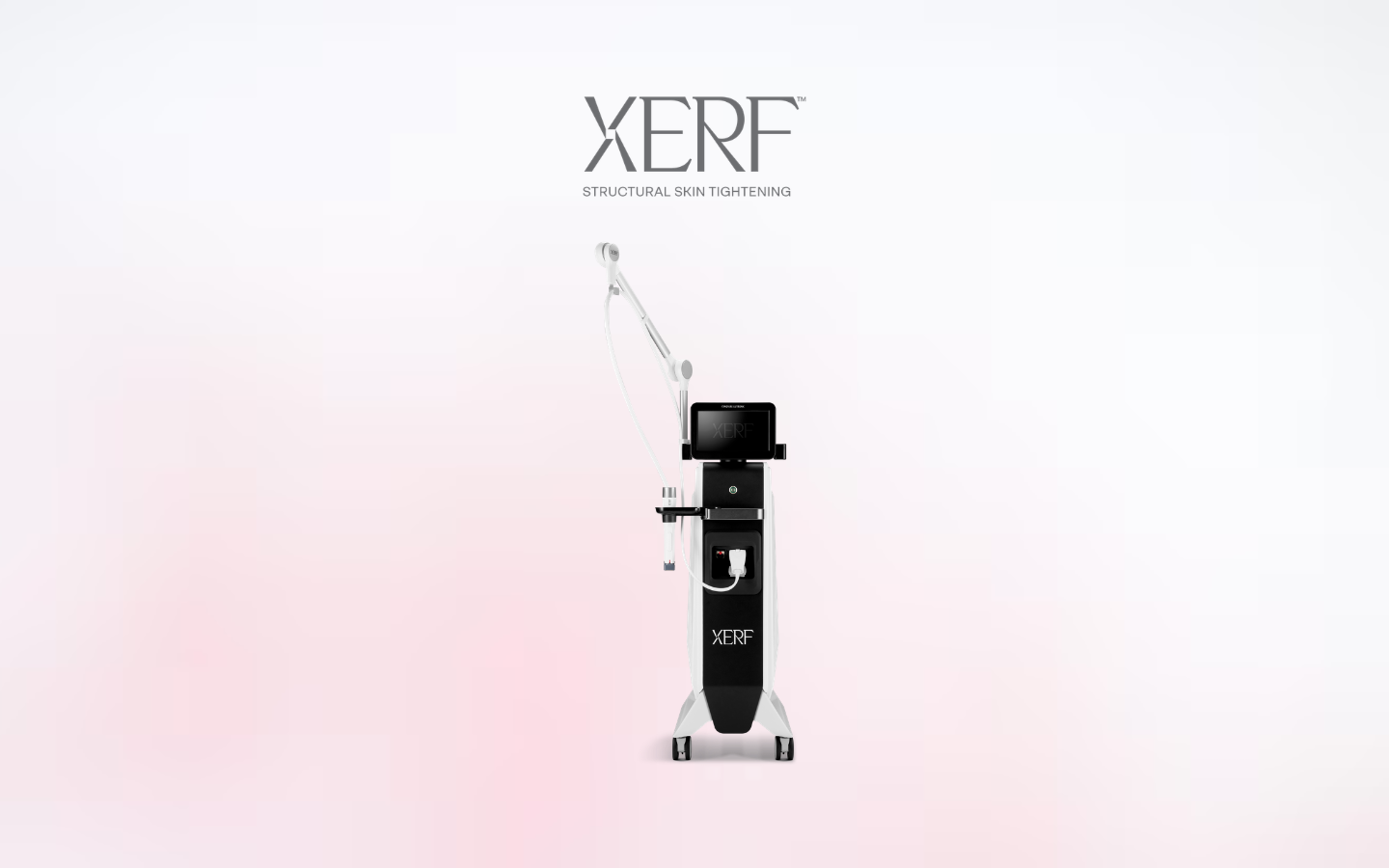
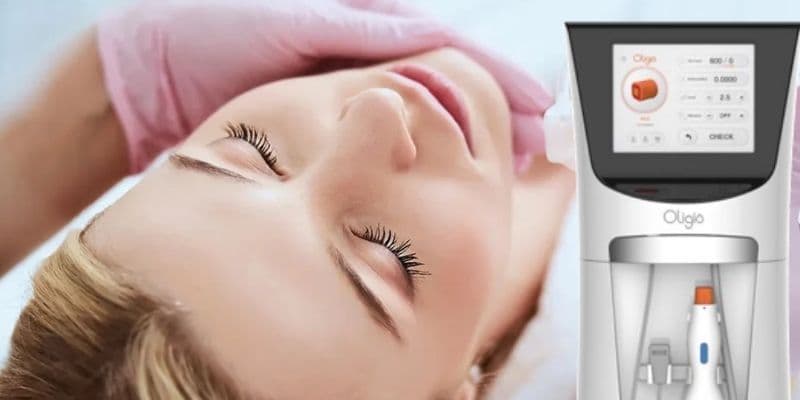
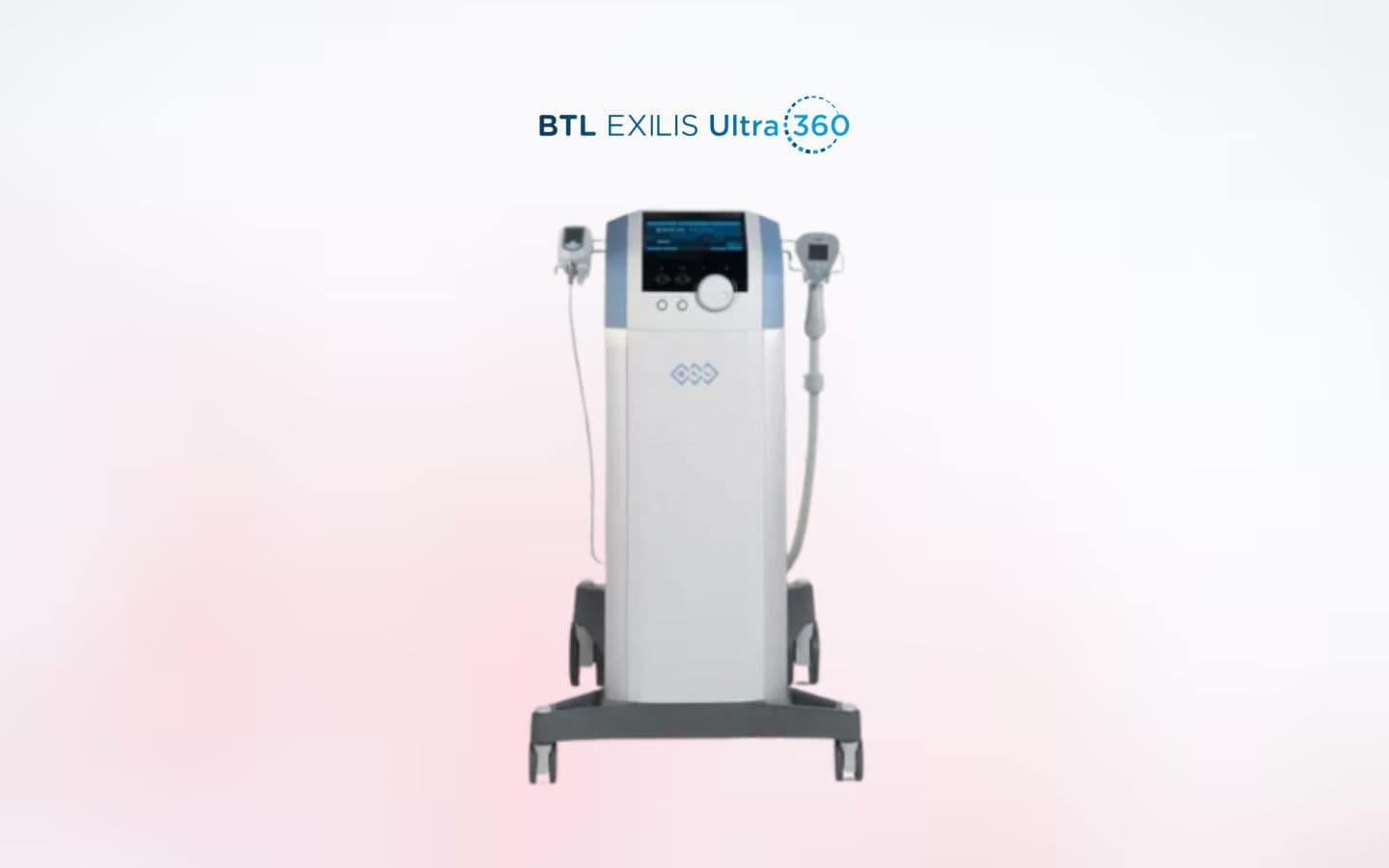
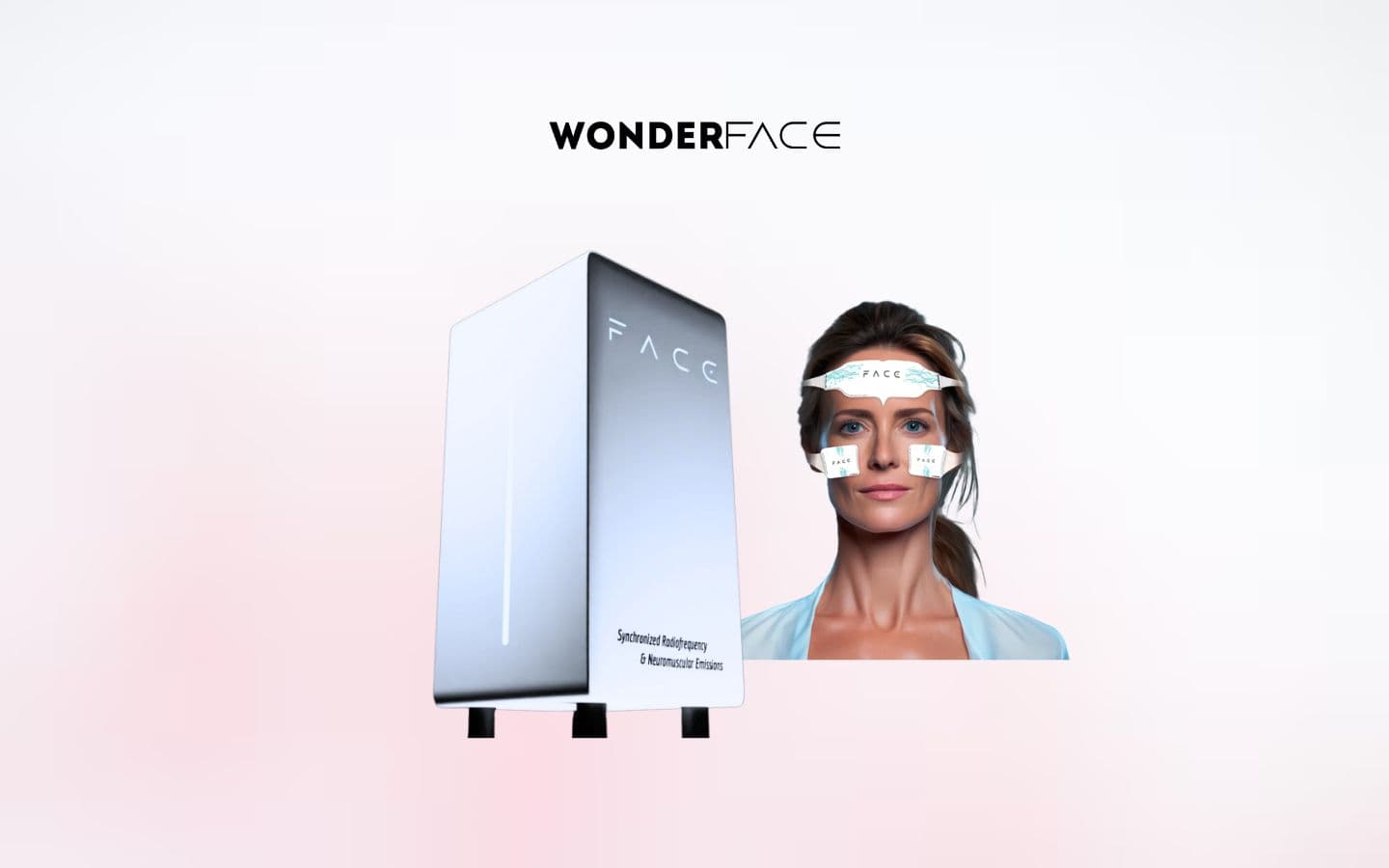
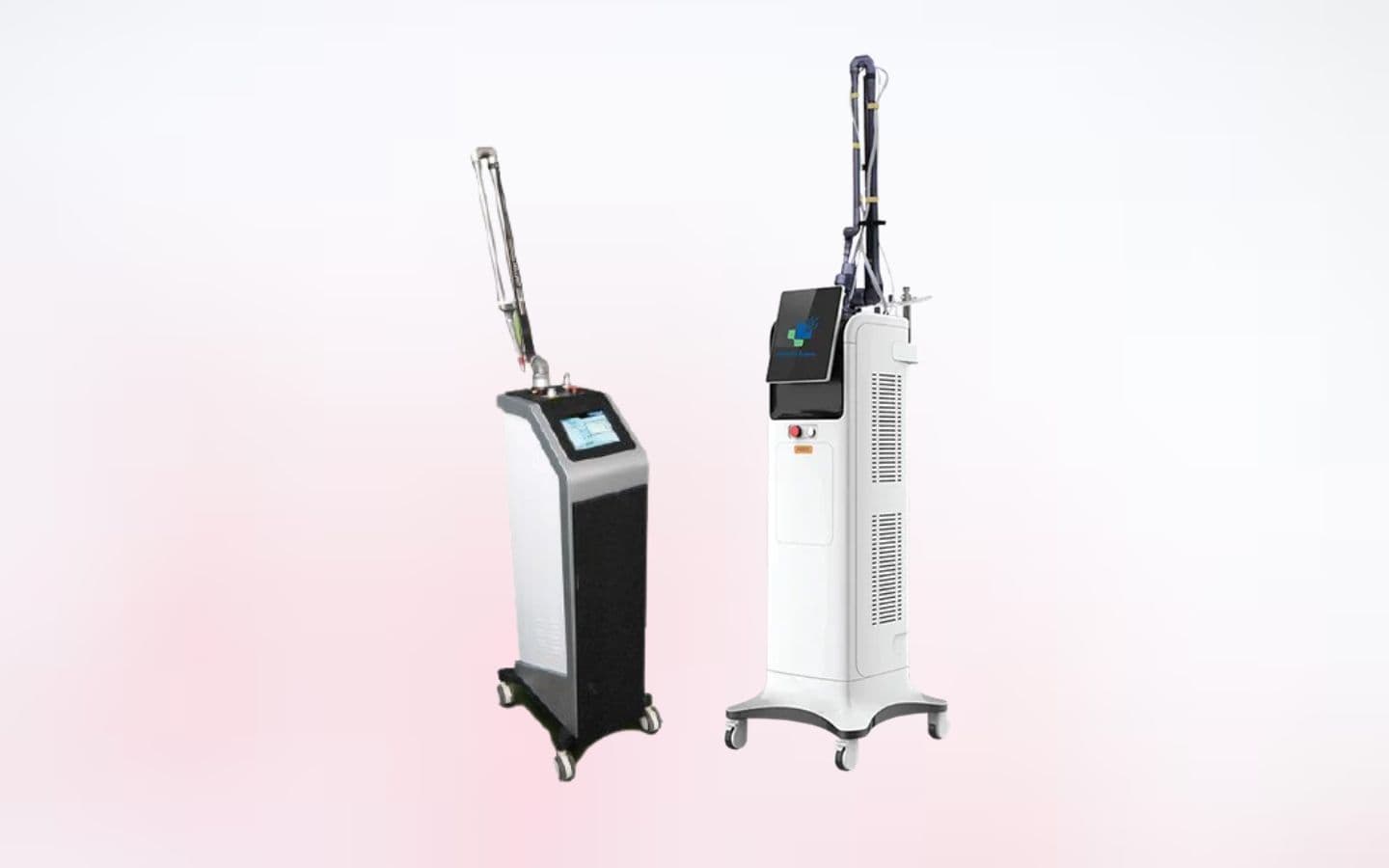
Having more than one platform means the doctor can match the device to your skin type and to what is being treated, rather than fitting your skin to a single machine.
Risks and what to expect
Common and usually temporary
Redness, mild swelling, dryness, flaking and a warm or tight feeling for a few days after energy-based treatment. Less common effects include prolonged redness, breakouts, blistering, infection or a change in skin pigment.Pigment change and Malaysian skin
Medium and deeper skin tones, common across Malaysia, carry a higher chance of post-inflammatory hyperpigmentation after laser and other energy-based treatment. Doctors manage this by choosing suitable devices, using conservative settings and spacing sessions further apart.Sun protection and skincare are part of it
Daily broad-spectrum sunscreen protects the collagen that keeps pores looking tighter.What treatment cannot do
Treatment cannot close or remove pores, and it does not change the genetic pore size you were born with. It does not stop your skin producing oil. Any improvement in appearance builds gradually and needs maintaining, because ageing and sun exposure continue afterwards.
Tell your doctor if you are pregnant or breastfeeding, take or recently took oral acne medication, use retinoids or exfoliating acids, have a history of cold sores, keloid scarring or recent tanning, or have had any skin procedure in the past few weeks.
What your first visit involves
The examination is done on clean skin, to separate open pores from blackheads, filaments, texture change and early scarring.
History
Your skincare routine, how oily your skin runs through the day, and any breakouts.
Examination
The doctor examines your skin, sometimes under magnification.
Discussion and plan
What is likely driving your pores, including when skincare alone is the sensible answer.
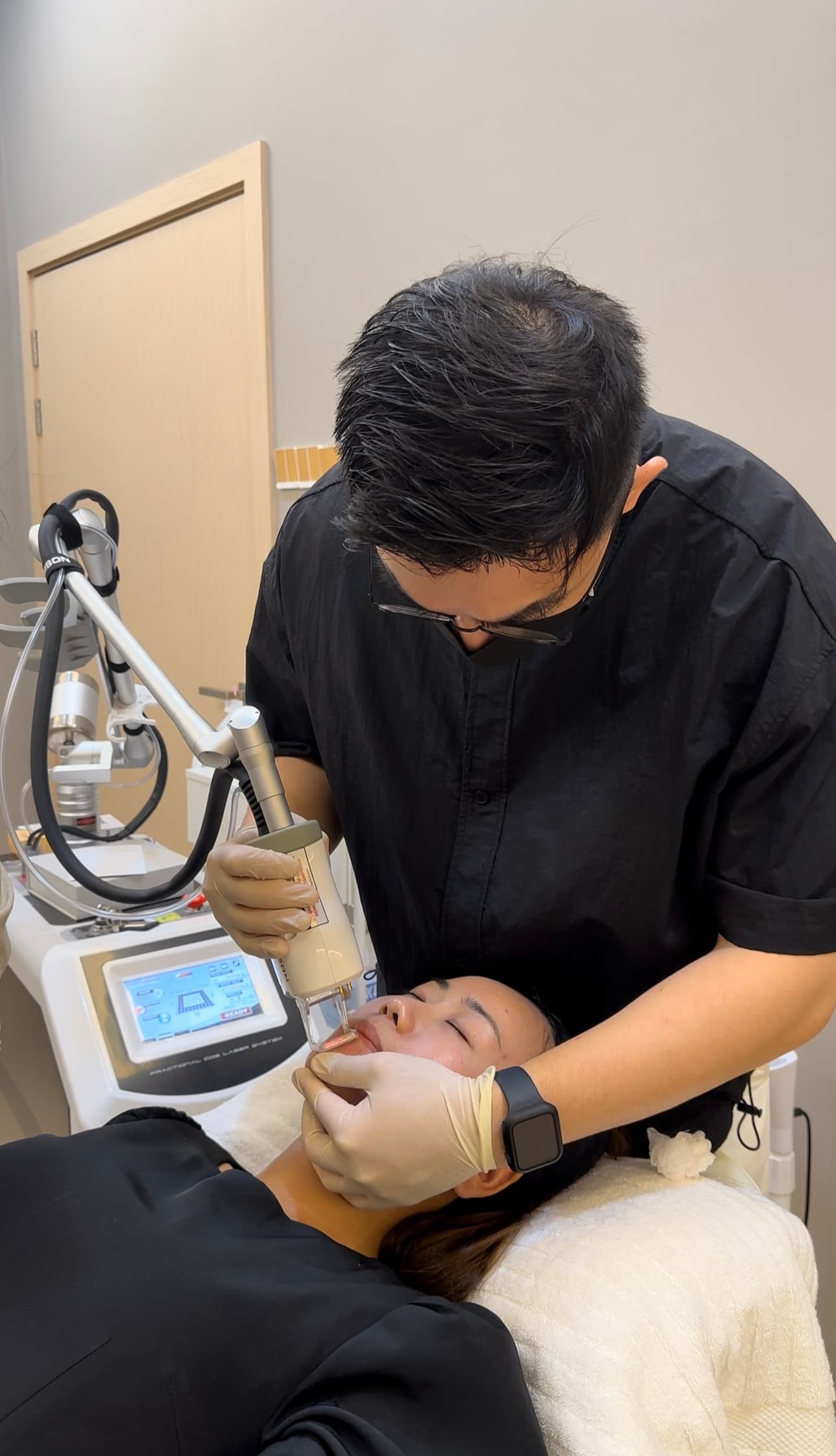
A fractional laser treatment in progress. The doctor sets the depth and density for your skin type before starting.
What affects the cost
Pricing is set after assessment. It depends on:
- What is driving your pores: congestion, oil, texture or firmness each lead to a different approach.
- The area: full face, or a targeted zone such as the nose and inner cheeks.
- The treatment and device, since different platforms have different session structures.
- How many sessions, which is set after assessment and adjusted at review.
- Whether treatments are combined, and whether maintenance sessions are part of the plan.
Common questions
Can pores be shrunk permanently?
Pores cannot be closed or removed permanently, because the skin needs them to release oil and sweat and stay healthy. Some treatments and skincare may reduce the appearance of pores by improving firmness, texture and oil control around them, but results vary between individuals and need maintaining.
Is skincare or in-clinic treatment better for pores?
They do different jobs. A consistent routine with gentle cleansing, sun protection and, where suitable, ingredients such as retinoids or salicylic acid keeps pores clearer and supports texture over time. In-clinic treatment is considered when the issue is firmness or texture that skincare alone does not reach.
Why are my pores bigger on my nose and cheeks?
The nose and central face have the densest oil glands, so pores there carry more sebum and look wider. Cheek pores behave differently: they often become more visible with age, as the skin around them loses firmness and the openings stretch into an oval or teardrop shape.
Do pore strips and extractions help?
They empty the pore for a while, which can make it look smaller until it refills. Professional extraction during a clinical facial is done with the skin prepared and in a controlled way, which limits damage.
Does the humid weather in Malaysia make pores worse?
The pores themselves do not grow in hot weather. Light, non-comedogenic products, regular gentle cleansing and daily sunscreen help keep oily skin manageable in this climate.
Is treatment for pores safe for darker or Asian skin tones?
It can be, when the device and settings are chosen by a doctor experienced with your skin type. The main concern with medium and deeper skin tones is post-inflammatory hyperpigmentation after laser or other energy-based treatment.
Can enlarged pores be a sign of something else?
Usually they are just pores. Occasionally what looks like an enlarged pore is a different, benign condition: a single very large pore with a dark plug, or small yellowish bumps with a central dip that become more common with age. Both are treated differently from ordinary pores, so have a doctor confirm what they are.
What should I stop before treatment?
Do not stop anything without telling your doctor first. Retinoids and exfoliating acids are usually paused for a few days before and after energy-based treatment, and recent oral acne medication can affect what is appropriate and when.
Read next
Related concerns
Acne
Oily skin, blackheads and congestion often come with visible pores.Acne Scars
Small rolling or boxcar scars can be mistaken for enlarged pores.Aging
Loss of firmness with age is a common reason cheek pores become visible.Pigmentation
Uneven tone and sun damage are often treated alongside pore texture.
Want to know what is making yours visible?
The consultation is free, takes about 20 to 30 minutes, and there is no obligation to book treatment afterwards. A doctor will examine your skin and pores and talk you through what is, and is not, worth doing.
Book a free consultationMedically reviewed by
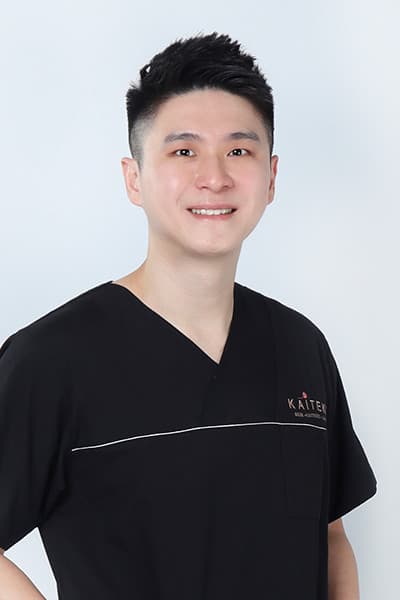
Dr Yeong Bin
Co-Founder & Senior Medical Director
MBBS, LCP Board Certified, MAC, MSAM · MMC 78238
Dr Yeong Bin earned his Bachelor of Medicine & Surgery (MBBS) from Monash University. He began his career as a doctor and completed his 2 years compulsory service in government hospitals, obtaining and sharpening his skills along the way as a medical officer in various departments.
View full profile- Reviewed by
- Dr Yeong Bin, MMC 78238
- Last reviewed
- 18 Jun 2026
- Next review due
- 18 Jun 2027