Facials · Device
Silkpeel
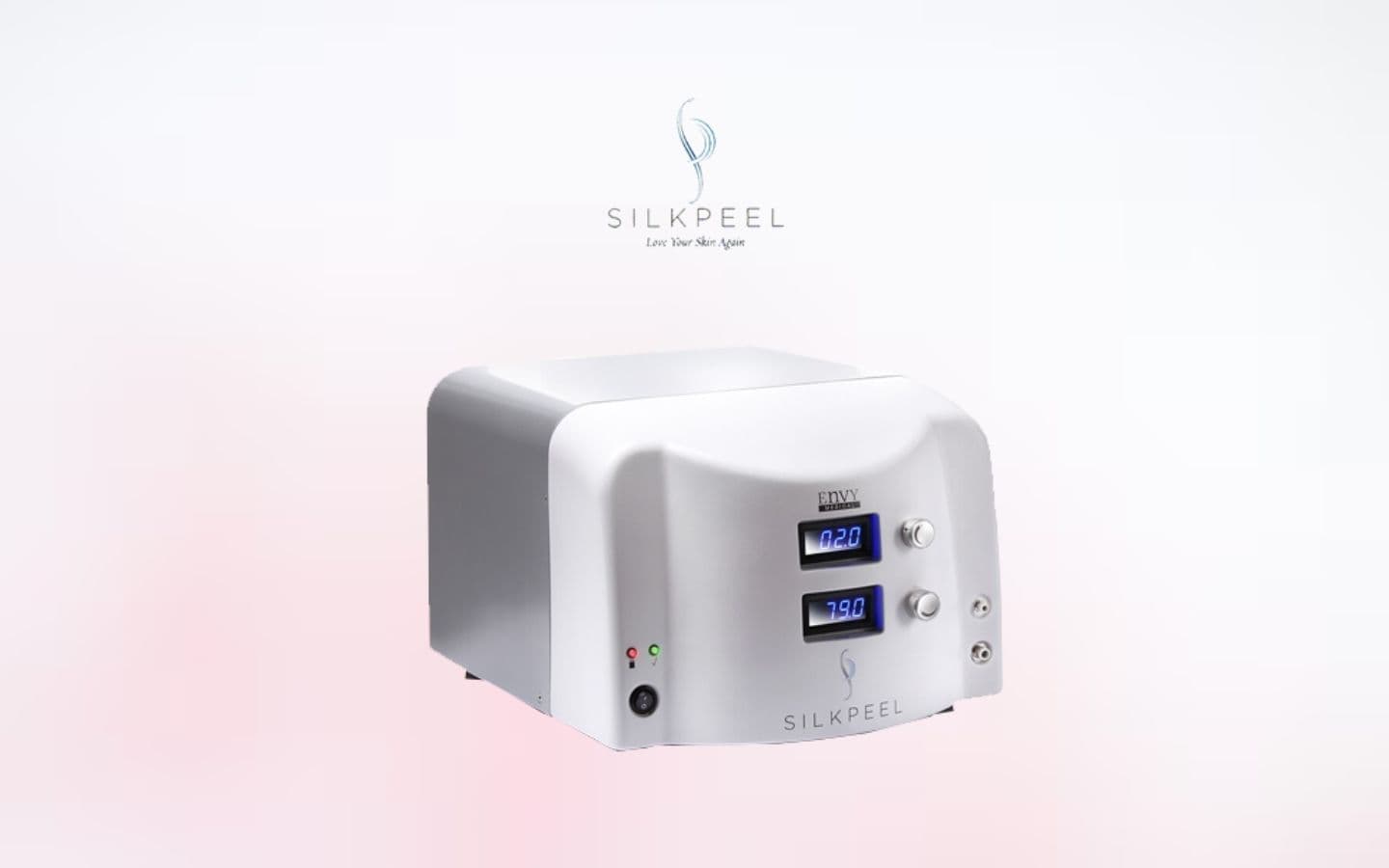
A device-based facial that exfoliates with a diamond tip while simultaneously infusing a condition-specific topical serum into the same pass.
Free consultation, no obligation.
- Diamond tip (Dermalinfusion)
- Method
- Condition-specific serum
- What is infused
- Facial treatments
- Used within
In brief
Silkpeel is a device-based facial built around a process its makers named Dermalinfusion: a closed handpiece carrying a diamond-abrasive tip, gentle negative pressure and a flow of topical solution all at once, so exfoliation and serum delivery happen in the same pass rather than in sequence.
What is Silkpeel?
Silkpeel is a device-based facial built around the process its makers named Dermalinfusion, a closed handpiece that carries a diamond-abrasive tip, gentle negative pressure and a flow of topical solution all at once. The system originated with Envy Medical in the United States and the Dermalinfusion platform was later acquired by Allergan Aesthetics. Silkpeel remains the name most clinics and patients in Malaysia know it by.
What distinguishes it mechanically is the word simultaneously. Rather than exfoliating first and applying a serum afterwards, the abrasive tip lifts away surface dead cells while the serum is delivered to that freshly abraded surface within the same closed pass, under the tip, with the negative pressure holding the skin in contact. At Kaiteki, Silkpeel is used within our facial treatments, often alongside other treatments in a longer plan. Which serum and which settings suit your skin, and whether a facial is the right starting point at all, is assessed at consultation.
How Dermalinfusion works
The handpiece does three things in one movement. The recessed diamond-coated tip provides mechanical exfoliation of the stratum corneum as it is drawn across the skin; the vacuum applied through the tip holds the skin against the abrasive surface and draws away loosened cells and debris from the pores; and a condition-specific topical solution flows continuously into the same enclosed treatment chamber, so it meets skin whose barrier has just been thinned rather than skin that has been left to close over. Tip grade, vacuum level, number of passes and serum are all variables the therapist adjusts by area: lighter around the eyes and on thinner skin, firmer where the skin is thicker or more congested.
Silkpeel or a hydra-type facial: what is the difference?
Compared with a suction-based hydra-type facial, the difference is where the work is done. A hydra-type device typically relies on aqueous solutions and vortex suction through a spiral tip to loosen and lift debris, so the exfoliation is largely fluid-driven. Silkpeel's exfoliation is physical abrasion by the diamond tip, with the solution delivered to the abraded surface rather than doing the loosening itself, which is why it is often chosen where texture and congestion, not just hydration, are the concern. Neither approach makes the other unnecessary, and the treating clinician selects the protocol and serum for your skin. Effects are gradual and cumulative across a course, and vary between individuals.
When is Silkpeel the right starting point, and when is it not?
It sits in the medical-facial category rather than the laser or energy category, so it is typically the entry point into a skincare plan rather than a resurfacing procedure. It is often a sensible option if you want a treatment with essentially no recovery period, or if your doctor wants your barrier in better condition before a more assertive treatment is considered.
Silkpeel is commonly considered as a maintenance or preparatory treatment for the concerns below, and is often used alongside other treatments in a longer plan. It is not suitable for everyone, and a consultation determines whether it is appropriate for you.
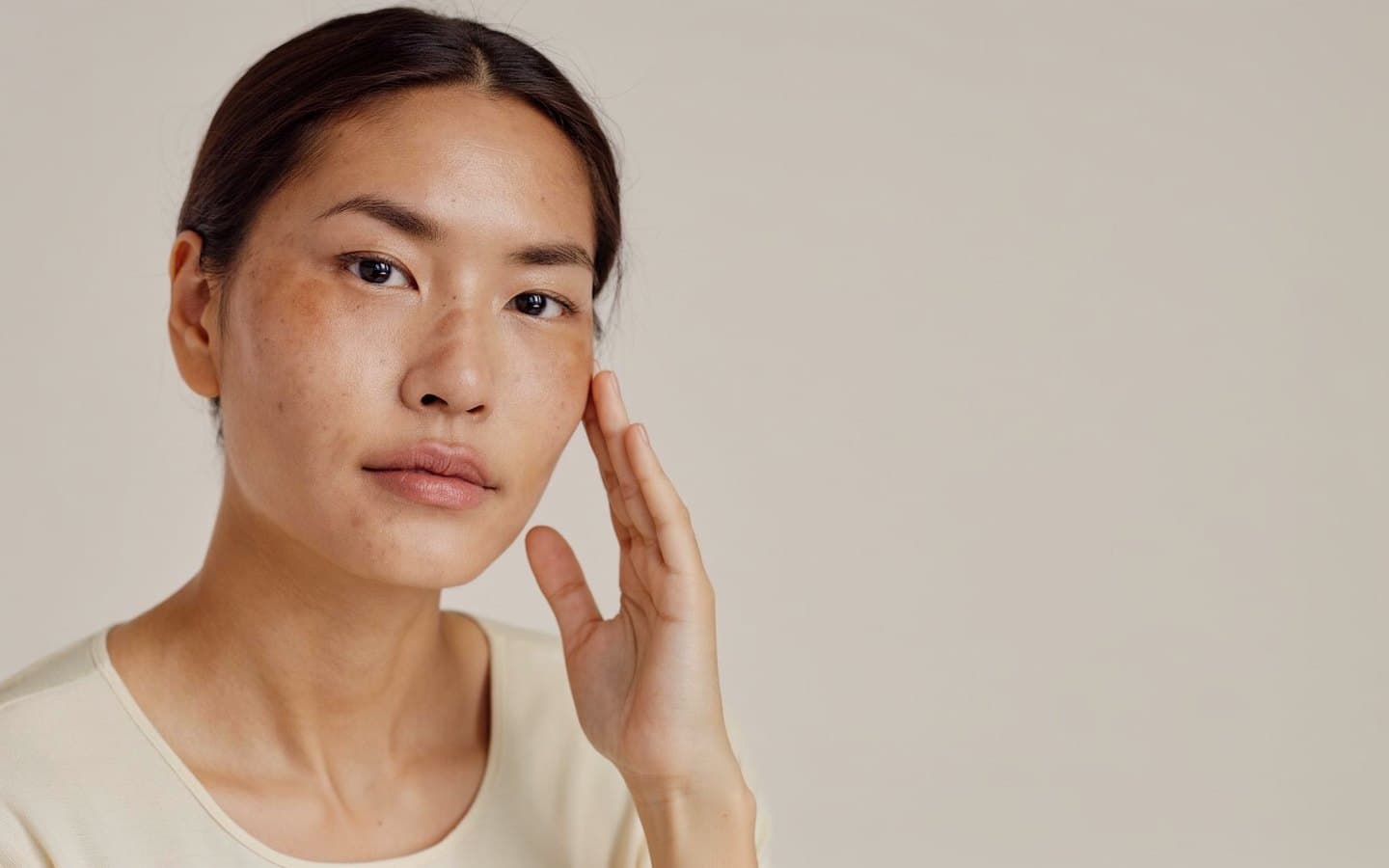
- Dull, rough or flaky-looking skin texture
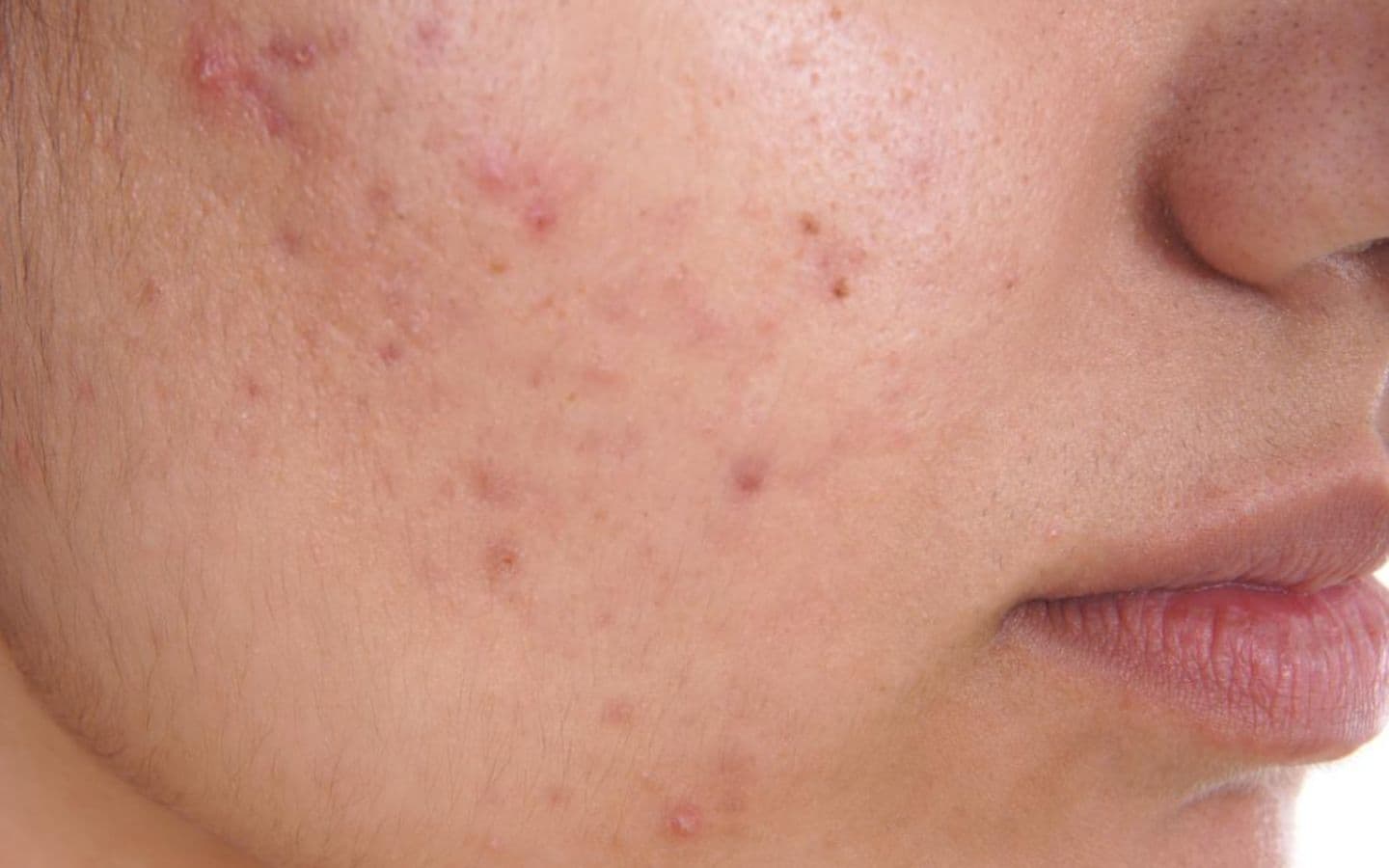
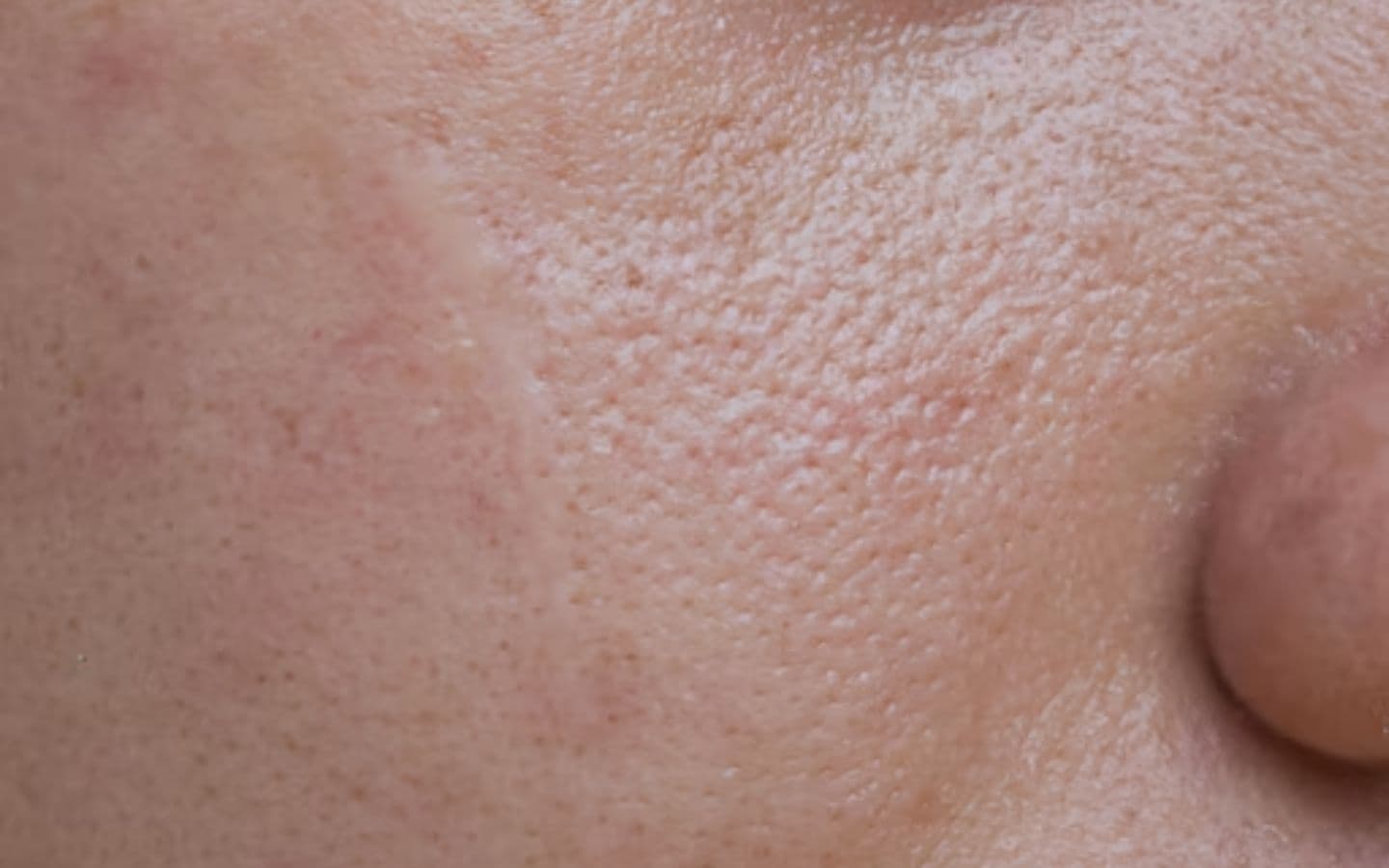
- Congestion, blackheads and clogged-looking pores
- Oily skin and mild non-inflamed acne
- Dehydrated skin that feels tight or looks lacklustre
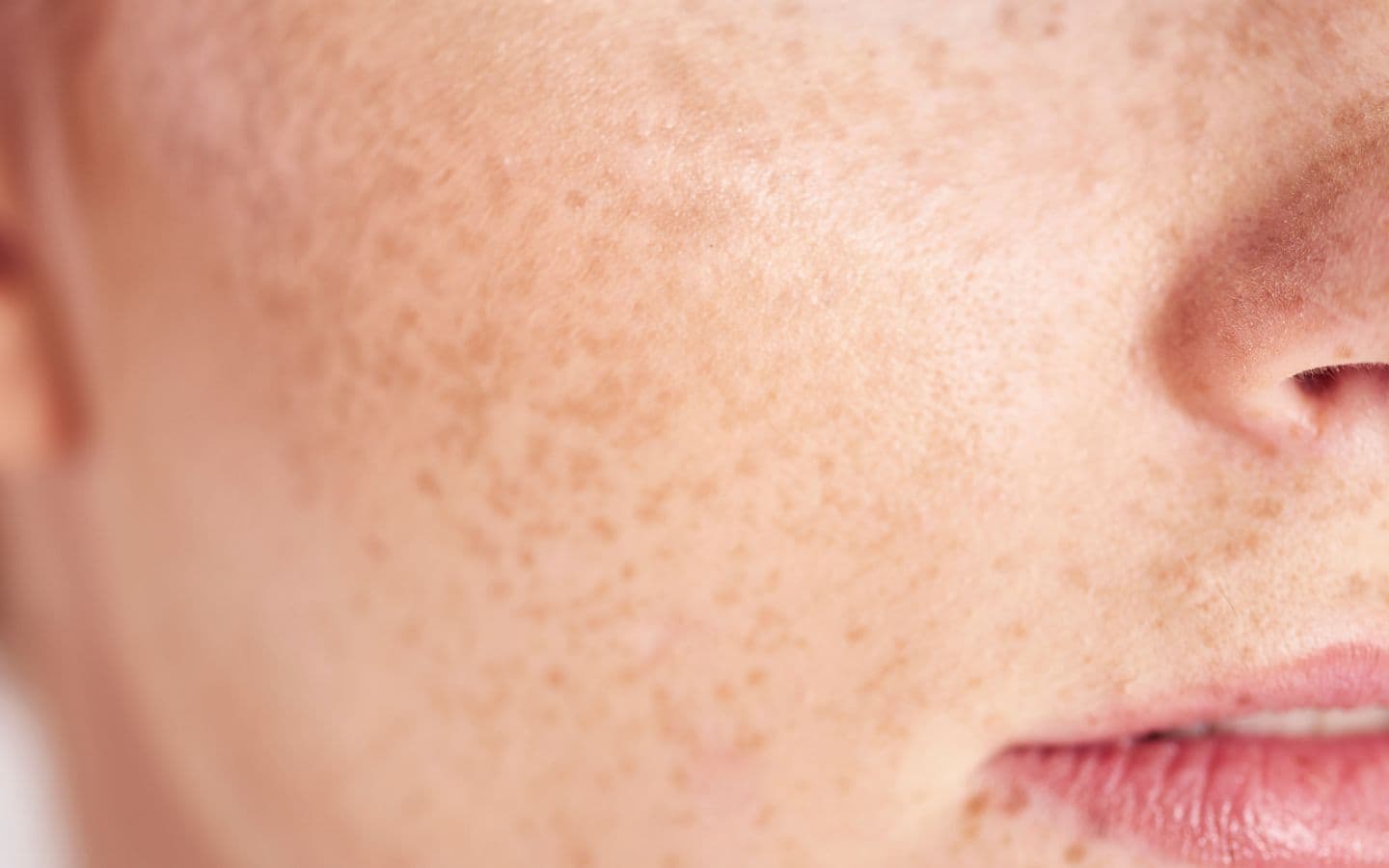
- Uneven tone and superficial sun-related dullness
- Skin being prepared for, or maintained between, other in-clinic treatments
Is Silkpeel suitable for Asian and sensitive skin, and who should wait?
Because it is non-ablative and uses no light energy, Silkpeel is generally suitable across skin tones, including Asian skin, and does not carry the pigment-related considerations that come with lasers or IPL. Sensitive or reactive skin can often still be treated, with a lighter tip and lower vacuum.
It may not be appropriate on skin with active inflamed or cystic acne, open or broken skin, active cold sores, eczema or rosacea flares in the treatment area, recent sunburn, or immediately after other resurfacing procedures, and some serum ingredients are avoided in pregnancy. Recent isotretinoin use or a course of topical retinoids may mean waiting or adjusting the protocol. Please share your full skincare and medical history at consultation, including active ingredients you use at home, so your clinician can select a suitable protocol.
How long is a Silkpeel session, and why is it repeated every few weeks?
A visit starts with a skin assessment so the tip grade and serum can be matched to your skin on the day rather than assumed. The skin is cleansed, then the handpiece is worked across the face in overlapping passes, section by section, with the therapist adjusting pressure and settings around delicate areas. Most people describe the sensation as a cool, slightly gritty pull across the skin, comparable to a firm massage rather than something requiring numbing, and no anaesthetic is needed.
A session commonly runs in the region of 30 to 45 minutes, longer if it is combined with masking, extractions or another treatment in the same visit. Because the effect is cumulative, Silkpeel is usually planned as a regular treatment, often every few weeks initially and then at a maintenance interval, rather than as a one-off. Your clinician will suggest a rhythm that fits your skin and your other treatments.
There is typically no meaningful downtime, and most people return to normal activity immediately, though this varies between individuals. Mild pinkness or a slight warm flush for an hour or two is common, and skin can feel a little tight until it rehydrates.
Because a layer of dead surface cells has been removed, your skin is temporarily more receptive, to skincare, and also to sun and irritants. Sunscreen the same day, gentle cleansing, and pausing exfoliating acids and retinoids for a day or two are usually advised, along with avoiding heavy makeup for the rest of the day. Your clinician will give aftercare guidance specific to your skin and the serum used.
What are the risks of a Silkpeel, including serum reactions?
Silkpeel is a low-risk treatment, but risks exist and are explained beforehand. Temporary effects can include redness, mild sensitivity, dryness or tightness, small pinpoint marks where suction has been applied, and occasional short-lived breakouts as congestion clears. Irritation or an allergic reaction to a serum ingredient is uncommon but possible, which is why your skincare history matters. Serious effects are uncommon when the protocol is appropriately selected and performed by a trained clinician.
Concerns this device addresses
Whether it is the right choice for any of these is a decision for a doctor who has examined your skin.
Treatments that use Silkpeel
Back to all devices and injectables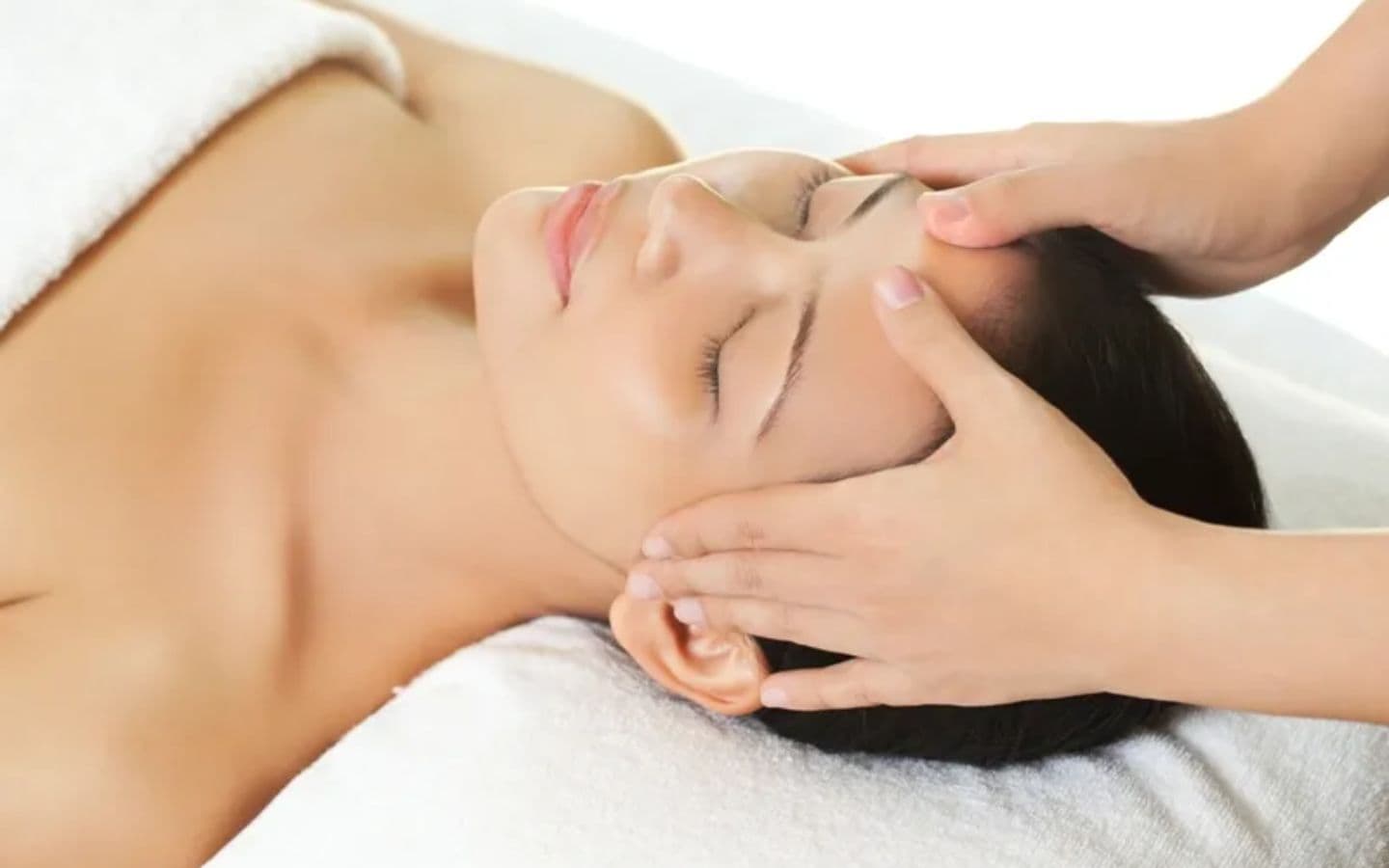
What affects the number of sessions, and the cost
Pricing is discussed at consultation rather than quoted online, so what you are told reflects the protocol chosen for your skin. What moves it:
- Which serums your skin calls for.
- Whether add-on steps such as extractions, masking or LED are included.
- Whether areas beyond the face are treated.
- How frequently you choose to come in.
Other facial devices we use
These address overlapping concerns. Which one suits you is a decision for a doctor who has examined your skin, not a choice to make from a page.
Common questions
How is Silkpeel different from a hydra-type suction facial?
Both combine exfoliation with serum delivery, but the mechanism differs. A hydra-type device relies mainly on aqueous solutions and vortex suction to loosen and lift debris, while Silkpeel exfoliates physically with a diamond-abrasive tip and delivers the serum to that abraded surface in the same closed pass. That makes it a common choice where texture and congestion are the concern rather than hydration alone. Which is better suited to your skin is best discussed at consultation.
Is Silkpeel suitable for sensitive or acne-prone skin?
Often yes, with adjustments: a finer tip grade, lower vacuum and a serum chosen for the concern. It is generally avoided on actively inflamed or cystic acne, broken skin or during an eczema or rosacea flare. Your clinician assesses your skin on the day and adapts the protocol, or advises a different treatment if it is not appropriate.
How often should I have Silkpeel?
The effect is cumulative rather than one-off, so a regular rhythm is usual, commonly every few weeks at first, then at a longer maintenance interval once your skin has settled. The right frequency depends on your skin type, your concern and what else is in your plan. Your clinician will suggest a schedule at consultation and adjust it as your skin responds.
Can Silkpeel be combined with other treatments at Kaiteki?
It is often used as part of a wider plan, either to prepare the skin before other treatments or as maintenance between them, and it may be paired with steps such as extractions or masking in the same visit. Timing around lasers, peels and injectables matters, so combinations are planned rather than improvised. Your doctor will advise on sequencing at consultation.
Read next

Book a free consultation
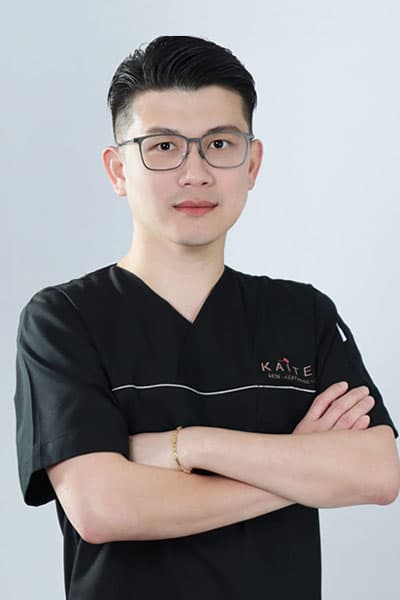
The consultation is free, takes about 20 to 30 minutes, and there is no obligation to book treatment afterwards. A doctor will examine your skin and tell you whether Silkpeel is appropriate, and if it isn’t, what would be.
Ask about thisMedically reviewed by
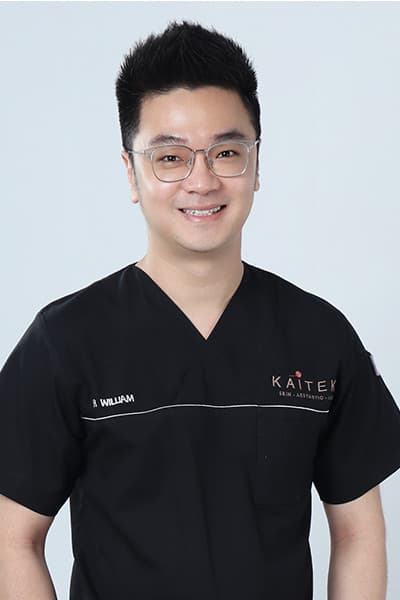
Dr William Yap
Partner, Aesthetic Physician
MD, LCP Board Certified, MAC · MMC 68812
Dr William Yap obtained his Medical Degree (MD) from University of Gahjah Mada. After completing his compulsory house officer training, he continued his 6 years journey in government hospital as medical officer. He has been rotating in different subdepartment including dermatology, infectious disease, cardiology, etc to enhance his skills and knowledge.
View full profile- Reviewed by
- Dr William Yap, MMC 68812
- Last reviewed
- 18 Jul 2026
- Next review due
- 18 Jul 2027
This page is general information about aesthetic treatments and is not medical advice. Treatments carry risks that are explained during consultation, and individual results vary. A doctor will assess whether a treatment is suitable for you before it is carried out.