

Concern · Skin
Acne
Active breakouts and old scarring respond to different treatments.
Free, about 20–30 minutes, no obligation to book treatment.
- Very common
- Affects up to 85% of people aged 12–24, and can continue or begin in adulthood.
- Two different problems
- Active breakouts and the marks or scarring left behind need different approaches.
- Medical first
- Active inflamed acne is usually settled with topical or oral treatment before any device is considered.
On this page
In brief
Acne is a common skin condition in which pores become blocked with oil and dead skin, leading to blackheads, inflamed spots and sometimes scarring. Active acne is usually managed medically first, and energy-based treatment is considered for the marks and scars it leaves.
Results from Kaiteki patients
10 photos · tap one to enlarge
Active acne, before and after a course of treatment at Kaiteki
Active acne, before and after a course of treatment at Kaiteki
Active acne, before and after a course of treatment at Kaiteki
Active acne, before and after a course of treatment at Kaiteki
Active acne, before and after a course of treatment at Kaiteki
Acne scarring, before and after a course of treatment at Kaiteki
Skin texture and tone, before and after a course of treatment at Kaiteki
Acne scarring, before and after a course of treatment at Kaiteki
Acne scarring, before and after a course of treatment at Kaiteki
Acne and post-acne marks, before and after a course of treatment at Kaiteki
Photographs of Kaiteki patients, published with consent. Individual results vary and are not guaranteed. These images are not a promise of outcome. A doctor will assess whether any treatment is suitable for you.
What is acne?
Acne occurs when hair follicles become blocked with oil and dead skin cells. That blockage can stay quiet as a blackhead or whitehead, or it can become inflamed and form a red, tender spot.
Common causes
Usually several of these at once:
- Hormonal changes: puberty, menstrual cycles, pregnancy, polycystic ovary syndrome, or stopping hormonal contraception.
- Excess sebum and blocked pores: oil glands producing more than the skin can clear, and dead skin cells building up inside the follicle instead of shedding.
- Inflammation and skin bacteria: Cutibacterium acnes multiplying in a blocked follicle and triggering redness and swelling.
- Contributing factors: family history, certain medications, occlusive skincare or makeup, humidity and sweat, friction from helmets, straps or masks.
Which type do I have?
Most people arrive with a mix. Working out the balance matters, because treating scarring while acne is still active usually does not work well, and treating active acne will not remove existing scars.
Types of active acne
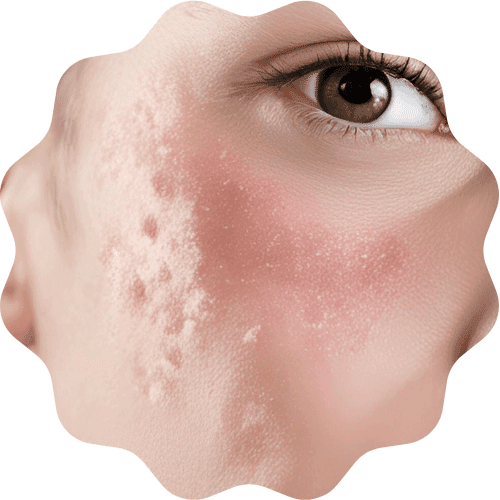
Comedonal
Blackheads and whiteheads, no redness
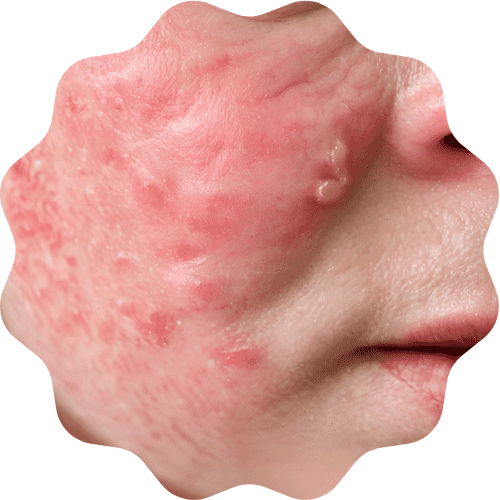
Inflammatory
Red, raised and tender
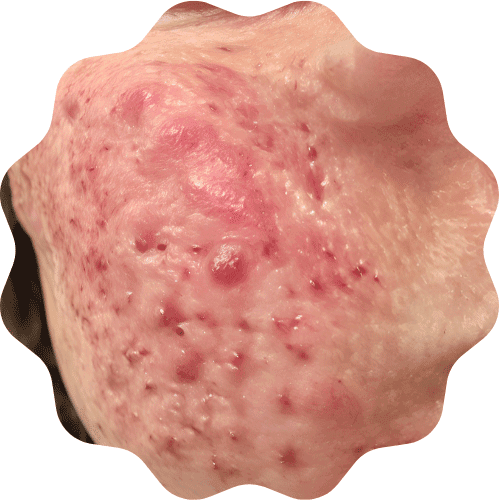
Nodulocystic
Deep, painful, scars most readily
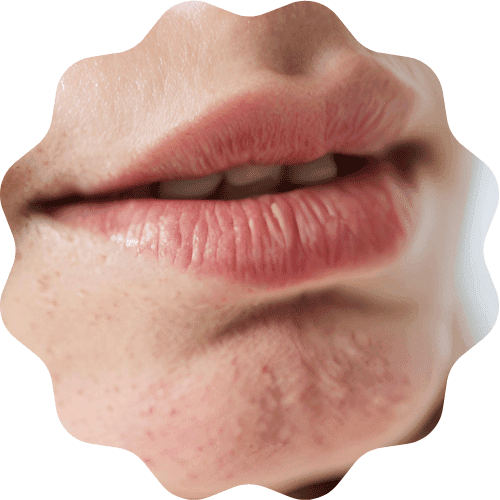
Hormonal pattern
Jaw, chin and lower face
Active acne
Spots you have now
Spots that are currently forming.
Usually assessed for: medical management first, with clinic facials or RF microneedling considered as support once the doctor advises it.
Post-acne marks
Flat red or brown
Flat discolouration left after a spot heals. The skin is smooth; only the colour differs. Marks often fade on their own over months.
- Red or purple marks (post-inflammatory erythema), from dilated blood vessels near the surface. More visible on lighter skin.
- Brown marks (post-inflammatory hyperpigmentation), from excess pigment produced during inflammation. Very common in the medium and deeper skin tones seen across Malaysia, and worsened by sun exposure.
Usually assessed for: pico laser.
Acne scarring
Texture you can feel
A change in the skin's structure you can feel as a dip or a raised area. Scars do not fade on their own.
Usually assessed for: RF microneedling or resurfacing laser, often over several sessions, with combinations chosen by scar type.
Where acne appears
Location is a clue, not a diagnosis.
Chin and jawline
Often follows a hormonal pattern, particularly in adult women, and can flare in a monthly cycle.Forehead
Commonly linked to oil, sweat, hair products and friction from caps, helmets or fringes.Cheeks
Friction and contact are frequent contributors: phone screens, pillowcases, mask edges.Nose
Dense oil glands mean blackheads and visible pores are common here.Back, chest and shoulders
Sweat, friction and heavier body products play a part. Lesions here can be larger and are more likely to leave raised rather than depressed scars.Not typical acne?
Small uniform bumps that itch, or rashes that do not respond to acne treatment, may be something else entirely, such as folliculitis or rosacea.
When to see a doctor
See a doctor if:
- Over-the-counter products have not helped after around eight to twelve weeks of consistent use.
- Spots are deep, painful or leaving marks behind.
- Breakouts started in adulthood, or changed pattern suddenly.
- Your acne is affecting your mood, confidence or how you go about your day.
Treatment options at Kaiteki
Treatments considered for acne at Kaiteki, by what each addresses:
Pico Laser
For post-acne marks and uneven tone
A picosecond laser that targets pigment in short, high-speed pulses.
Pico LaserRF Microneedling
For depressed scarring, texture and enlarged pores
Fine needles deliver radiofrequency energy into the deeper layer of the skin to stimulate collagen. Often the starting point for rolling and boxcar scarring, and generally considered a lower pigmentation-risk option for medium and deeper skin tones.
RF MicroneedlingExosome Therapy
Used alongside other treatments, not instead of them
A regenerative approach applied after energy-based treatment to support skin recovery. The evidence base is still developing.
Exosome TherapyResurfacing Laser
For deeper scarring and significant texture change
A fractional CO₂ laser used where scarring is more established. More downtime than the options above.
Resurfacing LaserFacial Treatments
For congestion, cleansing and ongoing maintenance
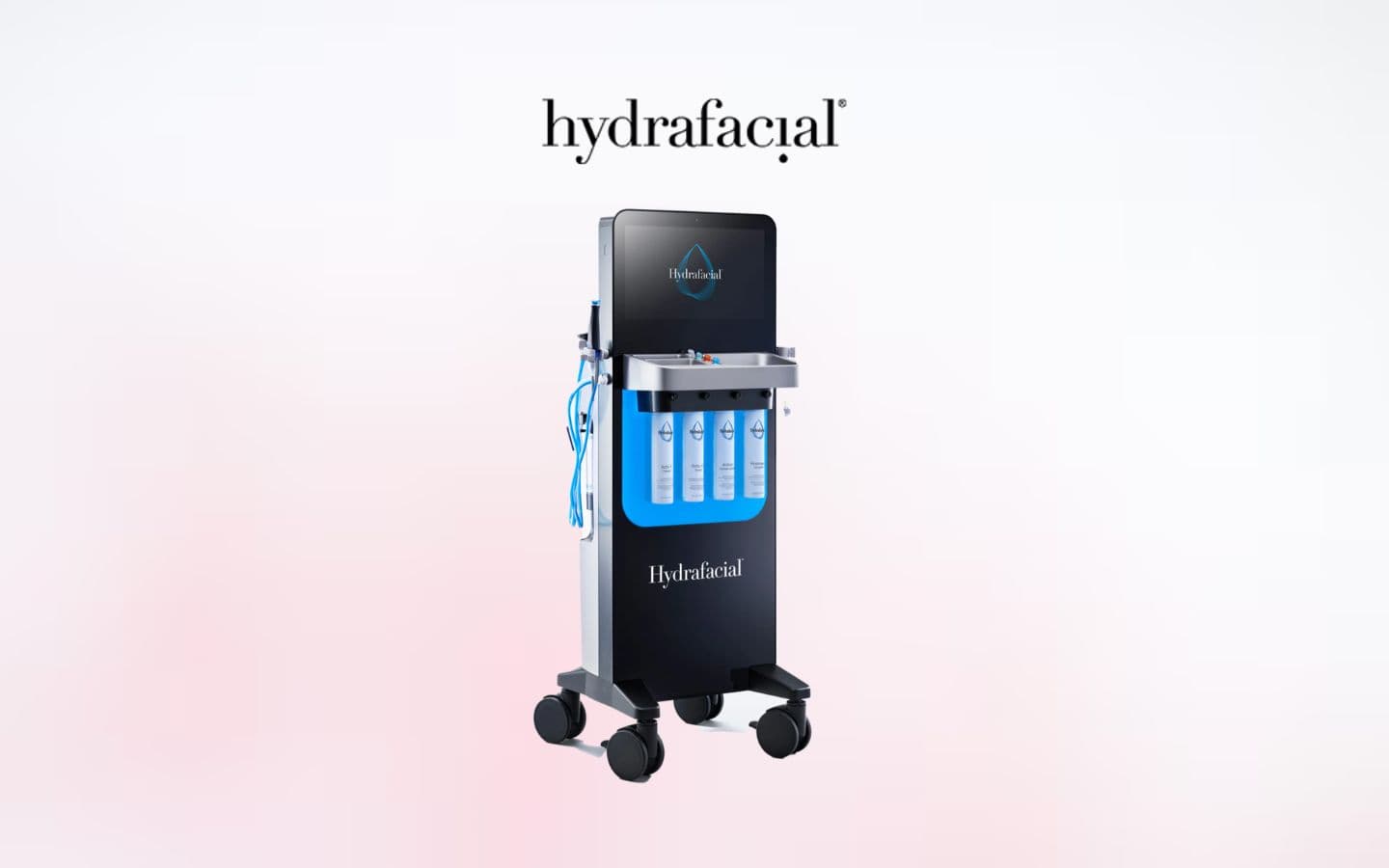
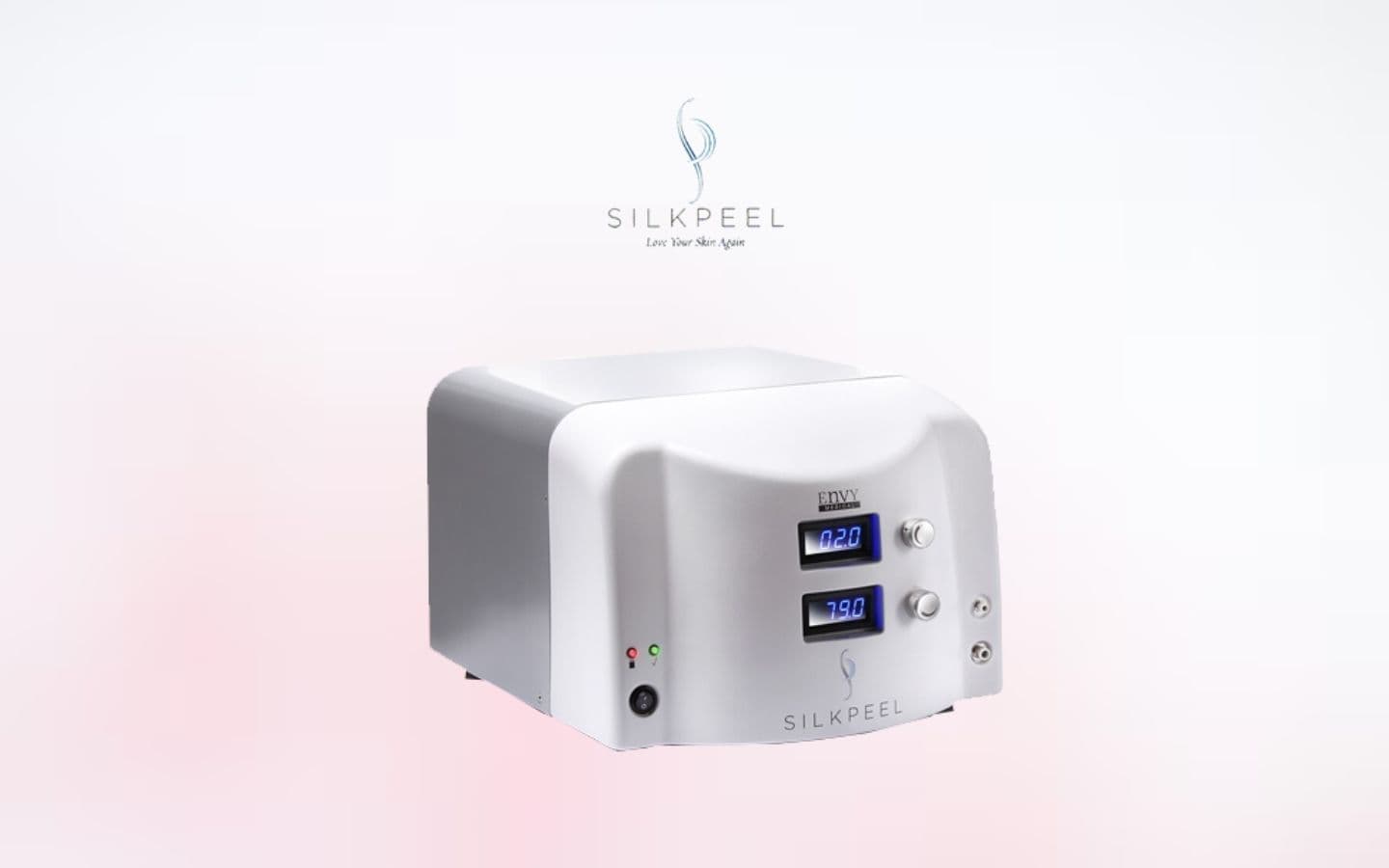
Hydrafacial and Silkpeel are used to support cleansing and exfoliation, particularly with comedonal congestion. They do not replace medical treatment for inflammatory acne.
Facial Treatments
Which treatment suits which type?
A general guide. Combinations are common, and sessions are set after assessment.
| What you have | Commonly considered | Typical course | Downtime |
|---|---|---|---|
| Active inflammatory acne | Medical management, with supportive facials | Reviewed at 8–12 weeks | None |
| Blackheads & congestion | Clinic facials, topical treatment | Ongoing maintenance | None |
| Red marks after spots | Pico laser | Multiple sessions, spaced | Minimal |
| Brown marks after spots | Pico laser + daily sun protection | Multiple sessions, spaced | Minimal |
| Rolling & boxcar scars | RF microneedling | Several sessions, ~4 weeks apart | 2–3 days redness |
Not sure which one you're dealing with?
Send us a photo on WhatsApp and a doctor can tell you whether you're looking at active acne, marks, scarring, or a combination.
Ask about this on WhatsAppFree consultation, about 20 to 30 minutes, no obligation.
Technology used
Having more than one platform means the doctor can match the device to your skin type and to what is being treated, rather than fitting your skin to a single machine.
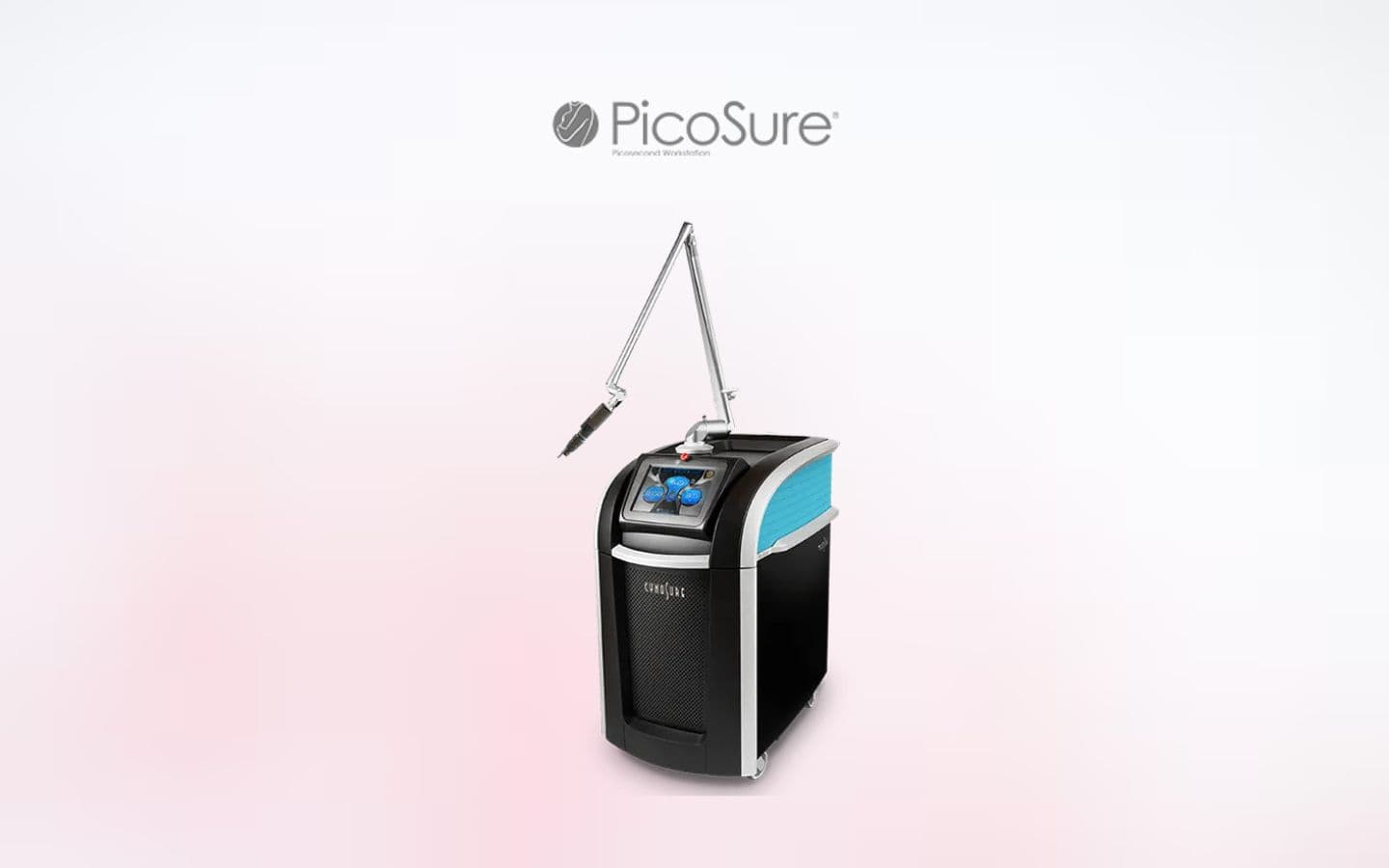
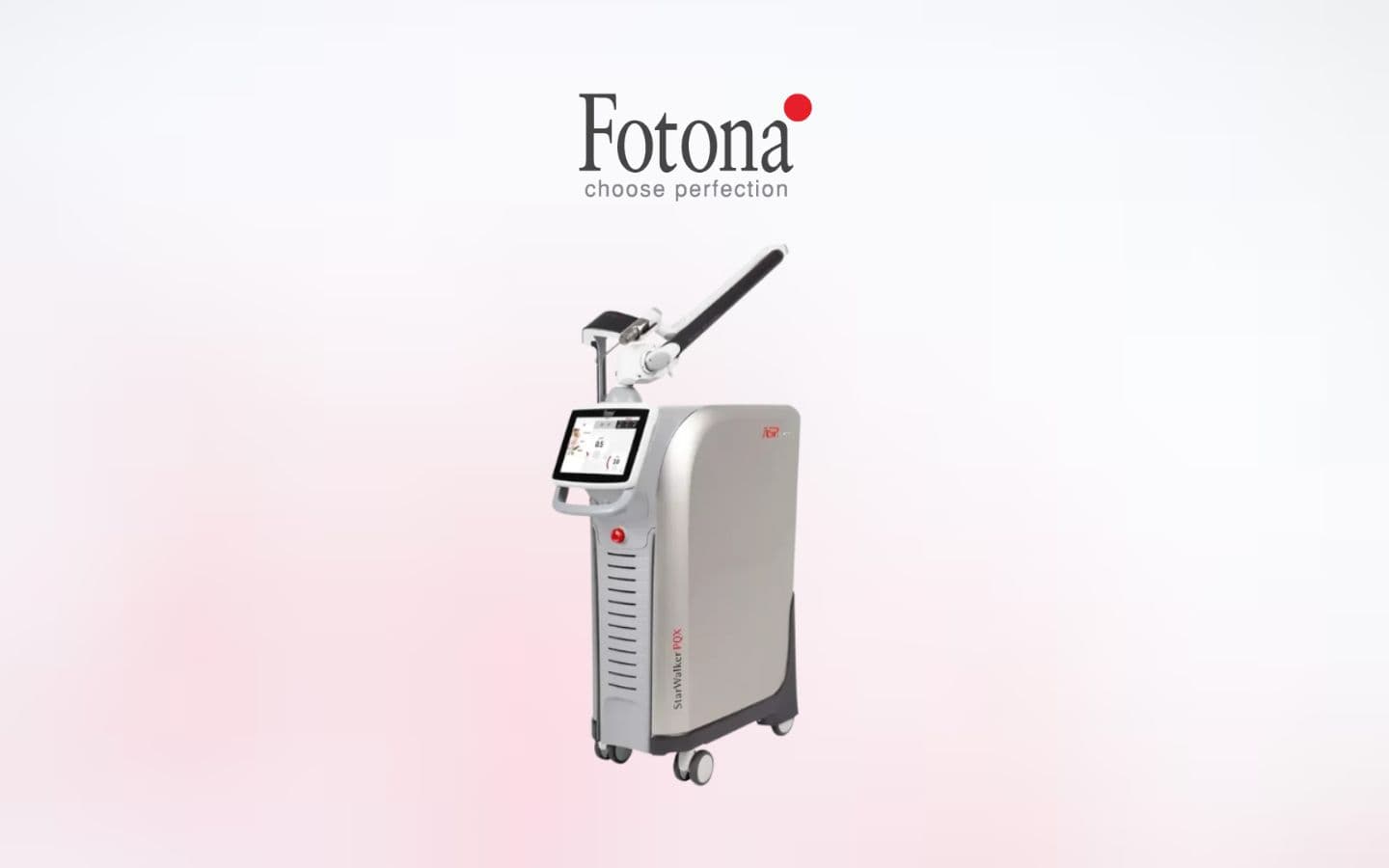
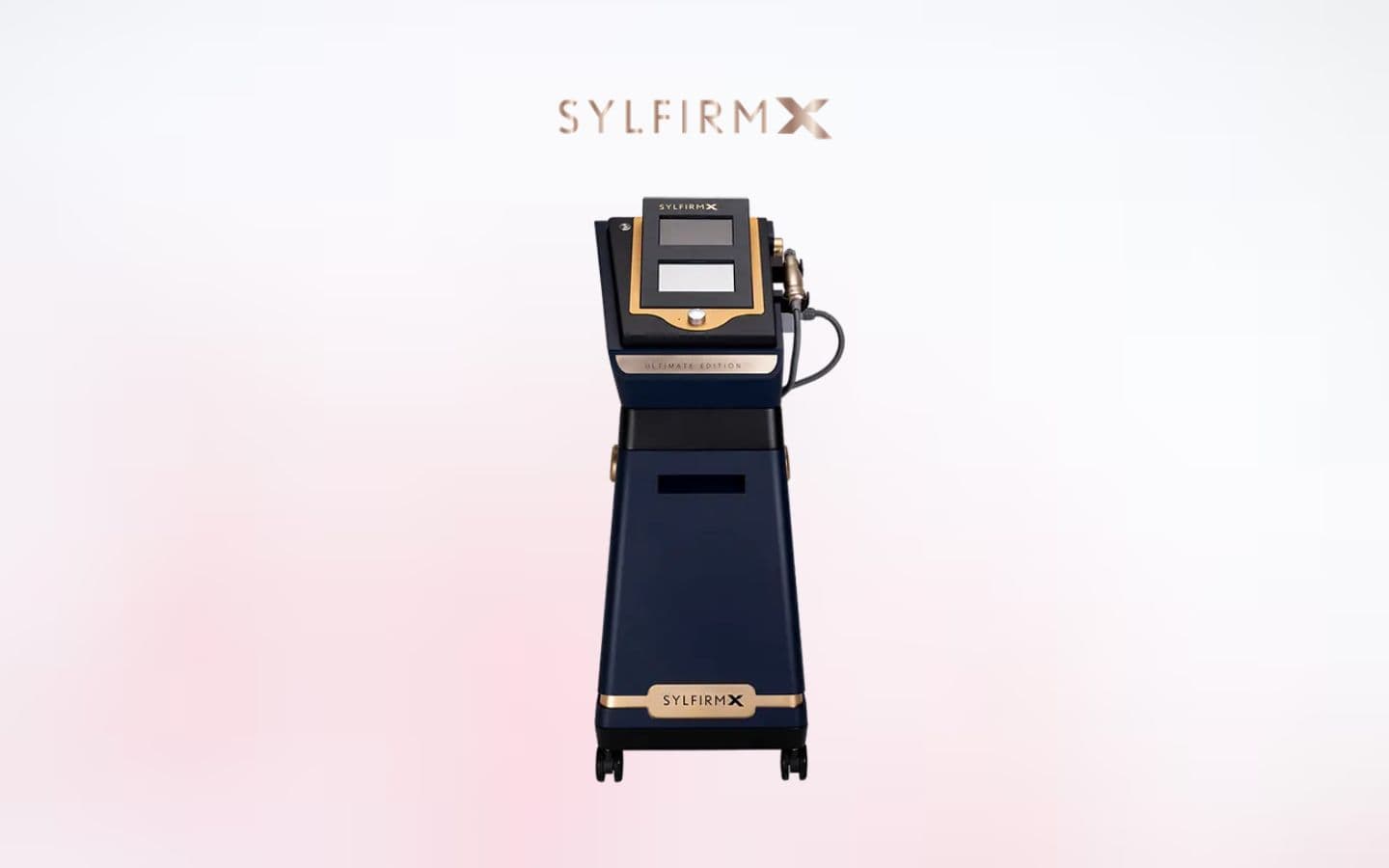

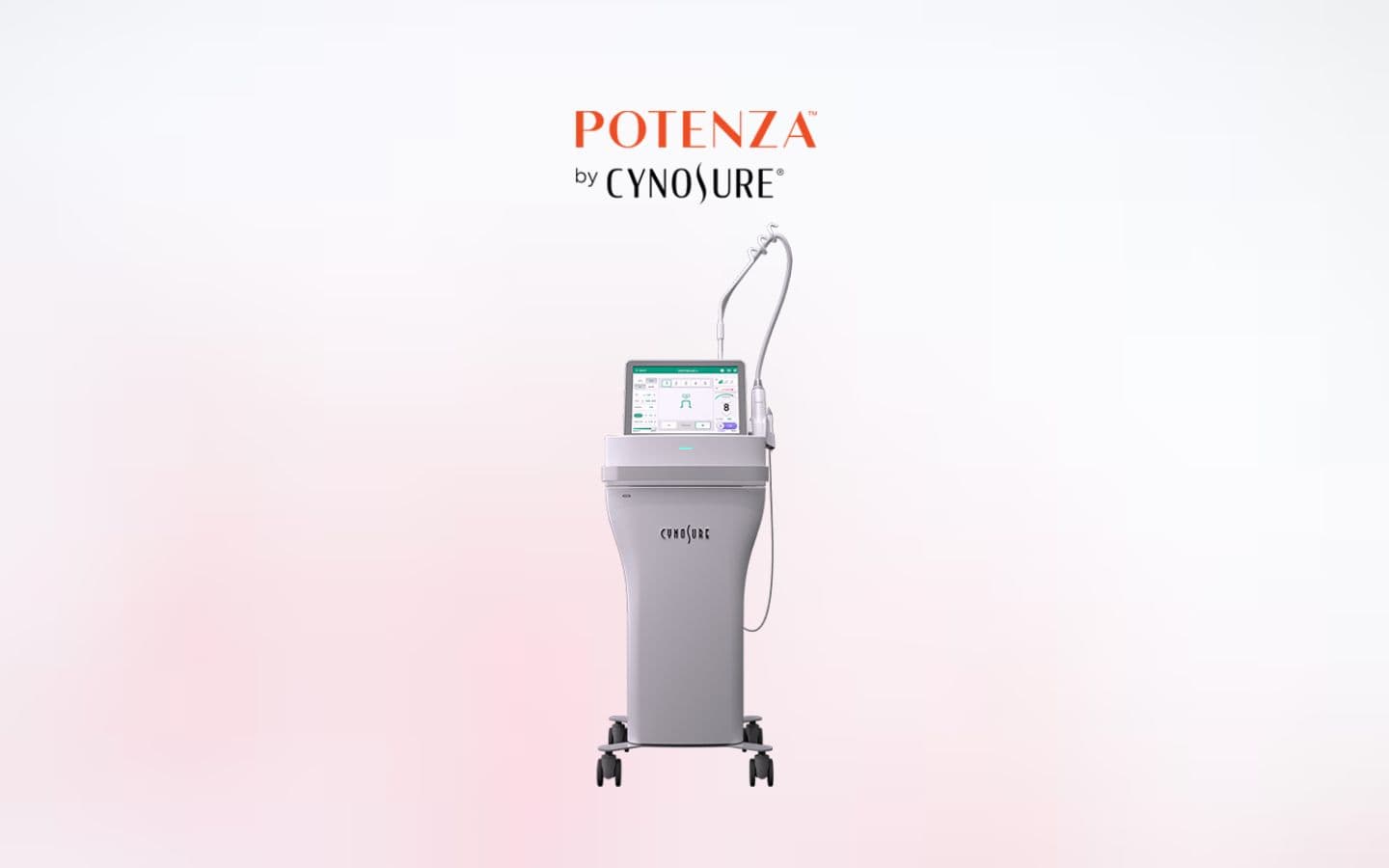

Risks and what to expect
Common and usually temporary
Redness, swelling, dryness, flaking and a warm or gritty sensation for a few days. Less common effects include prolonged redness, blistering, infection, or a change in skin pigment.Pigment change and Malaysian skin
Medium and deeper skin tones, common across Malaysia, carry a higher chance of post-inflammatory hyperpigmentation after energy-based treatment. This is why doctors here often choose gentler settings and longer intervals between sessions.Sun protection is not optional
Daily broad-spectrum sunscreen is part of the plan for every treatment listed above, both before and after.What treatment cannot do
Ice-pick scarring rarely resolves fully with energy devices alone. Acne can recur after treatment, because treating marks or scars does not change the tendency to break out. Improvement builds gradually over months as collagen remodels.
Tell your doctor if you are pregnant or breastfeeding, take or recently took oral acne medication, have a history of cold sores, keloid scarring or recent tanning, or have had any skin procedure in the past few weeks. Any of these may change what is appropriate or when.
What your first visit involves
The first job is telling apart what is active, what is marking and what is scarring.
History
What you've tried, and any medication or skincare you currently use.
Examination
The doctor examines your skin, sometimes under magnification.
Discussion and plan
Options, risks and downtime, with no obligation to proceed.
What affects the cost
Pricing is set after assessment. It depends on:
- What is being treated: marks generally need a different approach from structural scarring.
- The area: full face, targeted zone, or back and chest.
- The treatment and device: different platforms have different session structures.
- How many sessions: set after assessment, and adjusted at review as your skin responds.
- Whether treatments are combined: mixed scarring sometimes responds better to more than one modality.
Common questions
Can acne scarring be treated?
Depressed scarring can often be improved, though rarely erased. How much improvement is realistic depends heavily on scar type: rolling and boxcar scars usually respond better than ice-pick scars, which are narrow and deep. See the acne scars page for each scar type.
Why does adult acne happen?
Adult acne is usually multi-factorial. Hormonal fluctuation is a frequent contributor, particularly for women with breakouts around the jawline and chin that follow a cycle. It's also common for adult acne to look different from teenage acne: fewer spots, but deeper and slower to settle.
Will treatment make my acne worse first?
Some medical acne treatments involve an initial adjustment period where the skin appears worse before it improves. Energy-based treatments don't typically cause a flare, but they can leave redness or dryness for a few days.
Is laser treatment safe for darker or Asian skin tones?
Yes, when the device and settings are chosen appropriately by a doctor who is experienced with your skin type. The specific concern with medium and deeper skin tones is post-inflammatory hyperpigmentation, the skin responding to treatment by producing extra pigment. It's a real consideration, not a reason to avoid treatment.
Can I wear makeup after treatment?
After minimal-downtime treatments, makeup can usually be applied the following day. After RF microneedling, most people wait until the redness settles, typically two to three days. After resurfacing laser, longer: the skin needs to re-epithelialise first.
Will my acne come back after treatment?
Possibly. Acne is a chronic condition for many people, with periods of flare and quiet. That's why the plan usually includes a maintenance element: appropriate daily skincare, sun protection, and ongoing medical management where indicated.
Do I need to stop my current skincare or acne medication?
Don't stop anything without telling your doctor first. Some products, retinoids and exfoliating acids in particular, are usually paused for a period before and after energy-based treatment.
Is treatment painful?
Most people describe energy-based treatments as uncomfortable rather than painful. Topical numbing cream is applied beforehand where appropriate, and cooling is used during and after. RF microneedling is generally felt more than pico laser.
Read next


Related concerns
Pigmentation
Melasma, sun spots and uneven tone: overlaps with post-acne marks.Enlarged Pores
Often noticed alongside oily skin and congestion.Acne Scars
Ice pick, boxcar, rolling and raised scars, and which treatment suits each.Aging
Texture, laxity and fine lines: sometimes treated with the same devices.
Have a doctor look at it
The consultation is free, takes about 20 to 30 minutes, and there is no obligation to book treatment afterwards. A doctor will examine your skin and talk you through what is, and is not, worth doing.
Book a free consultationMedically reviewed by
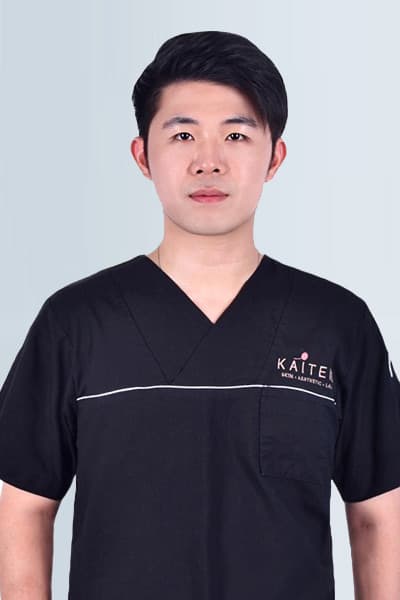
Dr Jen Meng
Aesthetic Physician
MBBS, MAC · MMC 104167
Dr Jen Meng is an aesthetic medical doctor who graduated with Bachelor of Medicine, Bachelor of Surgery (MBBS) from Manipal Academy of Higher Education. With training in Plastic and Reconstructive Surgery, he has strong expertise in facial anatomy, skin health, and procedural safety.
View full profile- Reviewed by
- Dr Jen Meng, MMC 104167
- Last reviewed
- 22 Jun 2026
- Next review due
- 22 Jun 2027