
Lifting & Tightening · Device
Morpheus8
A fractional radiofrequency microneedling device that reaches into the subdermal layer, used for skin-firmness and texture concerns.
Free consultation, no obligation.
- Subdermal reach
- Depth
- InMode, Israel
- Manufacturer
- RF microneedling
- Used within
In brief
Morpheus8 is a fractional radiofrequency microneedling device from InMode, used at Kaiteki within our microneedling treatment. It works on the same principle as other RF microneedling systems, with the difference that its deeper settings are intended to reach into the subdermal layer.
What is Morpheus8?
Morpheus8 is a fractional radiofrequency (RF) microneedling device made by InMode, an Israeli medical-aesthetic device company. It works on the same principle as other RF microneedling systems (fine needles carry radiofrequency energy through the skin surface and release it at a set depth), and at Kaiteki it is used within our microneedling treatment.
What sets it apart in this category is reach and pattern of delivery. Whether it suits you depends on your anatomy, skin quality and medical history, which a doctor assesses at an in-person consultation.
How the Burst technology works
Morpheus8 delivers bipolar radiofrequency between the microneedles, so the energy stays between the pins at the depth they are set to. The manufacturer's SCALE and BURST functions automatically deploy that energy to several treatment depths within a single pulse at programmable energy levels, so one insertion can address more than one layer instead of requiring separate passes at each depth.
The system uses interchangeable fractional tips with different pin configurations for different jobs (the manufacturer lists a 12-pin Burst Prime, a 24-pin Burst, a 24-pin Burst Resurfacing tip and a 40-pin Burst Deep tip), so finer facial areas, resurfacing-style work and larger or deeper body areas can be handled with the appropriate tip. Topical numbing is applied beforehand and the area is cooled afterwards. Tip choice, depth, energy and coverage are all selected by the treating doctor. Tissue responses to heating develop over weeks to months and vary between individuals.
Why does Morpheus8 reach below the skin, into the fat layer?
The manufacturer positions Morpheus8 for both dermal contraction and subdermal work, and it can be set to work below the dermis into the fatty layer rather than only within the skin. That deeper subdermal capability is usually why a doctor selects it when the primary concern is firmness along the jawline, lower face or neck rather than surface pigment or pore texture.
The manufacturer states that its Body platform, using Burst and 3D Smart Frame, produces a thermal profile reaching around 8mm. Deeper is not automatically better: the right depth depends on the concern and the area.
Is Morpheus8 a substitute for a surgical lift?
Suitability for Morpheus8 specifically has more to do with what you are trying to change: it is aimed at skin quality and tissue firmness, and it is not a substitute for surgery where there is significant sagging or excess skin. A doctor will be straightforward with you at consultation about whether your degree of laxity is likely to respond to this kind of treatment.
Morpheus8 is commonly considered for the concerns below, on the face and on selected body areas. It is not suitable for everyone, and a consultation determines whether it is appropriate for you.
- Loss of firmness along the jawline and lower face
- Early laxity and crepey texture on the neck
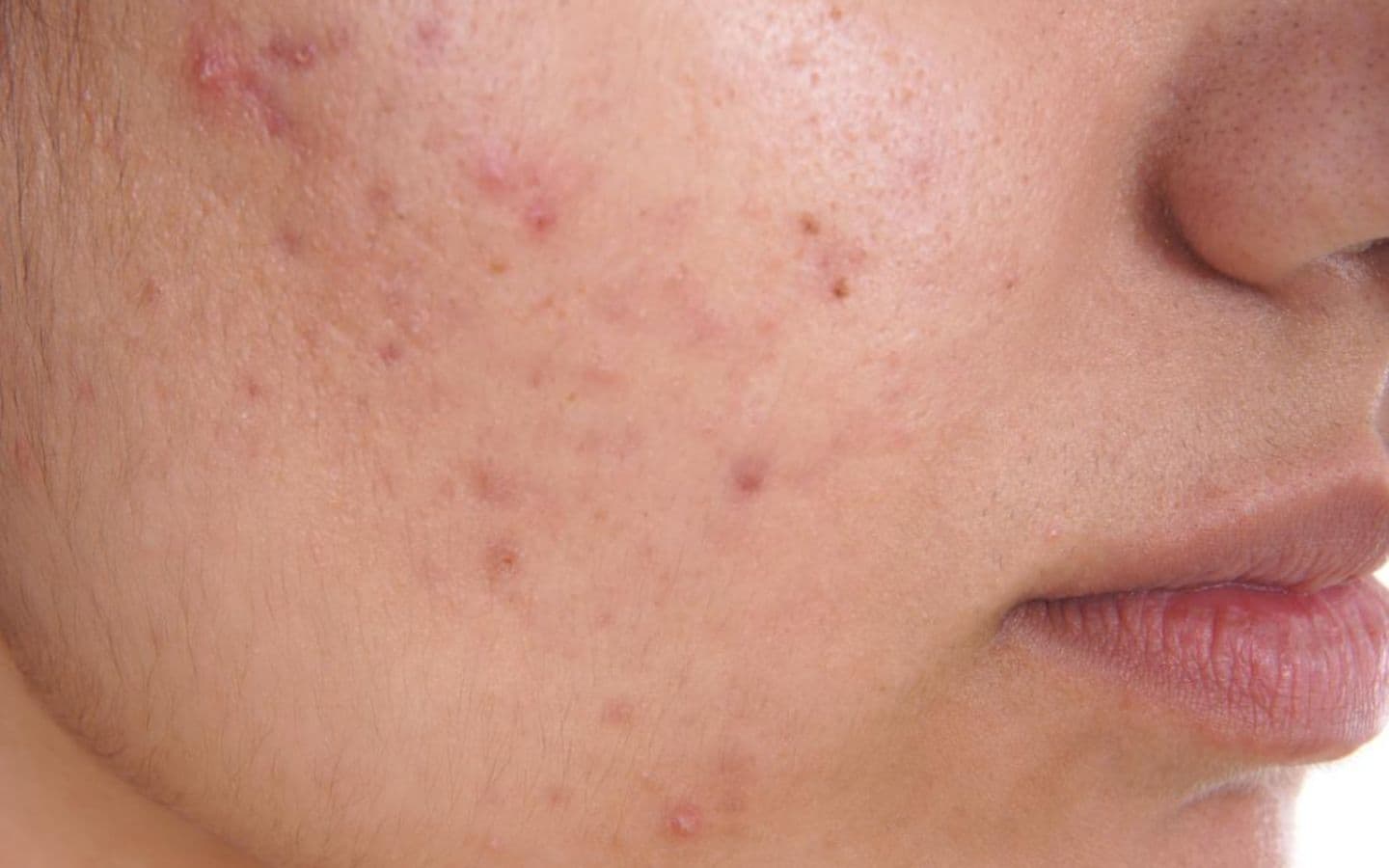
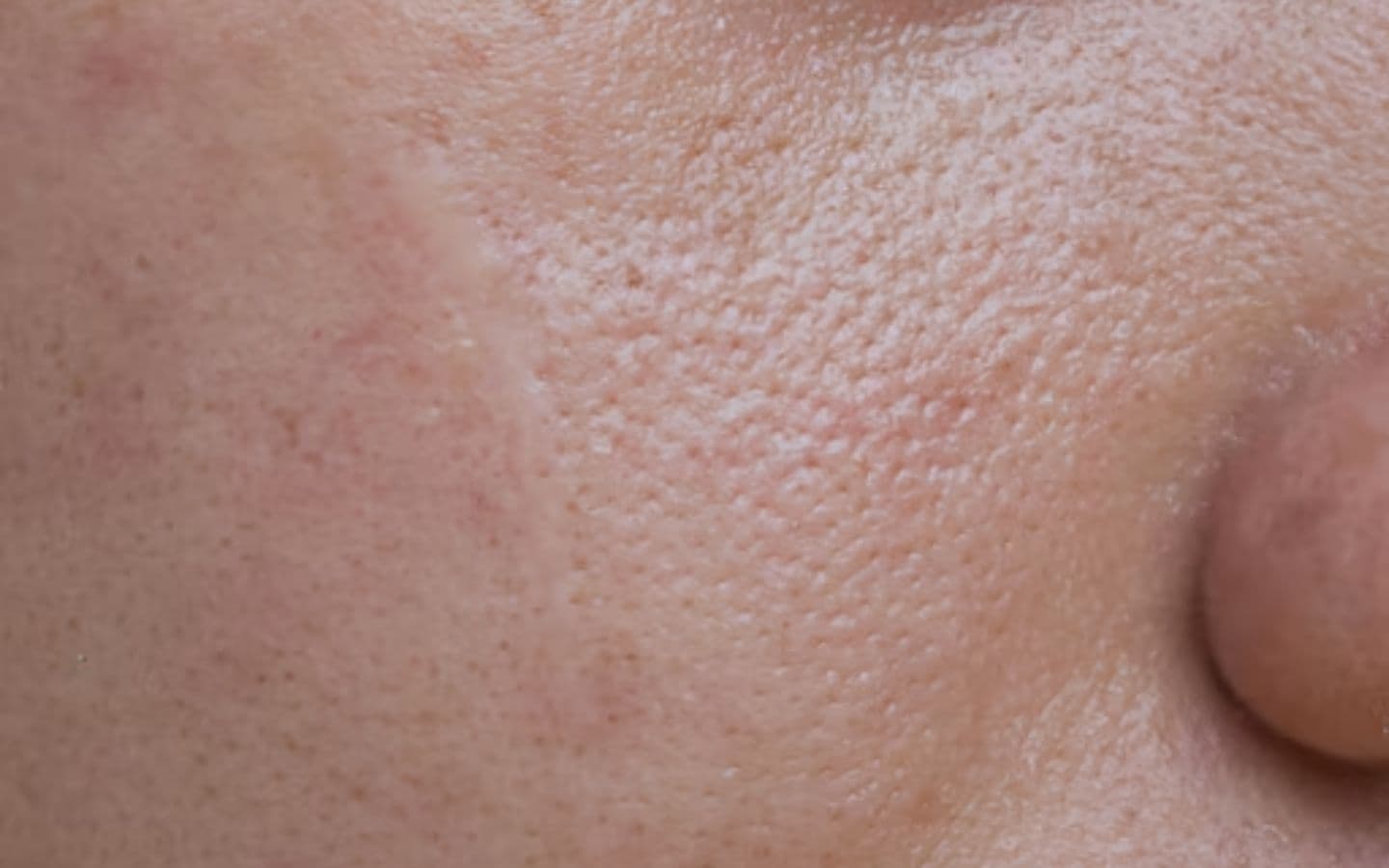
- Acne scarring and uneven skin texture
- Enlarged pores and rough skin surface
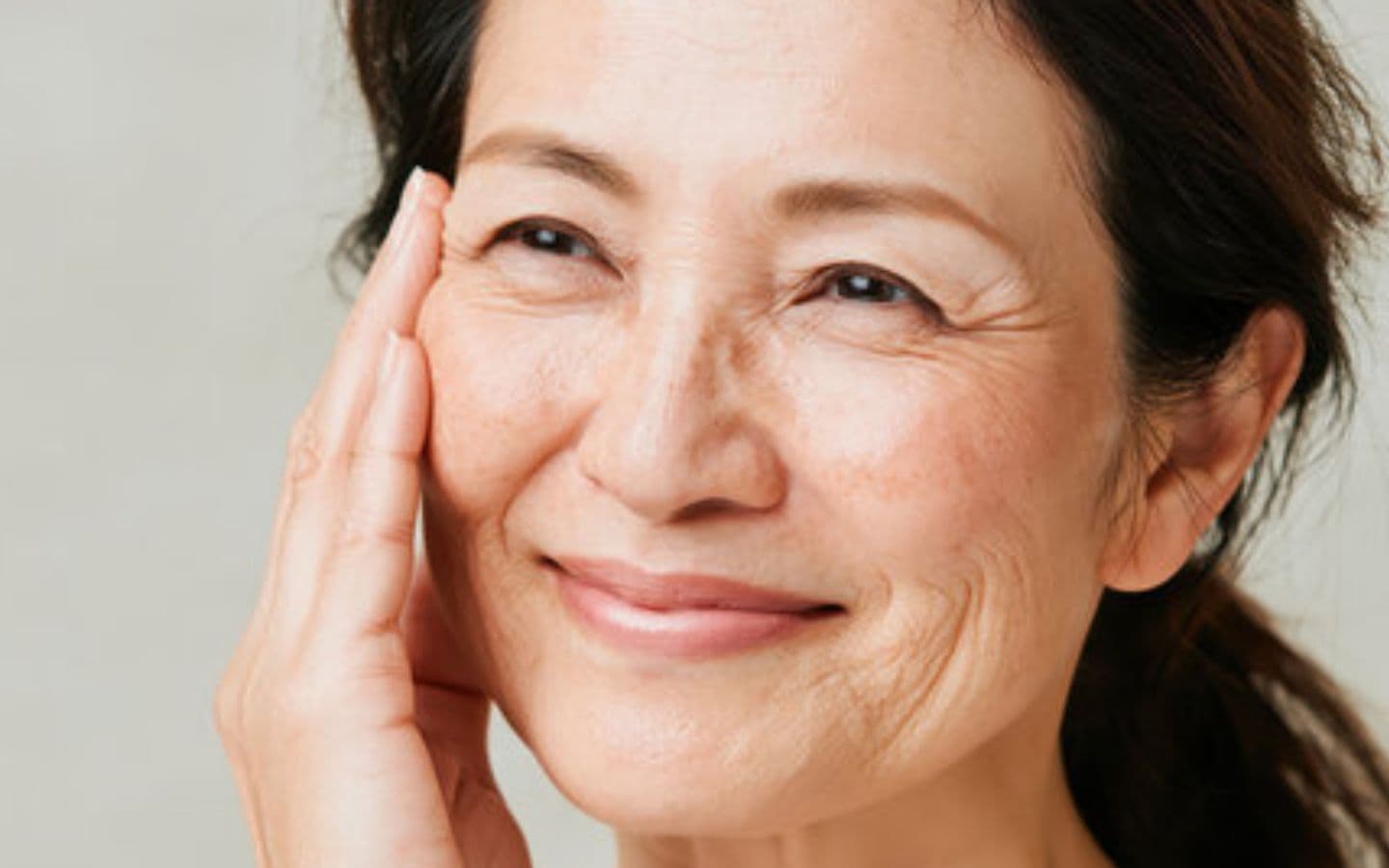
- Fine lines and general skin quality on the face
- Laxity and texture concerns on body areas such as the abdomen or arms
Who should avoid Morpheus8, and what must you declare?
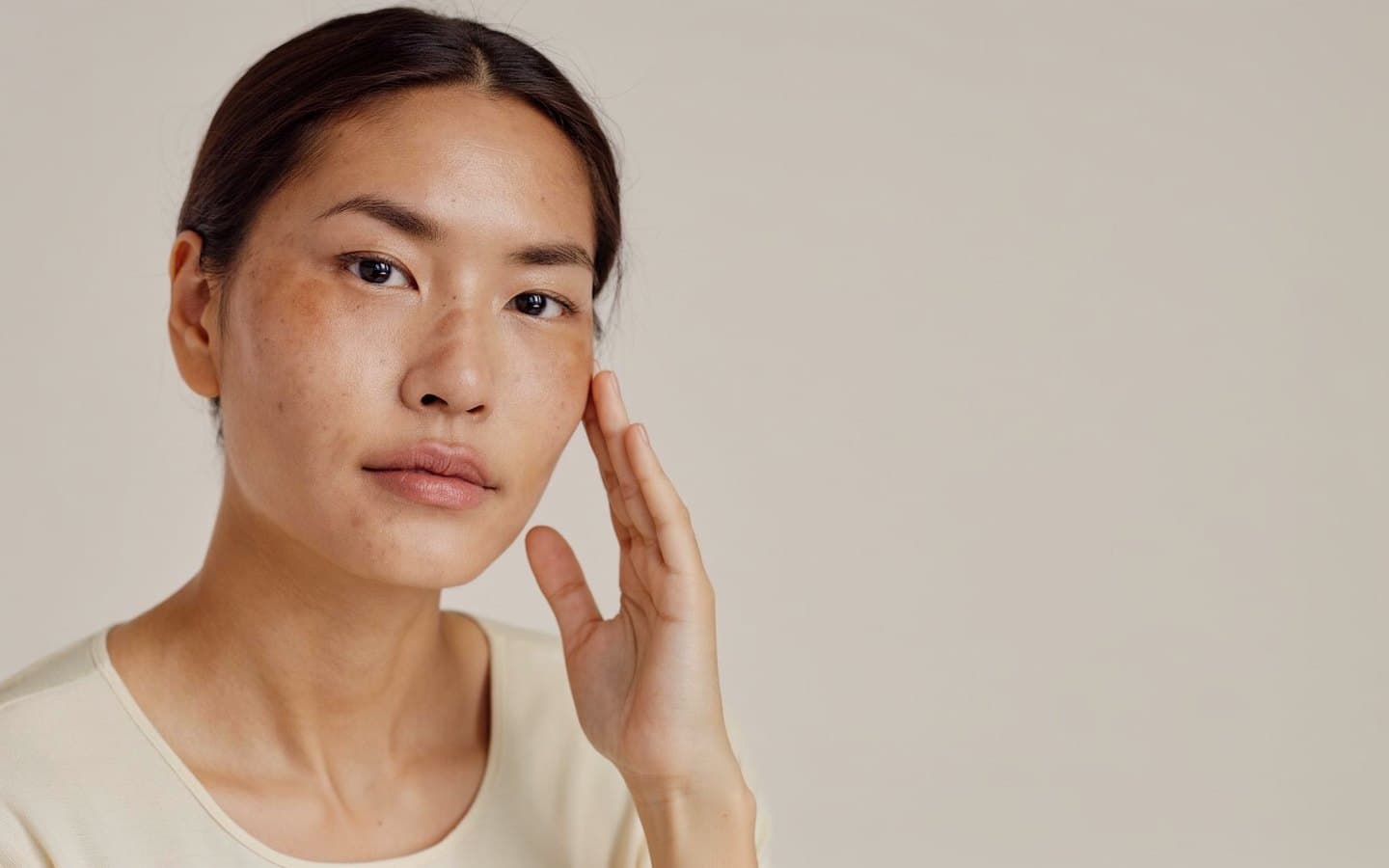
Radiofrequency energy is not absorbed by melanin the way laser light is, so RF microneedling is used across a wide range of skin tones, including deeper Asian skin tones.
It may not be suitable during pregnancy or breastfeeding, with active infection, inflamed acne or dermatitis in the treatment area, a history of keloid scarring, recent oral isotretinoin, clotting disorders or if you take blood thinners, and it is generally avoided in people with a pacemaker or other implanted electronic device. Metal implants or permanent fillers in the treatment area should also be declared. Please share your full medical and medication history at consultation.
What does a Morpheus8 session involve, and how many days of redness should you plan for?
Your visit starts with a doctor consultation and assessment, including which areas are being treated and whether a deeper subdermal setting is appropriate for them. The skin is cleansed, topical anaesthetic is applied and left to take effect, and the treatment map is marked out. Numbing usually accounts for a large share of the appointment.
The handpiece is then applied in overlapping stamps across the marked area, delivering radiofrequency at the set depths. Most people describe pressure, heat and a prickling sensation, with deeper settings felt more distinctly, particularly over bony areas such as the jaw. Active treatment of the lower face and neck commonly takes around 30 to 45 minutes; larger body areas take longer. A course of around three sessions spaced roughly four to six weeks apart is a common starting plan, but your doctor decides the number and spacing based on your assessment and response.
Redness, warmth and some swelling are usual immediately afterwards, and a faint grid pattern from the needle pins is often visible. Most people find this settles substantially within two to three days, though swelling along the jaw or neck can linger a little longer and recovery varies with the depth and energy used. Small scabs or pinpoint bruising can occur, particularly with deeper settings.
Gentle cleansing, a bland moisturiser and daily sunscreen are advised while the skin recovers, with actives such as retinoids and acids paused for a short period. Strenuous exercise, heat and sun exposure are usually avoided for a few days. Your doctor will give aftercare guidance specific to the areas and settings treated.
What are the risks of Morpheus8, especially at deeper settings?
As with any medical procedure, Morpheus8 carries risks, which are explained during consultation. Temporary effects can include redness, swelling, bruising, small scabs, tenderness and transient changes in pigmentation. Less commonly, infection, prolonged pigment change, scarring, small contour irregularities where deeper subdermal settings are used, or temporary nerve-related numbness or tingling can occur. Serious effects are uncommon when the treatment is appropriately selected and performed by a trained doctor.
Concerns this device addresses
Whether it is the right choice for any of these is a decision for a doctor who has examined your skin.
Treatments that use Morpheus8
Back to all devices and injectables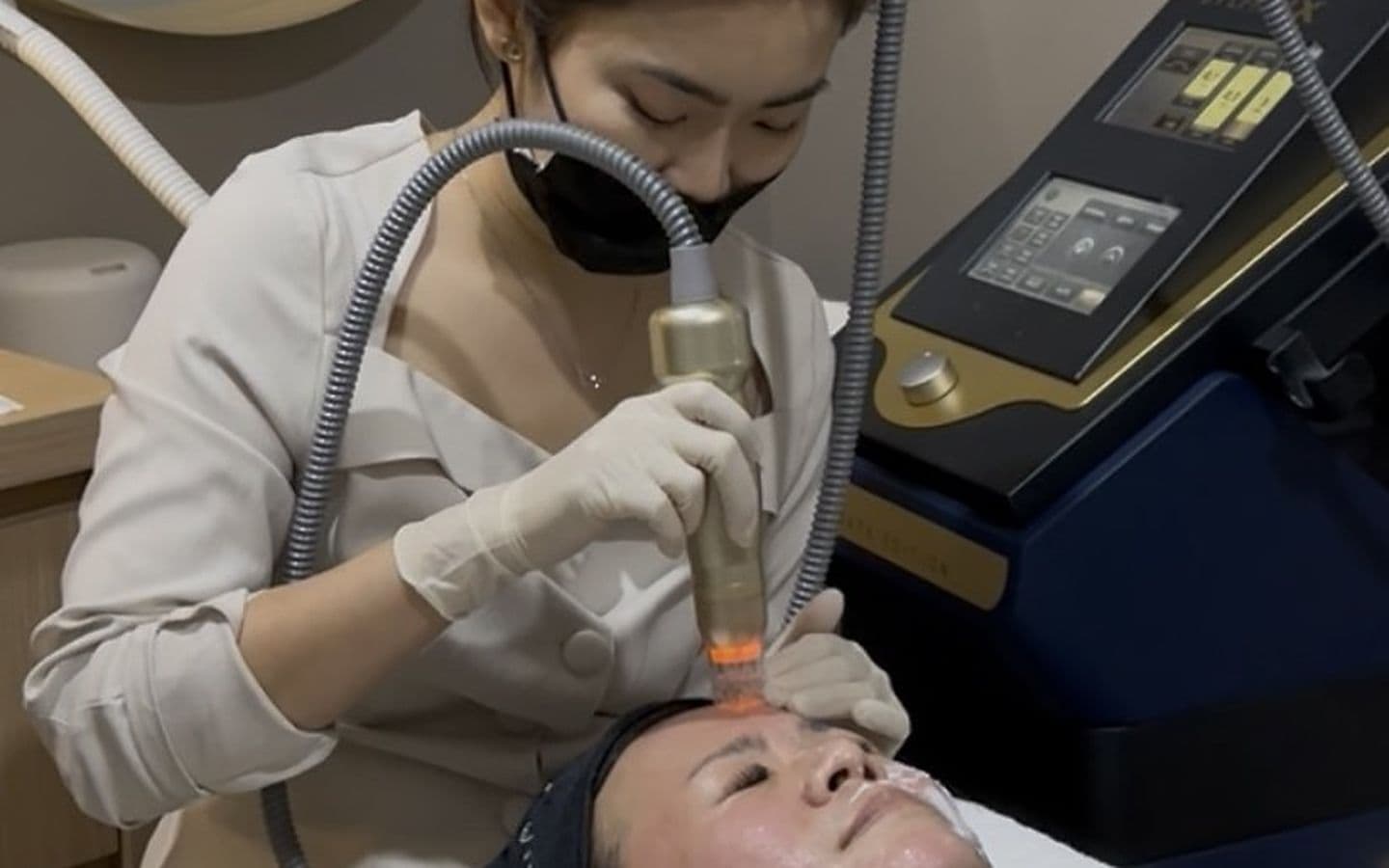
What affects the number of sessions, and the cost
Pricing is discussed at consultation rather than quoted online, so any figure reflects the areas and plan actually agreed with your doctor. What moves it:
- How many areas are treated, and their size.
- Whether treatment is limited to the face or extends to the neck or body.
- The tips and depths required. Fractional tips are single-use consumables, and larger tips cover more area per session.
- How your tissue responds.
Some people choose an occasional maintenance session in later years.
Ask what a plan might involveOther lifting and tightening devices
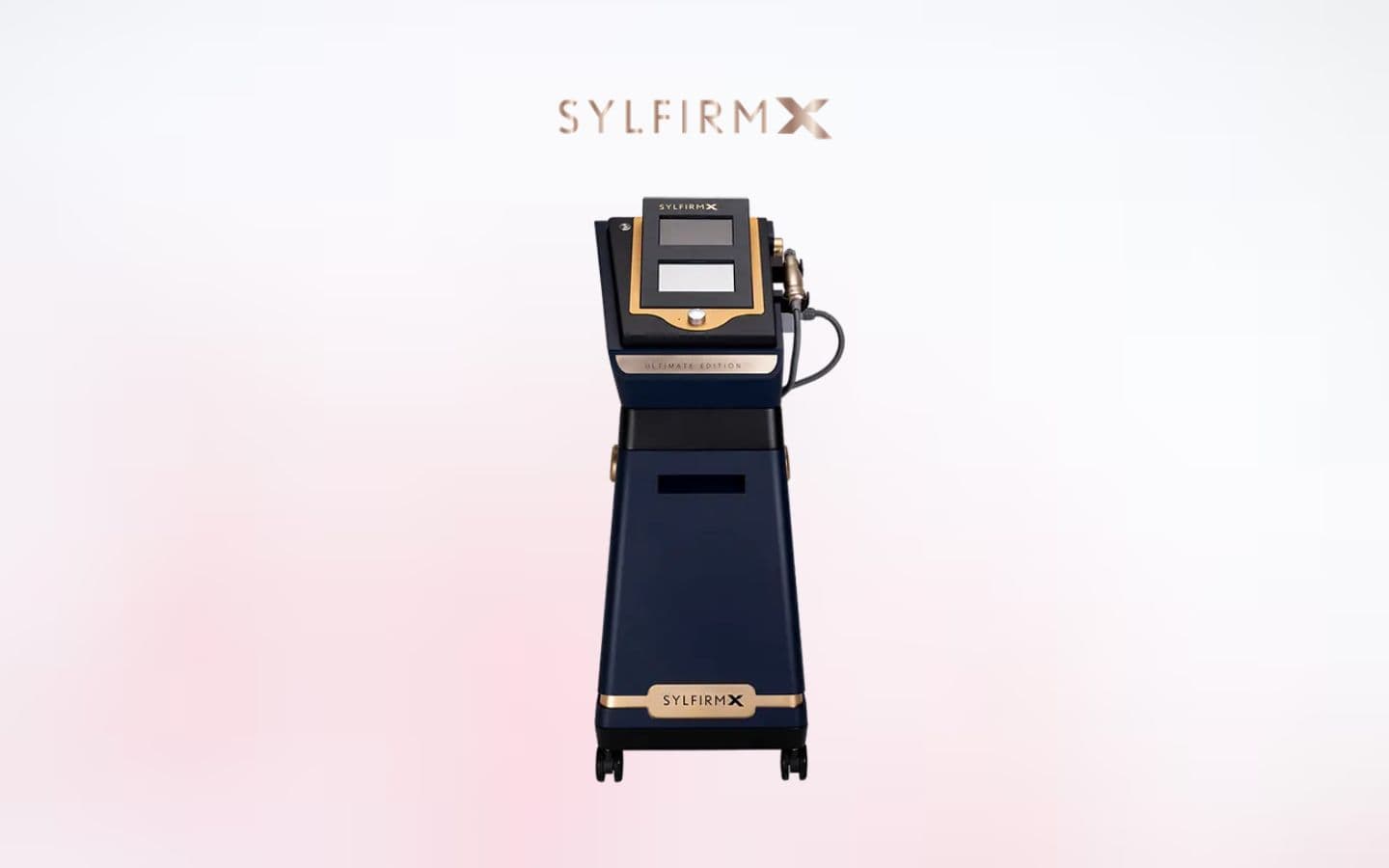
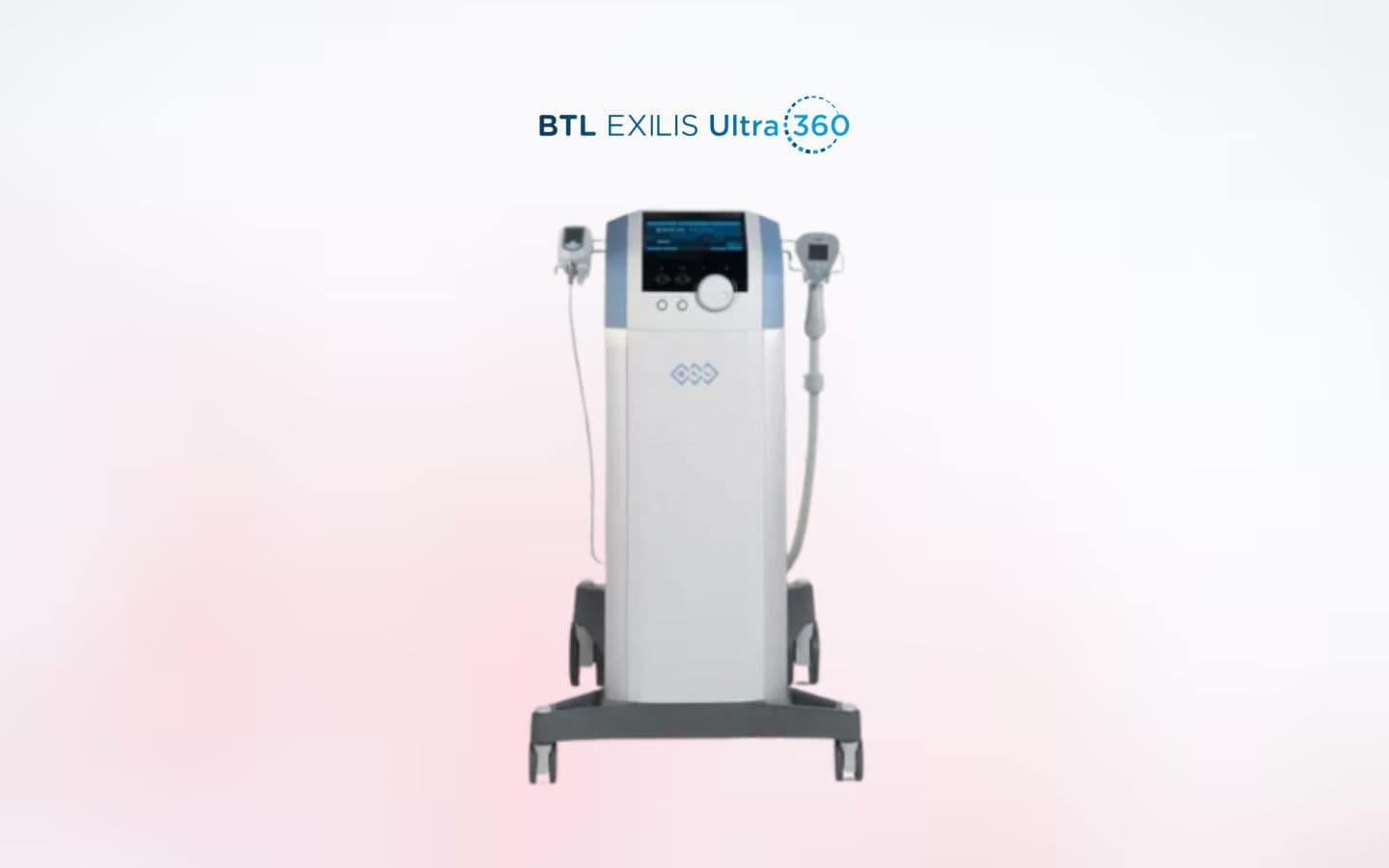
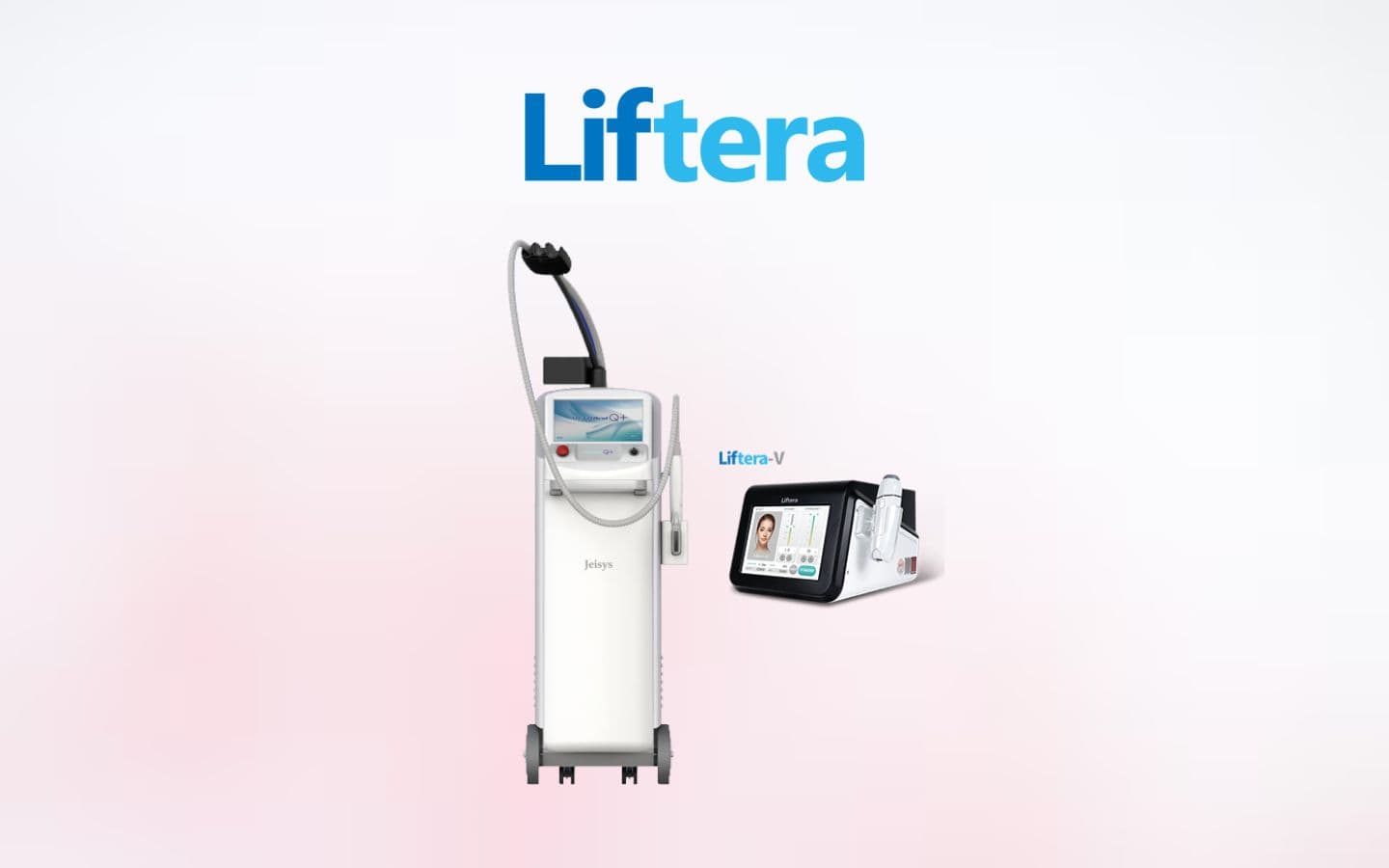
These address overlapping concerns. Which one suits you is a decision for a doctor who has examined your skin, not a choice to make from a page.
Common questions
How deep does Morpheus8 go compared with standard RF microneedling?
Morpheus8 can be set to work below the dermis into the subdermal fatty layer, and the manufacturer describes a thermal profile reaching around 8mm on its Body platform, which is deeper than devices designed to work within the skin alone. Deeper is not automatically better: the right depth depends on the concern and the area. Your doctor selects tip and depth at consultation.
Will Morpheus8 tighten sagging skin without surgery?
It is aimed at skin quality and tissue firmness rather than removing excess skin, so it is used for early to moderate laxity rather than as an alternative to a surgical lift. Changes develop gradually over weeks to months and vary between individuals. A doctor will tell you honestly at consultation whether your degree of laxity is likely to respond.
Is Morpheus8 safe for darker skin tones?
Radiofrequency energy is not melanin-targeted the way laser light is, which is why RF microneedling is used across a broad range of skin tones including deeper Asian skin. Temporary pigment changes are still possible, particularly with deeper settings or without good sun protection afterwards. Your doctor assesses your skin type and history before recommending settings.
How much downtime should I plan for after Morpheus8?
Most people plan for two to three days of visible redness, warmth and some swelling, with a faint grid pattern from the needle pins. Deeper settings and neck or body areas can take a little longer to settle, and this varies between individuals. Your doctor will tell you what to expect for the areas and depths in your plan.
Read next



Book a free consultation
The consultation is free, takes about 20 to 30 minutes, and there is no obligation to book treatment afterwards. A doctor will examine your skin and tell you whether Morpheus8 is appropriate, and if it isn’t, what would be.
Ask about thisMedically reviewed by

Dr William Yap
Partner, Aesthetic Physician
MD, LCP Board Certified, MAC · MMC 68812
Dr William Yap obtained his Medical Degree (MD) from University of Gahjah Mada. After completing his compulsory house officer training, he continued his 6 years journey in government hospital as medical officer. He has been rotating in different subdepartment including dermatology, infectious disease, cardiology, etc to enhance his skills and knowledge.
View full profile- Reviewed by
- Dr William Yap, MMC 68812
- Last reviewed
- 18 Jul 2026
- Next review due
- 18 Jul 2027
This page is general information about aesthetic treatments and is not medical advice. Treatments carry risks that are explained during consultation, and individual results vary. A doctor will assess whether a treatment is suitable for you before it is carried out.