

Concern · Eyes
Dark Eye Circles
Dark circles can come from pigment, blood vessels or hollowing under the eye.
Free, about 20–30 minutes, no obligation to book treatment.
- Three mechanisms
- Pigment, blood vessels and shadow each produce darkness that looks alike.
- Often inherited
- A family pattern of under-eye darkness is common, and it is not caused by tiredness.
- The most delicate skin
- Under-eye skin is the thinnest on the body, so treatment here is conservative.
On this page
In brief
Dark eye circles come from three things that look alike: extra pigment in the skin, blood vessels showing through thin under-eye skin, and a hollow that casts a shadow. Most people have more than one. Each is treated differently: laser for pigment or vessels, skin-quality treatment for thin skin, and volume support for a hollow.
Results from Kaiteki patients
5 photos · tap one to enlarge
Under-eye area, before and after a course of treatment at Kaiteki
Under-eye hollowing, before and after treatment at Kaiteki
Under-eye hollowing, before and after treatment at Kaiteki
Under-eye darkness, before and after a course of treatment at Kaiteki
Under-eye darkness, before and after a course of treatment at Kaiteki
Photographs of Kaiteki patients, published with consent. Individual results vary and are not guaranteed. These images are not a promise of outcome. A doctor will assess whether any treatment is suitable for you.
What are dark eye circles?
Dark circles are not a single condition.
What causes dark eye circles?
- Extra pigment in the skin: melanin concentrated around the eye, often inherited, and darkened further by sun exposure or by rubbing the area during allergy or eczema flares. Common in medium and deeper skin tones.
- Blood vessels showing through: the fine network beneath thin skin reads as blue, purple or grey rather than brown. Nasal congestion, allergy and anything that dilates those vessels makes it more obvious.
- Shape and shadow: as the fat pad under the eye shrinks or descends, a groove forms between the lid and the cheek. What you see there is not pigment at all: it is a shadow cast by the contour.
Which type do I have?
Two mirror checks narrow it down: stretch the skin gently, and change the light so it comes from straight ahead.
Pigmented circles
Brown, stays when stretched
A brown or grey-brown discolouration that stays visible when you stretch the skin gently and when light hits the area straight on.
Usually assessed for: commonly assessed for pigment-targeted laser, with sun protection and any allergy or eczema addressed alongside.
Vascular circles
Blue or purple tint
A bluish or purplish cast, sometimes with visible fine vessels, which becomes more obvious when you are tired, congested or crying. Stretching the skin makes it fade slightly as the vessels are drawn flatter.
Usually assessed for: assessed for vascular laser or skin-quality treatment, with nasal allergy managed if it is contributing.
Structural circles
Shadow that light removes
A hollow or groove between the lower lid and the cheek.
- The tell: shine a light directly at the face, or tilt your chin down toward a window. If the darkness vanishes, it is shadow.
Usually assessed for: assessed for volume support placed conservatively, or skin-quality treatment where the skin is very thin.
Mixed circles
More than one at once
The most common answer, particularly past the mid-thirties. Pigment sits over a hollow, or thin skin shows vessels while a shadow deepens the effect.
Usually assessed for: assessed as a sequence, with the dominant component treated first and the remainder reviewed afterwards.
Where the darkness sits
Where the darkness falls is a clue: a groove by the nose is usually shadow; a band under the lashes or a broad brown wash is usually vessels or pigment.
Outer corner and toward the temple
Darkness that continues outward past the eye is more often pigmentary, and worth assessing alongside sun exposure and any skincare that irritates the area.Not just a dark circle?
Persistent puffiness, swelling that comes and goes through the day, a lump, or any change in vision or in the appearance of one eye only should be assessed by a doctor.
When to see a doctor
Have it looked at if:
- Eye creams and concealer have not made a difference after a few months of consistent use.
- The darkness appeared or worsened noticeably over a short period.
- It sits alongside itching, congestion or eczema, which may be aggravating it.
Treatment options at Kaiteki
Which fits depends on which mechanism is behind yours:
Skin Booster
For thin, crepey under-eye skin
Injectable hydration placed superficially to improve the quality and thickness of very thin skin, so less shows through it.
Skin BoosterVascular / Pigment Laser
For bluish vessels showing through
Targets superficial vessels and pigment around the eye, with settings chosen conservatively because the skin here is far thinner than on the cheek.
Vascular / Pigment LaserRadiofrequency
For laxity in the lower lid
Gentle heating to prompt collagen change where the lower lid skin has loosened and creased.
RadiofrequencyDermal Fillers
For the hollow that casts the shadow
Small volumes placed deeply to soften a groove between lid and cheek.
Dermal Fillers
Which treatment suits which type?
A general guide. Mixed circles are the norm, and treatment here is deliberately conservative.
| What you have | Commonly considered | Typical course | Downtime |
|---|---|---|---|
| Brown, unchanged when stretched | Pigment-targeted laser | Multiple sessions, spaced | Minimal |
| Blue or purple tint | Vascular laser | Multiple sessions, spaced | Minimal |
| Hollow that light removes | Volume support, placed deeply | Staged, reviewed between | Bruising possible |
| Thin, crepey skin | Skin boosters | Short course, then maintenance | 1–2 days swelling |
| Loose lower-lid skin | Radiofrequency | Course, spaced | Minimal |
| Pigment over a hollow | Sequenced: one component at a time | Assessed individually | Individual |
Pigment, vessels or shadow?
Send us a photo on WhatsApp and a doctor can tell you which you're looking at.
Ask about this on WhatsAppFree consultation, about 20 to 30 minutes, no obligation.
Technology used
The under-eye area tolerates far less energy than the cheek, so the device and its settings matter more here than the brand name on it.
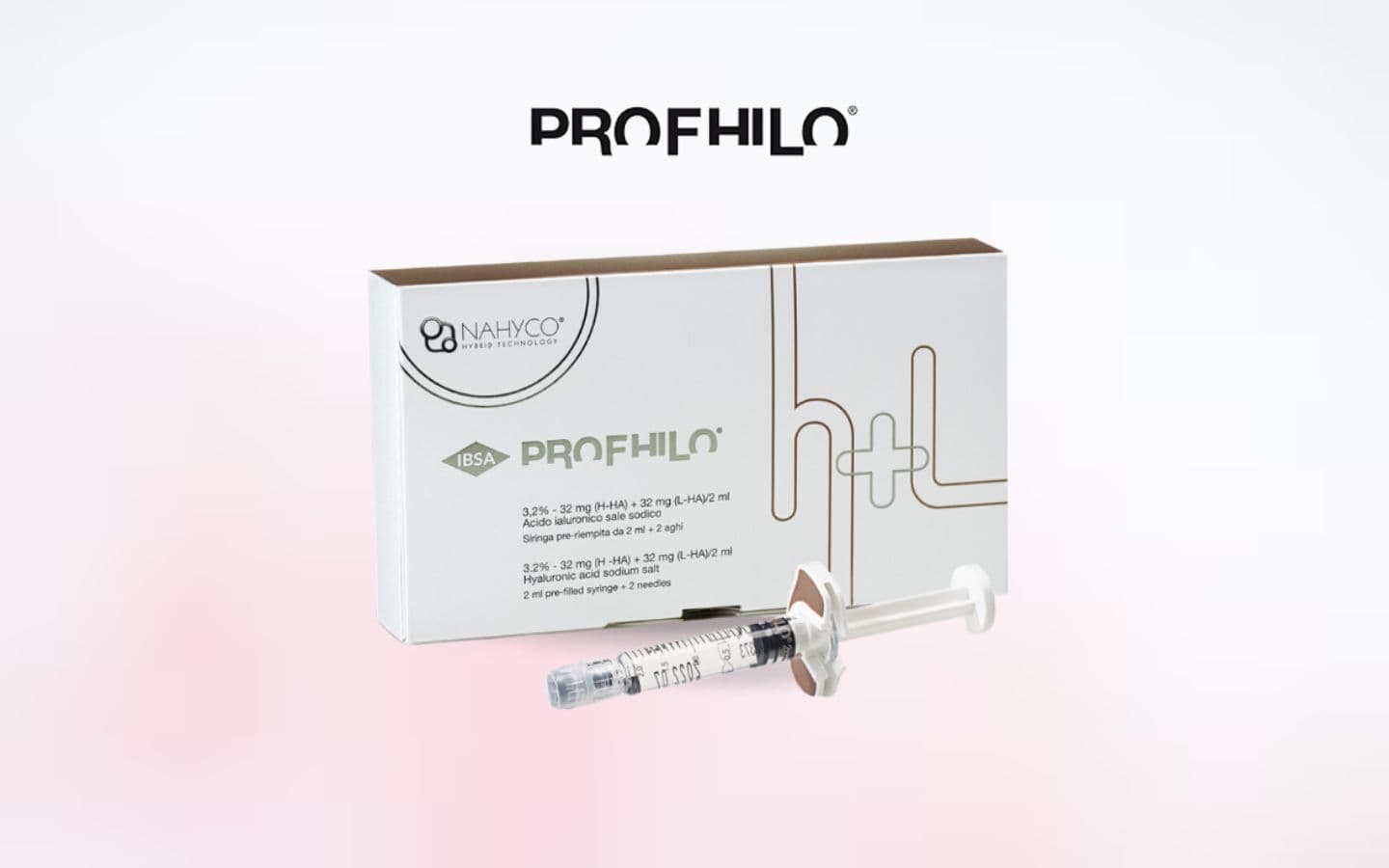

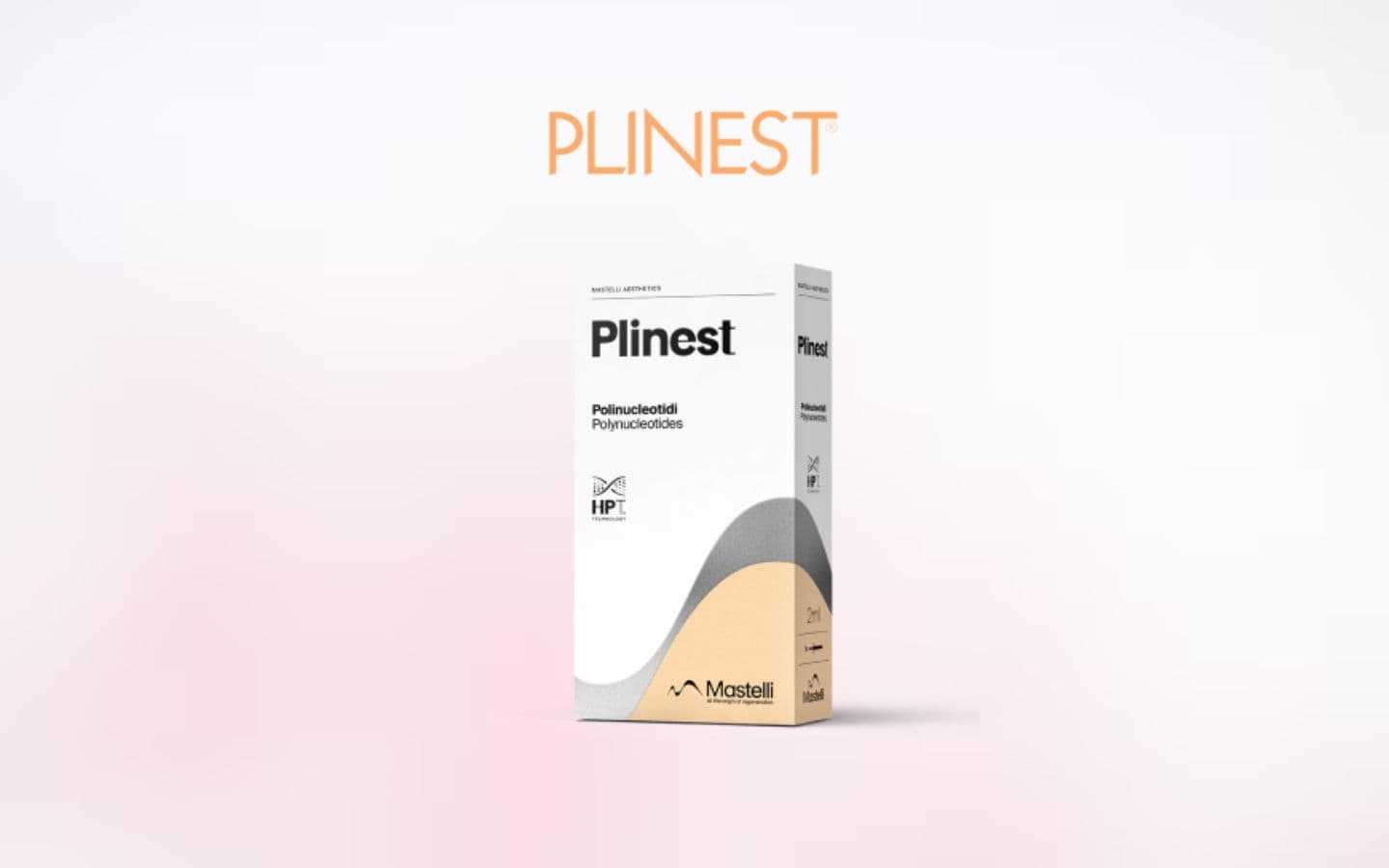
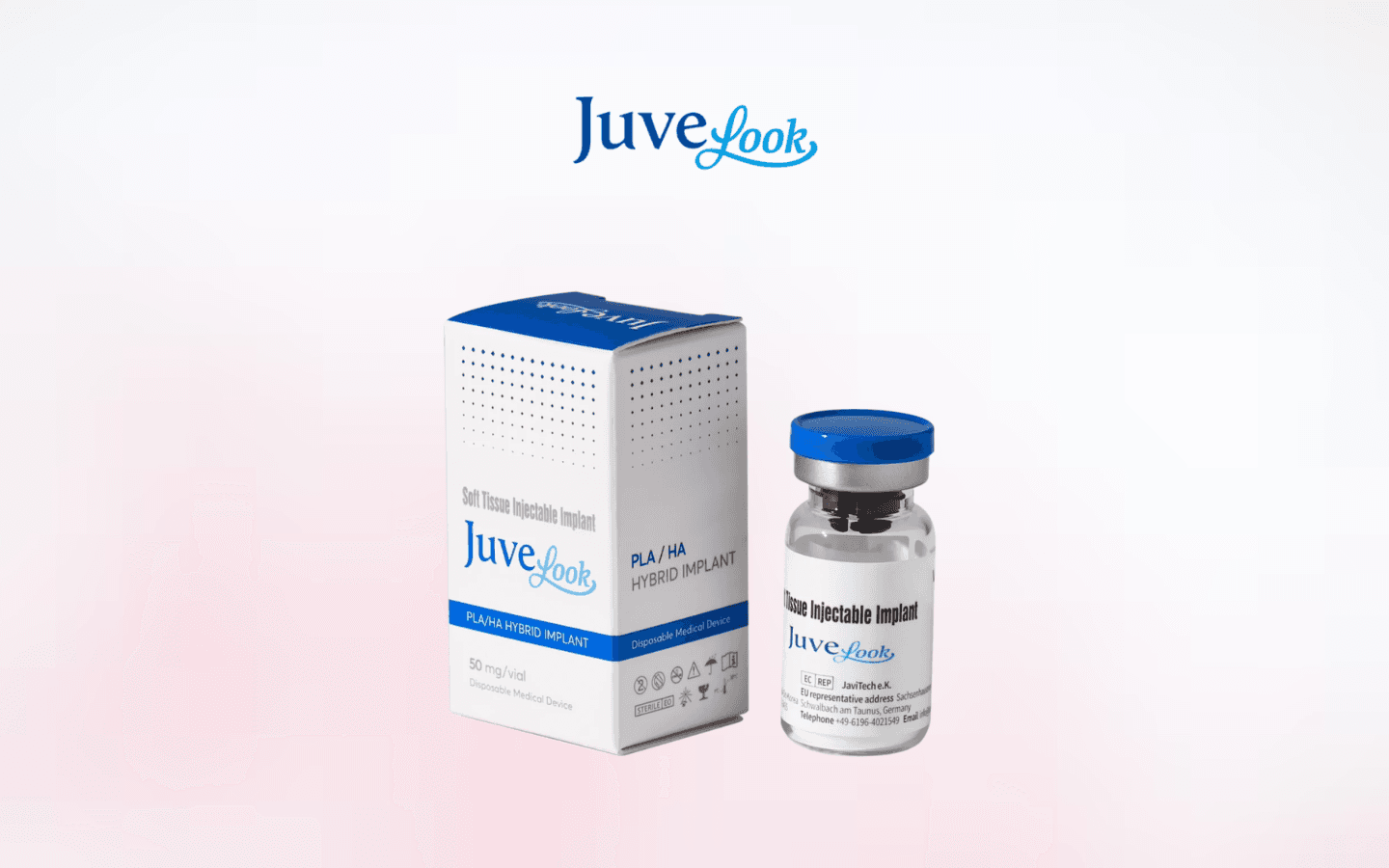



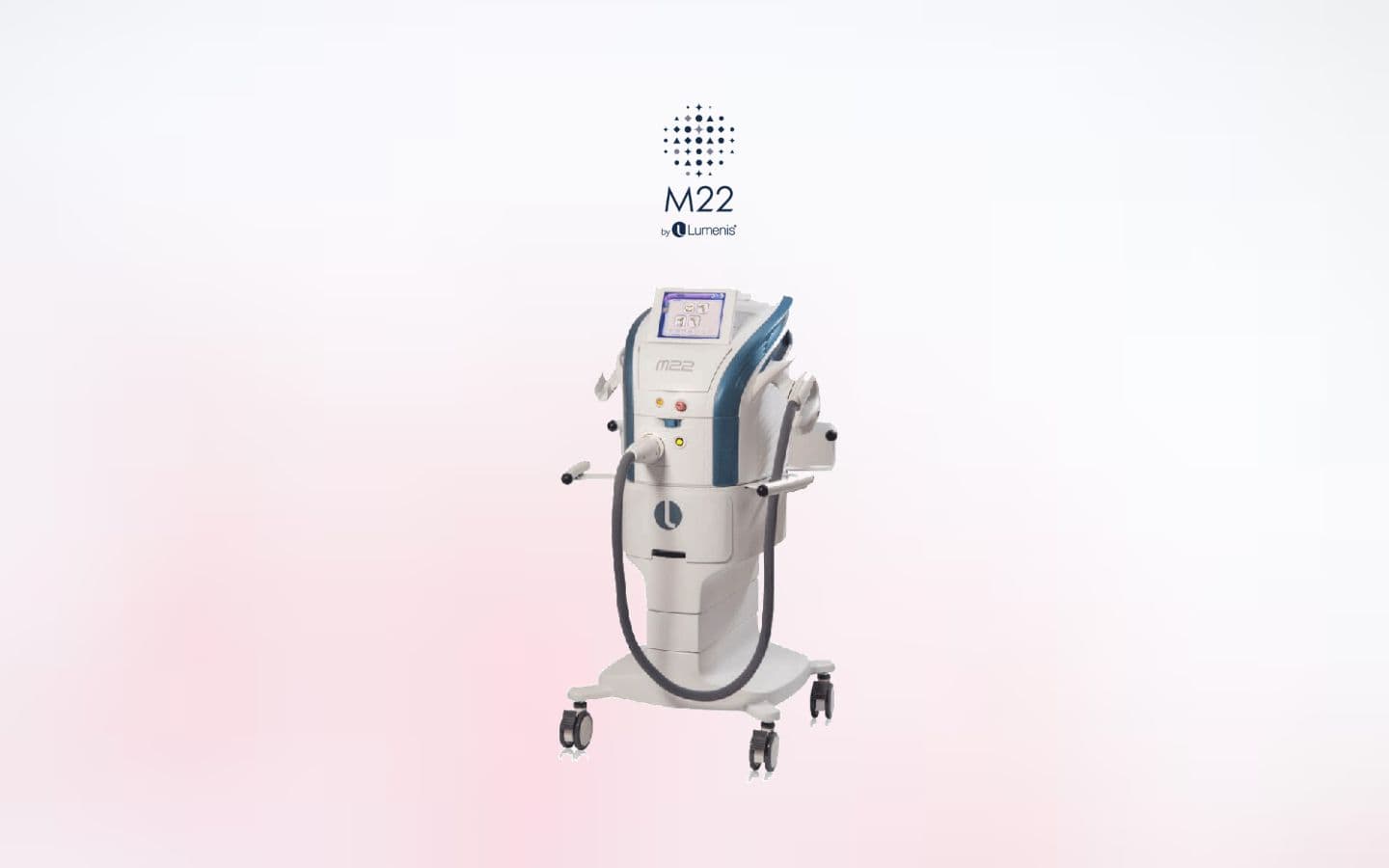





Risks and what to expect
Common and usually temporary
Bruising, swelling and tenderness, which are more visible here than elsewhere and can last a week or more with injectables. Laser treatment can leave redness, dryness and a gritty sensation for several days.Specific to injectables in this area
Product placed too superficially can leave a bluish tinge or visible lumps, and the area holds fluid readily, so puffiness can persist. Filler here is dissolvable, which is one reason it is preferred over permanent options. Vascular occlusion is rare but serious, and the eye area is where its consequences are gravest.Pigment change and Malaysian skin
Medium and deeper skin tones carry a higher chance of post-inflammatory hyperpigmentation after energy-based treatment, which here would darken exactly what is being treated. Settings are chosen conservatively for this reason.What treatment cannot do
Nothing on this page changes an inherited eye-socket shape or removes a shadow that comes from bone. Treating pigment will not lift a hollow, and volume will not lighten brown skin. Improvement is usually partial.
Tell your doctor if you are pregnant or breastfeeding, take blood thinners, have thyroid or kidney conditions associated with puffiness, have a history of cold sores or keloid scarring, have had eyelid surgery or injectables in this area before, or have any current eye condition.
What your first visit involves
The area is checked in more than one light and angle.
History
Whether anyone in your family has the same pattern, and any allergy, eczema or congestion.
Examination
The doctor stretches the skin gently and checks whether the darkness moves with the light.
Discussion and plan
Which mechanism is leading, and the specific risks of treating this area, with no obligation to proceed.
Come without makeup if you can, and bring a photograph of yourself in daylight.
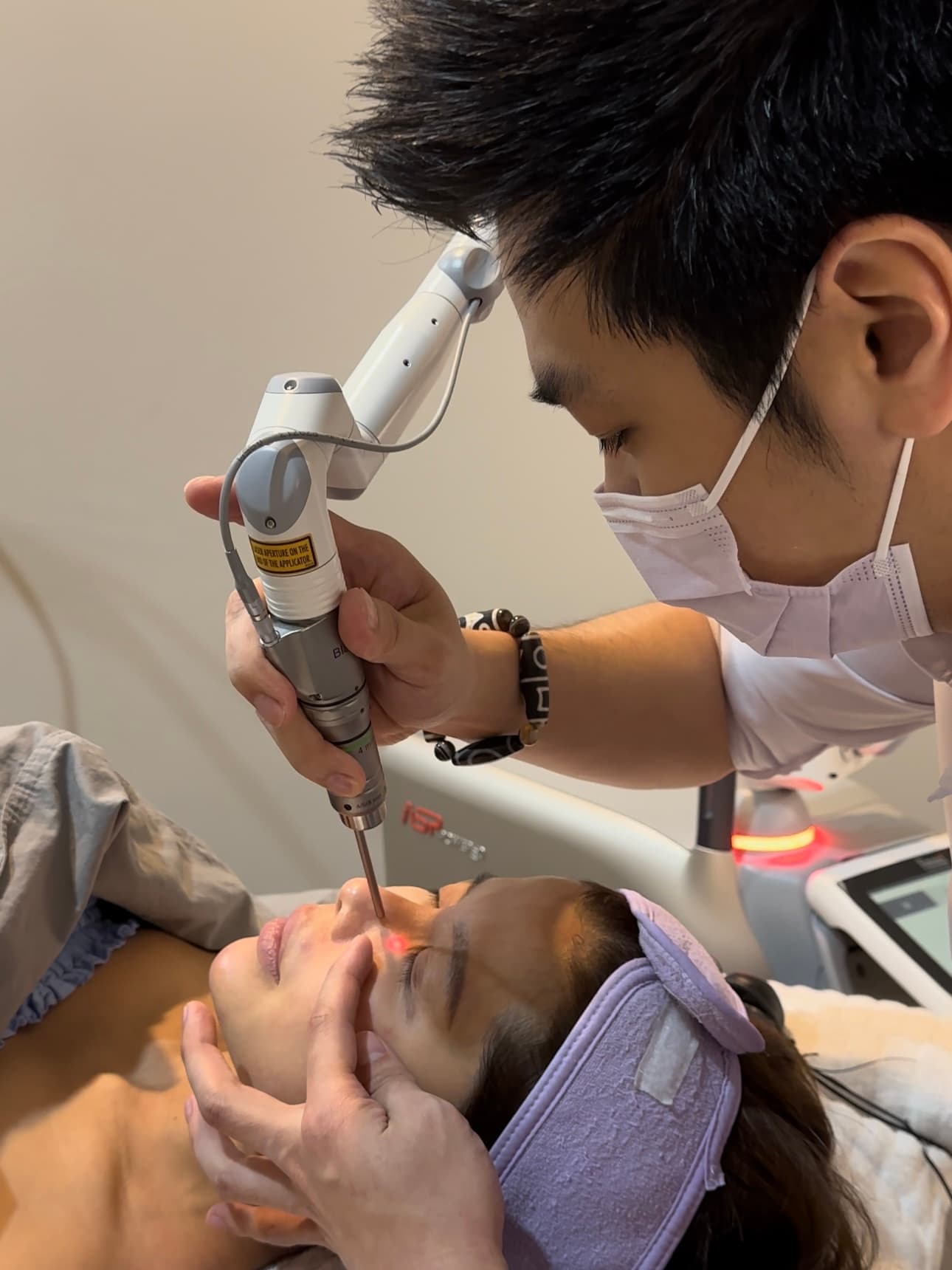
Laser work near the eye is done with protective shields in place and settings chosen for the thinner skin of the area.
What affects the cost
Pricing is set after assessment. It depends on:
- Which mechanism is being treated: pigment, vessels, skin quality and volume are entirely different treatments.
- Whether more than one component is present, since mixed circles are treated in sequence.
- The product or device chosen, and how conservative the plan needs to be for your skin.
- How many sessions, which is set after assessment and reviewed as the area responds.
- Whether an underlying contributor such as allergy is being managed alongside.
Common questions
Are dark circles caused by lack of sleep?
Not usually, though poor sleep makes them more visible. Tiredness dilates vessels and leaves the face paler, which increases the contrast. If your circles are present on well-rested mornings too, sleep is not the cause.
Do eye creams work?
They can help modestly where surface pigment or dryness is part of the picture, and a well-formulated one supports any in-clinic plan. They will not lift a hollow or remove vessels beneath the skin.
Is filler under the eyes safe?
It is a well-established treatment in experienced hands, but it is the most technically demanding injection on the face and it deserves a careful conversation. It is dissolvable, which matters.
Will treatment get rid of them completely?
Rarely. Improvement is usually partial, particularly where more than one mechanism is involved or where the socket shape is inherited.
Can dark circles be treated during pregnancy?
Elective treatment is generally deferred until after pregnancy and breastfeeding. Fluid shifts and hormonal change during pregnancy also make the area behave differently, so an assessment made then may not reflect your baseline.
Why do my dark circles look worse in photos?
Overhead lighting is the usual explanation. Ceiling lights, and phone cameras held above eye level, both throw the light from above, which deepens any shadow under the eye. A photograph taken in daylight, with the light coming from in front, shows the area far more honestly.
Can men have this treated?
Yes, and it is a common reason men attend, often described as looking permanently tired rather than as a cosmetic concern. Where volume support is involved, the placement differs, because a male lower lid usually reads better with less fullness than a female one.
Should I just use concealer?
Sometimes that is the honest recommendation, and it is not a failure of the consultation. Where the darkness is largely inherited pigment, or where the socket shape casts a shadow no treatment can reach, well-matched concealer achieves more than a course of treatment would, at no risk.
Read next

Related concerns
Pigmentation
Pigmented circles are a form of hyperpigmentation in very thin skin.Aging
Volume loss and thinning skin deepen the hollow over time.Fine Lines & Wrinkles
Crepey lower-lid skin is usually assessed at the same time.
Find out which type you have
The consultation is free, takes about 20 to 30 minutes, and there is no obligation to book treatment afterwards. A doctor will examine the skin around your eyes and talk you through what is, and is not, worth doing.
Book a free consultationMedically reviewed by

Dr Lim Xiao Chien
Partner, Aesthetic Physician
MBBS, LCP Board Certified, GCFM, MAC · MMC 74662
Dr Lim Xiao Chien graduated from Jawaharlal Nehru Medical College, KLE University in India with a degree in Bachelor of Medicine and Bachelor of Surgery (MBBS).
View full profile- Reviewed by
- Dr Lim Xiao Chien, MMC 74662
- Last reviewed
- 14 Jun 2026
- Next review due
- 14 Jun 2027