
Lifting & Tightening · Device
Oligio X
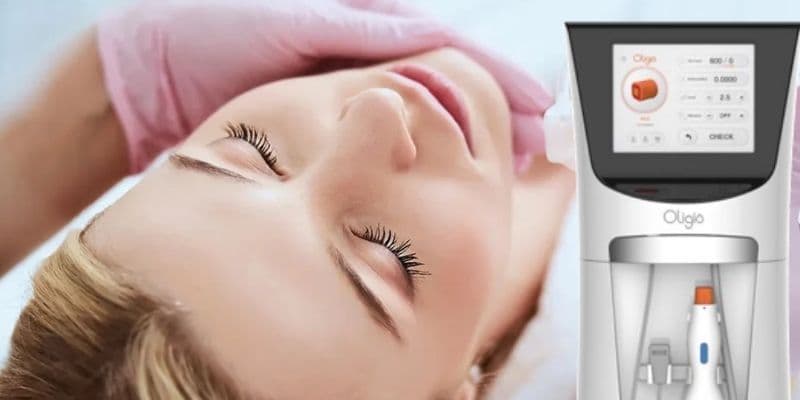
A Korean 6.78 MHz monopolar radiofrequency platform with contact cooling of the skin surface, used within RF treatment for mild to moderate facial laxity.
Free consultation, no obligation.
- 6.78 MHz monopolar RF
- Energy
- Wontech, South Korea
- Manufacturer
- Studied in skin types III to V
- Evidence base
In brief
Oligio X is a monopolar radiofrequency platform from Wontech, a South Korean manufacturer, used at Kaiteki within our radiofrequency treatment. It runs at 6.78 MHz through a disposable tip that cools the surface while heating the dermis, and the published studies on the Oligio platform it builds on focus on mild to moderate laxity of the lower face.
What is Oligio X?
Oligio X is a monopolar radiofrequency (RF) device developed by Wontech in South Korea, and at Kaiteki it is one of the platforms used within our radiofrequency treatment. It belongs to the same energy category as other monopolar RF systems: current flows from a single treatment tip through the tissue, which lets the heat reach the dermis rather than staying near the surface. Oligio devices have US FDA 510(k) clearance, which is a regulatory clearance rather than an approval of any cosmetic outcome.
How Oligio X heats the skin from the inside
Oligio X delivers RF energy at 6.78 MHz through a disposable tip placed on the skin. As the current meets the natural resistance of the tissue, it is converted to heat in the dermis. That controlled warmth makes existing collagen contract slightly and then prompts a slower remodelling response over the following months, which is where any gradual firming comes from.
The tip cools the skin surface on contact while the heat builds beneath it, so the epidermis is protected and the dermis can reach a useful temperature. The device also monitors contact and tissue impedance through the tip, which helps the energy go in evenly from shot to shot. Energy level, the number of shots and the passes over each area are chosen by the treating doctor for your skin.
What the published Oligio studies looked at
Oligio X builds on the original Oligio, which has device-specific clinical data, not only general RF theory. A 2022 study in Dermatology and Therapy treated 30 Thai patients with skin types III to V and mild to moderate lower-face laxity with a single Oligio session, and blinded dermatologists graded progressive improvement at one, three and six months, with no serious adverse events reported. A 2024 Korean study of 20 women reported improvement in jawline and nasolabial sagging after one session that remained through 24 weeks.
These are small studies in carefully selected patients, and they describe mild to moderate laxity rather than marked sagging. They are useful for knowing what the device was tested on, not a prediction of what any one person will see.
Which concerns is Oligio X considered for?
Oligio X is mainly used on the face and upper neck for people with early to moderate loss of firmness who prefer a non-needling option with little downtime. It is not suitable for everyone, and a consultation determines whether it is appropriate for you.
- Early jowling and a softening jawline
- Mild to moderate laxity of the lower face
- Sagging around the nasolabial area
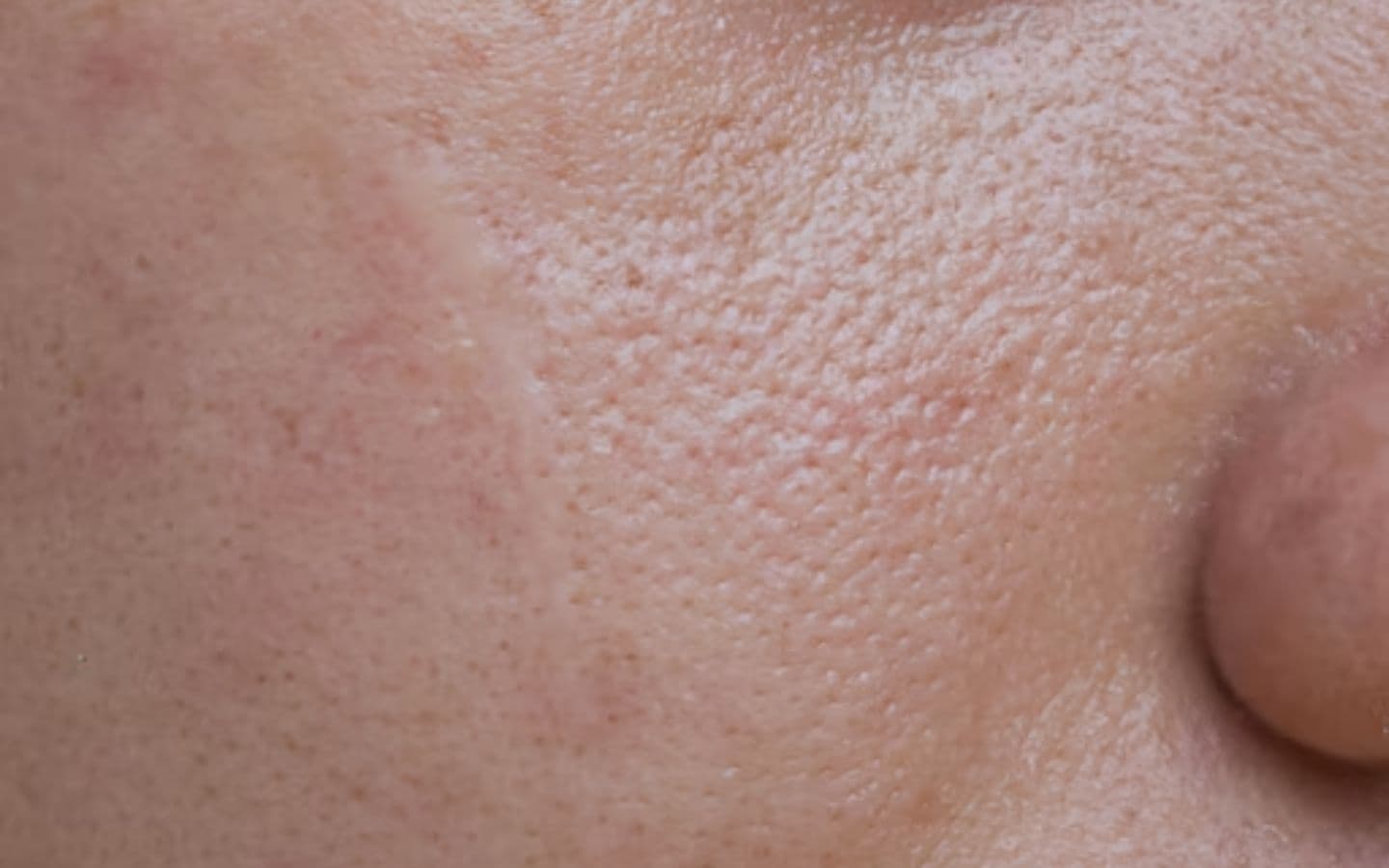
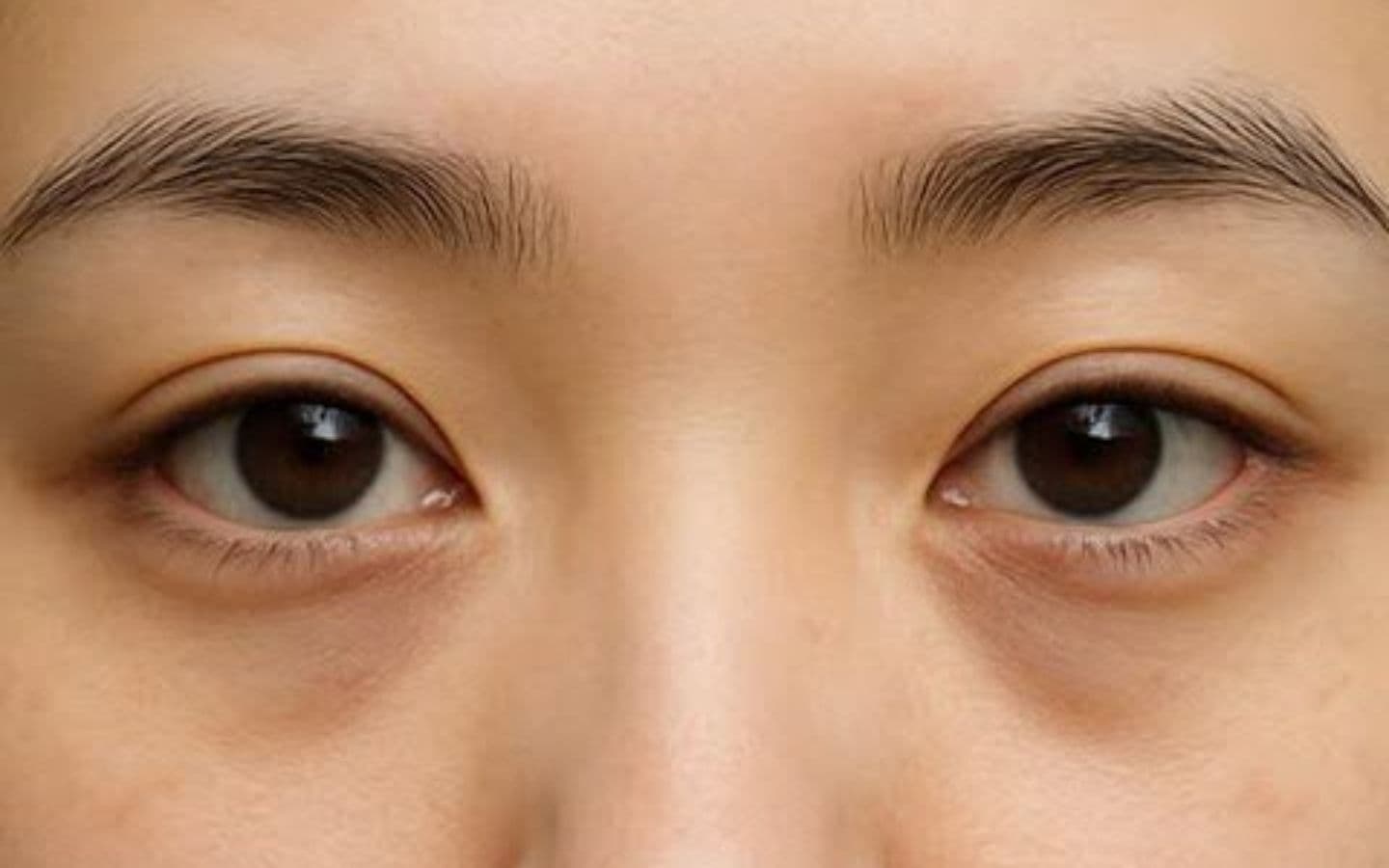
- General loss of firmness and elasticity in the cheeks
- Laxity of the upper neck, assessed individually
When Oligio X is not the right tool
A less defined jawline is not always a skin problem. Fat under the chin, volume loss, chin projection and bone structure can all blur the contour, and RF tightens skin rather than removing fat or replacing volume. Where those dominate, another treatment, or a combination, is usually the better plan. Marked sagging is generally beyond what any surface RF device can address.
Like other RF devices, Oligio X is avoided during pregnancy, with a pacemaker or other implanted electronic or metal device near the area, over active infection or inflamed skin, and with a history of keloid scarring. Tell the doctor about recent injectables, retinoids or peels, because they affect timing and settings.
What an Oligio X session feels like, and the recovery
The first visit is a consultation, not a treatment. If Oligio X is appropriate, the skin is cleansed, the areas are mapped, and the doctor works across them shot by shot, with the tip cooling each spot as it heats. Most people describe short bursts of warmth rather than pain; numbing cream can be applied beforehand where comfort is a concern, and settings can be adjusted during the session.
Mild redness or warmth is common and usually settles within hours, and most people go back to normal activities the same day. A course of about two to three RF sessions spaced four to six weeks apart is common, followed by maintenance, though your doctor sets the plan for your skin. Daily sun protection afterwards helps protect the collagen the treatment is building.
Can Oligio X burn or mark the skin?
Redness, warmth and mild swelling are the usual short-lived effects. Less commonly, RF can cause blistering, burns or a change in pigmentation, which is why cooling, contact monitoring and energy settings matter, and why the treatment is performed by a trained doctor who matches the settings to your skin.
Concerns this device addresses
Whether it is the right choice for any of these is a decision for a doctor who has examined your skin.

Treatments that use Oligio X
Back to all devices and injectables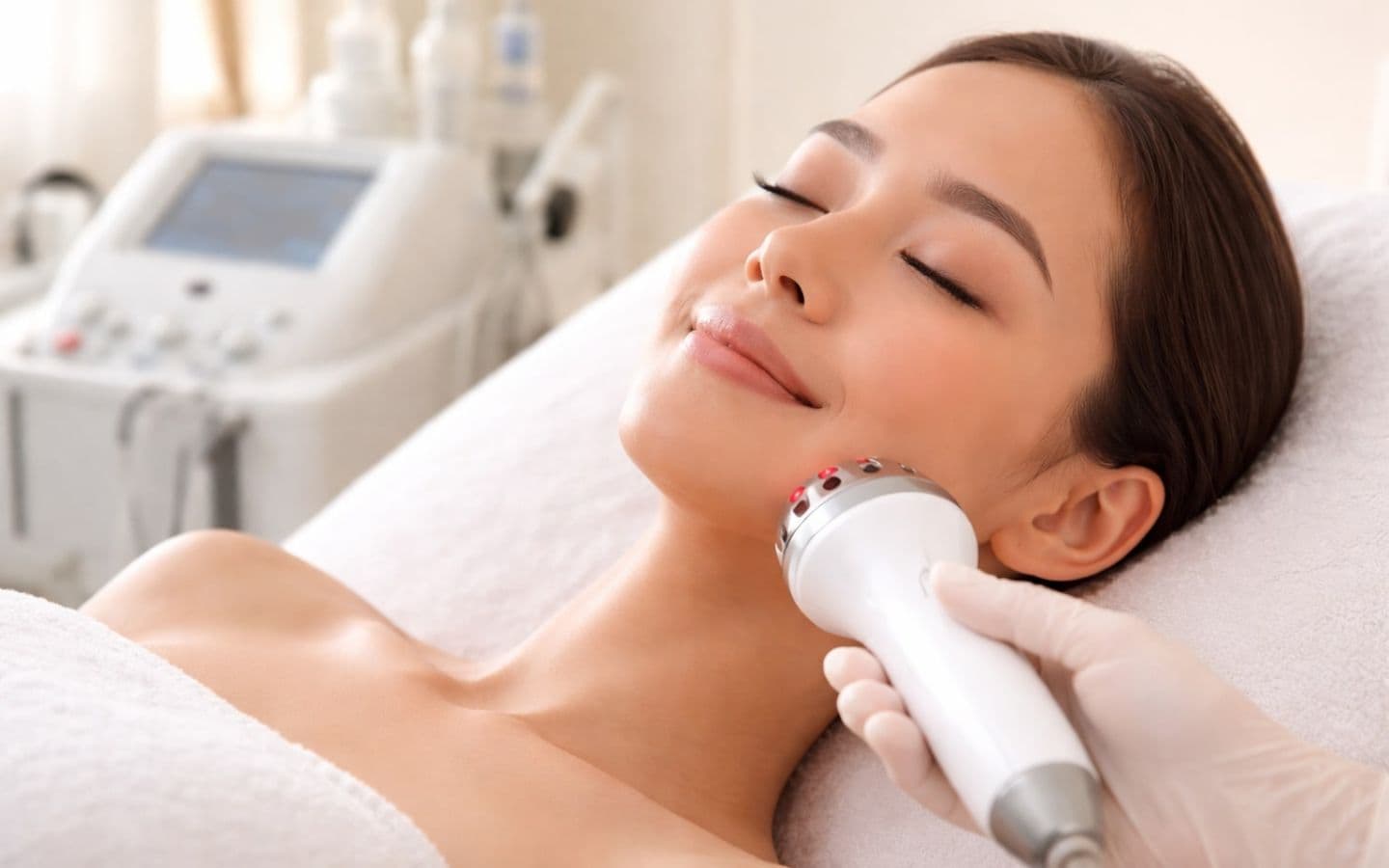
What affects the number of sessions, and the cost
Kaiteki does not quote prices online, because the plan sets the cost and the plan follows the assessment. What moves it:
- Which areas are treated, and how many shots they need.
- How much laxity there is.
- Whether Oligio X is used on its own or as part of a combined plan.
- Whether maintenance sessions form part of the plan.
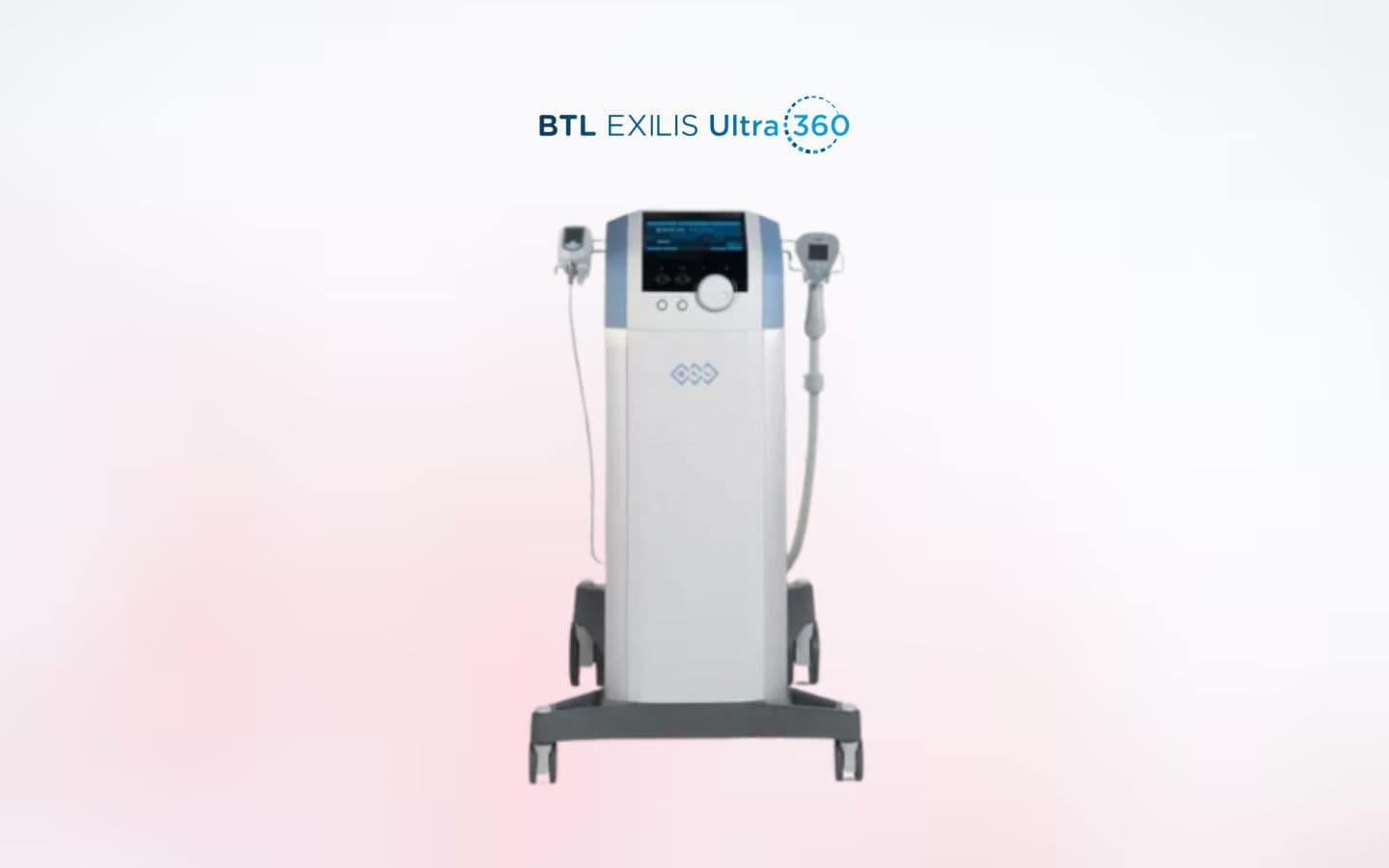
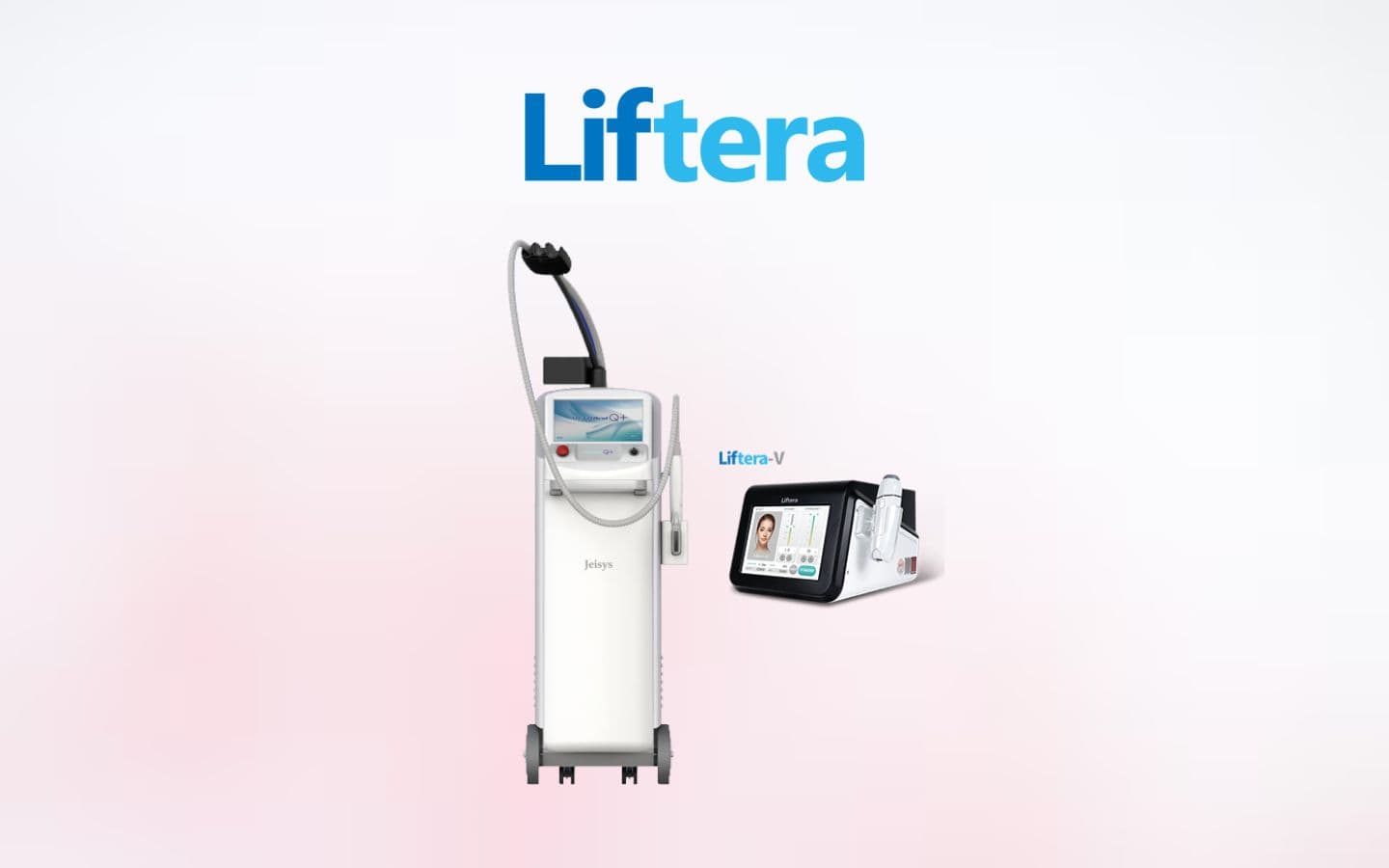
Other lifting and tightening devices
These address overlapping concerns. Which one suits you is a decision for a doctor who has examined your skin, not a choice to make from a page.

Common questions
Is Oligio X the same as Thermage?
No. Both are 6.78 MHz monopolar RF devices with surface cooling, so they sit in the same category, but they are separate devices from different manufacturers with their own tips, protocols and clinical histories. Oligio X is made by Wontech in South Korea. Your doctor chooses a platform for your skin rather than by brand.
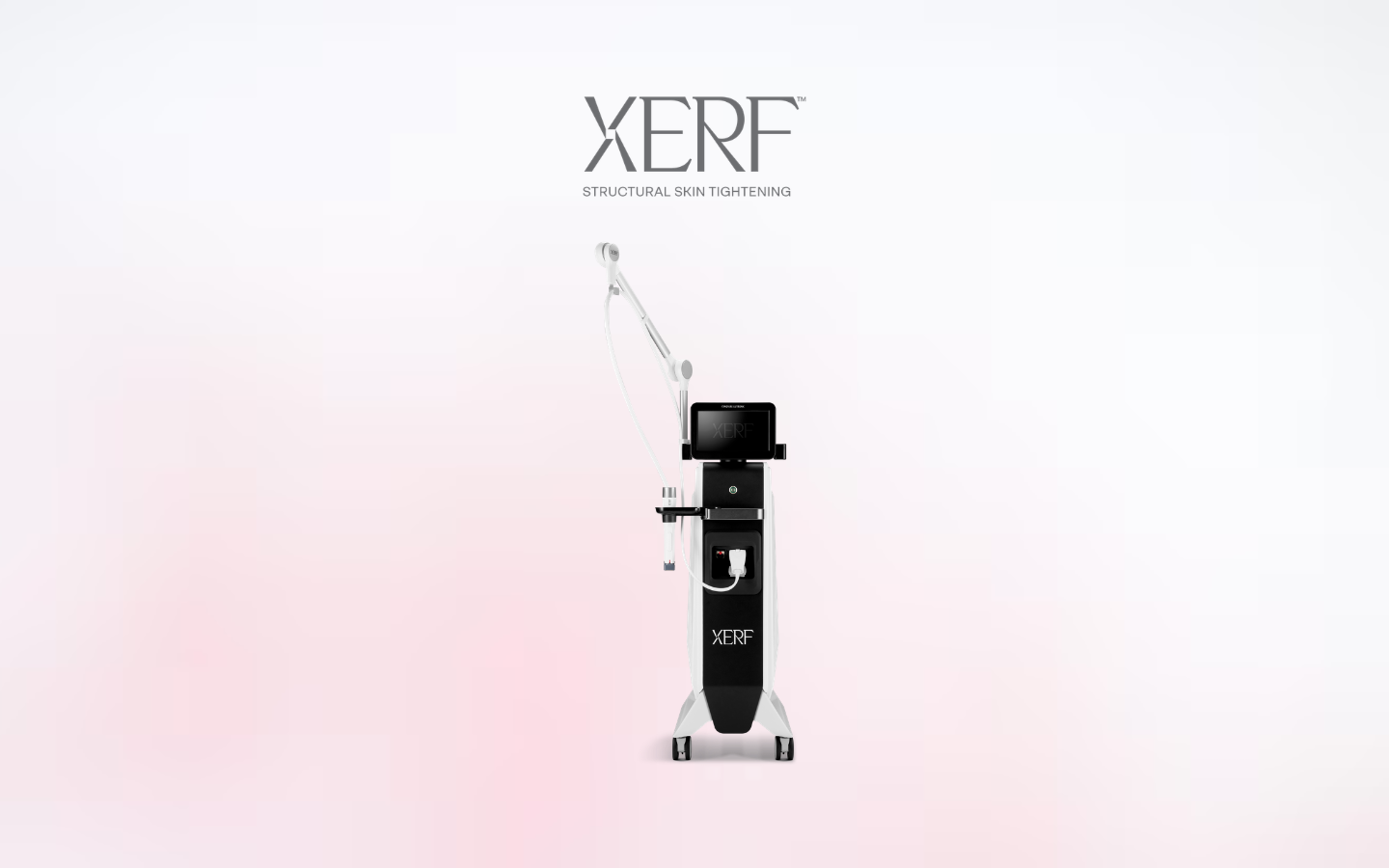
How is Oligio X different from XERF at Kaiteki?
Both are surface monopolar RF platforms without needles. Oligio X runs at a single 6.78 MHz frequency and is delivered shot by shot through a cooled tip, while XERF combines two frequencies so energy can be biased towards shallower or deeper tissue. Which suits you is decided at consultation from your skin and the area being treated.
Does Oligio X help a double chin?
Only where loose skin is part of the problem. Oligio X tightens skin rather than removing fat, so if the fullness under the chin is mainly fat, a treatment aimed at fat is usually more appropriate. A doctor can tell you which you are looking at.
How long do Oligio X results last?
It varies with age, skin quality, sun exposure and lifestyle. Change develops over months as collagen remodels, and the published Oligio studies followed patients for up to six months. Maintenance sessions are usually part of the plan to help the effect hold.
Read next


Book a free consultation
The consultation is free, takes about 20 to 30 minutes, and there is no obligation to book treatment afterwards. A doctor will examine your skin and tell you whether Oligio X is appropriate, and if it isn’t, what would be.
Ask about thisMedically reviewed by

Dr Chew Yuhhui
Co-Founder & Senior Medical Director
MBBS, LCP Board Certified, MAC, MSAM · MMC 68232
Allow your passion to become your purpose and it will one day become your profession.
View full profile- Reviewed by
- Dr Chew Yuhhui, MMC 68232
- Last reviewed
- 11 Oct 2026
- Next review due
- 11 Oct 2027
This page is general information about aesthetic treatments and is not medical advice. Treatments carry risks that are explained during consultation, and individual results vary. A doctor will assess whether a treatment is suitable for you before it is carried out.