Lifting & Tightening
Radiofrequency
Radiofrequency energy used to support skin-firmness and texture concerns.
Free consultation, no obligation.
- 4 RF platforms
- BTL Exilis, Oligio X, Wonderface and XERF, matched to your skin
- 30–60 minutes
- Typical session, depending on the areas treated
- Assessment first
- Your first visit is a doctor consultation, not a treatment
On this page
In brief
Radiofrequency (RF) treatments use controlled energy, delivered from the skin surface with no needles, to warm the deeper layers of the skin. Kaiteki runs four RF platforms, and a doctor examines your skin before choosing one.
Results from Kaiteki patients
Before and after photos of patients treated at Kaiteki for enlarged pores, dark eye circles and face contouring. A plan may combine more than one treatment.
10 photos · tap one to enlarge
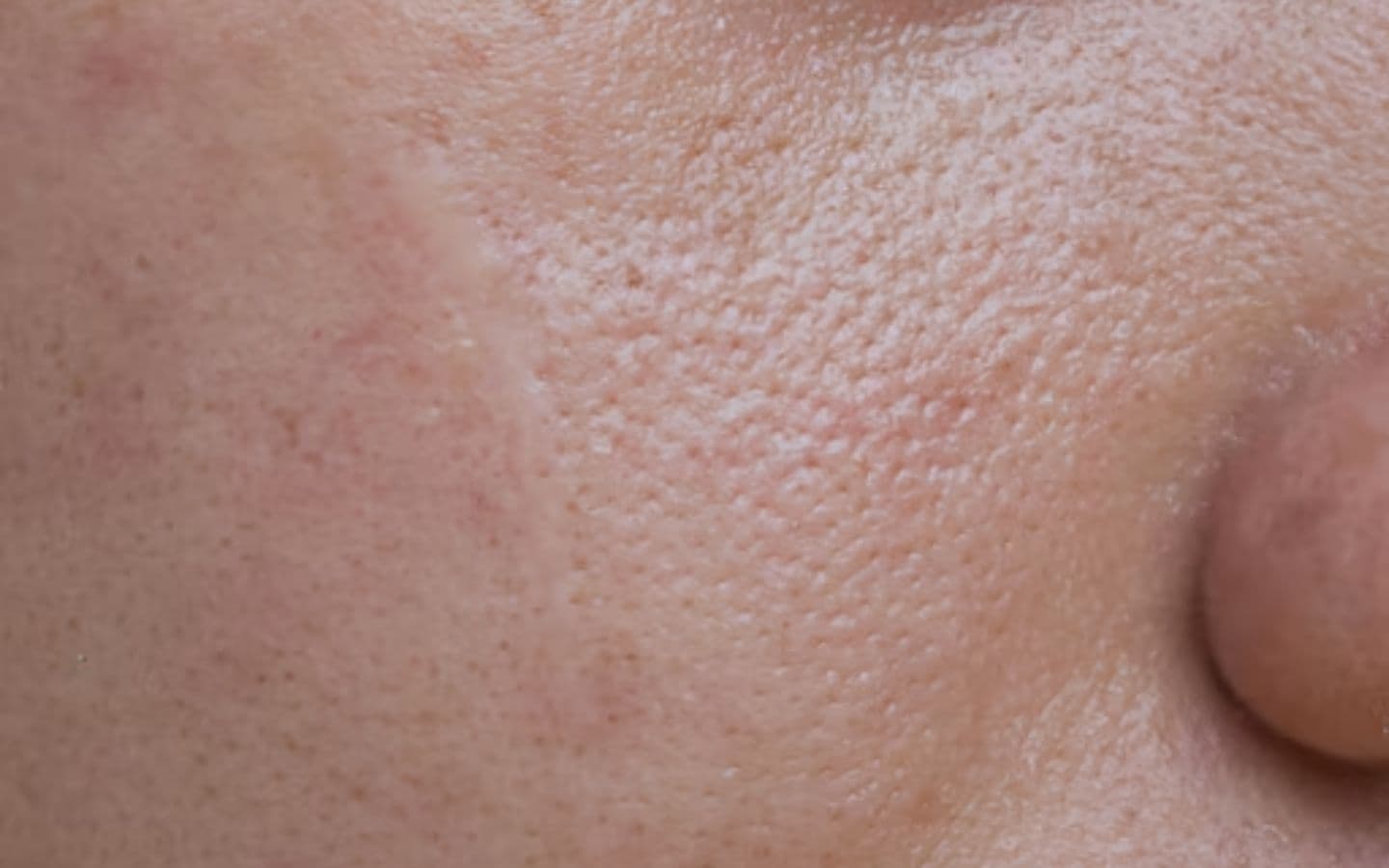
Pore appearance on the cheek, before and after a course of treatment at Kaiteki
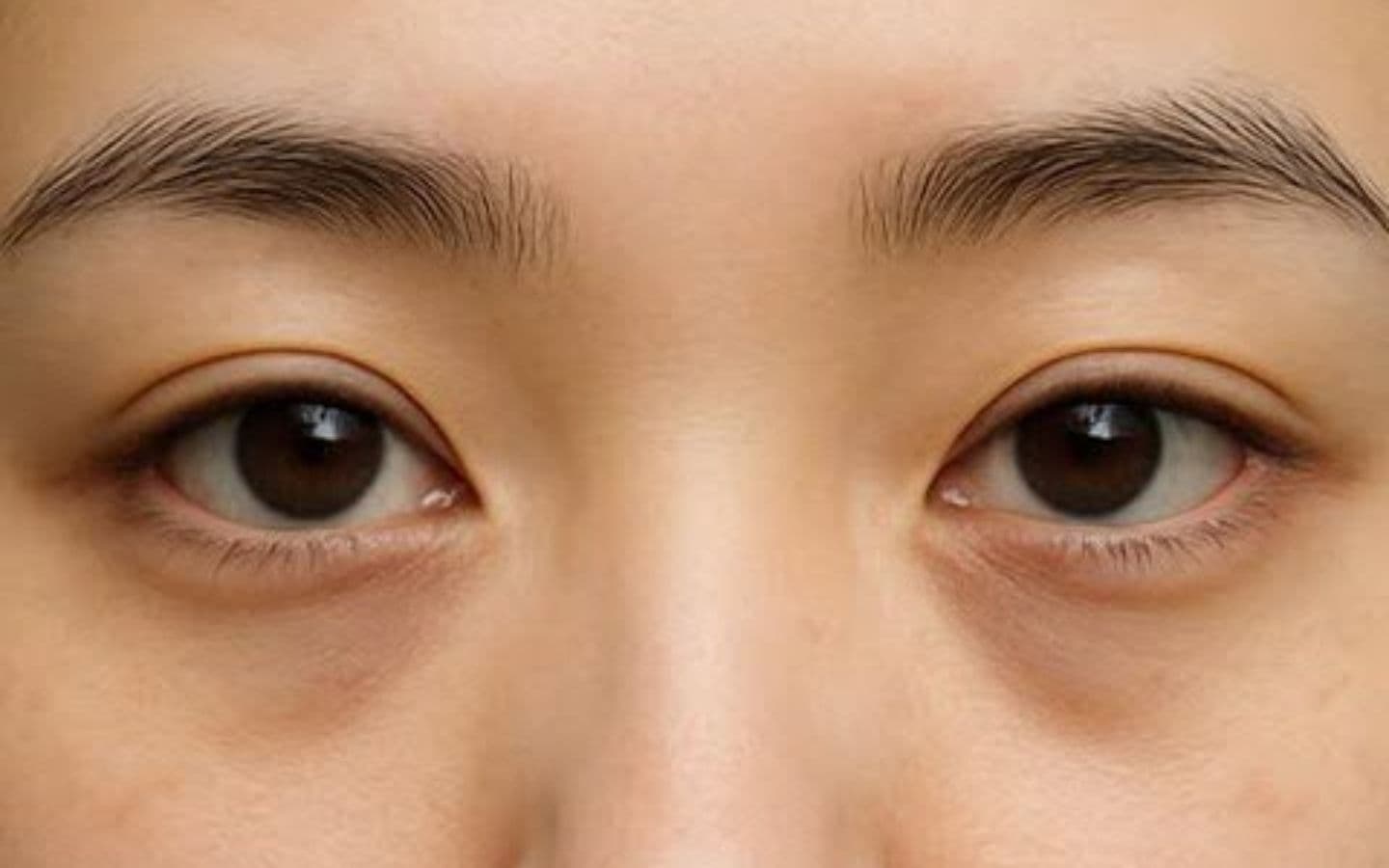
Under-eye area, before and after a course of treatment at Kaiteki
Chin projection, before and after treatment at Kaiteki
Skin texture and pores, before and after a course of treatment at Kaiteki
Under-eye hollowing, before and after treatment at Kaiteki
Cheek support and proportion, before and after treatment at Kaiteki
Pores and texture across the face, before and after a course of treatment at Kaiteki
Under-eye hollowing, before and after treatment at Kaiteki
Chin projection, before and after treatment at Kaiteki
Pores on the nose and cheek, before and after a course of treatment at Kaiteki
Photographs of Kaiteki patients, published with consent. Individual results vary and are not guaranteed. These images are not a promise of outcome. A doctor will assess whether any treatment is suitable for you.
What is radiofrequency (RF) treatment?
Radiofrequency (RF) treatment is a non-surgical approach that uses controlled energy to warm the deeper layers of the skin, rather than acting on the surface as skincare does.
How does radiofrequency warm the skin without needles?
RF devices deliver controlled thermal energy into the dermis, gently heating the tissue. This warming is intended to act on existing collagen fibres and to prompt the skin's own gradual collagen-renewal response over time.
What Radiofrequency is used for at Kaiteki
Skin firmness across the lower face
Heats the dermis to prompt collagen change across a broader area than a focused device.
Laxity in the lower lid
Gentle heating to prompt collagen change where the lower lid skin has loosened and creased. Considered where crepiness accompanies the darkness rather than where a hollow dominates.
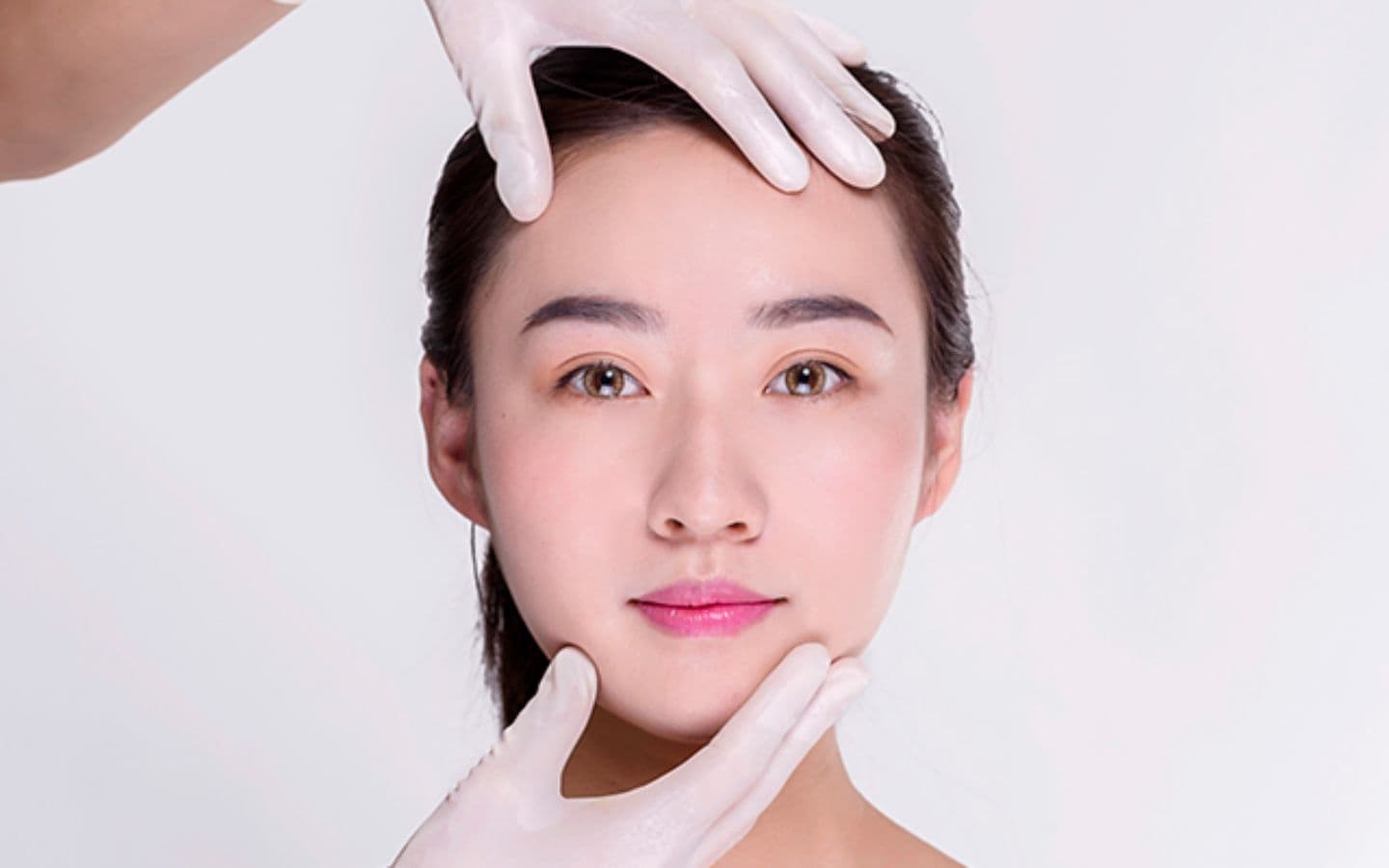
BTL Exilis, Oligio X, Wonderface or XERF: which RF platform, and why
The four platforms differ in how deep the energy reaches and how the surface is cooled.
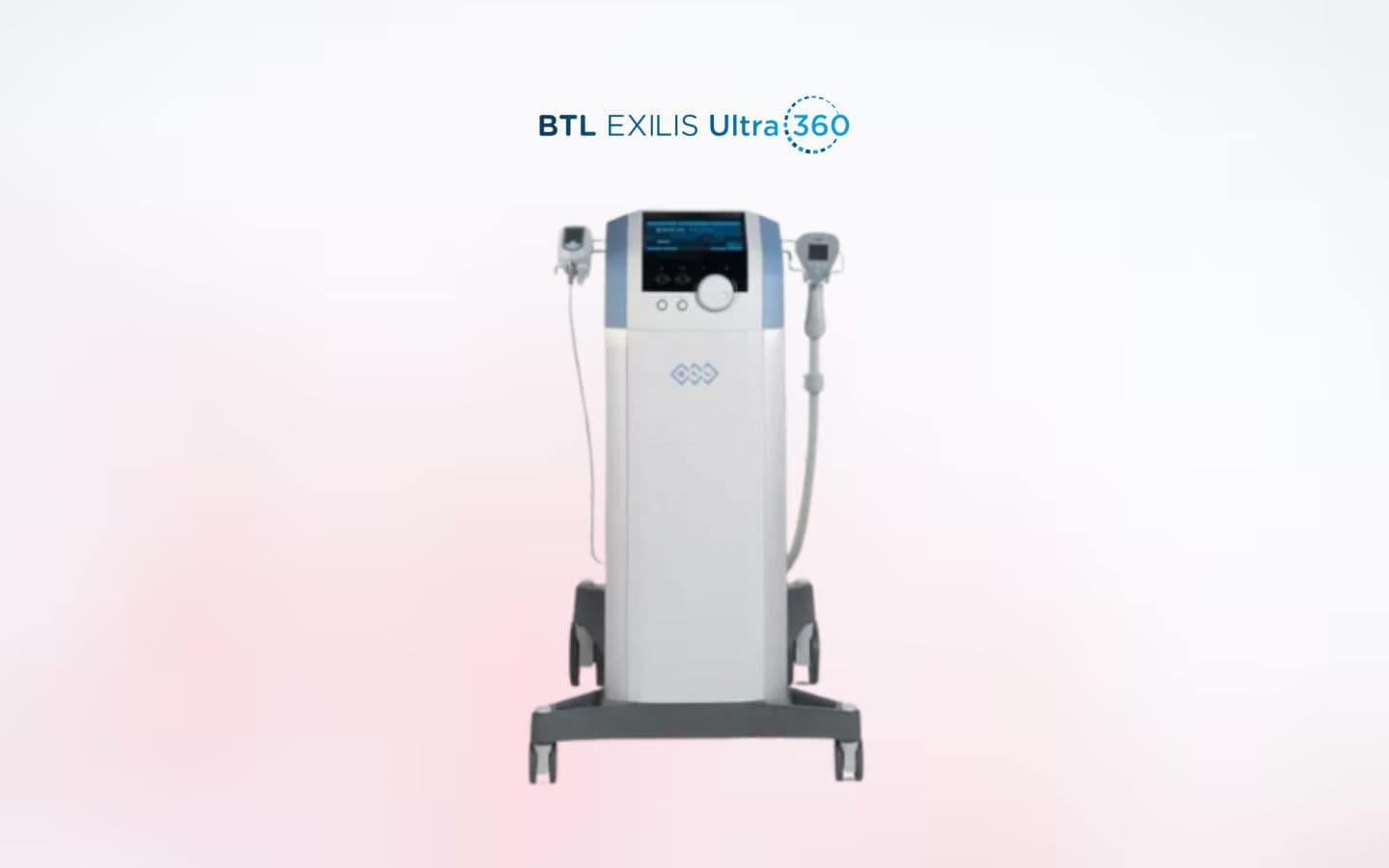
BTL Exilis
Monopolar · embedded cooling
Monopolar delivery with embedded surface cooling lets the device keep working at a depth that reaches subcutaneous fat, which is why it is used for body-contour concerns as well as facial firmness.
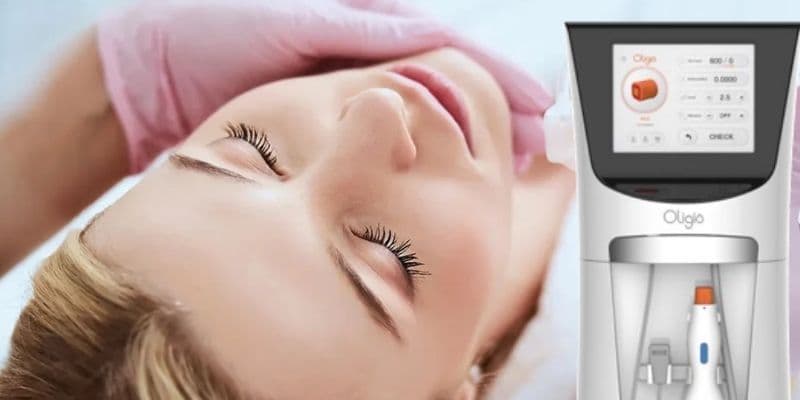
About BTL ExilisOligio X
Monopolar 6.78 MHz · contact cooling
A Korean monopolar platform delivered shot by shot through a cooled tip that monitors contact, studied mainly for mild to moderate laxity of the lower face.
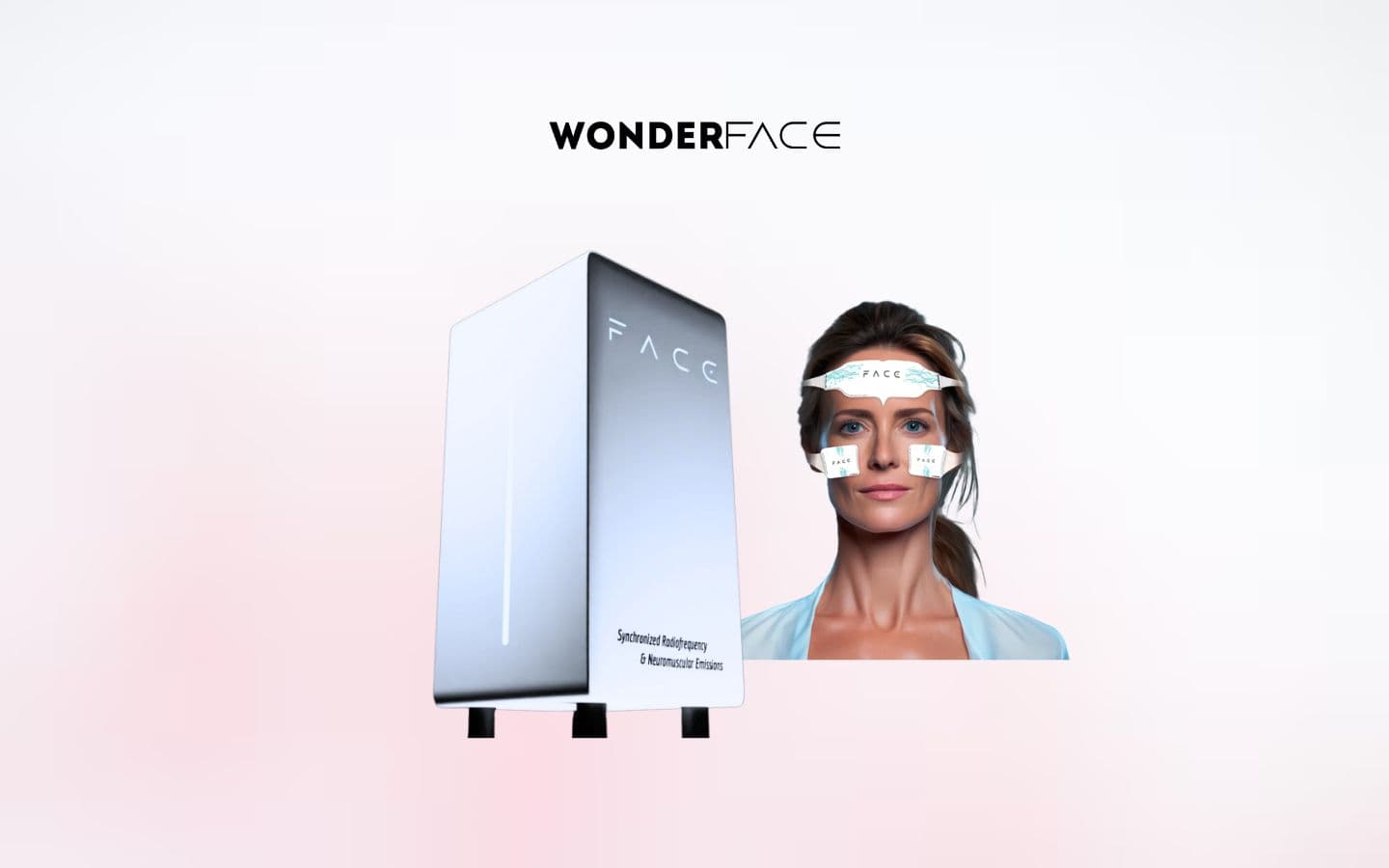
About Oligio XWonderface
Bipolar RF + neuromuscular
A face-specific platform pairing bipolar radiofrequency, more contained and comparatively superficial, with a separate neuromuscular stimulation mode that works on muscle tone.
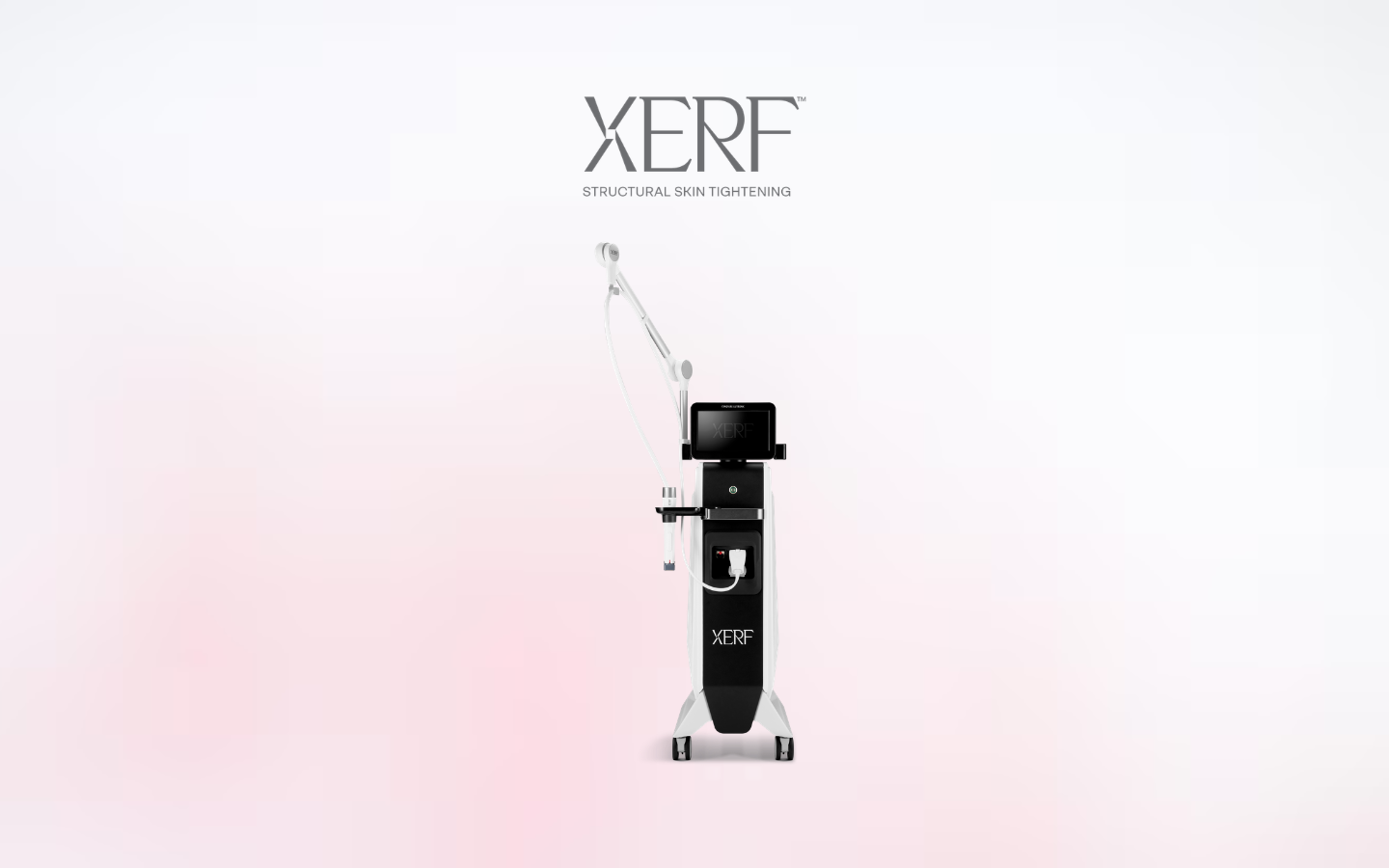
About WonderfaceXERF
Multifrequency monopolar · cryogen cooling
Combines 6.78 MHz and 2 MHz so energy can be biased towards shallower or deeper tissue, with integrated cryogen cooling.
About XERF
Not sure whether radiofrequency or another energy fits your skin?
Surface RF, focused ultrasound and RF microneedling reach tissue differently. A doctor can tell you which your skin calls for.
Ask about this on WhatsAppFree consultation, about 20 to 30 minutes, no obligation.
Who should postpone or avoid it
- Pregnancy. Treatment is deferred.
- Implanted electronic or metal devices, such as a pacemaker, in or near the treatment area.
- Active skin infection or inflamed areas where the treatment would be applied.
- A history of keloid scarring.
- Some skin conditions or medications, reviewed before treatment.
What a session involves
Consultation and assessment
The doctor assesses your skin's thickness and laxity, which decide the device and settings.
The treatment
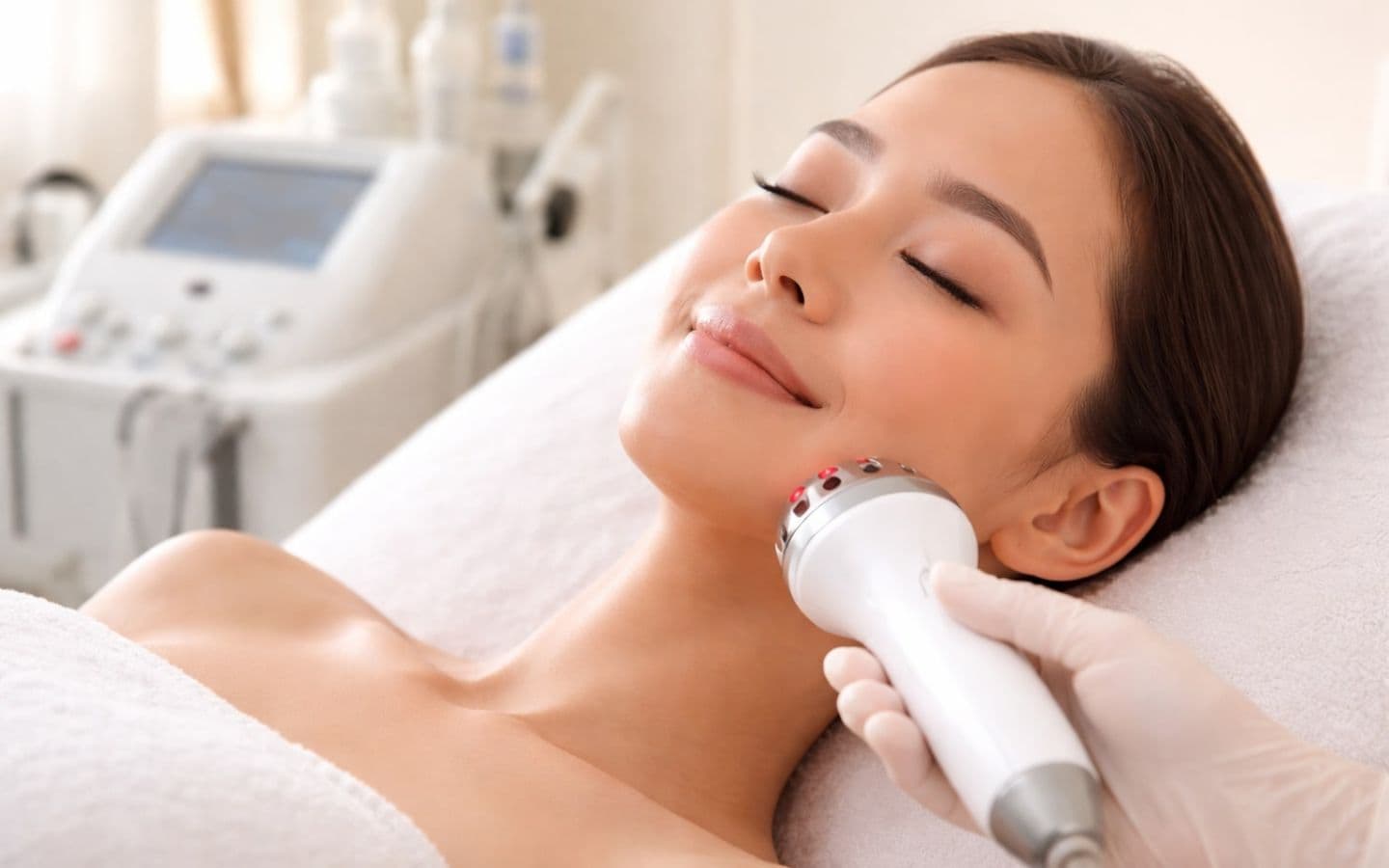
Controlled RF energy is delivered to the target areas, with contact cooling for comfort. Most people describe a warm, deep, massage-like sensation that builds and eases as the handpiece moves.
Afterwards
Sessions in a course are usually spaced about 4 to 6 weeks apart.
In the treatment room
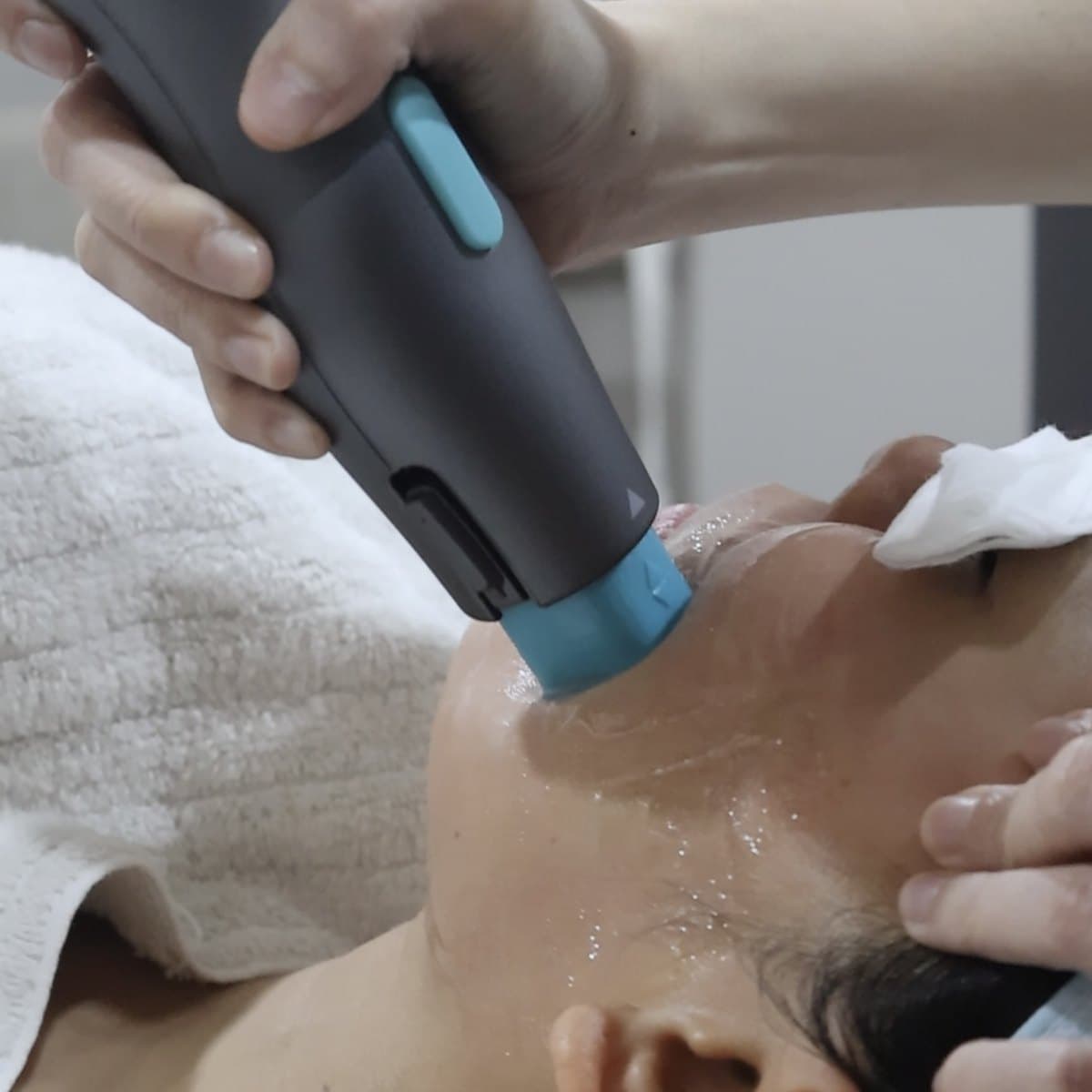
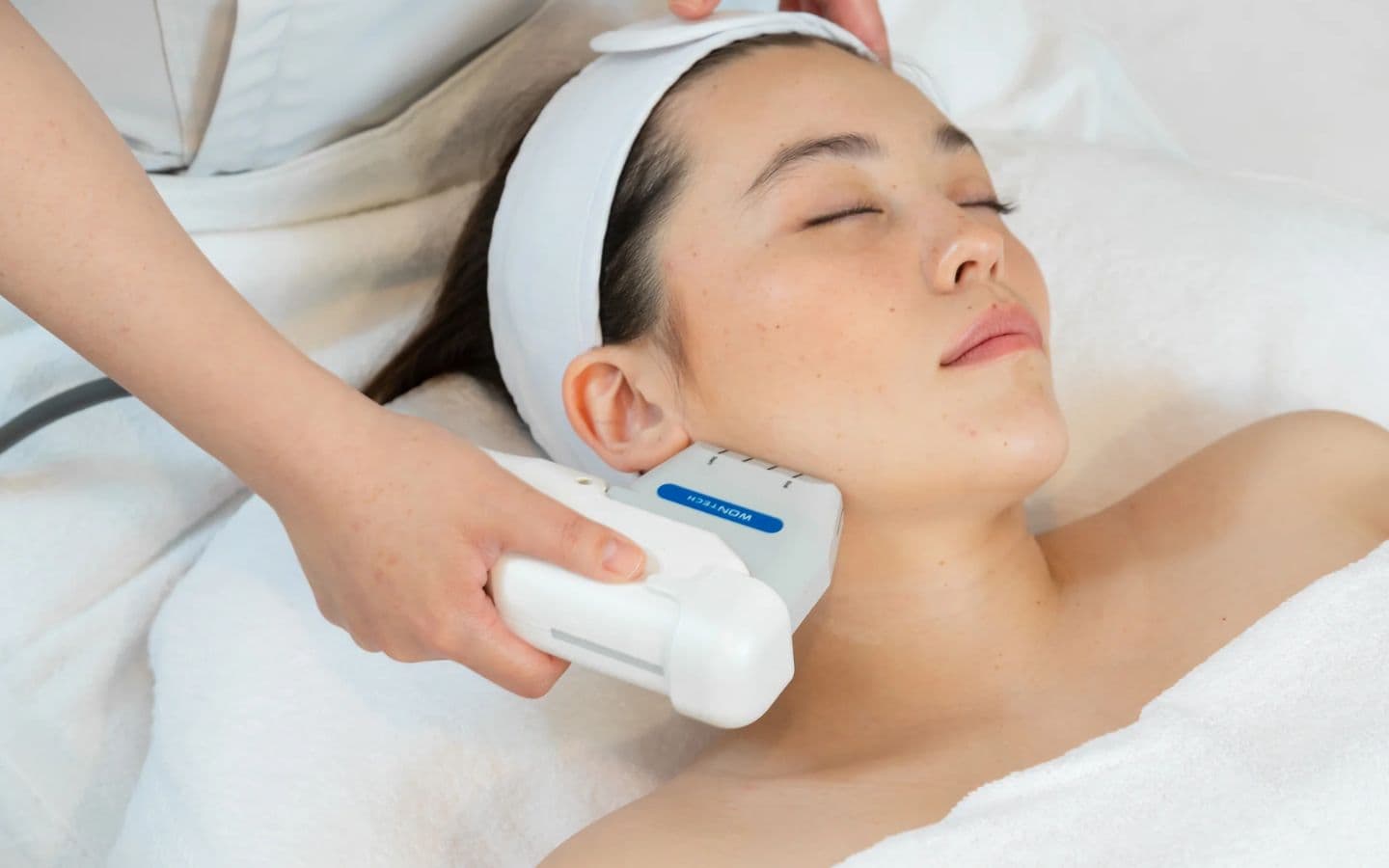
The radiofrequency handpiece is glided along the patient's jaw.
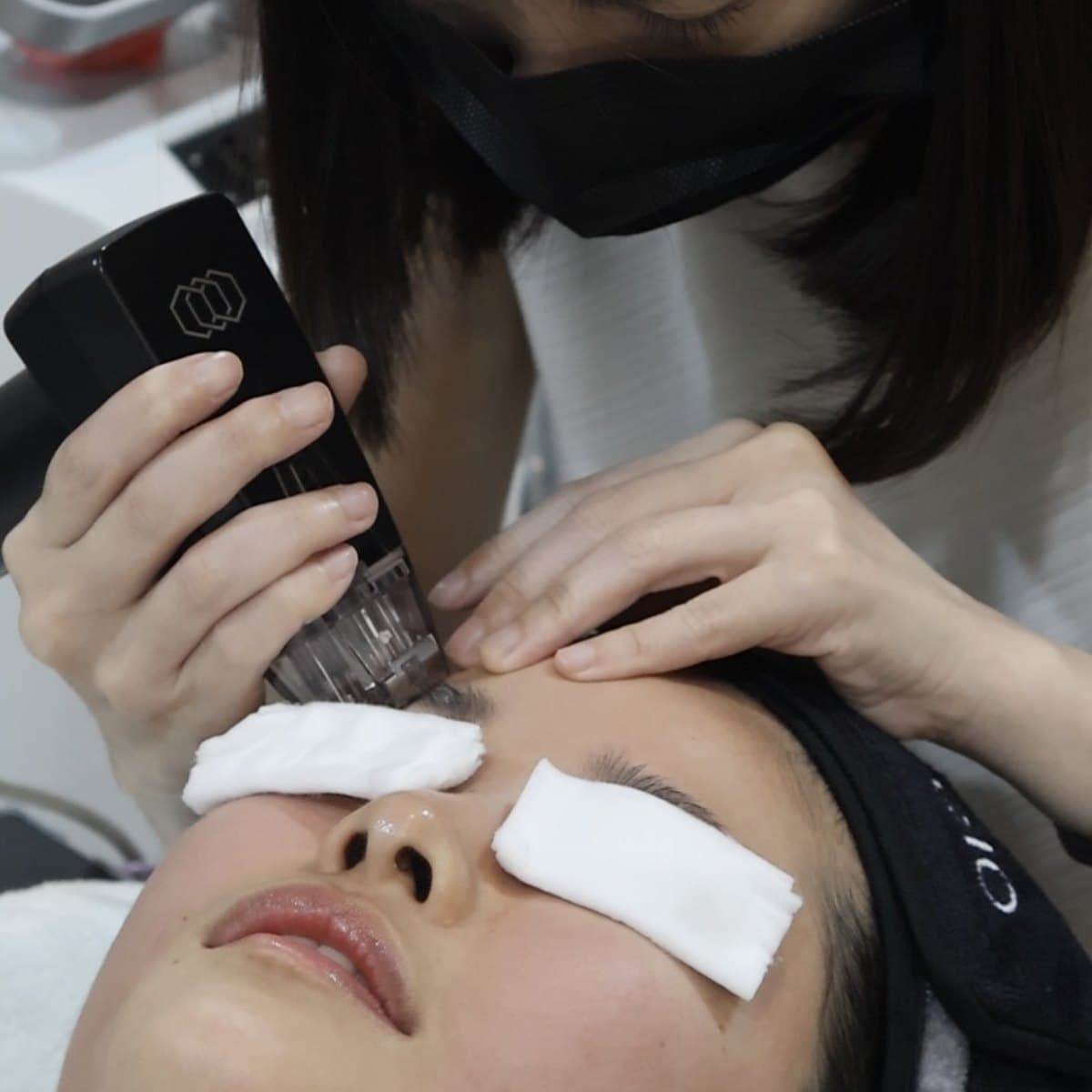
A practitioner works near the eye area while cotton pads shield the eyes.
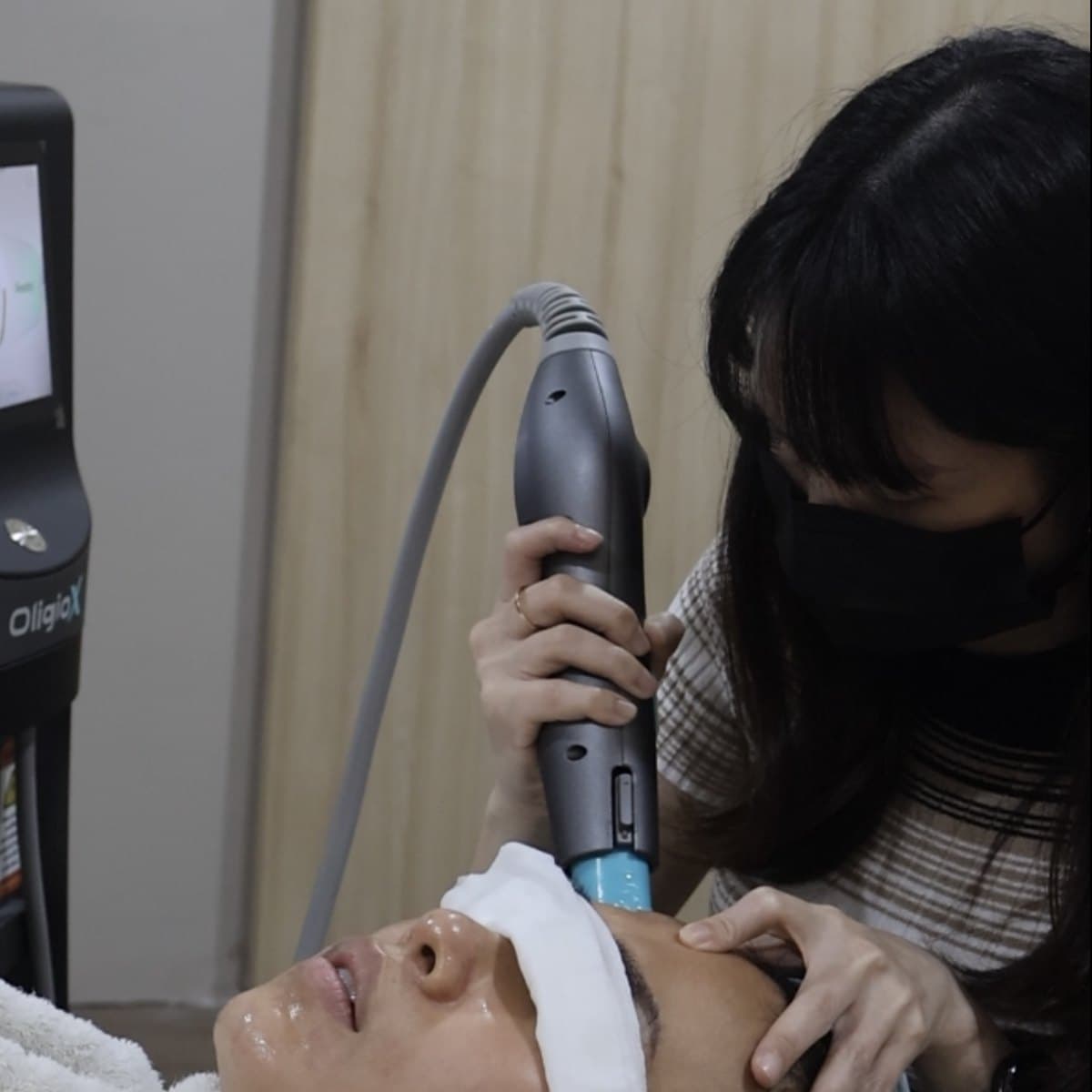
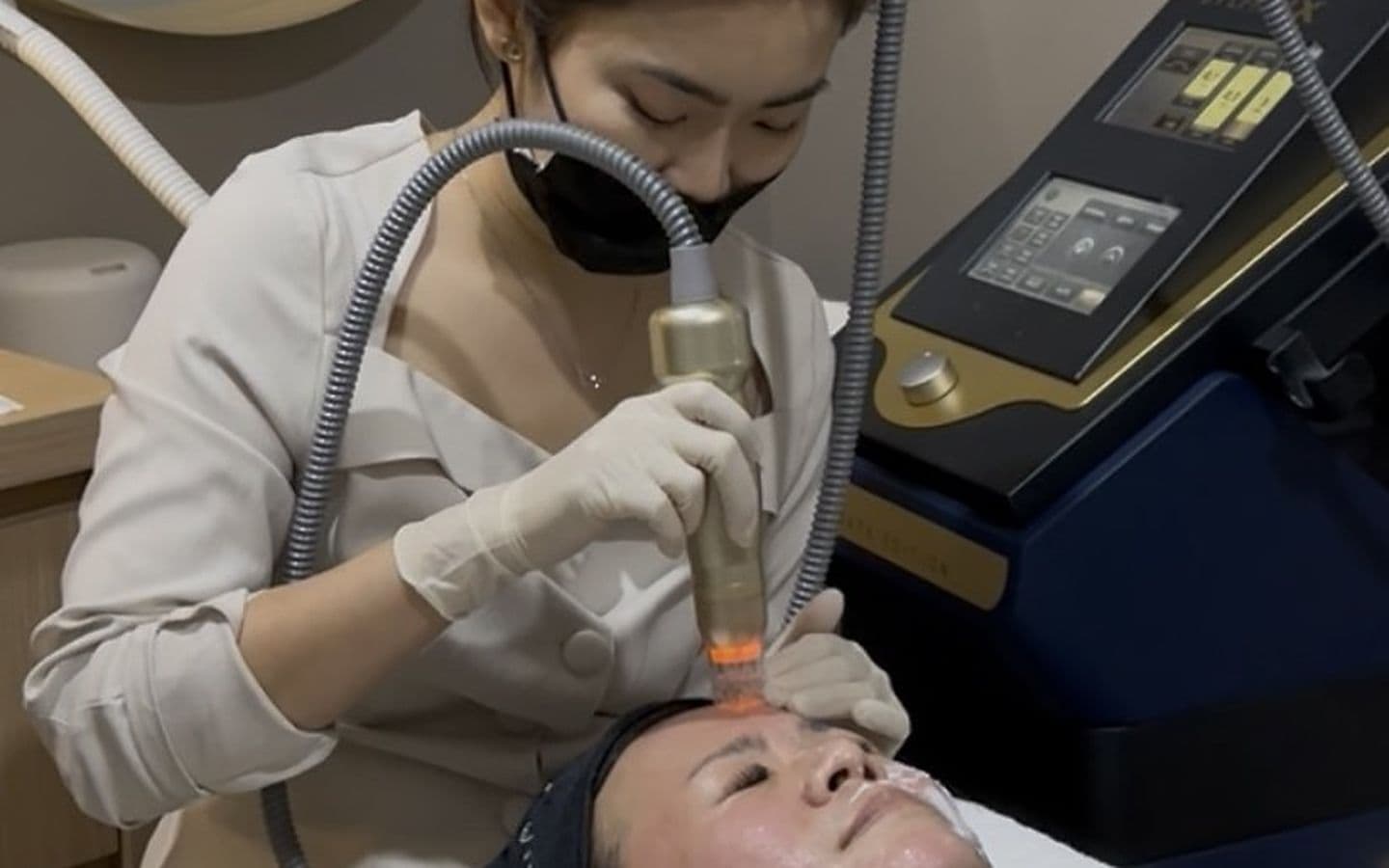
A practitioner moves the radiofrequency handpiece across the patient's forehead.
After a session
Straight afterwards
Mild redness or a feeling of warmth may occur and typically settles within a few hours.The same day
Most people return to normal activities, and makeup can generally be worn straight after a facial session.
Gentle skincare and daily sun protection afterwards.
Risks, side effects, and what Radiofrequency cannot do
Common and temporary
Redness, warmth or mild swelling that usually settles.Less common
Burns and lasting pigment change.Pigment change and Malaysian skin
RF heats tissue rather than targeting pigment, so it does not rely on colour contrast and is used across a wide range of skin tones, including Asian skin.What it cannot do
- It is not a substitute for surgery where there is significant excess skin.
- It does not change the skin on the day; any change depends on slow tissue remodelling.
Tell your doctor about anything on the avoid list above, including implanted devices anywhere near the treatment area.
What affects the number of sessions, and the cost
Kaiteki does not quote prices online, because the course is set by what the assessment finds. What moves the cost:
- Your skin condition.
- The area treated. Face-only plans differ from face-and-neck or body plans.
- The number of sessions in the course.
- Any maintenance sessions.
Devices used at Kaiteki
Which platform is used depends on your individual assessment.
Common questions
Are radiofrequency treatments suitable for sensitive skin?
Often, yes. Surface RF is non-invasive and generally well tolerated, and settings are adjusted to your skin. Mention any retinoids or recent peels, which change what the skin will tolerate.
Is there any downtime after RF treatment?
Usually minimal. Mild redness or warmth typically settles within a few hours, and most people go straight back to normal activities.
How many radiofrequency sessions will I need?
A course of about 2 to 3 sessions is common, sometimes followed by maintenance every 6 to 12 months.
When will I see results?
Any change develops gradually over weeks to months and varies between people.
Read next



Where to go next
Book a free consultation
The consultation is free, takes about 20 to 30 minutes, and there is no obligation to book treatment afterwards. A doctor will examine your skin and tell you whether Radiofrequency is appropriate, and if it isn’t, what would be.
Ask about this treatmentMedically reviewed by

Dr Chloe Wan Poh Yee
Aesthetic Physician
MBBS, MAC · MMC 104547
Dr Chloe graduated from Newcastle University Medicine Malaysia with a Bachelor of Medicine & Bachelor of Surgery (MBBS). She has a strong passion for aesthetic medicine and is dedicated to help patients achieve healthier, more confident skin through personalized and evidence-based treatments.
View full profile- Reviewed by
- Dr Chloe Wan Poh Yee, MMC 104547
- Last reviewed
- 12 Jun 2026
- Next review due
- 12 Jun 2027