
Lifting & Tightening
Ultherapy
A focused-ultrasound platform used for lifting and tightening of the face and neck.
Free consultation, no obligation.
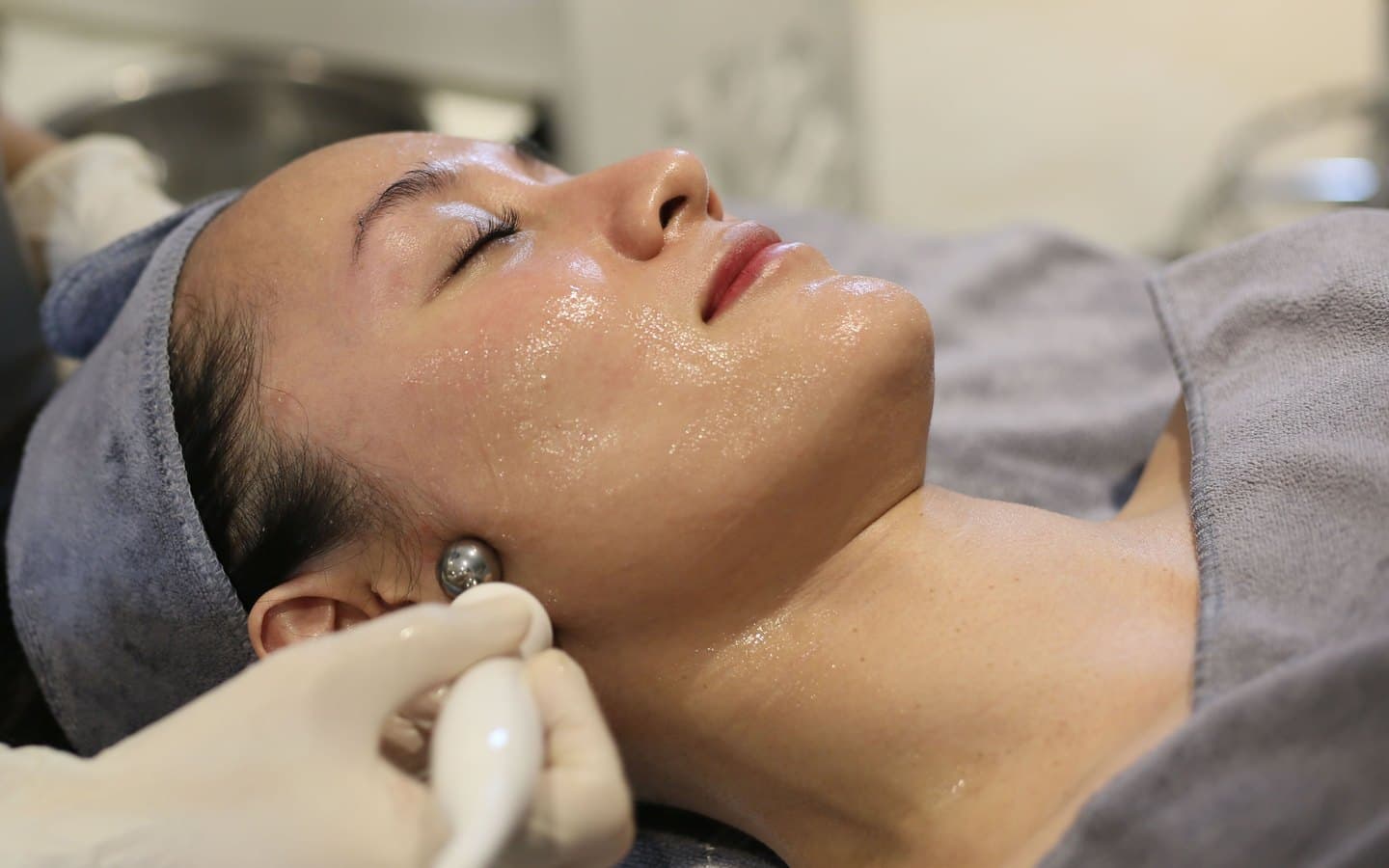
- On-screen imaging
- The doctor sees the tissue layers before each line
- 60–90 minutes
- Typical face and neck session
- Assessment first
- Your first visit is a doctor consultation, not a treatment
On this page
In brief
Ultherapy is a focused-ultrasound treatment used for non-surgical lifting and tightening of the brow, chin and neck. It heats set depths beneath the skin, and its built-in ultrasound imaging lets the doctor see those layers before delivering energy — the practical difference from other focused-ultrasound devices.
Results from Kaiteki patients
Before and after photos of patients treated at Kaiteki for fine lines & wrinkles, face lifting and aging. A plan may combine more than one treatment.
10 photos · tap one to enlarge
Forehead lines, before and after treatment at Kaiteki
Facial firmness, before and after a course of treatment at Kaiteki
Skin tone and texture, before and after a course of treatment at Kaiteki
Forehead lines, before and after treatment at Kaiteki
Facial firmness, before and after a course of treatment at Kaiteki
Overall skin quality, before and after a course of treatment at Kaiteki
Frown lines between the brows, before and after treatment at Kaiteki
Jawline definition, before and after a course of treatment at Kaiteki
Jawline definition, before and after a course of treatment at Kaiteki
Jawline definition, before and after a course of treatment at Kaiteki
Photographs of Kaiteki patients, published with consent. Individual results vary and are not guaranteed. These images are not a promise of outcome. A doctor will assess whether any treatment is suitable for you.
What is Ultherapy?
Ultherapy is a non-surgical, doctor-delivered treatment that focuses ultrasound energy at set depths beneath the skin.
How does Ultherapy see the layer it treats?
The transducer that delivers the energy also produces a live ultrasound image, so the doctor sees the tissue layers, including the deeper support layer called the SMAS, before choosing the depth and settings for each area. The SMAS is the layer a surgical facelift addresses; Ultherapy reaches it without incisions.
At the chosen depth, the energy creates controlled points of heat, which is intended to prompt the skin's own gradual collagen-renewal response.
What Ultherapy is used for at Kaiteki
Lifting where laxity leads the picture
Mild to moderate laxity of the lower face and neck, where precision at depth matters or anatomy makes treating without imaging less appropriate.
Lifting that softens the fold above it
Laxity around the brow and lower face.

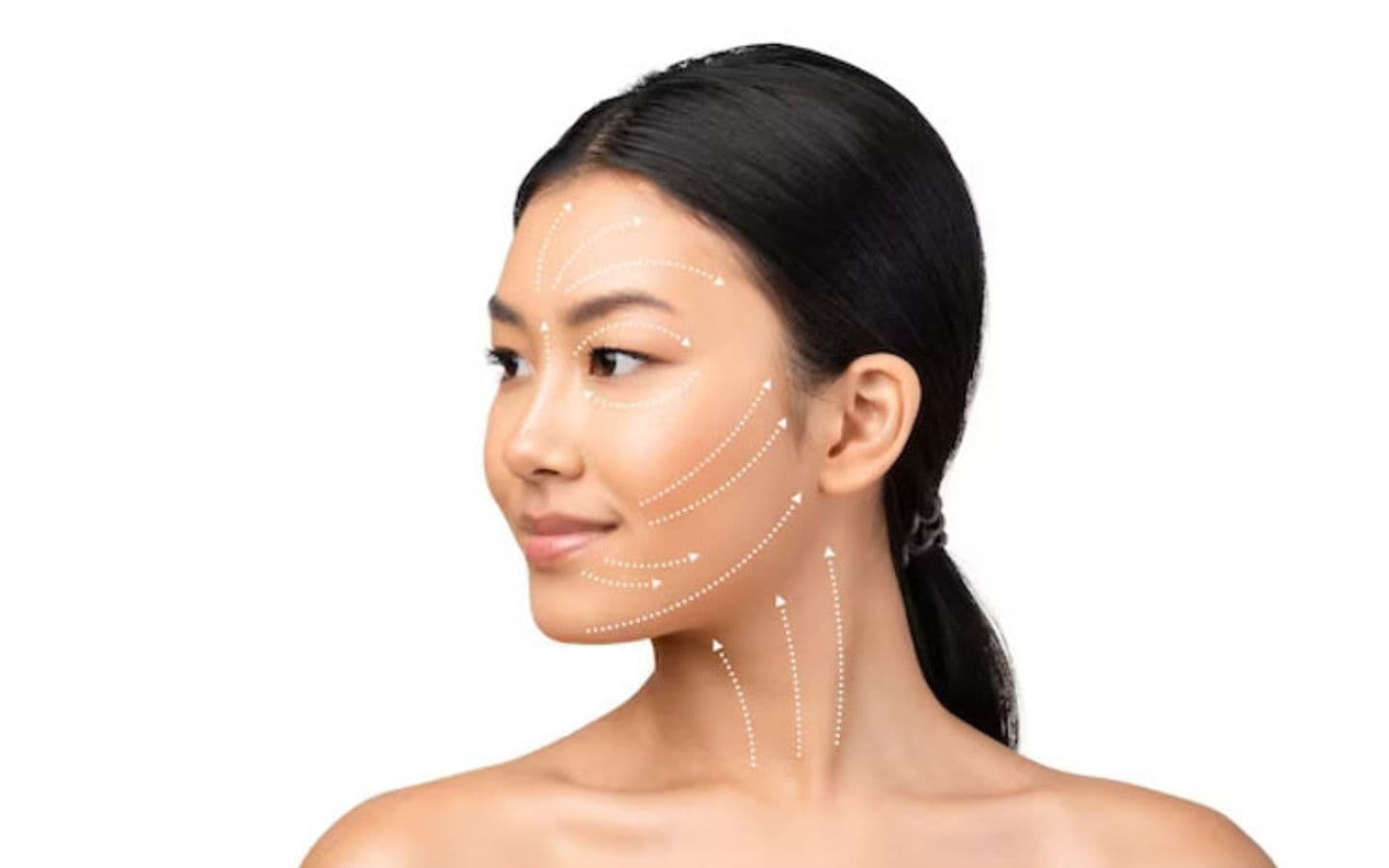

Ultherapy or HIFU: what the imaging changes
Both focus ultrasound at a depth beneath the skin.
Ultherapy
Imaging-guided · Merz Aesthetics
Transducers treat at three depths, approximately 1.5 mm, 3.0 mm and 4.5 mm at the level of the SMAS fascia, chosen per area after viewing the anatomy.
About the Ultherapy SystemHIFU
Depth set by cartridge · Ultracel Q, Liftera
Energy is delivered at depths set by the chosen cartridge and the doctor's assessment, without an on-screen view.
About HIFU
Not sure whether Ultherapy or HIFU fits your face?
A doctor can tell you whether your laxity is the kind focused ultrasound addresses, and which device suits your anatomy.
Ask about this on WhatsAppFree consultation, about 20 to 30 minutes, no obligation.
Who should postpone or avoid it
- Pregnancy or breastfeeding. Treatment is deferred.
- Active skin infection, open lesions or significant inflammatory acne in the treatment area.
- Implants, metallic or electronic devices such as pacemakers, or recently placed fillers or threads lying in the intended path.
- Keloid tendency, bleeding disorders, certain medications and some autoimmune conditions, which are reviewed before treatment.
What a session involves
Consultation and assessment
The doctor assesses where your laxity sits and whether Ultherapy is appropriate.
Mapping with imaging
The skin is cleansed, treatment zones are marked on a grid and coupling gel is applied.
The treatment lines
The doctor confirms the plane on screen and delivers a line of focused pulses, repeated across the mapped area. Most people feel warmth and prickling, stronger over bony areas; comfort measures can be discussed beforehand.
Afterwards
You leave with aftercare advice and, where relevant, a review date.
In the treatment room
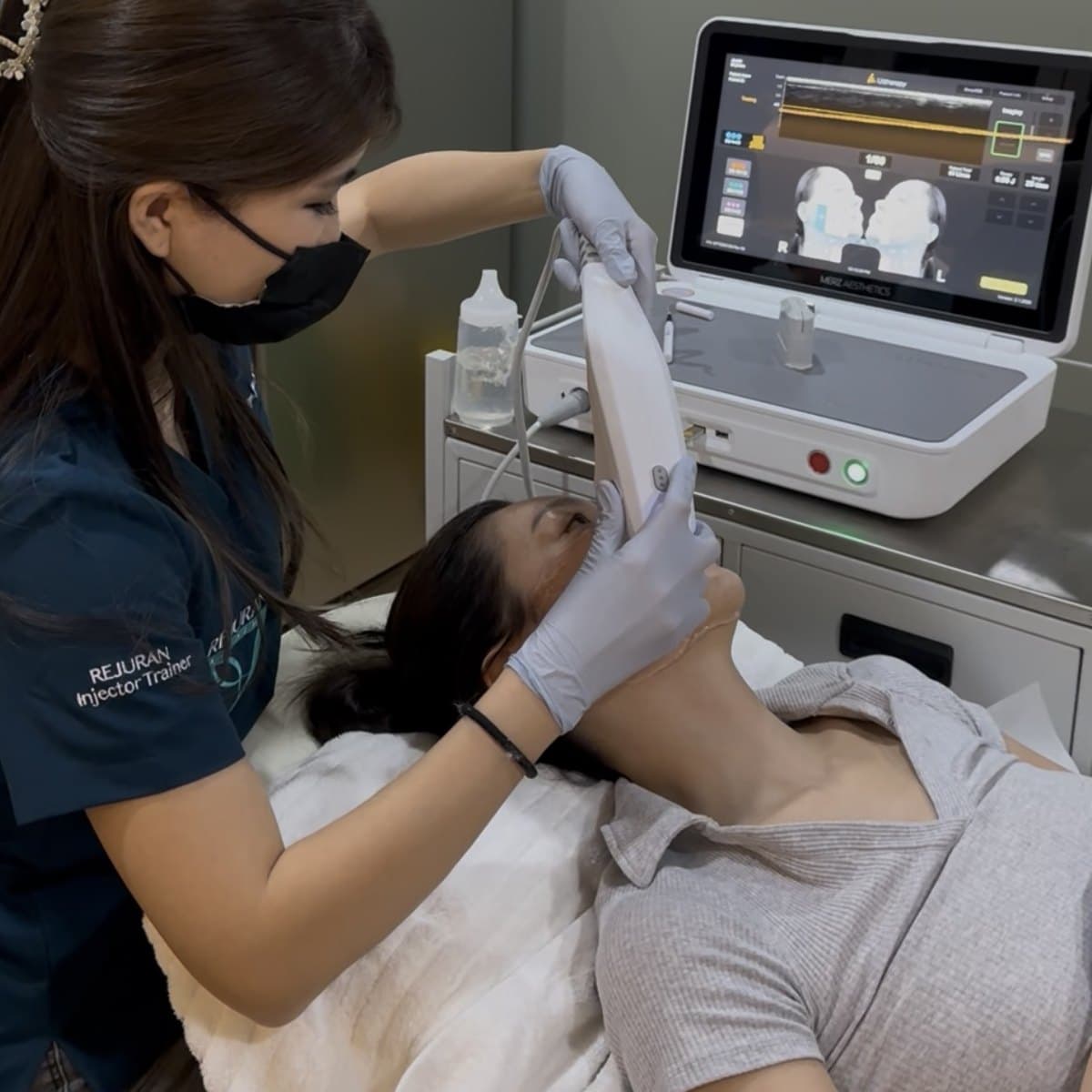
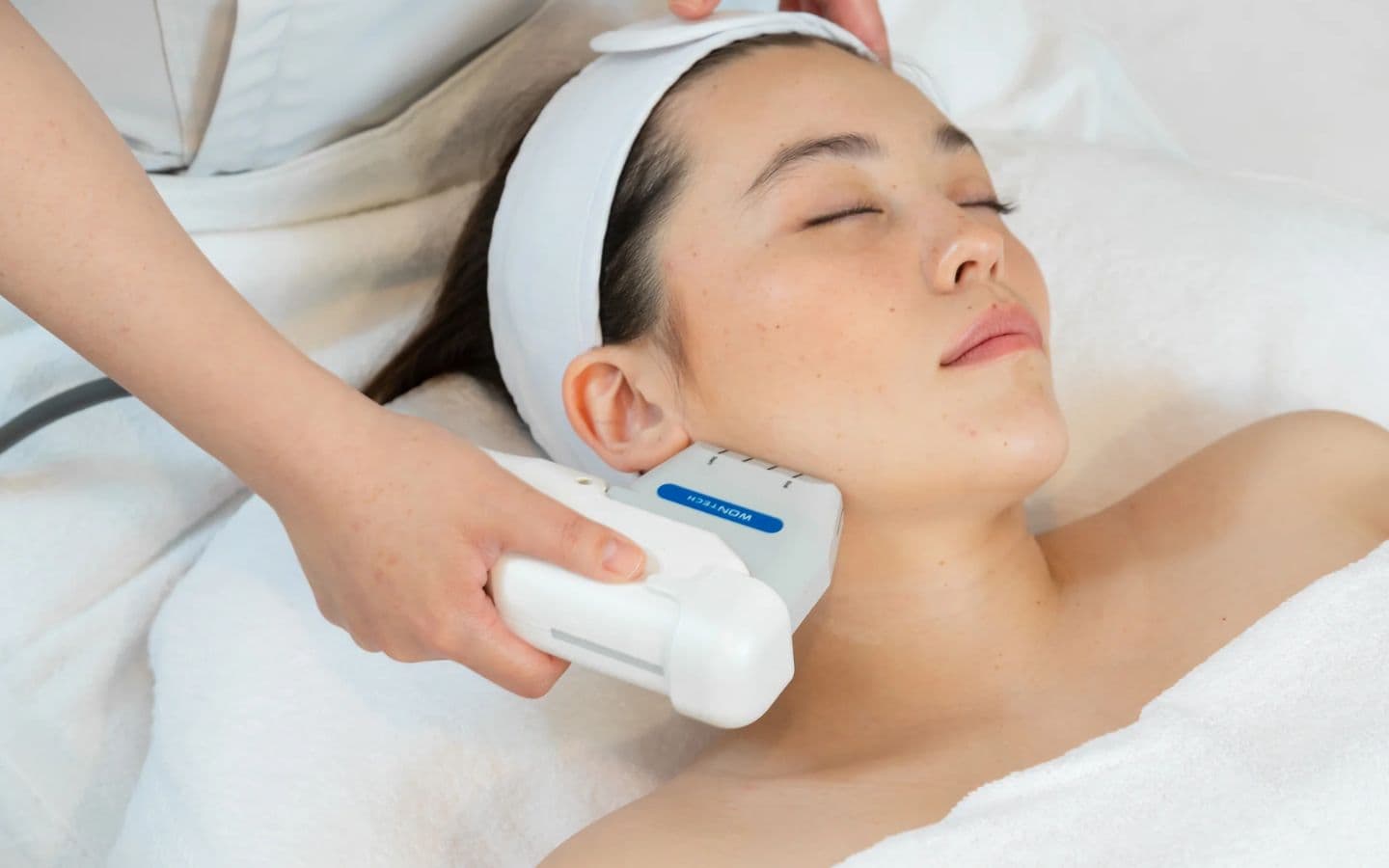
A practitioner moves the ultrasound transducer along the patient's jaw and neck.
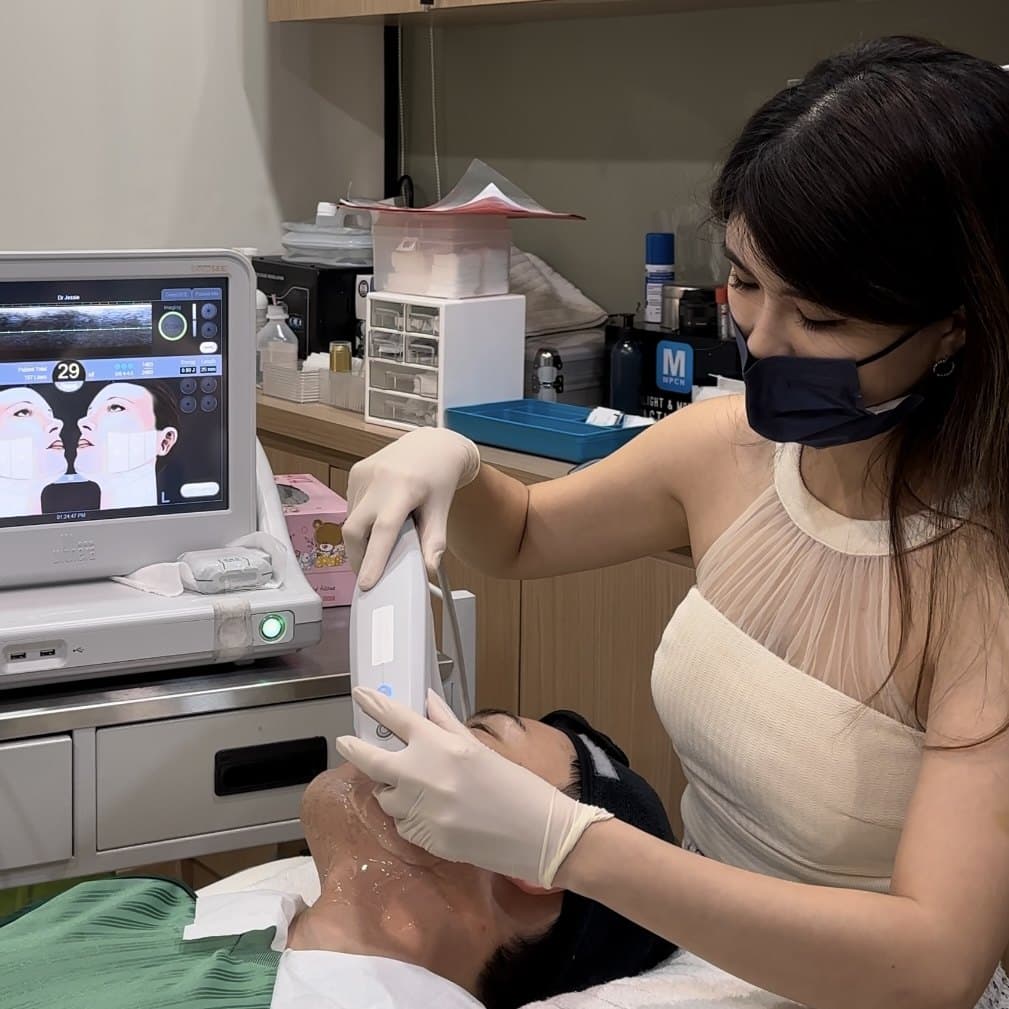
A practitioner positions the ultrasound transducer under the patient's jaw.
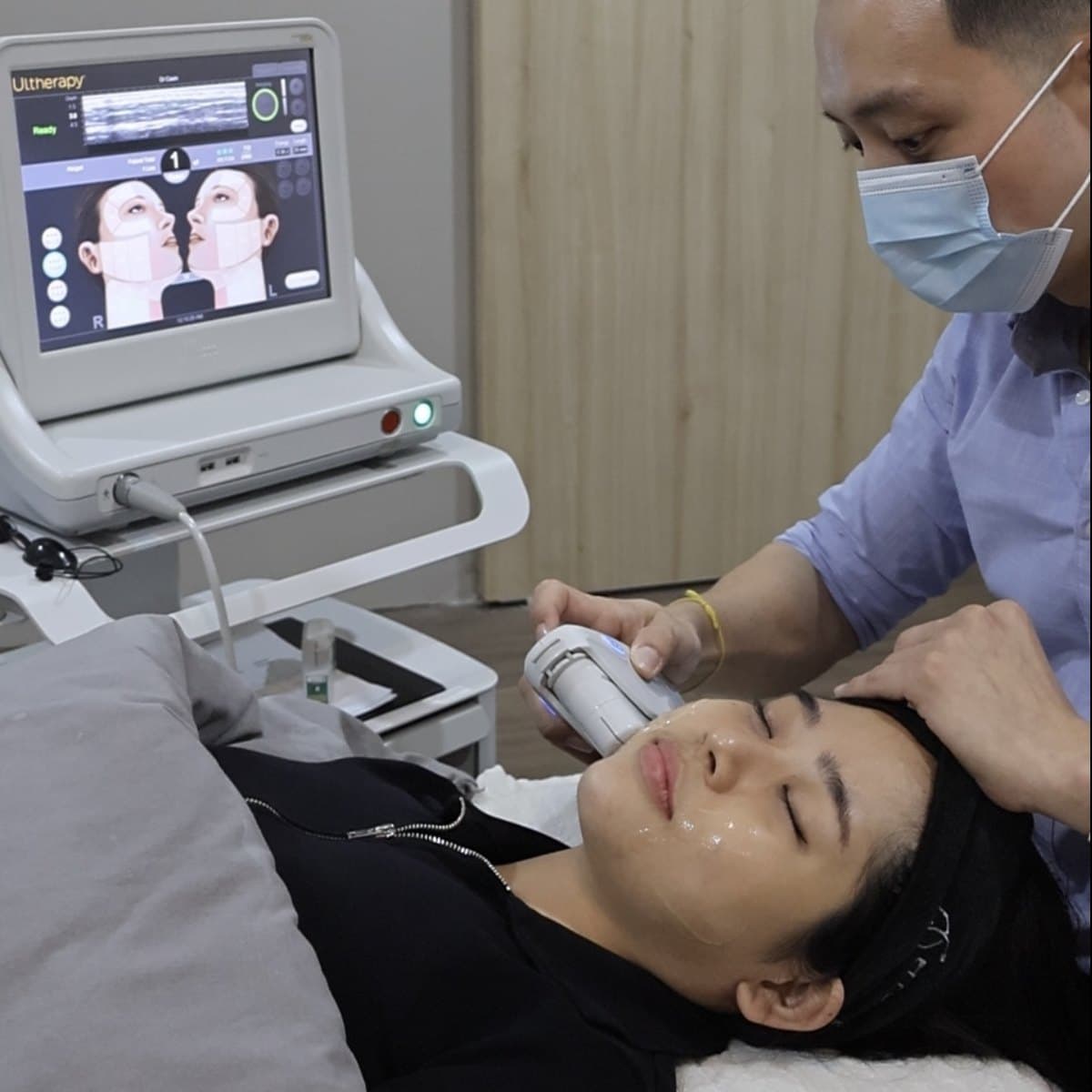
A doctor applies the ultrasound transducer to the patient's cheek beside the imaging screen.
After a session
Straight afterwards
Some people notice mild redness or slight swelling in the treated area for a short period. Most return to normal activities the same day.Days to a few weeks
Tenderness to touch, or a temporary firm or lumpy feeling under the skin, can occur and generally settles over days to a few weeks.
Sun protection, and nothing abrasive on the treated skin for a few days. Contact the clinic about anything that does not settle.
Risks, side effects, and what Ultherapy cannot do
Common and temporary
Redness, swelling, tenderness, and small areas of numbness or tingling in the treated area, which typically settle over time.Less common
Temporary muscle weakness or altered sensation where a nerve runs close to the treatment plane.Pigment change and Malaysian skin
Micro-focused ultrasound is absorbed by tissue rather than by melanin, so it is generally used across the full range of skin tones, including deeper Asian skin, without the pigment-related risk profile of some lasers.What it cannot do
- It is not a facelift and does not cut or remove skin.
- It is generally considered for mild to moderate laxity rather than very advanced sagging.
- It addresses laxity and loss of definition, not surface texture or pigment.
- It is not permanent. Skin continues to age, so plans often include a review and periodic maintenance.
Implants, fillers and threads in the treatment area are the items most often forgotten.
What affects the number of sessions, and the cost
Kaiteki does not quote prices online; the plan is set at consultation. What moves the cost:
- The number of lines of energy delivered.
- The areas treated — brow and jawline, full face and neck, or décolletage.
- The number of sessions and any maintenance plan.
- Whether Ultherapy is combined with other treatments as part of a wider plan.
Ultherapy vs other options
| Treatment | Best for | Downtime |
|---|---|---|
| Ultherapy | Laxity where the doctor views the tissue layers on screen before treating | None for most people |
| Dermal fillers | Lines and hollows caused by lost volume or structure | 1-3 days |
| Botulinum toxin | Lines caused by muscle movement | None |
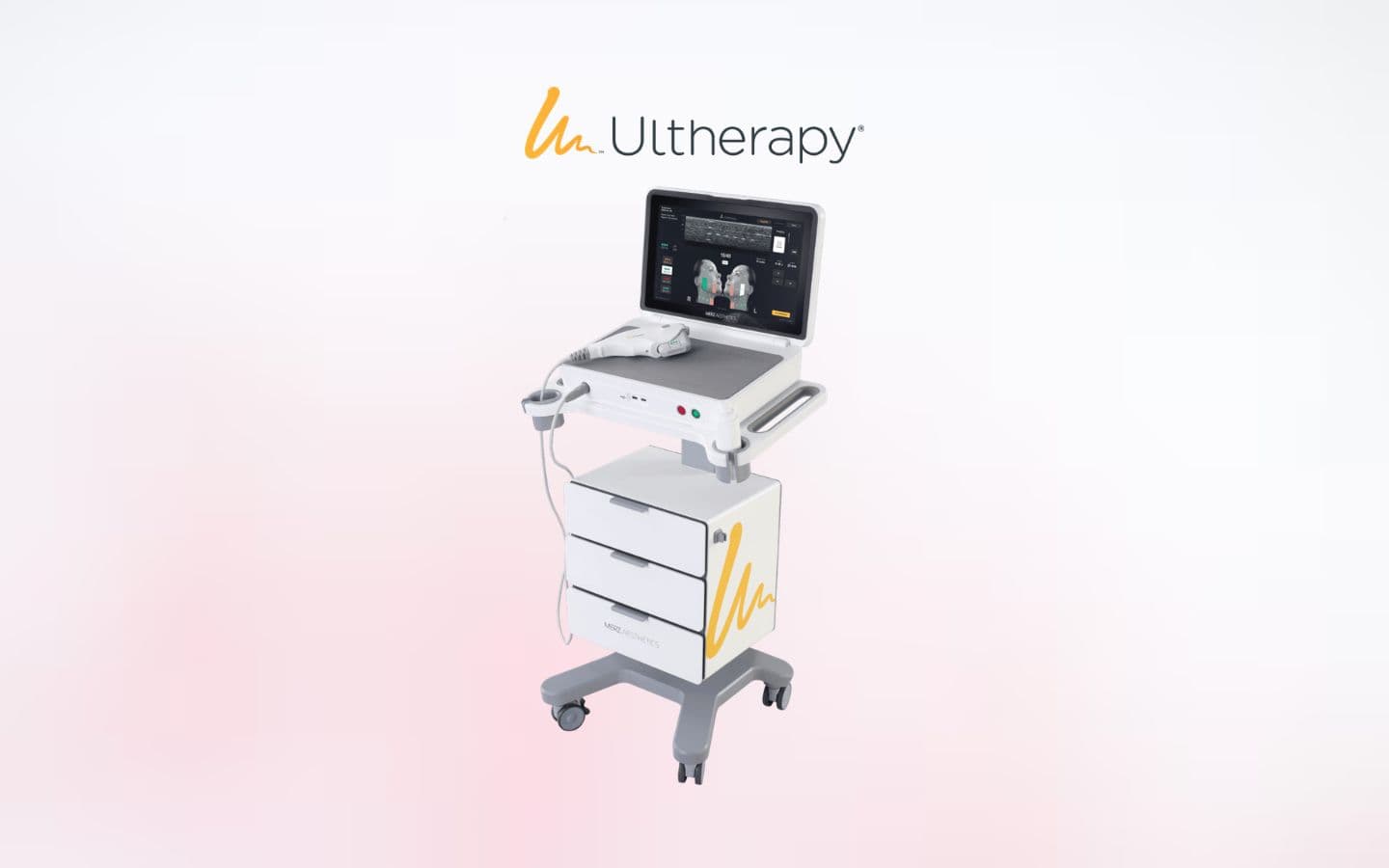
Devices used at Kaiteki
Which platform is used depends on your individual assessment.
Common questions
How is Ultherapy different from HIFU?
Ultherapy includes ultrasound imaging, so the doctor views the tissue layers on screen before delivering energy; HIFU devices generally do not include this step.
Is Ultherapy a facelift?
No. It reaches some of the same deeper tissue a facelift addresses, but the degree of change is not comparable to surgery.
When will I see results?
Any change develops gradually over weeks to months, because it depends on your own collagen response, and it varies between people.
Is there any downtime?
Little to none for most people.
Read next

Where to go next
Book a free consultation
The consultation is free, takes about 20 to 30 minutes, and there is no obligation to book treatment afterwards. A doctor will examine your skin and tell you whether Ultherapy is appropriate, and if it isn’t, what would be.
Ask about this treatmentMedically reviewed by

Dr Jamie Gan Ee Vienn
Aesthetic Physician
MD, PDAM (EIU) · MMC 97231
Dr. Jamie obtained her medical degree from Kursk State Medical University, Russia. She subsequently completed her housemanship and served in the Emergency Department at Hospital Tuanku Jaafar, Seremban, where she developed strong clinical judgement, precision, and the ability to perform under pressure.
View full profile- Reviewed by
- Dr Jamie Gan Ee Vienn, MMC 97231
- Last reviewed
- 18 Jun 2026
- Next review due
- 18 Jun 2027