

Concern · Skin
Aging
Firmness, texture and volume change at different rates.
Free, about 20–30 minutes, no obligation to book treatment.
- Four things at once
- Firmness, texture, hydration and volume change at different rates on the same face.
- Most of it is sun
- A large share of visible skin ageing is cumulative UV exposure rather than years alone.
- Staged, not all at once
- Plans address the leading change first and review before adding more.
On this page
In brief
Skin ageing is gradual change in firmness, texture, hydration and volume, driven by genetics and time (intrinsic ageing) and, to a large extent, by cumulative sun exposure and habits (extrinsic ageing).
Results from Kaiteki patients
2 photos · tap one to enlarge
Skin tone and texture, before and after a course of treatment at Kaiteki
Overall skin quality, before and after a course of treatment at Kaiteki
Photographs of Kaiteki patients, published with consent. Individual results vary and are not guaranteed. These images are not a promise of outcome. A doctor will assess whether any treatment is suitable for you.
What is skin ageing?
Skin ageing is the gradual loss of collagen, elasticity, hydration and volume.
What causes it
Several processes run in parallel, at different speeds:
- Collagen and elastin decline: production slows from the mid-twenties and the existing framework degrades, so skin becomes thinner, less firm and slower to spring back.
- Cumulative UV exposure: the single largest external contributor, and the one most within your control.
- Volume loss and redistribution: fat pads in the mid-face shrink and descend, and bone itself remodels over decades.
- Reduced hydration and barrier function: skin holds less water and produces less oil over time, which makes it drier, duller and more easily irritated, and makes fine lines read more sharply than they otherwise would.
- Lifestyle and health: smoking, heavy alcohol use, disturbed sleep, a diet high in sugar and chronic stress all accelerate the same processes.
Where you are on it
These stages overlap, but they change what a sensible plan looks like.
Early change
Quality and prevention
The face still holds its shape. What has changed is skin quality: a little less bounce, fine lines appearing on movement, tone less even, and skin that looks tired earlier in the day than it used to.
Usually assessed for: commonly assessed for skin-quality treatment and a sensible daily routine rather than anything structural.
Established change
Lines at rest, early laxity
Lines are now visible when the face is relaxed, the mid-face has begun to flatten, and the jawline is a little less crisp than it was.
Usually assessed for: assessed as a sequence across skin quality, volume and firmness, with review points between stages.
Advanced change
Laxity, folds and texture
Laxity along the jawline and neck, deeper folds, significant volume loss and accumulated sun damage in the skin surface.
Usually assessed for: assessed individually, with a frank discussion about what non-surgical treatment can and cannot reach.
Where ageing shows first
Around the eyes
The thinnest skin on the face, in near-constant movement. Usually the first area to show fine lines, crepiness and hollowing, often a decade before anywhere else.Mid-face and cheeks
Where volume loss shows most clearly, and what deepens the folds below.Around the mouth
Fine vertical lines on the lip and folds running from the mouth corners.Jawline and lower face
Where descent becomes visible: the jaw stops reading as one clean line and the neck angle softens.Neck, chest and hands
Thin skin, few oil glands and decades of missed sunscreen.Not ageing?
A new or changing mark, a patch that is scaly, crusting or bleeding, or a lesion that will not heal is not a sign of ageing and should be examined promptly.
When to see a doctor
There is no age at which an assessment becomes necessary. It is worth having one if:
- Change seems to have accelerated over a short period, which is worth examining on its own.
Treatment options at Kaiteki
Plans are usually sequenced rather than chosen one from a list:
HIFU
For firmness in the lower third of the face
Focused ultrasound delivered beneath the skin to prompt collagen change at depth.
HIFUUltherapy
For a targeted lift where laxity leads the picture
The same principle with ultrasound imaging so the doctor can see the tissue layers while treating.
UltherapySkin Booster
For hydration and skin quality overall
Injectable hydration distributed across an area to improve how the skin holds water and reflects light.
Skin BoosterBio-stimulator
For rebuilding structure gradually rather than filling
An injectable that prompts your own collagen production over months instead of adding volume immediately.
Bio-stimulatorDermal Fillers
For restoring volume where the face has flattened
Placed to rebuild support in a deflated mid-face rather than to fill individual lines.
Dermal FillersResurfacing Laser
For sun damage, texture and tone together
A fractional laser used where accumulated UV damage shows as roughness, uneven tone and etched lines at the same time.
Resurfacing LaserFotona Laser
For a layered approach across several depths
A laser protocol working in several passes at different depths, including one delivered from inside the mouth.
Fotona Laser
Which treatment suits which type?
A general guide. Most faces show several changes; collagen-based plans include review points.
| What you have | Commonly considered | Typical course | Downtime |
|---|---|---|---|
| Dullness and dehydration | Skin boosters | Short course, then maintenance | 1–2 days swelling |
| Sun damage, texture and uneven tone | Resurfacing laser | Assessed individually | 5–7 days |
| Fine lines with good firmness | Skin-quality treatment | Course, spaced | Minimal |
| Flattened mid-face | Volume support or bio-stimulator | Staged over sessions | 1–2 days swelling |
| Softening jawline | Focused ultrasound | Single session, reviewed | None to minimal |
| Firmness and surface quality together | Laser protocol across depths | Course, spaced | 1–3 days redness |
Not sure what's actually changing?
Send us a photo on WhatsApp and a doctor can map it with you.
Ask about this on WhatsAppFree consultation, about 20 to 30 minutes, no obligation.
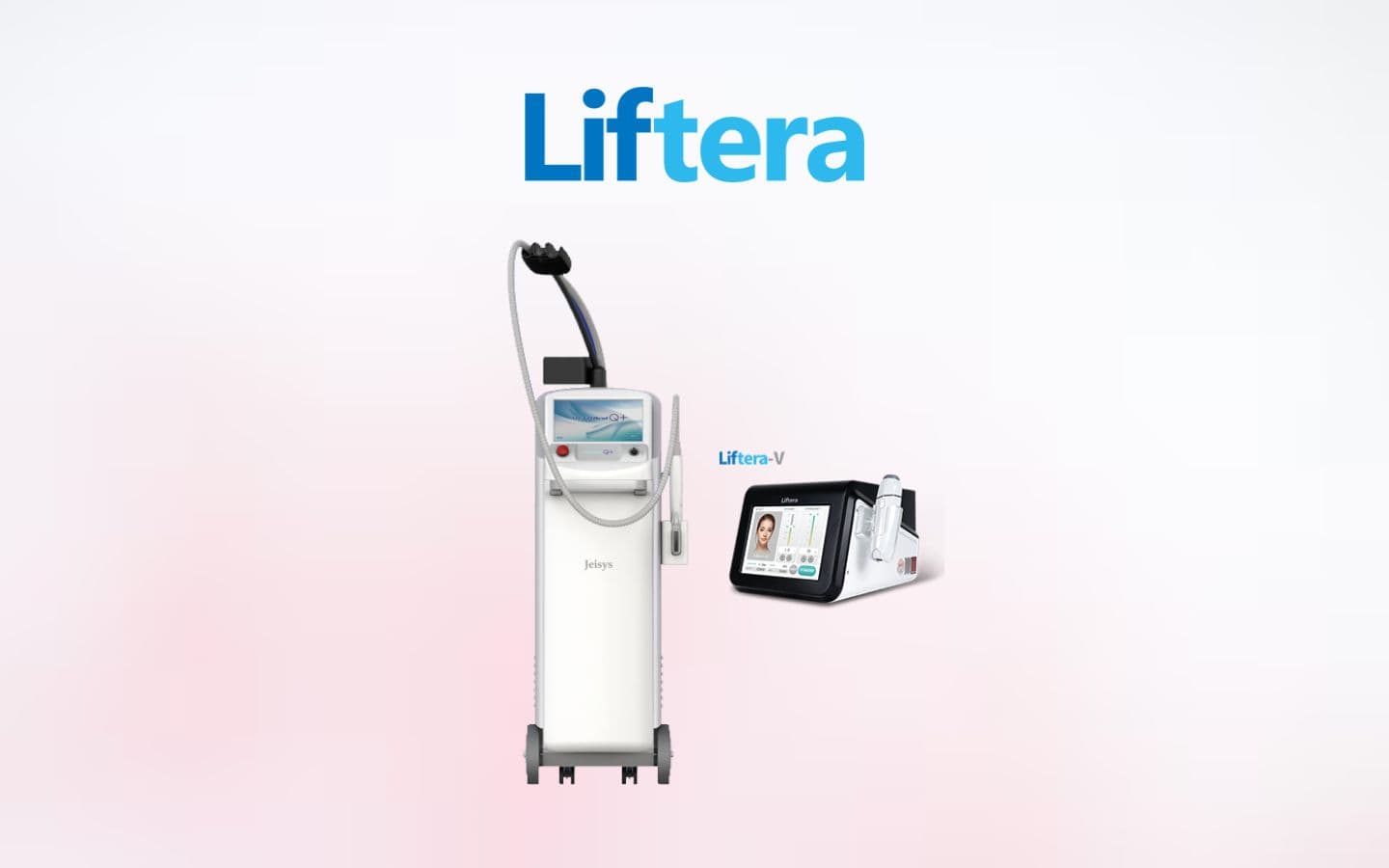
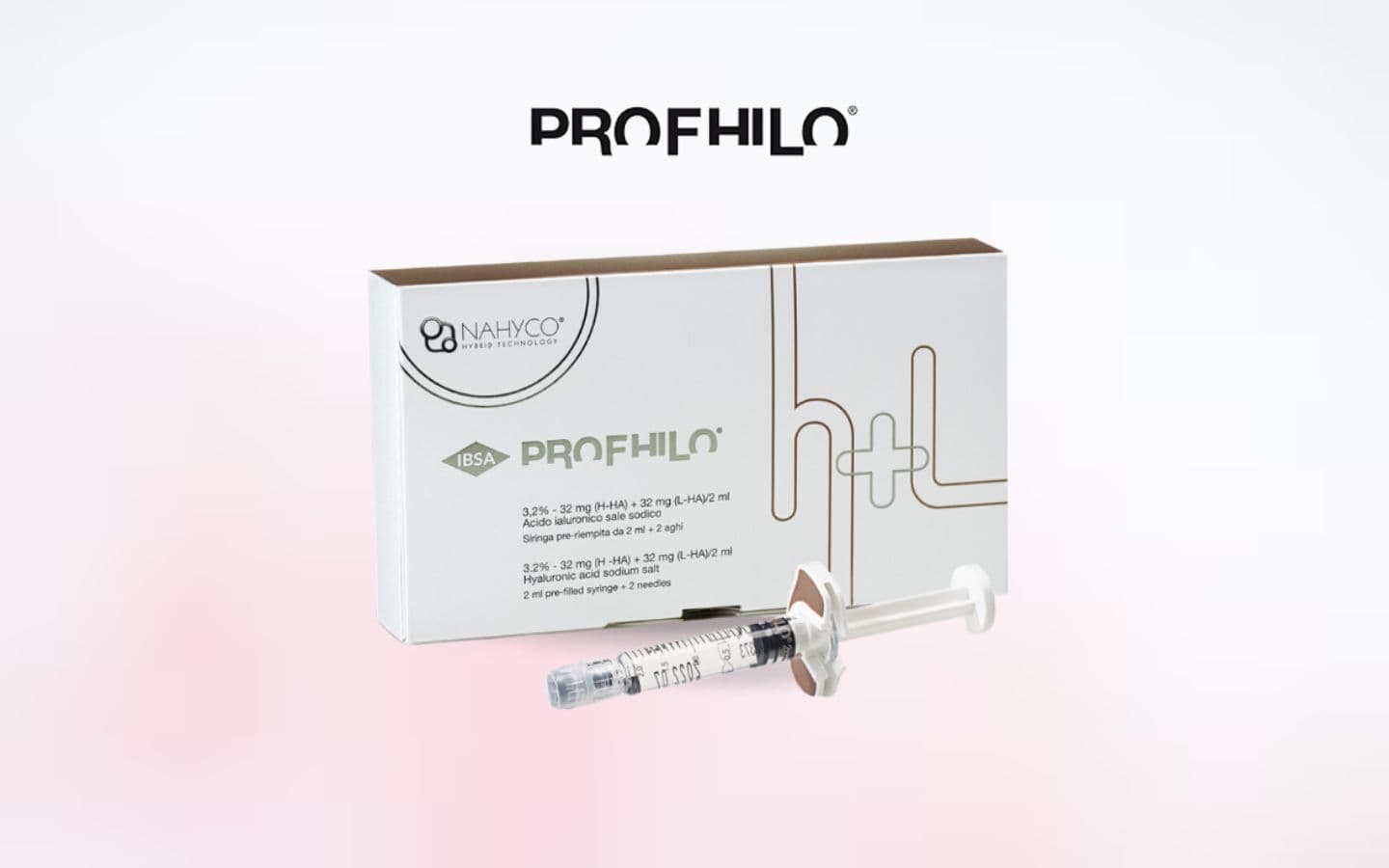
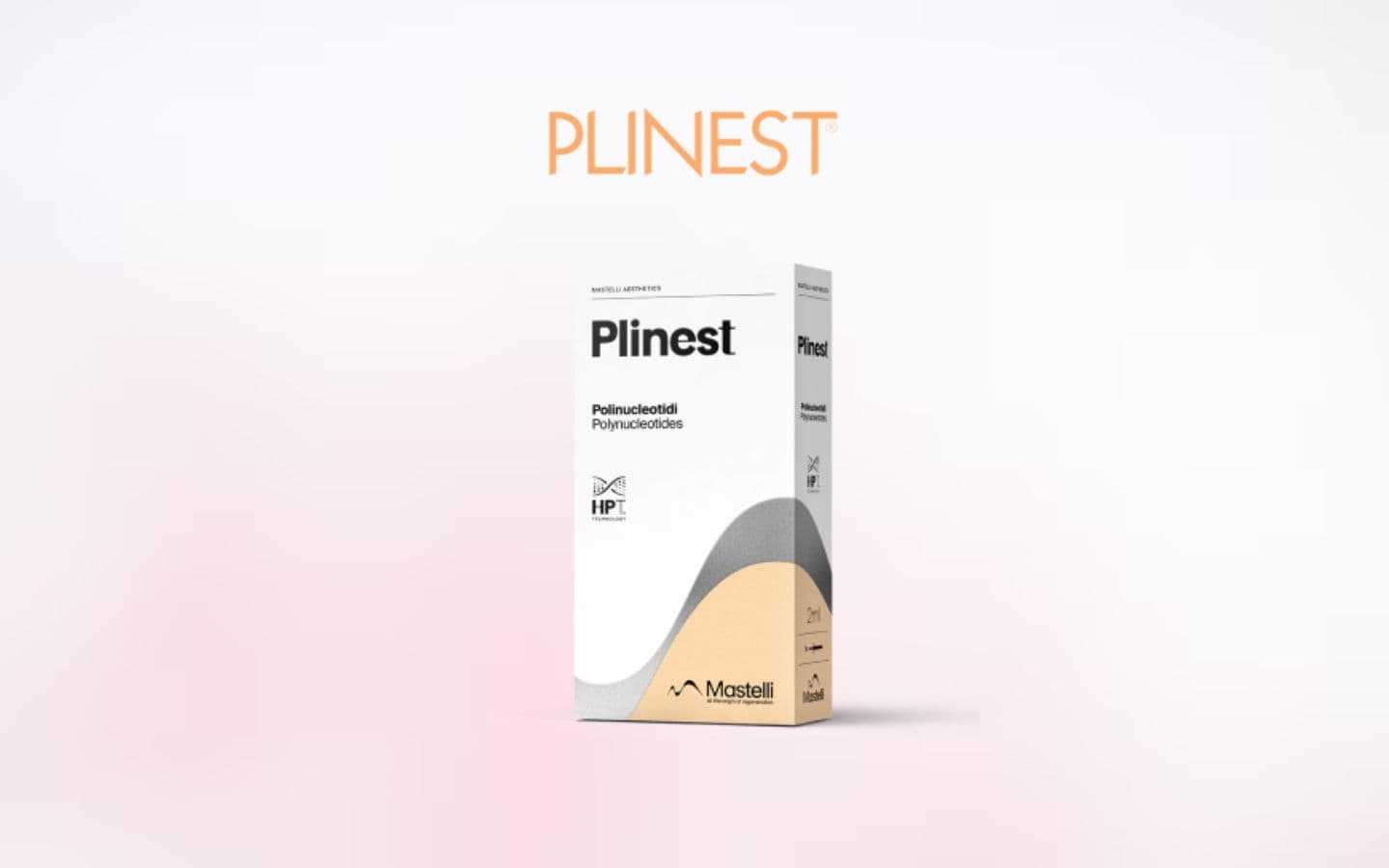
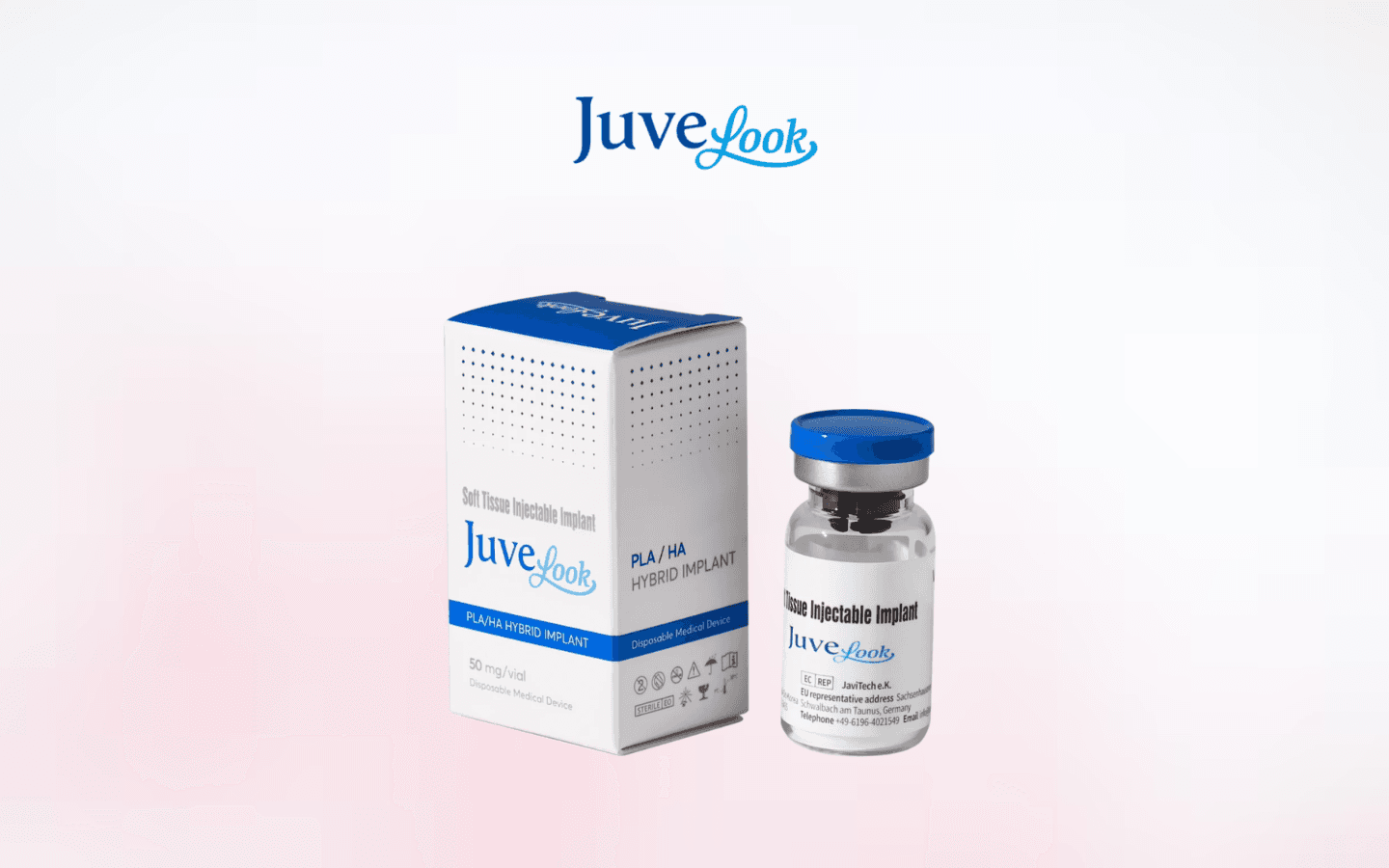
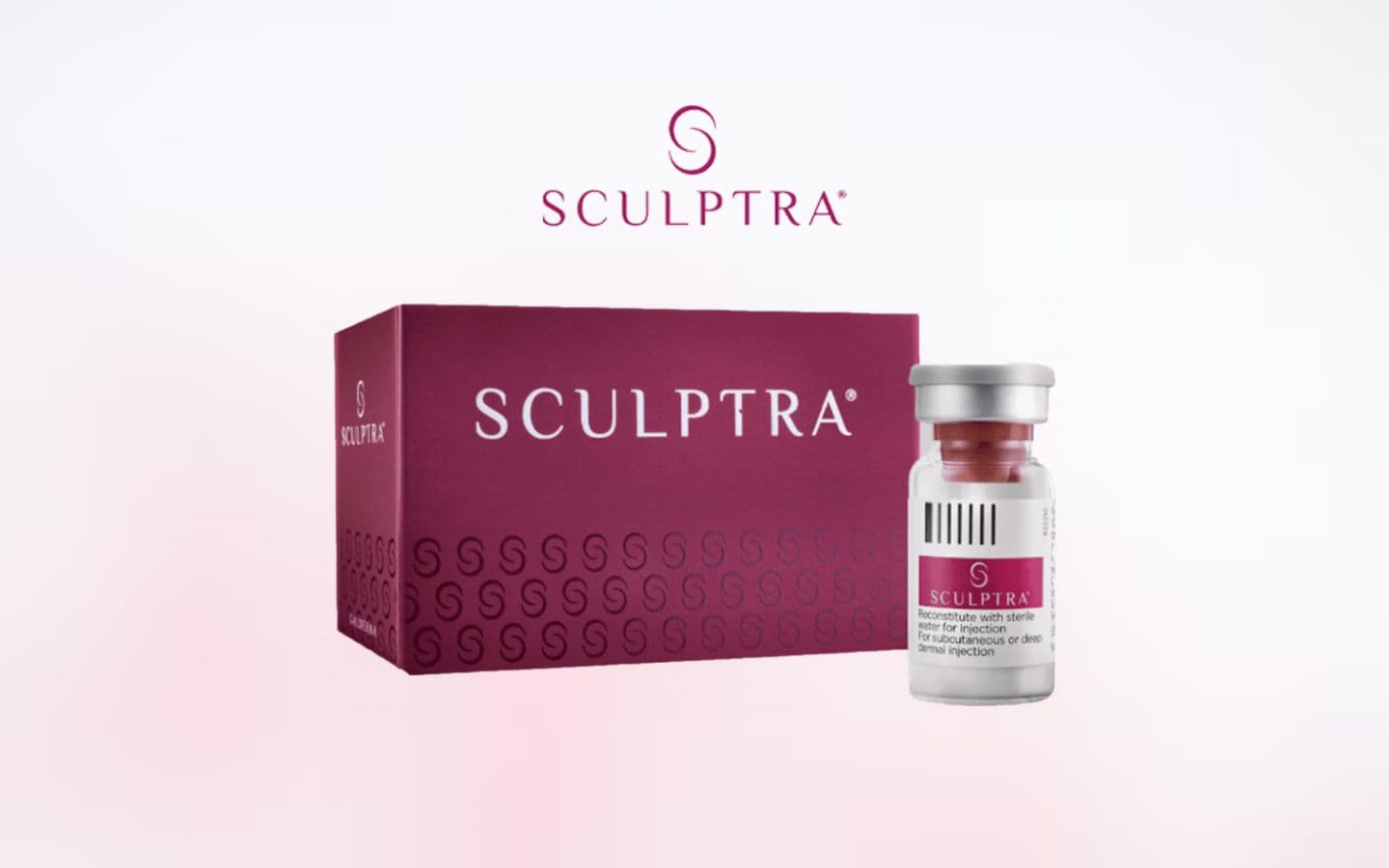
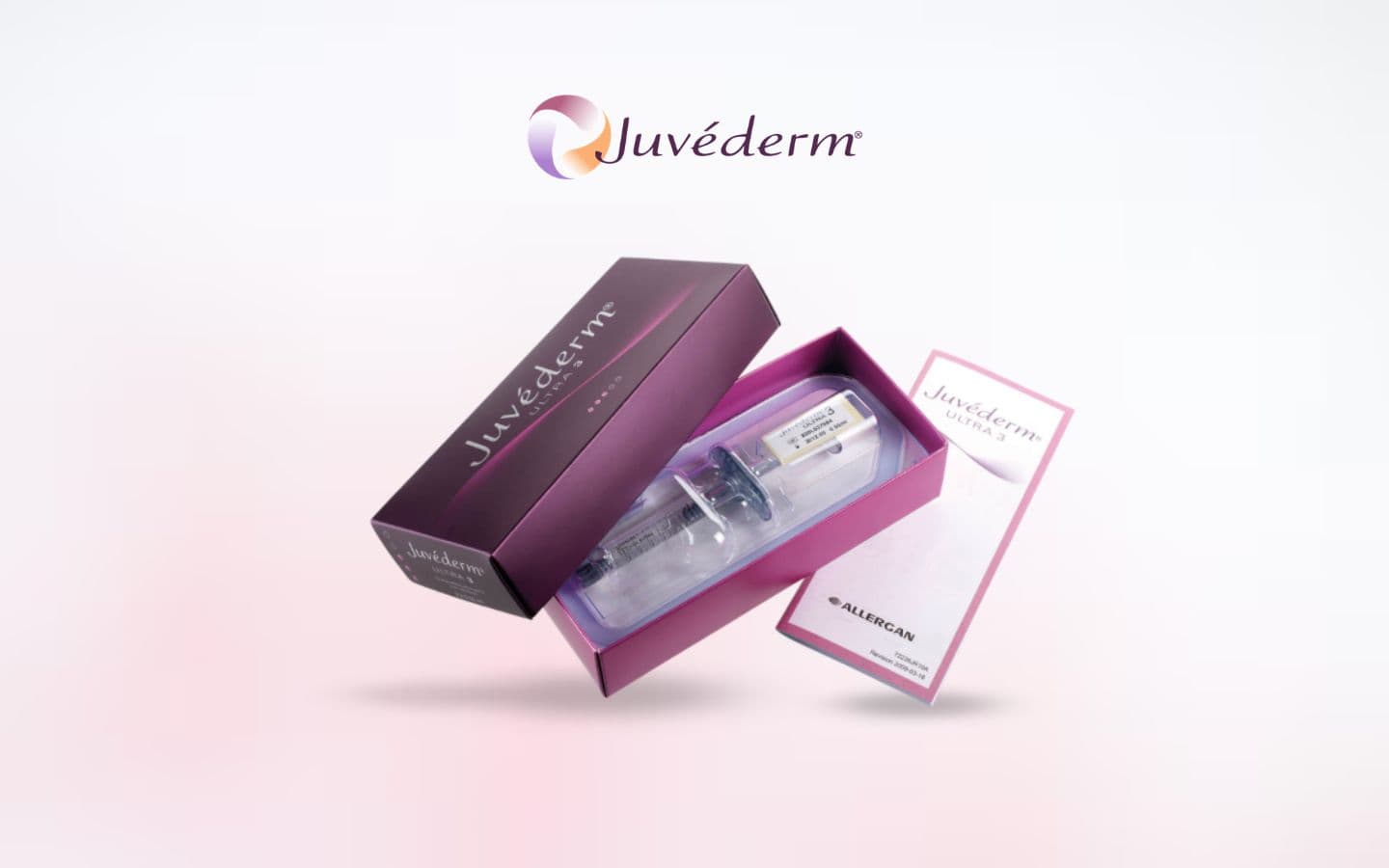
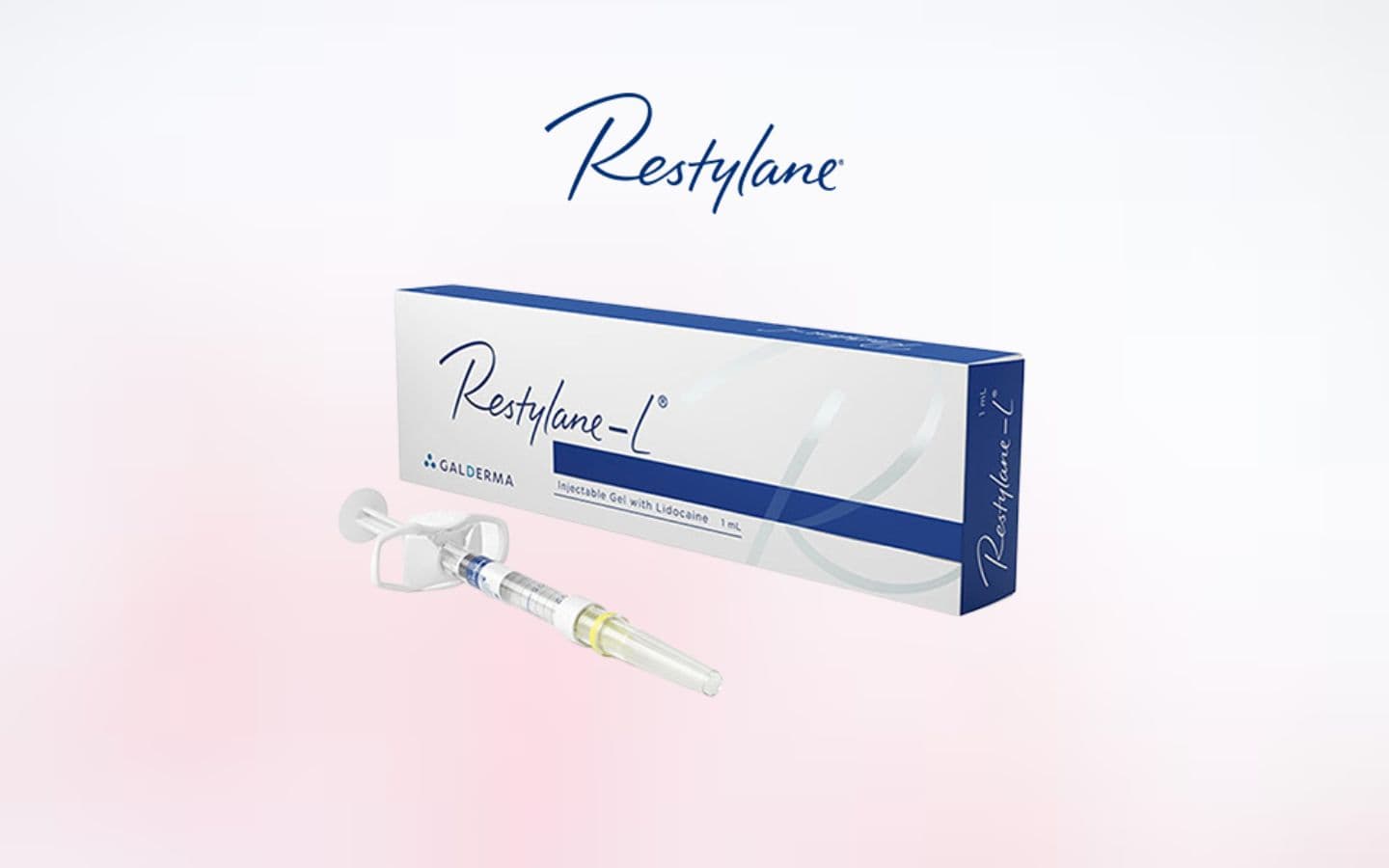
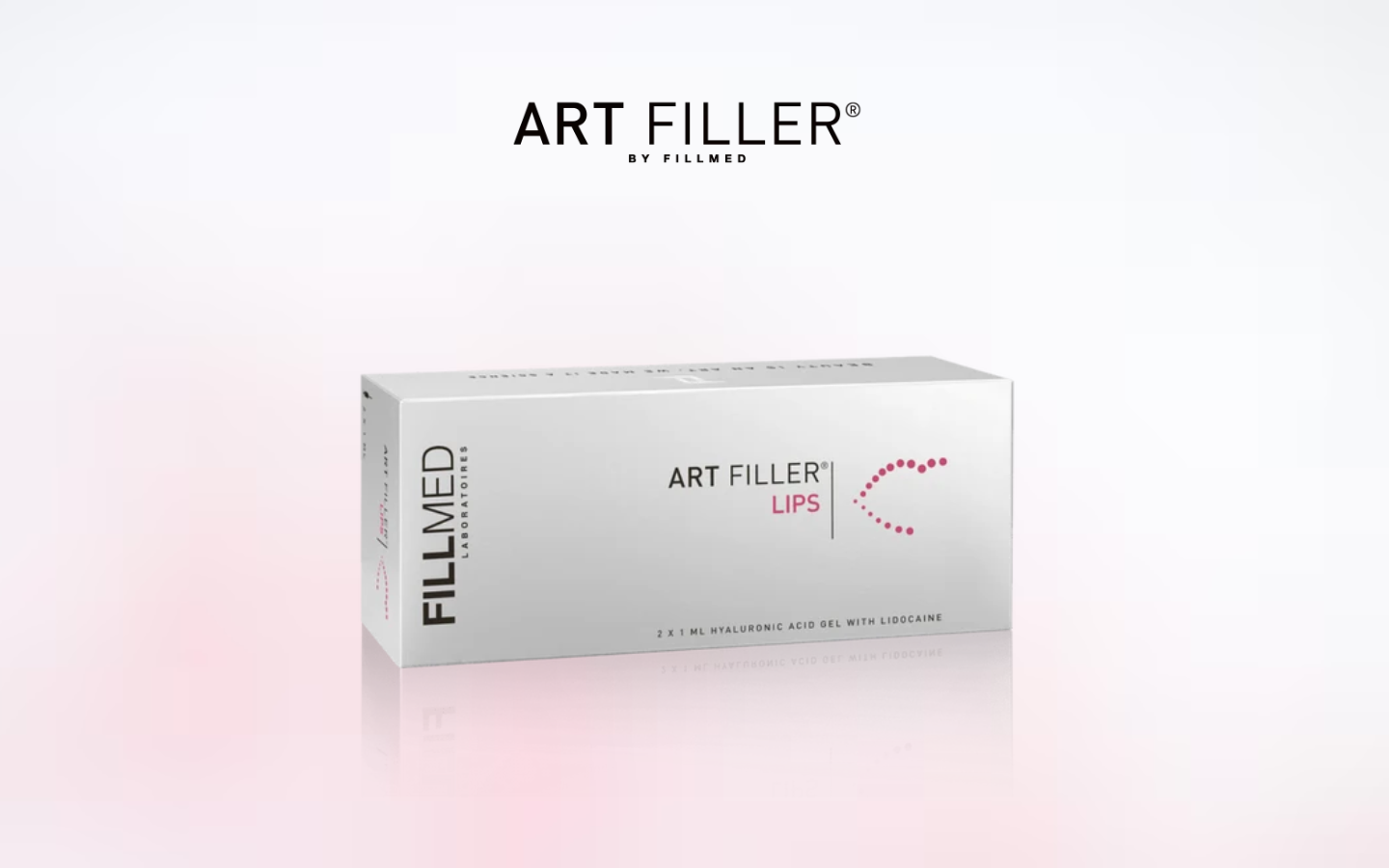
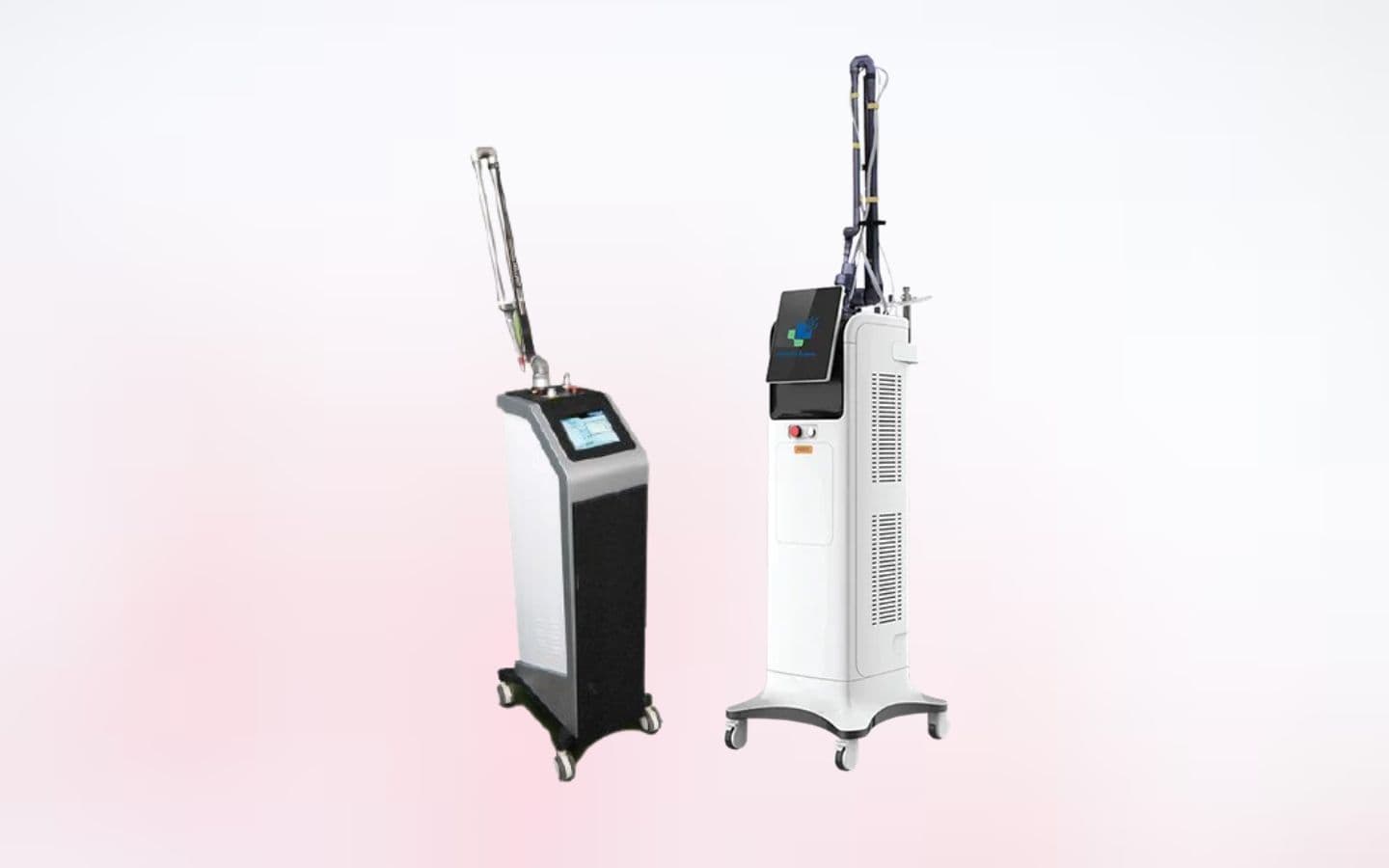
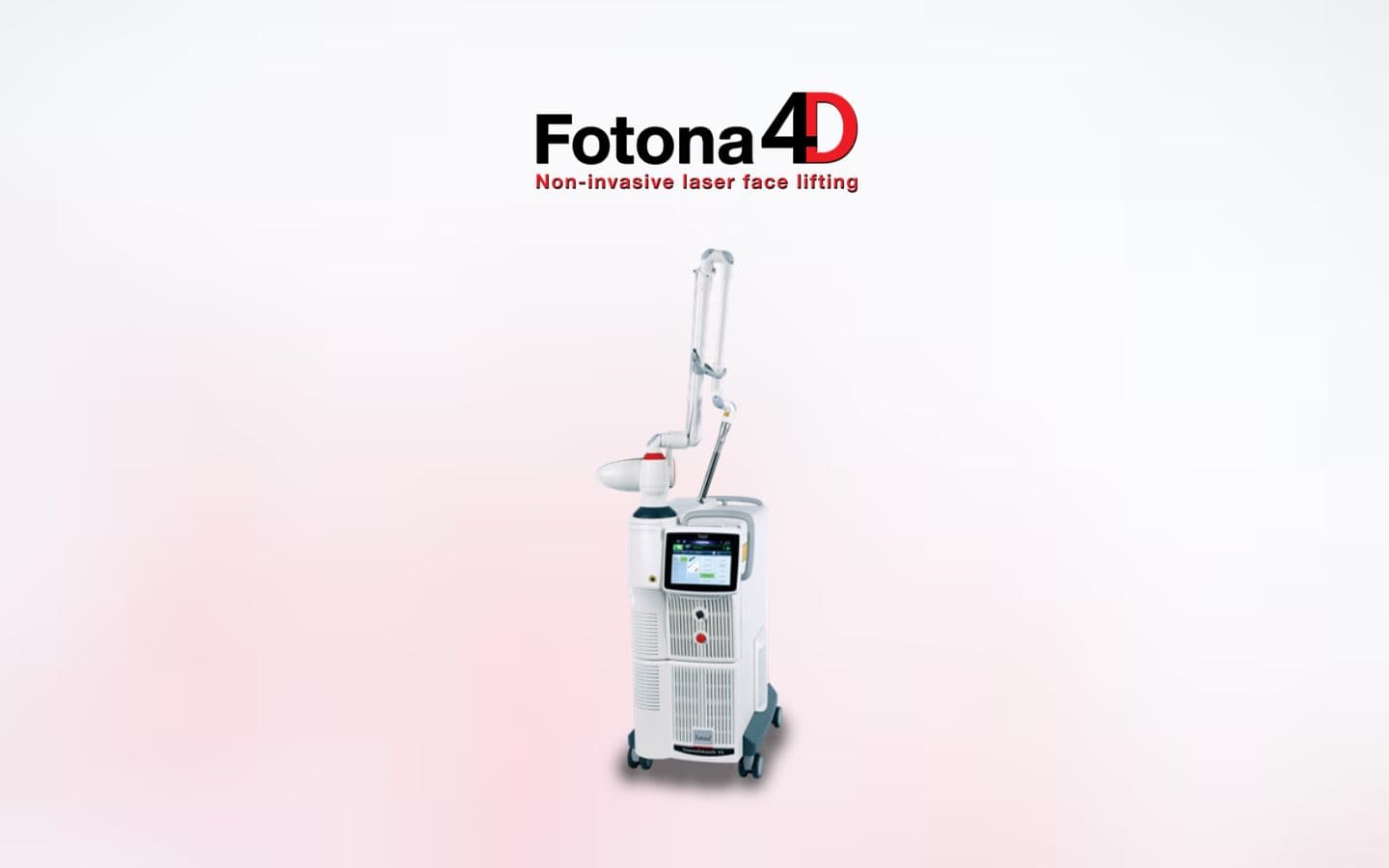
Technology used
Having more than one platform means the doctor can match the device to your skin type and to what is being treated, rather than fitting your skin to a single machine.







Risks and what to expect
Common and usually temporary
Redness, swelling, bruising, dryness, flaking and tenderness for a few days depending on the treatment. Laser-based treatment leaves the skin sensitive and requires careful aftercare while it recovers.Uncommon but important
Injectables carry a rare but serious risk of vascular occlusion, and collagen-stimulating products can occasionally form nodules under the skin. Energy-based treatment can, rarely, cause a burn or a small area of fat loss.Pigment change and Malaysian skin
Medium and deeper skin tones carry a higher chance of post-inflammatory hyperpigmentation after laser or energy-based treatment. Settings are chosen conservatively, sessions are spaced further apart, and daily sun protection is a condition of the plan rather than a suggestion.What treatment cannot do
Nothing here stops or reverses ageing. No device removes excess skin, and results are maintained rather than permanent.
Tell your doctor if you are pregnant or breastfeeding, take blood thinners, have an autoimmune or connective-tissue condition, use retinoids or acids, have a history of cold sores or keloid scarring, have had injectables, threads or facial surgery before, or have tanned recently.
What your first visit involves
Skin quality, tone, volume and firmness are assessed separately.
History
Your sun habits, smoking, skincare and previous treatments.
Examination
Sitting upright, sometimes under magnification.
Discussion and plan
Which change is leading, and a conservative first step.
Bring photographs of yourself from five or ten years ago: gradual change is hard to judge from a mirror.
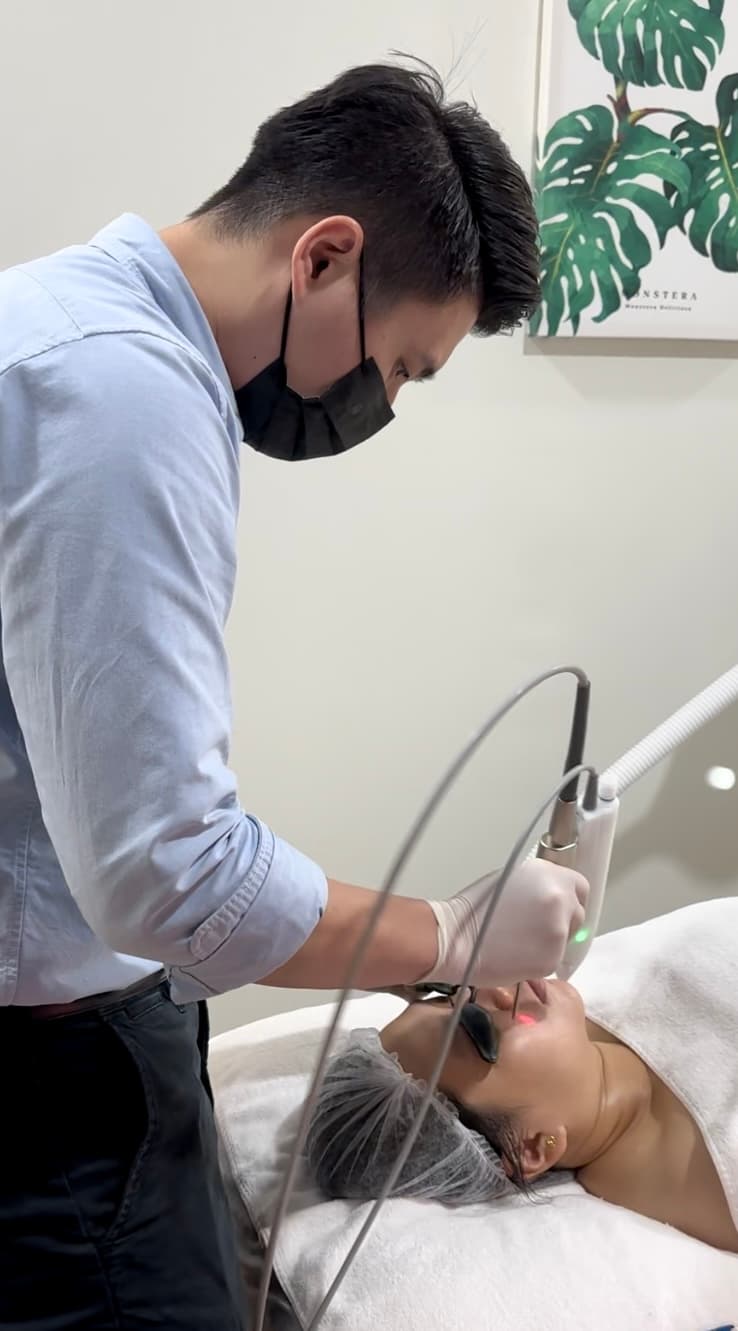
A laser session for skin ageing in progress. Settings are matched to your skin type, and gentler settings are often chosen for deeper skin tones.
What affects the cost
Pricing is set after assessment. It depends on:
- Which change is being treated, since skin quality, tone, volume and firmness are separate treatments.
- How many areas: face only, or including the neck, chest and hands.
- The device or product chosen, and how much of it your assessment calls for.
- How many sessions and over what period, which is set after assessment and adjusted at review.
- Whether the plan is staged across several treatments, which is common at this concern.
Common questions
Can skin ageing be prevented?
Not the intrinsic part, which is driven by genetics and time and happens to everyone. The extrinsic part is a different matter: cumulative UV exposure accounts for a large share of what people describe as ageing skin, and daily broad-spectrum sunscreen is by a distance the most evidenced thing you can do about it.
Does skincare make a real difference?
For skin quality, yes: sunscreen, well-formulated retinoids and antioxidants have reasonable evidence behind them and support any in-clinic plan. What skincare cannot do is restore lost volume, lift descended tissue or rebuild collagen at depth, so expectations should match the mechanism.
How soon will I see a difference?
It depends on the treatment. Collagen-stimulating and energy-based treatments build gradually over several months, and are often more noticeable to other people than to you.
Will treatment make me look unnatural?
That risk comes almost entirely from doing too much at once, particularly with volume. Conservative, staged treatment with a review point between stages is how it is avoided, along with a doctor willing to say that a request is not proportionate.
How long do the effects last?
Volume support is gradually broken down by the body over a period of months to years depending on the product and placement. Collagen-based change builds and then recedes.
Is laser treatment safe for Asian skin?
Yes, when the device and settings are chosen by a doctor experienced with your skin type. The specific consideration in medium and deeper tones is post-inflammatory hyperpigmentation, where the skin responds to treatment by producing extra pigment.
Should I treat my neck and hands as well?
They are worth assessing, and they are often noticeably more sun-damaged than the face because they are protected least. A face treated in isolation while the neck and hands are left can end up looking mismatched.
What is the difference between intrinsic and extrinsic ageing?
Intrinsic ageing is what your genes and the passage of time do regardless of how you live: gradual collagen decline, thinning skin, volume change. Extrinsic ageing is what environment and habits add on top, and it is dominated by UV exposure, with smoking, pollution and diet contributing.
Read next

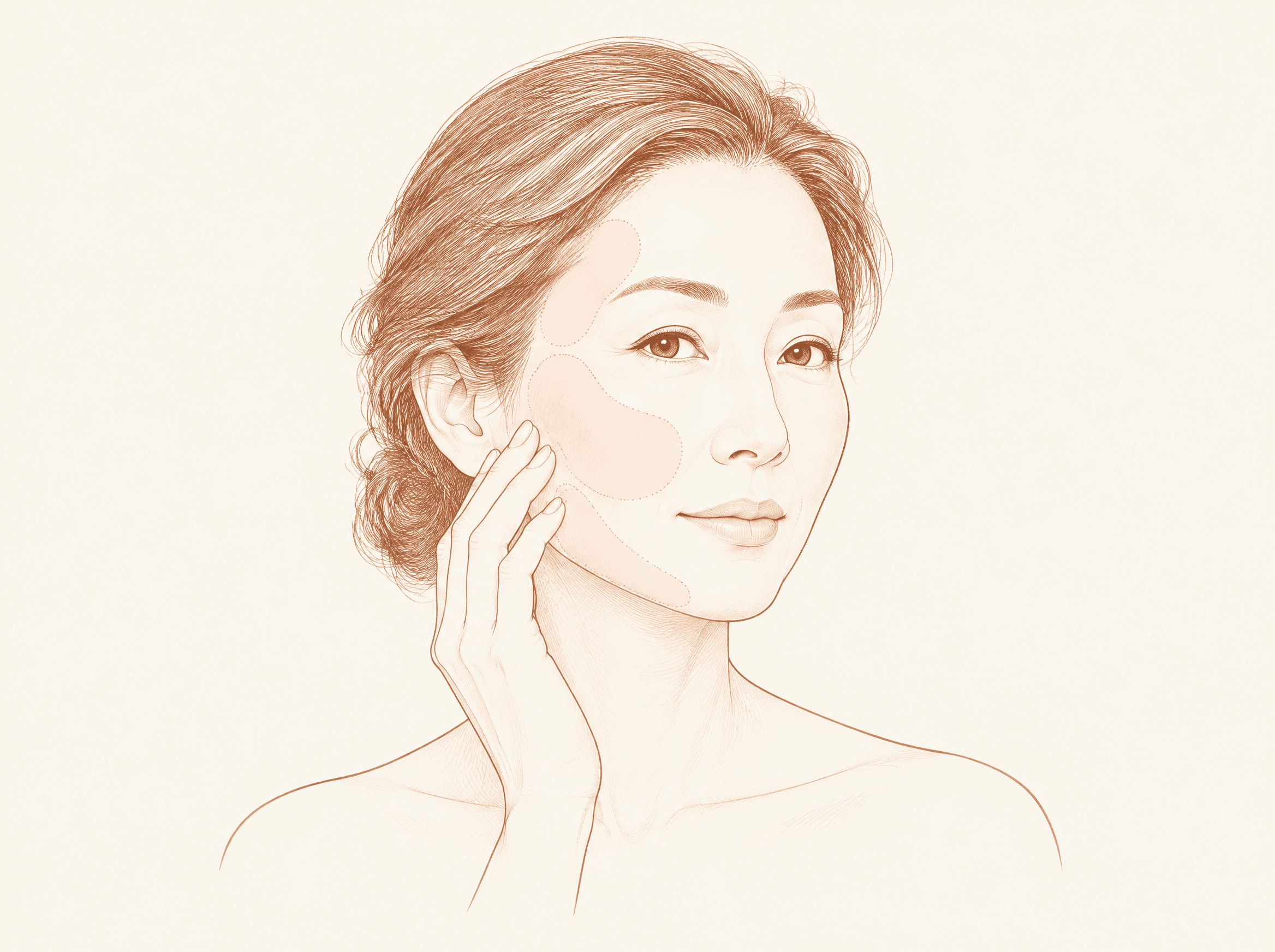



Related concerns
Fine Lines & Wrinkles
Lines are usually the first change people notice and name.Face Lifting
Firmness and laxity are assessed in more depth there.Pigmentation
Sun damage drives tone change alongside everything else.
Map what's actually changing
The consultation is free, takes about 20 to 30 minutes, and there is no obligation to book treatment afterwards. A doctor will examine your skin and talk you through what is, and is not, worth doing.
Book a free consultationMedically reviewed by

Dr Jacqueline Tan
Aesthetic Physician
MBBS, LCP Board Certified, MSc (UCSI) · MMC 83965
Dr. Jacqueline Tan graduated from IMU with a Bachelor of Medicine & Surgery (MBBS). She started her career as a doctor and has completed her 2 years compulsory service as a house officer in government hospital. She continued her medical journey as a medical officer in the Emergency Department to enhance her skill and experience in resuscitation. Being involved in emergency cases, her nature is being calm, empathic and determined.
View full profile- Reviewed by
- Dr Jacqueline Tan, MMC 83965
- Last reviewed
- 10 Jun 2026
- Next review due
- 10 Jun 2027