
Injectables
Juvederm
A cross-linked hyaluronic-acid dermal filler range from Allergan Aesthetics, built on the manufacturer's VYCROSS® gel technology and spanning soft gels for fine lines through to firm gels used for structural contour.
Free consultation, no obligation.
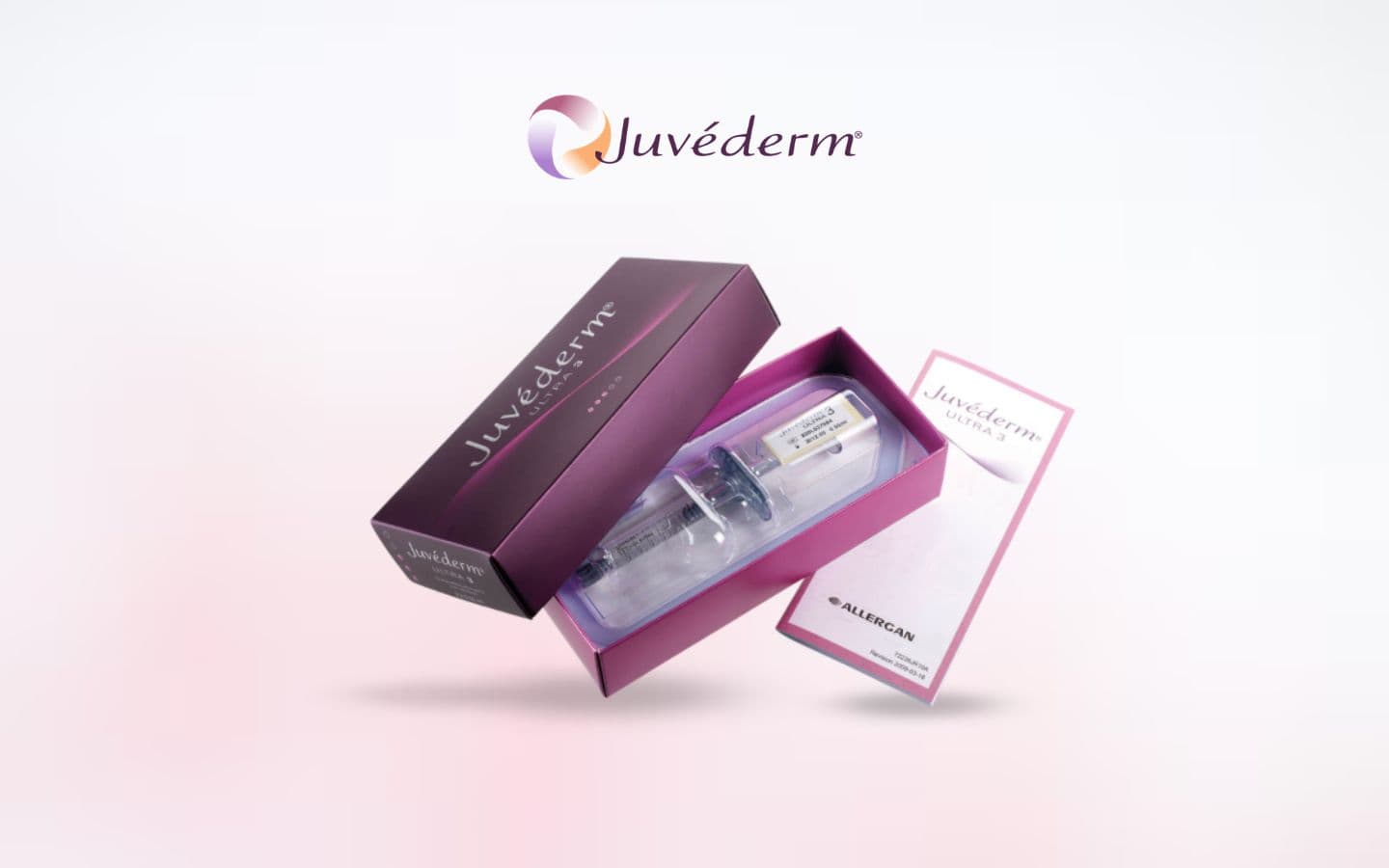
- Cross-linked HA (VYCROSS)
- Gel technology
- Allergan Aesthetics
- Manufacturer
- Dermal fillers
- Used within
In brief
Juvederm is a range of hyaluronic acid dermal fillers from Allergan Aesthetics, built on the manufacturer's VYCROSS gel technology. Hyaluronic acid on its own breaks down within days, so it is cross-linked into a gel; the range spans soft gels for fine lines through to firm gels used for structural contour.
What is Juvéderm?
Juvéderm is a collection of injectable hyaluronic-acid (HA) dermal fillers made by Allergan Aesthetics, an AbbVie company. Hyaluronic acid occurs naturally in skin, and the HA in every Juvéderm gel is of non-animal origin. Because HA on its own would break down within days, it is chemically cross-linked into a gel so it can sit in the tissue and provide volume and support. Several Juvéderm gels are also supplied with lidocaine included to support injection comfort.
What distinguishes Juvéderm from other HA ranges is not the raw ingredient (all four of the main filler families used at Kaiteki are cross-linked HA), but the gel engineering. Allergan Aesthetics markets most of the current range on a cross-linking platform it calls VYCROSS®, and the range is deliberately graded from soft, spreadable gels through to firm gels used where structural support is the goal. Juvéderm is used within Kaiteki's dermal fillers treatment. Which filler family suits you, if any, and which gel within it, is a clinical decision your doctor makes at an in-person consultation.
How VYCROSS® gel technology works
Allergan Aesthetics describes VYCROSS® as a cross-linking process that combines shorter-chain and longer-chain hyaluronic acid in the same gel, which the manufacturer says produces a smooth, cohesive gel. That cohesivity is the practical point for a comparison shopper: it influences how the gel behaves once placed: how readily it spreads, how much it resists deformation, and therefore which part of the face it is used in. The manufacturer also reports that tissue integration was demonstrated for gels including Volbella, Volift, Voluma and Volux in animal in-vivo studies.
How long does Juvéderm last, and can it be dissolved?
Duration is finite: hyaluronic-acid fillers are gradually broken down by the body, and Allergan Aesthetics reports duration in clinical studies as varying by product and treatment area. Top-up intervals are individual and depend on the area, the gel used and your own metabolism.
Because Juvéderm is a hyaluronic-acid filler, it can be dissolved with an enzyme called hyaluronidase where a doctor judges this clinically indicated. This is a medical procedure with its own risks and assessment, not a routine undo button, and it is not appropriate in every situation. Discuss reversibility with your doctor before treatment so you understand what is and is not possible.
Where on the face is each Juvéderm gel used?
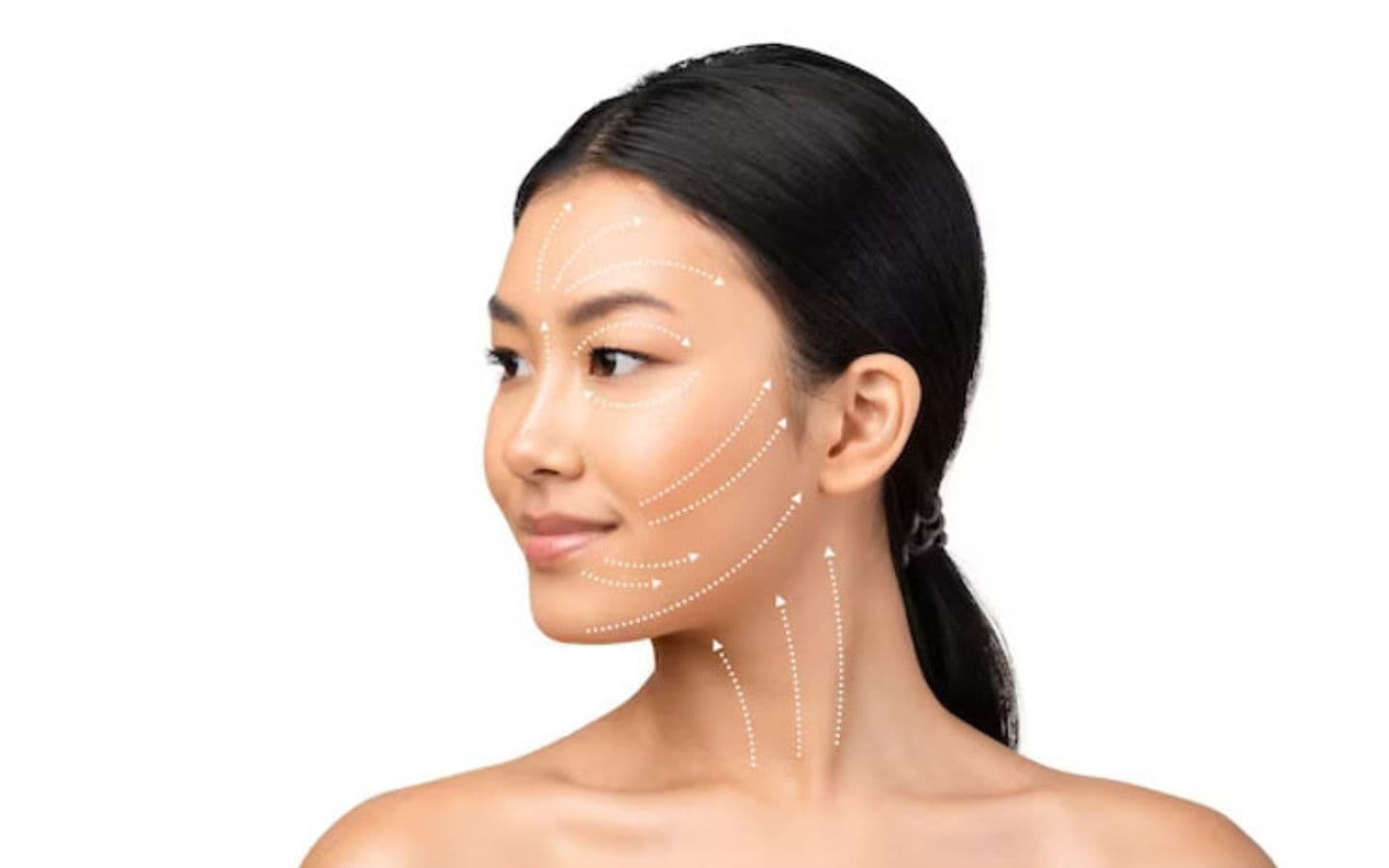
The range is graded by firmness rather than sold as one product. Softer, lower-firmness gels such as Volbella are used in delicate areas including the lips and perioral lines; mid-range gels such as Volift are used for facial lines and folds; firmer gels such as Voluma and Volux are used where projection and contour definition are the objective, for example the mid-face or jawline. Allergan Aesthetics states that duration in clinical studies varies by the area treated and the specific filler used. Product selection, placement and quantity are decided by the treating doctor after assessing your face in person. Results vary between individuals.
Juvéderm gels are commonly considered for the following concerns as part of an individually planned dermal filler treatment. Being on this list does not mean the treatment is appropriate for you. That is determined at consultation.
- Loss of mid-face or cheek volume
- Nasolabial folds and marionette lines
- Lip volume and lip definition
- Perioral lines around the mouth
- Chin projection and jawline contour
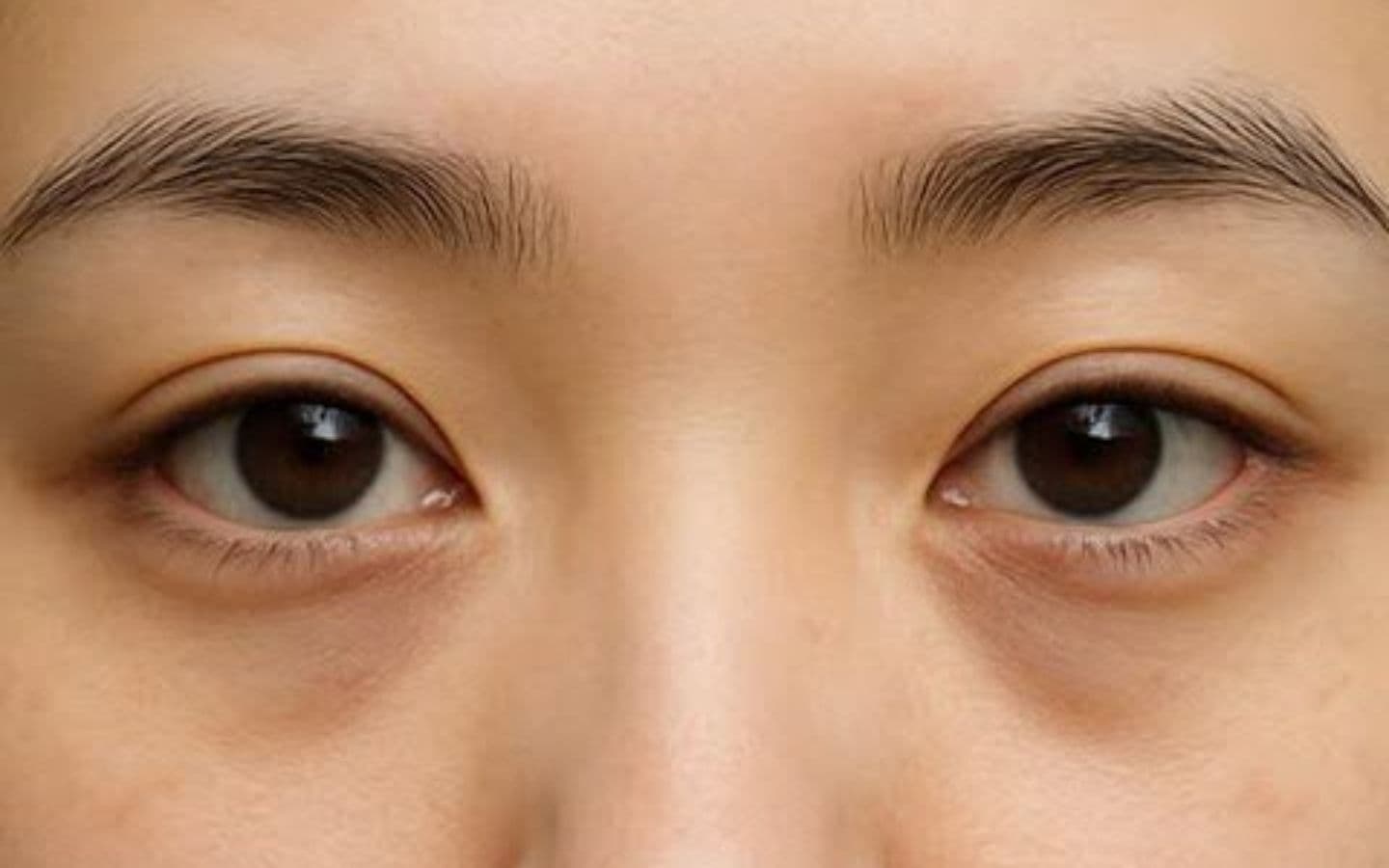
- Under-eye hollowing, where clinically appropriate
Who should not have Juvéderm, according to the manufacturer?
Juvéderm is aimed at adults seeking volume replacement or contour support rather than skin-surface texture change. The manufacturer notes that formulas in the collection were studied across Fitzpatrick skin types I to VI, and HA fillers are not light-based, so skin tone itself is not the limiting factor it can be with lasers. Suitability instead depends on your facial anatomy, your concern, and your medical history.
The manufacturer advises against treatment where there is known hypersensitivity to hyaluronic acid or to lidocaine and amide-type local anaesthetics, a history of severe allergy or anaphylaxis, or active inflammation or infection at the intended site. Fillers are generally not used during pregnancy or breastfeeding. Tell your doctor about autoimmune conditions, blood-thinning or immune-modulating medication, previous filler or any permanent implant in the area, and any recent or planned laser, peel or dental work, so a full assessment can be made before anything is injected.
How long does a Juvéderm appointment take, and when does the swelling settle?
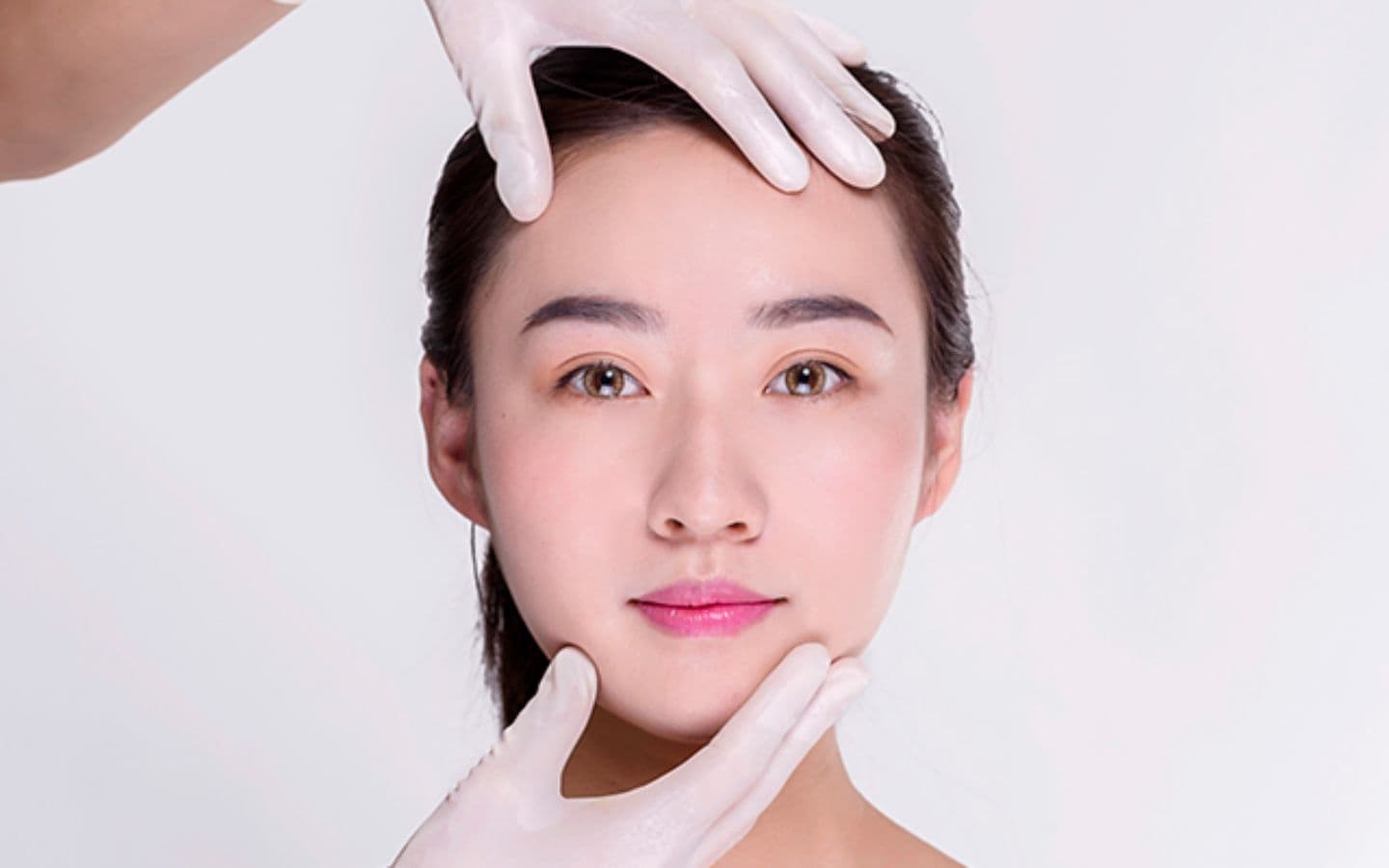
Every filler visit begins with a doctor consultation: your concern, your medical history and an assessment of your facial proportions. If treatment is appropriate, the doctor discusses which areas to address and in what order, and explains the risks before you consent. The skin is cleansed and a topical anaesthetic may be applied; many Juvéderm gels also contain lidocaine, which contributes to comfort during injection. The gel is then placed in small increments using a needle or cannula, depending on the area and the doctor's judgement.
Injection time for a single area is typically short, often within 15 to 30 minutes once preparation is complete, although a multi-area plan takes longer. Many plans are staged across more than one visit rather than treating everything at once, and a review appointment is commonly arranged so the doctor can assess how the area has settled. Product choice, placement and quantity are the treating doctor's decisions, never a fixed formula.
Most people return to normal activity the same day, but swelling, tenderness and bruising at injection points are common in the first few days and vary considerably between individuals: the lips and under-eye area tend to swell more visibly than the cheeks or jawline. If you have a significant event coming up, allow a comfortable margin and discuss timing at consultation.
Your doctor will give aftercare guidance for the specific area treated. This usually includes avoiding pressure or massage on the treated site, keeping strenuous exercise, heat exposure and alcohol to a minimum for a short period, and contacting the clinic promptly rather than waiting if anything feels unusual.
What are the risks of Juvéderm, and which symptoms are urgent?
As with any injectable medical device, Juvéderm carries risks, and these are explained to you at consultation before you consent. Temporary effects can include redness, swelling, bruising, tenderness, firmness or small lumps at the injection site, and occasionally discolouration. Less common effects include infection, inflammatory nodules and delayed hypersensitivity. The most serious recognised risk of any dermal filler is vascular occlusion, filler entering or compressing a blood vessel, which can affect the skin or, rarely, vision. It is uncommon, but it is the reason fillers must be administered by a doctor trained in facial anatomy and in managing complications, and the reason you should report sudden pain, skin blanching or any visual change immediately.
Concerns this injectable addresses
Whether it is the right choice for any of these is a decision for a doctor who has examined your skin.


Treatments that use Juvederm
Back to all devices and injectables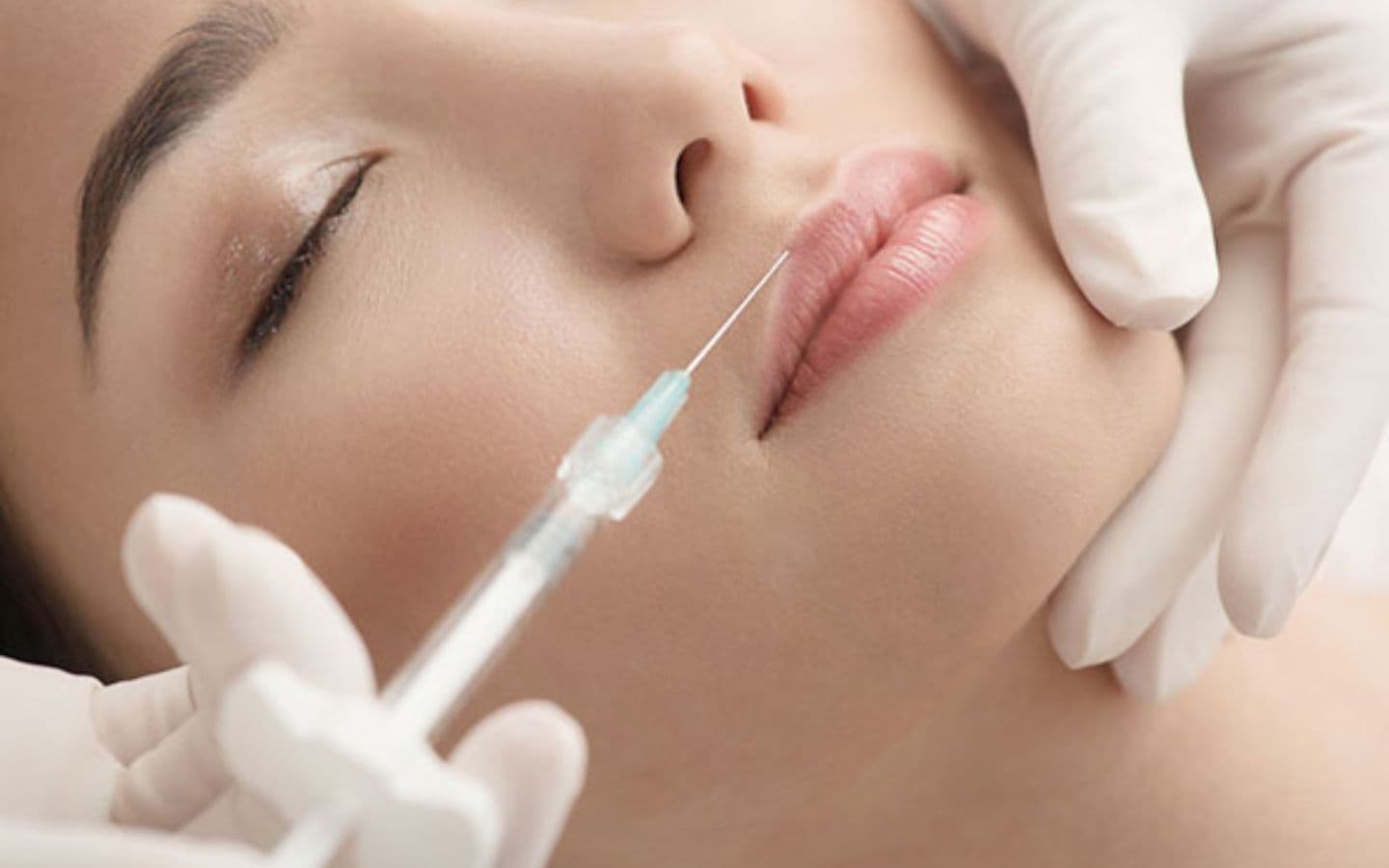
What affects the number of sessions, and the cost
Pricing is discussed at consultation rather than quoted online. Filler cost is driven by what your anatomy actually calls for, which is why an online figure would be meaningless. What moves it:
- How many areas are being addressed.
- Which gel in the range is clinically appropriate for each of them. Firmer structural gels and delicate-area gels are not interchangeable, so a plan is priced around what the doctor selects rather than a single per-area rate.
- How much product your anatomy actually calls for.
- How often top-ups are needed, which is individual.
Other injectables we use
These address overlapping concerns. Which one suits you is a decision for a doctor who has examined your skin, not a choice to make from a page.
Common questions
What is the difference between the Juvéderm gels, and how does the doctor choose?
The range is graded by gel firmness rather than being one product. Softer gels are used in delicate areas such as the lips and fine perioral lines, while firmer gels are used where projection or contour definition is the objective, such as the mid-face, chin or jawline. Choosing between them depends on the area, your facial anatomy and how much support the tissue needs. That selection is your doctor's decision after an in-person assessment.
Is Juvéderm safe for Asian skin tones?
Hyaluronic-acid fillers do not rely on light or heat, so skin tone is not the limiting factor it can be with laser treatments, and the manufacturer notes the collection was studied across Fitzpatrick skin types I to VI. What matters far more is facial anatomy and your medical history. Your doctor assesses both at consultation before deciding whether filler is appropriate for you.
Can Juvéderm be reversed if I do not like the result?
Because Juvéderm is a hyaluronic-acid filler, it can be dissolved with an enzyme called hyaluronidase where a doctor judges this clinically indicated. This is a medical procedure with its own risks and assessment, not a routine undo button, and it is not appropriate in every situation. Discuss reversibility with your doctor before treatment so you understand what is and is not possible.
How long does Juvéderm last?
Hyaluronic-acid fillers are gradually broken down by the body, so the effect is not permanent. Allergan Aesthetics reports duration in clinical studies as varying according to which gel is used and which area is treated, and individual metabolism, the area's movement and the amount placed all influence it. Your doctor will give you a realistic expectation for your own plan at consultation.
Read next



Book a free consultation
The consultation is free, takes about 20 to 30 minutes, and there is no obligation to book treatment afterwards. A doctor will examine your skin and tell you whether Juvederm is appropriate, and if it isn’t, what would be.
Ask about thisMedically reviewed by

Dr Say Wei Xian
Aesthetic Physician
MBBS, MAC · MMC 103512
Dr Say Wei Xian is a medical doctor, graduating from International Medical University (IMU). She spent her medical officer years in ophthalmology, where she developed strong precision through microsurgical and laser-based procedures.
View full profile- Reviewed by
- Dr Say Wei Xian, MMC 103512
- Last reviewed
- 18 Jul 2026
- Next review due
- 18 Jul 2027
This page is general information about aesthetic treatments and is not medical advice. Treatments carry risks that are explained during consultation, and individual results vary. A doctor will assess whether a treatment is suitable for you before it is carried out.