
Injectables
Dermal Fillers
Hyaluronic-acid injectable fillers used to add volume and support facial contour.
Free consultation, no obligation.

- 15-30 min
- Typical session time
- One visit, or staged across several
- Typical sessions
- 1-3 days
- Downtime
On this page
In brief
Dermal fillers are hyaluronic-acid (HA) based injectables used by a doctor to add volume or support the shape of specific facial areas. At Kaiteki these include Juvederm, Restylane, Belotero and Art Filler. Filler is placed into the face by a doctor, so facial structure and your medical history are assessed before any product, plane or plan is chosen.
Results from Kaiteki patients
Before and after photos of patients treated at Kaiteki for fine lines & wrinkles, dark eye circles, face contouring, face lifting and aging. A plan may combine more than one treatment.
10 photos · tap one to enlarge
Forehead lines, before and after treatment at Kaiteki
Under-eye area, before and after a course of treatment at Kaiteki
Chin projection, before and after treatment at Kaiteki
Facial firmness, before and after a course of treatment at Kaiteki
Skin tone and texture, before and after a course of treatment at Kaiteki
Forehead lines, before and after treatment at Kaiteki
Under-eye hollowing, before and after treatment at Kaiteki
Cheek support and proportion, before and after treatment at Kaiteki
Facial firmness, before and after a course of treatment at Kaiteki
Overall skin quality, before and after a course of treatment at Kaiteki
Photographs of Kaiteki patients, published with consent. Individual results vary and are not guaranteed. These images are not a promise of outcome. A doctor will assess whether any treatment is suitable for you.
What are dermal fillers?
Dermal fillers are injectable gels based on hyaluronic acid (HA), a substance naturally present in skin. They are formulated to sit within the tissue and provide volume or support directly once injected.
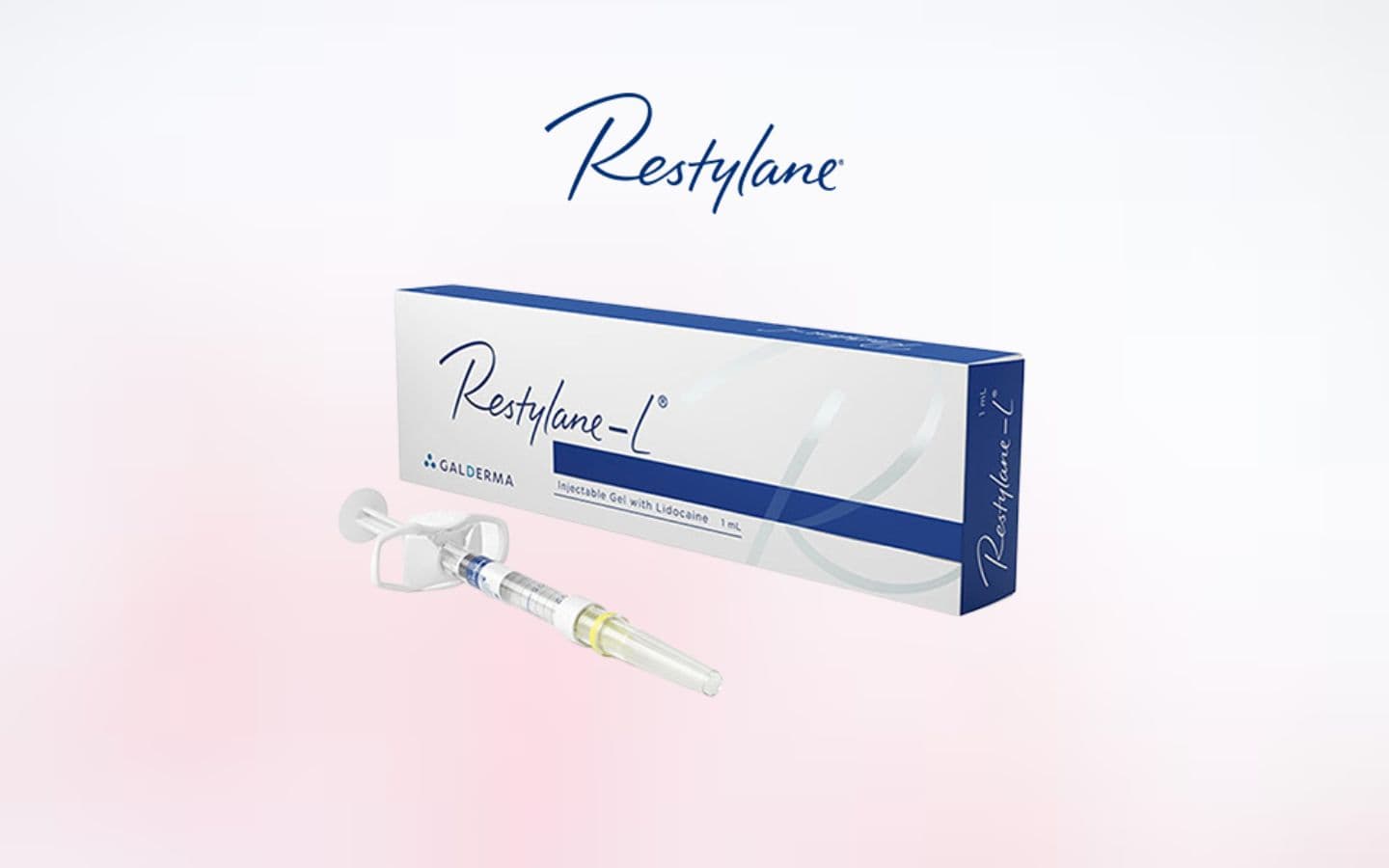
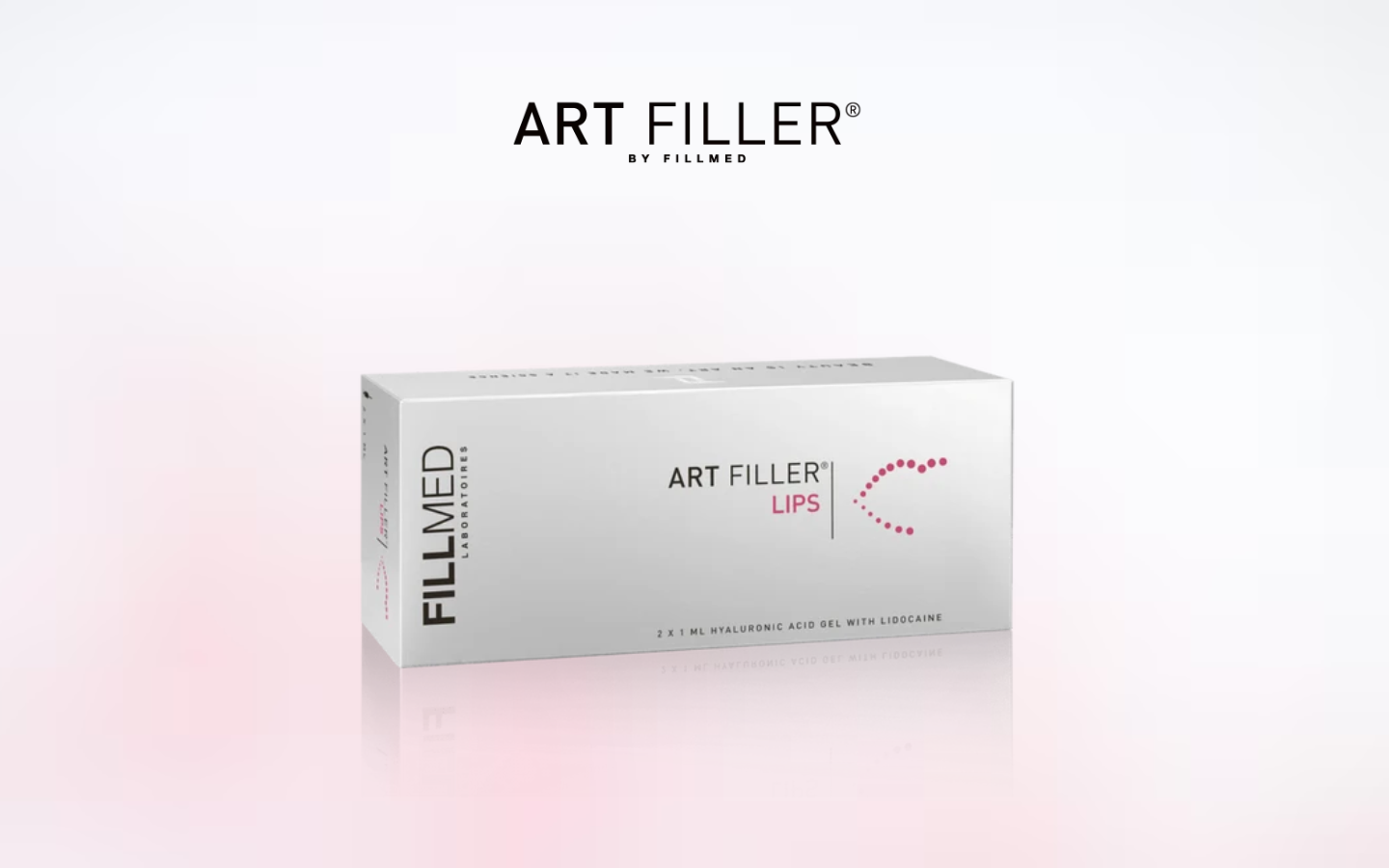
At Kaiteki the ranges are Juvederm, Restylane, Belotero and Art Filler (Laboratoires Fillmed).
Fillers are commonly considered for volume loss in the cheeks or temples, definition of the chin, jawline or nose bridge, static lines such as nasolabial folds and marionette lines, and lip volume and shape.
How does a hyaluronic acid gel add volume?
HA fillers are injected into targeted layers of the skin or the tissue beneath it, where the gel is intended to provide volume or structural support at the treated site.
Formulations differ in thickness and in how they behave in tissue, which is why the doctor matches the product and technique to the area. The effect is present from injection and continues to settle over the following days.
Concerns this treatment addresses
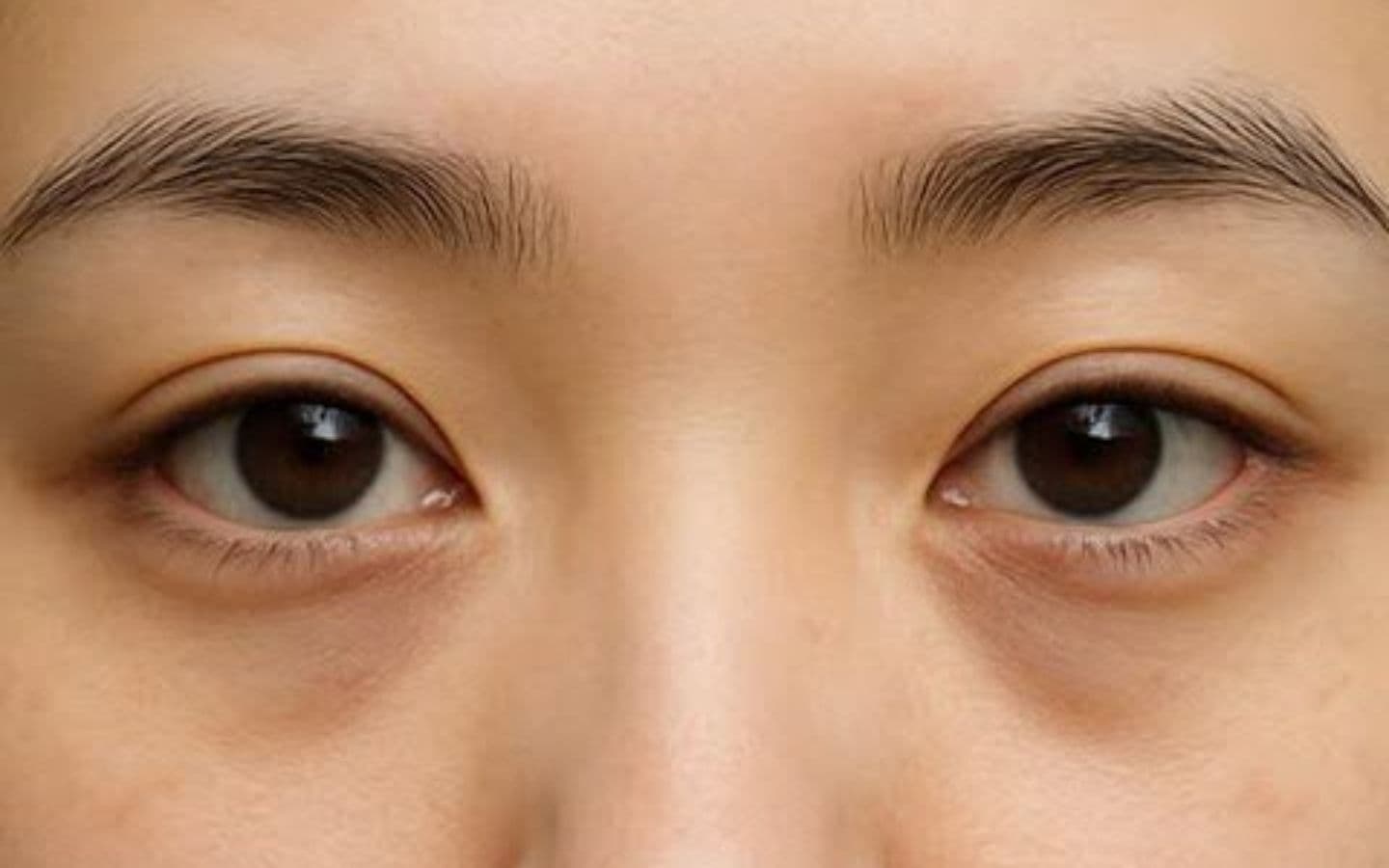
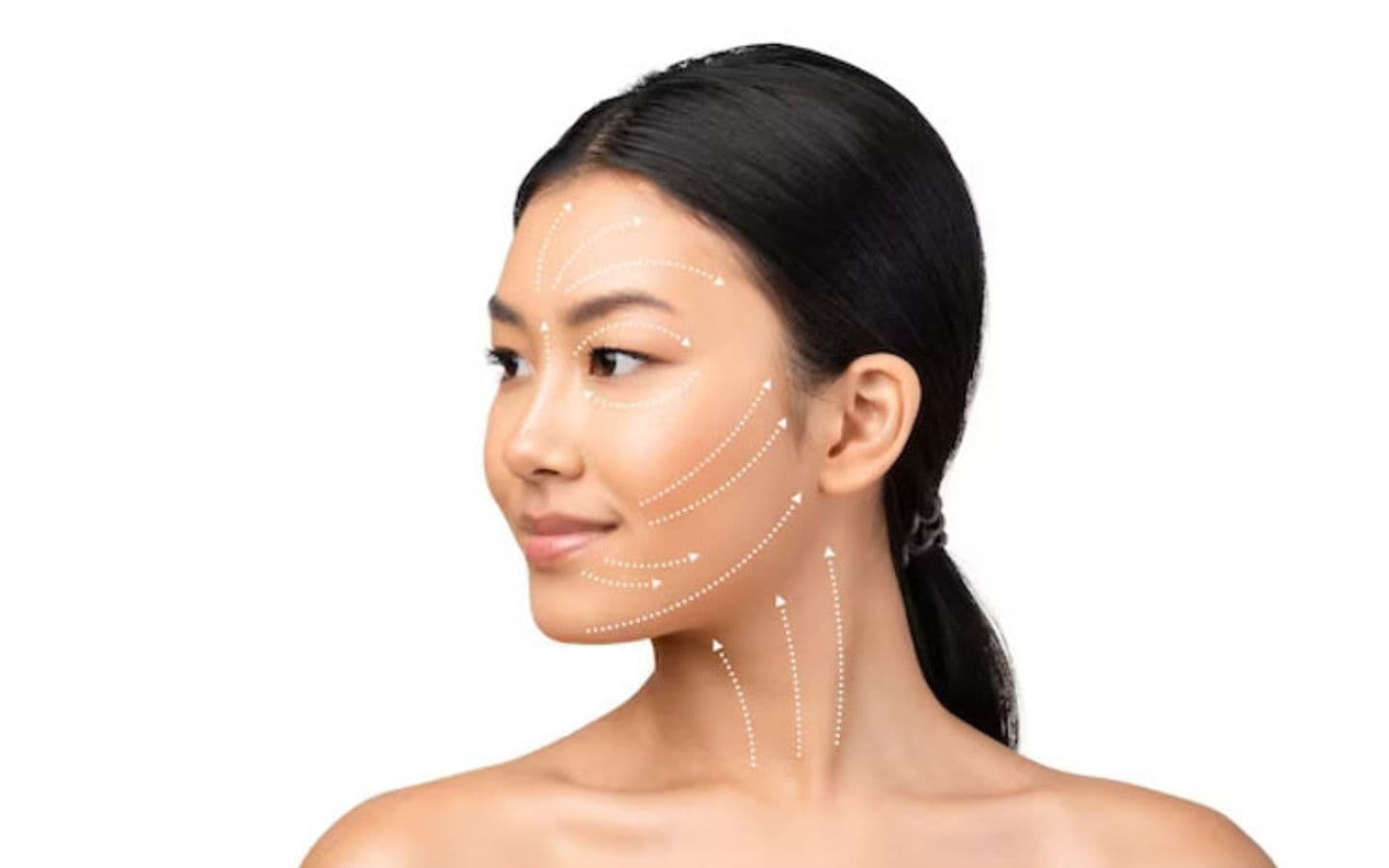
Each of these pages covers what the concern is and every option considered for it, not only Dermal Fillers.



Who should postpone or avoid it
Bring your medical history, medications and allergies, including any autoimmune condition and any blood-thinning or immune-modulating medication.
- Pregnancy or breastfeeding. Filler is generally not used.
- Active skin infection or open lesions in the area to be treated.
- A known allergy to hyaluronic acid, lidocaine or amide-type local anaesthetics, or a history of severe allergy or anaphylaxis.
- Previous filler or a permanent implant in the area, which the doctor needs to know about first.
What a session involves
Consultation and facial assessment
Your first visit is a consultation, not a treatment. The doctor assesses your facial proportions and medical history, decides which areas to address and in what order, and explains the risks before you consent.
Product and preparation
After a facial assessment, the doctor selects a product for the area, cleanses the skin and, where relevant, applies topical numbing before injecting.
The injections
The gel is placed in small increments with a needle or a cannula. A single area often takes 15 to 30 minutes once preparation is done, and many plans are staged across more than one visit.
Review
A review appointment is commonly arranged so the doctor can assess the area once the swelling has settled.
After a session
Mild swelling, redness, bruising or tenderness at the injection sites commonly settles within a few days to about a week. Follow the aftercare you are given, which may include avoiding certain activities for a few days, and contact the clinic with any concern.
The first few days
The lips and under-eye area tend to swell more visibly than the cheeks or jawline. Allow a comfortable margin before any event that matters to you.
Avoid pressure or massage on the treated site, keep strenuous exercise, heat and alcohol to a minimum for a short period, and contact the clinic promptly if anything feels unusual.
Risks, side effects, and what Dermal Fillers cannot do
Filler is an injectable medical device, and its risks are explained at consultation before you consent.
Common and temporary
Common temporary effects are swelling, redness, bruising, tenderness or lumpiness at the injection site, which typically settle.Less common
Infection, inflammatory nodules and delayed hypersensitivity. The most serious recognised risk of any filler is vascular occlusion: filler entering or compressing a blood vessel, which can affect the skin or, rarely, vision.What it cannot do
- It is not permanent: hyaluronic-acid filler is gradually broken down by the body.
- It does not relax muscle, so it does not address lines caused by movement.
- Dissolving it is not a routine undo. Hyaluronidase is a medical procedure with its own risks, and not appropriate in every situation.
Report sudden pain, skin blanching or any change in vision to the clinic immediately, rather than waiting.
What affects the number of sessions, and the cost
The amount and the product used, and so the cost, depend on the areas treated and your assessment. Cost is confirmed once a plan is agreed, not quoted online.
- How many areas are being addressed.
- Which gel suits each area. Firmer structural gels and softer gels for delicate areas are not interchangeable.
- How much product your anatomy calls for.
- How often top-ups are needed, which is individual.
Devices used at Kaiteki
Which platform is used depends on your individual assessment.


Common questions
What is the difference between dermal fillers and bio-stimulators?
Dermal fillers are HA gels that provide volume or support once injected. Bio-stimulators work gradually, by supporting the skin's own structural renewal.
How long do dermal fillers last?
It depends on the product, the area treated and how your body breaks it down. The doctor can say what is realistic for the filler and area being considered.
Are dermal fillers reversible?
Some HA fillers can, in certain circumstances, be broken down with a dissolving agent. Whether that applies to your product and situation is assessed individually.
Do dermal fillers hurt?
Most people describe filler injection as briefly uncomfortable rather than painful. Topical numbing may be applied first, and many filler gels contain lidocaine. Lips are generally more sensitive than cheeks.
Are dermal fillers safe for Asian skin?
Hyaluronic-acid fillers do not use light or heat, so skin tone is not the limiting factor it can be with lasers. Facial anatomy and medical history matter far more, and the doctor assesses both before deciding whether filler is appropriate.
What are the warning signs after filler?
Sudden pain, skin blanching or any change in vision can signal filler affecting a blood vessel, the most serious recognised risk of any filler. Contact the clinic immediately rather than waiting.
Read next





Where to go next



Book a free consultation
The consultation is free, takes about 20 to 30 minutes, and there is no obligation to book treatment afterwards. A doctor will examine your skin and tell you whether Dermal Fillers is appropriate, and if it isn’t, what would be.
Ask about this treatmentMedically reviewed by

Dr Tim Chua
Aesthetic Physician
MBBS, MAC, LCP Certified · MMC 77677
Dr Tim Chua graduated from Taylor's University with an MBBS. Years of working experience as a medical officer in otorhinolaryngology has equipped him with the relevant skills to deal with both medical and surgical cases.
View full profile- Reviewed by
- Dr Tim Chua, MMC 77677
- Last reviewed
- 13 Jul 2026
- Next review due
- 13 Jul 2027