
Concern · Face
Face Contouring
Jawline definition, cheek volume and facial proportions can be refined without surgery.
Free, about 20–30 minutes, no obligation to book treatment.
- Shape, not size
- Contouring addresses proportion and definition, and it is not a weight-loss treatment.
- Four possible causes
- Bone, fat, muscle and skin all shape a jawline, and each is treated differently.
- Layer decides treatment
- Fat, muscle, skin and projection each have a different answer.
On this page
In brief
Face contouring addresses the shape and definition of the jawline, chin and cheeks. The same complaint can come from fat under the chin, chewing-muscle bulk, loose skin or a lack of projection, and each is treated differently. Non-surgical treatment works on those soft-tissue layers; it does not change bone.
Results from Kaiteki patients
10 photos · tap one to enlarge
Chin projection, before and after treatment at Kaiteki
Cheek support and proportion, before and after treatment at Kaiteki
Chin projection, before and after treatment at Kaiteki
Chin projection, before and after treatment at Kaiteki
Forehead and upper-face proportion, before and after treatment at Kaiteki
Jawline definition, before and after treatment at Kaiteki
Jawline definition, before and after treatment at Kaiteki
Lower-face contour, before and after treatment at Kaiteki
Lower-face contour, before and after treatment at Kaiteki
Jaw and neck contour, before and after treatment at Kaiteki
Photographs of Kaiteki patients, published with consent. Individual results vary and are not guaranteed. These images are not a promise of outcome. A doctor will assess whether any treatment is suitable for you.
What is face contouring?
Face contouring refers to the shape, definition and proportion of facial areas such as the jawline, chin and cheeks. It is about how these features relate to one another rather than any single feature in isolation.
What influences facial contour
Within the outline bone sets, two soft-tissue changes account for most lost jaw definition:
- Soft-tissue descent along the jawline: as skin and the layer beneath it loosen, tissue settles downward and breaks the jaw into two lines rather than one.
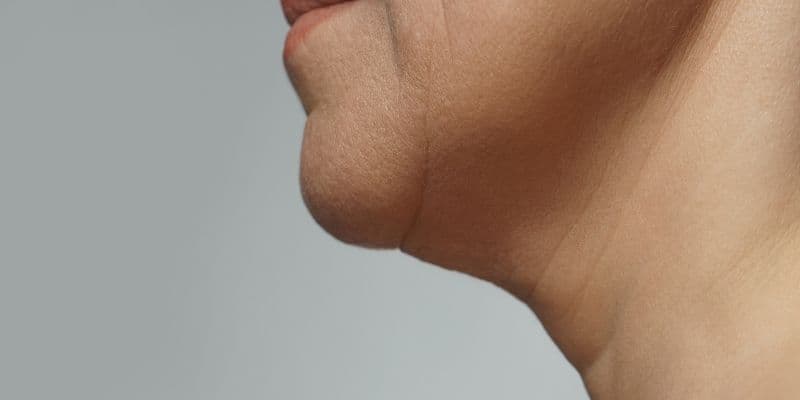
Settled tissue breaks the jaw into two lines. - Fullness under the chin: a pocket of fat in the submental area sits between the chin and the neck and blurs the angle between them. It can be present at any weight.
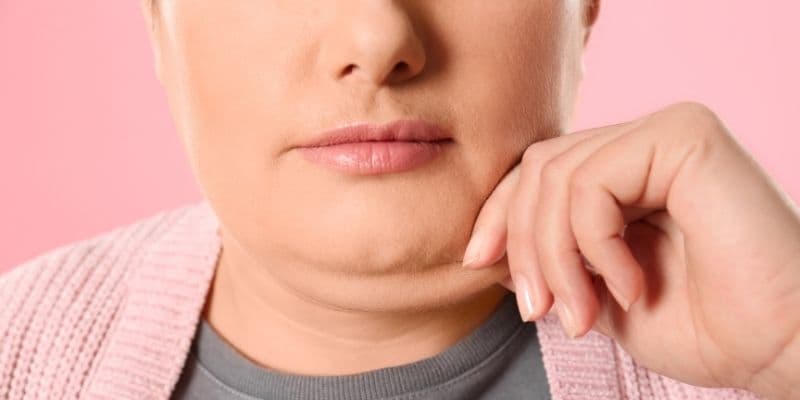
A fat pocket under the chin blurs the jaw–neck angle.
What's shaping yours?
Most faces involve more than one.
Fat under the chin or along the jaw
Fullness under the chin
A soft pocket you can pinch, sitting between the chin and the neck or spilling slightly over the jawline.
- The tell: you can hold it between finger and thumb, and it softens or shifts when you tip your head back.
Usually assessed for: commonly assessed for fat-reduction treatment targeted at the submental area.
Chewing-muscle bulk
Width at the back of the jaw
The masseter muscle at the back of the jaw can be naturally strong or enlarged by clenching and grinding, widening the lower face when viewed from the front.
- The tell: clench your teeth and feel just above the angle of the jaw. If a firm bulge pushes out under your fingers, muscle is part of the picture.
Usually assessed for: assessed for muscle-relaxing injection, with any dental cause of grinding addressed alongside it.
Skin and soft-tissue laxity
Laxity breaking the line
The jaw outline is intact but the edge is no longer crisp, with small jowls either side of the chin.
- The tell: lying down improves it noticeably, and gentle backward tension with a fingertip restores the outline.
Usually assessed for: assessed for energy-based tightening.
Bone and volume proportion
Projection and proportion
A recessed chin, a flat mid-face or a short lower third change how defined a jawline looks without anything having sagged.
- The tell: in profile, the chin sits well behind the lower lip, or the mid-face reads flat while the jaw itself is unchanged.
Usually assessed for: assessed for volume support placed to build projection, with a frank discussion of what proportion allows.
Non-surgical versus surgical
Where non-surgical treatment stops being the right tool:
What non-surgical options do
They reduce a fat pocket, relax an overactive muscle, firm loose skin or add support where projection is lacking. Each addresses one layer, and the change is proportionate rather than transformative.What surgery does
Procedures such as jaw or chin surgery, or surgical removal of tissue, change structure directly.Where the line usually falls
Bone is the clearest boundary: if the outline you want requires a different jaw or chin, no injectable or device will produce it.
When it is worth an assessment
There is no clinical threshold. It is worth an assessment if:
- The lower face has widened, or you clench and grind your teeth and wake with a tight jaw.
- The jawline has lost definition over time rather than always having looked this way.
- You have been offered a treatment elsewhere and want a second opinion on whether it matches the cause.
Jaw tension, grinding and disturbed sleep are worth raising with a doctor or dentist regardless of any cosmetic question, because they have consequences for your teeth.
Treatment options at Kaiteki
Which fits depends on the layer responsible:
HIFU
For a softer jawline outline
Focused ultrasound delivered beneath the skin to firm the tissue along the jaw.
HIFUFat Freezing
For a defined pocket of fat under the chin
Controlled cooling applied to the submental area to reduce a localised fat pocket.
Fat FreezingRadiofrequency
For skin firmness across the lower face
Heats the dermis to prompt collagen change across a broader area than a focused device.
RadiofrequencyBotulinum Toxin
For a wide jaw driven by chewing muscle
A small dose placed into the masseter muscle so it works less forcefully and gradually reduces in bulk. The effect is temporary and repeated periodically.
Botulinum ToxinDermal Fillers
For projection at the chin and cheek
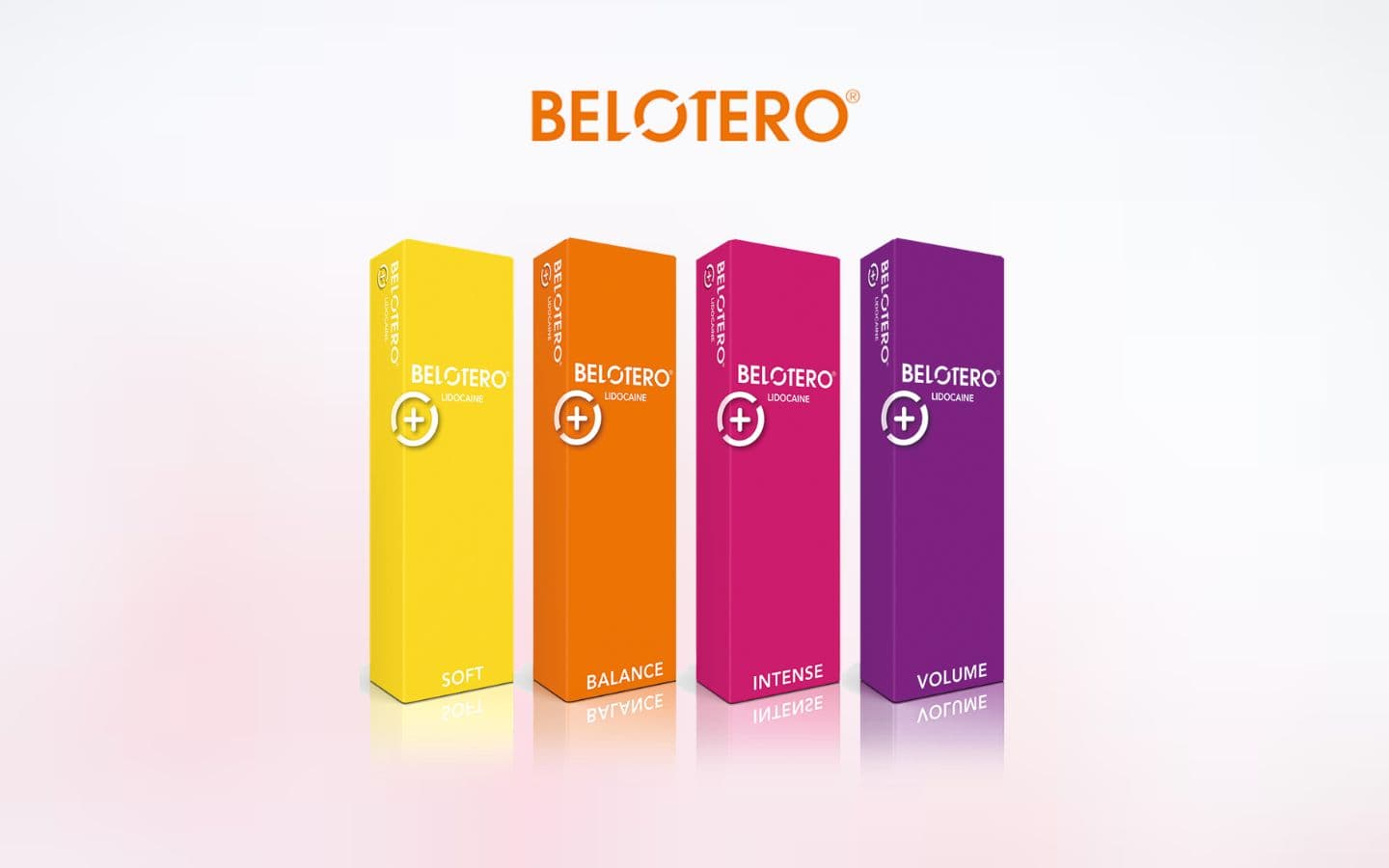
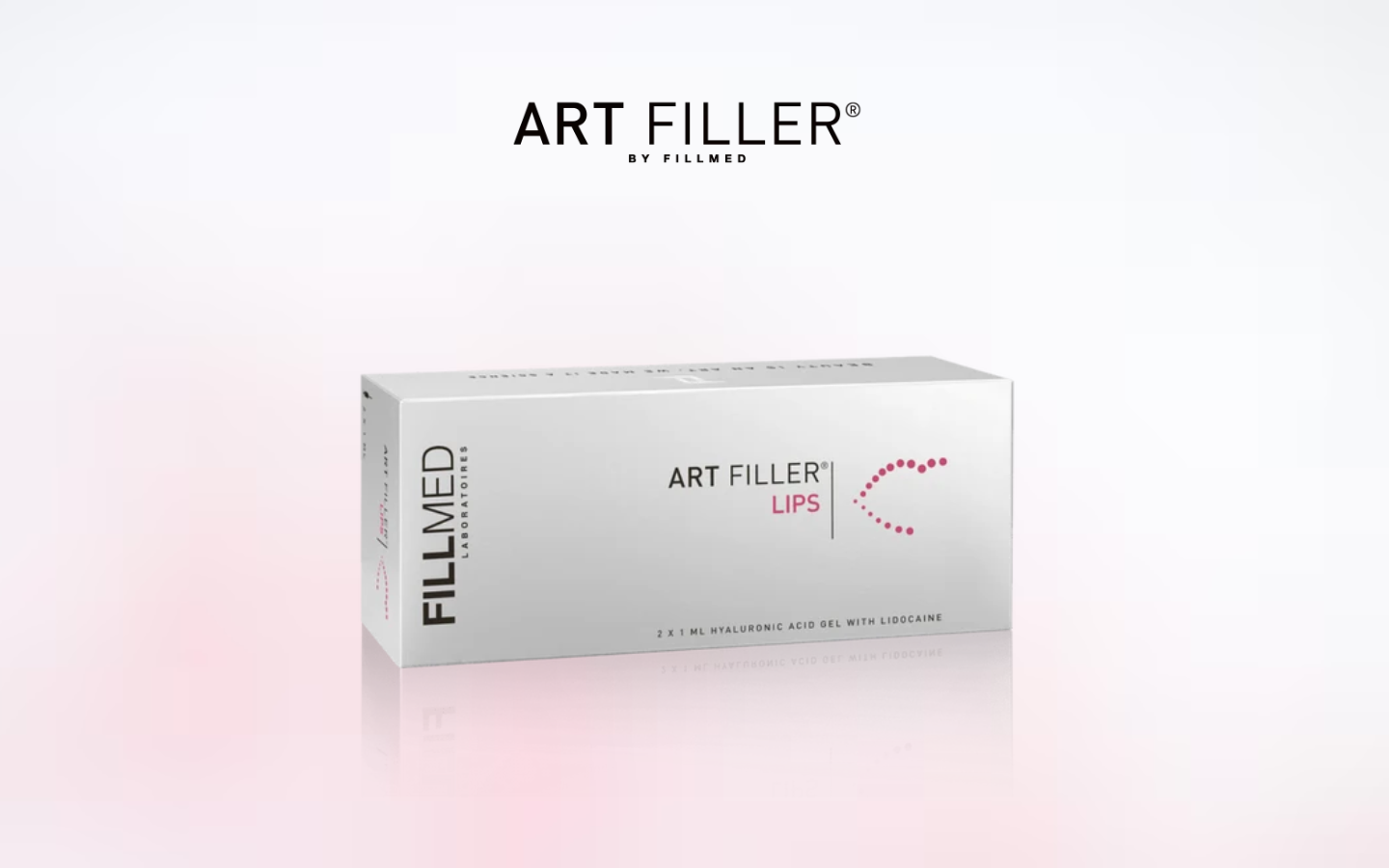
Placed on bone to build structure where projection or proportion is lacking, rather than to fill a line.
Dermal Fillers
Which treatment suits which type?
A general guide. Most faces involve more than one layer, and sequenced plans are reviewed between stages.
| What you have | Commonly considered | Typical course | Downtime |
|---|---|---|---|
| Pinchable fat under the chin | Targeted fat reduction | Staged, reviewed between | Several days tenderness |
| Wide lower face from clenching | Muscle-relaxing injection | Repeated periodically | None |
| Blurred jaw outline from laxity | Focused ultrasound | Single session, reviewed | None to minimal |
| General firmness across the lower face | Radiofrequency | Course, spaced | Minimal |
| Recessed chin or flat mid-face | Volume support on bone | Staged over sessions | 1–2 days swelling |
| Fat and laxity together | Sequenced: fat first, then firmness | Assessed individually | Individual |
Fat, muscle or skin?
Send us a photo on WhatsApp and a doctor can tell you which it is.
Ask about this on WhatsAppFree consultation, about 20 to 30 minutes, no obligation.
Technology used
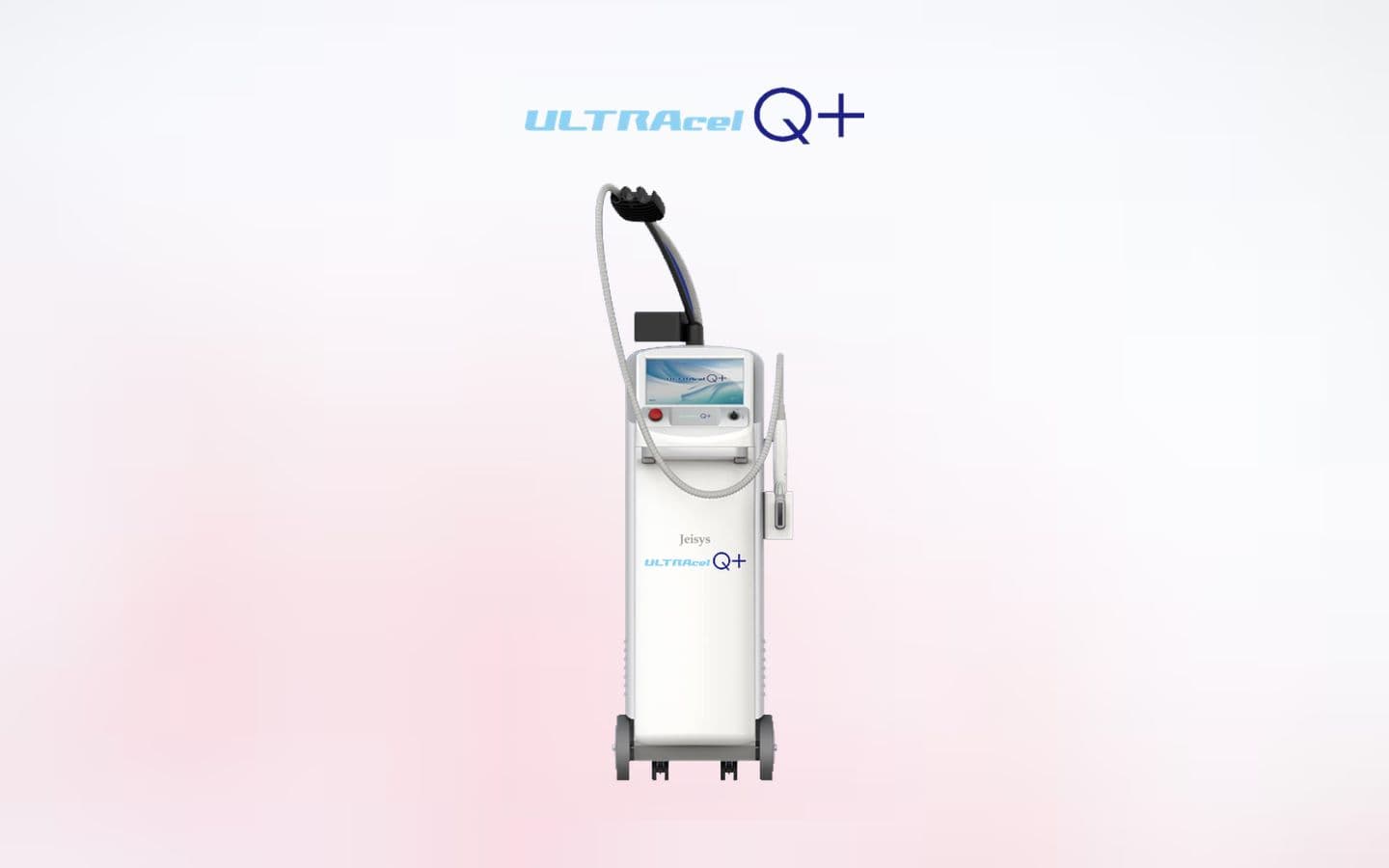
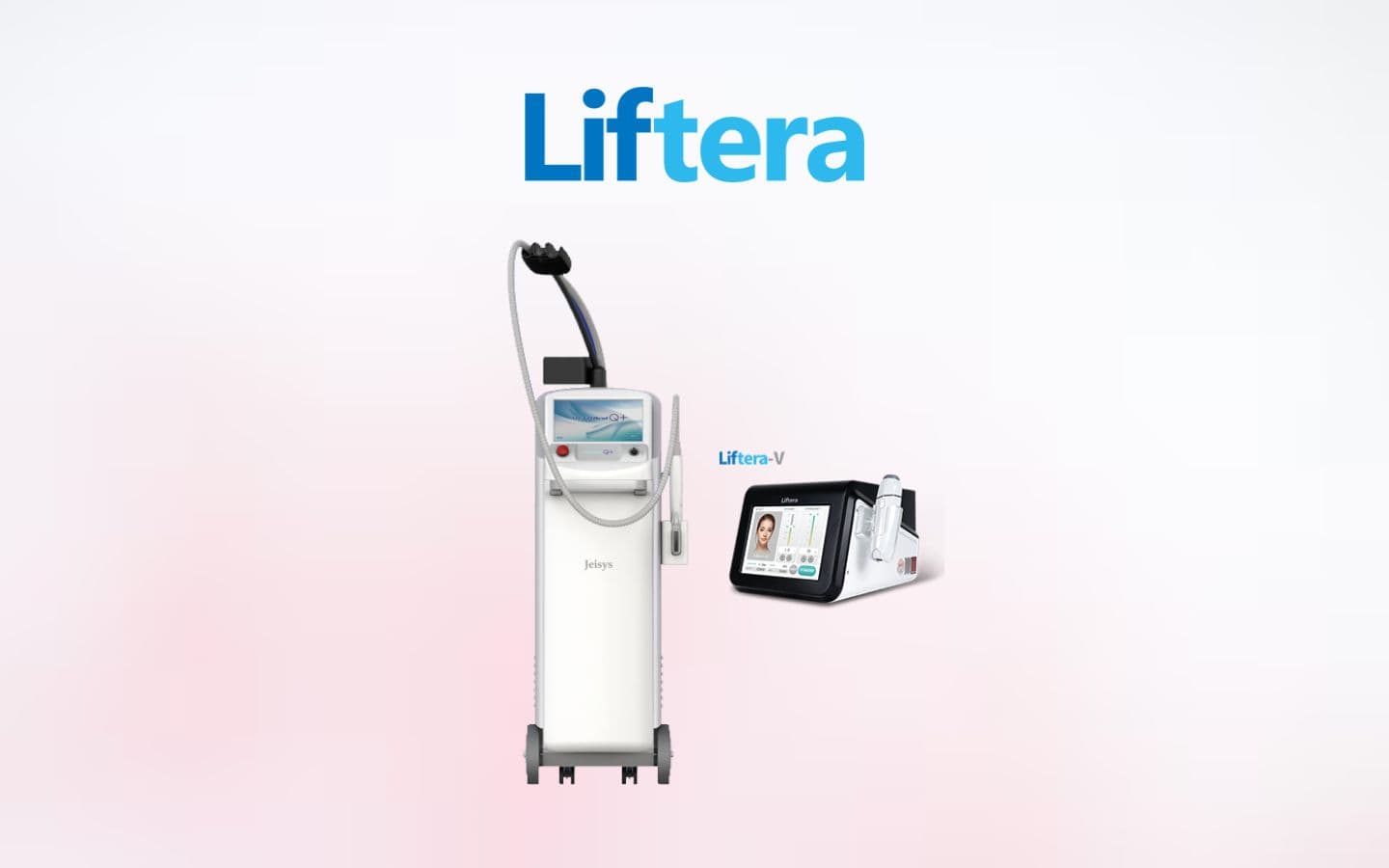
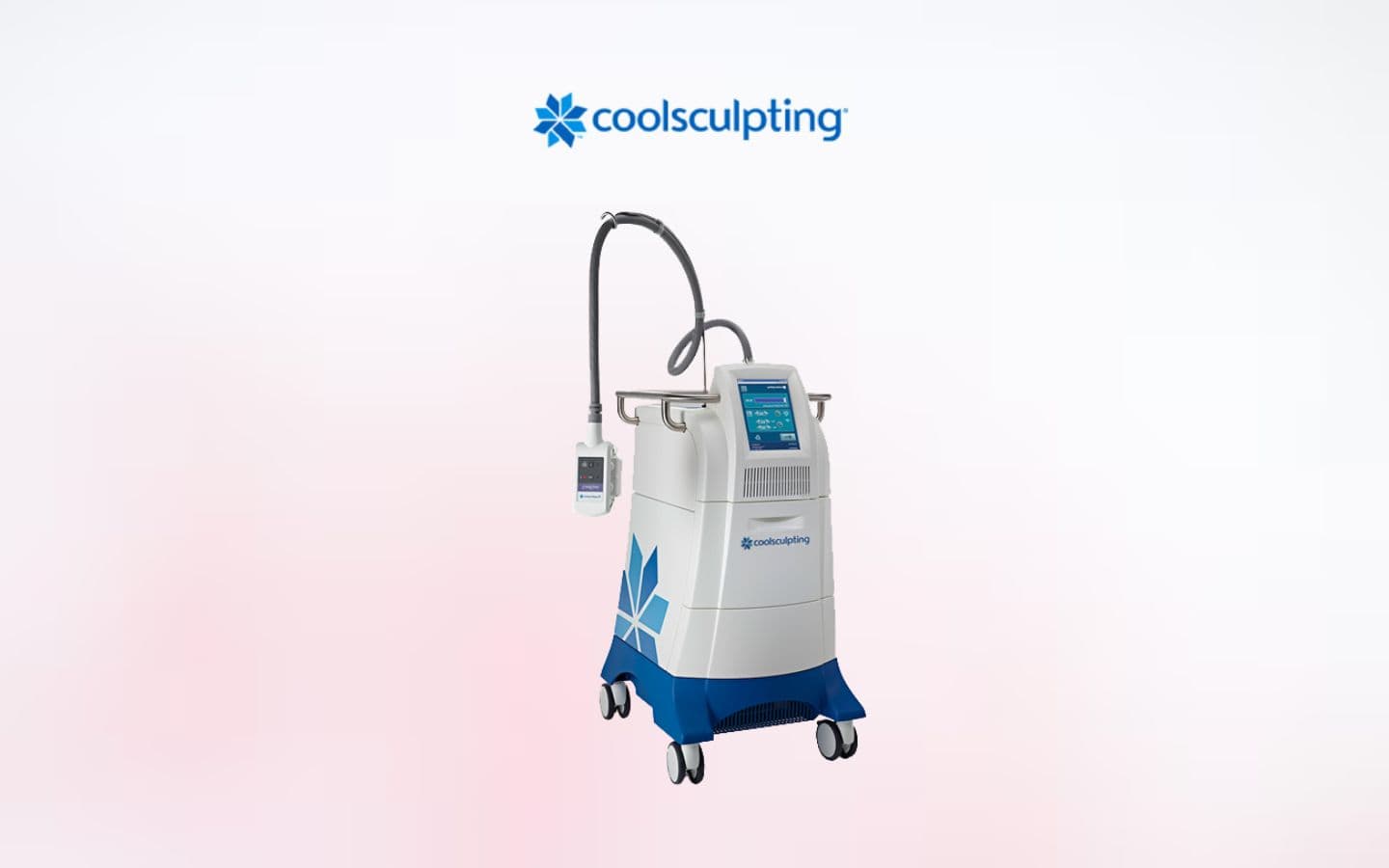
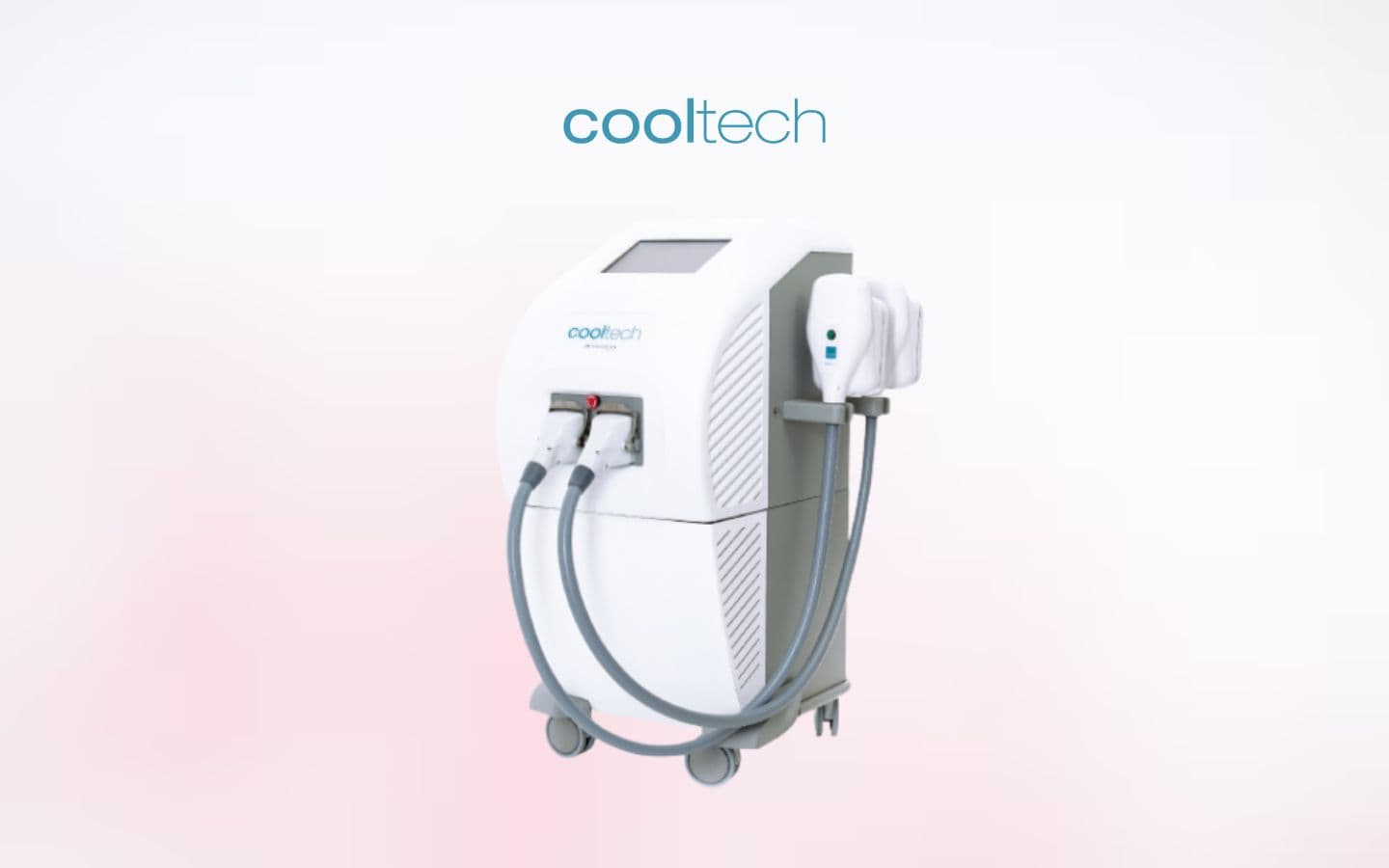
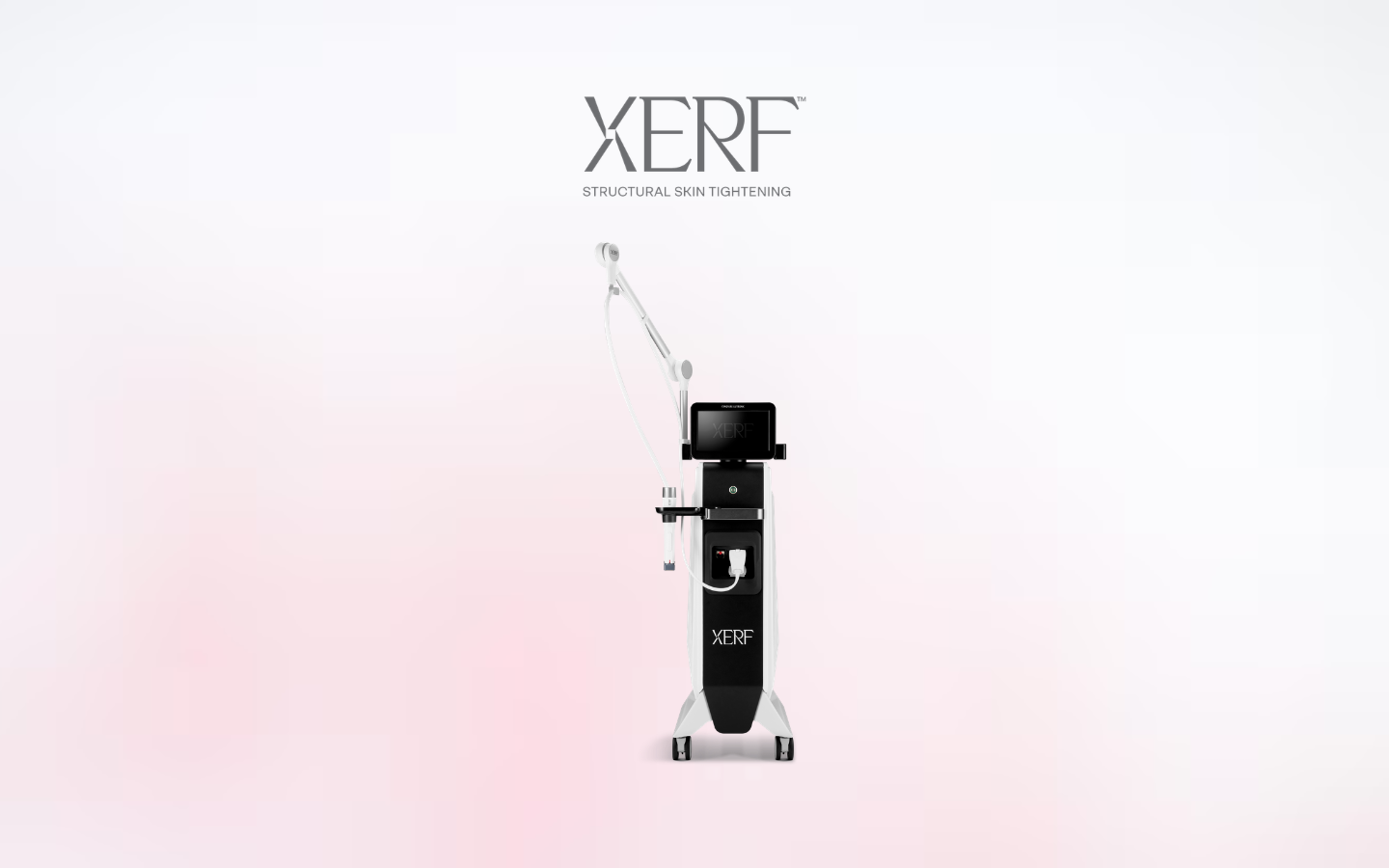
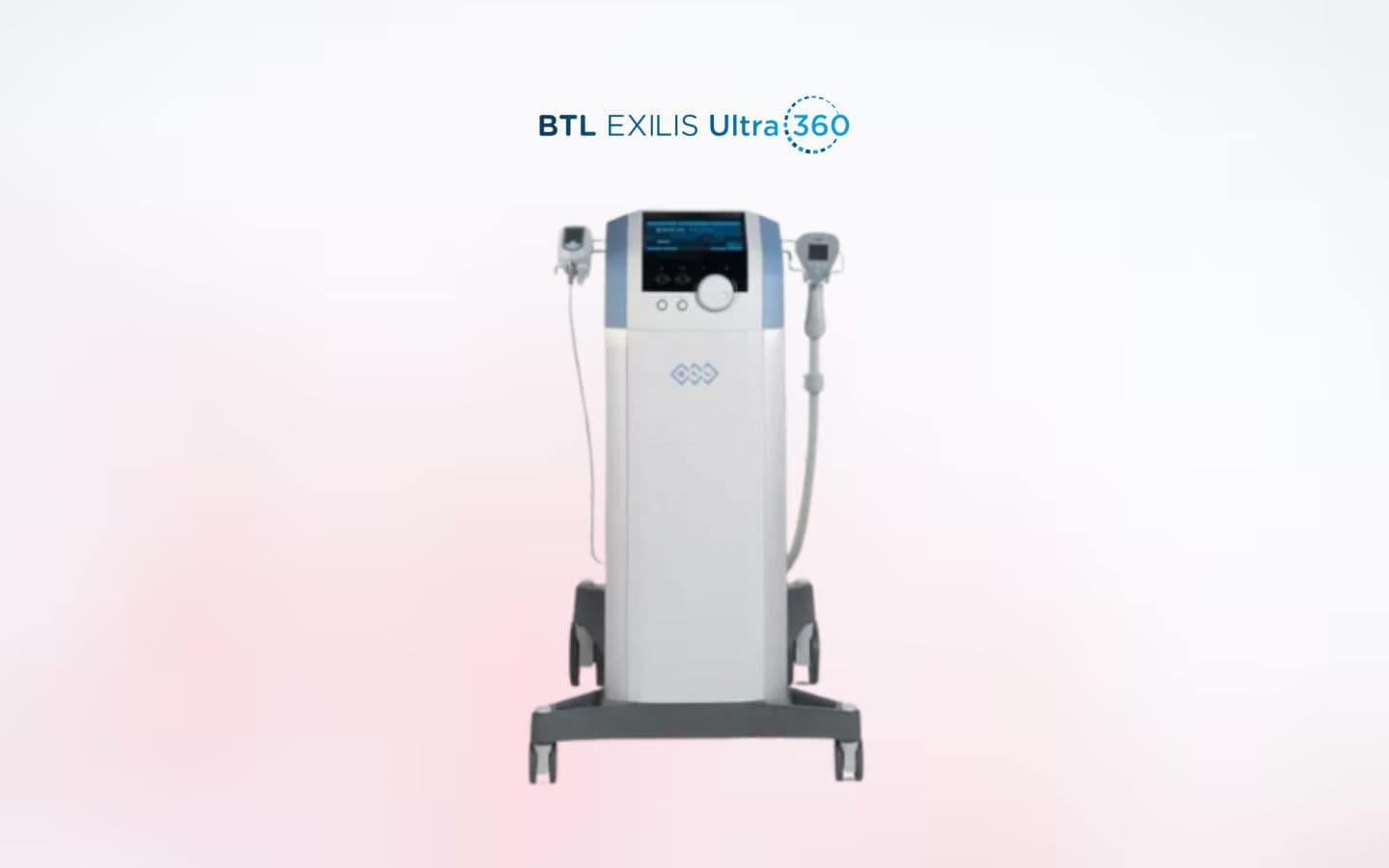
Contouring draws on cooling, ultrasound, radiofrequency and injectables, because the four things that shape a jawline need four different tools.


Risks and what to expect
Common and usually temporary
Swelling, bruising, tenderness and numbness over the treated area for several days. Muscle-relaxing injection can cause temporary aching or a feeling of weakness when chewing. Fat-reduction treatment often leaves the area firm and tender for a week or more.Uncommon but important
Injectables carry a rare but serious risk of vascular occlusion, and muscle-relaxing injection can, uncommonly, affect a neighbouring muscle and alter the smile temporarily.Asymmetry is normal, and worth knowing about
Almost every face is asymmetric before treatment. The doctor should point it out at assessment so it is not later mistaken for a treatment effect.Pigment change and Malaysian skin
Where energy-based devices are used along the jawline, medium and deeper skin tones carry a higher chance of post-inflammatory pigment change. Settings are chosen conservatively for this reason.What treatment cannot do
Nothing on this page changes bone, so a jaw or chin outline set by structure will not be produced by injectables or devices. Fat reduction does not tighten loose skin, and muscle-relaxing injection does not remove fat. Effects are not permanent and are maintained rather than fixed.
Tell your doctor if you are pregnant or breastfeeding, take blood thinners, have a neuromuscular condition, have a hernia or cold-sensitivity condition relevant to cooling treatment, have had facial surgery, threads or injectables before, or have a history of cold sores or keloid scarring.
What your first visit involves
Fat, muscle, skin and structure are assessed separately, front-on and in profile.
History
Your weight history, whether you clench or grind, and any previous injectables, threads or surgery.
Examination
Including a pinch test under the chin and a clench test at the angle of the jaw.
Discussion and plan
Which layer is responsible, and whether the outcome you have in mind is achievable, with no obligation to proceed.
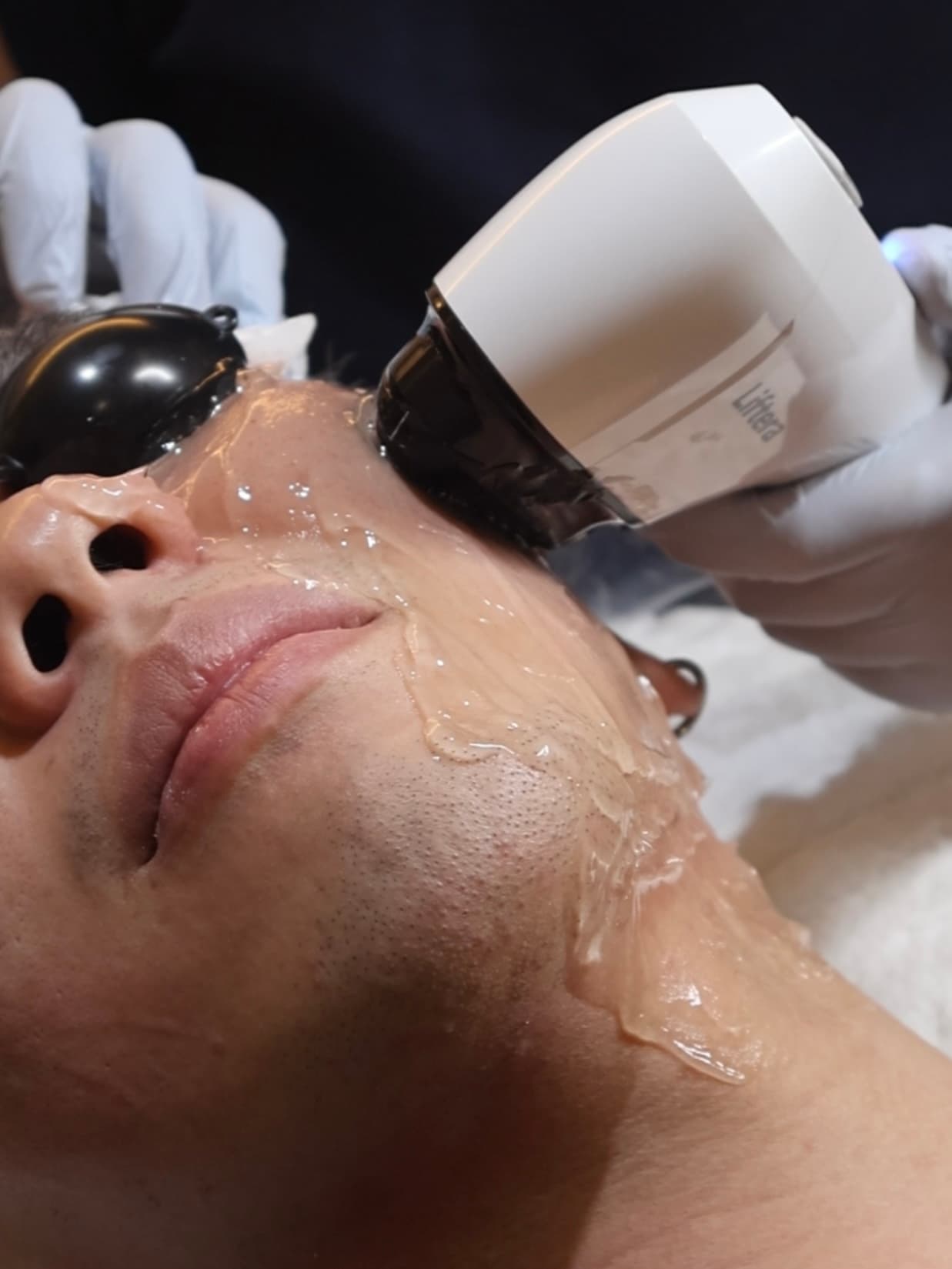
Focused ultrasound being applied along the jawline, one line at a time, at depths chosen for the area.
What affects the cost
Pricing is set after assessment. It depends on:
- Which layer is being treated: fat, muscle, skin and structure are entirely different treatments.
- The area and how much of it: under the chin only, the jawline, or the lower face as a whole.
- The product or device chosen, and how much of it your anatomy calls for.
- How many stages, since contouring is often sequenced with a review between stages.
- How often maintenance is likely, because muscle-relaxing and volume treatments are repeated over time.
Common questions
How do I know whether it is fat or loose skin under my chin?
The pinch test is the usual starting point: if you can hold it between finger and thumb and it feels soft and substantial, fat is likely part of it. If gently drawing the skin back toward the ear restores the jaw outline, laxity is contributing.
Does treating the masseter muscle change my face shape?
It can, where the muscle is genuinely contributing to width at the back of the jaw. The muscle works less forcefully after treatment and gradually reduces in bulk over weeks, which softens the outline viewed from the front.
Is chin filler safe?
In trained hands and with an appropriate product, it is a well-established treatment, but it is not trivial. The chin and jaw area contains arteries, and the serious risk with any filler is accidental placement into a vessel.
Will fat freezing under my chin help me lose weight?
No. It targets a localised pocket in a specific area and does not change your overall weight or treat obesity. It is generally considered for people who are near a stable weight and have a defined pocket that has not responded to diet and exercise.
Will I look overdone?
That risk comes almost entirely from too much product placed to chase a shape the face cannot naturally hold. It is avoided by treating conservatively, staging over sessions and reviewing between them, and by the doctor being willing to say that a request is not proportionate.
Can men have face contouring?
Yes, and jaw and chin definition is one of the more common reasons men attend. The assessment differs, because a male jawline is typically wider and more angular and treatment aimed at a narrower outline would be the wrong goal.
Can I bring a photo of the look I want?
Please do. Be prepared for an honest answer: reference images are often of faces with different bone structure, and sometimes the truthful response is that the outline in the picture is not reachable on your face by any non-surgical route.
What if nothing here suits me?
Then that is what the consultation should tell you. If the change you want requires surgery, or if the assessment finds nothing that treatment would meaningfully improve, our doctors will say so and, where appropriate, suggest a surgical opinion.
Read next




Related concerns
Face Lifting
Laxity along the jawline is assessed in more depth there.Body Slimming
Localised fat pockets elsewhere are approached with the same principle.Aging
Volume loss changes proportion as much as it changes firmness.
Find out what's shaping your jawline
The consultation is free, takes about 20 to 30 minutes, and there is no obligation to book treatment afterwards. A doctor will examine your facial structure and talk you through what is, and is not, worth doing.
Book a free consultationMedically reviewed by

Dr Hong Peiyi
Aesthetic Physician
MD · MMC 64902
Dr Hong Peiyi graduated from Universiti Putra Malaysia (UPM) and subsequently completed advanced training in Family Medicine. With more than a decade of experience in primary care, she has developed a strong foundation in comprehensive and patient-centred healthcare.
View full profile- Reviewed by
- Dr Hong Peiyi, MMC 64902
- Last reviewed
- 12 Jun 2026
- Next review due
- 12 Jun 2027