Lifting & Tightening · Device
Density
A Korean 6.78 MHz radiofrequency platform that can deliver monopolar and then bipolar energy within a single shot, with cryogen cooling, used within RF treatment for mild to moderate laxity.
Free consultation, no obligation.
- Monopolar + bipolar, 6.78 MHz
- Energy
- Jeisys Medical, South Korea
- Manufacturer
- Eye, face and body tips
- Treatment tips
In brief
Density is a radiofrequency platform from Jeisys Medical in South Korea, used at Kaiteki within our radiofrequency treatment. With its dual-mode tips, each 6.78 MHz shot delivers monopolar RF, which reaches deeper, followed by bipolar RF, which stays in the upper skin layers, while cryogen cooling protects the surface.
What Density is, and where it comes from
Density is a radiofrequency (RF) skin-tightening platform made by Jeisys Medical, a Seoul-based manufacturer whose Ultracel Q HIFU platform is also used at Kaiteki. Here it is one of the platforms used within our radiofrequency treatment, and it works over intact skin with no needles. The current version is Density Noir, and the same system is also sold as Denza. In the United States, Density, Denza and Density Noir hold FDA 510(k) clearance as a radiofrequency device for dermatologic procedures, under clearances issued in 2023 and 2025; that is a regulatory clearance of the device, not an approval of any cosmetic outcome. Jeisys also lists certification by Korea's Ministry of Food and Drug Safety.
Monopolar, then bipolar: how one Density shot heats two layers
Density runs at 6.78 MHz and can deliver RF in two ways. In monopolar mode, current passes from the treatment tip through the tissue to a return pad placed on the body, which lets heat build deeper in the skin. In bipolar mode, current flows between electrodes a short distance apart on the tip itself, so the heat stays in the upper layers. With the tips Jeisys labels High tips, each shot delivers a monopolar pulse followed by a bipolar pulse, an approach the manufacturer calls Sequential Heating Technology; its Classic tips deliver monopolar RF alone. The aim is to warm a deeper and a shallower layer within the same shot, rather than settling on one depth.
That controlled heat makes existing collagen contract slightly and then prompts a slower remodelling response over the following months, which is where any gradual firming comes from. A cryogen cooling system cools the skin surface while heat builds beneath it, with five cooling levels listed by Jeisys, so the epidermis is protected while the dermis reaches a useful temperature. The device also reads tissue impedance in real time and calibrates each shot to it. The tip, energy level, cooling level and number of shots are chosen by the treating doctor for your skin.
How much evidence is there for Density on Asian skin?
Density has device-specific studies, and most of them were done in Asian patients. The largest is a 2026 open-label study in the Journal of Cosmetic Dermatology from King Chulalongkorn Memorial Hospital in Bangkok: 26 adults aged 30 to 60 with mild to moderate lower-face laxity had a single Density Noir session, and in the 23 who completed follow-up, laxity ratings improved at one, three and six months compared with baseline, with 3D imaging also recording smaller nasolabial fold measurements. Smaller case series have looked at five Asian patients with skin type IV, three Asian patients treated around the eyes, and 25 patients across clinics in the United States.
None of these studies had a control group or compared Density with monopolar-only RF or with another device, and each lists a co-author from the manufacturer's medical affairs team. The authors themselves call for controlled studies. They show what Density has been tested on, mild to moderate laxity treated in a single session, not what any one person will see.
Lower face, eyelids or body: where Density is considered
Density is mainly used for early to moderate loss of firmness on the face. A small eye tip, about half a centimetre square, is designed for the thinner skin around the eyes, and a larger tip covers selected body areas. It is not suitable for everyone, and a consultation determines whether it is appropriate for you.
- Mild to moderate laxity of the lower face and jawline
- Softening around the nasolabial folds where loose skin is part of the cause
- Crepey or loosening skin on the upper and lower eyelids, using the eye tip
- Fine lines and rougher texture that accompany early laxity
- Loose skin on selected body areas, assessed individually
Fat, volume or heavy sagging: when Density is the wrong tool
Loose skin is only one reason a jawline softens. Fat under the chin, volume loss in the cheeks, chin projection and bone structure can all blur the contour, and RF tightens skin rather than removing fat or replacing volume. Around the eyes, heavy upper-lid hooding or under-eye bags caused by fat are a different problem from crepey skin, and an eye tip is not the tool for them. Marked sagging is generally beyond any surface RF device, and your doctor will tell you if surgery is the more honest conversation.
Because monopolar current travels through the body to the return pad, a pacemaker, defibrillator or other implanted electronic device rules Density out, and metal implants near the treatment area need assessment. It is also avoided during pregnancy, over active infection or inflamed skin, and with a history of keloid scarring. Tell the doctor about recent fillers, threads, retinoids or peels, because they affect timing and settings.
Inside a Density session: the return pad, the shots and the day after
The first visit is a consultation, not a treatment. If Density is appropriate, the skin is cleansed, the areas are mapped, and a return pad is placed on the body to complete the monopolar circuit. The doctor then works across each area shot by shot with the tip suited to it. Most people feel each shot as a brief burst of deep heat while the tip cools the surface. Numbing cream is often not needed, but it can be applied where comfort is a concern; in the published reports discomfort ranged from mild to moderate, and settings can be adjusted during the session.
The published Density studies each used a single session, and many plans follow that pattern, with any repeat usually considered six to twelve months later rather than within weeks. Redness is expected and mild swelling is common, both usually short-lived, and most people return to normal activities the same day. Avoid saunas, hot yoga and long midday sun for a day or two, and keep up daily sun protection to protect the collagen the treatment is building.
How often does Density cause redness or swelling?
As with any medical procedure, Density carries risks, which are explained during consultation. In the 2026 Bangkok study, almost all participants had temporary redness, about six in ten had temporary swelling, and mild pain during treatment was also reported; all of these were minor and settled on their own. Less commonly, RF can cause blistering, a burn or a change in pigmentation, which is why the cooling level, energy settings and choice of tip matter, and why treatment is performed by a trained doctor who matches them to your skin.
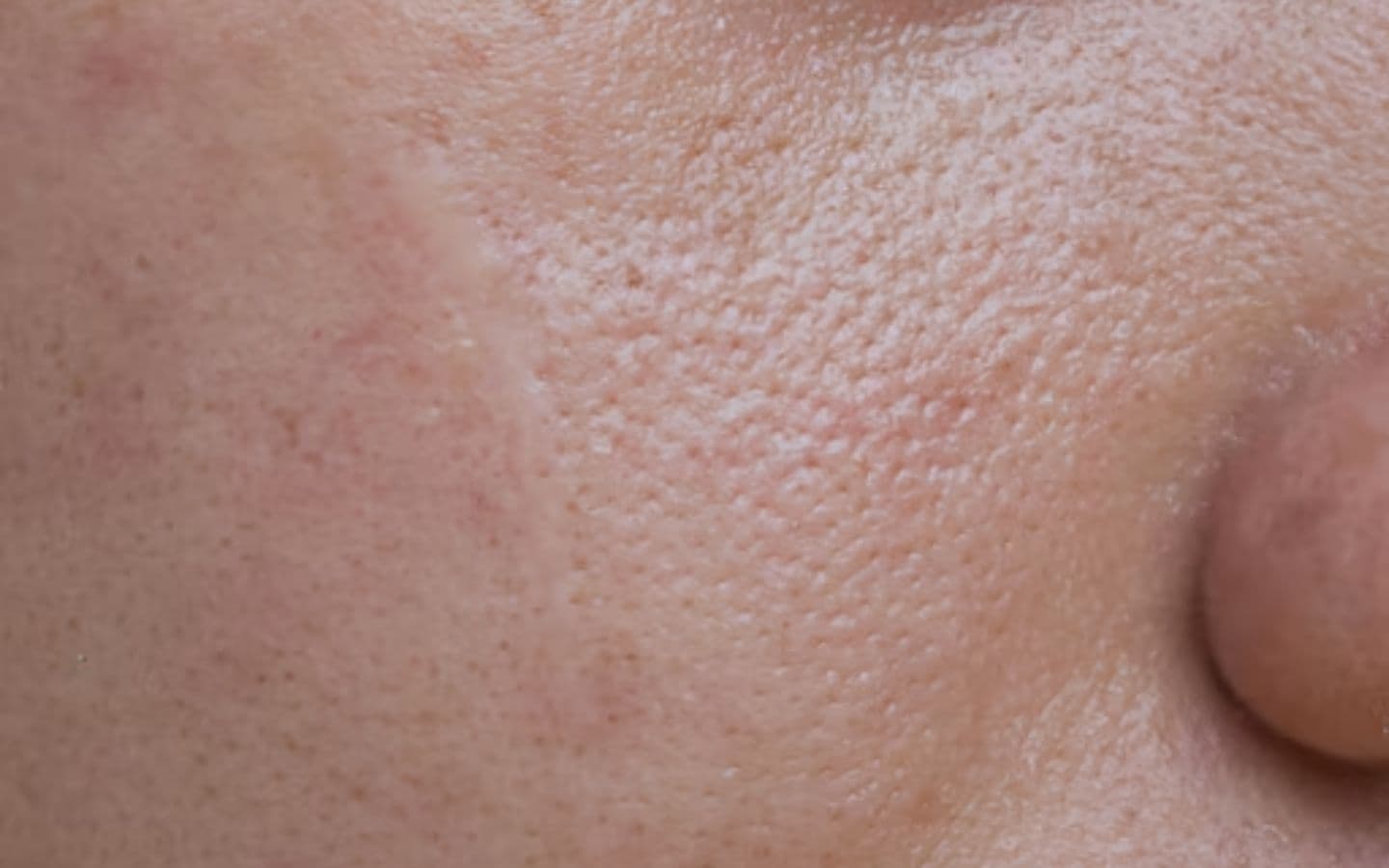
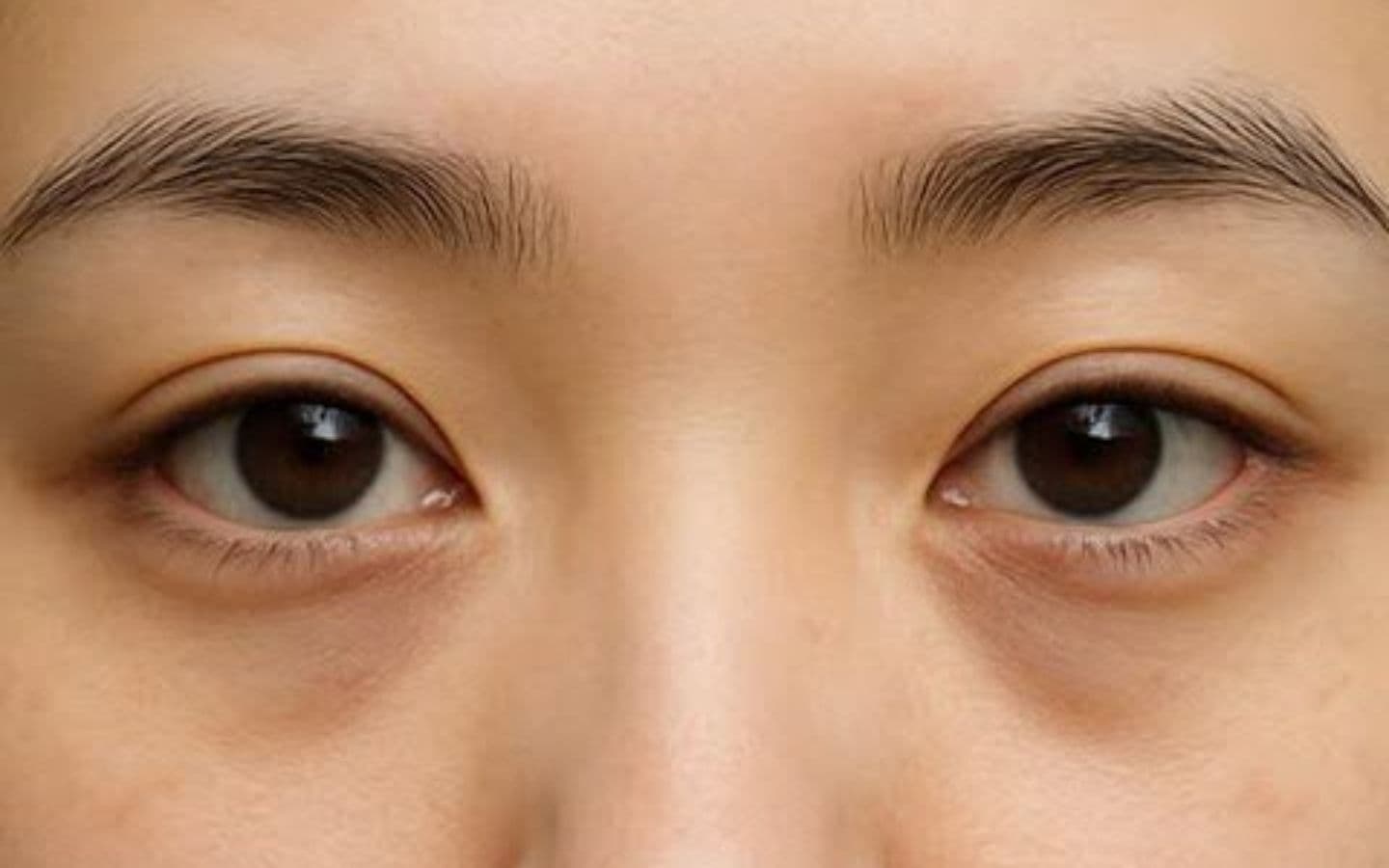
Concerns this device addresses
Whether it is the right choice for any of these is a decision for a doctor who has examined your skin.

Treatments that use Density
Back to all devices and injectables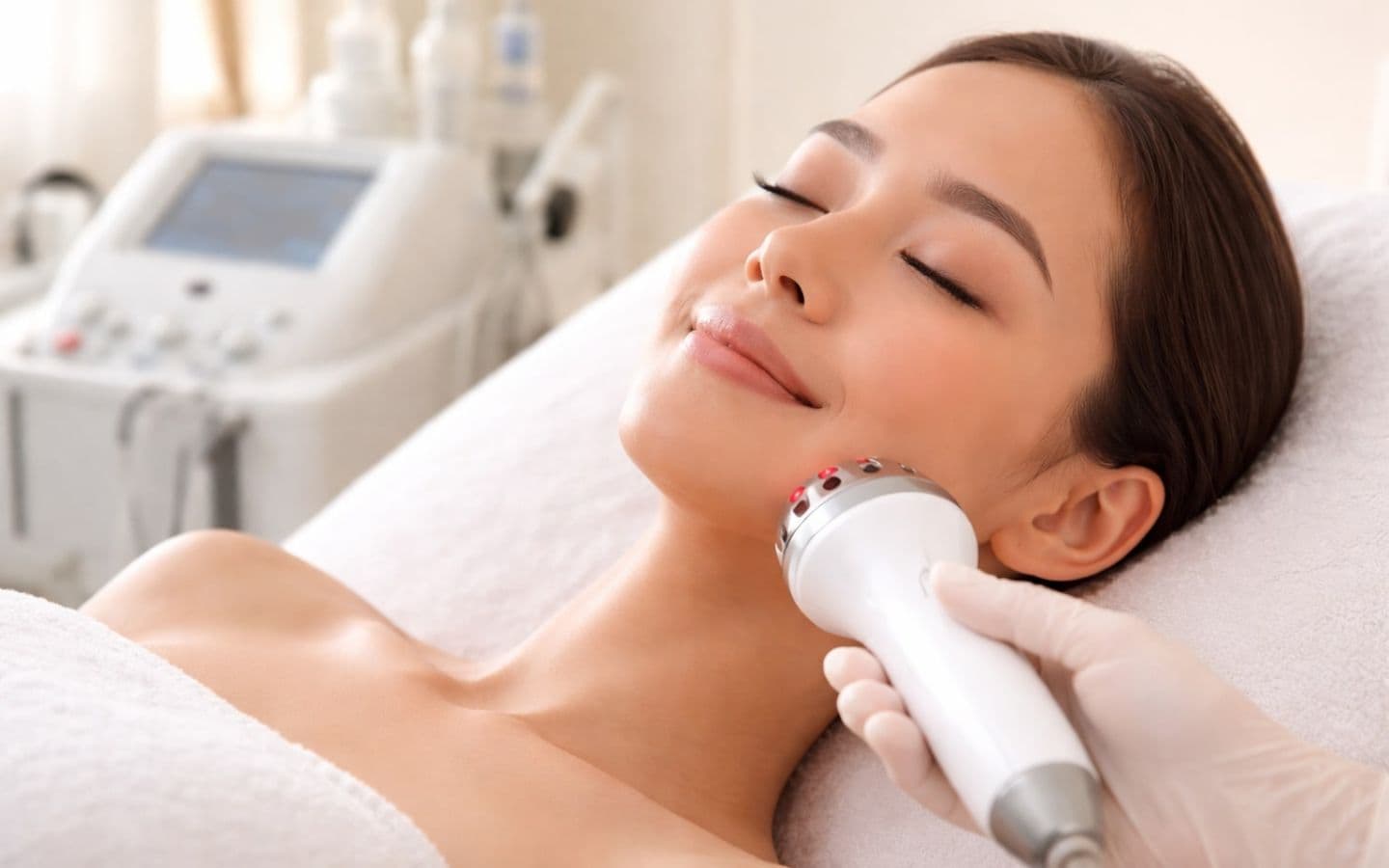
What affects the number of sessions, and the cost
Kaiteki does not quote prices online, because the plan sets the cost and the plan follows the assessment. What moves it:
- Which areas are treated, and how many shots each one needs.
- Whether the eyes or body areas are added to the face, since each uses its own tip.
- How much laxity there is.
- Whether Density is part of a combined plan, and whether maintenance is planned.
Other lifting and tightening devices
These address overlapping concerns. Which one suits you is a decision for a doctor who has examined your skin, not a choice to make from a page.
Common questions
How is Density different from Oligio X and XERF at Kaiteki?
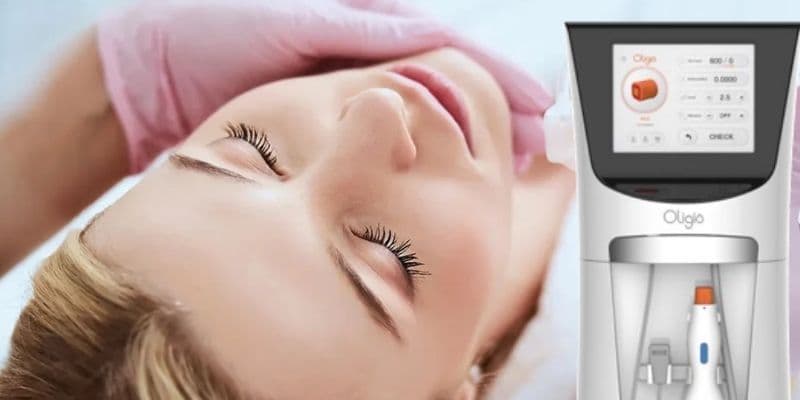
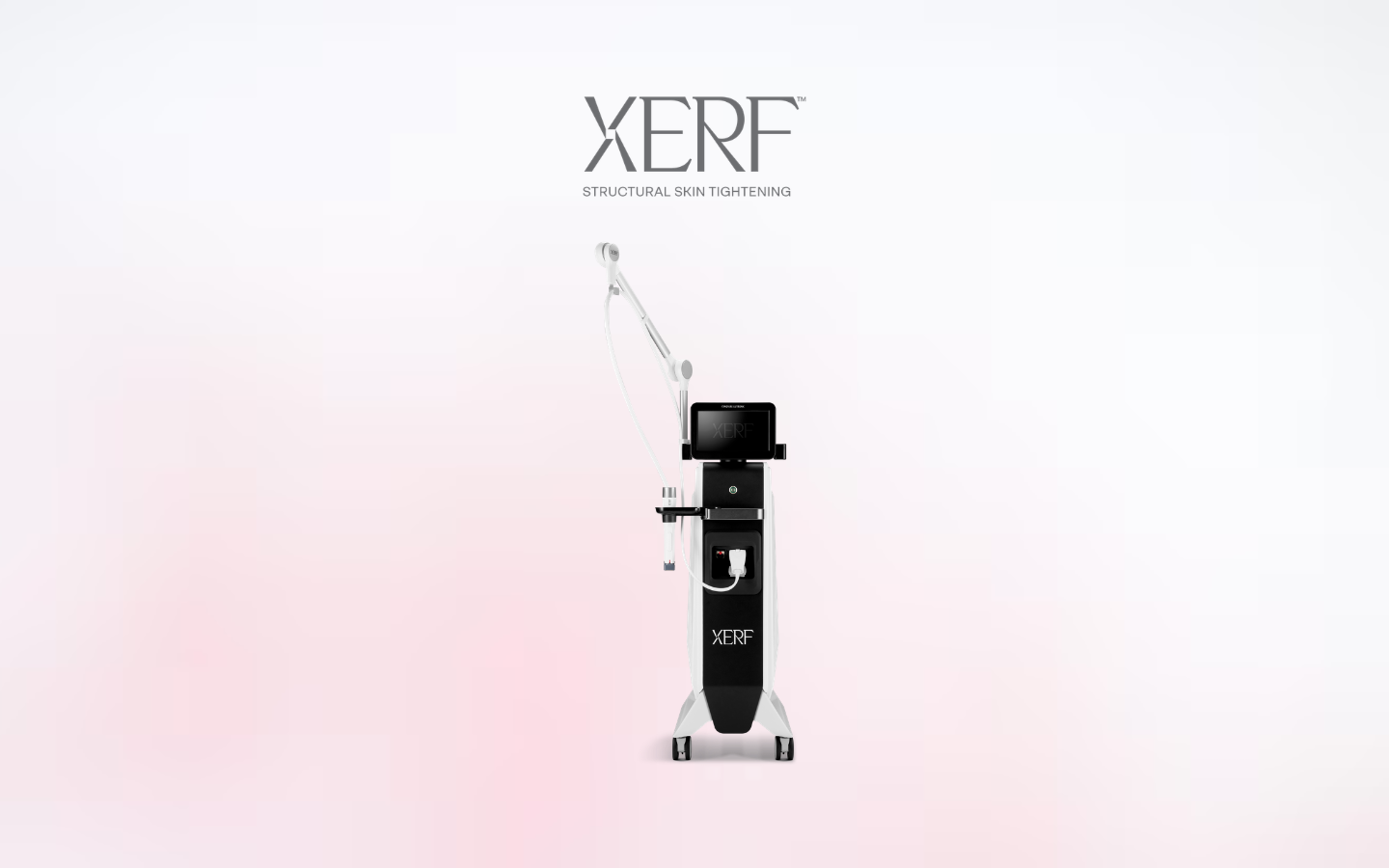
All three are surface RF platforms without needles that cool the skin while heating the dermis. Oligio X delivers monopolar RF at a single 6.78 MHz frequency, and XERF blends 6.78 MHz with 2 MHz. Density also runs at 6.78 MHz, but with its dual-mode tips each shot delivers monopolar and then bipolar RF, so a deeper and a shallower layer are heated in sequence. No study has compared the three directly, and your doctor chooses after assessing your skin.
Is Density the same as Density Noir or Denza?
They are names for the same Jeisys Medical platform. Density Noir is the current version and the name used in the most recent published studies, and Denza is another name the system is sold under. In the United States all three names are covered by the FDA 510(k) clearances issued in 2023 and 2025. Clinics may have different versions, so ask at consultation if it matters to you.
Can Density be used on the eyelids?
Density has a small eye tip, about half a centimetre square, designed for the thinner skin of the upper and lower eyelids. The published evidence for it so far is a case series of three patients followed for five months, so it is still early. It is considered for loose, crepey eyelid skin; heavy hooding or eye bags caused by fat usually need a different approach. Your doctor assesses this at consultation.
Is one Density session enough?
The published Density studies each used one session and assessed change over the following months, because collagen remodels gradually. Many plans are a single session with maintenance considered months later, while others combine Density with other treatments. How long any effect lasts varies with age, skin quality, sun exposure and lifestyle, and your doctor sets the plan after assessing your skin.
Read next



Book a free consultation
The consultation is free, takes about 20 to 30 minutes, and there is no obligation to book treatment afterwards. A doctor will examine your skin and tell you whether Density is appropriate, and if it isn’t, what would be.
Ask about thisThis page is general information about aesthetic treatments and is not medical advice. Treatments carry risks that are explained during consultation, and individual results vary. A doctor will assess whether a treatment is suitable for you before it is carried out.