

Concern · Skin
Melasma
Melasma is managed rather than cured, and the wrong laser can darken it.
Free, about 20–30 minutes, no obligation to book treatment.
- Managed, not cured
- Melasma is a chronic condition that commonly returns with sun, heat or hormonal change.
- Laser needs caution
- The same laser that suits sun spots can aggravate melasma, so identification comes first.
- Depth decides the plan
- Epidermal, dermal and mixed melasma are approached differently.
On this page
In brief
Laser can make melasma worse if the wrong device or settings are used: high-heat lasers create inflammation, and inflammation tells pigment cells to darken. Melasma is a chronic pigmentation condition causing symmetrical brown or grey patches, driven by UV, hormones and genetics.
Results from Kaiteki patients
Before and after photos of patients treated at Kaiteki for pigmentation.
9 photos · tap one to enlarge
Facial pigmentation, before and after a course of treatment at Kaiteki
Facial pigmentation, before and after a course of treatment at Kaiteki
Uneven tone on the cheek, before and after a course of treatment at Kaiteki
Uneven tone on the cheek, before and after a course of treatment at Kaiteki
Sun-related pigmentation, before and after a course of treatment at Kaiteki
Sun-related pigmentation, before and after a course of treatment at Kaiteki
Facial pigmentation, before and after a course of treatment at Kaiteki
Skin tone and clarity, before and after a course of treatment at Kaiteki
Skin tone and clarity, before and after a course of treatment at Kaiteki
Photographs of Kaiteki patients, published with consent. Individual results vary and are not guaranteed. These images are not a promise of outcome. A doctor will assess whether any treatment is suitable for you.
What is melasma?
Melasma is a chronic pigmentation disorder in which melanocytes, the pigment-producing cells in the skin, go into overdrive and produce excess melanin. The result is dark brown, light brown or grey patches on the face.
It is not harmful or contagious, but it rarely clears on its own. It is far more common in women, and in medium to deep skin tones.
What drives melasma
Usually more than one at once:
- UV radiation: the primary trigger. Malaysia's equatorial position means intense UV exposure all year.
- Hormonal change: higher oestrogen and progesterone during pregnancy, oral contraceptive use or hormone replacement therapy make pigment cells more reactive.
- Genetics: if close family members have melasma, your pigment cells are more likely to react strongly to the same triggers.
- Heat and visible light: infrared heat from cooking, saunas or direct sun warmth, and blue light from screens, can stimulate pigment pathways without classic UV exposure.
How deep does your melasma sit?
Melasma is classified by depth, and the depth changes what is likely to help.
Epidermal melasma
In the outer layer
Sits in the outer skin layer, appears dark brown with sharp borders, and tends to respond to topical treatment.
Usually assessed for: a tailored topical routine and daily sun protection first, with clinical treatment added if that is not enough.
Dermal melasma
Deeper, blue-grey
Sits deeper, appears as a muted blue-grey with softer borders, and generally needs clinical devices as part of the plan.
Usually assessed for: low-energy pico laser or pulsed-wave RF microneedling, within a combined plan.
Mixed melasma
Both depths
Involves pigment at both depths, and is the most common type.
Usually assessed for: combination care: a tailored topical routine with prescription treatment and, where suitable, a low-energy device.
Where melasma appears
Cheekbones
The most sun-exposed part of the face. Symmetry across both cheeks points toward melasma; scattered discrete spots point away from it.Upper lip, forehead, nose and chin
A symmetrical shadow above the lip is a common melasma pattern, and one that is often mistaken for facial hair or a shaving mark.Jawline
A symmetrical shadow along the jaw is another common pattern.Brown patches and redness?
Melasma is brown or grey, not red. If you also have redness, have both assessed together.
When to see a doctor
Have it assessed if:
- A consistent home routine with daily sunscreen has not moved things far enough after 8 to 12 weeks.
- You are considering a laser or other device.
Treatment options at Kaiteki
These are the treatments considered for melasma at our clinics, always alongside daily sun protection and usually alongside topical or oral prescription treatment.
Pico Laser
For melasma at low energy, as part of a course
Delivers ultra-short pulses that work largely through photoacoustic pressure rather than heat.
Pico LaserRF Microneedling
For melasma, using a pulsed-wave mode
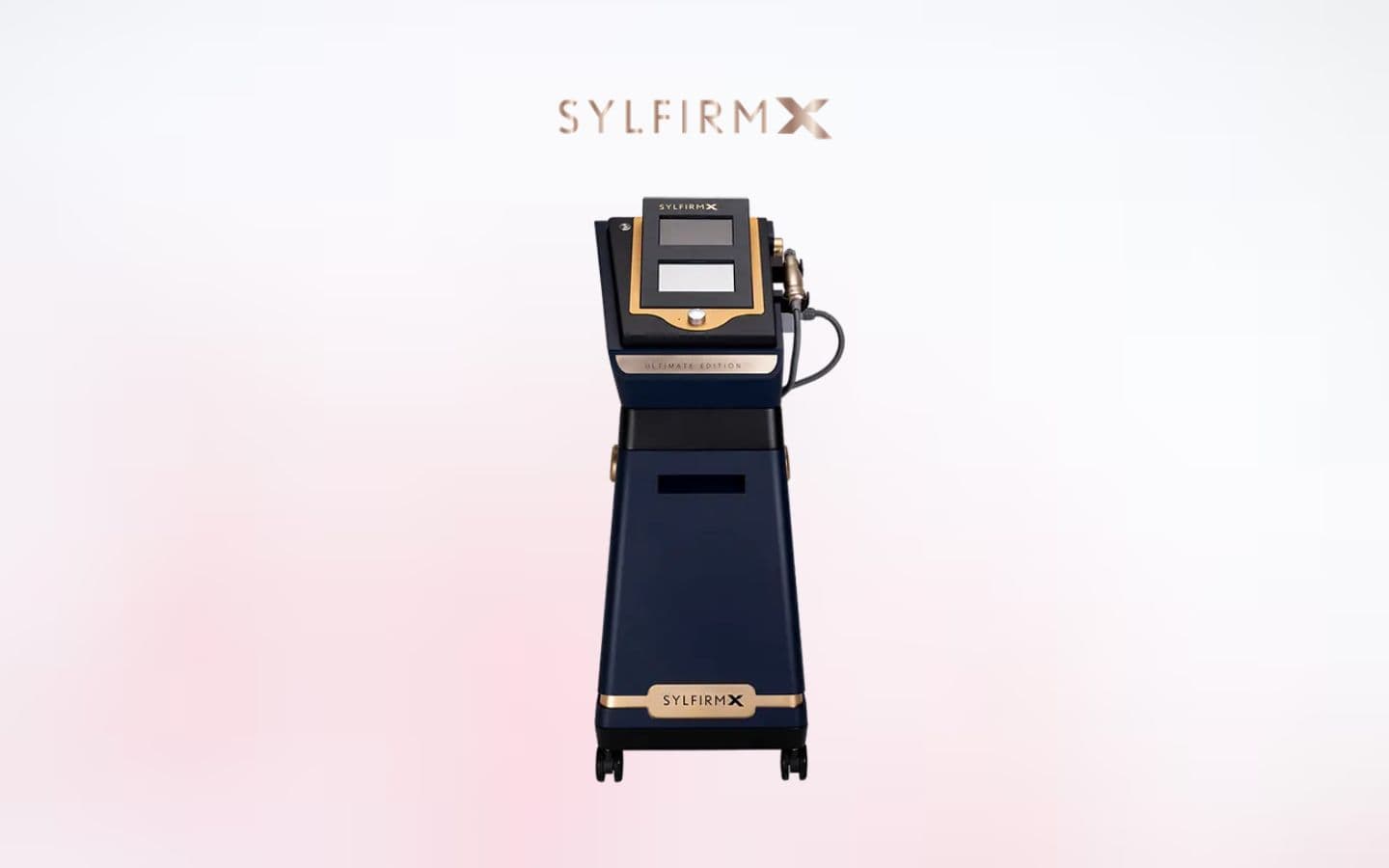
Sylfirm X has a pulsed wave mode that the manufacturer developed with pigment and vascular concerns in mind.
RF MicroneedlingFacial Treatments
For surface turnover without heat
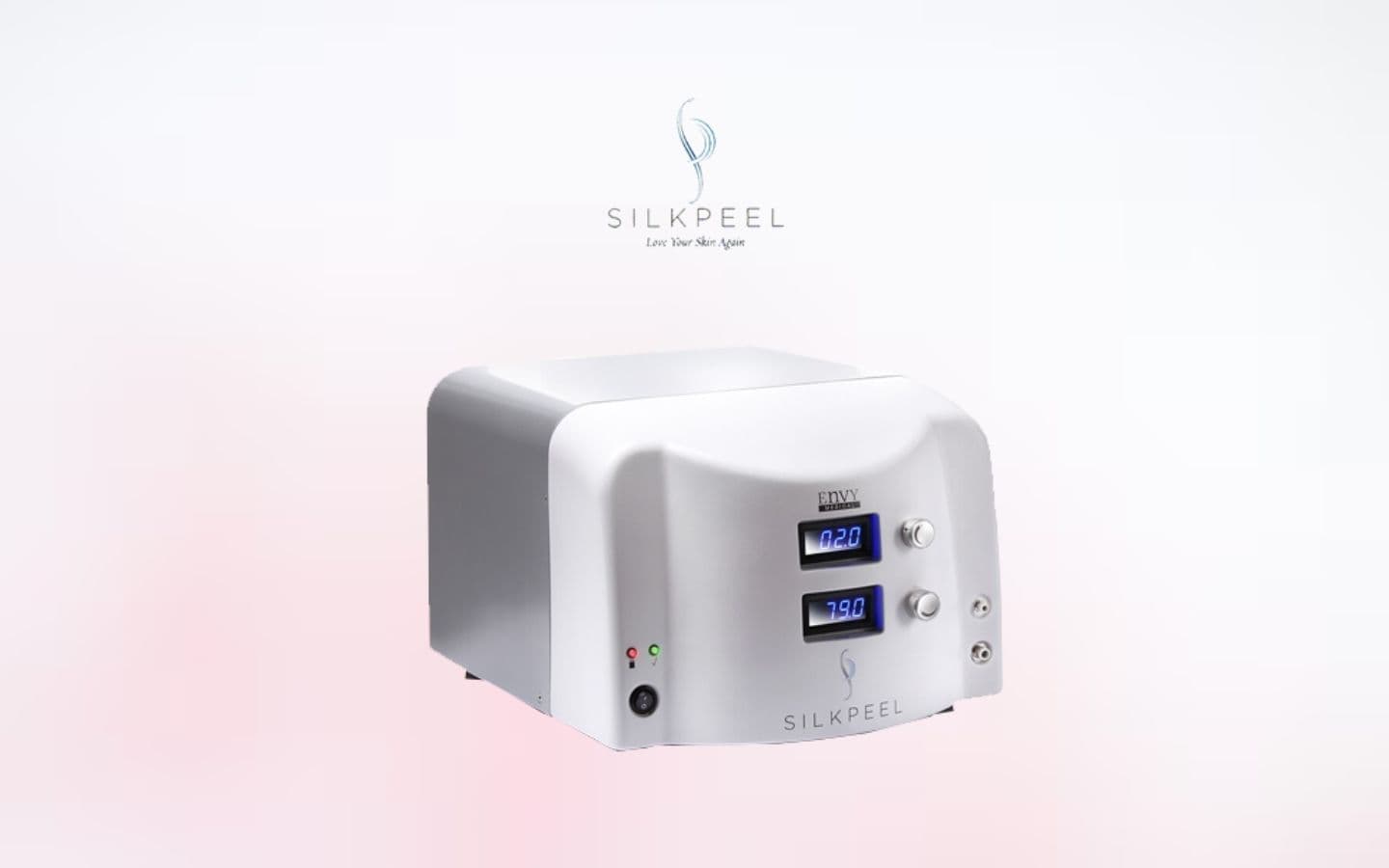
Hydrafacial and Silkpeel exfoliate gently without heat.
Facial Treatments
Not sure it's melasma?
Send us a photo on WhatsApp and a doctor can tell you whether you're looking at melasma, sun spots or post-inflammatory marks.
Ask about this on WhatsAppFree consultation, about 20 to 30 minutes, no obligation.
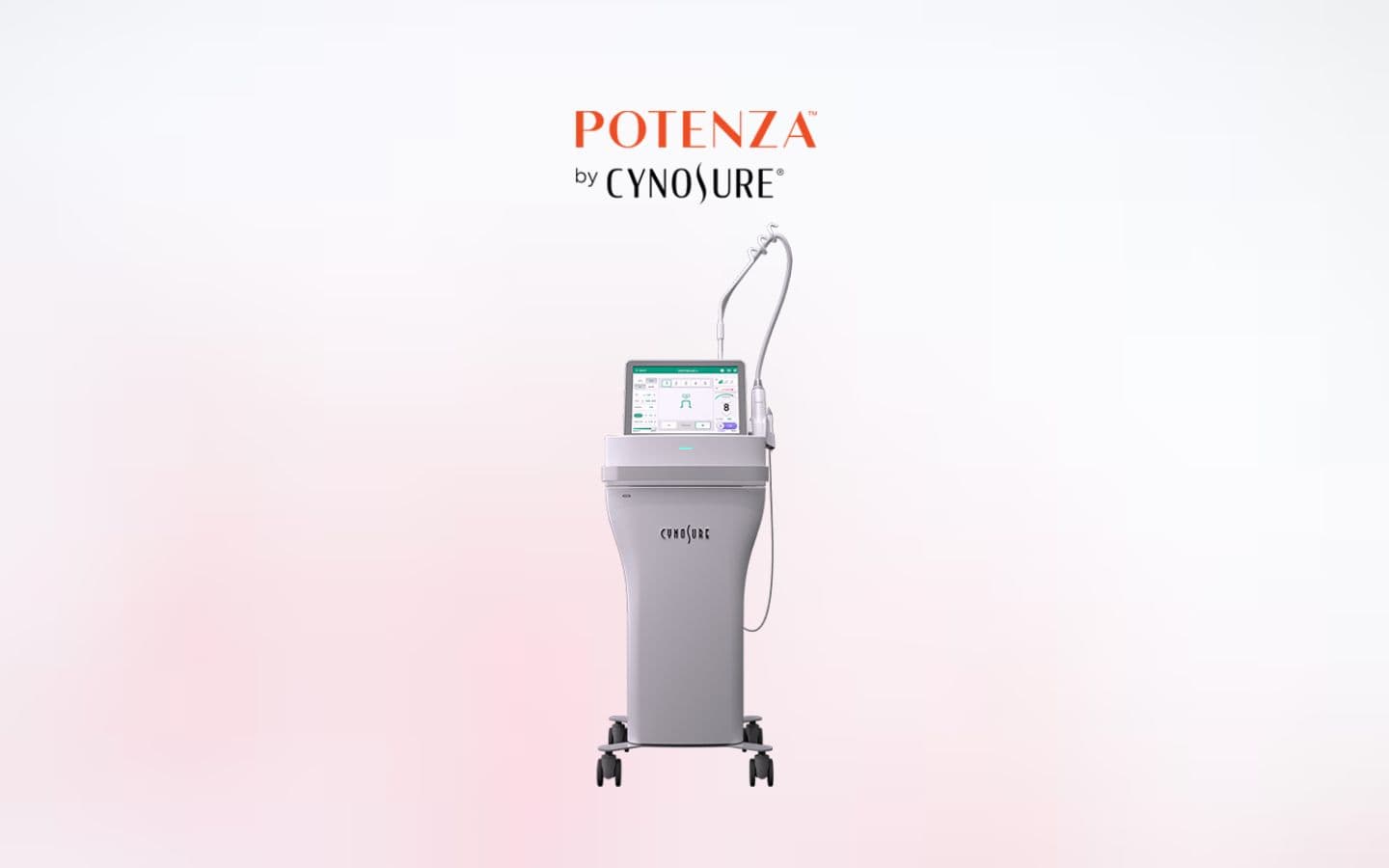
Technology used
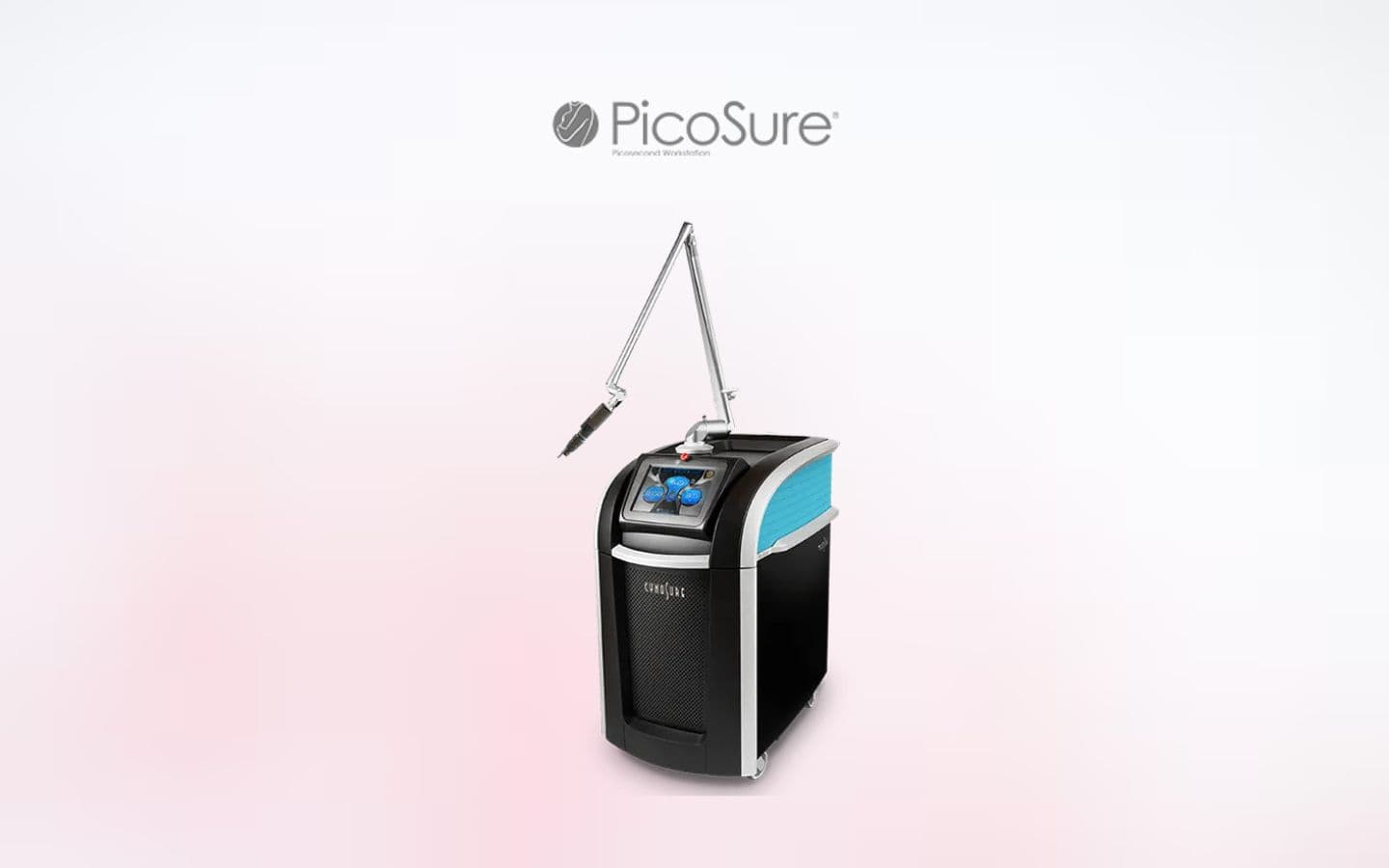
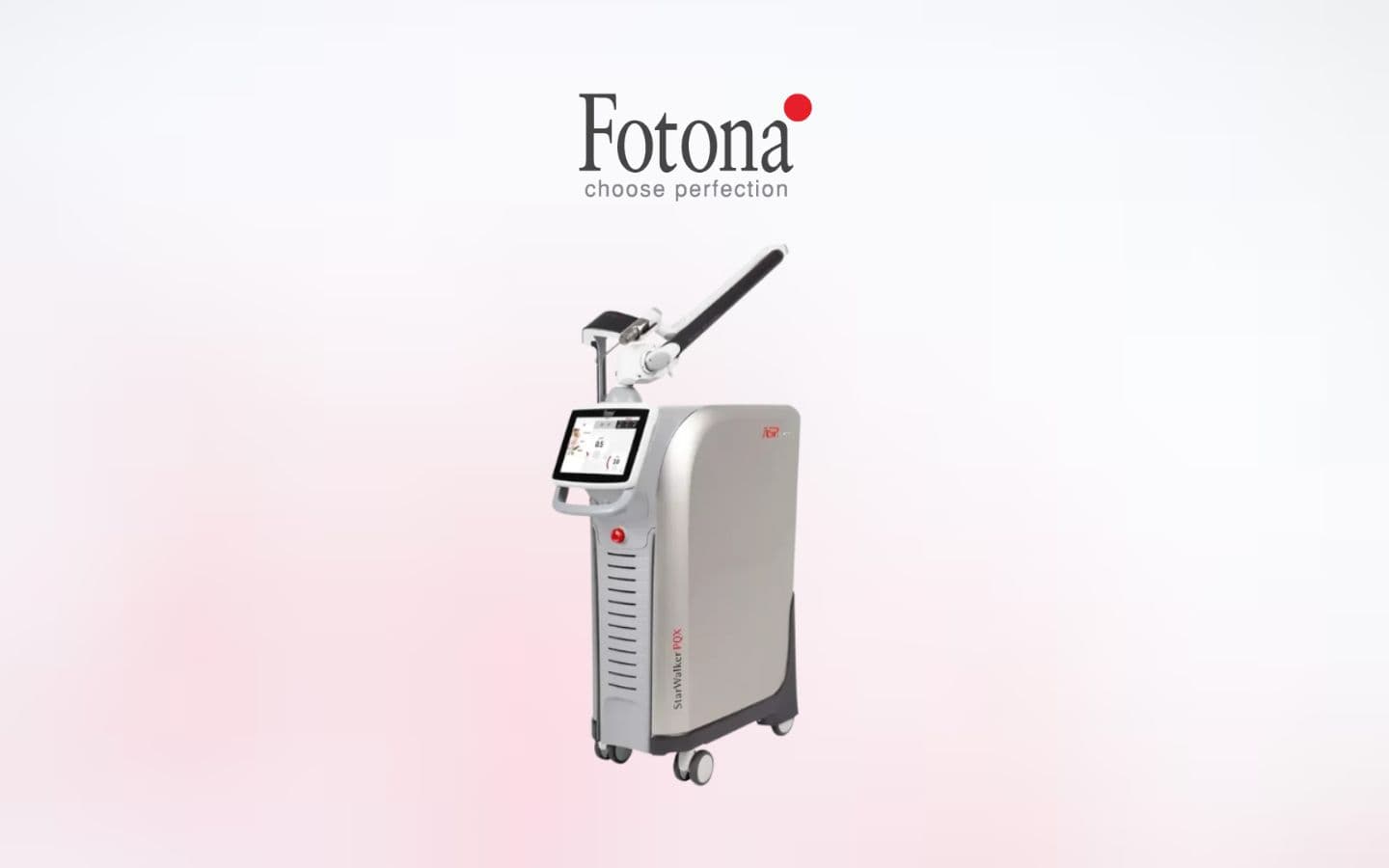
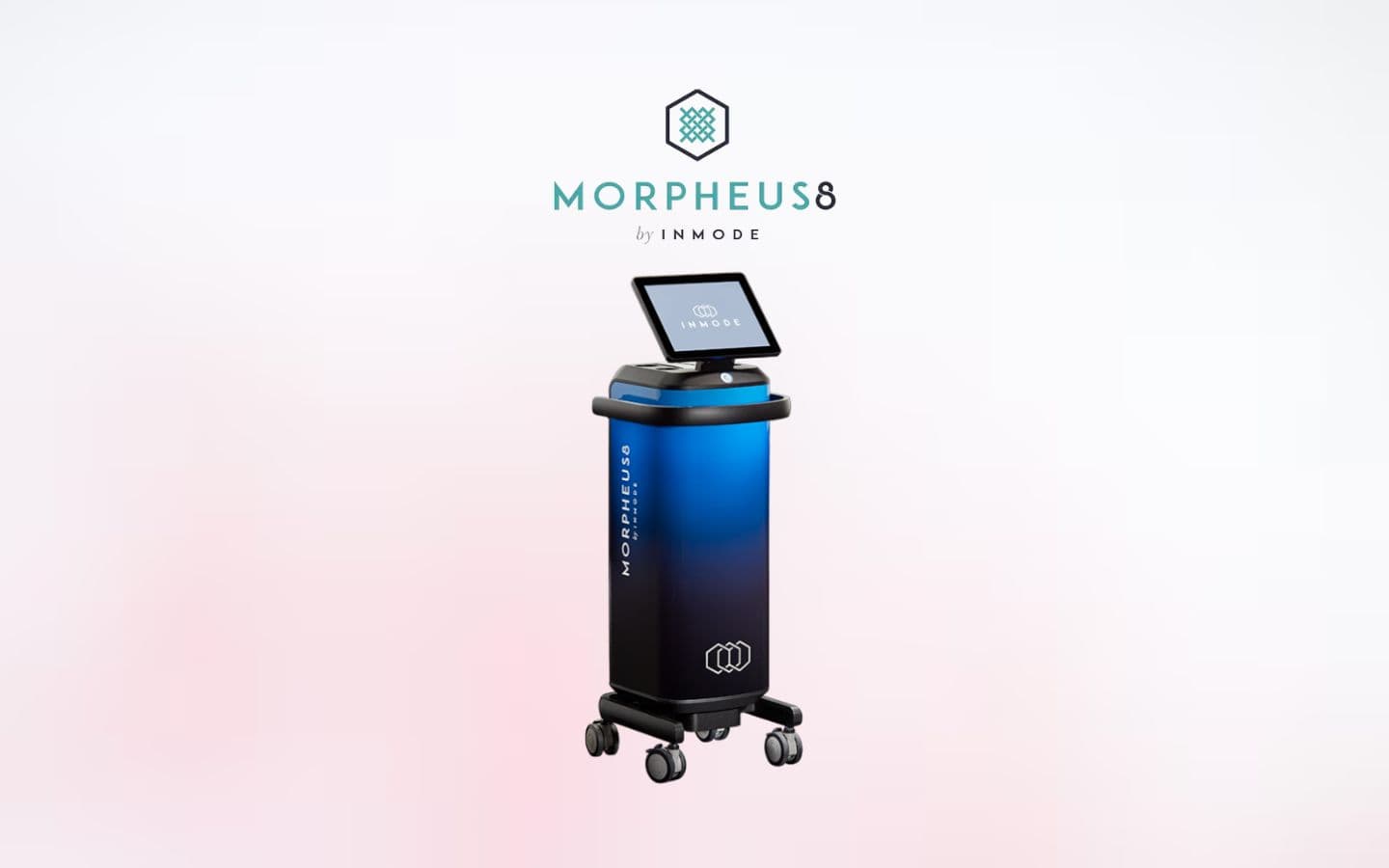
Having more than one platform means the doctor can match the device to your skin type and to what is being treated, rather than fitting your skin to a single machine.

Risks and what to expect
Melasma can rebound
Treated too aggressively, melasma can darken rather than lighten, and that setback can take many months to settle.Pigment change and Malaysian skin
Medium and deeper skin tones, common across Malaysia, carry a higher chance of post-inflammatory hyperpigmentation after energy-based treatment. This is why doctors here often choose gentler settings and longer intervals between sessions.Sun protection is not optional
Daily broad-spectrum sunscreen is the part of treatment with the strongest evidence behind it, and stopping it is the most common reason patches come back.What treatment cannot do
No treatment changes the tendency to produce pigment. How much a given person improves varies, and nobody can promise a specific result in advance.
Tell your doctor if you are pregnant or breastfeeding, take hormonal contraception or hormone therapy, have a history of clotting problems, take any medication, or have had recent sun exposure or a skin procedure.
What your first visit involves
The examination confirms it is melasma, not sun spots or marks, and estimates its depth.
History
When the patches appeared, and whether they changed with pregnancy, contraception or sun exposure.
Examination
The doctor examines your skin, sometimes under magnification.
Discussion and plan
Options, risks and downtime, with no obligation to proceed.
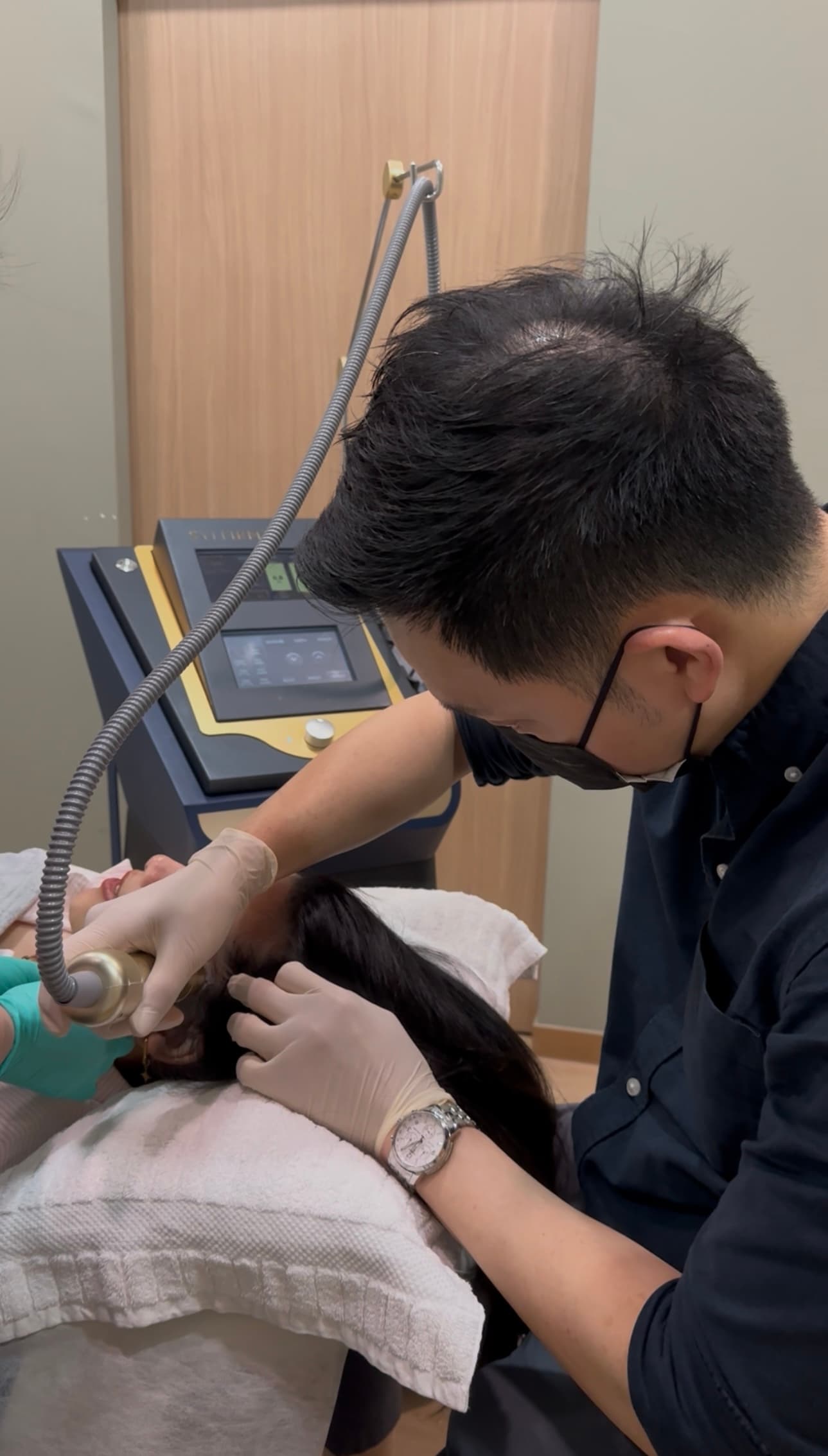
A low-energy laser session in progress.
What affects the cost
Pricing is set after assessment. It depends on:
- Which type and depth of melasma it is: it is managed over a longer period than a handful of sun spots.
- Whether a device is part of the plan at all, or topical care and sun protection come first.
- The number of sessions in a device course, and any maintenance.
- Whether treatments are combined.
Common questions
Is melasma curable?
No. Melasma is a chronic condition, because the pigment cells retain a kind of biological memory and can reactivate when triggered. What treatment aims for is meaningful lightening and then keeping it that way, which depends on daily sun protection and periodic maintenance.
Can laser make melasma worse?
Yes, if the wrong device or the wrong settings are used. This is why melasma is treated with low-energy, photoacoustic settings and conservative spacing.
What is the difference between melasma and sun spots?
Sun spots are discrete, sharp-edged brown spots that build up over years on the most sun-exposed skin. Melasma forms larger, symmetrical, soft-edged patches across both cheeks, the upper lip or forehead, and it shifts with hormones and heat.
Does pregnancy melasma go away after childbirth?
Often it lightens over the months after delivery, as hormones settle. Residual patches frequently remain, particularly in a high UV country like Malaysia.
Can I have melasma treatment while pregnant or breastfeeding?
Elective treatment is usually deferred until after pregnancy and breastfeeding, because melasma often settles to some degree afterwards. In the meantime the advice is sun protection and gentle skincare your doctor has cleared.
Can Sylfirm X be used for melasma on Asian skin?
Melasma is one of the concerns the manufacturer positions the pulsed wave mode for, and radiofrequency energy is not melanin-targeted, so RF microneedling is used across deeper skin tones.
Read next


Related concerns
Pigmentation
Sun spots and post-inflammatory marks, which look similar and are managed differently.Vascular Lesions
Facial redness and visible vessels, which can sit on the same face as melasma.Acne
Brown marks after spots, which are post-inflammatory rather than melasma.
Find out whether it's melasma
The consultation is free, takes about 20 to 30 minutes, and there is no obligation to book treatment afterwards. A doctor will examine your pigmentation and talk you through what is, and is not, worth doing.
Book a free consultationMedically reviewed by

Dr Chew Yuhhui
Co-Founder & Senior Medical Director
MBBS, LCP Board Certified, MAC, MSAM · MMC 68232
Allow your passion to become your purpose and it will one day become your profession.
View full profile- Reviewed by
- Dr Chew Yuhhui, MMC 68232
- Last reviewed
- 11 Oct 2026
- Next review due
- 11 Oct 2027