Facials
Facial Treatments
Clinic facials used to support skin cleansing, exfoliation and general skin quality.
Free consultation, no obligation.
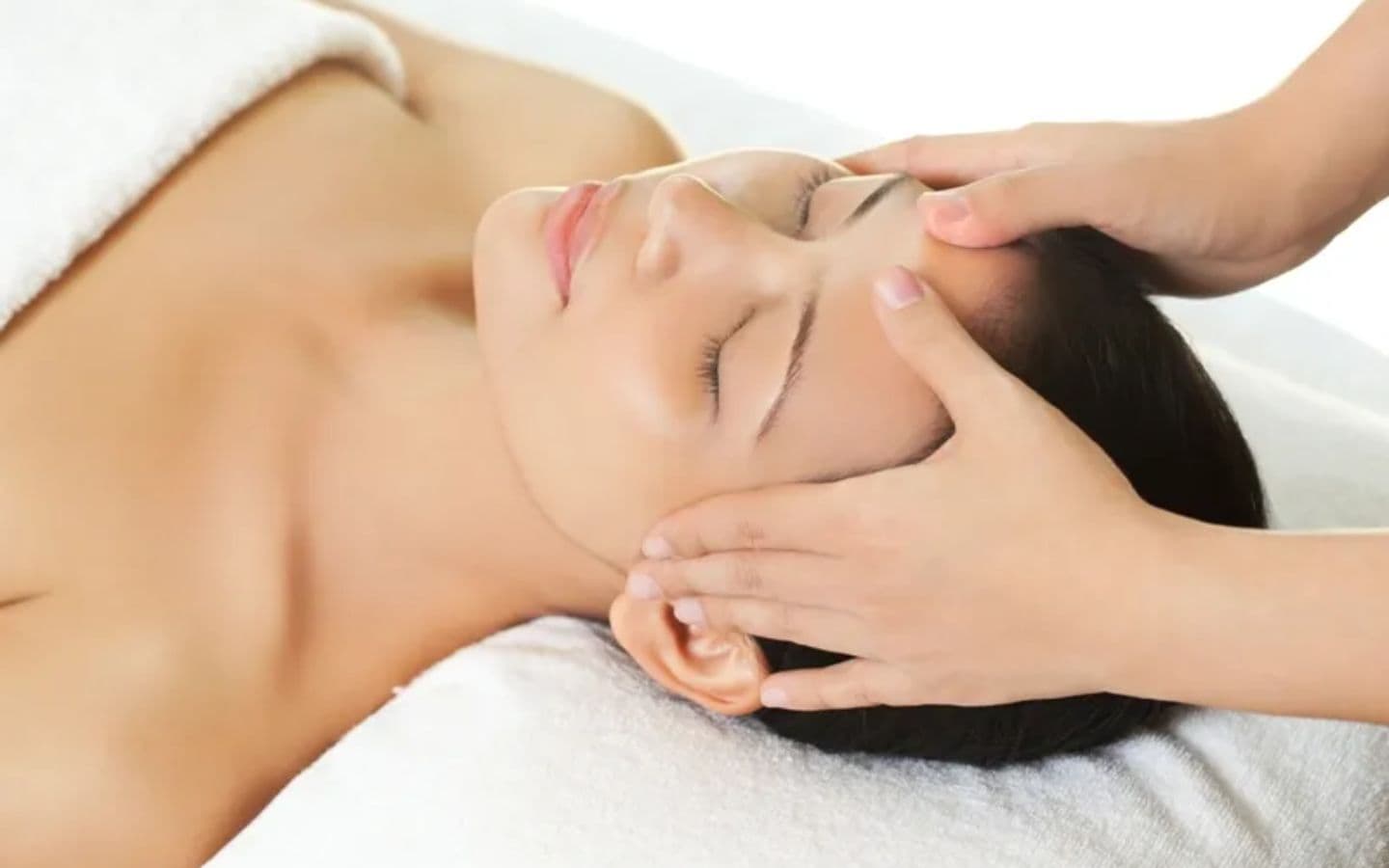
- 30-60 min
- Typical session time
- Periodic, as maintenance
- Typical sessions
- No downtime
- Downtime
On this page
In brief
Facial Treatments at Kaiteki are clinic-based facials, including Hydrafacial and Silkpeel, that combine cleansing, exfoliation and skin-conditioning steps to support general skin quality. They work at the surface rather than on deeper structural concerns, and a skin assessment decides which one suits you, or whether your skin needs medical treatment instead.
Results from Kaiteki patients
Before and after photos of patients treated at Kaiteki for acne, pigmentation and enlarged pores. A plan may combine more than one treatment.
10 photos · tap one to enlarge
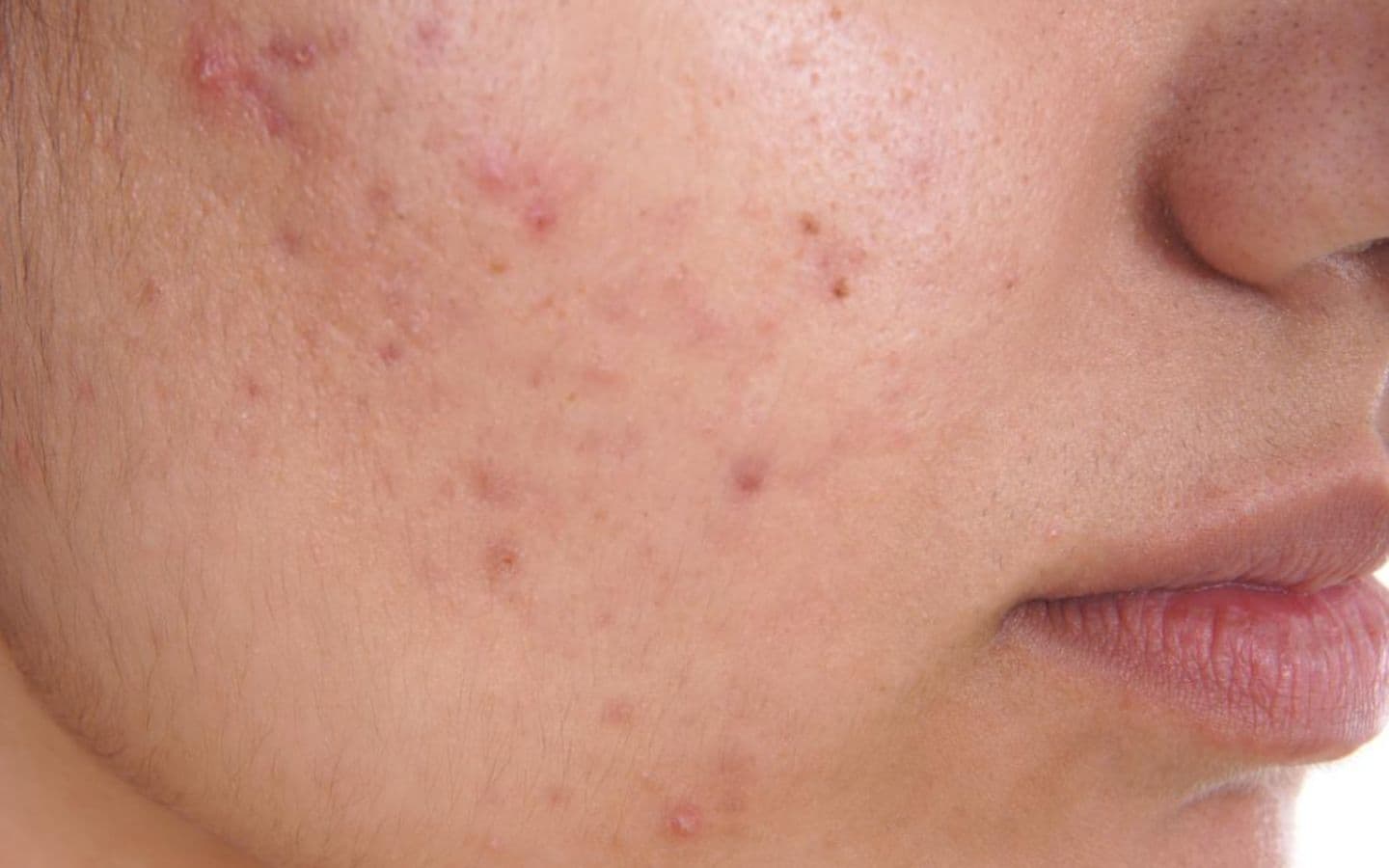
Active acne, before and after a course of treatment at Kaiteki
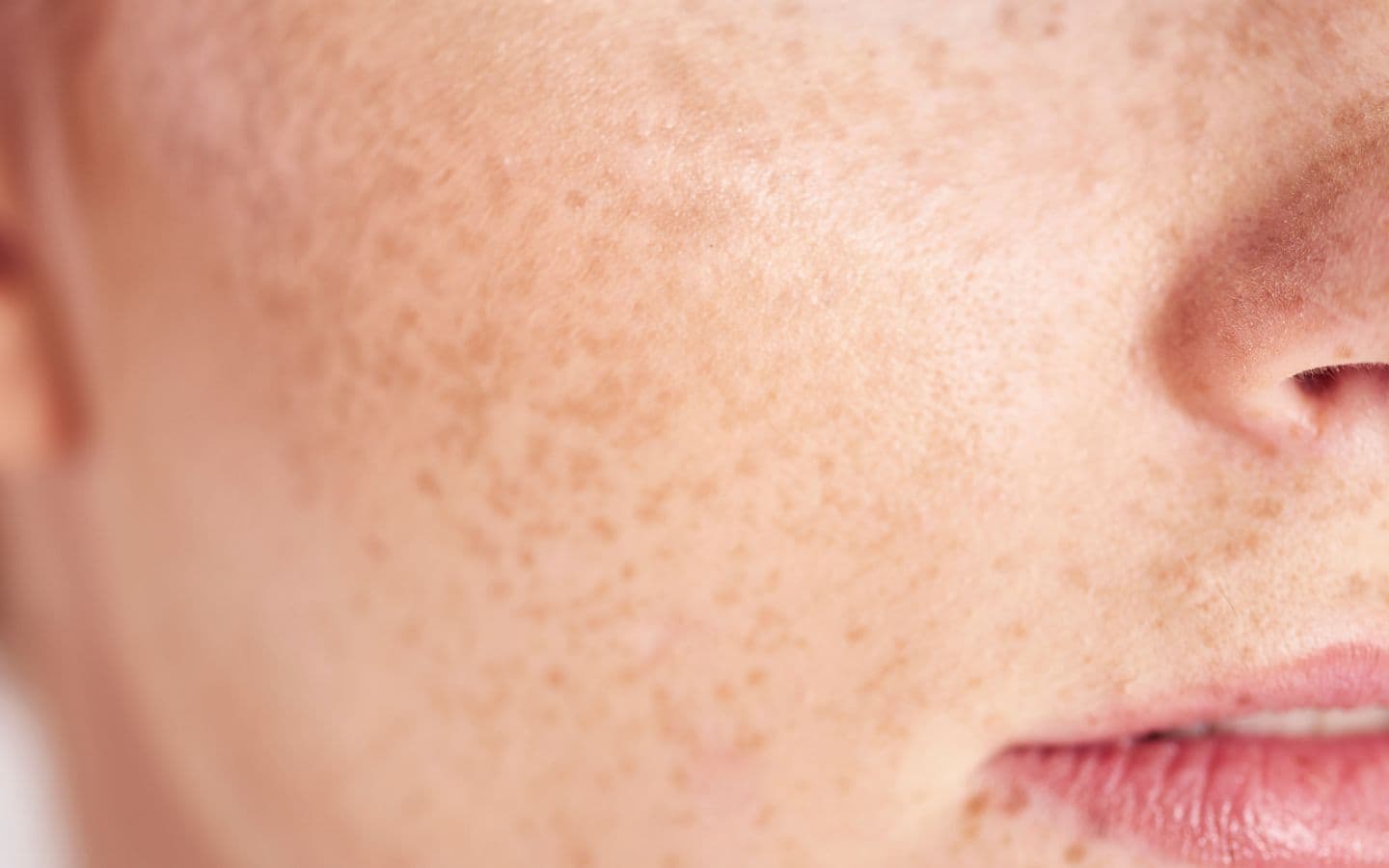
Facial pigmentation, before and after a course of treatment at Kaiteki
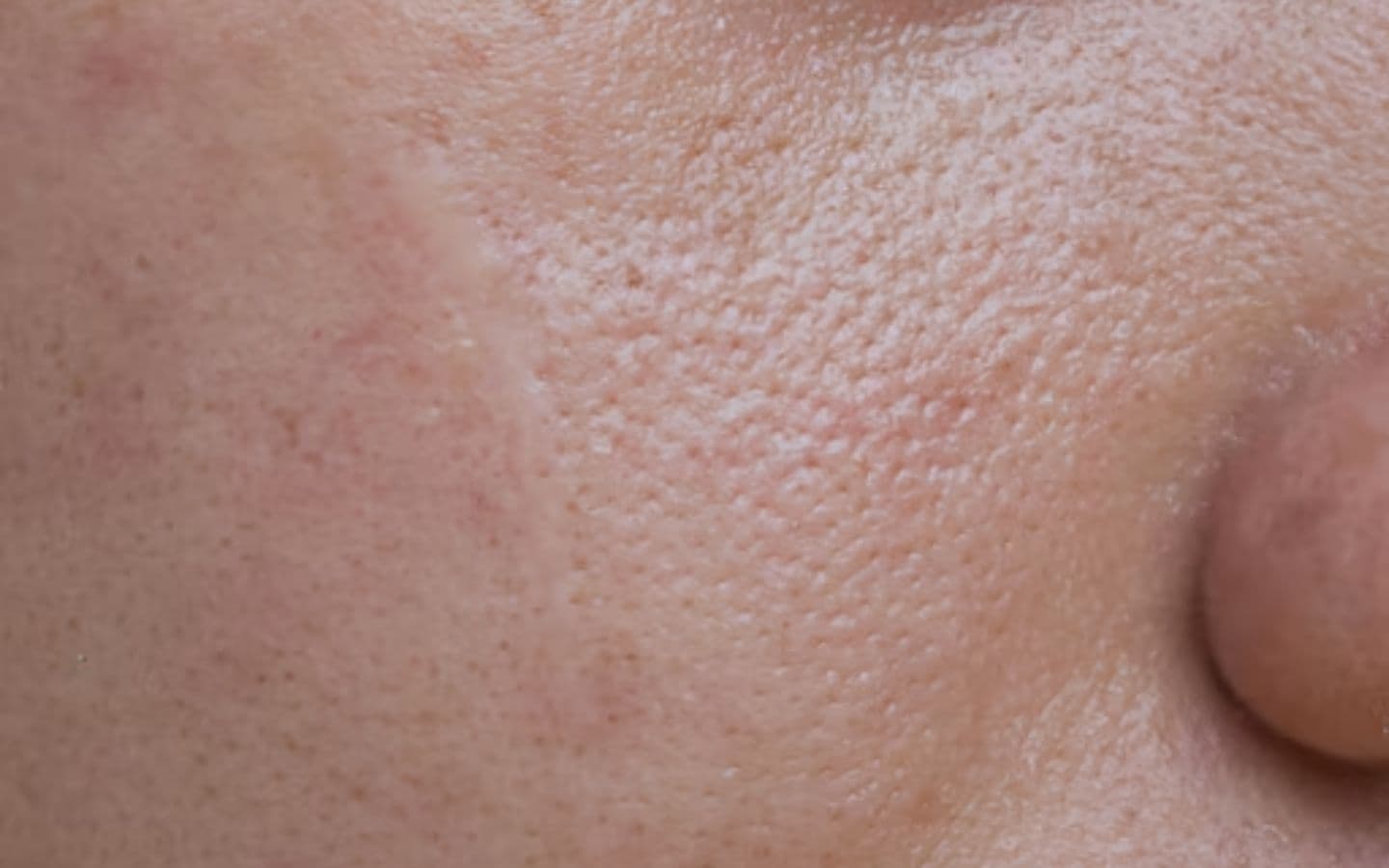
Pore appearance on the cheek, before and after a course of treatment at Kaiteki
Active acne, before and after a course of treatment at Kaiteki
Facial pigmentation, before and after a course of treatment at Kaiteki
Skin texture and pores, before and after a course of treatment at Kaiteki
Active acne, before and after a course of treatment at Kaiteki
Uneven tone on the cheek, before and after a course of treatment at Kaiteki
Pores and texture across the face, before and after a course of treatment at Kaiteki
Active acne, before and after a course of treatment at Kaiteki
Photographs of Kaiteki patients, published with consent. Individual results vary and are not guaranteed. These images are not a promise of outcome. A doctor will assess whether any treatment is suitable for you.
What are Facial Treatments?
Facial Treatments are clinic-based procedures that combine cleansing, exfoliation and skin-conditioning steps in a single session, generally with gentler technology than laser or energy-based devices. At Kaiteki this category includes Hydrafacial and Silkpeel.
They are typically considered for congested pores, dull or uneven-looking tone and general hydration, as routine maintenance or between other treatments.
How do Hydrafacial and Silkpeel work?
Hydrafacial uses a device-based process that cleanses, exfoliates and extracts debris from pores before infusing serums suited to the skin. Silkpeel combines exfoliation with simultaneous infusion of topical solutions.
Both aim to clear surface build-up, refine texture and support hydration rather than treat deeper structural concerns.
Concerns this treatment addresses
Each of these pages covers what the concern is and every option considered for it, not only Facial Treatments.

Who should postpone or avoid it
Mention your skincare and medical history, especially any known sensitivity to skincare products.
- Active inflamed acne, infection or broken skin in the area.
- An eczema or rosacea flare, or sunburn.
- Straight after a peel, laser or waxing in the area.
- Recent isotretinoin or strong topical retinoids, which can mean waiting or adjusting the facial.
What a session involves
Skin assessment
Your first visit starts with an assessment, not a treatment. It confirms which facial suits you, or whether your skin needs medical treatment instead.
The facial
The skin is cleansed, exfoliated and, depending on the option, given device-based extraction and serum infusion. Sessions are generally comfortable, and most people return to normal activities straight away.
In the treatment room
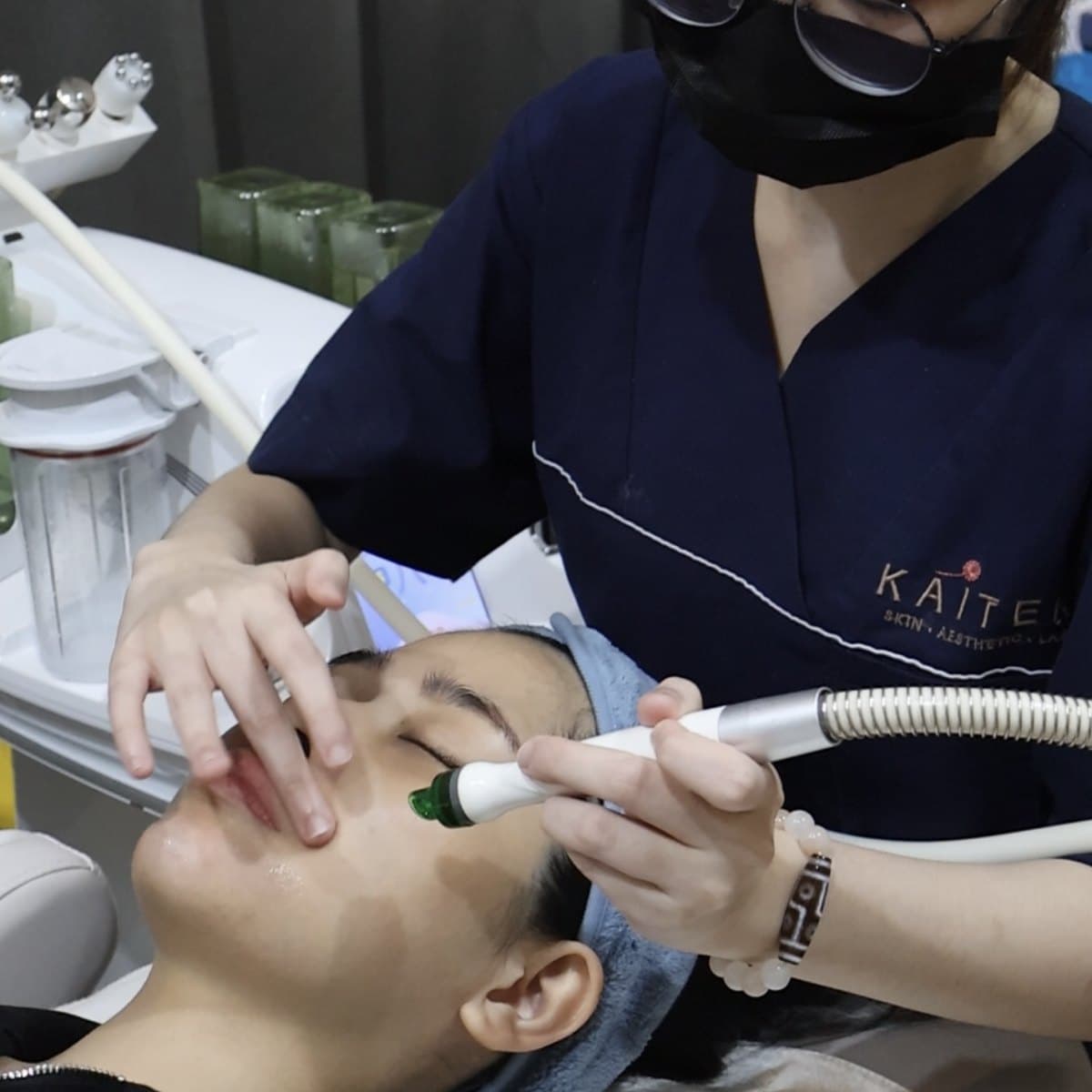
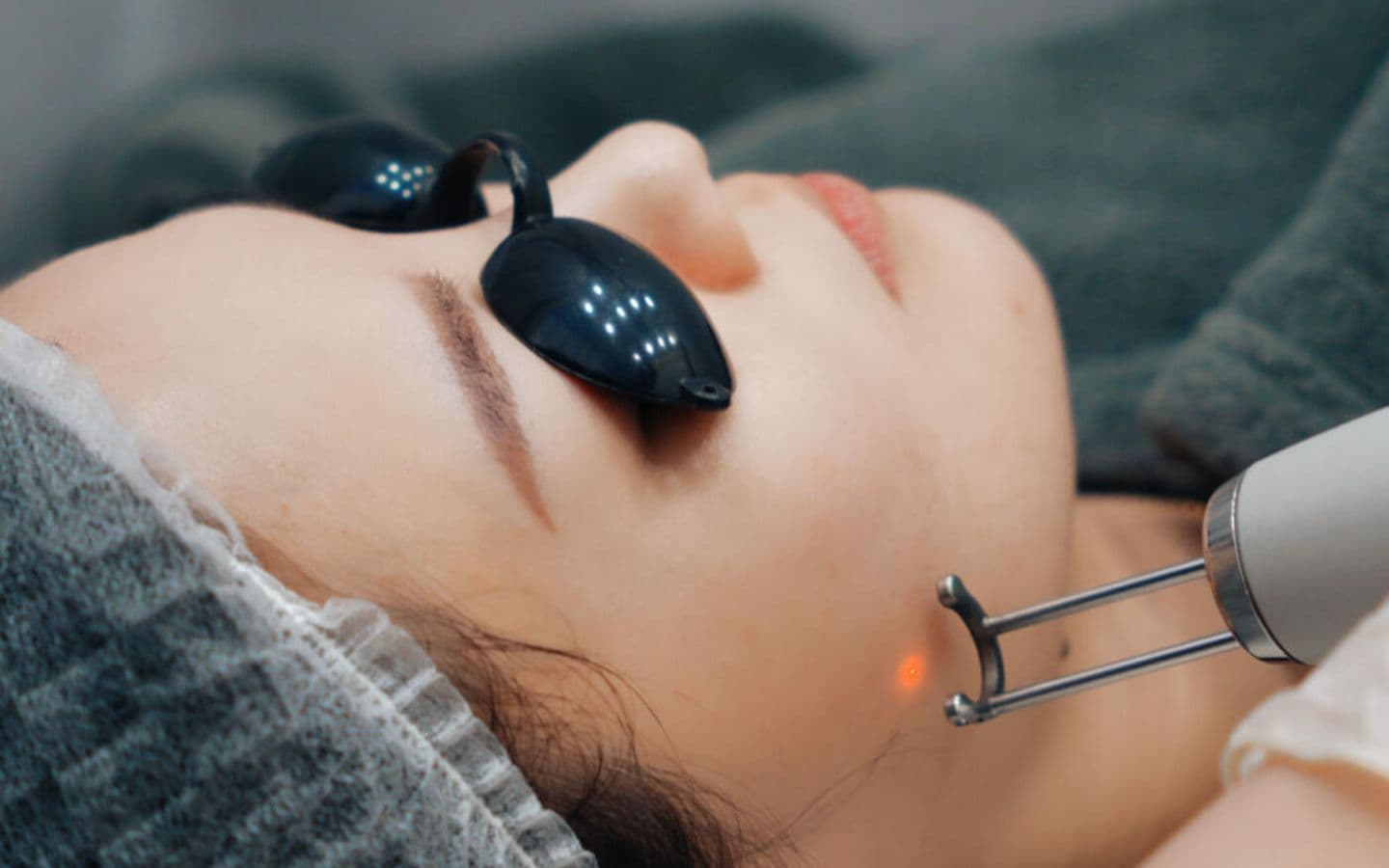
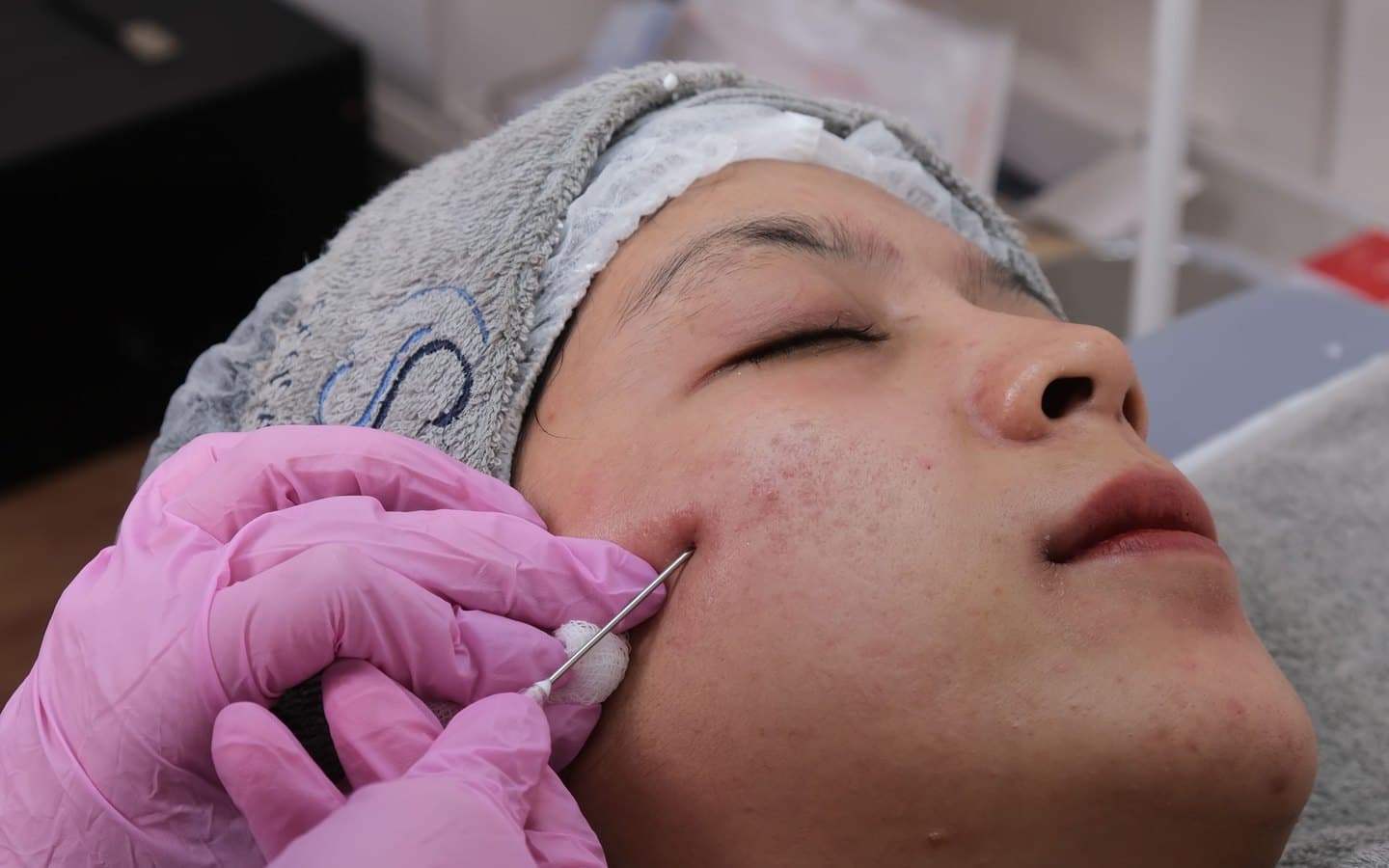
A therapist uses a suction wand across the patient's cheek during a facial.
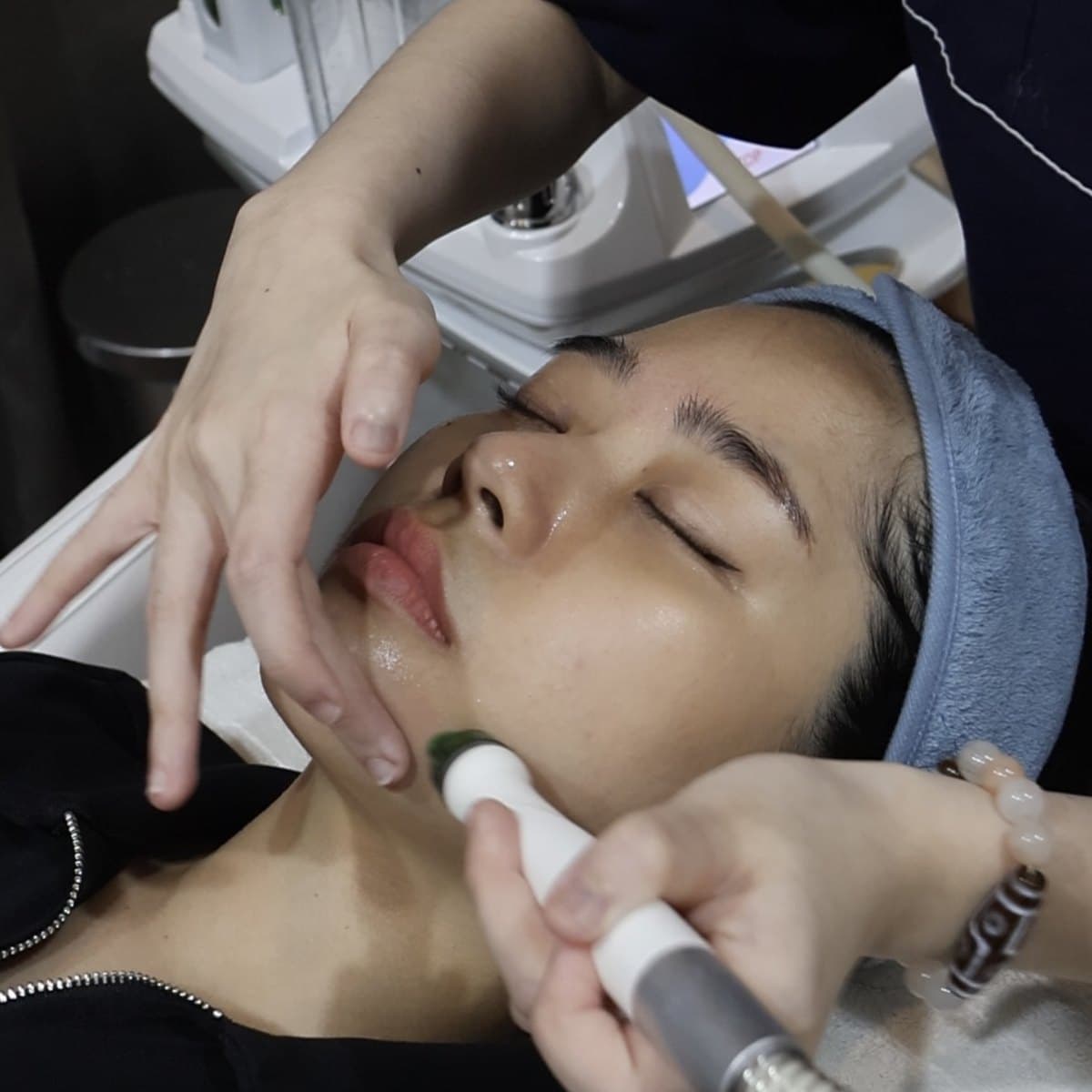
A therapist works a facial wand along the jawline.
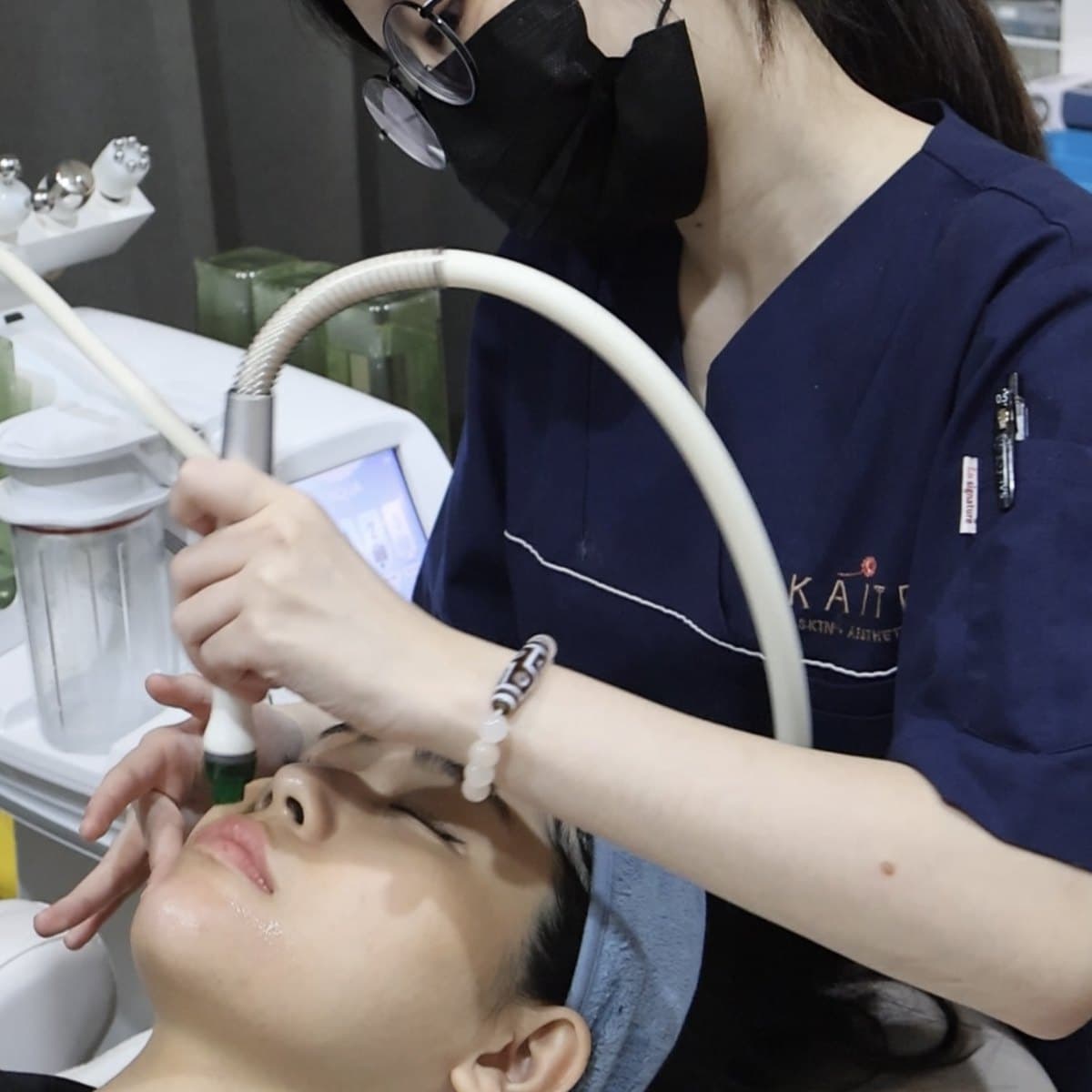
A therapist guides a facial device over the patient's upper lip area.
After a session
Mild, temporary redness can follow some facials and usually settles within a few hours. Uncommonly, a serum causes an irritation reaction. Use sun protection and gentle skincare afterwards.
The next day or two
Keep skincare gentle, and hold off on strong actives such as retinoids and acids unless advised otherwise.
Use daily sun protection.
Risks, side effects, and what Facial Treatments cannot do
Clinic facials are low-risk for most people, but not risk-free.
Common and temporary
Redness, mild sensitivity or tightness, and small areas of irritation where extraction was firm.Less common
A short-lived breakout as congestion clears, and, uncommonly, a reaction to a serum ingredient.What it cannot do
- It works at the surface, not on deeper structural concerns.
- It is not a substitute for medical treatment of acne or pigmentation.
- Congestion tends to return without a suitable home routine, which is why a facial is maintenance rather than a one-off.
Tell the clinician about your current products, any past reactions and any recent isotretinoin.
What affects the number of sessions, and the cost
Cost depends on which facial is chosen and what is added to it, so it is confirmed once that is settled.
- Which facial is chosen, and the steps included.
- Add-ons such as serum boosters, extractions, masking or LED.
- Whether areas beyond the face are treated.
- How often you choose to come in.
Devices used at Kaiteki
Which platform is used depends on your individual assessment.
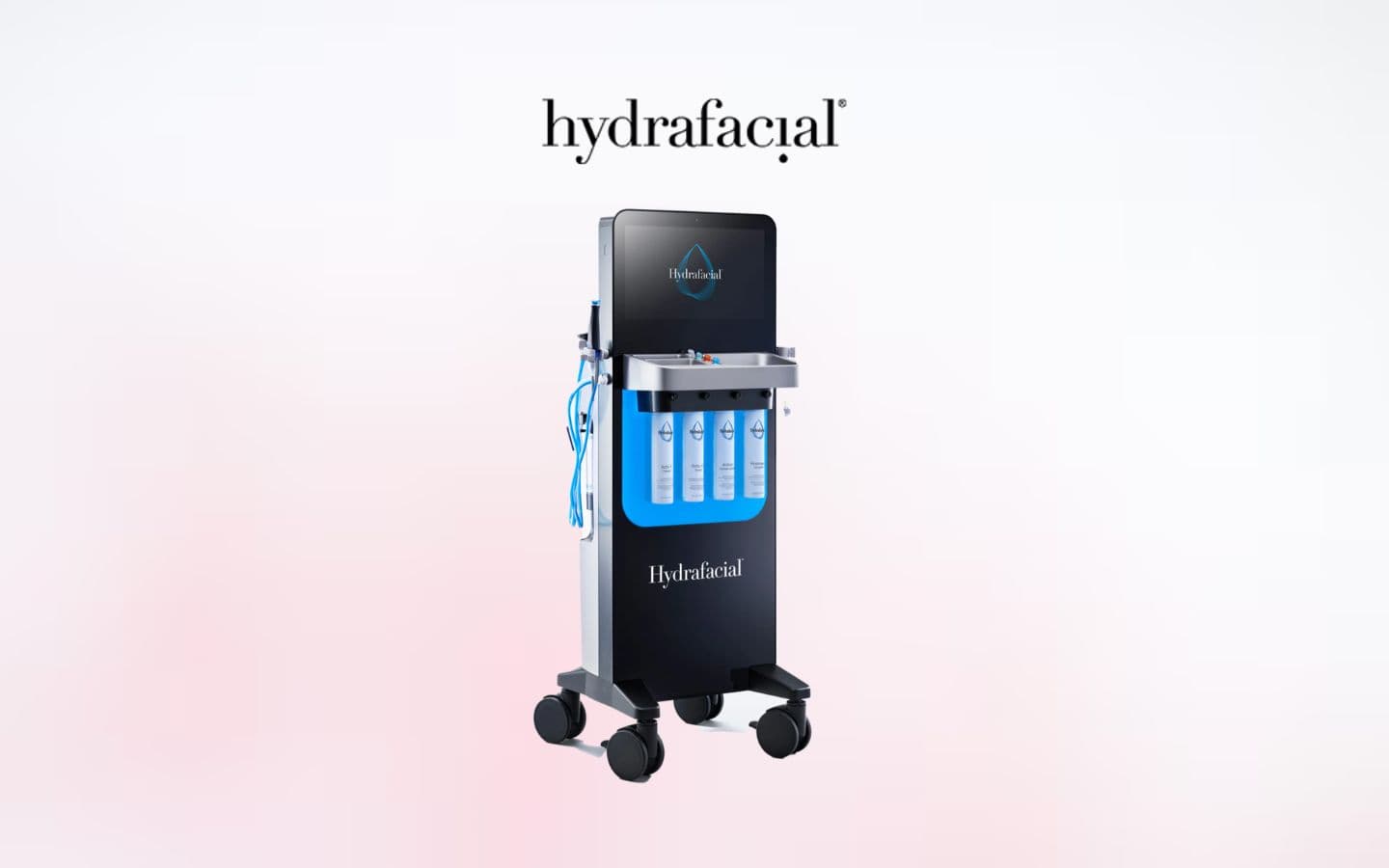
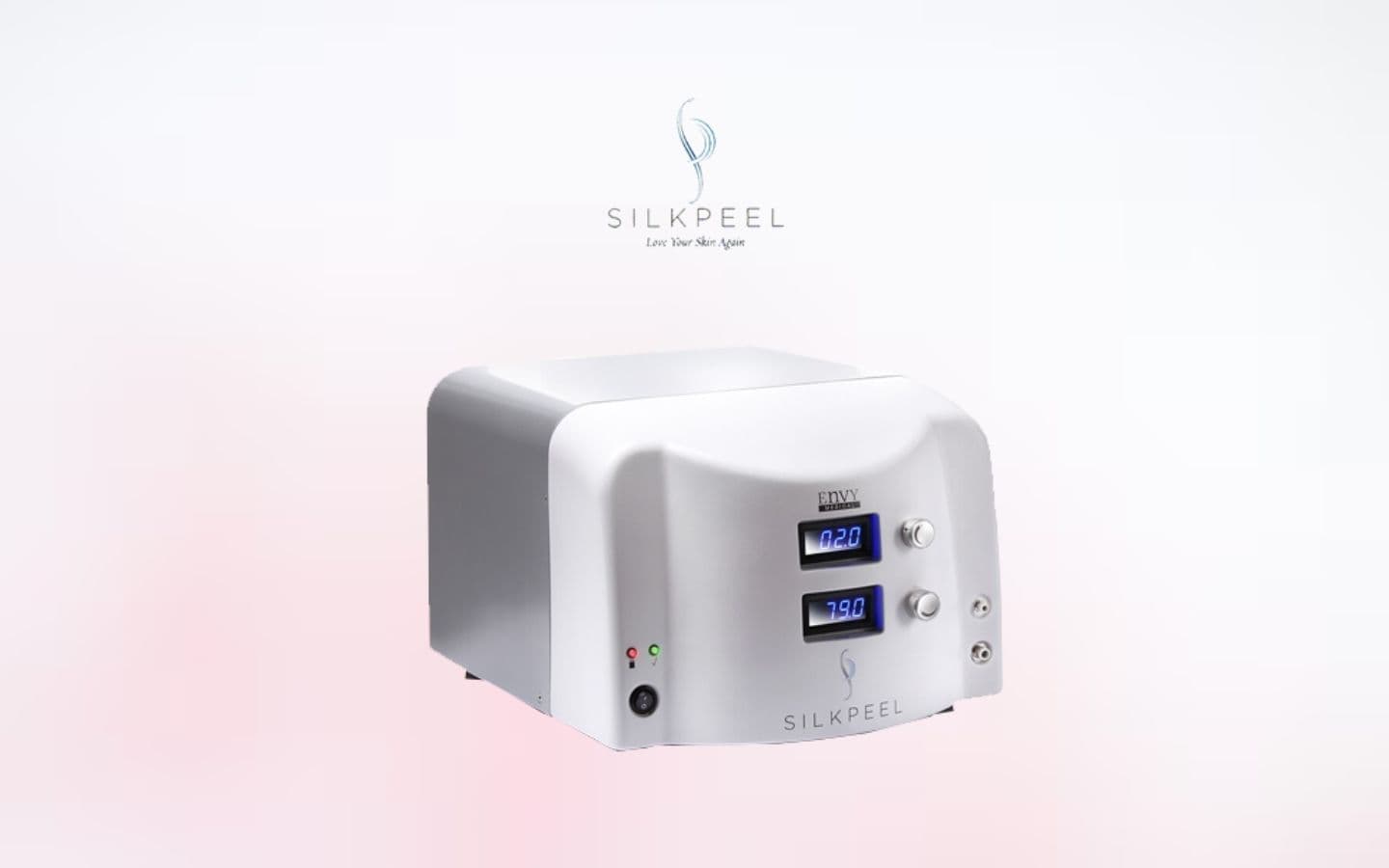
Common questions
What is the difference between Hydrafacial and Silkpeel?
Both combine exfoliation with serum infusion, but they use different device technology and formulations. The clinician advises which suits your skin.
Can facials replace treatments like Pico laser or skin boosters?
No. Facials address surface skin quality; lasers and injectables work at a different level, for more specific concerns. A facial can sit alongside them in a wider plan.
How often should I get a facial?
There is no single frequency that suits everyone. Facials are booked periodically as maintenance, at an interval set by your skin and goals.
Is a clinic facial suitable for sensitive skin?
Often yes, because suction, exfoliation and solutions can all be turned down, and no light or laser energy is involved. It is deferred during an eczema or rosacea flare, over broken skin, or soon after a peel, laser or waxing.
Can a facial clear blackheads and clogged pores?
Extraction after exfoliation is commonly used for congestion and blackheads, but congestion tends to return without a suitable home routine. If it is really inflammatory acne, the doctor may recommend medical treatment instead.
Read next


Where to go next
Book a free consultation
The consultation is free, takes about 20 to 30 minutes, and there is no obligation to book treatment afterwards. A doctor will examine your skin and tell you whether Facial Treatments is appropriate, and if it isn’t, what would be.
Ask about this treatmentMedically reviewed by
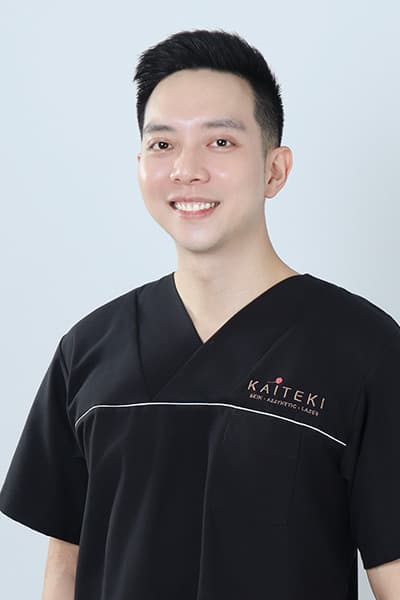
Dr Calvin Tan
Aesthetic Physician
MD, MAC · MMC 71657
Dr Calvin is a passionate medical doctor with a Medical Degree from Universiti Sains Malaysia (USM). He has over 9 years of experience in the medical industry where he worked in Orthopaedic Surgery as a medical officer then he pursued his interest into medical aesthetics. With a strong foundation in surgical training, he has acquired the hands on dexterity and precision that he can bring that experience into the field of medical aesthetics.
View full profile- Reviewed by
- Dr Calvin Tan, MMC 71657
- Last reviewed
- 13 Jul 2026
- Next review due
- 13 Jul 2027