

Concern · Skin
Pigmentation
Melasma, sun spots and post-inflammatory marks each behave differently.
Free, about 20–30 minutes, no obligation to book treatment.
- Several conditions
- Melasma, sun spots and post-inflammatory marks look similar and behave differently.
- Type before treatment
- The same laser that suits sun spots can aggravate melasma, so identification comes first.
- Sun protection is part of it
- Daily broad-spectrum sunscreen is included in every plan discussed here.
On this page
In brief
Pigmentation describes areas of darker skin, most commonly sun spots, melasma and marks left after inflammation. They can look alike but are managed differently: sun spots are often treated with pico laser, melasma is managed conservatively and long-term, and post-inflammatory marks usually start with treating the cause.
Results from Kaiteki patients
9 photos · tap one to enlarge
Facial pigmentation, before and after a course of treatment at Kaiteki
Facial pigmentation, before and after a course of treatment at Kaiteki
Uneven tone on the cheek, before and after a course of treatment at Kaiteki
Uneven tone on the cheek, before and after a course of treatment at Kaiteki
Sun-related pigmentation, before and after a course of treatment at Kaiteki
Sun-related pigmentation, before and after a course of treatment at Kaiteki
Facial pigmentation, before and after a course of treatment at Kaiteki
Skin tone and clarity, before and after a course of treatment at Kaiteki
Skin tone and clarity, before and after a course of treatment at Kaiteki
Photographs of Kaiteki patients, published with consent. Individual results vary and are not guaranteed. These images are not a promise of outcome. A doctor will assess whether any treatment is suitable for you.
What is pigmentation?
Skin colour comes from melanin, made by cells called melanocytes. Pigmentation becomes a concern when melanin is produced or distributed unevenly, leaving patches darker than the surrounding skin.
Common causes
Usually more than one at once:
- Sun and UV exposure: the most consistent contributor in a country with year-round equatorial UV. It both triggers new pigment and darkens what is already there, including through cloud and window glass.
- Hormonal change: pregnancy, hormonal contraception and thyroid conditions are all associated with melasma.
- Inflammation or injury to the skin: acne, eczema, a burn, a cut or an aggressive cosmetic procedure can leave a flat brown mark behind as the skin settles. This is post-inflammatory hyperpigmentation.
- Skin type and family history: medium and deeper skin tones produce pigment more readily in response to injury, and melasma in particular tends to run in families.
Which type do I have?
These three account for most cases.
Sun-related pigmentation
Defined brown patches
Discrete, fairly well-defined brown patches on the areas that catch the most light. They accumulate slowly over years and do not fade in the way a tan does.
- Solar lentigines: flat, evenly coloured brown spots with a clear border, often called age spots or sun spots.
- Freckles: smaller, lighter and more numerous, usually appearing early in life and darkening with sun exposure.
Usually assessed for: commonly assessed for pico laser.
Melasma
Symmetrical, blurred edges
Larger, symmetrical patches with soft, ill-defined edges, typically across the cheeks, upper lip, forehead and jaw. It is hormone-influenced and heat-sensitive.
- It fluctuates: it darkens with sun, heat and hormonal shifts, and lightens again in quieter periods.
Usually assessed for: assessed cautiously: conservative settings, longer intervals, daily protection.
Post-inflammatory hyperpigmentation
Marks after a spot heals
Flat brown or grey-brown marks exactly where something happened: a spot, scratch, eczema or insect bite.
- It follows the injury: the shape of the mark matches whatever caused it, which is usually the clearest way to tell it apart from melasma.
- It often fades on its own: though slowly, over months, and sun exposure prolongs it.
Usually assessed for: settling the underlying cause first, then pico laser or supportive treatment if the mark persists.
Where pigmentation appears
Location is a clue rather than a diagnosis, but the pattern is often the first thing a doctor reads.
Cheeks and cheekbones
The most sun-exposed part of the face and the usual home of both sun spots and melasma. Symmetry across both cheeks points toward melasma; scattered discrete spots point away from it.Upper lip and jaw
A symmetrical shadow above the lip or along the jaw is a common melasma pattern, and one that is often mistaken for facial hair or a shaving mark.Forehead and temples
Sun exposure dominates here.Nose and bridge
Catches direct light all day, so freckles and solar lentigines cluster here.Neck, chest and hands
Frequently overlooked and frequently the most sun-damaged. Skin here is thinner, heals more slowly and is treated more conservatively than the face.Not typical pigmentation?
A mark that is changing in size, shape or colour, has an irregular border, itches or bleeds should be examined promptly.
When to see a doctor
Have it looked at if:
- Over-the-counter brightening products have not helped after a few months of consistent use.
- The patches are spreading, or returning each time they fade.
- The pigmentation followed acne, eczema or a cosmetic procedure.
Treatment options at Kaiteki
Which one fits depends on the type:
Pico Laser
For sun spots, freckles and stubborn pigment
A picosecond laser that shatters pigment with very short pulses rather than heating the surrounding skin.
Pico LaserSkin Booster
For dull, dehydrated skin around the patches
Injectable hydration that addresses the overall quality of the skin rather than the pigment itself.
Skin BoosterVascular / Pigment Laser
For redness sitting under the brown
Targets both pigment and superficial blood vessels.
Vascular / Pigment LaserResurfacing Laser
For pigment bound up with texture change
A fractional laser used where uneven tone sits alongside roughness, sun damage or scarring rather than on its own. More downtime.
Resurfacing LaserFacial Treatments
For gentle exfoliation between laser sessions
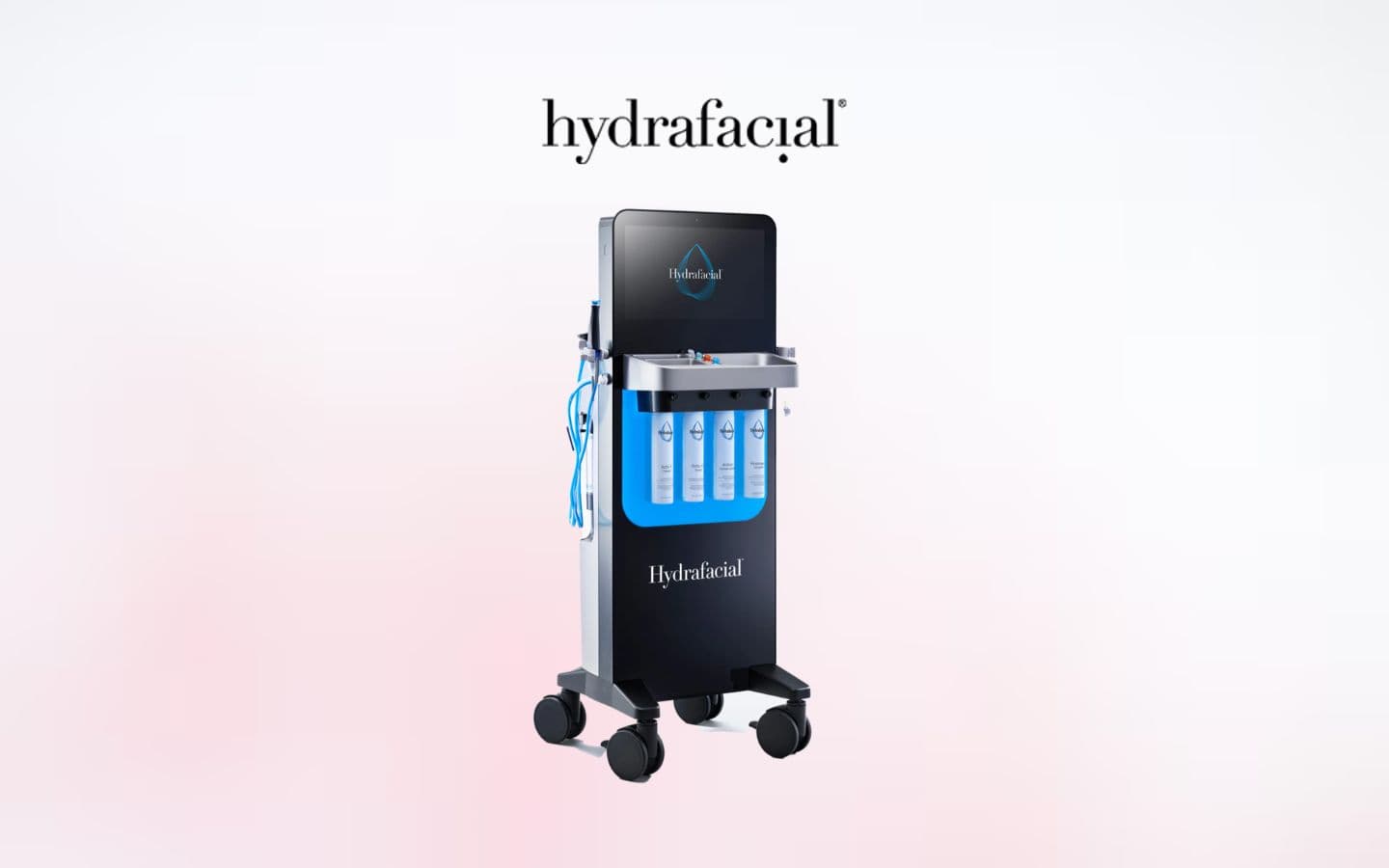
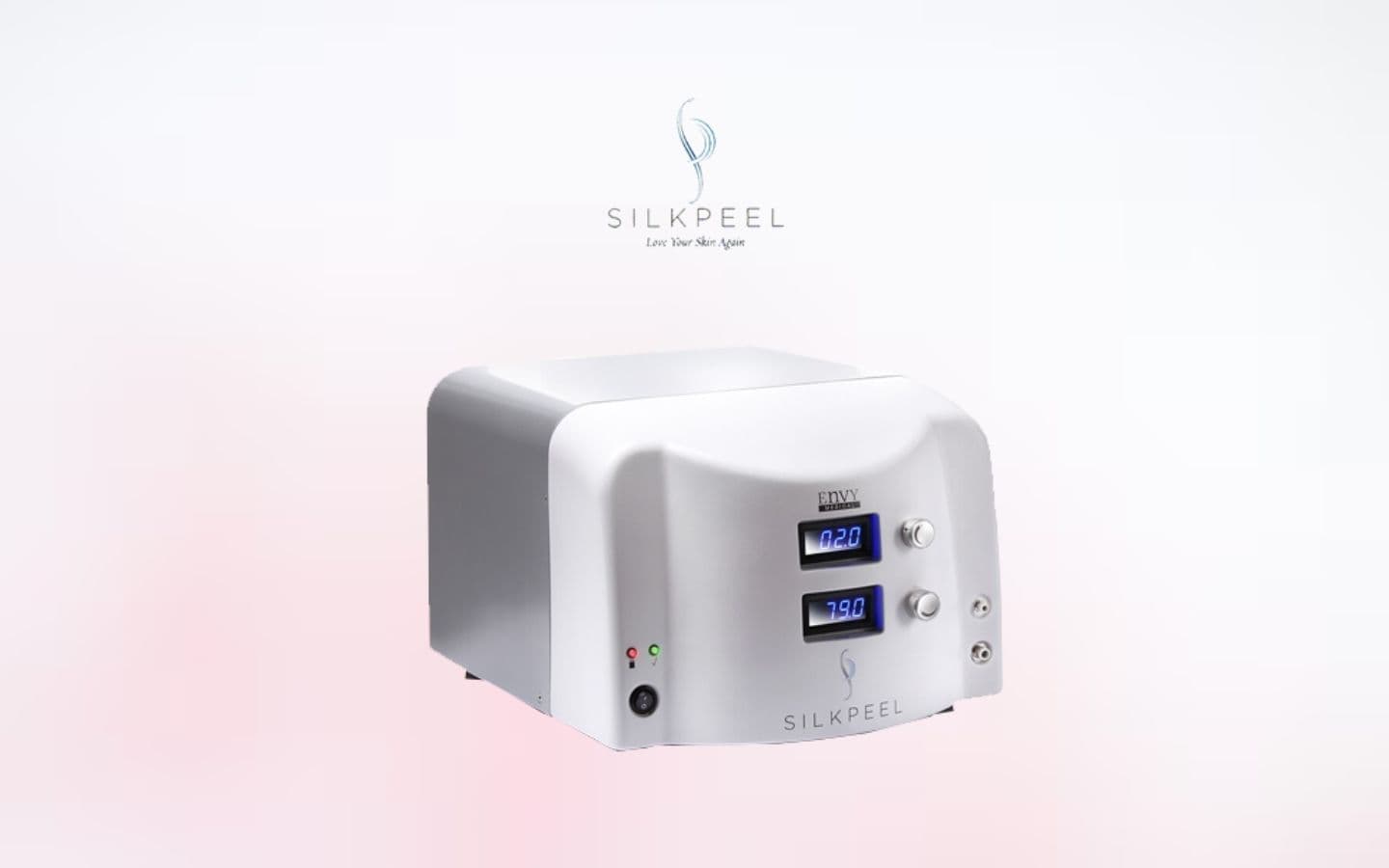
Hydrafacial and Silkpeel support surface cell turnover without the heat or aggression that aggravates melasma.
Facial Treatments
Which treatment suits which type?
A general guide. Mixed pigmentation is common; sessions are set after assessment.
| What you have | Commonly considered | Typical course | Downtime |
|---|---|---|---|
| Sun spots and freckles | Pico laser | Multiple sessions, spaced | Minimal |
| Melasma | Conservative medical management first | Long-term, reviewed regularly | None to minimal |
| Marks after acne or eczema | Treat the cause first, then pico laser | Reviewed once the cause settles | Minimal |
| Pigment with roughness or texture | Resurfacing laser | Assessed individually | 5–7 days |
| Brown with a red component | Vascular and pigment laser | Multiple sessions | Minimal |
| Dull, dehydrated, uneven tone | Skin boosters, clinic facials | Ongoing maintenance | None |
Sun spots or melasma?
Send us a photo on WhatsApp and a doctor can tell you which you are looking at.
Ask about this on WhatsAppFree consultation, about 20 to 30 minutes, no obligation.
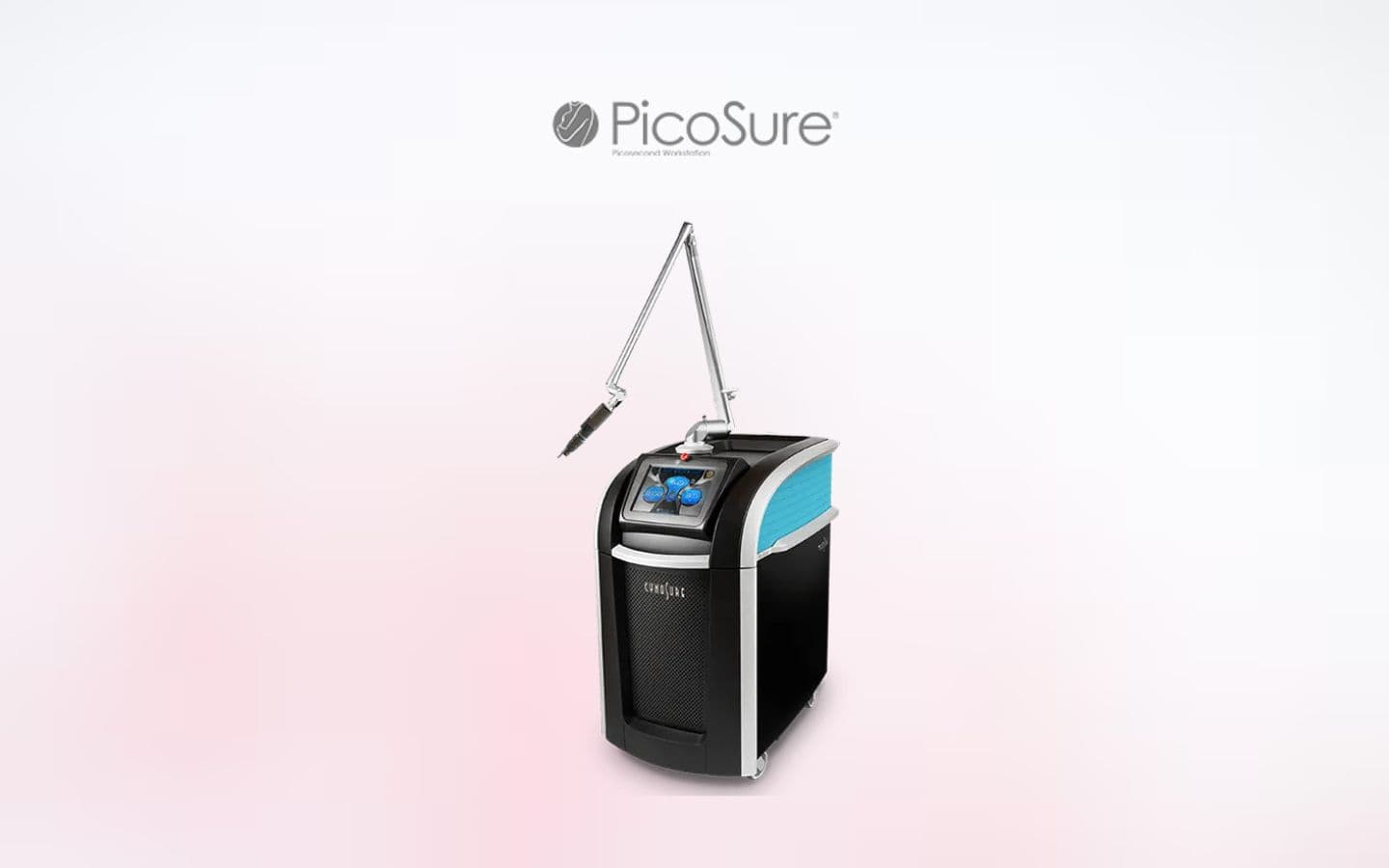
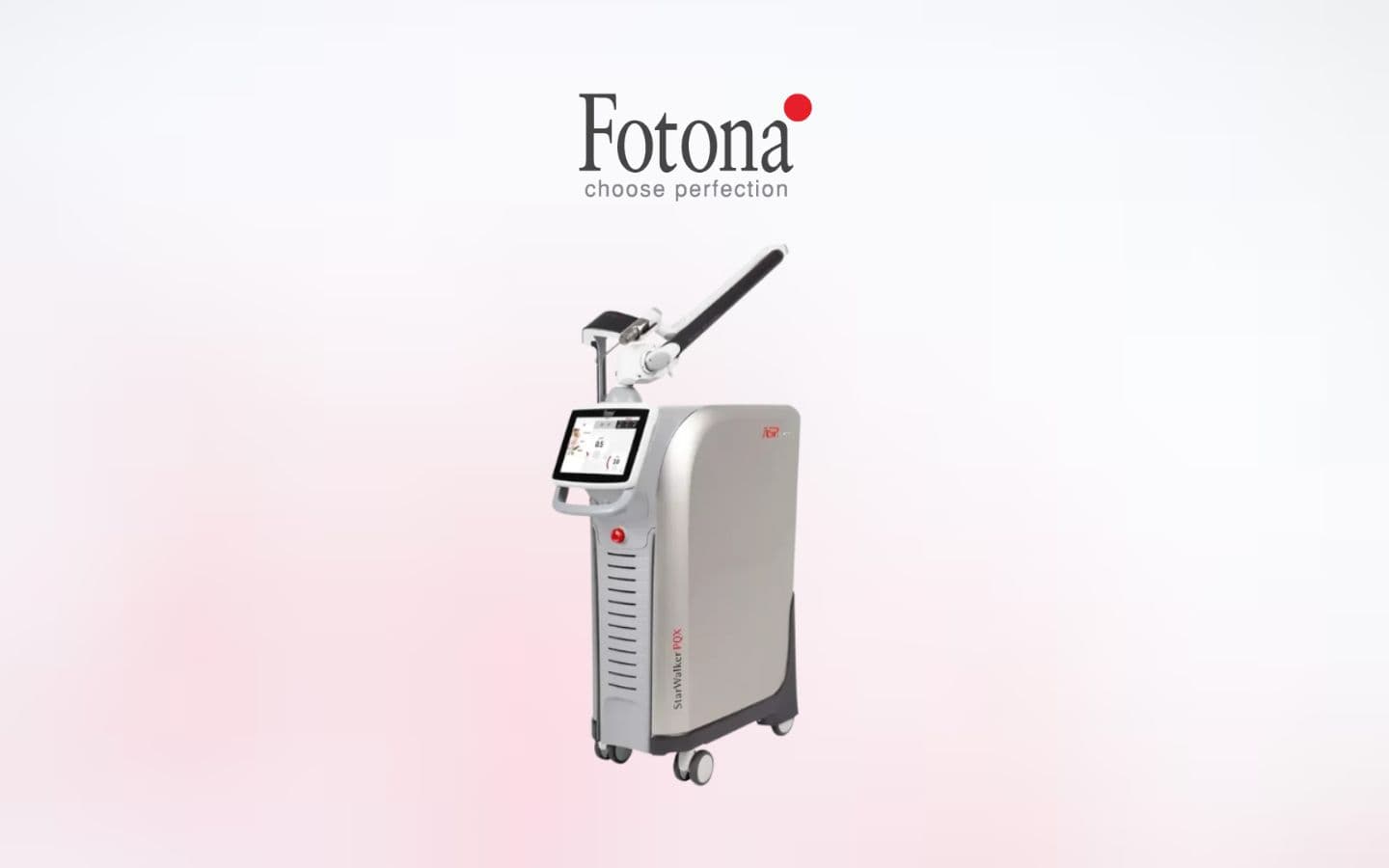
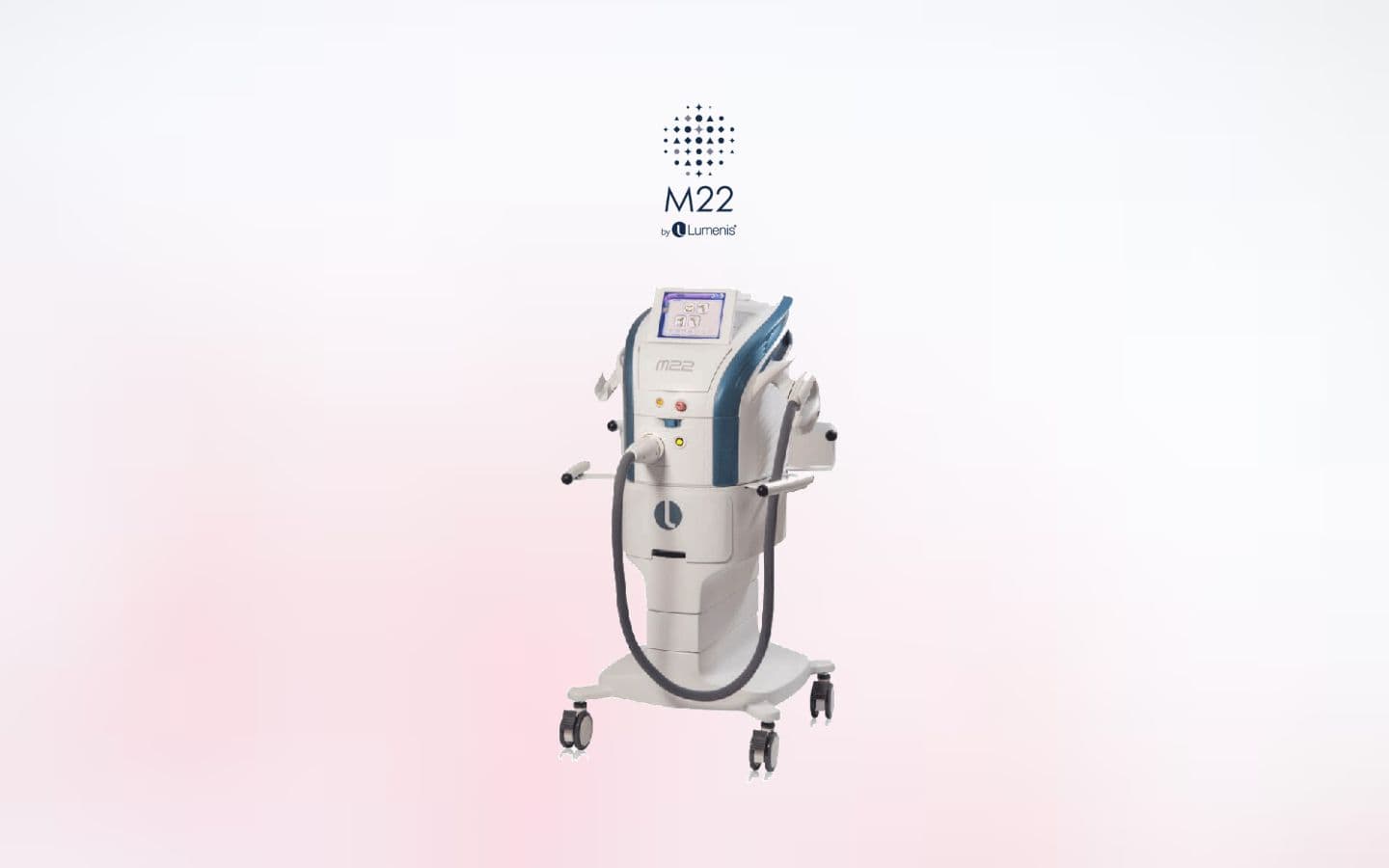
Technology used
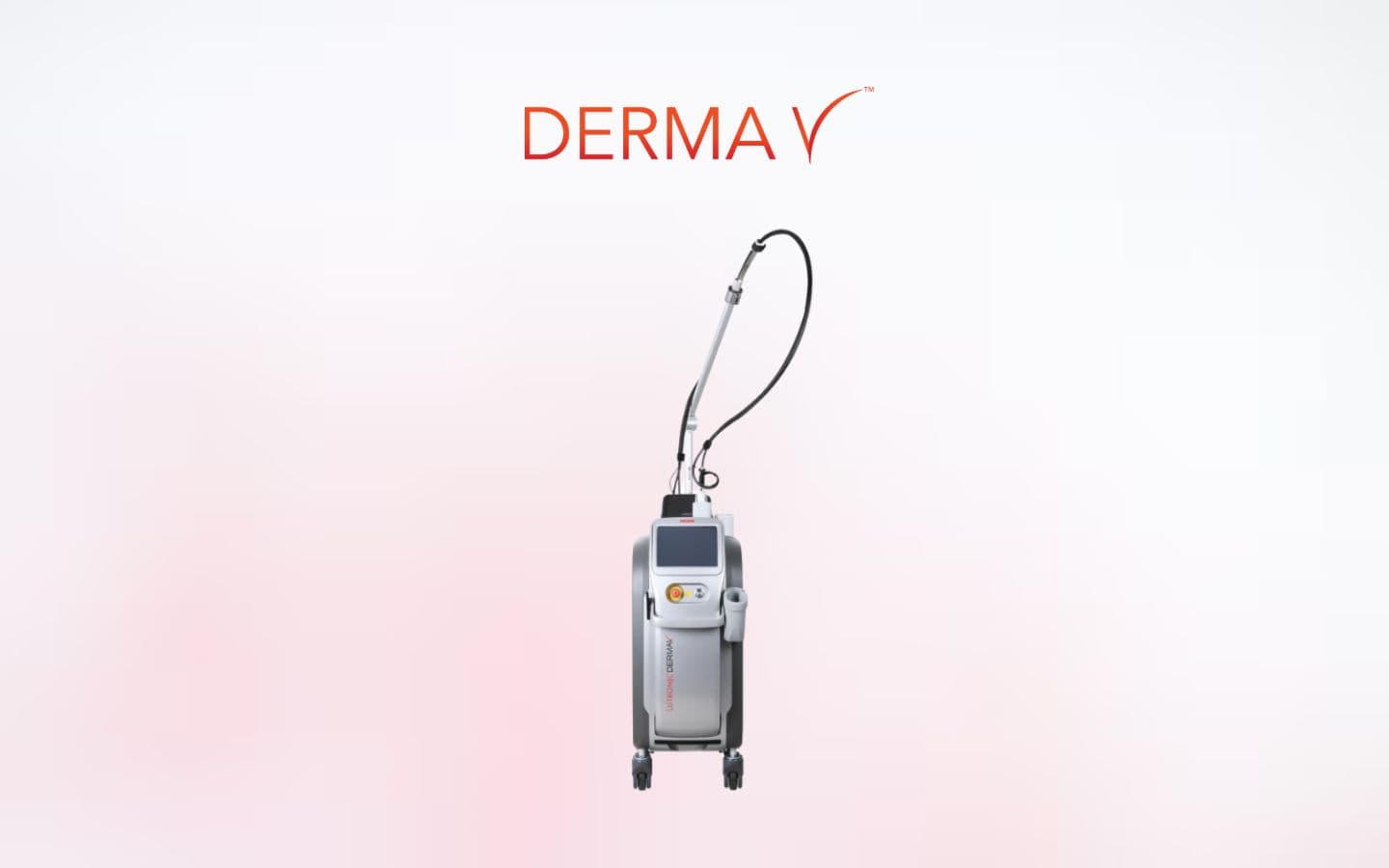
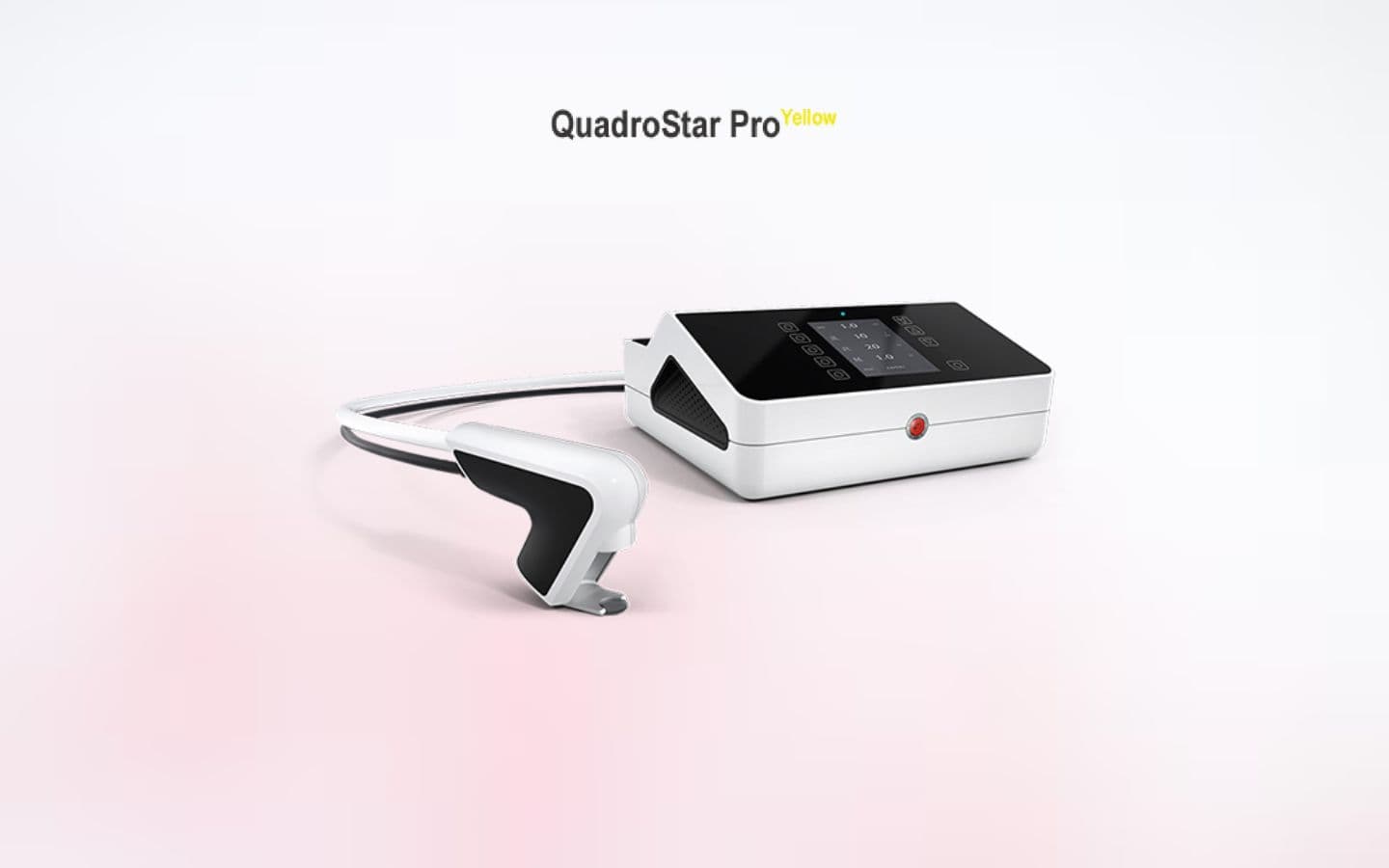
Having more than one platform means the doctor can match the device to your skin type and to what is being treated, rather than fitting your skin to a single machine.


Risks and what to expect
Common and usually temporary
Redness, mild swelling, dryness and a gritty or warm sensation for a few days. Treated spots may darken and flake before they lift. Less common effects include blistering, prolonged redness or infection.Pigment change and Malaysian skin
Medium and deeper skin tones carry a higher chance of post-inflammatory hyperpigmentation after energy-based treatment: the exact problem being treated, made worse. This is why doctors here choose conservative settings and longer intervals, and why the course may run longer than you expect.Melasma can rebound
Treated too aggressively, melasma can darken rather than lighten, and that setback can take many months to settle.What treatment cannot do
No treatment changes the tendency to produce pigment. Melasma is managed rather than cured and commonly returns with sun, heat or hormonal change. Without daily sun protection, treated spots will not stay gone.
Tell your doctor if you are pregnant or breastfeeding, taking hormonal contraception or hormone therapy, using retinoids or acids, have a history of cold sores or keloid scarring, have tanned recently, or have had any skin procedure in the past few weeks.
What your first visit involves
The examination reads the pattern and how deep the pigment sits, sometimes under a Wood's lamp.
History
Whether it followed pregnancy, contraception, acne or a procedure.
Examination
The doctor examines your skin, sometimes under magnification.
Discussion and plan
Options, risks and downtime, with no obligation to proceed.
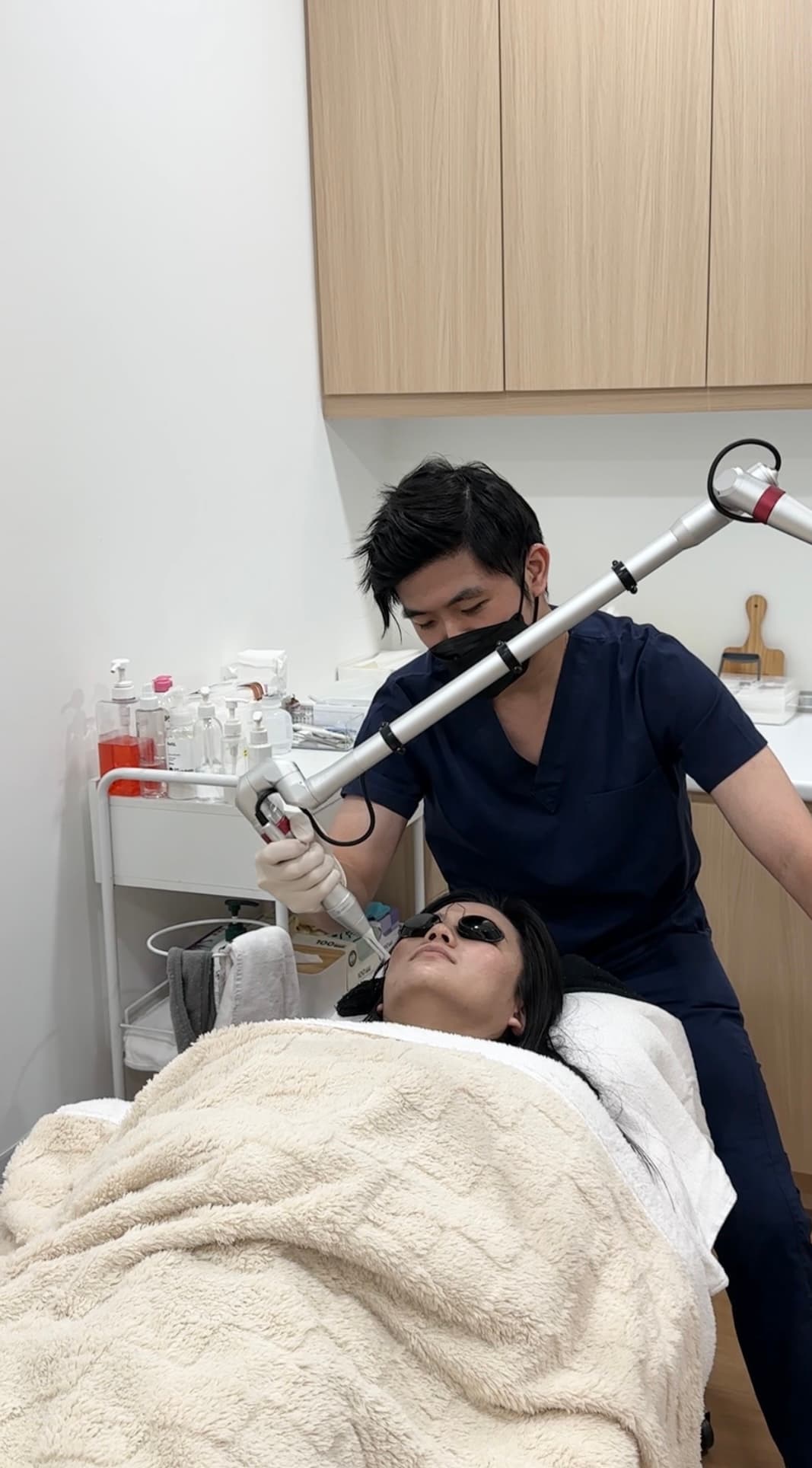
A picosecond laser session in progress. Eye shields stay on for every laser treatment to the face.
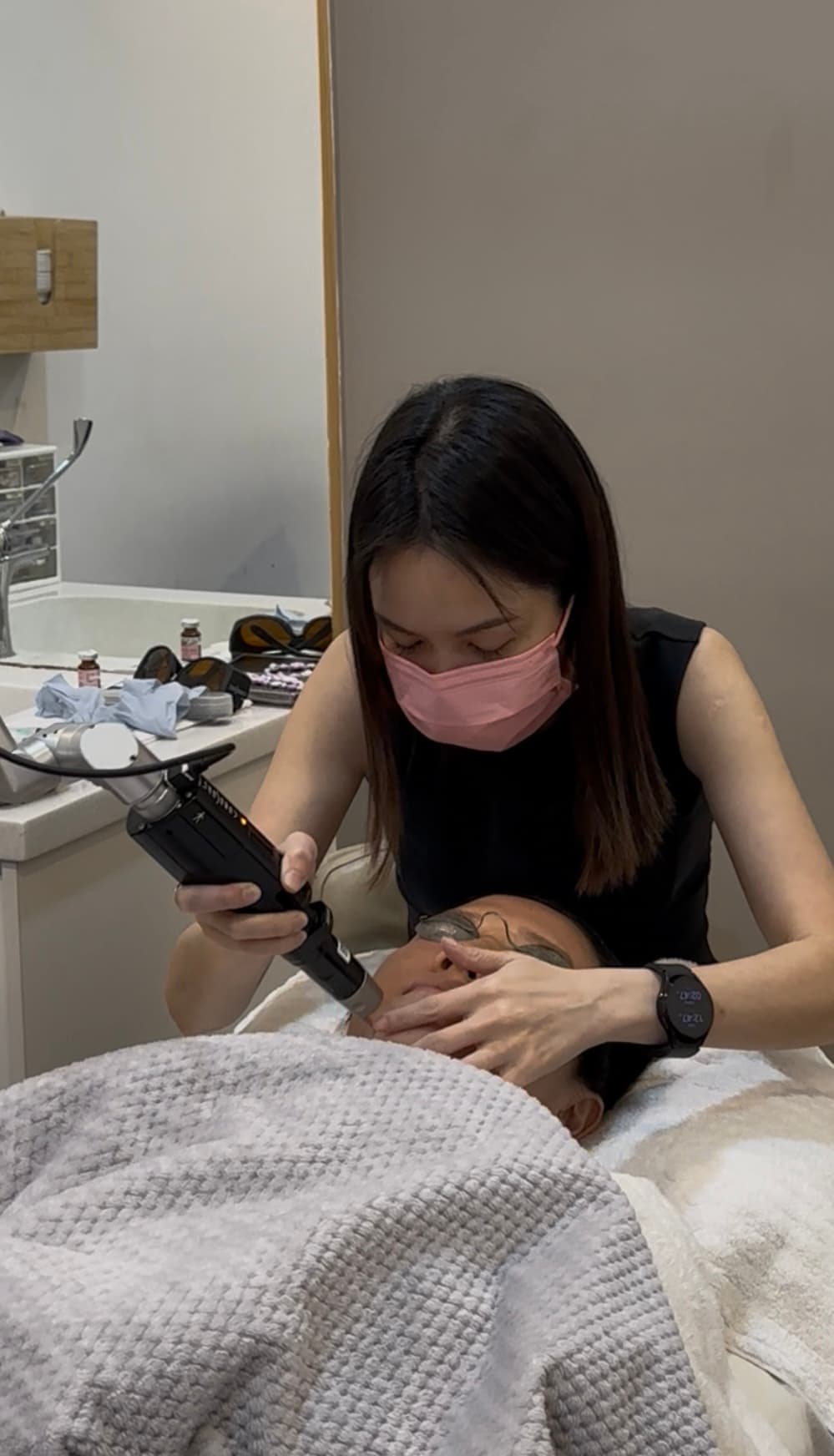
The doctor works across the area in passes, adjusting the settings to the type of pigment being treated.
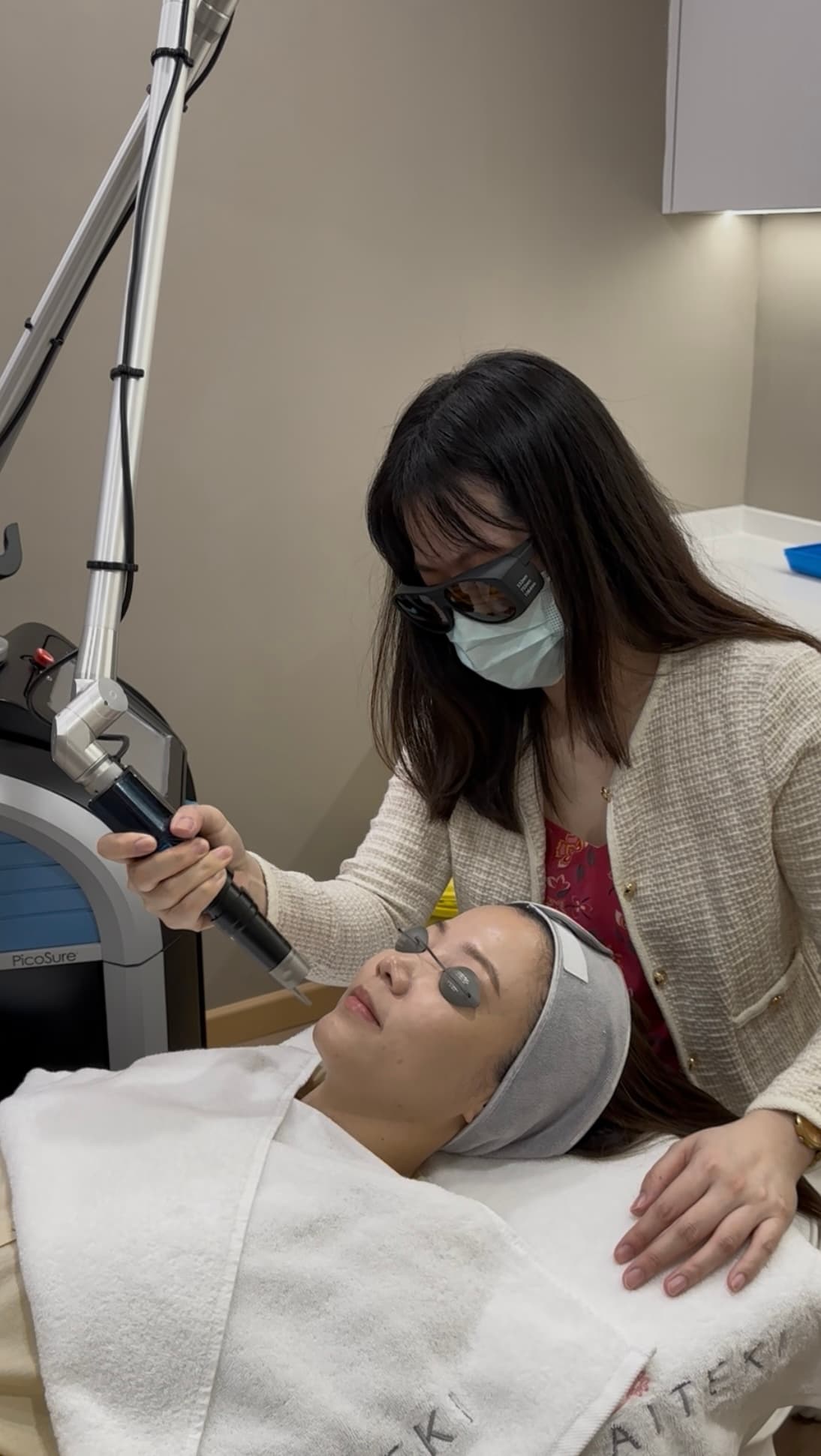
Pigment treatment is carried out at the clinic, and the plan is reviewed at each visit.
What affects the cost
Pricing is set after assessment. It depends on:
- Which type it is: melasma is managed over a longer period than a handful of sun spots.
- The area treated: a few discrete spots, the full face, or the neck, chest and hands as well.
- The device chosen, since different platforms have different session structures.
- How many sessions, which is set after assessment and adjusted at review.
- Whether medical treatment or prescription topicals form part of the plan alongside any device.
Common questions
What is the difference between melasma and sun spots?
Sun spots are discrete brown patches with a fairly clear border. Melasma is larger, symmetrical and soft-edged, and it is influenced by hormones and heat as well as sun. They can look similar in a mirror and they are managed almost oppositely.
Why does pigmentation come back?
Because treatment addresses the pigment that is there, not the tendency to produce it. Daily sun protection and, where relevant, ongoing medical treatment are what keep treated skin stable.
Is laser safe for darker or Asian skin tones?
Yes, when the device and settings are chosen by a doctor experienced with your skin type. The specific risk in medium and deeper tones is post-inflammatory hyperpigmentation: the skin responding to treatment by producing more pigment. It is a real consideration rather than a reason to avoid treatment.
Does sunscreen actually help pigmentation?
It is the single most consistent thing you can do, both to prevent new pigmentation and to hold on to any improvement. A broad-spectrum sunscreen applied every morning and reapplied through the day is standard advice, and tinted formulations add some protection against visible light, which is relevant in melasma.
Can pigmentation be treated during pregnancy?
Elective treatment is generally deferred until after pregnancy and breastfeeding. Melasma often appears or worsens during pregnancy because of hormonal change, and it commonly settles to some degree afterwards.
Will over-the-counter brightening products work?
They can help with mild surface pigmentation and they support any in-clinic plan, but expectations should be modest. Where the pigment sits deeper, topical products alone often reach a ceiling.
Does the pigmentation get darker before it fades?
With some laser treatments, yes. Treated spots can appear darker for several days, then flake or lift as the skin turns over. This is an expected part of how the treatment works rather than a sign something has gone wrong.
Can I still use my retinol or acid products?
Do not stop or start anything without telling your doctor. Retinoids and exfoliating acids are usually paused for a period before and after energy-based treatment, because they thin the surface and increase sensitivity.
Read next



Related concerns
Acne
Post-acne marks are the most common form of pigmentation we see.Aging
Sun damage drives tone and texture change at the same time.Vascular Lesions
Redness can sit alongside brown patches and needs a different device.
Find out which type you have
The consultation is free, takes about 20 to 30 minutes, and there is no obligation to book treatment afterwards. A doctor will examine your skin and talk you through what is, and is not, worth doing.
Book a free consultationMedically reviewed by
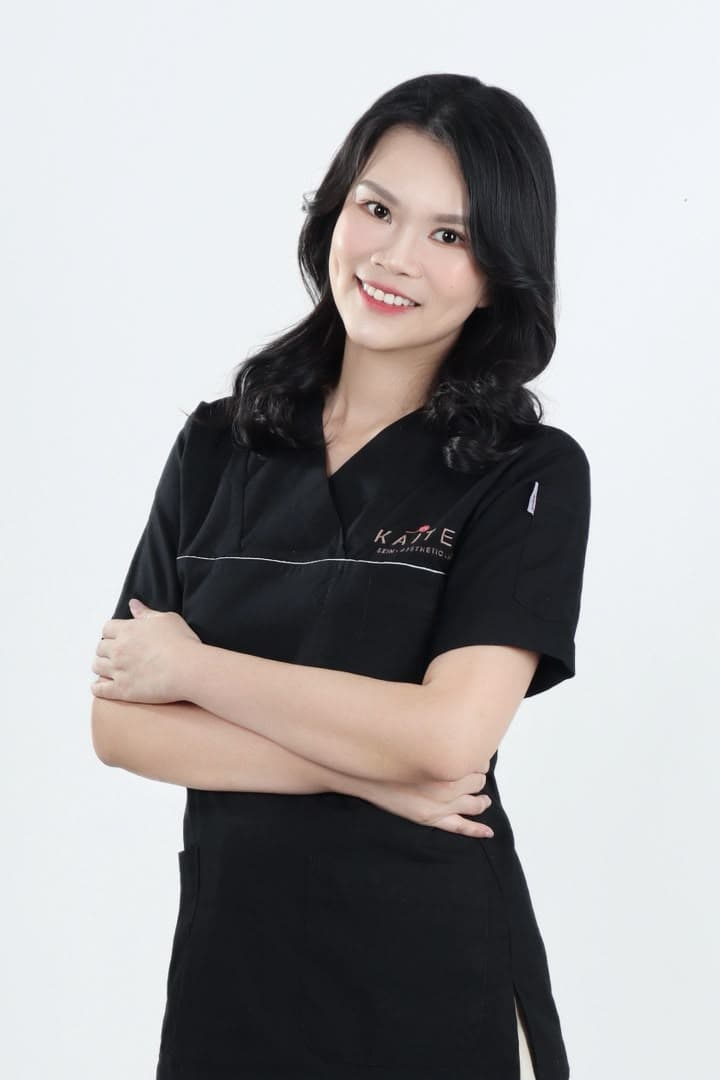
Dr Hong Peiyi
Aesthetic Physician
MD · MMC 64902
Dr Hong Peiyi graduated from Universiti Putra Malaysia (UPM) and subsequently completed advanced training in Family Medicine. With more than a decade of experience in primary care, she has developed a strong foundation in comprehensive and patient-centred healthcare.
View full profile- Reviewed by
- Dr Hong Peiyi, MMC 64902
- Last reviewed
- 20 Jun 2026
- Next review due
- 20 Jun 2027