
Injectables
ECM Skin Booster
Essalia, the ECM skin booster used at Kaiteki: purified human dermal matrix that supplies collagen and elastin, the skin's structural framework.
Free consultation, no obligation.

- Human acellular dermal matrix
- Material
- Essalia (Juveacell)
- Product used
- Skin booster
- Used within
In brief
An ECM skin booster is an injectable made from human acellular dermal matrix: donated skin tissue with every cell and all genetic material removed, leaving the collagen and elastin framework. Kaiteki uses Essalia. It aims to supply the skin's structural scaffold directly, rather than only hydrating like hyaluronic acid. Evidence is still early.
Results from Kaiteki patients
1 photos · tap one to enlarge
Before and after ECM skin booster (Essalia) treatment at Kaiteki
Photographs of Kaiteki patients, published with consent. Individual results vary and are not guaranteed. These images are not a promise of outcome. A doctor will assess whether any treatment is suitable for you.
Three kinds of skin booster, three different jobs
Most boosters either add water or support repair. An ECM booster puts back structure.
Hyaluronic acid
Holds water
Draws moisture into the skin for hydration and glow. Profhilo is one example.
Polynucleotide
Supports repair
DNA fragments directed at the skin's own repair environment. Rejuran is one example.
- Essalia
Extracellular matrix
Supplies structure
Supplies collagen and elastin, the skin's structural scaffold, directly.
What an ECM booster puts back
Think of your skin as a house. Collagen and elastin are the pillars and beams that hold everything up.
1A full frame
Dense collagen and springy elastin keep skin firm and smooth.
2Thinning with time
Age and sun break the frame down: finer lines, rougher texture, less bounce.
3Structure added back
ECM particles supply collagen and elastin into the gaps.
From donated tissue to a fine injectable
Yes, it comes from human skin. Here is how it is made.
Donated tissue
Skin donated through regulated tissue banks.
Cells removed
Every cell and all genetic material is taken out, a step called decellularisation.
Framework kept
What remains is a purified collagen and elastin rich scaffold.
Made injectable
Milled into fine particles: a powder mixed with saline, or a ready-made gel.
The same material has been used for years in breast and nerve reconstruction. If you have religious or ethical considerations about a human-derived product, tell your doctor; there are other boosters.
Who it's considered for
For skin quality and structure, not volume. Suitability is decided at consultation.
- Fine lines from early skin thinning
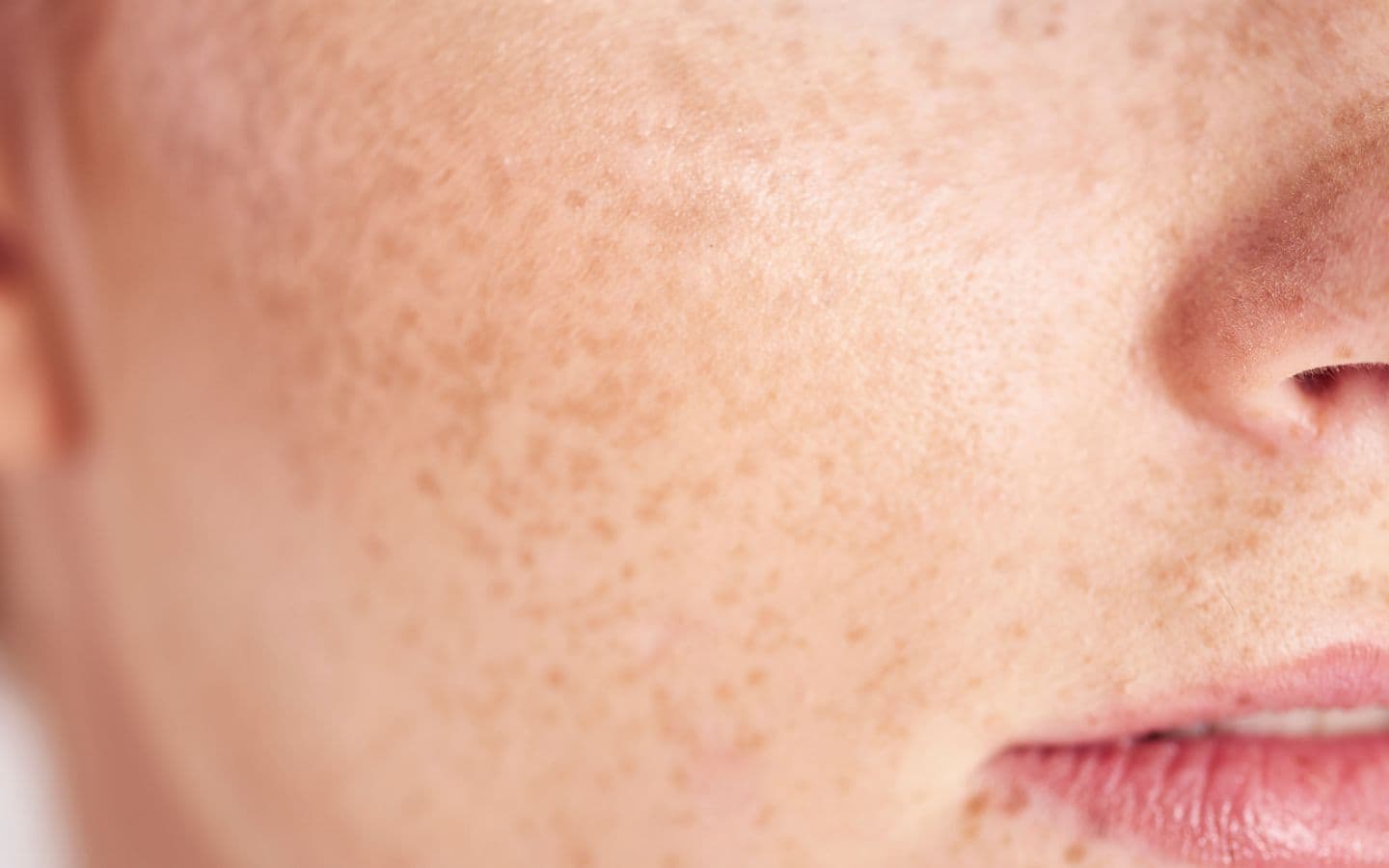
- Rough texture and enlarged-looking pores
- Loss of elasticity and skin density
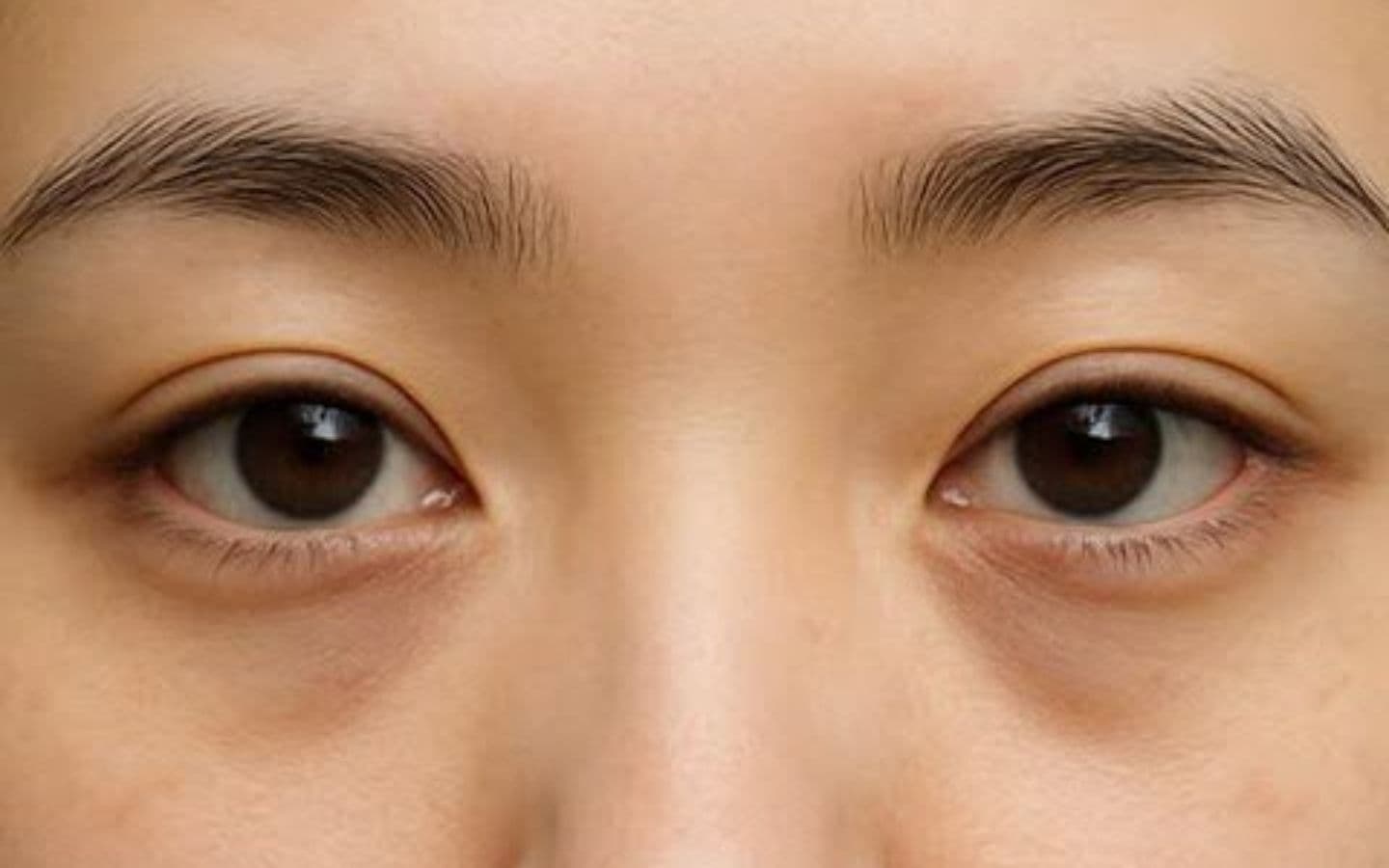
- Crepey, thin skin under the eyes
- Long-term skin quality, alongside other boosters
What the research shows so far
- Small studies report gains in skin density, elasticity, hydration and pore appearance.
- A randomised, double-blinded split-face trial of a human dermal matrix booster reported improved skin measures.
- Lab work reports more fibroblast activity, the cells that make collagen.
Studies are small and long-term data is limited. Change builds gradually over weeks, usually across a series of sessions, and results vary between individuals.
Your appointment, step by step
Consultation firstFirst visit
A doctor examines your skin and decides whether Essalia suits you.
Numbing cream
Applied and left to work while the product is prepared.
Small, shallow injections
Placed across the assessed area by the doctor.
Small bumps settle1 to 2 days
Usually within a day or two. Gentle skincare, no makeup that day, daily sunscreen.
A short course
Several sessions a few weeks apart, set by your doctor for your skin.
Who should wait, and the possible side effects
Wait or avoid if
- Pregnant or breastfeeding
- Infection, an acne flare or inflammation where it would be injected
- An autoimmune condition
- A bleeding disorder or blood-thinning medication
- A tendency to keloid or raised scars
- A past reaction to an injectable or tissue-derived product
Possible side effects
- Redness, swelling, bruising or tenderness
- Small bumps or nodules
- Infection or inflammation
- Allergic or immune reactions, less common
Published safety data on ECM injectables is still thin, so these are the general risks of injecting into the skin. Your doctor goes through them before anything is booked.
Concerns this injectable addresses
Whether it is the right choice for any of these is a decision for a doctor who has examined your skin.


Treatments that use ECM Skin Booster
Back to all devices and injectables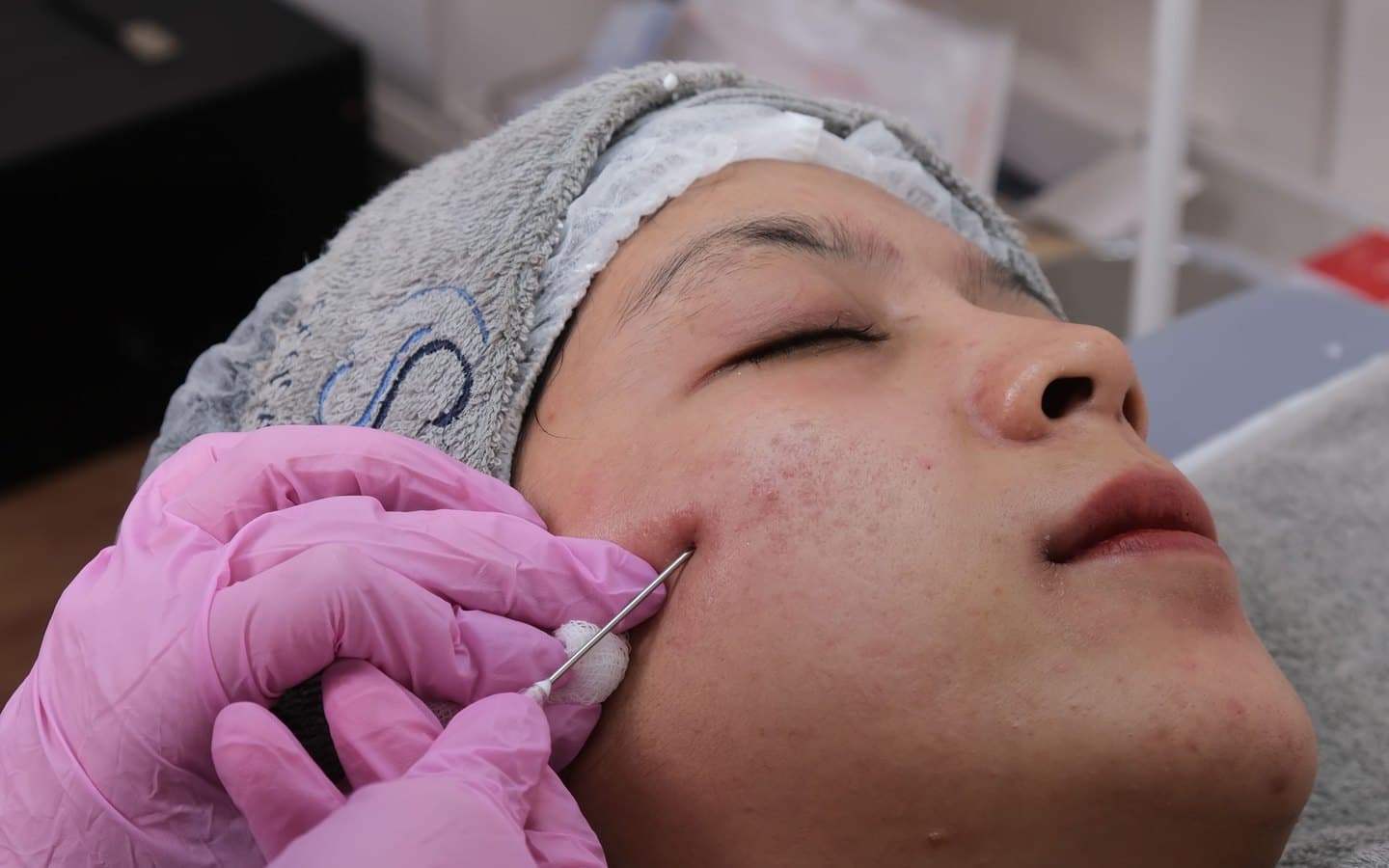
What affects the number of sessions, and the cost
Pricing is discussed at consultation rather than quoted online, so any figure reflects your assessed plan rather than a generic package. What moves it:
- The area being treated: a full face and the under-eye area alone differ.
- How many sessions your skin is likely to need.
- Whether the ECM booster is combined with another skin booster in the same plan.
Other injectables we use
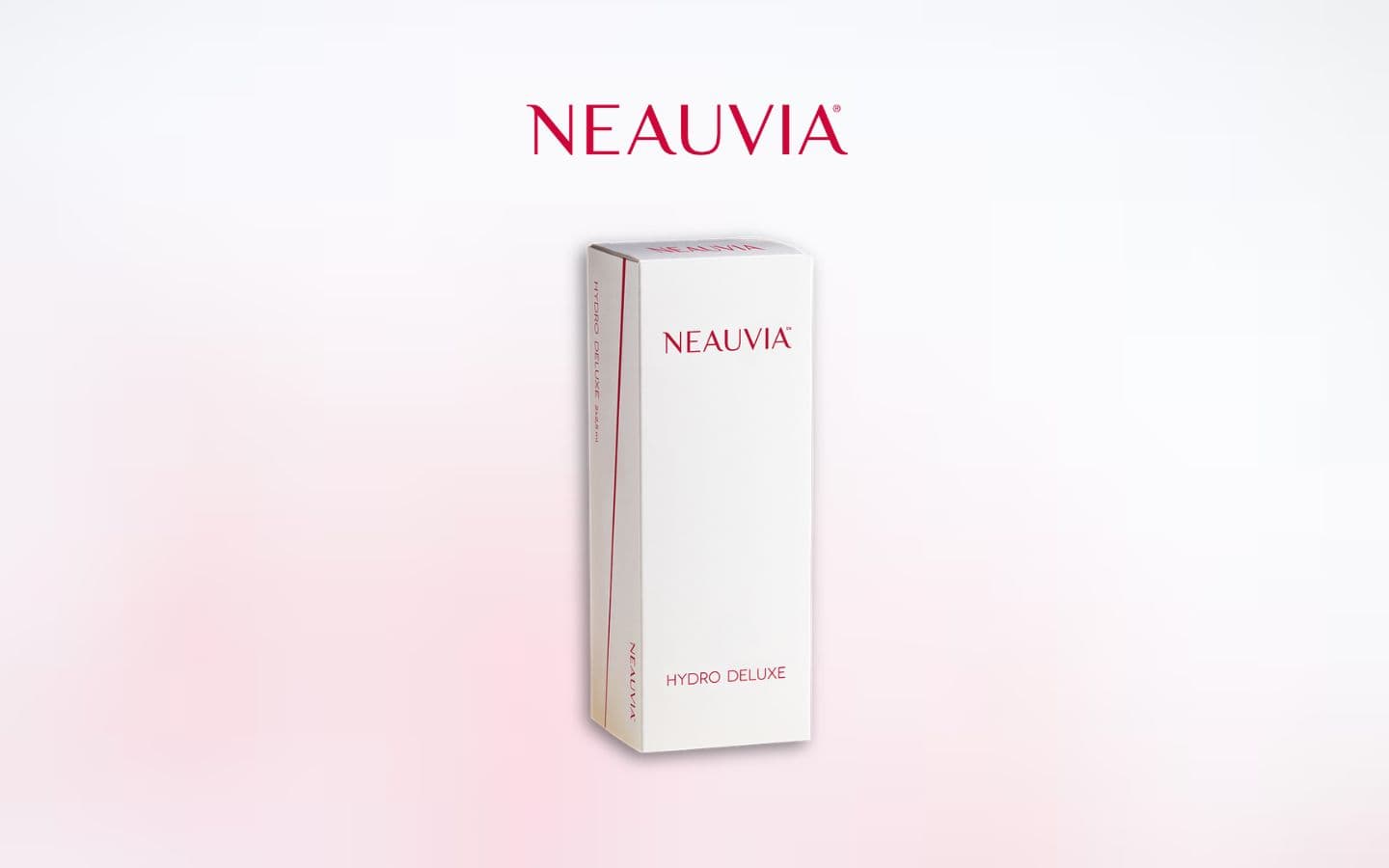
These address overlapping concerns. Which one suits you is a decision for a doctor who has examined your skin, not a choice to make from a page.
Common questions
Which ECM product does Kaiteki use?
Kaiteki uses Essalia, which is the name Juveacell is known by in Malaysia. Other ECM boosters you may come across include Elravie Re2O (often written Re20) and CellREDM. They share the same basic material but differ in processing, particle form and preparation. Whether Essalia suits you, and how much is used, is decided by the doctor after examining your skin.
Is an ECM skin booster safe if it comes from human tissue?
The tissue comes from regulated tissue banks and is processed to remove all cells and genetic material before it is made into an injectable, and the same kind of material has a long history as a surgical graft. That said, published safety data on the injectable form is still limited, and like any injection it carries risks such as swelling, bumps, infection and, less commonly, allergic or immune reactions. Your doctor will go through these with you.
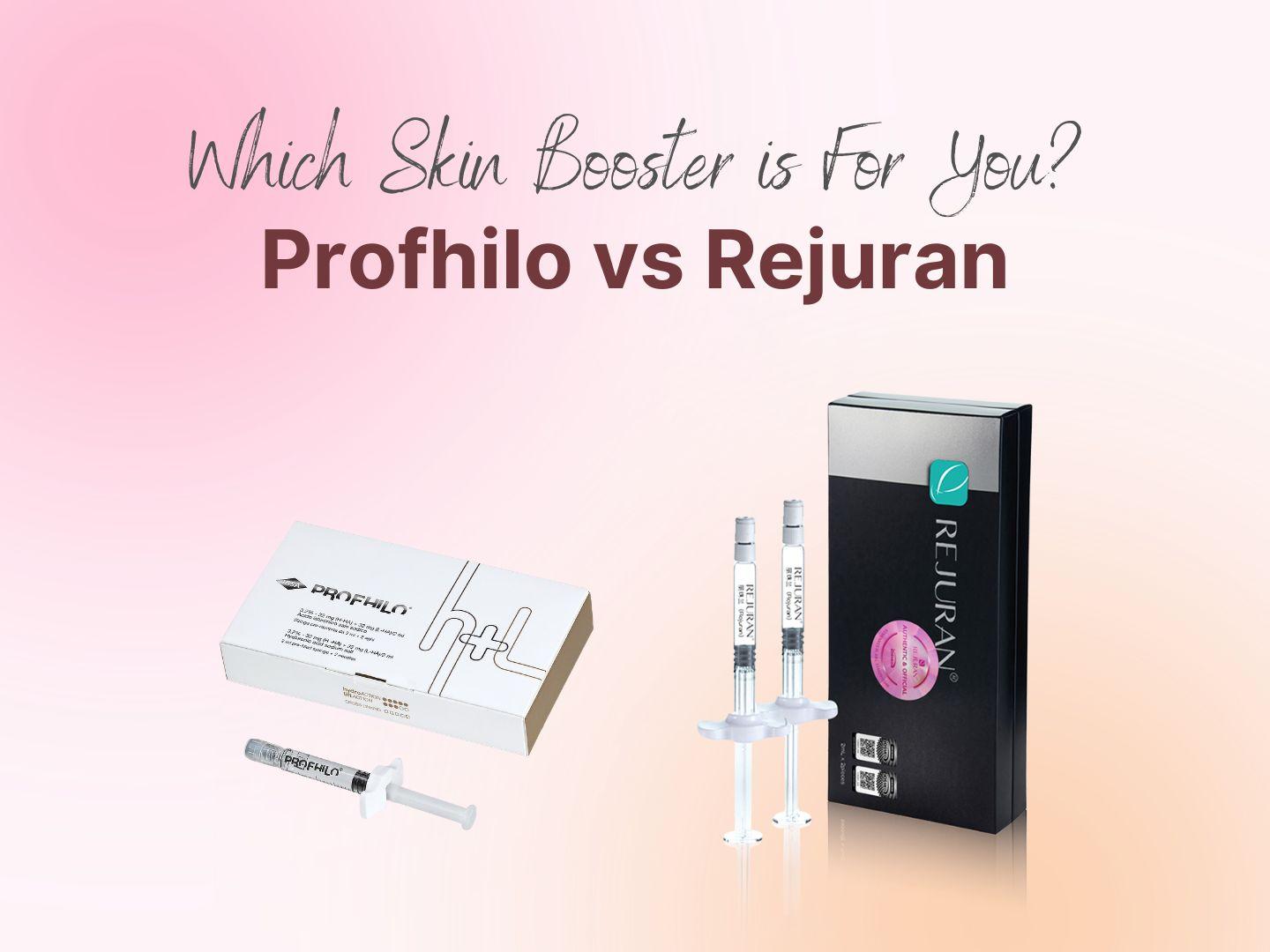
How is an ECM booster different from Profhilo or Rejuran?
Profhilo is a hyaluronic acid booster, chosen mainly for hydration. Rejuran is a polynucleotide booster, directed at the skin's own repair environment. An ECM booster supplies structural collagen and elastin directly. They are different categories rather than better or worse versions of one another, and they are sometimes used together in a plan. Which fits your skin is assessed by a doctor in person.
How many sessions will I need, and when will I see a change?
Change, where it happens, builds gradually over weeks rather than straight after the session, and a series of sessions is usually involved. The number and spacing depend on your skin and on the product used, so your doctor sets them at consultation rather than in advance.
Can an ECM booster be combined with other skin boosters?
Yes, it is often used alongside other skin boosters as part of a longer-term skin quality plan, for example pairing structural support with hydration. Your doctor decides the order and spacing so that each treatment has time to settle before the next.
Read next




Book a free consultation
The consultation is free, takes about 20 to 30 minutes, and there is no obligation to book treatment afterwards. A doctor will examine your skin and tell you whether ECM Skin Booster is appropriate, and if it isn’t, what would be.
Ask about thisMedically reviewed by

Dr Hong Peiyi
Aesthetic Physician
MD · MMC 64902
Dr Hong Peiyi graduated from Universiti Putra Malaysia (UPM) and subsequently completed advanced training in Family Medicine. With more than a decade of experience in primary care, she has developed a strong foundation in comprehensive and patient-centred healthcare.
View full profile- Reviewed by
- Dr Hong Peiyi, MMC 64902
- Last reviewed
- 21 Nov 2026
- Next review due
- 21 Nov 2027
This page is general information about aesthetic treatments and is not medical advice. Treatments carry risks that are explained during consultation, and individual results vary. A doctor will assess whether a treatment is suitable for you before it is carried out.