
Injectables
Hydrodeluxe
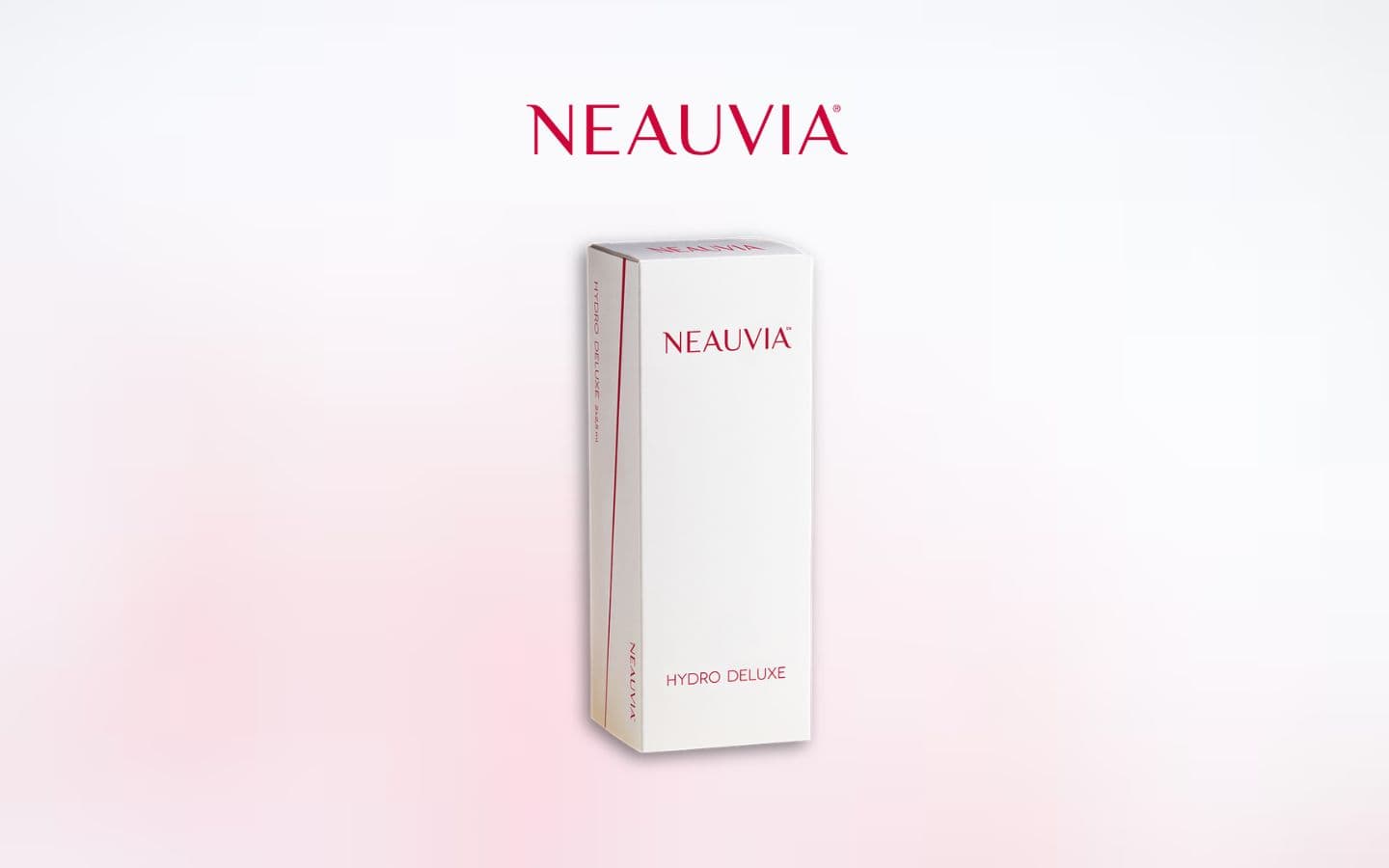
A non-crosslinked hyaluronic acid hydrogel enriched with calcium hydroxyapatite and amino acids, used within skin-booster treatment for hydration and skin quality.
Free consultation, no obligation.
- Non-crosslinked HA
- Material
- Matex Lab, Italy
- Manufacturer
- Skin booster
- Used within
In brief
Hydrodeluxe is the injectable skin booster marketed under the Neauvia brand and manufactured by Matex Lab in Italy. It sits in the hyaluronic acid family, the category chosen primarily for hydration and skin quality, and is enriched with calcium hydroxyapatite and amino acids.
What is Hydrodeluxe?
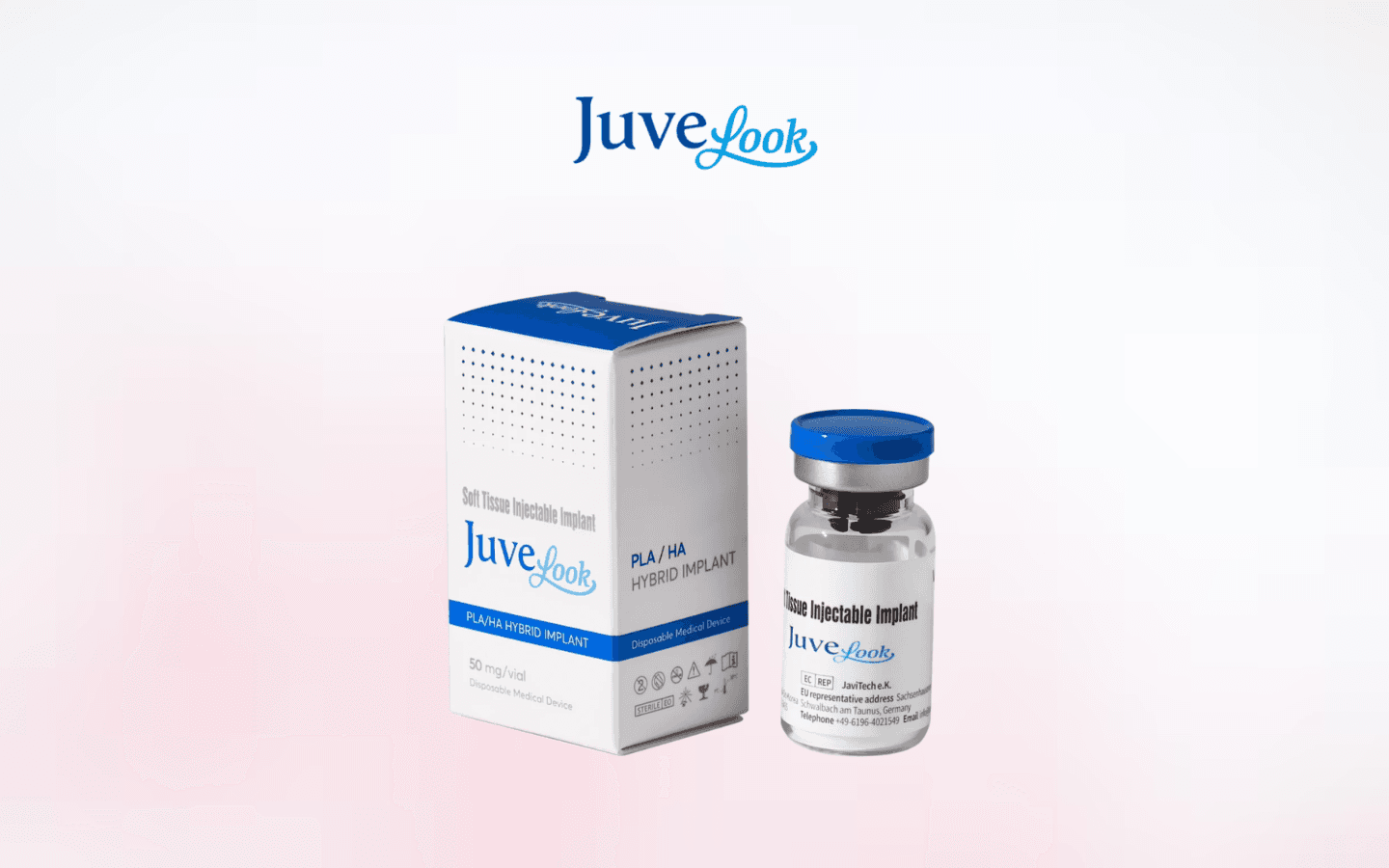
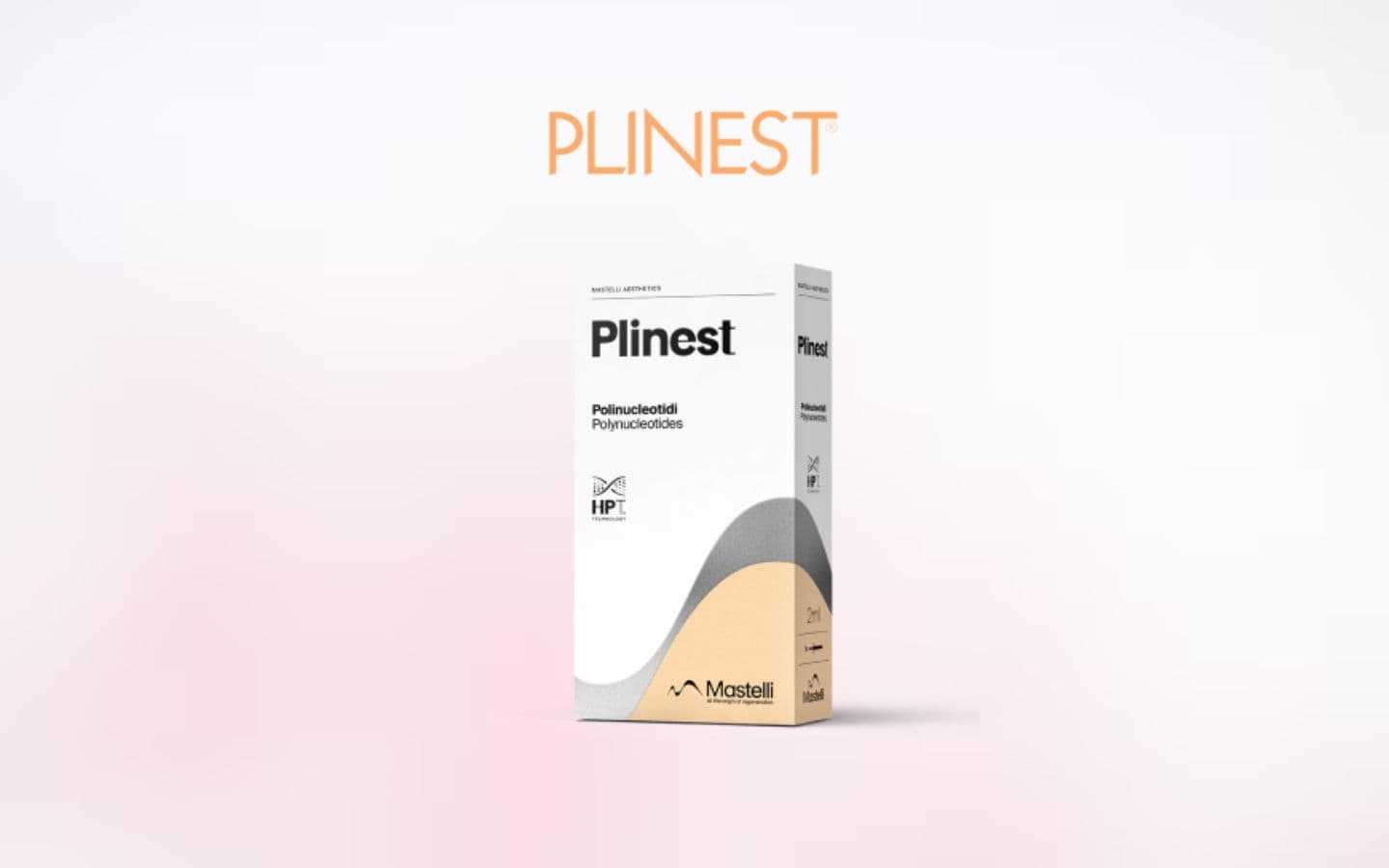
Hydrodeluxe is the injectable skin booster marketed under the Neauvia brand as Hydro Deluxe, manufactured by Matex Lab in Italy. It sits in the hyaluronic acid family of skin boosters (the category chosen primarily for hydration and skin quality), rather than among the polynucleotide products such as Rejuran or Plinest, or the collagen-stimulating poly-lactic-acid products such as Juvelook. Because clinics sometimes shorten or vary the trade name, it is worth confirming at consultation exactly which product is being used.
What distinguishes it within the hyaluronic acid category is the rest of the formulation. The manufacturer describes it as a biodegradable linear hyaluronic acid hydrogel (non-crosslinked, so not designed to hold a shape) enriched with calcium hydroxyapatite (CaHA) and with the amino acids glycine and L-proline. That places it a little apart from a plain hydrating booster. Whether it is the right product for you, and the quantity and technique used, is a decision the treating doctor makes after an in-person assessment.
How the formulation works
The hyaluronic acid component is linear and non-crosslinked, which means it is not formulated to resist spreading or to create structure the way a contouring filler is; the manufacturer describes it as a hydrogel intended to be placed into the skin and resorbed over time. Its role is water-binding, supporting hydration and, through that, the look and feel of the skin surface. This is also why it is not an alternative to a filler and should not be discussed as one.
The additional ingredients are what the manufacturer positions as the difference. Glycine and proline are the two amino acids most abundant in collagen, and the manufacturer includes them along with calcium hydroxyapatite, a mineral-based material used elsewhere in aesthetics as a collagen-stimulating agent. Here it appears in a hydrating, non-crosslinked hydrogel rather than as a volumising product. The quantity, distribution and depth are selected entirely by the treating doctor. Changes develop gradually and vary between individuals.
Why is Hydrodeluxe not used for contour?
The hyaluronic acid in it is linear and non-crosslinked, so it is not formulated to hold a shape or restore contour the way a cross-linked filler is. If contour is what concerns you, this is the wrong category and your doctor will tell you so rather than substituting one for the other.
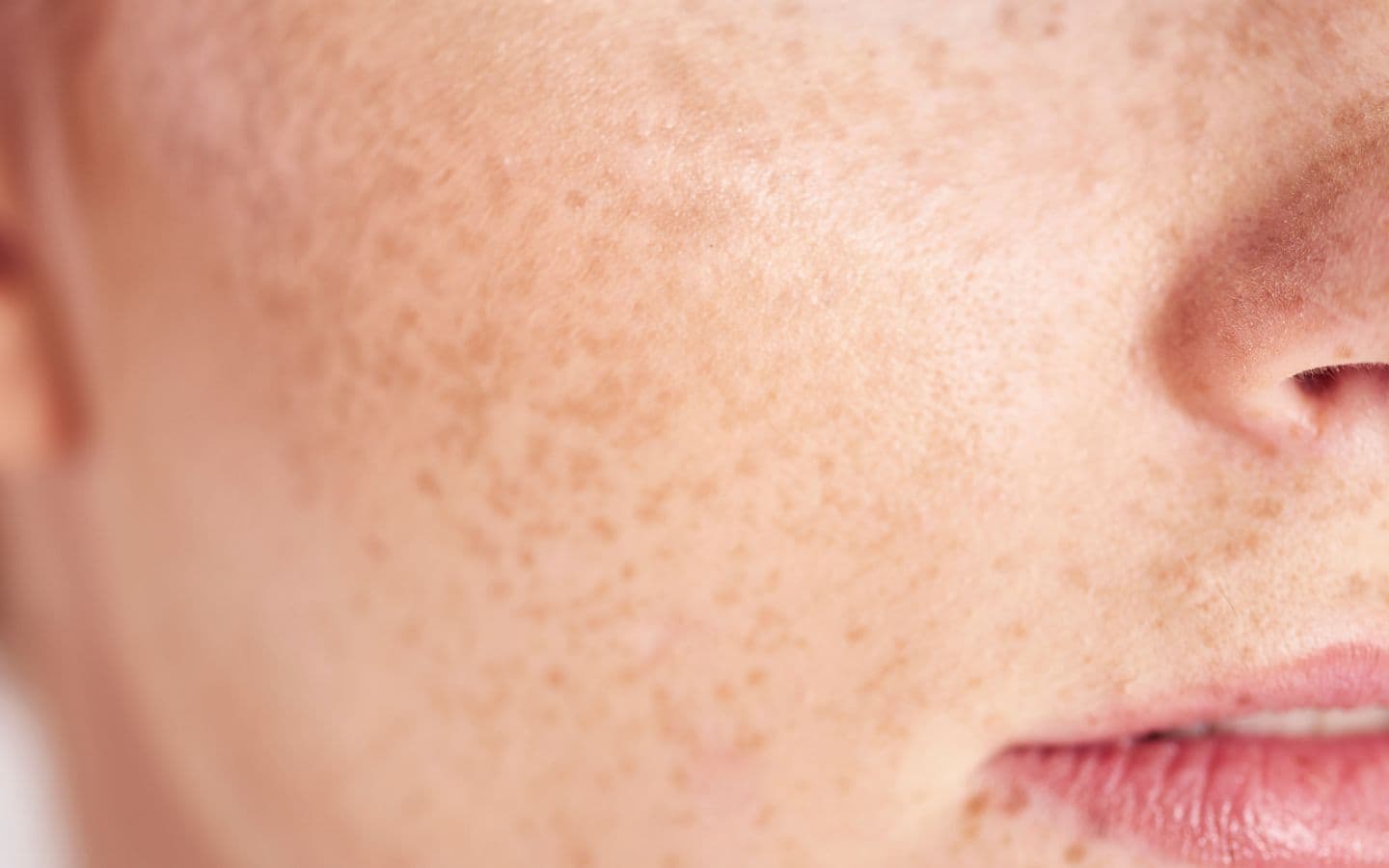
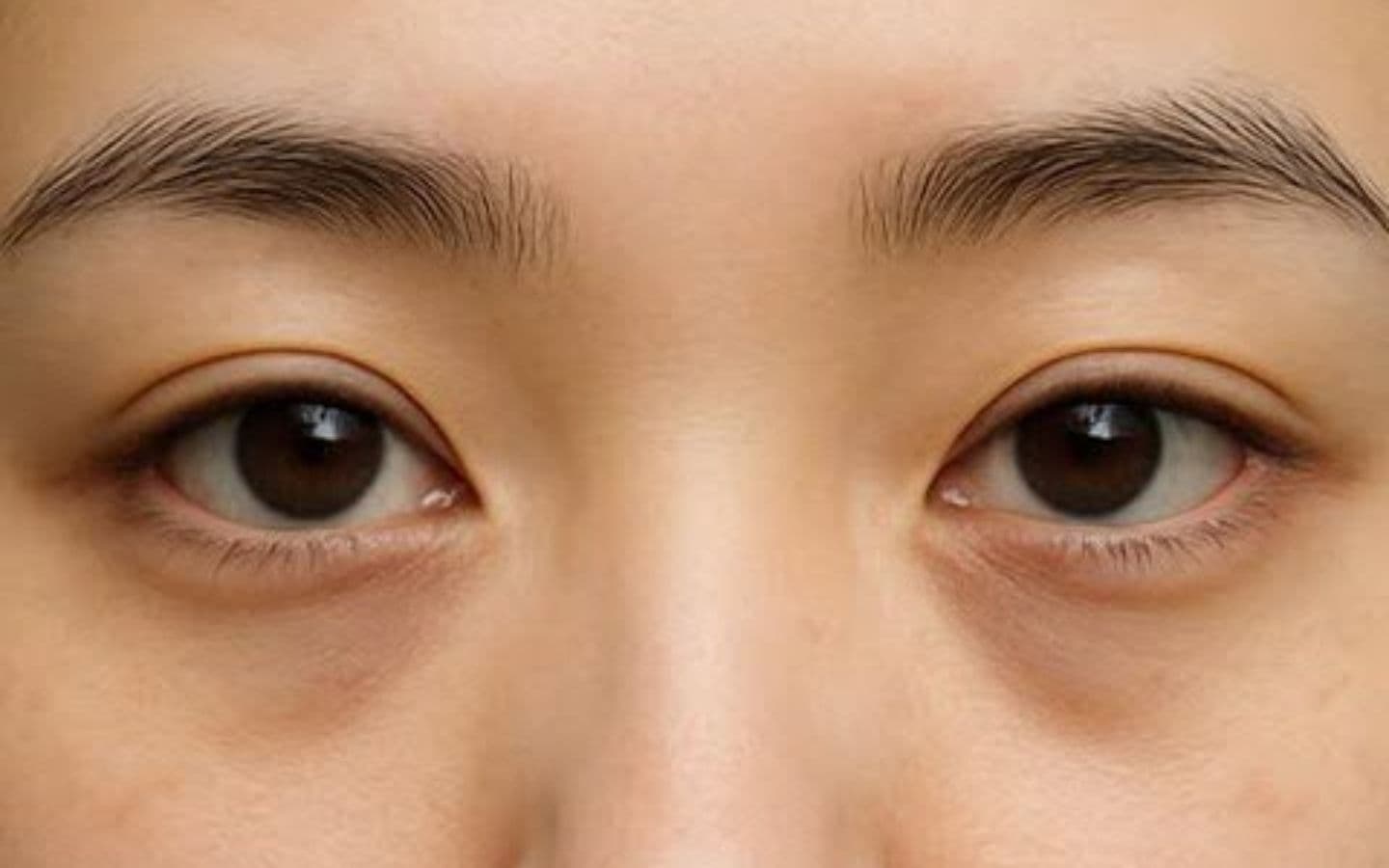
Hydrodeluxe is commonly considered where the concern is skin hydration, density and general quality rather than contour. It is not suitable for everyone, and a consultation determines whether it is appropriate for you. Concerns it is typically directed at include:
- Dehydrated, dull or tired-looking skin
- Fine lines associated with dryness rather than muscle movement
- Loss of skin firmness and density
- Crepey texture on the neck and décolletage
- Rough or uneven skin texture on the face
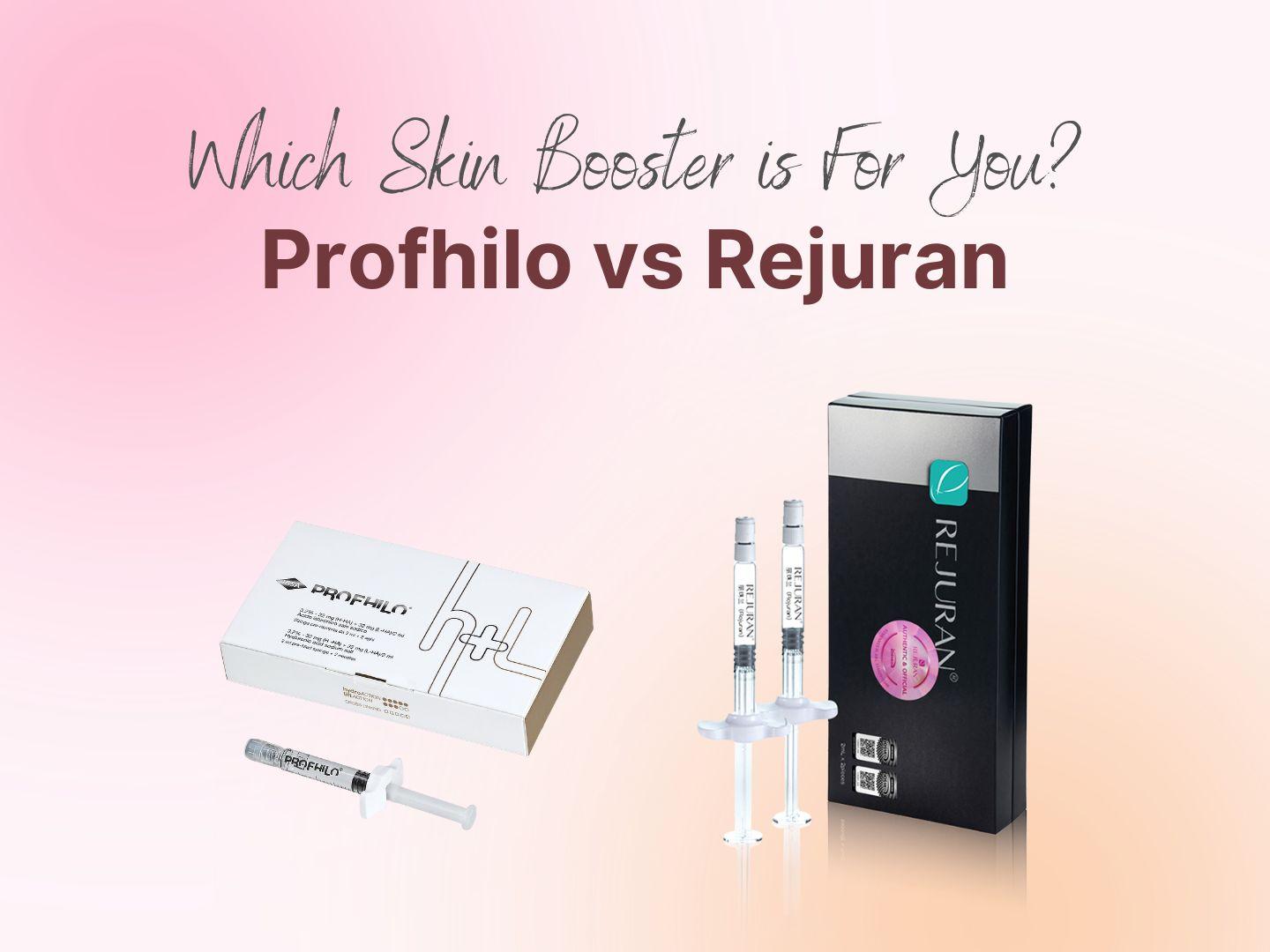
Hydrodeluxe or Profhilo: how do two HA boosters differ?
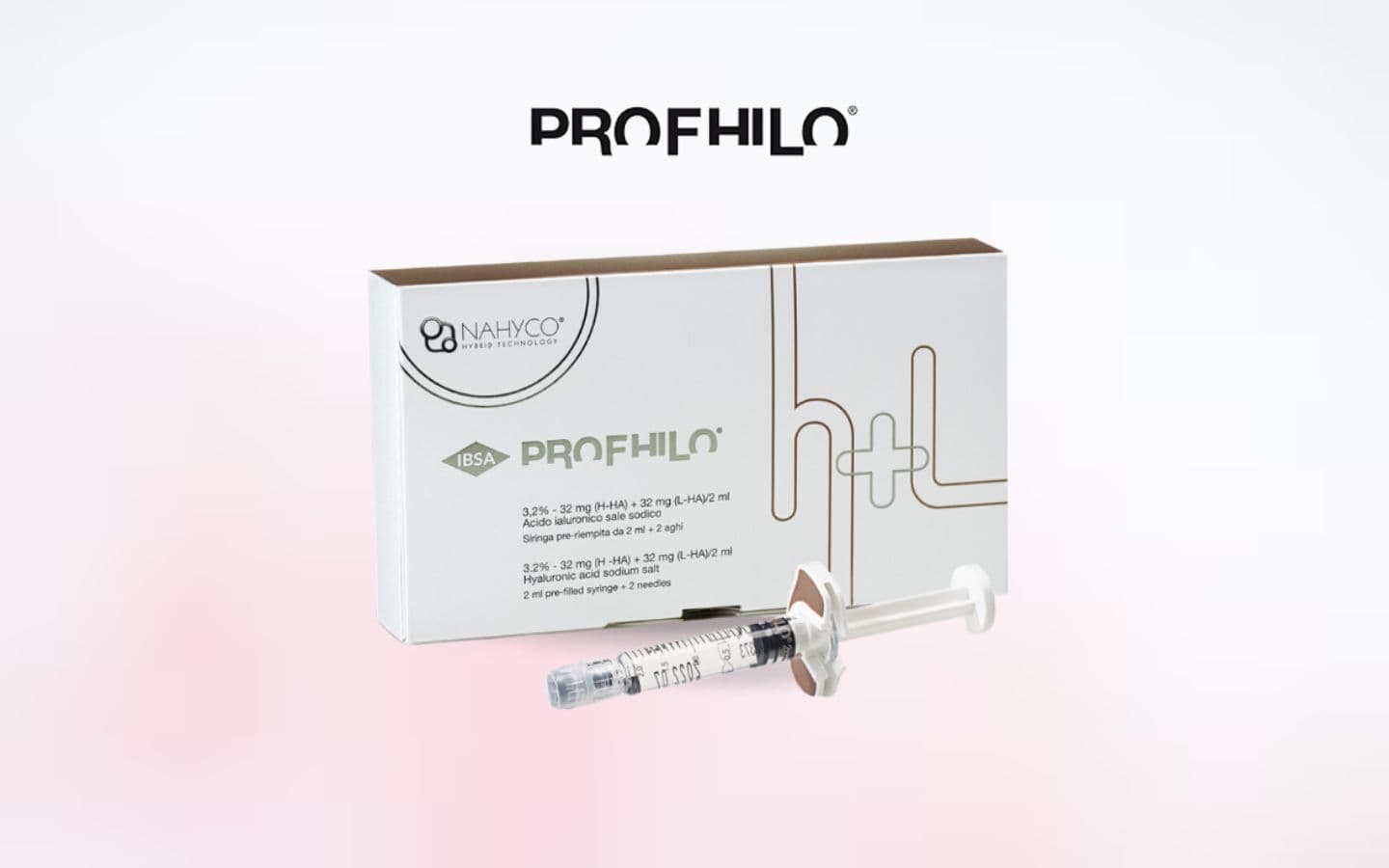
Both are hyaluronic acid skin boosters from Italian manufacturers, but the formulations differ. Profhilo is built on IBSA's NAHYCO hybrid complexes of high and low molecular weight HA, bound without a chemical cross-linking agent; Hydrodeluxe is a non-crosslinked HA hydrogel that the manufacturer enriches with calcium hydroxyapatite and the amino acids glycine and L-proline.
Neither is presented here as superior. Which one a doctor selects depends on your skin, your concern and your history, assessed in person.
Who should avoid Hydrodeluxe, including anyone sensitive to CaHA?
It is aimed at adults whose priority is skin hydration and quality. Because it works through injected material rather than light or heat, skin tone is not a limiting factor in the way it can be with laser treatment, and it is used across a range of skin tones, though that alone does not make it appropriate for everyone.
It may not be suitable if you have a known hypersensitivity to hyaluronic acid or to calcium hydroxyapatite, during pregnancy or breastfeeding, where there is active infection, an acne flare or inflammation at the intended site, if you have a bleeding disorder or take blood-thinning medication, if you have a tendency to keloid scarring, or alongside certain autoimmune conditions. Tell your doctor about any previous CaHA-based or filler treatment, along with your full medical history, allergies and medications, so they can advise safely.
What does a Hydrodeluxe visit involve, and is there downtime?
Hydrodeluxe is used within Kaiteki's skin-booster treatment, so a visit begins with a doctor consultation and skin assessment, including whether a hydrating booster is the sensible starting point for your concern or whether another category would be more appropriate. If it is suitable, the skin is cleansed and a topical anaesthetic may be applied for comfort.
The doctor then places the product across the assessed area using the technique they judge appropriate. Including preparation, a visit is typically short, commonly well under an hour. A course of more than one session spaced some weeks apart, with occasional maintenance afterwards, is a common pattern for hydrating boosters, but the number of sessions and the interval are set by your doctor for your skin and response rather than promised in advance.
Downtime is usually limited but varies between individuals. Small bumps at the injection points, redness, mild swelling, tenderness or pinpoint bruising can occur and commonly settle over a short period as the product distributes.
Gentle skincare and consistent sun protection are advised afterwards. Your doctor will tell you when to resume makeup, active skincare, exercise and heat exposure, and will give aftercare guidance specific to your skin and the area treated.
Is Hydrodeluxe safe, and what side effects are possible?
As with any injectable procedure, Hydrodeluxe carries risks, which are explained during consultation. Temporary effects can include injection-site swelling, redness, bruising, tenderness and small palpable bumps. Less common effects include infection, prolonged swelling, nodules or hypersensitivity reactions, and vascular complications are rare but recognised with any facial injection. Serious effects are uncommon when the product is appropriately selected and administered by a trained doctor.
Concerns this injectable addresses
Whether it is the right choice for any of these is a decision for a doctor who has examined your skin.


Treatments that use Hydrodeluxe
Back to all devices and injectables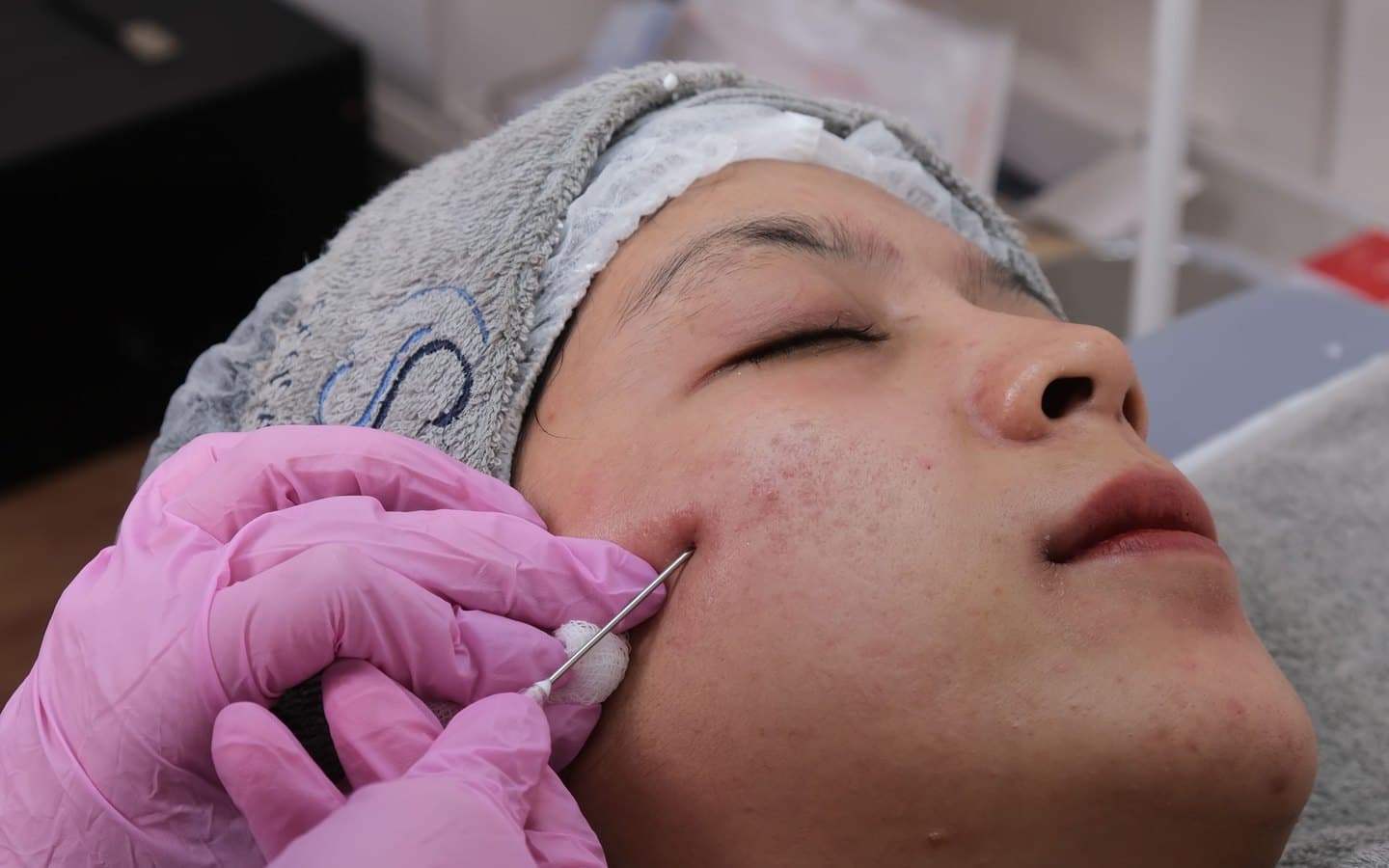
What affects the number of sessions, and the cost
Pricing is discussed at consultation rather than quoted online, so any figure reflects your assessed plan rather than a generic package. What moves it:
- The number and size of areas being addressed: face, neck and décolletage all differ.
- The quantity of product your doctor judges appropriate.
- Whether maintenance visits form part of your plan over time.
Other injectables we use
These address overlapping concerns. Which one suits you is a decision for a doctor who has examined your skin, not a choice to make from a page.

Common questions
Is Hydrodeluxe a filler?
No. The hyaluronic acid in it is linear and non-crosslinked, so it is not formulated to hold a shape or restore contour the way a cross-linked filler is; it is a skin booster intended for hydration and skin quality. If contour is your concern, a different category of product applies. Your doctor will tell you at consultation which category actually fits what you want to address.
How does Hydrodeluxe differ from Profhilo?
Both are hyaluronic acid skin boosters from Italian manufacturers, but the formulations differ: Profhilo is built on IBSA's NAHYCO hybrid complexes of high and low molecular weight HA, while Hydrodeluxe is a non-crosslinked HA hydrogel that the manufacturer enriches with calcium hydroxyapatite and the amino acids glycine and L-proline. Neither is presented here as superior. Which one a doctor selects depends on your skin, your concern and your history, assessed in person.
What do the added amino acids and calcium hydroxyapatite do?
Glycine and proline are the amino acids most abundant in collagen, and calcium hydroxyapatite is a mineral-based material used elsewhere in aesthetics as a collagen-stimulating agent; the manufacturer includes all three alongside the hyaluronic acid. What this means for your skin specifically is not something that can be promised, as responses vary between individuals. Your doctor will explain what is realistic for you at consultation.
How many Hydrodeluxe sessions are typical?
It varies. A short course of sessions spaced some weeks apart, with occasional maintenance afterwards, is a common pattern for hydrating boosters, but nothing about it is fixed. The plan depends on the areas treated, your skin and how it responds. Your doctor will outline a realistic plan at consultation.
Read next



Book a free consultation
The consultation is free, takes about 20 to 30 minutes, and there is no obligation to book treatment afterwards. A doctor will examine your skin and tell you whether Hydrodeluxe is appropriate, and if it isn’t, what would be.
Ask about thisMedically reviewed by

Dr Yvonne Chuah
Aesthetic Physician
MD, MAC, LCP Certified · MMC 86640
Dr. Yvonne Chuah graduated from Nizhny Novgorod State Medical Academy (NNSMA). She began her medical career serving as a Medical Officer at Hospital Pulau Pinang, followed by further service at Hospital Sungai Bakap.
View full profile- Reviewed by
- Dr Yvonne Chuah, MMC 86640
- Last reviewed
- 18 Jul 2026
- Next review due
- 18 Jul 2027
This page is general information about aesthetic treatments and is not medical advice. Treatments carry risks that are explained during consultation, and individual results vary. A doctor will assess whether a treatment is suitable for you before it is carried out.