Injectables
NCTF 135HA
A French injectable that combines non-crosslinked hyaluronic acid with a solution of vitamins, amino acids, minerals, coenzymes and nucleosides, used within skin-booster treatment for skin hydration and radiance.
Free consultation, no obligation.
- Non-crosslinked HA, 5 mg/ml
- Material
- Laboratoires Fillmed, France
- Manufacturer
- 60 ingredients in total
- Formula
In brief
NCTF 135HA is an injectable from Laboratoires Fillmed in Paris, the medical business that separated from Filorga. It carries a light dose of non-crosslinked hyaluronic acid, 5 mg per ml, in a polyrevitalising solution of vitamins, amino acids, minerals, coenzymes and nucleosides, and is used for skin quality and radiance rather than contour.
NCTF 135HA, Fillmed and the Filorga name
NCTF 135HA is an injectable made by Laboratoires Fillmed, a French manufacturer based in Paris. NCTF, short for New Cellular Treatment Factor, was developed by Laboratoires Filorga, the company Dr Michel Tordjman founded in 1978. In 2015 its medical business was separated from its skincare business, and that medical business, Fillmed, has made and marketed the injectable since. The Filorga creams and serums sold in shops, including those labelled NCEF, now belong to a different company and are not this injectable.
Fillmed's safety summary describes NCTF 135HA as a sterile solution in 3 ml vials: non-crosslinked (also called free) hyaluronic acid at 5 mg per ml, carried in a polyrevitalising solution of 12 vitamins, 24 amino acids, 6 coenzymes, 6 minerals, 5 nucleosides and the antioxidant glutathione, with a few further components. Fillmed counts 60 ingredients in all. At Kaiteki it is one of the products a doctor may consider within our skin-booster treatment, and whether it suits you, the quantity and the technique are decided after an in-person assessment.
How the polyrevitalising formula is meant to work
According to the manufacturer, the hyaluronic acid binds water in the dermis, which supports hydration and softens superficial lines, while the polyrevitalising solution is intended to give fibroblasts, the cells that make collagen and other structural proteins, a favourable environment to work in. Vitamins C and E and glutathione are included for their antioxidant role. Because the hyaluronic acid is not cross-linked, it does not form a gel that holds a shape, and the body gradually breaks it down.
Two details set it apart from the other boosters you may be comparing. Its 5 mg per ml of hyaluronic acid is a light concentration: Profhilo, by comparison, contains 64 mg in 2 ml. And its nucleosides are single building blocks of DNA, not the long purified DNA chains in polynucleotide boosters such as Rejuran or Plinest, so it belongs to a different category from those.
The solution is placed in the dermis as many small, superficial injections, often called micro-papules, which then diffuse into the surrounding skin. Fillmed lists fine needles, cannulas and mesotherapy devices as ways of delivering it. Which is used, the amount and the areas are set by the treating doctor, and any change develops gradually and varies between individuals.
What the NCTF 135HA trials measured, and who funded them
The largest controlled trial, published in the Journal of Dermatological Treatment in 2023, randomly assigned 146 adults to three NCTF 135HA sessions plus a moisturiser, or to the moisturiser alone, and measured superficial wrinkles on the crow's feet area, neck and décolletage, along with hydration and radiance, up to day 120. It reported a greater reduction in measured wrinkles than with the cream alone, and most adverse events were mild and related to the injections themselves. A 2026 trial in China compared it with another non-crosslinked HA solution for neck lines in 188 adults and found the two comparable.
Two caveats matter. The 2023 trial and most other clinical work on NCTF 135HA were funded by Fillmed or include its staff as authors, and the frequently quoted laboratory figures on collagen come from cell-culture experiments, which cannot show what happens in a person's skin. These studies describe what the product was tested on, not what any one person will see.
Dull, dehydrated or tired-looking skin: where NCTF 135HA fits
Fillmed's stated purpose is cosmetic: revitalising and hydrating tired or dull skin, making it look more even and radiant, softening superficial wrinkles, and supporting density and elasticity in mature skin. It is indicated for the face, including the area around the eyes, the neck and the décolletage, in adults over 18.
It is not suitable for everyone, and a consultation determines whether it is appropriate for you. Concerns it is typically directed at include:
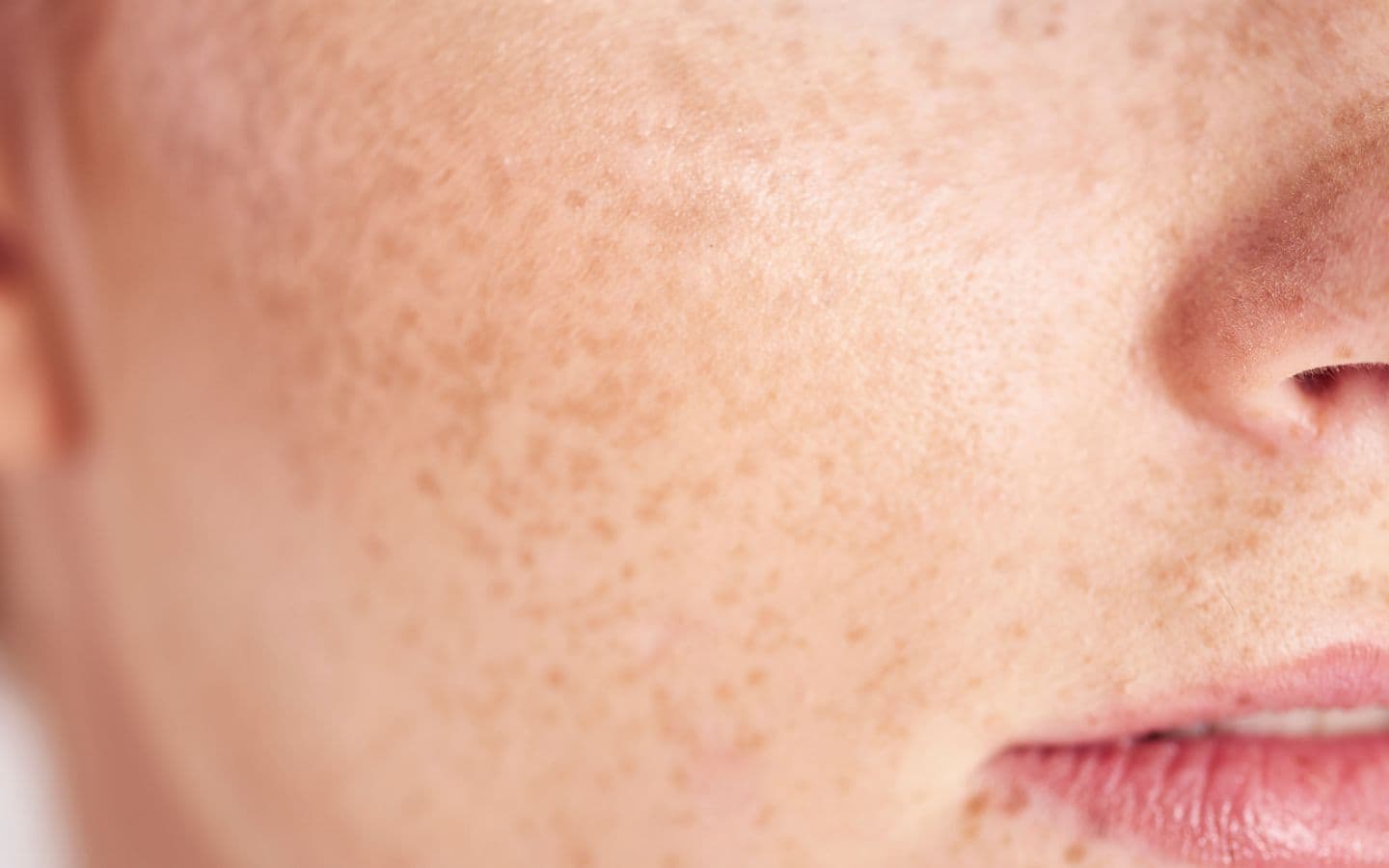
- Dull, tired-looking skin that has lost its radiance
- Dehydrated skin on the face
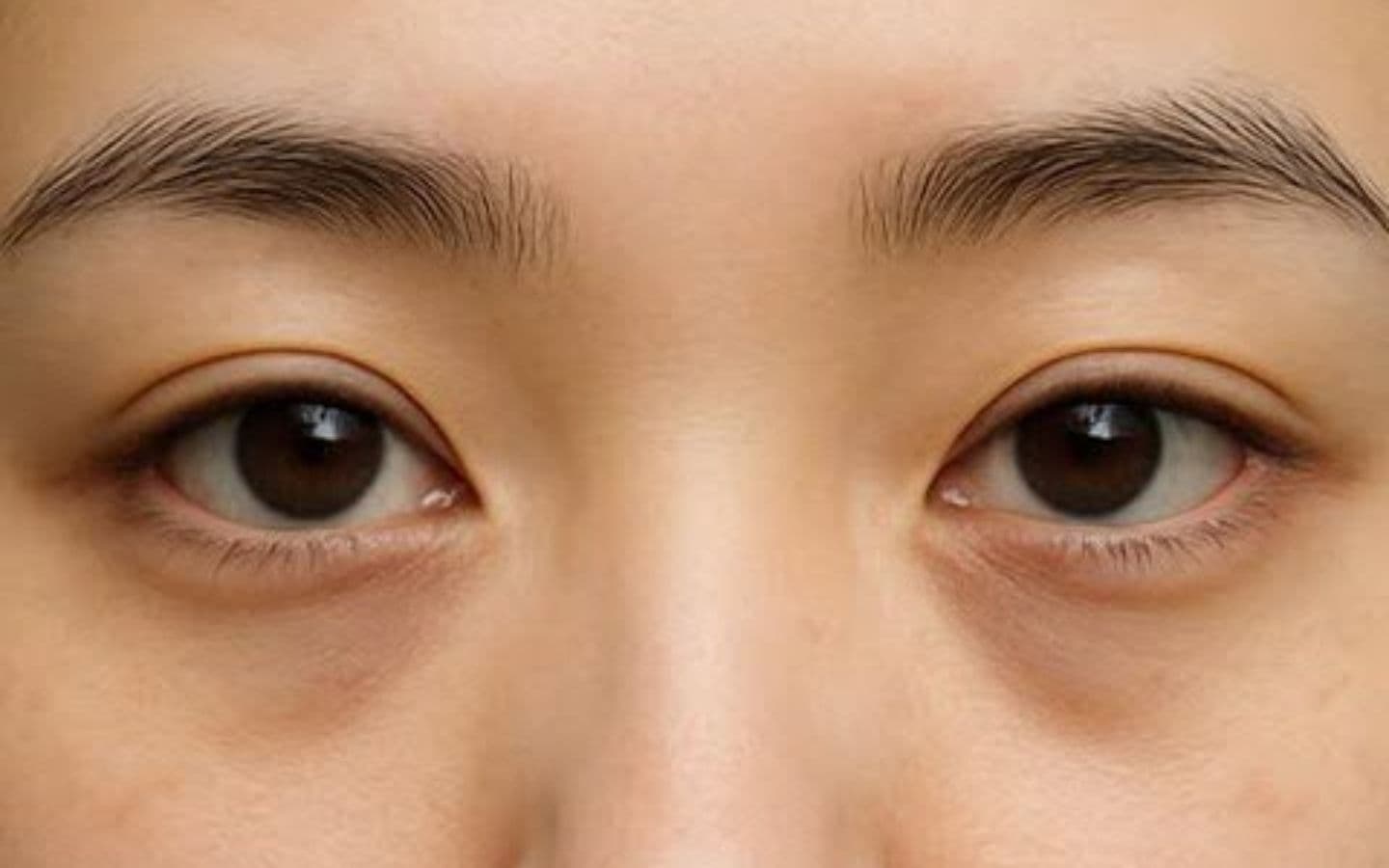
- Superficial fine lines, including around the eyes
- Skin that looks uneven in texture
- Thinner, less firm skin with age
- Fine lines and crepey texture on the neck and décolletage
Not for volume or deep lines: when NCTF 135HA is the wrong choice
In Europe, NCTF 135HA has carried the CE mark since 2007 and is certified as a Class III product under the EU Medical Device Regulation, in the group of injectables used for dermal filling. That is a regulatory certification, not an approval of any cosmetic outcome, and it does not make NCTF 135HA a contour filler: at 5 mg per ml of non-crosslinked hyaluronic acid it is not designed to restore lost volume, fill deep folds or reshape a feature. Lines caused mainly by muscle movement, or marked sagging, also call for a different approach, and your doctor will say so rather than substitute one for the other.
Fillmed lists these contraindications: a skin condition or alteration in the area to be treated, a history of autoimmune disease or current immunotherapy, a known allergy to any of its ingredients, being under 18, and pregnancy or breastfeeding. It is not injected into moles or active acne lesions, or at the same session as a medium or deep chemical peel or dermabrasion. Tell your doctor if you take blood thinners or aspirin, which raise the chance of bruising, if you have had a permanent filler in the area, or if you are prone to cold sores. Because the formula has so many components, bring a list of any known allergies to your consultation.
Three sessions, three weeks apart: the visit and the first 48 hours
NCTF 135HA is used within Kaiteki's skin-booster treatment, so a visit begins with a doctor consultation and skin assessment, including whether a hydrating HA booster, a polynucleotide or a collagen-stimulating product would be the more sensible choice for your concern. If NCTF 135HA is appropriate, the skin is cleansed and a numbing cream may be applied; the manufacturer notes that numbing products can themselves cause redness or sensitivity in some people.
The doctor then places many small injections across the assessed areas. Fillmed's standard protocol is three sessions spaced three weeks apart, with repeat courses during the year to maintain any change, but the number of sessions and their spacing are set by your doctor for your skin rather than fixed in advance. The hyaluronic acid is gradually broken down by the body, so nothing about it is permanent.
Small raised papules at the injection points are expected straight afterwards as the solution settles into the skin. Redness, mild swelling, tenderness or small bruises can follow, and the manufacturer describes these as usually clearing within a few hours to a few days.
Fillmed's aftercare advice is to avoid make-up for 12 hours, and to avoid prolonged sun or UV exposure, very cold temperatures, saunas and steam rooms for at least 48 hours. Your doctor will give you aftercare specific to your skin, and that takes precedence over general advice found online.
What side effects have been reported with NCTF 135HA?
As with any injectable procedure, NCTF 135HA carries risks, which are explained during consultation. The expected effects are redness or mild inflammation, slight swelling, small bruises, pinpoint bleeding and brief discomfort at the injection points; in the 2023 trial the most frequent events were bruising and redness. Less common reactions include infection, including a flare of cold sores, persistent lumps or nodules and allergic reactions, and granulomas or skin discolouration have been reported rarely. Injection into a blood vessel must be avoided, as with any facial injectable. Serious effects are uncommon when the product is appropriately selected and administered by a trained doctor.
Concerns this injectable addresses
Whether it is the right choice for any of these is a decision for a doctor who has examined your skin.


Treatments that use NCTF 135HA
Back to all devices and injectables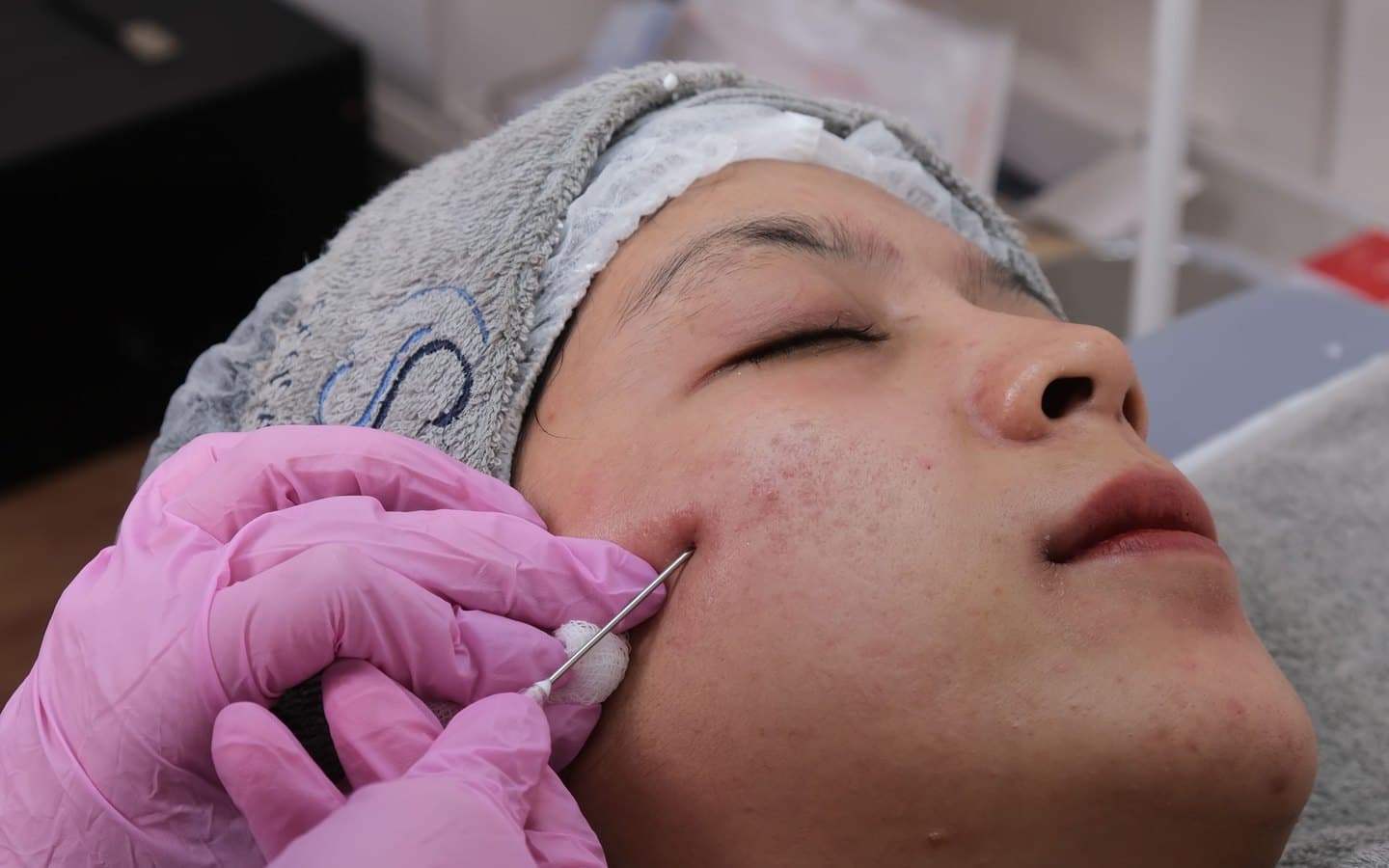
What affects the number of sessions, and the cost
Pricing is discussed at consultation rather than quoted online, so any figure reflects your assessed plan rather than a generic package. What moves it:
- The number of areas being addressed: face, eye area, neck and décolletage all differ.
- The quantity of product your doctor judges appropriate.
- How many sessions the initial course needs.
- Whether repeat courses form part of your plan over time.
Other injectables we use
These address overlapping concerns. Which one suits you is a decision for a doctor who has examined your skin, not a choice to make from a page.

Common questions
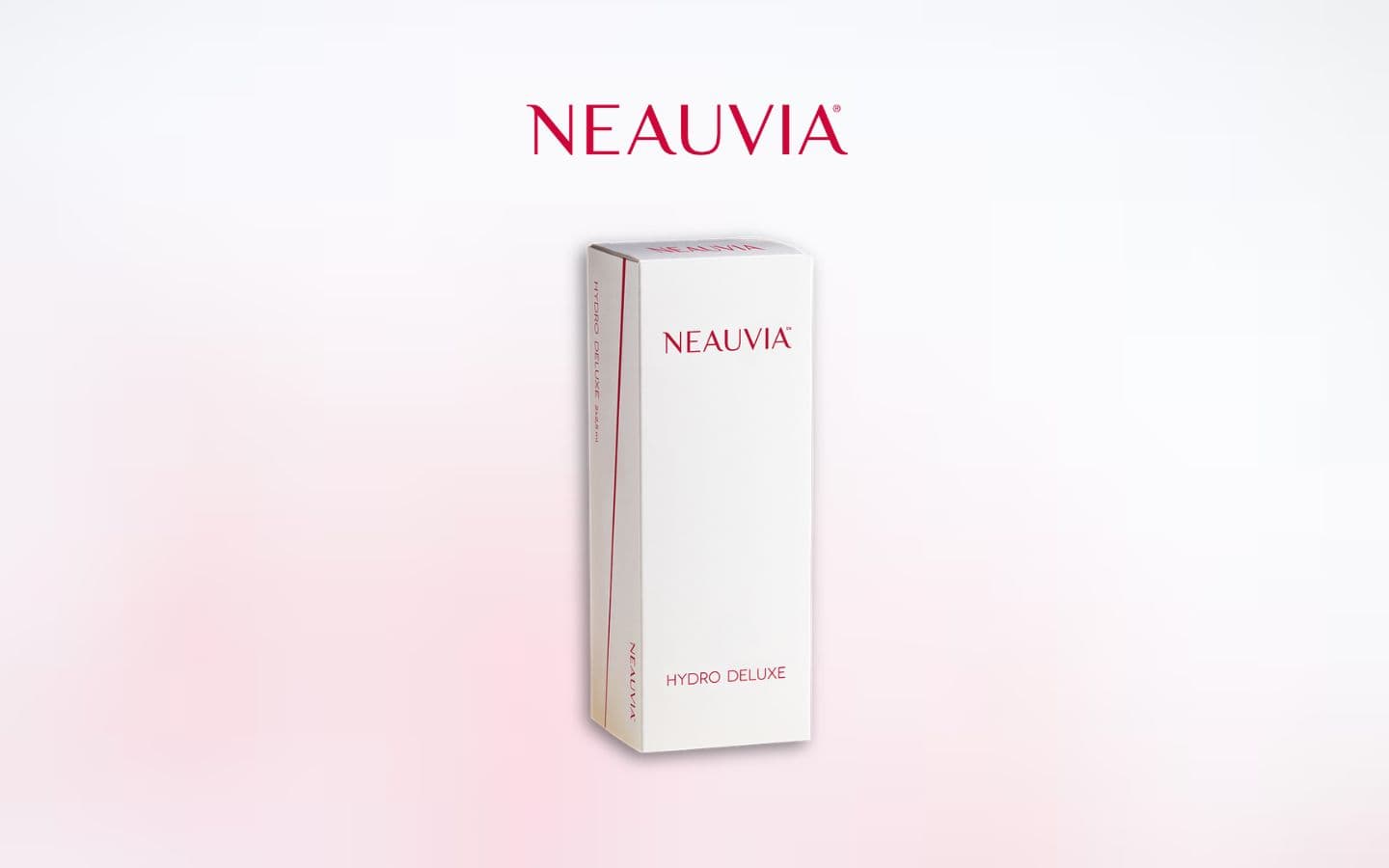
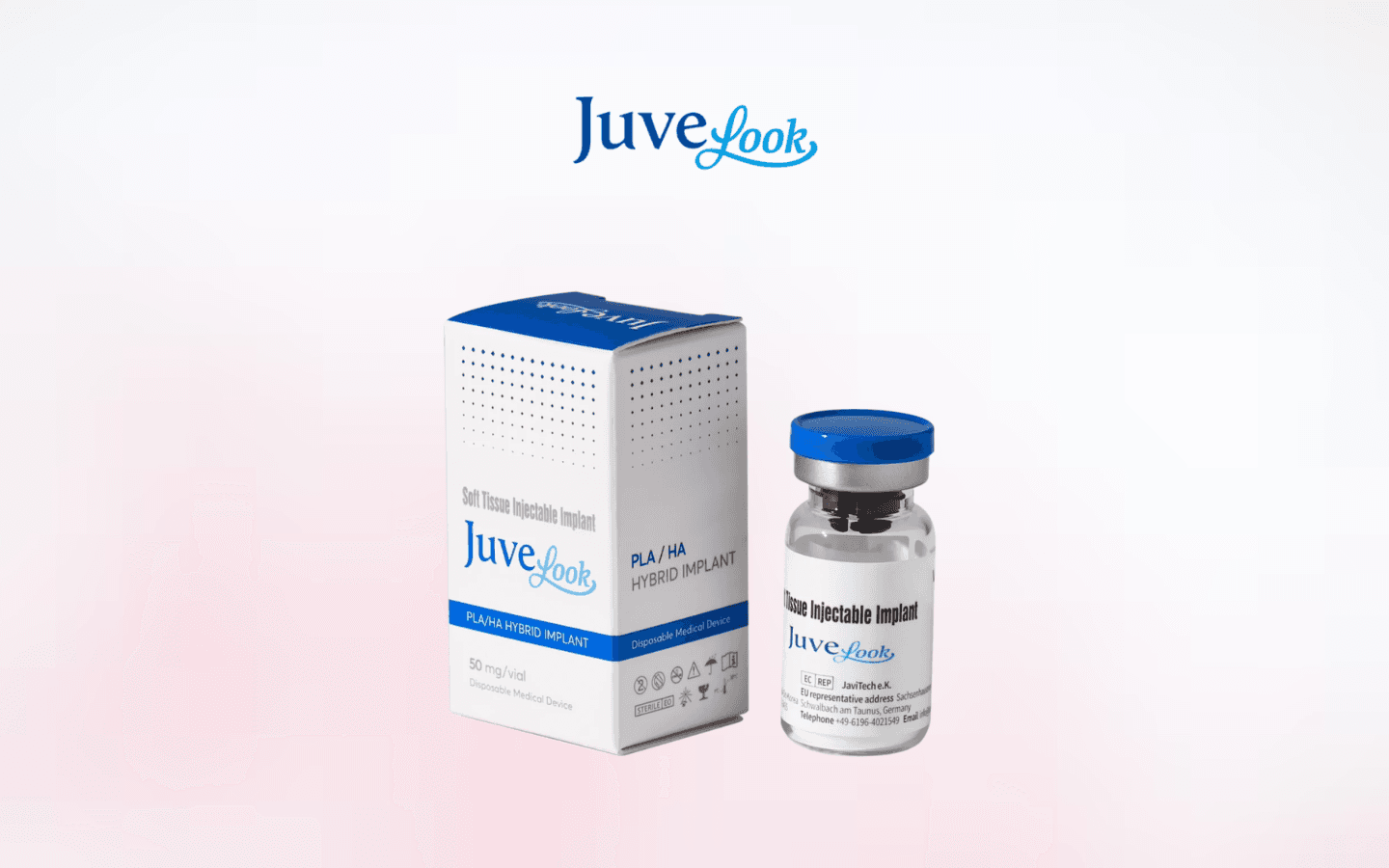
How is NCTF 135HA different from Profhilo or Hydrodeluxe at Kaiteki?
All three contain non-crosslinked hyaluronic acid, but they are built differently. Profhilo uses IBSA's NAHYCO hybrid complexes, with 64 mg of HA in 2 ml; Hydrodeluxe adds calcium hydroxyapatite and the amino acids glycine and L-proline to its HA hydrogel; NCTF 135HA uses a lighter 5 mg of HA per ml in a solution of vitamins, amino acids, minerals, coenzymes and nucleosides. None is presented here as superior: which one, if any, suits you is decided by your doctor in person.
Does NCTF 135HA contain DNA, like Rejuran or Plinest?
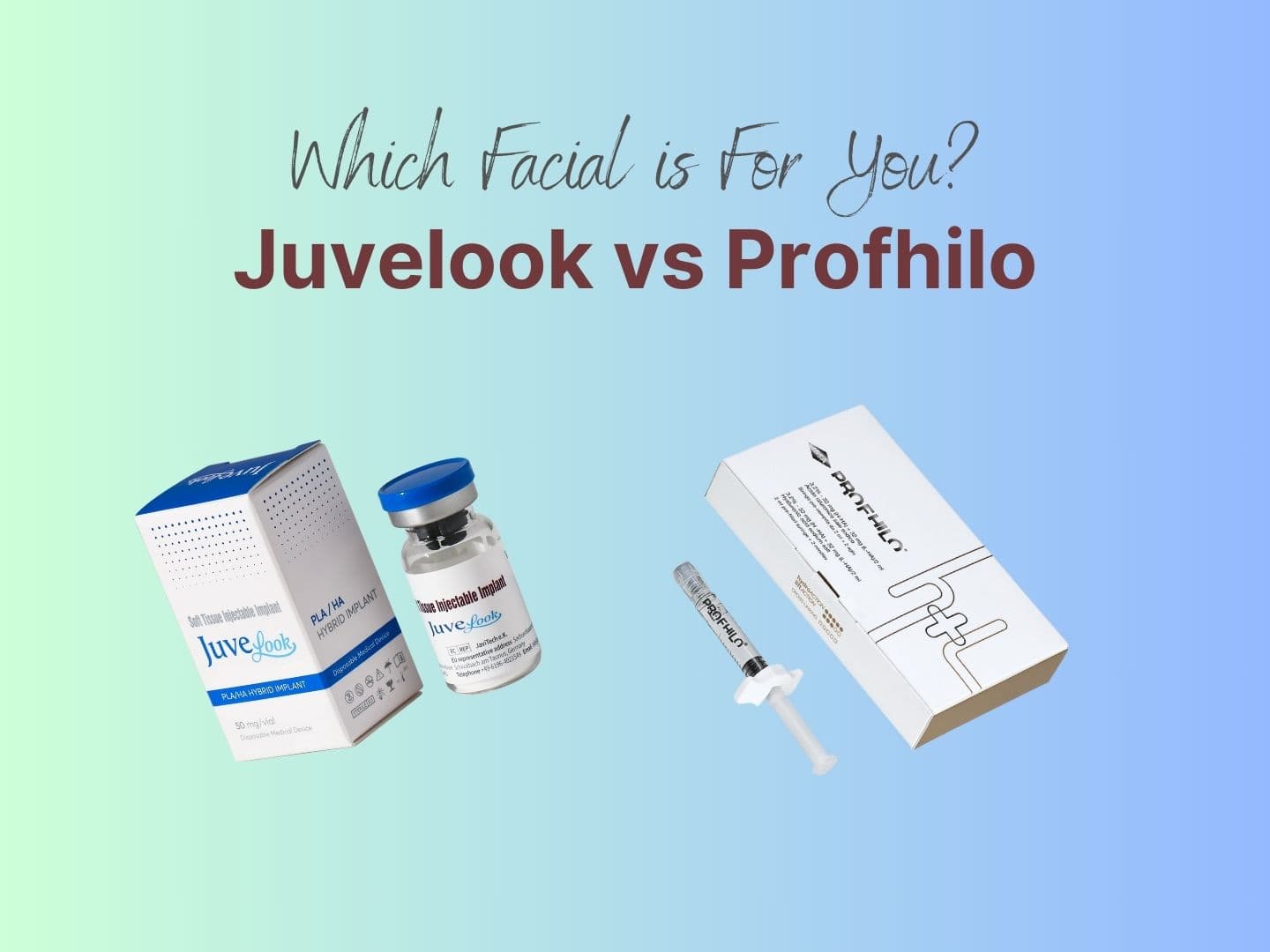
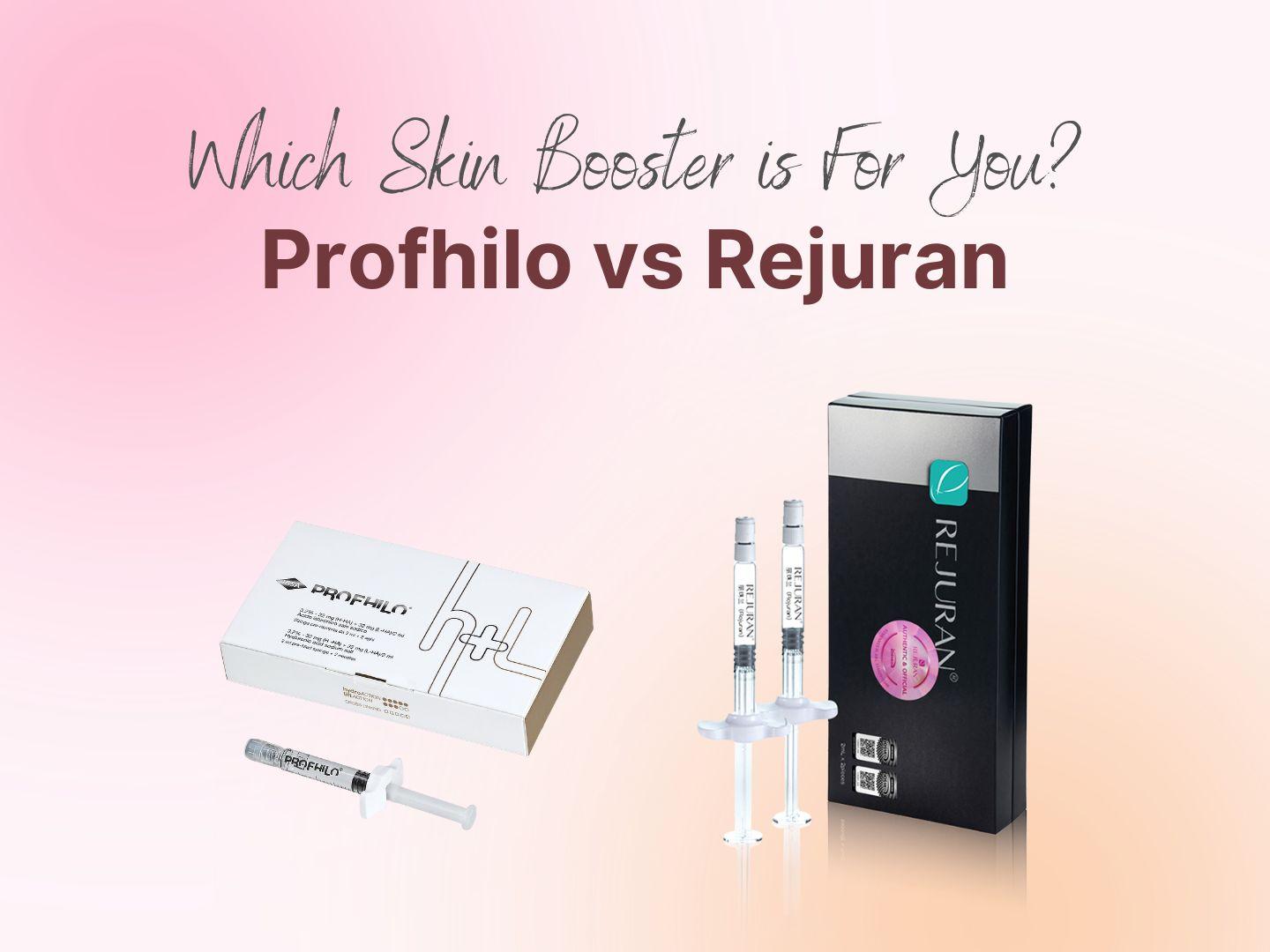
Not in the same form. Its formula includes five nucleosides, which are single building blocks of DNA, whereas Rejuran and Plinest are polynucleotide products made of long purified DNA chains derived from fish. That places NCTF 135HA in a different category. Its ingredient list is broad, so share any known allergies at consultation, and your doctor will explain which category, if any, fits your skin.
Is NCTF 135HA the same as Filorga skincare?
No. NCTF was developed by Laboratoires Filorga, but the injectable is now made by Laboratoires Fillmed, the medical business that separated from Filorga's skincare business in 2015. The Filorga creams and serums sold in shops, some labelled NCEF, belong to a different company and are not injected. If you are unsure what a clinic is offering, it is reasonable to ask which product will be used.
How many NCTF 135HA sessions are usually needed?
Fillmed's standard protocol is three sessions spaced three weeks apart, and it suggests repeating the course during the year to maintain any change. That is the manufacturer's outline rather than a fixed plan: your doctor sets the number and spacing for your skin, the areas treated and how you respond. The hyaluronic acid is gradually broken down by the body, so no change is permanent.
Read next




Book a free consultation
The consultation is free, takes about 20 to 30 minutes, and there is no obligation to book treatment afterwards. A doctor will examine your skin and tell you whether NCTF 135HA is appropriate, and if it isn’t, what would be.
Ask about thisThis page is general information about aesthetic treatments and is not medical advice. Treatments carry risks that are explained during consultation, and individual results vary. A doctor will assess whether a treatment is suitable for you before it is carried out.