Injectables
Belotero Revive
A Merz Aesthetics injectable combining cross-linked hyaluronic acid with glycerol, used within skin-booster treatment for dry facial skin and superficial fine lines rather than for volume.
Free consultation, no obligation.
- Cross-linked HA + glycerol
- Material
- Merz (Anteis), Switzerland
- Manufacturer
- 1 to 3 sessions, 4+ weeks apart
- Manufacturer's course
In brief
Belotero Revive is the skin-quality gel in Merz Aesthetics' Belotero range. It pairs 20 mg/ml of cross-linked hyaluronic acid with 17.5 mg/ml of glycerol, a water-binding humectant, and the manufacturer indicates it for dehydration and superficial fine lines on facial skin with early sun damage. It is not designed to add volume.
Belotero Revive: the skin-quality gel in the Belotero range
Belotero Revive is an injectable hyaluronic acid (HA) gel from Merz Aesthetics, manufactured in Geneva, Switzerland, by Anteis SA, a Merz subsidiary. Launched in Europe and Latin America in 2019, it carries the Belotero name but has a different purpose from the rest of the range: the manufacturer indicates it for facial skin showing early sun damage, with dehydration and superficial fine lines, not for adding volume or contour. It is CE-marked as a medical device, which is a regulatory conformity marking rather than an endorsement of any cosmetic result.
Its formulation is what sets it apart from other HA skin boosters. Each millilitre contains 20 mg of cross-linked sodium hyaluronate and 17.5 mg of glycerol in a phosphate buffer, and the HA is of non-animal origin, produced by bacterial fermentation. Published studies refer to it as CPM-HA20G: CPM for the Cohesive Polydensified Matrix cross-linking technology behind the Belotero range, HA20 for the hyaluronic acid concentration and G for glycerol. Whether it suits you, and the quantity and technique used, is decided by the treating doctor after an in-person assessment.
Hyaluronic acid plus glycerol: what each part is for
Both ingredients bind water, in different ways. Hyaluronic acid holds water within the gel, and cross-linking it, here with the agent BDDE, slows how quickly the body breaks it down compared with plain HA. Glycerol is a small humectant molecule, familiar from moisturisers, that draws water in. Merz's own laboratory research, largely in cell and skin models rather than in patients, reports that the glycerol adds to the hydration effect and shows antioxidant activity. That is early, manufacturer-led science, not a promised outcome.
The manufacturer's instructions place the gel in the mid to deep dermis. Rather than one deposit, the doctor distributes small amounts across the area, by a series of fine punctures, short threads or a blunt cannula, then massages gently so the gel spreads evenly. Quantity, depth and spacing are chosen by the treating doctor for your skin. Changes, where they occur, develop gradually and vary between individuals.
Revive or a Belotero filler: which job is each built for?
Belotero Revive and the Belotero fillers (Balance, Soft, Intense and Volume) share a manufacturer and a cross-linking technology, and Merz lists Revive within its Belotero filler range. What separates them is the job. The fillers are made and placed to correct something specific: an etched line, a fold, the lips, or volume in the cheeks and chin. Revive adds glycerol, is described in studies as slightly cross-linked and low in viscoelasticity, and is spread as many small deposits through the skin of an area rather than shaped into a feature.
That is why Kaiteki uses Revive within skin-booster treatment and the other Belotero gels within dermal-filler treatment. Neither is a weaker or stronger version of the other: if what you want is contour or lost volume replaced, Revive is the wrong tool, and if what you want is hydration and finer surface texture, a structural filler is. The manufacturer allows Revive and other Belotero gels in the same session in different areas of the face, a decision your doctor makes.
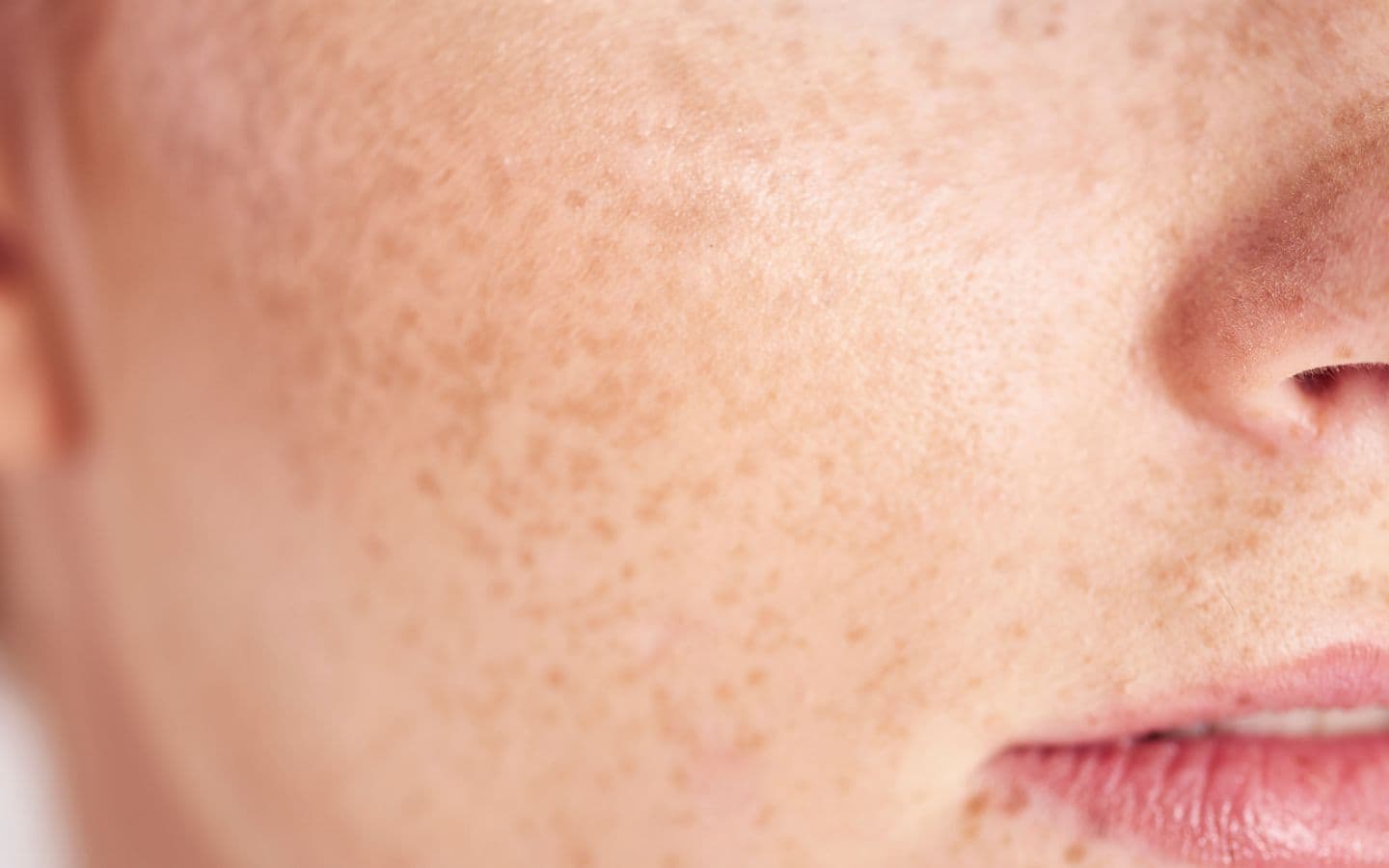
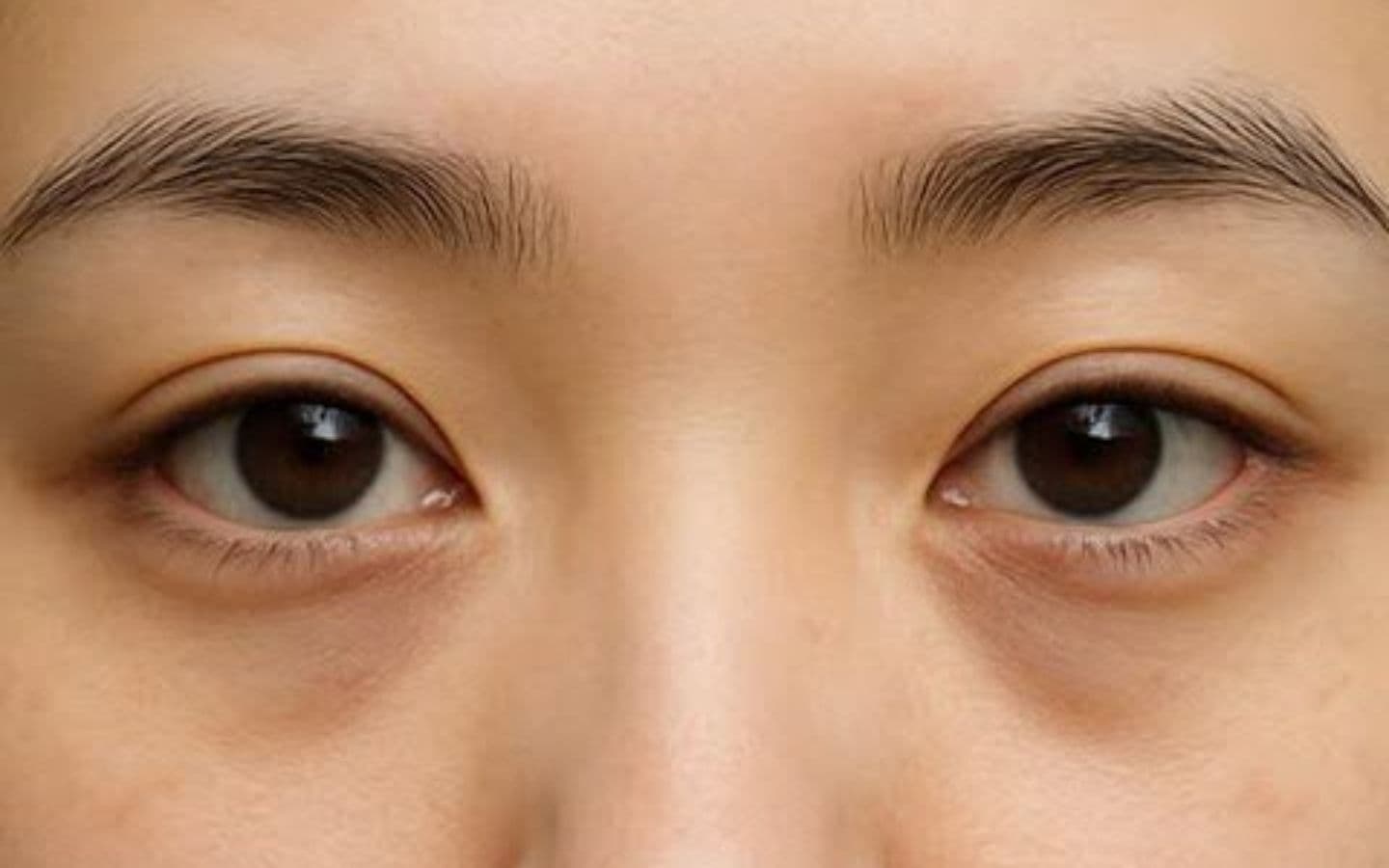
Revive is a facial product: its instructions exclude the area between the brows and the nose, and there is no clinical data for the hands. It is not suitable for everyone, and a consultation determines whether it is appropriate for you. Concerns it is typically directed at include:
- Dry or very dry facial skin that feels tight or looks dull
- Superficial fine lines linked to dryness rather than expression
- Early loss of skin elasticity and firmness
- Rough surface texture from accumulated sun exposure
- Skin quality on the cheeks, the area most published studies treated
What have studies of Belotero Revive measured?
Most of the published work relies on instruments rather than photographs: devices that read skin hydration, elasticity, firmness and roughness, alongside doctor and patient ratings. An early observational study (Hertz-Kleptow and colleagues, 2019) followed 25 women who had three sessions four weeks apart in the lower cheek, measuring up to 36 weeks. A larger multicentre trial (Kerscher and colleagues, 2021) randomised 159 adults with early sun-damaged facial skin to a single session or a course, and tracked hydration in people with dry or very dry skin for up to nine months after the last injection.
Asian data is more recent and smaller. A 24-week open-label study treated 20 Korean women with three sessions in the cheeks, and a randomised, double-blinded split-face study of 30 participants in Bangkok compared Revive with a glycerol-free gel of the same HA concentration, looking at pore volume and hydration. A single-blinded split-face study of 24 women compared Revive with Profhilo and found no significant differences between the two in the skin measurements it tracked.
Read these for what they are: small studies, most of them funded by Merz or run by authors with Merz ties, measuring change against each person's own starting point. They describe what was measured, not what will happen to your skin, and results vary between individuals.
Who should not have Belotero Revive, and does skin type matter?
Revive is not used during pregnancy or breastfeeding, under the age of 18, with a general infection or an active autoimmune disease, or where there is inflammation or infection at the intended site. Tell your doctor about any allergy to hyaluronic acid, glycerol or BDDE; a history of streptococcal illness, severe allergies or anaphylaxis; a tendency to keloid or hypertrophic scars; cold sores; blood-thinning medication, anti-inflammatory painkillers or supplements such as vitamin E or ginkgo; and any non-dissolving filler already in the area, since Revive is not injected over one. A recent peel, laser or dermabrasion must have healed fully, and at least two weeks must have passed.
Because Revive works through injected gel rather than light or heat, the pigment concerns that limit some lasers do not apply in the same way, but the manufacturer's instructions are specific about skin type. They state there is no clinical data in Fitzpatrick skin types V and VI, the deepest skin tones; that darker skin is more prone to post-inflammatory hyperpigmentation and raised scarring after injection procedures generally; and that patients of Asian background should be told of a higher likelihood of reactions such as itching, swelling and redness. Your doctor weighs this for your skin at consultation.
What happens at a Belotero Revive session, and what to avoid afterwards?
Revive is used within Kaiteki's skin-booster treatment, so the visit starts with a doctor consultation and skin assessment, including whether a hydrating HA booster suits your concern or another category would make more sense. Revive's listed composition contains no lidocaine, unlike some gels in the Belotero filler range, so a topical anaesthetic cream is commonly applied and left to work first.
The doctor then places small amounts of gel across the assessed area and massages it gently to spread evenly. Including numbing time, a visit commonly takes under an hour. The manufacturer describes one to three sessions at least four weeks apart, repeated no sooner than six months later if continued; your doctor sets the actual plan for your skin, and it is not a promised course.
Small bumps, redness, swelling, tenderness and pinpoint bruising at the injection points are common and, according to the manufacturer, usually settle within a few days.
The manufacturer's aftercare is more specific than most: no make-up or skincare on the area for at least 12 hours; no sauna, steam room, peel, prolonged sun or UV exposure, or extreme heat or cold for two weeks; no alcohol for 24 hours before and after; and no pressure, rubbing or strenuous exercise straight afterwards. Your doctor may adjust this for you, so follow their instructions.
What can go wrong after Belotero Revive, and what needs urgent care?
As with any injectable procedure, Belotero Revive carries risks, which are explained during consultation. The manufacturer lists injection-site reactions such as swelling, small lumps, bruising, redness, tenderness, itching and needle marks, usually mild to moderate and settling within a few days; report any that last more than a week. Less common effects include inflammatory nodules, infection, pigment change, a bluish tinge where gel sits too superficially, and allergic reactions. Vascular occlusion, gel blocking a blood vessel, is rare but recognised with any facial injection: sudden or unusual pain, skin turning pale or any change in vision needs urgent attention. Because Revive is hyaluronic acid, the enzyme hyaluronidase is one of the tools a doctor can use if a complication calls for it.
Concerns this injectable addresses
Whether it is the right choice for any of these is a decision for a doctor who has examined your skin.


Treatments that use Belotero Revive
Back to all devices and injectables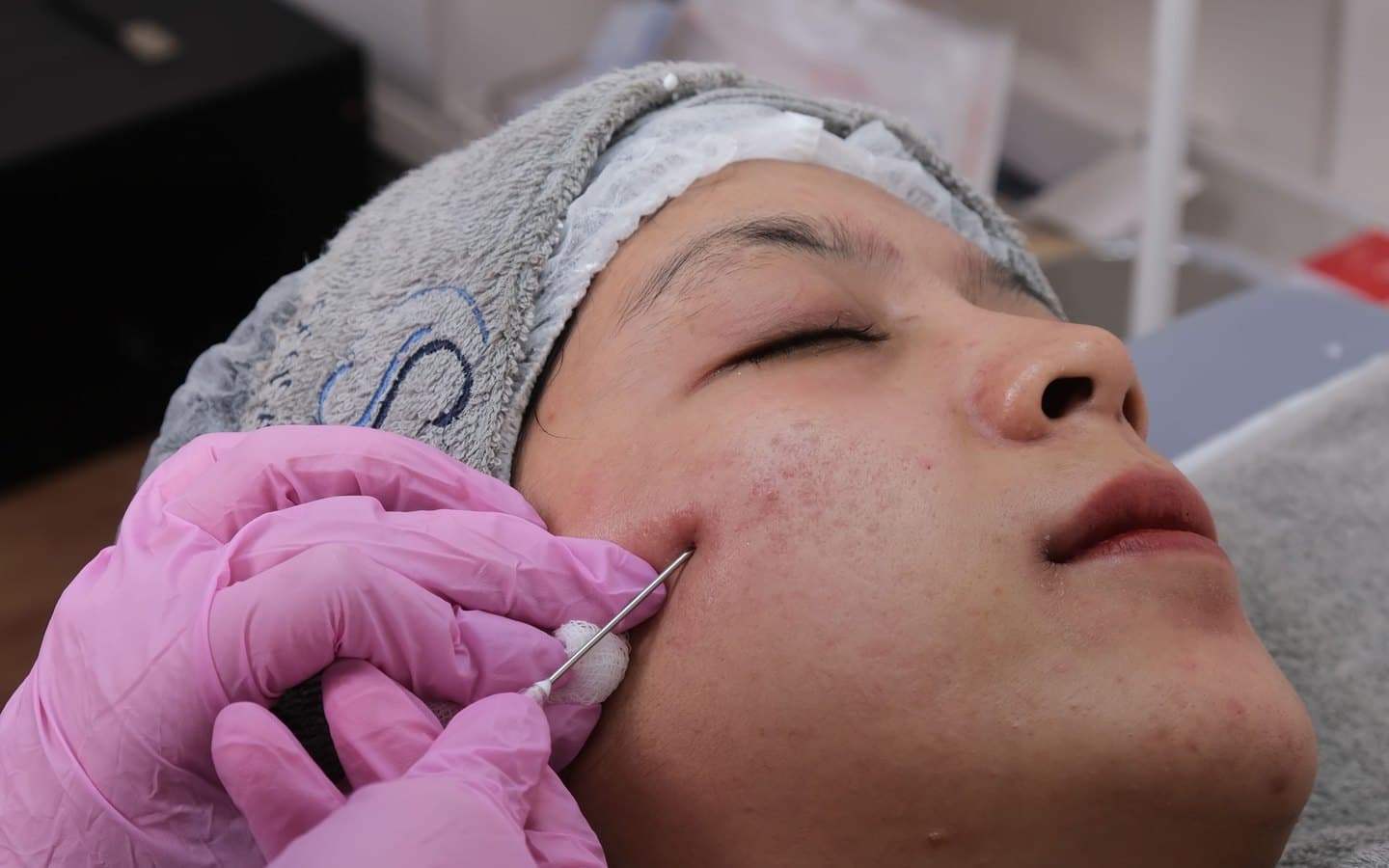
What affects the number of sessions, and the cost
Pricing is discussed at consultation rather than quoted online, so any figure reflects your assessed plan rather than a generic package. What moves it:
- The area being treated: the cheeks alone or a wider area of the face.
- The quantity of gel your doctor judges appropriate.
- Whether your plan is a single session or a course of up to three.
- Whether Revive is combined in the same plan with another treatment, such as a filler in a different area.
Other injectables we use
These address overlapping concerns. Which one suits you is a decision for a doctor who has examined your skin, not a choice to make from a page.

Common questions
How is Belotero Revive different from Belotero fillers such as Balance or Volume?
They share a manufacturer and a cross-linked hyaluronic acid technology, but they are built for different jobs. Balance, Soft, Intense and Volume are fillers placed to soften a particular line, shape the lips or restore volume. Revive adds glycerol and is spread in small amounts through the skin for hydration and superficial fine lines, which is why Kaiteki uses it within skin-booster treatment rather than dermal fillers. Your doctor decides which, if either, fits your concern.
Belotero Revive or Profhilo: what is the difference?
Both are hyaluronic acid skin boosters, but the formulations differ. Profhilo uses IBSA's NAHYCO hybrid complexes of high and low molecular weight HA with no chemical cross-linker; Belotero Revive is a cross-linked HA gel with added glycerol. A small split-face study of 24 women compared the two and found no significant differences in the skin measurements it tracked. Neither is presented here as superior: which one a doctor selects depends on your skin and history, assessed in person.
Has Belotero Revive been studied in Asian skin?
Some data exists, but it is limited. Published studies include 20 Korean women followed for 24 weeks and a split-face study of 30 participants in Bangkok, both small. The manufacturer's instructions state there is no clinical data in the deepest skin tones (Fitzpatrick V and VI), and ask that patients of Asian background be told of a higher likelihood of reactions such as itching, swelling and redness. Your doctor takes your skin type into account at consultation.
How many Belotero Revive sessions are usual, and how long does it last?
The manufacturer describes one to three sessions at least four weeks apart, with the course repeated no sooner than six months later if it is continued. Any change is temporary, because hyaluronic acid is gradually broken down by the body, and how long it lasts varies between individuals. Your doctor sets the number and spacing for your skin and response rather than fixing them in advance.
Read next




Book a free consultation
The consultation is free, takes about 20 to 30 minutes, and there is no obligation to book treatment afterwards. A doctor will examine your skin and tell you whether Belotero Revive is appropriate, and if it isn’t, what would be.
Ask about thisThis page is general information about aesthetic treatments and is not medical advice. Treatments carry risks that are explained during consultation, and individual results vary. A doctor will assess whether a treatment is suitable for you before it is carried out.