Lasers
Resurfacing Laser
A fractional CO2 laser used for skin texture, scarring and pore concerns.
Free consultation, no obligation.
- 30-60 min
- Typical session time
- A small course, spaced weeks apart
- Typical sessions
- 5-7 days recovery
- Downtime
On this page
In brief
Resurfacing Laser at Kaiteki uses fractional CO2 laser technology to create controlled micro-injury columns in the skin, prompting a renewal response. It is commonly considered for texture, scarring and enlarged-pore concerns. It asks more of both recovery and skin type than the non-ablative lasers do, so a doctor is deliberate about who it is offered to.
Results from Kaiteki patients
Before and after photos of patients treated at Kaiteki for acne, pigmentation, enlarged pores, fine lines & wrinkles and aging. A plan may combine more than one treatment.
10 photos · tap one to enlarge
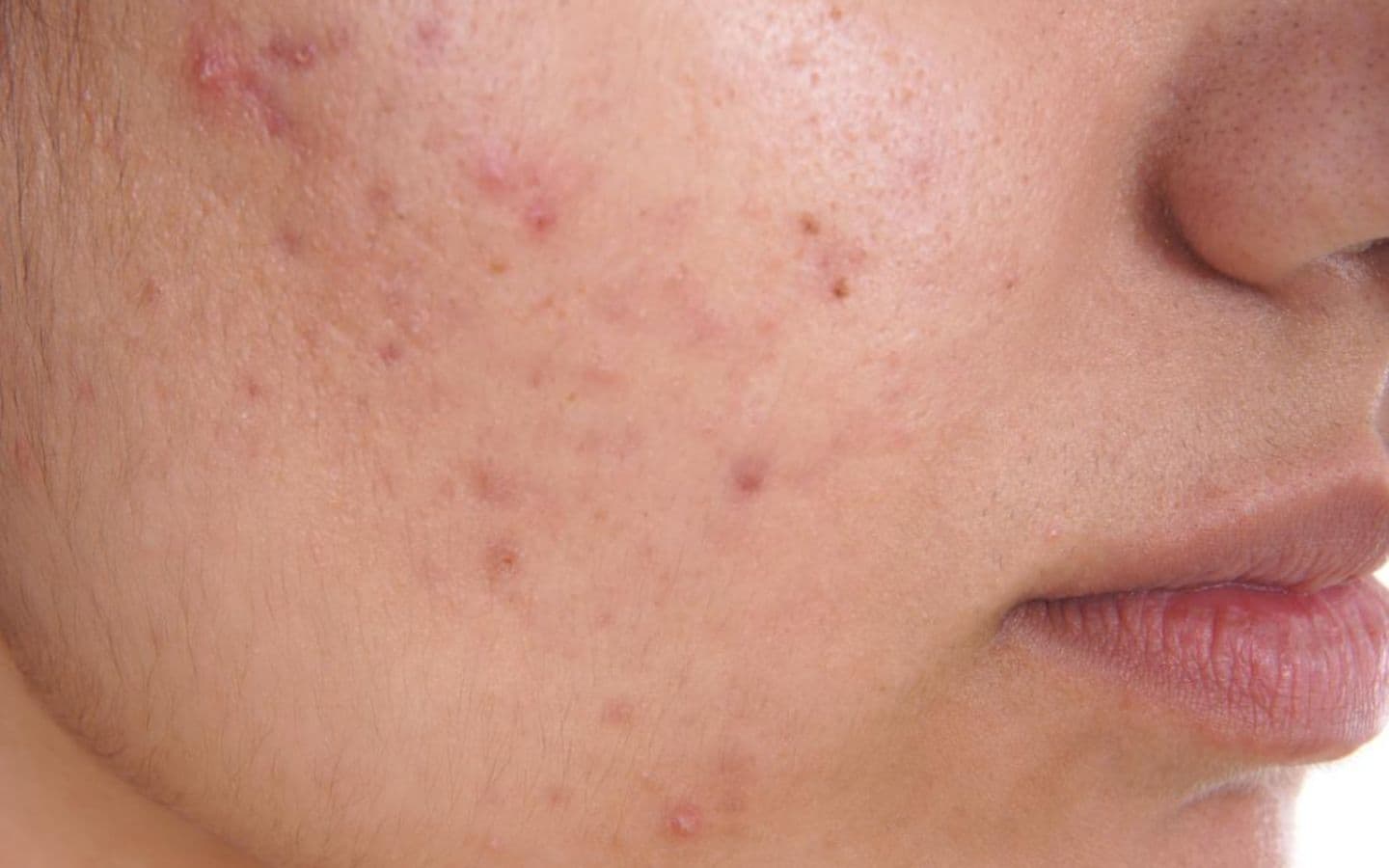
Active acne, before and after a course of treatment at Kaiteki
Facial pigmentation, before and after a course of treatment at Kaiteki
Pore appearance on the cheek, before and after a course of treatment at Kaiteki
Forehead lines, before and after treatment at Kaiteki
Skin tone and texture, before and after a course of treatment at Kaiteki
Active acne, before and after a course of treatment at Kaiteki
Facial pigmentation, before and after a course of treatment at Kaiteki
Skin texture and pores, before and after a course of treatment at Kaiteki
Forehead lines, before and after treatment at Kaiteki
Overall skin quality, before and after a course of treatment at Kaiteki
Photographs of Kaiteki patients, published with consent. Individual results vary and are not guaranteed. These images are not a promise of outcome. A doctor will assess whether any treatment is suitable for you.
What is Resurfacing Laser treatment?
Resurfacing Laser refers to ablative and fractional laser technology (at Kaiteki, a fractional CO2 laser) that works by creating a controlled pattern of micro-injury columns across the treated skin, leaving surrounding tissue intact to support recovery.
This differs from non-ablative lasers such as Pico laser, which do not remove tissue at the surface. It is commonly considered for acne scarring and uneven texture, enlarged pores, and fine lines or other textural irregularity.
Why does a fractional CO2 laser heal faster than full resurfacing?
The fractional CO2 laser delivers energy in a grid-like pattern of microscopic columns, each surrounded by untreated skin. This fractional approach is intended to prompt a controlled skin-renewal and collagen-remodelling response while allowing faster recovery than treating the entire surface at once.
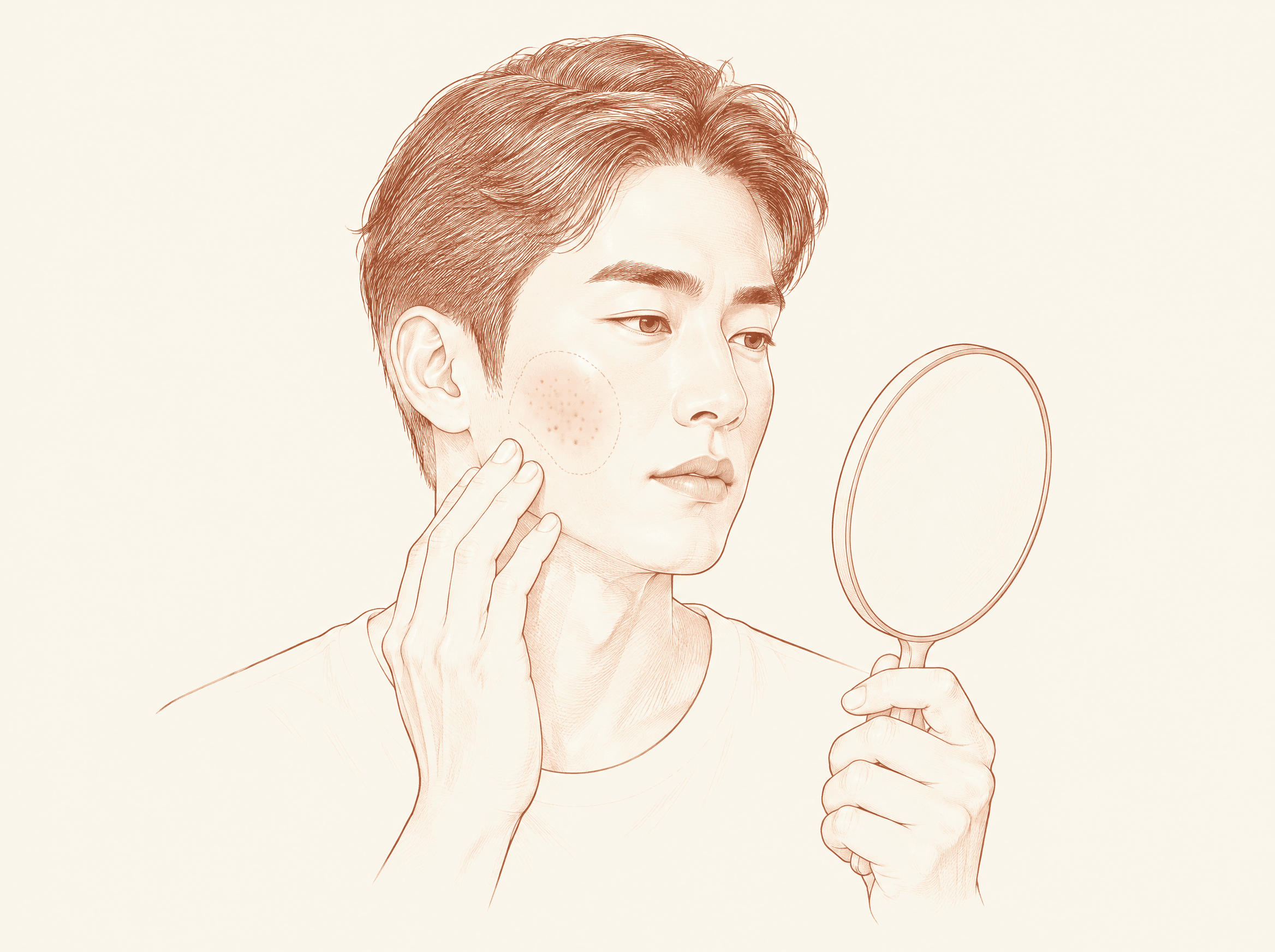
Concerns this treatment addresses
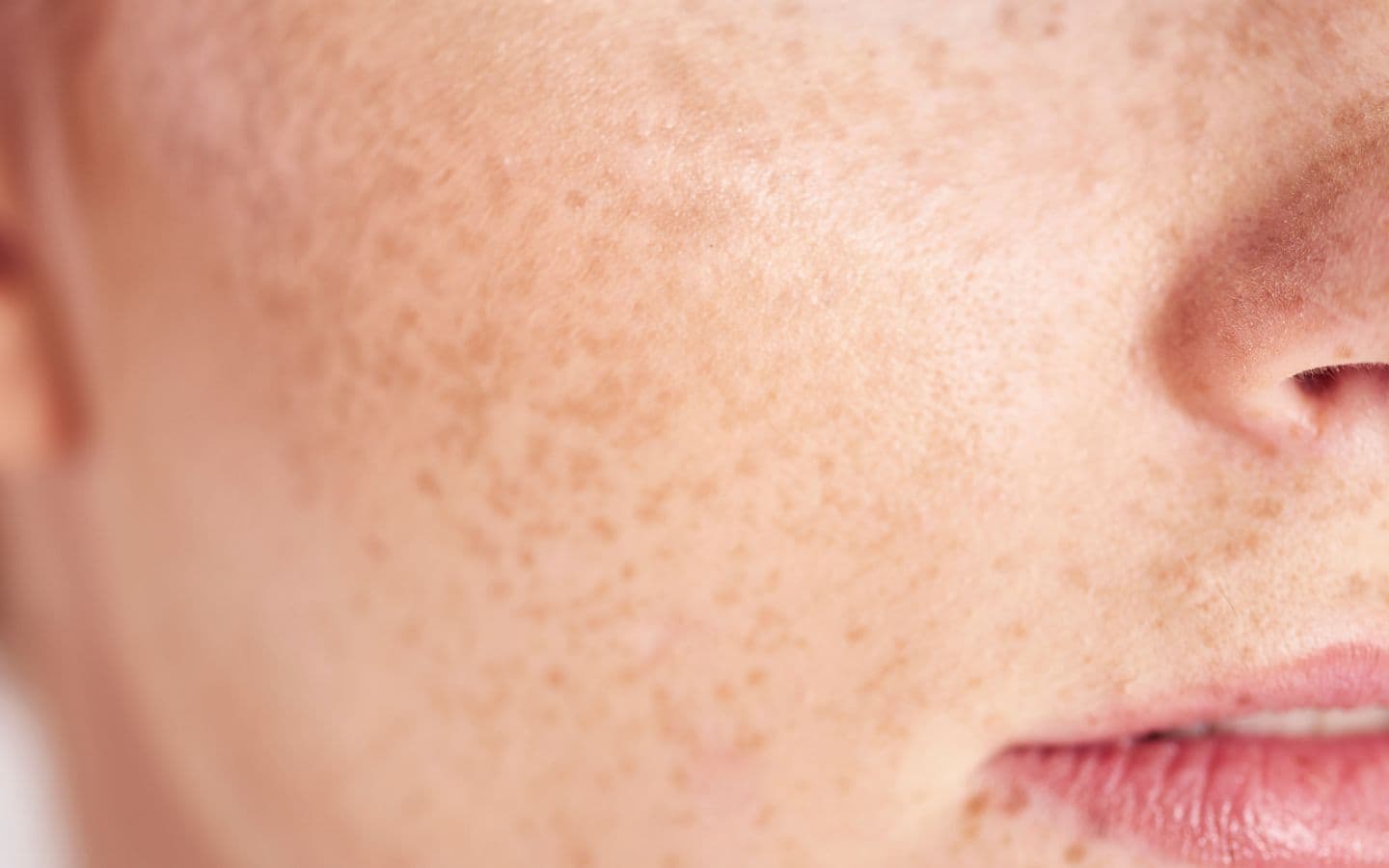
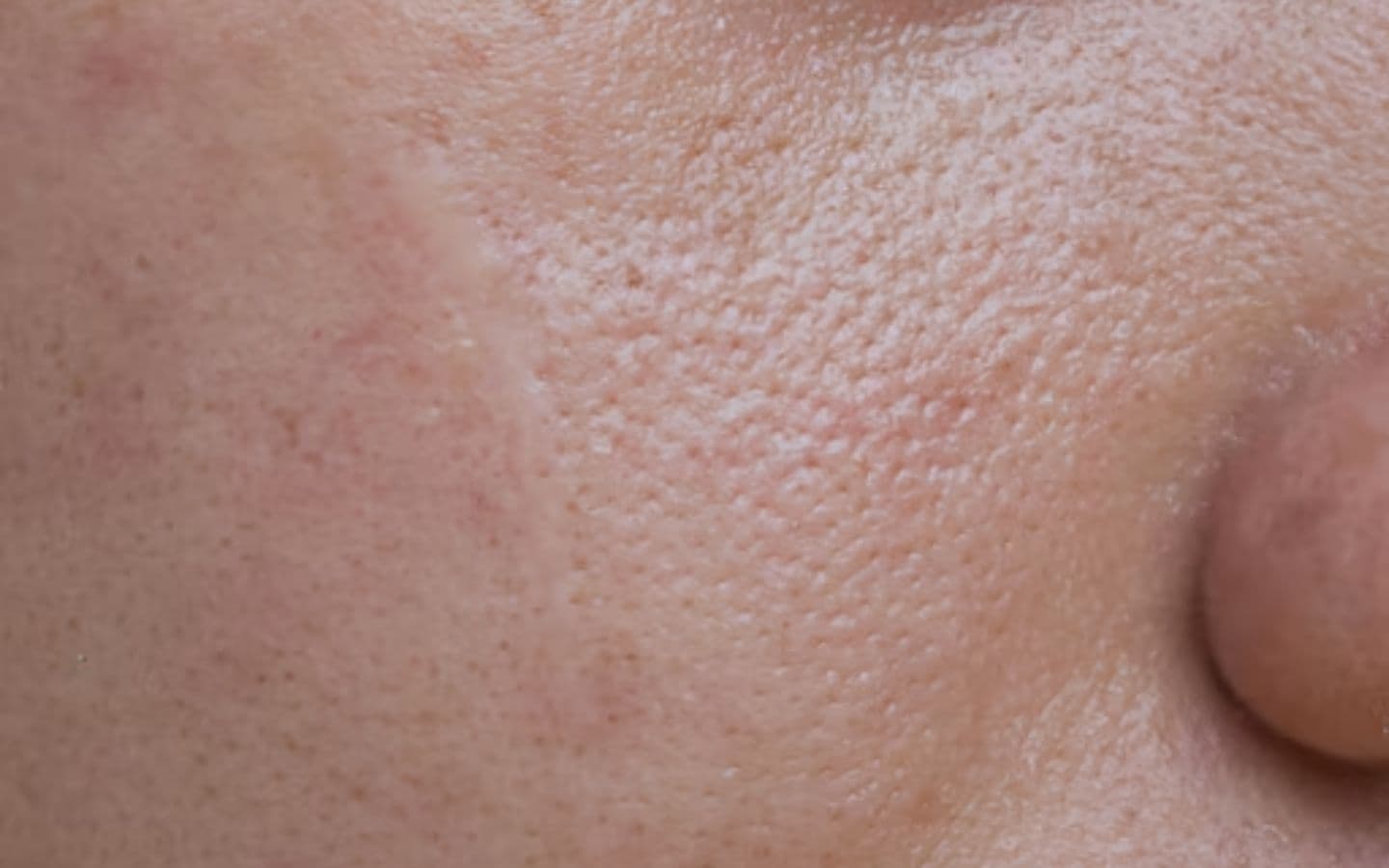
Each of these pages covers what the concern is and every option considered for it, not only Resurfacing Laser.



Who should postpone or avoid it
Raise any history of cold sores, or of scarring badly, without being asked: both change whether, and how, it is done.
- Pregnancy or breastfeeding. Treatment is deferred.
- Active infection or inflammation in the area, including acne or cold sores.
- A history of keloid or hypertrophic scarring.
- Recently tanned skin, or recent isotretinoin.
- Certain autoimmune or connective-tissue conditions, which your doctor goes through with you.
What a session involves
Consultation and recovery planning
Your first visit is a consultation, not a treatment. For an ablative laser it includes planning your recovery around work or events before anything is booked.
Numbing, then the laser
Topical numbing is applied, then the laser is passed across the area at settings chosen for your skin.
Healing between sessions
Sessions are spaced several weeks to a few months apart, so the skin heals and remodels fully between visits.
In the treatment room
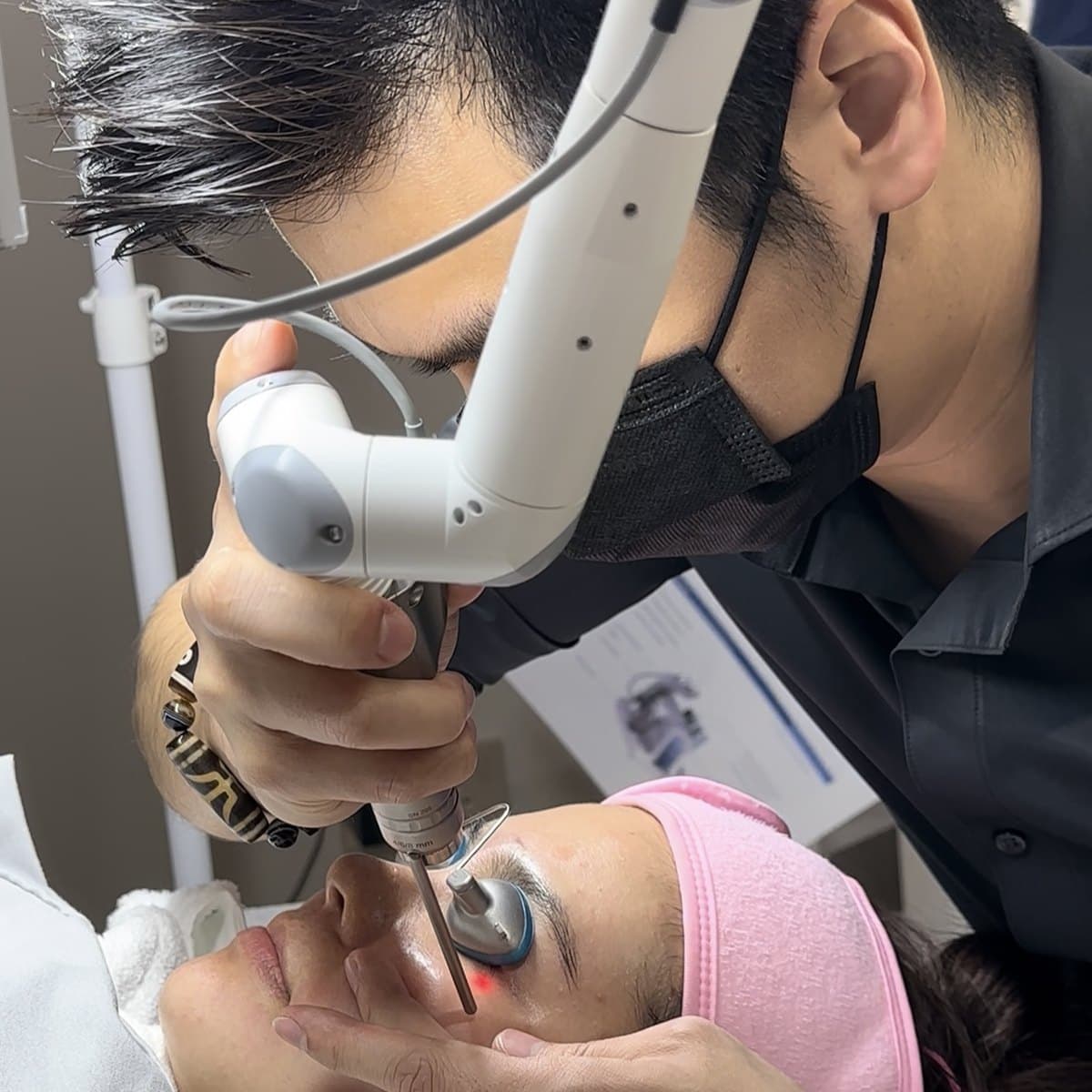
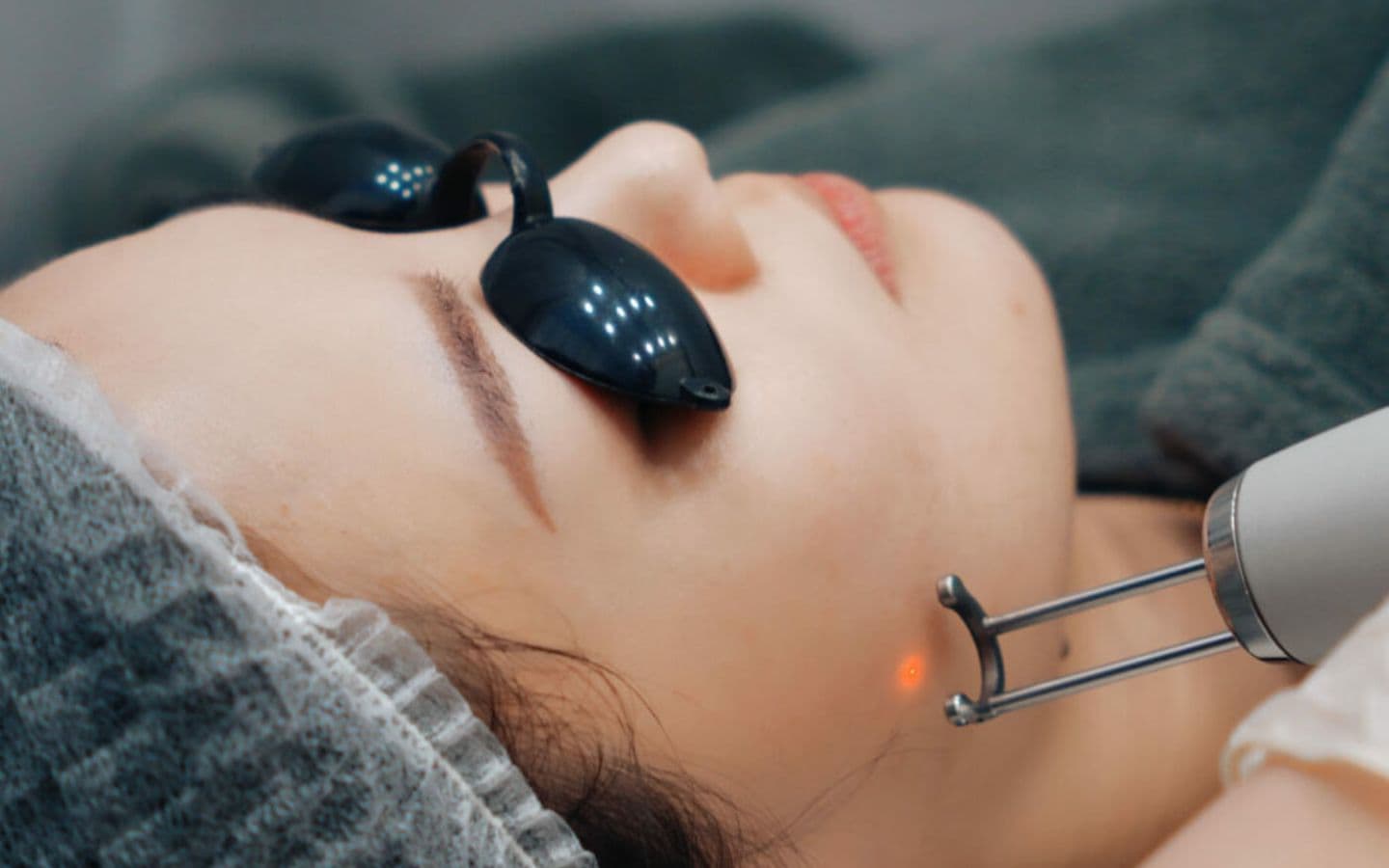
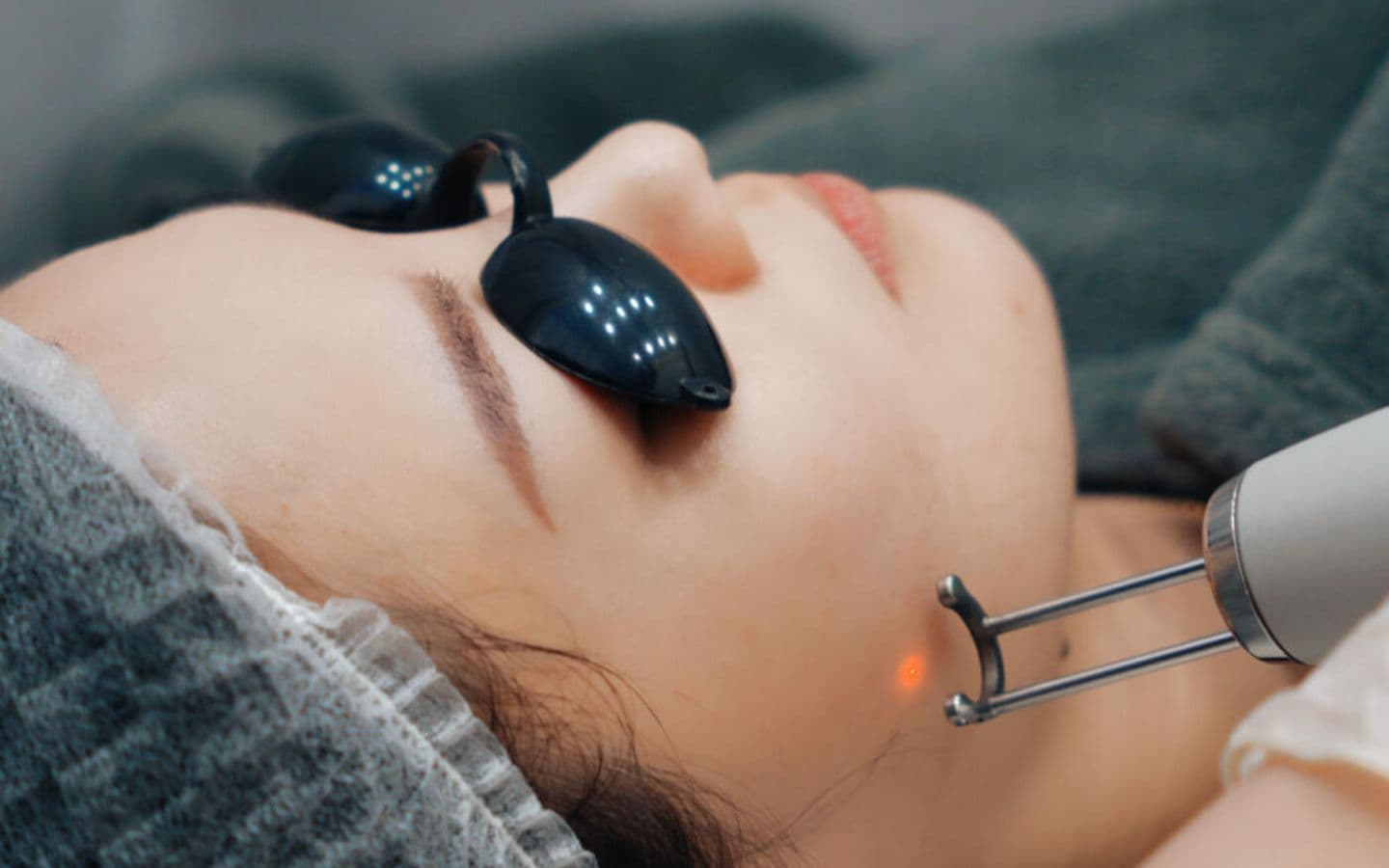
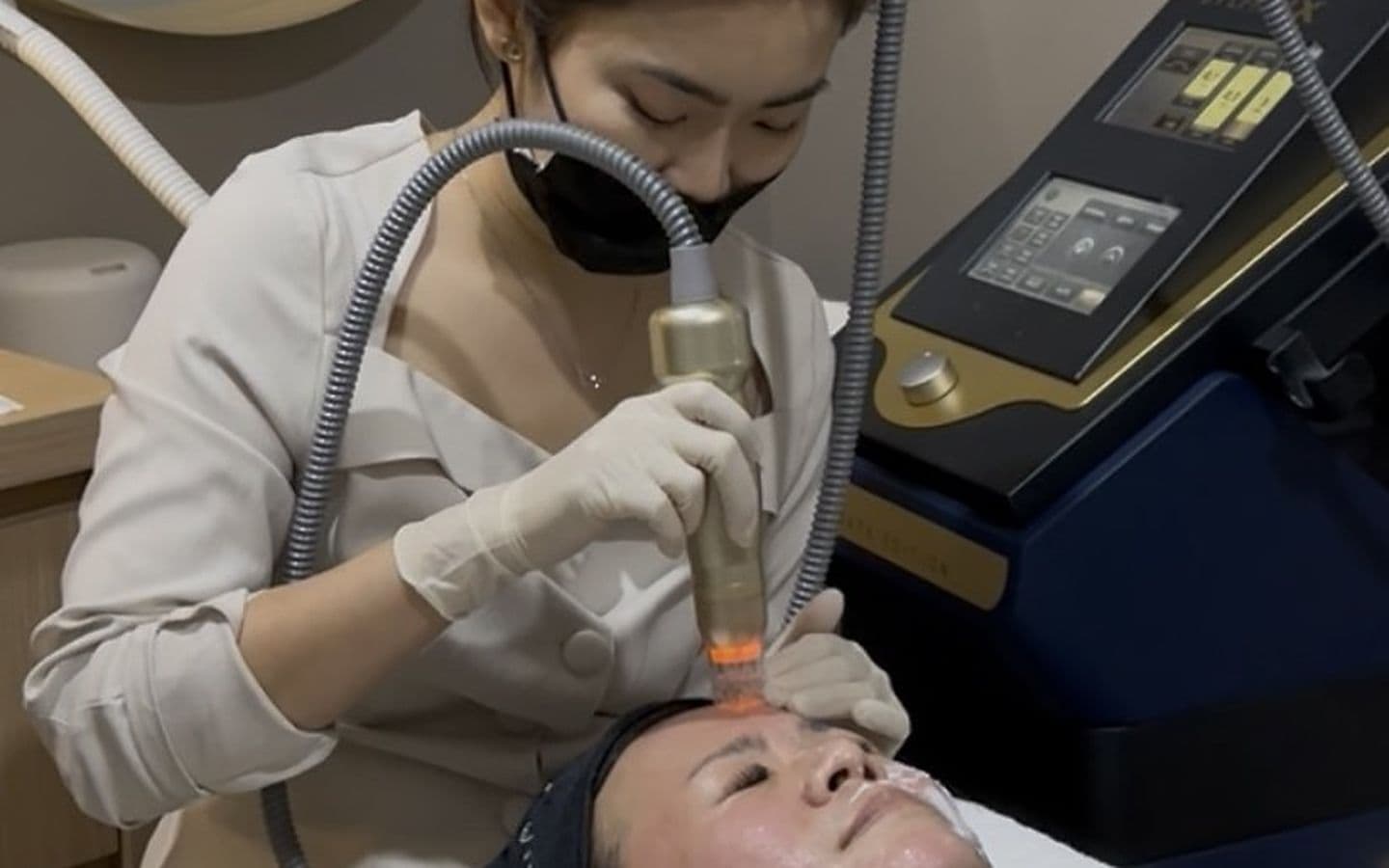
A doctor guides the laser handpiece close to the patient's skin.
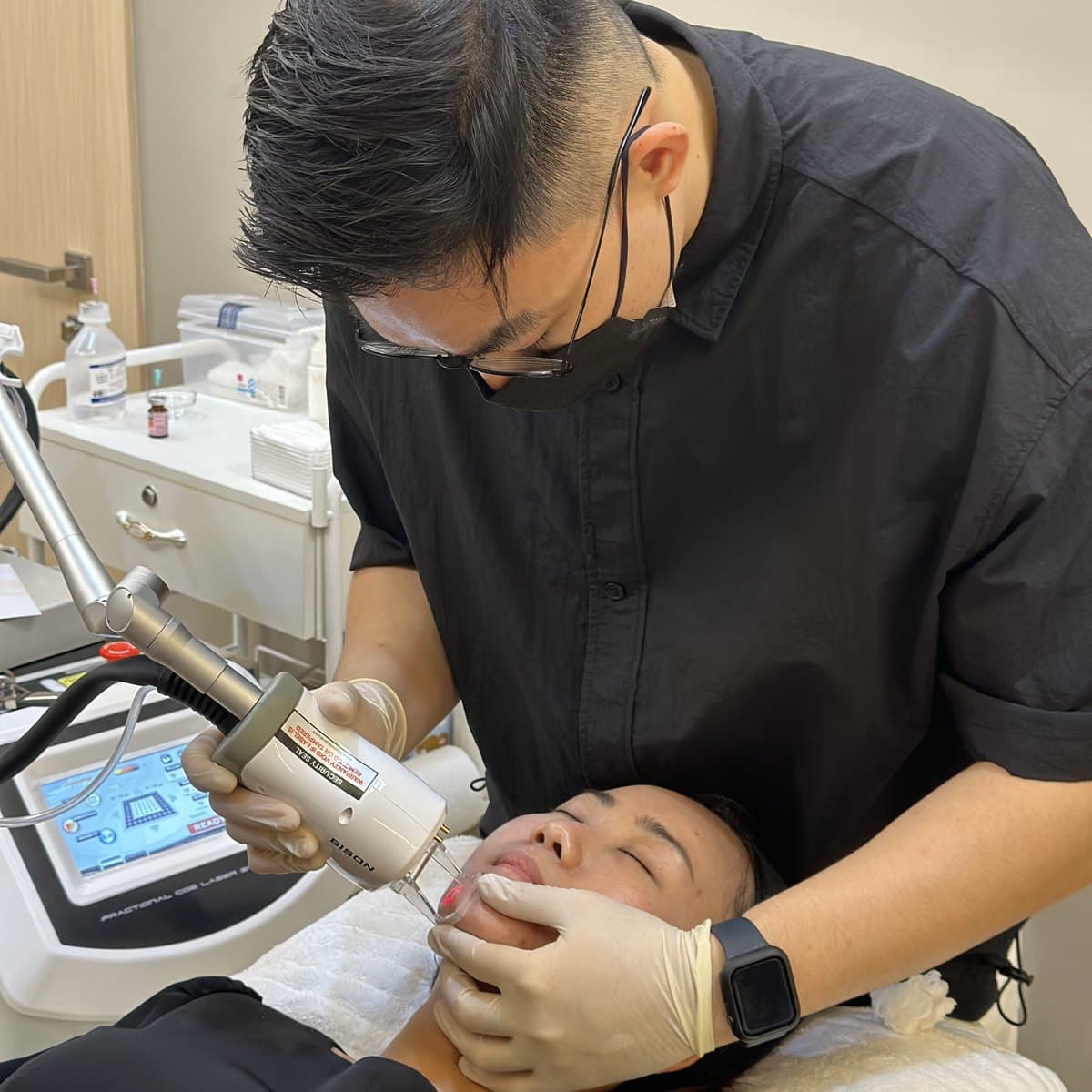
A doctor holds the patient's face steady while applying the laser handpiece.
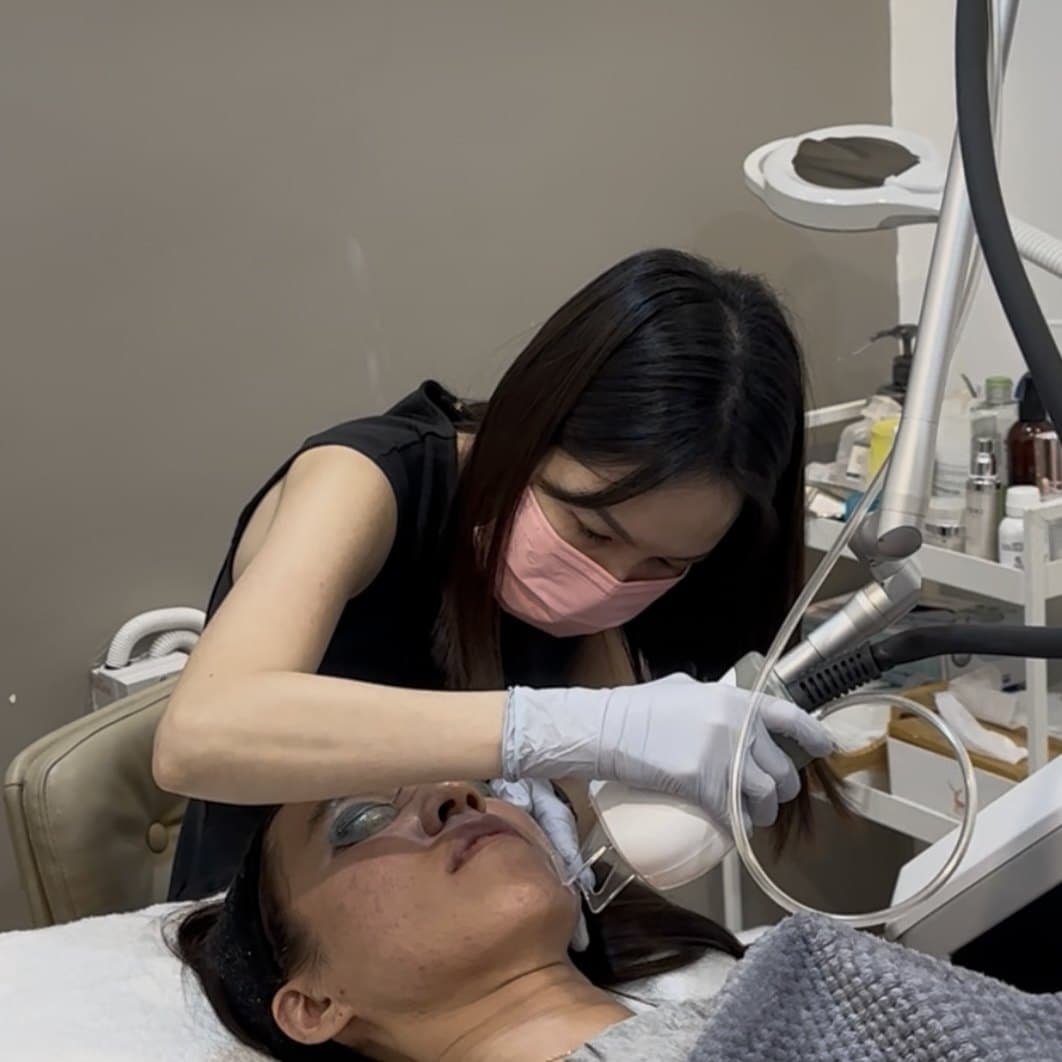
A practitioner moves the laser handpiece along the patient's jawline.
After a session
Expect more downtime than with non-ablative lasers. Redness, swelling and flaking or peeling over several days to about a week are common and typically settle. Diligent sun protection and gentle skincare follow.
The first day or two
Treated skin looks red, feels hot and tight, and is visibly swollen.The rest of the week
Bronzing, roughness and flaking as the treated columns work their way out. Pinkness can linger for weeks.
Gentle cleansing, the emollient you are given, no picking or exfoliating, and strict daily sun protection. Heat, swimming, makeup and active skincare are paused for as long as your doctor specifies.
Risks, side effects, and what Resurfacing Laser cannot do
Temporary effects include redness, swelling, peeling and changes in pigmentation. Because the laser is ablative, the skin is genuinely wounded and then heals, so infection and scarring are real if uncommon possibilities. That is why aftercare here is instruction rather than advice.
Common and temporary
Redness, swelling, heat, crusting and peeling, and pinkness that can last for weeks.Less common
Post-inflammatory hyperpigmentation, prolonged redness, reactivation of cold sores, infection, and scarring or textural change.Pigment change and Malaysian skin
Deeper and Asian skin tones carry a higher risk of post-inflammatory hyperpigmentation after ablative resurfacing, so settings are kept conservative, priming skincare may be advised, and more sessions at lower intensity may be preferred over one aggressive session.What it cannot do
- It is not a lunchtime treatment: the recovery is real and has to be planned for.
- Established acne scarring generally needs a course, not one visit.
- It works on texture and structure, not on skin colour alone.
Tell your doctor about any history of cold sores, scarring or pigment problems, and any recent isotretinoin.
What affects the number of sessions, and the cost
Sessions and cost depend on the concern, the treatment depth and how your skin responds. Depth and density are set for your skin type, and they are what the cost tracks, so it is confirmed at consultation rather than published as a rate.
- The size of the area.
- The depth and density of settings your concern calls for.
- How many sessions the plan involves.
- Whether it is combined with other treatments in a scar or resurfacing plan.
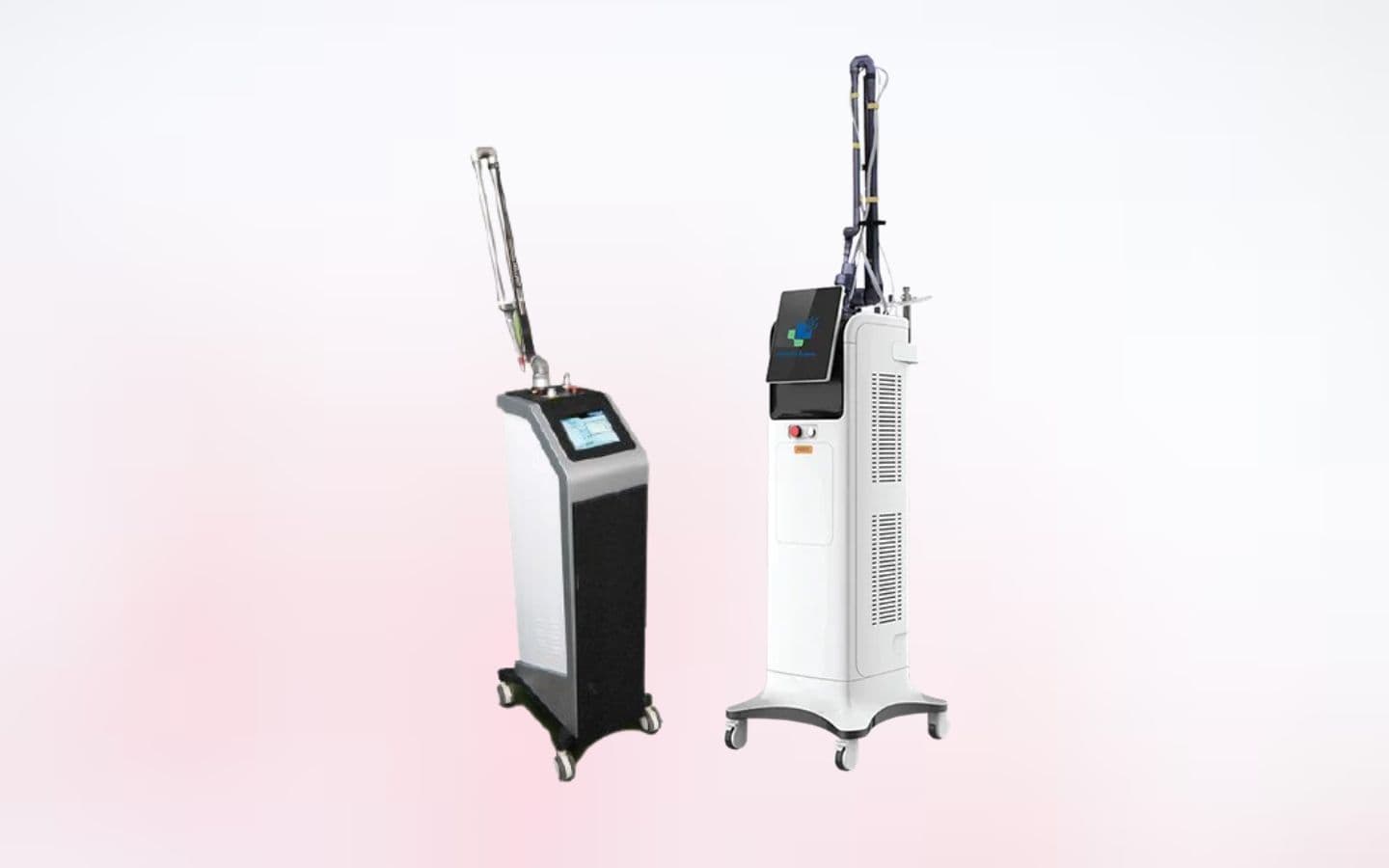
Devices used at Kaiteki
Which platform is used depends on your individual assessment.
Common questions
How much downtime should I expect?
More than with non-ablative lasers. Redness, swelling and flaking over several days to about a week are common and typically settle; how much depends on the settings used.
Is it painful?
Topical numbing is usually applied beforehand. Many people describe a warm or prickling sensation during treatment.
How many sessions will I need?
It depends on the concern and the treatment depth. The doctor sets the number and spacing of sessions once your skin has been assessed.
Is CO2 laser safe for Asian skin?
It is used on Asian skin, but more conservatively, because deeper skin tones carry a higher risk of post-inflammatory hyperpigmentation after ablative resurfacing. That often means lower settings across more sessions, and strict sun protection afterwards.
What is the difference between fractional and fully ablative CO2 laser?
Fully ablative resurfacing treats the whole surface in one pass, with a long recovery. Fractional delivery leaves untreated skin between microscopic columns, so healing draws on that intact skin and recovery is shorter. The trade-off is less surface treated per session, which is why a course is usual.
Read next

Where to go next
Book a free consultation
The consultation is free, takes about 20 to 30 minutes, and there is no obligation to book treatment afterwards. A doctor will examine your skin and tell you whether Resurfacing Laser is appropriate, and if it isn’t, what would be.
Ask about this treatmentMedically reviewed by
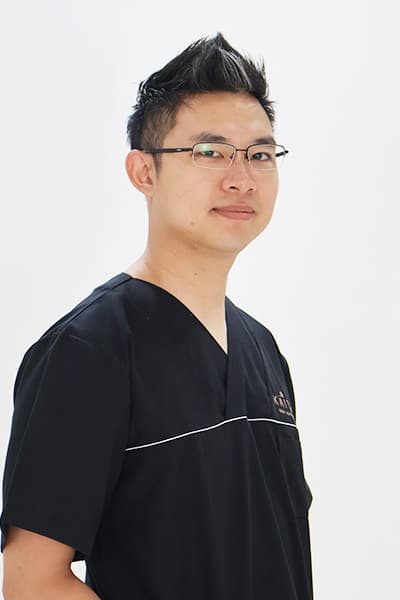
Dr Chang Chee Seong
Wellness Physician
MD, OHD (NIOSH), MAC · MMC 64526
Dr Chang Chee Seong graduated from Kursk State Medical University with an M.D. and after serving the public sector, pursued his post graduate diploma in Occupational Health with NIOSH.
View full profile- Reviewed by
- Dr Chang Chee Seong, MMC 64526
- Last reviewed
- 13 Jul 2026
- Next review due
- 13 Jul 2027