
Facials · Device
Hydrafacial
A device-based facial using a spiral tip with vacuum suction and simultaneous serum delivery to cleanse, exfoliate, extract and infuse in one pass.
Free consultation, no obligation.
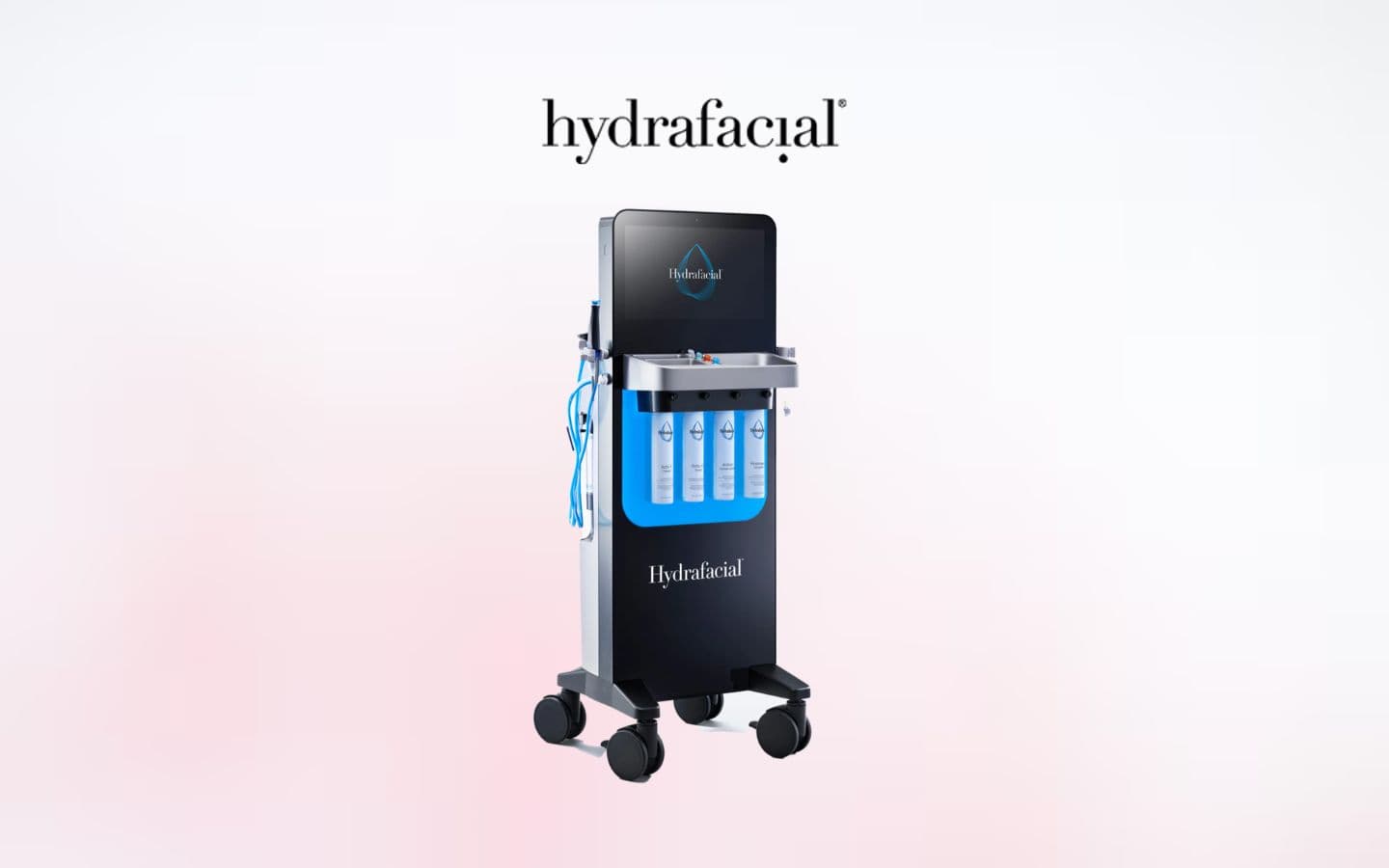
- Spiral tip and vacuum
- Method
- Serum infused in the same pass
- What makes it device-based
- Facial treatments
- Used within
In brief
Hydrafacial is a device-based facial rather than a therapist working purely by hand. A handpiece fitted with a spiral tip is drawn across the skin while the machine delivers a solution and applies vacuum suction, so cleansing, exfoliating, extracting and infusing happen in the same pass.
What is Hydrafacial?
Hydrafacial is a device-based facial platform, used within Kaiteki's facial treatments. Rather than a therapist working purely by hand, a handpiece fitted with a spiral tip is drawn across the skin while the machine simultaneously delivers a solution and applies vacuum suction, so exfoliating, lifting debris out of pores and applying serum happen in the same pass. The manufacturer has described this simultaneous suction-and-delivery mechanism as Vortex-Fusion.
How the treatment steps work
The manufacturer describes the treatment as a sequence of steps delivered through interchangeable tips. Physical exfoliation, which it terms microdermabrasion, uses a crystal-free tip to lift away surface dead skin. A gentle peel step applies a mild chemical exfoliating solution intended to help loosen the contents of clogged pores. An extraction step uses vacuum suction through the tip to draw out debris. A hydration and infusion step then delivers an antioxidant-rich serum to the freshly exfoliated surface, and a lymphatic drainage step uses gentler suction over the face and neck.
Beyond the standard sequence, Hydrafacial offers targeted serum boosters that can be selected according to the concern being addressed, and many providers pair the session with LED light. Which tips, which solutions, how much suction and which boosters are used are chosen for your skin on the day: a reactive, thin skin type is treated very differently from congested, oily skin. Any change in skin appearance is gradual and varies between individuals.
Device or hands: what changes with a Hydrafacial?
That mechanism is the practical difference from a traditional manual facial, where extraction is done by pressing on the skin and serums are applied afterwards. With a device, the depth of exfoliation is set by the tip and the pressure setting rather than by hand pressure, and debris is drawn away into a waste canister rather than being worked across the surface. It is a skin-quality and maintenance treatment, not a medical treatment for a diagnosed skin condition, and your doctor or therapist will assess whether it fits your skin at consultation.
When is a Hydrafacial not the right treatment?
Hydrafacial is commonly considered as a maintenance treatment for general skin quality and congestion. It is not a substitute for medical treatment of acne or pigmentation, and a consultation determines what is appropriate for you. If your congestion is really inflammatory acne, your doctor may recommend a medical treatment path instead.
- Congested pores, blackheads and a rough surface texture
- Dull or tired-looking skin lacking radiance
- Dryness and dehydration at the skin surface
- Oiliness and shine through the T-zone
- General skin upkeep between clinical treatments, or before an event
Can sensitive skin have a Hydrafacial, and when should it wait?
Because the treatment does not use light or laser energy, it is generally suitable across skin tones, and the settings can be dialled down considerably for sensitive skin. It is often chosen by people who want regular upkeep with little disruption to their week, and it can be adapted for teenage congestion as well as mature, drier skin.
It may not be appropriate over active inflamed or pustular acne, open or broken skin, active cold sores, sunburn, eczema or rosacea flares, or where you are using strong topical retinoids or have recently had a peel, laser or waxing in the area. It is also not advised for anyone with a known allergy to ingredients in the serums, and recent isotretinoin use needs to be declared. Please share your skincare routine, medications and full medical history so the treatment can be adjusted or deferred safely.
What does a Hydrafacial feel like, and how often is it repeated?
A visit starts with a skin assessment so that the tips, solutions and suction level can be matched to your skin, and any boosters discussed. The face is cleansed, then the handpiece is worked systematically across the face in sections. Most people find it comfortable: the usual description is a cool, wet feeling with a light tugging or vacuum sensation, particularly around the nose during extraction. There are no needles and no anaesthetic.
A standard session commonly takes around 30 to 60 minutes depending on the steps and any add-ons included. Because it is a maintenance treatment, it is often repeated on a regular rhythm (monthly is a common pattern), rather than as a fixed course, and it is frequently scheduled alongside other treatments in a longer-term plan. Your doctor or therapist will suggest a realistic interval for your skin.
Downtime is typically minimal, which is much of the appeal: most people go back to work or out the same day. Mild redness or a warm flush can occur for a short period afterwards, and skin that was congested may look a little pink where extraction was done.
Keep skincare gentle for a day or two, hold off on strong actives such as retinoids and acids unless advised otherwise, and use daily sun protection. Your therapist will give aftercare guidance based on what was used in your session.
Can a Hydrafacial cause a breakout or a reaction?
Hydrafacial is a low-risk treatment for most people, but it is not risk-free and the considerations are explained beforehand. Temporary effects can include redness, mild sensitivity or tightness, small areas of irritation where extraction was firm, and occasionally a short-lived breakout as congestion clears. Reactions to serum ingredients are uncommon but possible, which is why your product history matters. Serious effects are uncommon when the treatment is appropriately selected and performed by trained staff under medical supervision.
Concerns this device addresses
Whether it is the right choice for any of these is a decision for a doctor who has examined your skin.
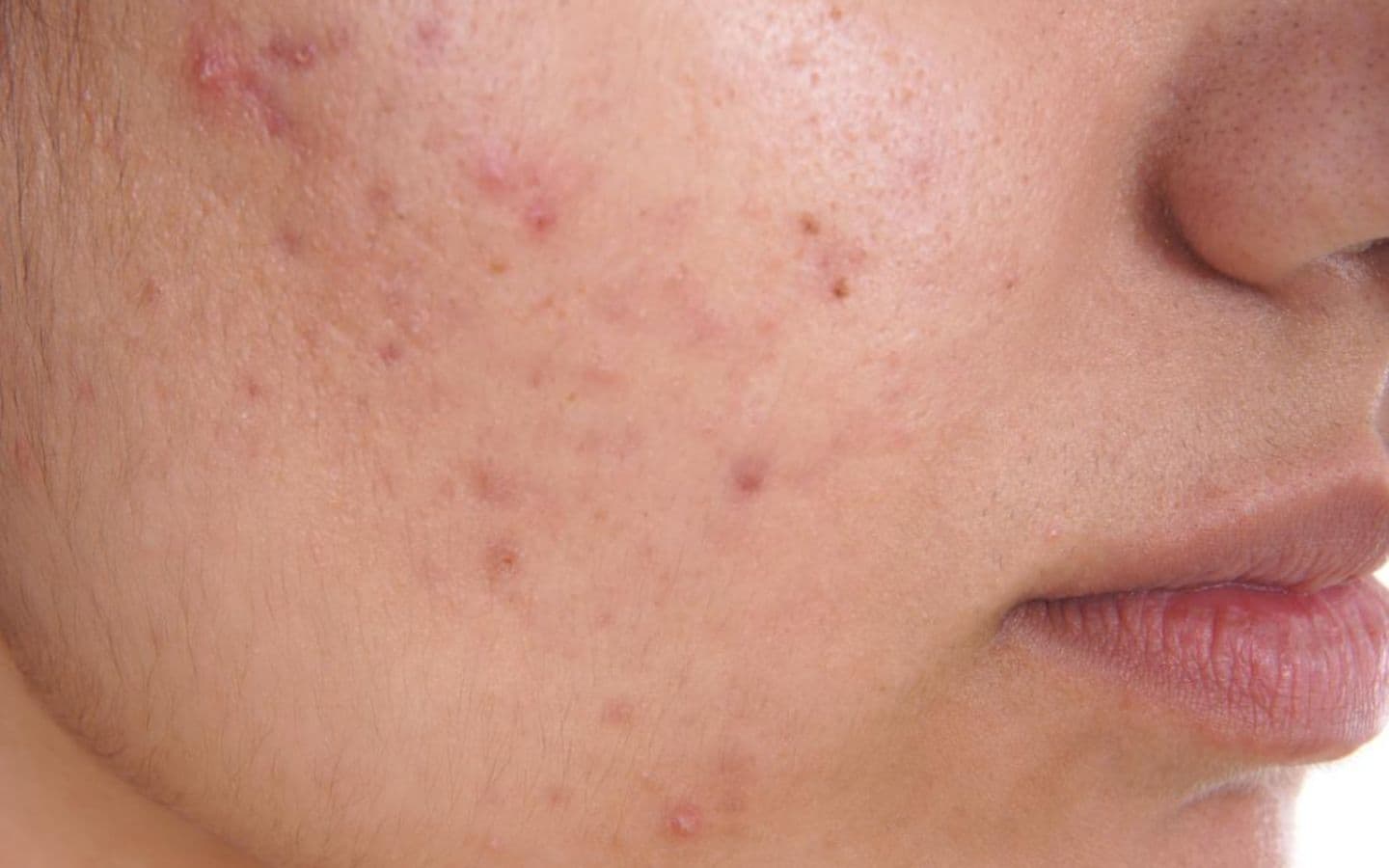
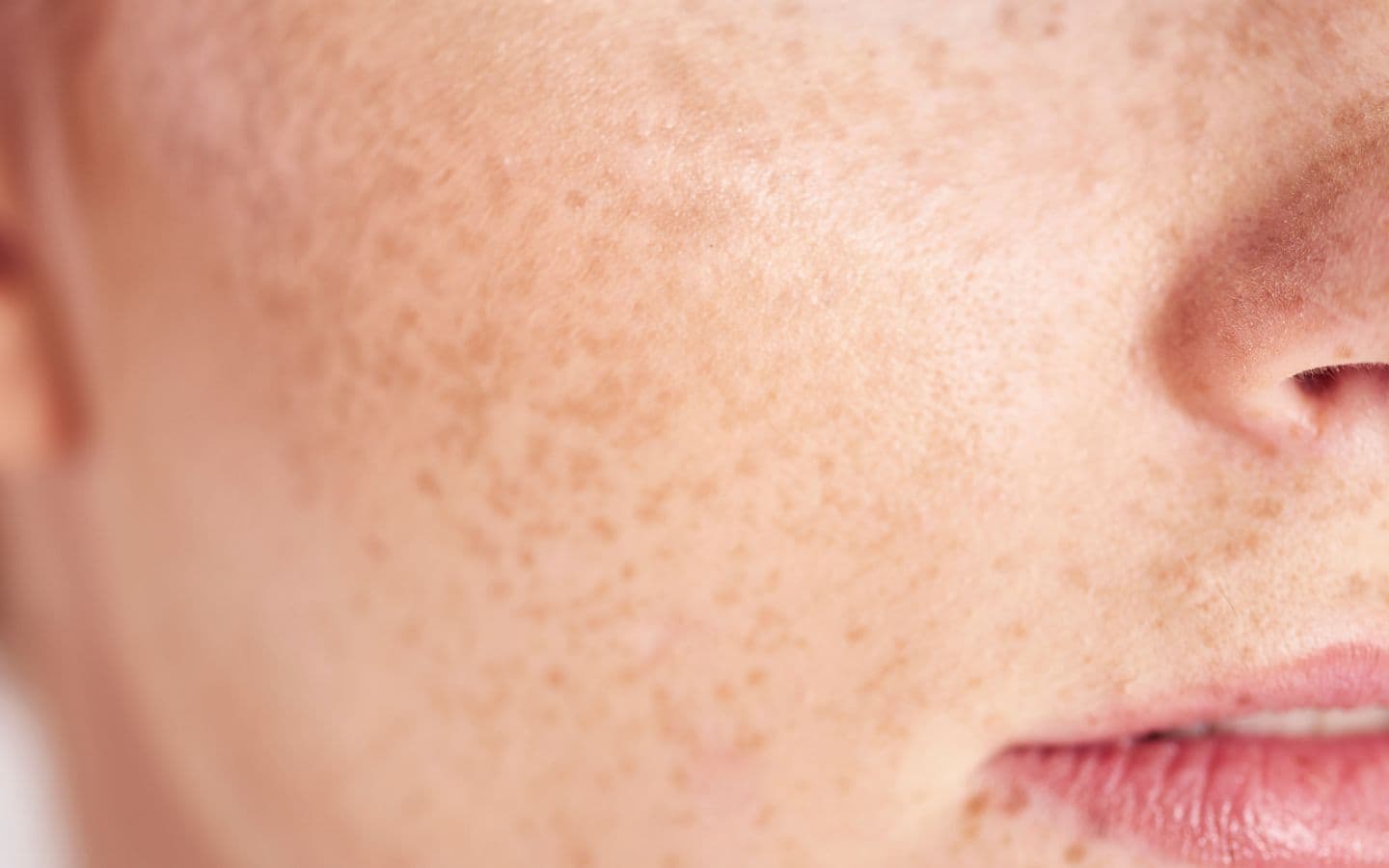

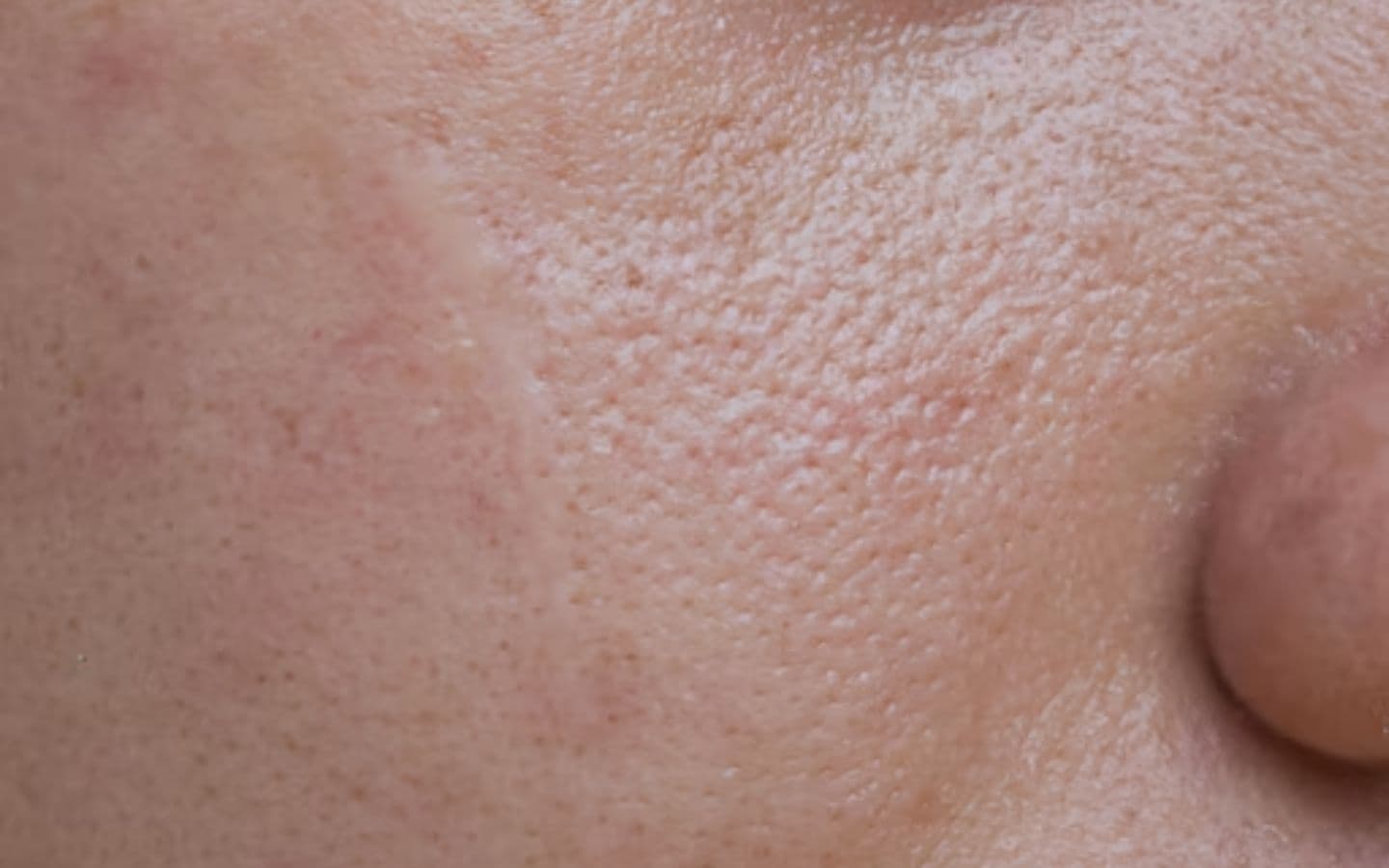
Treatments that use Hydrafacial
Back to all devices and injectables
What affects the number of sessions, and the cost
Pricing is discussed at consultation rather than quoted online, so that any figure reflects the session actually recommended for your skin. What moves it:
- Which steps are included, and the length of the session.
- Whether targeted serum boosters or add-ons such as LED are used.
- Whether areas beyond the face, the neck, chest or back, are treated.
- How often you choose to come in, since it is maintenance rather than a one-off correction.
Other facial devices we use
These address overlapping concerns. Which one suits you is a decision for a doctor who has examined your skin, not a choice to make from a page.
Common questions
How is Hydrafacial different from a normal facial?
The main difference is that exfoliation, extraction and serum delivery are done by a device rather than by hand. A spiral tip exfoliates while vacuum suction draws debris away into a waste canister and a solution is delivered at the same time, so the depth of exfoliation is controlled by the tip and pressure setting rather than by manual pressure. Whether this suits your skin better than a hands-on facial is something to discuss at your assessment.
Will Hydrafacial help with my clogged pores and blackheads?
The extraction step uses vacuum suction after a chemical exfoliating solution has been applied, which is commonly used to address congestion and blackheads, and it avoids the manual squeezing used in traditional extraction. Congestion tends to return without an appropriate home routine, so it is usually approached as ongoing maintenance. If your congestion is really inflammatory acne, your doctor may recommend a medical treatment path instead.
Can I have a Hydrafacial if my skin is sensitive or reactive?
Often yes, because the suction level, the exfoliating tip and the strength of the solutions can all be adjusted, and no light or laser energy is involved. It should be deferred during an active eczema or rosacea flare, over broken skin, or soon after a peel, laser or waxing in the area. Tell your therapist about your reactions and current products so the session can be modified or postponed.
How often should I have a Hydrafacial?
There is no fixed course. Many people settle into a roughly monthly rhythm for upkeep, while others book before an event or alongside other treatments in a plan. The right interval depends on your skin type, how congested you get and what else you are having done, and your doctor or therapist will suggest something realistic at consultation.
Read next


Book a free consultation
The consultation is free, takes about 20 to 30 minutes, and there is no obligation to book treatment afterwards. A doctor will examine your skin and tell you whether Hydrafacial is appropriate, and if it isn’t, what would be.
Ask about thisMedically reviewed by

Dr Yeong Bin
Co-Founder & Senior Medical Director
MBBS, LCP Board Certified, MAC, MSAM · MMC 78238
Dr Yeong Bin earned his Bachelor of Medicine & Surgery (MBBS) from Monash University. He began his career as a doctor and completed his 2 years compulsory service in government hospitals, obtaining and sharpening his skills along the way as a medical officer in various departments.
View full profile- Reviewed by
- Dr Yeong Bin, MMC 78238
- Last reviewed
- 18 Jul 2026
- Next review due
- 18 Jul 2027
This page is general information about aesthetic treatments and is not medical advice. Treatments carry risks that are explained during consultation, and individual results vary. A doctor will assess whether a treatment is suitable for you before it is carried out.