
Lasers · Device
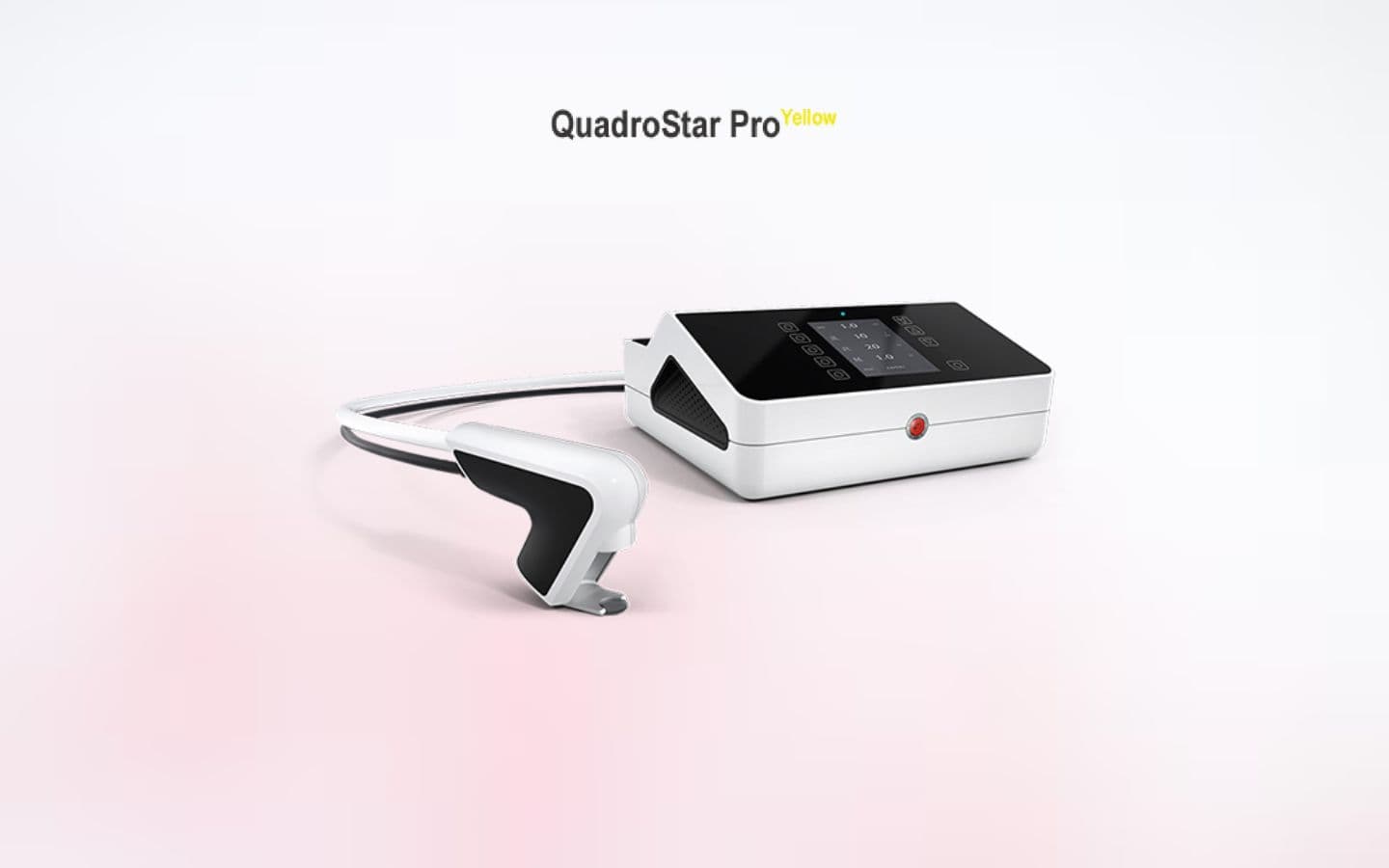
Pro Yellow (Quadrostar 577nm)
A 577nm yellow-light laser used for vascular concerns such as facial redness and visible vessels, and for some superficial pigment.
Free consultation, no obligation.
- 577nm
- Wavelength
- Asclepion, Germany
- Manufacturer
- Vascular / pigment laser
- Used within
In brief
Pro Yellow is the name Malaysian clinics commonly use for the QuadroStarPRO YELLOW, a single-wavelength 577nm yellow-light laser from Asclepion in Germany. Yellow light is absorbed strongly by haemoglobin, which is why the manufacturer positions it for superficial vessels and some pigment.
What is Pro Yellow?
Pro Yellow is the name commonly used in Malaysian clinics for the QuadroStarPRO YELLOW, a yellow-light laser made by Asclepion Laser Technologies in Jena, Germany. It emits a single wavelength of 577nm, generated by what the manufacturer calls HOPSL technology, and Asclepion positions it for the treatment of superficial vessels and pigmented lesions in dermatology practice. At Kaiteki it is used within our vascular and pigment laser treatment.
Its distinguishing feature is the wavelength itself rather than a long list of modes. Yellow light at 577nm sits close to a peak in oxyhaemoglobin absorption while being absorbed comparatively little by melanin. Asclepion describes it as offering maximum haemoglobin absorption with low melanin absorption for fewer side effects. That combination is the whole argument for choosing yellow over other vascular options. Whether it is the right choice for your redness or vessels is a judgement a doctor makes after examining your skin at consultation.
How 577nm yellow light works
Vascular lasers work by selective photothermolysis: the wavelength is chosen so that the target, in this case haemoglobin inside small vessels, absorbs the light far more strongly than the surrounding tissue does. Because 577nm is well absorbed by haemoglobin and poorly absorbed by melanin, the energy is preferentially taken up by the vessel rather than by pigment in the overlying epidermis.
Asclepion lists a standard handpiece spot size of 1.0mm with optional 0.5mm, 1.5mm and 2.8mm optics for precise work on individual vessels, and an optional scanner with integrated skin cooling that covers a 15 x 15mm scan area at a 1mm spot with adjustable scan density of 60 to 100 percent, intended for treating larger areas more quickly and comfortably. The system offers several treatment modes from basic to expert. Spot size, energy and whether the scanner is used are selected by the treating doctor for your skin and vessel type. Changes develop gradually across a course and vary between individuals.
What can 577nm treat, and when is it not the right wavelength?
Pro Yellow is commonly considered for the concerns below. It is not suitable for everyone, and a consultation determines whether it is appropriate for you or whether another device in the same category is better matched to your skin. Vessels that are very deep or large may respond differently from fine superficial ones, and your doctor may recommend a different wavelength, a combination approach, or in some cases no laser at all.
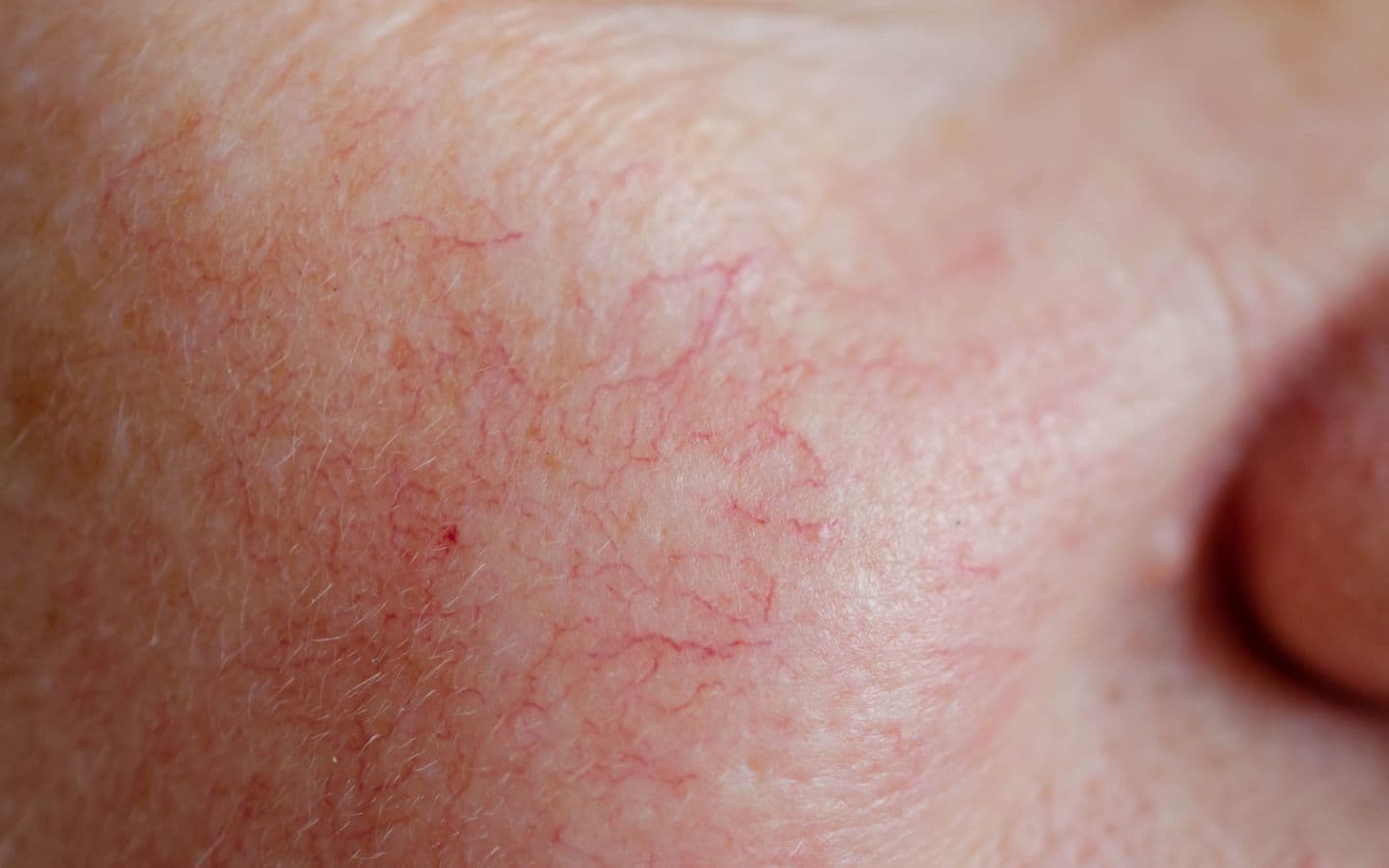
- Facial redness and rosacea-type flushing
- Telangiectasia and broken capillaries around the nose and cheeks
- Small haemangiomas and couperose skin
- Lingering post-acne redness and red acne marks
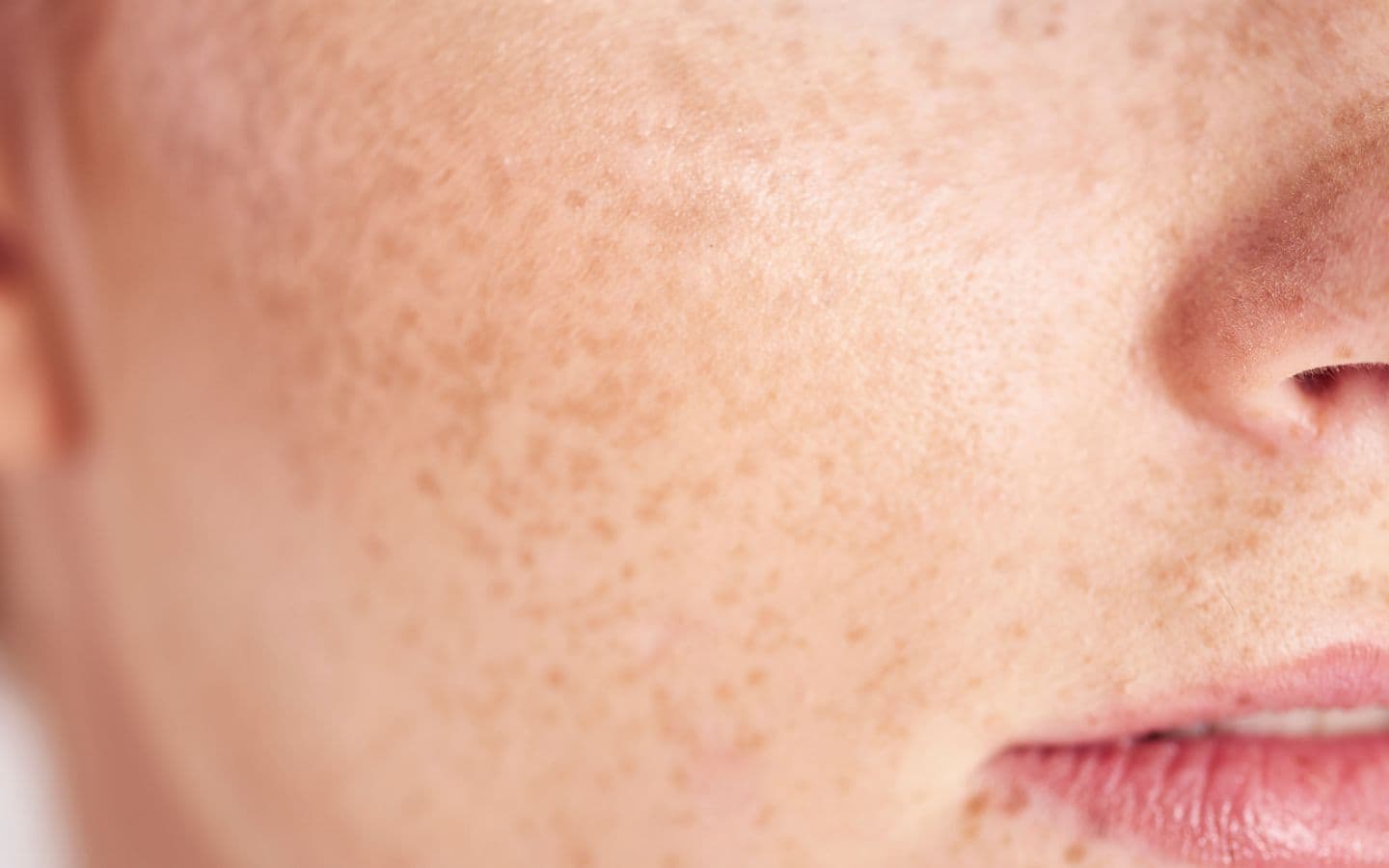
- Benign superficial pigmentation such as sun spots
- Vascular-toned scars and stretch marks, as assessed by your doctor
Why is 577nm discussed for Asian and more pigmented skin?
Low melanin absorption is the reason 577nm is often discussed as a reasonable option for Asian and more pigmented skin, but that is a matter of relative risk, not an exemption from assessment. In practice this is why a doctor may favour yellow light in more pigmented skin, where a wavelength with higher melanin absorption carries more risk of unwanted pigment change. Test spots are sometimes used before a full treatment.
Why does your rosacea history matter before Pro Yellow?
Treatment may not be suitable during pregnancy or breastfeeding, on recently tanned or sunburnt skin, over active infection or inflamed skin in the area, where you have a history of keloid scarring, or while you are taking photosensitising medication including oral isotretinoin. Rosacea is a chronic condition, so your doctor also needs to know about triggers, current topical or oral treatment and any prior vascular laser work. Please share your full medical and skincare history at consultation.
What happens during a Pro Yellow session, and why can vessels look grey afterwards?
Your first visit is a doctor consultation and skin assessment. The doctor examines the pattern and depth of the redness or vessels, discusses what is realistic, and decides whether the fine handpiece, the cooling scanner or a combination is appropriate. Where useful, a small test area may be treated first and reviewed before proceeding.
On a treatment day the skin is cleansed, eye protection is fitted, and the laser is applied either vessel by vessel with the small-spot handpiece or in scanned passes over broader areas of redness. Most patients describe brief hot pinpricks or a snapping sensation; the scanner's integrated skin cooling is intended to make larger-area work more comfortable. Sessions are typically short, often around 15 to 30 minutes for a face depending on the area covered. A course of several sessions spaced a few weeks apart is common, with occasional maintenance for chronic redness, but your doctor will set the plan.
Downtime is usually limited but varies between individuals. Redness, warmth and mild swelling in the treated area for a few hours to a day or two are common, and treated vessels can look temporarily darker, greyish or slightly bruised before settling. Occasionally fine crusting appears over a treated vessel and should be left to flake away on its own.
Daily broad-spectrum sunscreen and sun avoidance are important, as is avoiding heat triggers such as saunas, hot showers, spicy food and alcohol for the period your doctor specifies, particularly if flushing is part of your concern. Keep skincare gentle and pause actives until your doctor confirms it is fine to resume. Aftercare guidance is tailored to your skin and the area treated.
What are Pro Yellow's risks, and can treated vessels recur?
As with any medical laser procedure, Pro Yellow carries risks, which are explained during consultation before treatment is arranged. Temporary effects can include redness, swelling, bruising, small crusts over treated vessels, and changes in pigmentation of the treated area. Blistering and scarring are uncommon, and vessels can also recur over time because the underlying tendency remains. Risk is reduced, though never removed, when the wavelength and settings are appropriately selected and the treatment is performed by a trained doctor.
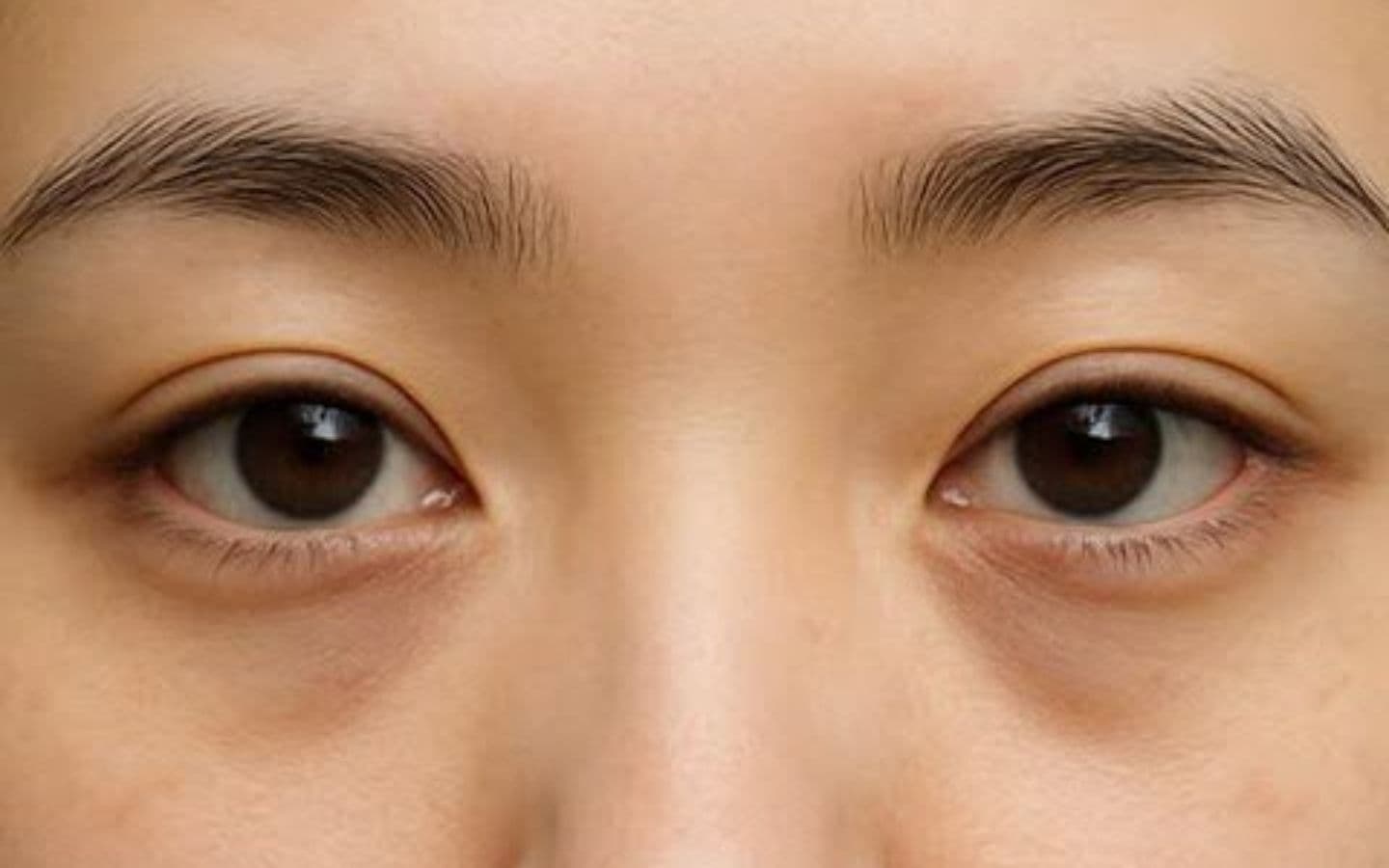
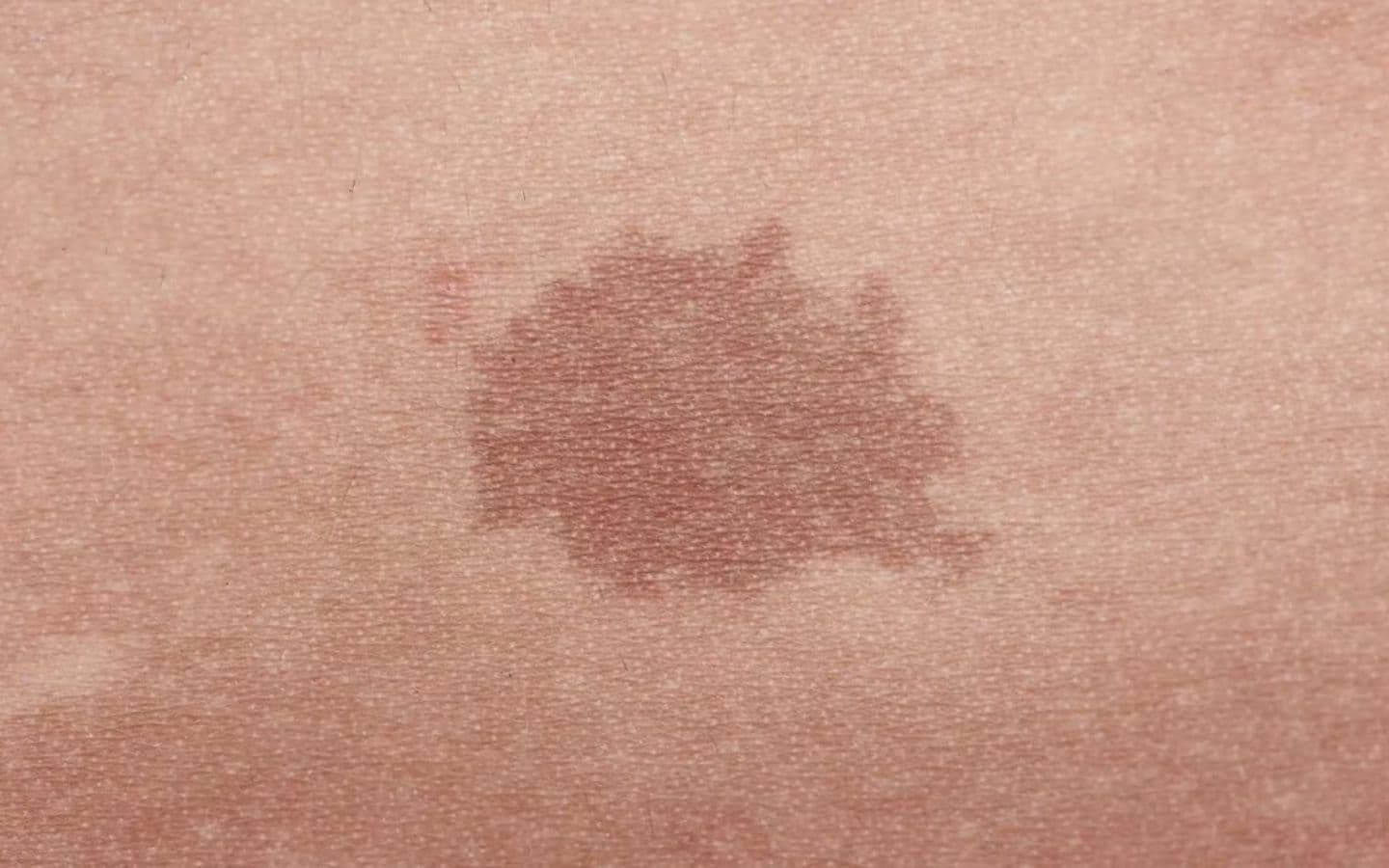
Concerns this device addresses
Whether it is the right choice for any of these is a decision for a doctor who has examined your skin.
Treatments that use Pro Yellow (Quadrostar 577nm)
Back to all devices and injectables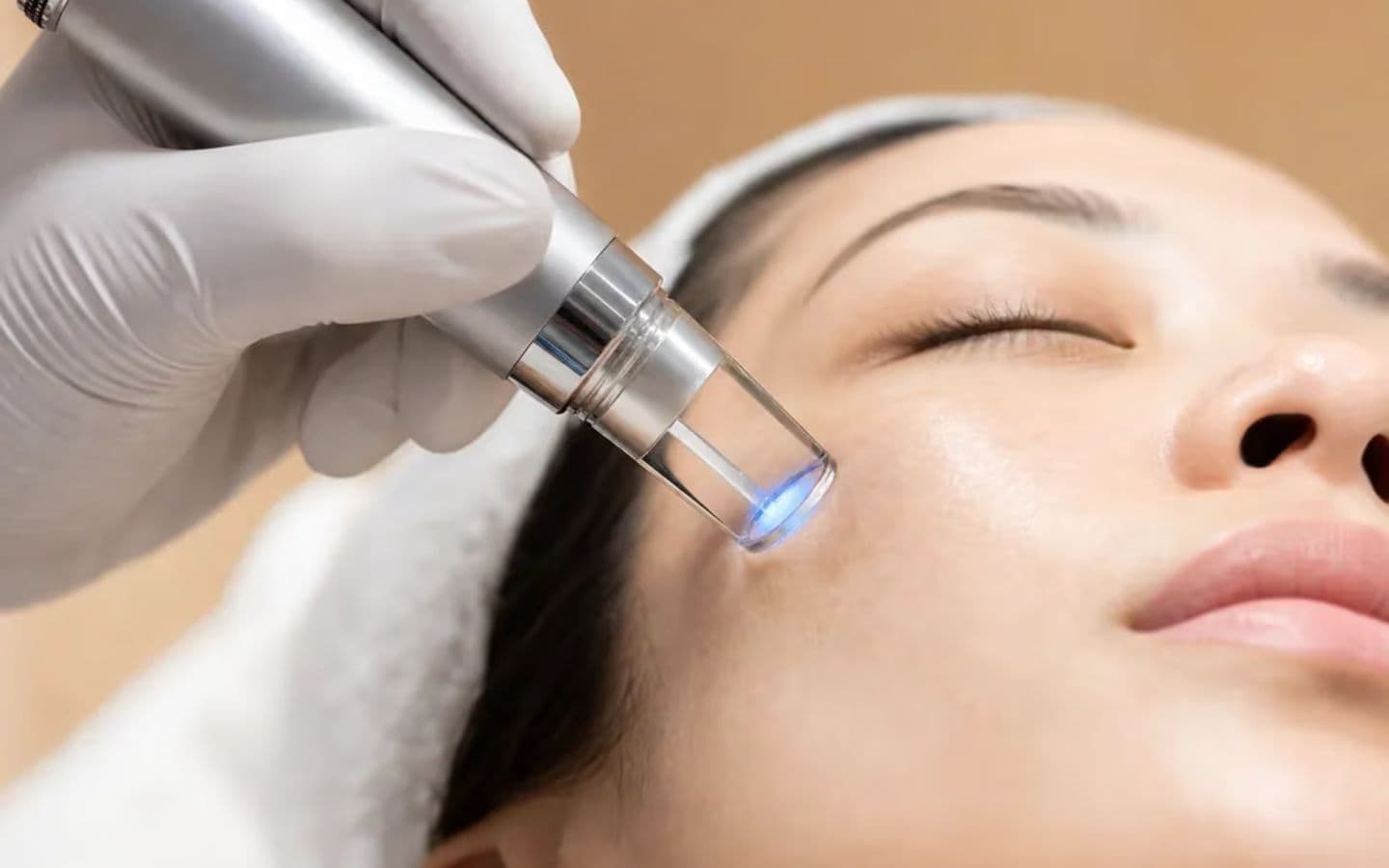
What affects the number of sessions, and the cost
Pricing is discussed at consultation rather than quoted online, so any figure reflects your assessed plan. What moves it:
- How extensive and how deep the vascular concern is: a handful of discrete vessels, or diffuse background redness.
- Whether the underlying condition is chronic. Rosacea and persistent flushing are generally managed with a course plus periodic maintenance, while a few isolated capillaries may need far fewer visits.
- The area treated.
- Whether treatment is combined with other steps in your plan, such as topical therapy.
Other lasers we work with
These address overlapping concerns. Which one suits you is a decision for a doctor who has examined your skin, not a choice to make from a page.
Common questions
Why is 577nm yellow light used for redness and visible vessels?
At 577nm the light is strongly absorbed by haemoglobin in small blood vessels while being absorbed comparatively little by melanin in the surrounding skin, which is what allows the energy to be directed at the vessel rather than the pigment above it. Asclepion describes the wavelength as offering maximum haemoglobin absorption with low melanin absorption. Whether it is the right wavelength for your vessels is assessed by a doctor at consultation.
How is Pro Yellow different from IPL for facial redness?
IPL emits a broad band of wavelengths filtered towards a range, while Pro Yellow emits a single 577nm wavelength, which allows more selective targeting of individual vessels with small spot sizes down to 0.5mm. That precision suits discrete vessels, whereas broader diffuse redness is sometimes approached differently. Your doctor will explain which tool fits your pattern of redness at consultation.
Is Pro Yellow suitable for pigmented Asian skin?
The low melanin absorption at 577nm is one reason this wavelength is often discussed for more pigmented skin, since less energy is taken up by the epidermis. This lowers risk relative to some alternatives but does not remove it, and settings still need to be matched to your skin. A doctor assesses your skin type and pigment history before recommending it.
Will my facial redness stay away after a course of Pro Yellow?
Conditions such as rosacea and a tendency to flush are chronic, so the underlying predisposition remains even when treated vessels have been addressed, and new vessels can appear over time. Many plans therefore include occasional maintenance sessions alongside trigger management and sun protection. Your doctor will set out a realistic expectation for your case at consultation.
Read next




Book a free consultation
The consultation is free, takes about 20 to 30 minutes, and there is no obligation to book treatment afterwards. A doctor will examine your skin and tell you whether Pro Yellow (Quadrostar 577nm) is appropriate, and if it isn’t, what would be.
Ask about thisMedically reviewed by

Dr Jamie Gan Ee Vienn
Aesthetic Physician
MD, PDAM (EIU) · MMC 97231
Dr. Jamie obtained her medical degree from Kursk State Medical University, Russia. She subsequently completed her housemanship and served in the Emergency Department at Hospital Tuanku Jaafar, Seremban, where she developed strong clinical judgement, precision, and the ability to perform under pressure.
View full profile- Reviewed by
- Dr Jamie Gan Ee Vienn, MMC 97231
- Last reviewed
- 18 Jul 2026
- Next review due
- 18 Jul 2027
This page is general information about aesthetic treatments and is not medical advice. Treatments carry risks that are explained during consultation, and individual results vary. A doctor will assess whether a treatment is suitable for you before it is carried out.