

Concern · Skin
Birthmark
Not all birthmarks respond to treatment the same way.
Free, about 20–30 minutes, no obligation to book treatment.
- Type before treatment
- Pigment birthmarks and blood-vessel birthmarks respond to different laser energy.
- Some are left alone
- Several common birthmarks fade on their own or are better monitored than treated.
- Change is the signal
- A birthmark that grows, darkens, bleeds or becomes raised should be examined.
On this page
In brief
Birthmarks are marks present at or soon after birth, made either of clustered pigment cells (café-au-lait patches, naevus of Ota, Mongolian spots) or of blood vessels (port-wine stains, salmon patches, haemangiomas).
Results from Kaiteki patients
2 photos · tap one to enlarge
Pigmented birthmark around the mouth, before and after laser treatment at Kaiteki
Port-wine stain on the back of the neck, before and after vascular laser at Kaiteki
Photographs of Kaiteki patients, published with consent. Individual results vary and are not guaranteed. These images are not a promise of outcome. A doctor will assess whether any treatment is suitable for you.
What is a birthmark?
A birthmark is an area of skin that is discoloured from birth or appears in the first weeks of life.
Nothing a parent did or did not do during pregnancy causes a birthmark.
What a doctor looks at first
Three things decide whether a birthmark is a candidate for treatment at all, and which laser would even be relevant.
- Which structure it is made of. Pigmented birthmarks come from clusters of melanocytes, the pigment cells in the upper layer of skin. Vascular birthmarks come from blood vessels in the dermis below.
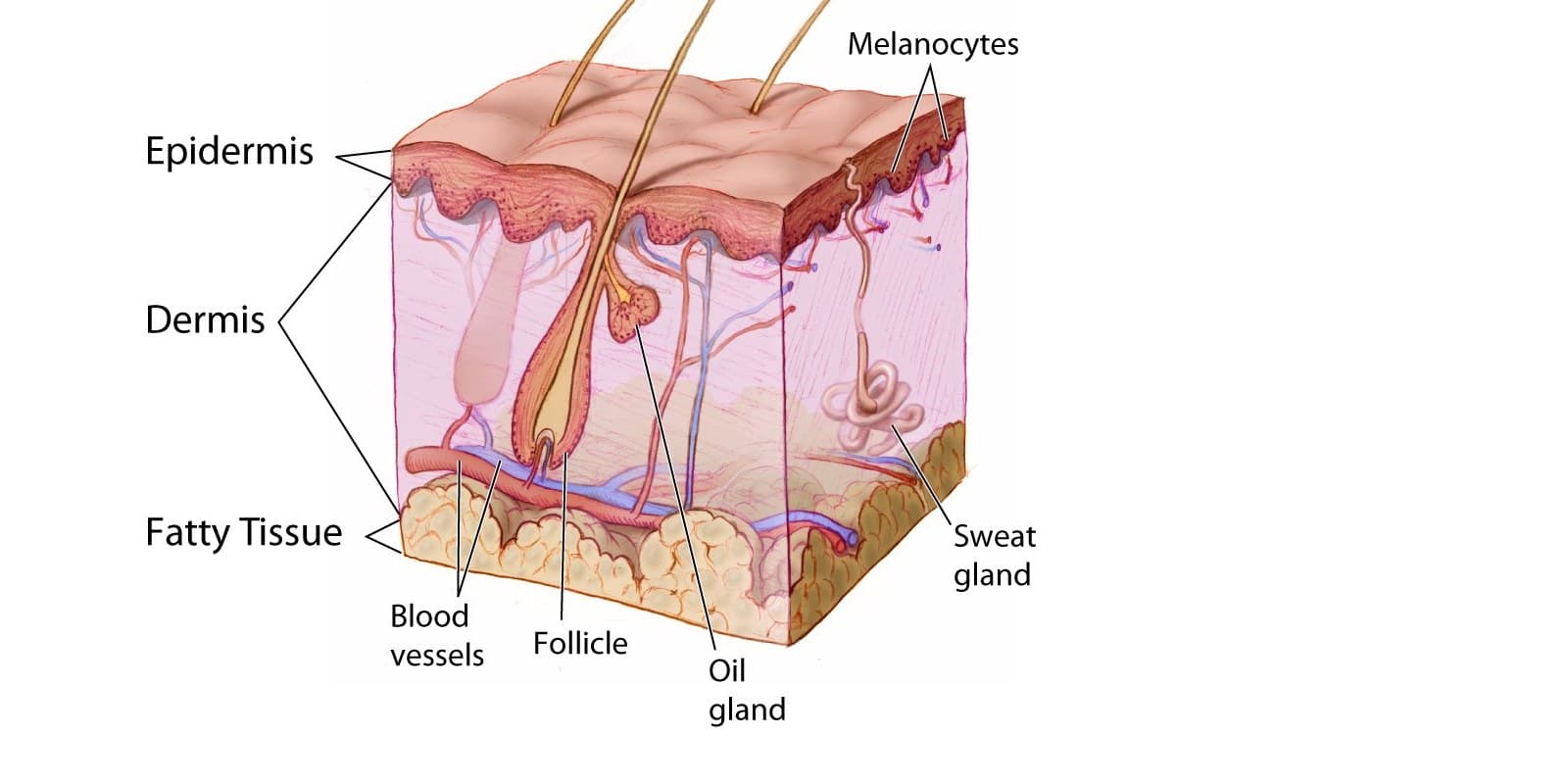
Cross-section of skin: pigment cells (melanocytes) sit in the upper layer, blood vessels deeper in the dermis. Diagram: National Cancer Institute, public domain. - How deep the colour sits. Pigment near the surface looks brown; pigment deeper in the dermis looks blue or grey. A slate-grey patch over an infant's lower back is usually a Mongolian spot, which is common in Asian babies and normally fades during childhood without treatment.
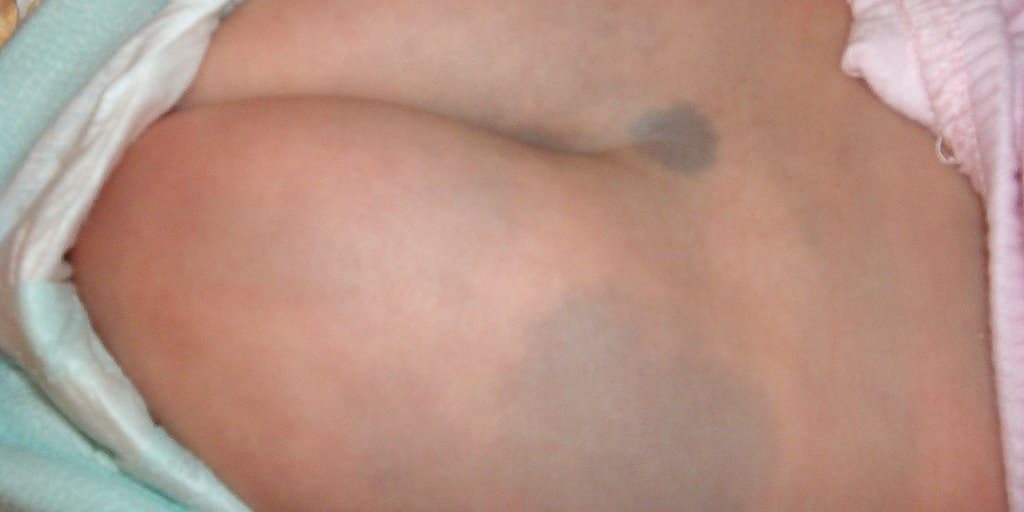
A slate-grey Mongolian spot on an infant's lower back. Photo: abby lu, CC BY 2.0, via Wikimedia Commons. - Whether it is changing. A mole or mark that is growing, darkening or becoming raised is examined and monitored rather than lasered, because laser can hide the changes a doctor needs to see.
Which type is it?
Some marks belong to neither treatment route.
Pigmented birthmarks
Brown, blue or grey
Flat patches that are light to dark brown, or blue-grey where the pigment sits deeper. Café-au-lait patches, naevus of Ota around the eye and temple, and Mongolian spots that persist past childhood all belong here.
Usually assessed for: assessed for pigment laser, with a test area often discussed first.
Vascular birthmarks
Pink, red or purple
Marks made of blood vessels: flat pink-to-purple port-wine stains, paler salmon patches, and raised haemangiomas in infancy. Port-wine stains persist and can darken or thicken with age, which is one reason adults seek treatment for them.
- The tell: the colour often fades briefly when pressed, and may look darker when warm, crying or exercising.
Usually assessed for: assessed for vascular laser, or referred to a paediatric specialist where an infant haemangioma is involved.
Marks to watch, not laser
Moles and changing marks
Congenital moles, and any birthmark that has started to change, sit outside the cosmetic route.
Usually assessed for: assessed and photographed for monitoring, with referral where anything looks atypical.
Where it appears
Around the eye and temple
A blue-grey or brown patch here in an adult is often naevus of Ota. Treatment near the eye uses protective eye shields and extra care, and the eye itself is sometimes checked as part of the assessment.Cheek and side of the face
Port-wine stains and café-au-lait patches are common here.Forehead, eyelids and nape
Salmon patches in babies: those on the face commonly fade; those on the nape more often persist.Lower back and buttocks
The usual site for Mongolian spots, which normally fade in childhood.Trunk and limbs
Café-au-lait patches and congenital moles are frequently found here.Several patches, or a mark across the forehead and eyelid?
Six or more café-au-lait patches, or a port-wine stain over the forehead and upper eyelid, can occasionally be linked to conditions affecting other parts of the body. These are referred for medical assessment before any cosmetic treatment is discussed.
When to see a doctor
Most birthmarks are harmless and stay that way. These are the reasons to have one examined:
- It is growing, changing shape, or developing an irregular or blurred edge.
- The colour has changed, darkened unevenly, or now has several shades in it.
- It has become raised, lumpy, itchy, crusted, or bleeds without an obvious injury.
- A new pigmented mark has appeared in adulthood that you did not have before.
- An infant's haemangioma is growing quickly, is near the eye, nose, lip or nappy area, or has broken down into a sore.
Treatment options at Kaiteki
Birthmark treatment depends on which structure the mark is made of. Pigmented and vascular birthmarks are treated with different lasers, and some birthmarks are not treated at all.
Pico Laser
For pigment birthmarks such as naevus of Ota
Very short laser pulses break up pigment in the skin so the body can gradually clear it.
Pico LaserVascular / Pigment Laser
For port-wine stains and other vessel birthmarks
Laser energy absorbed by the blood in the vessels heats and closes them, lightening the colour of a vascular birthmark.
Vascular / Pigment Laser
Not sure whether yours is pigment or blood vessels?
Send us a photo on WhatsApp and a doctor can tell you what it looks like and whether it is worth an in-person assessment.
Ask about this on WhatsAppFree consultation, about 20 to 30 minutes, no obligation.
Technology used
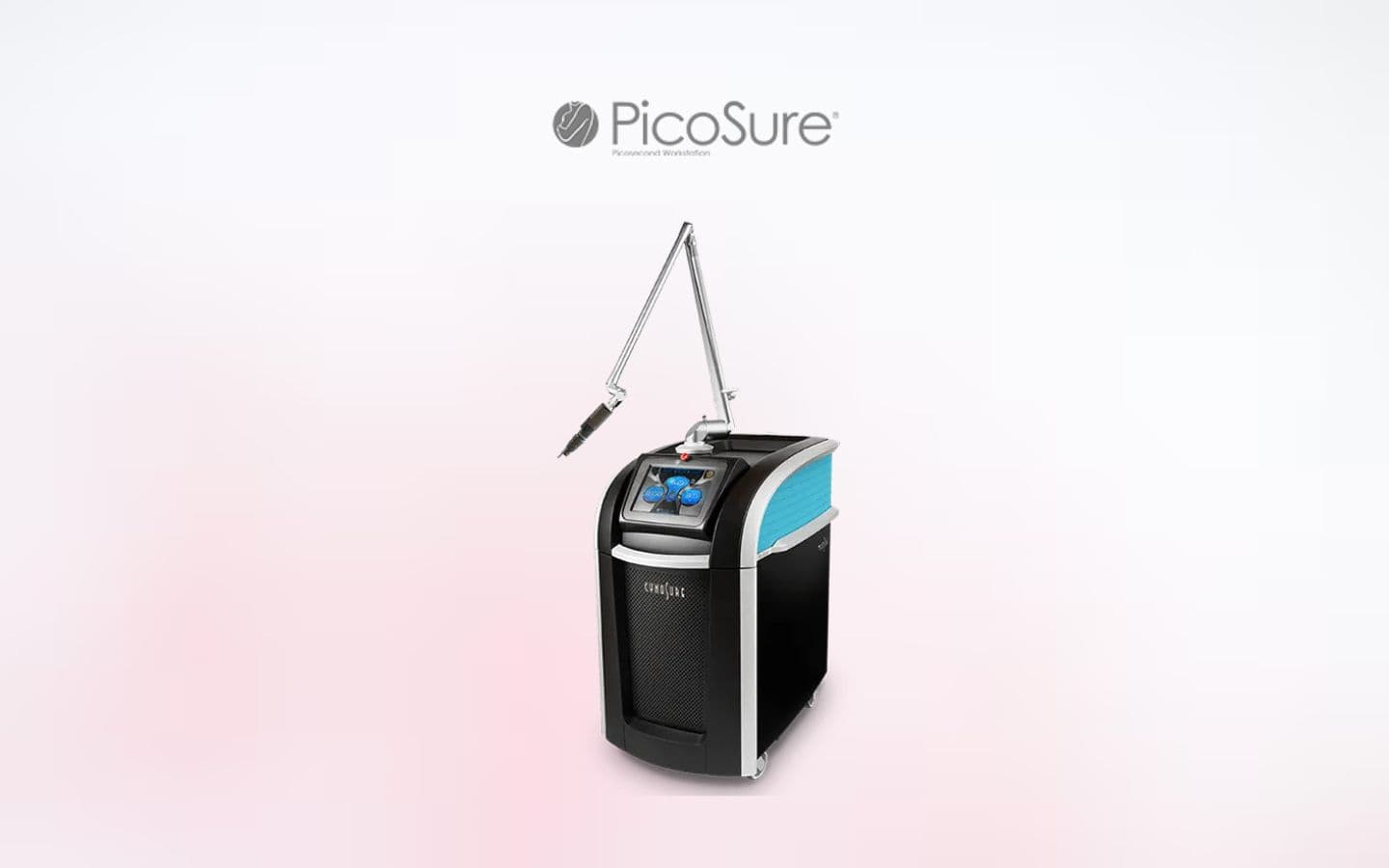
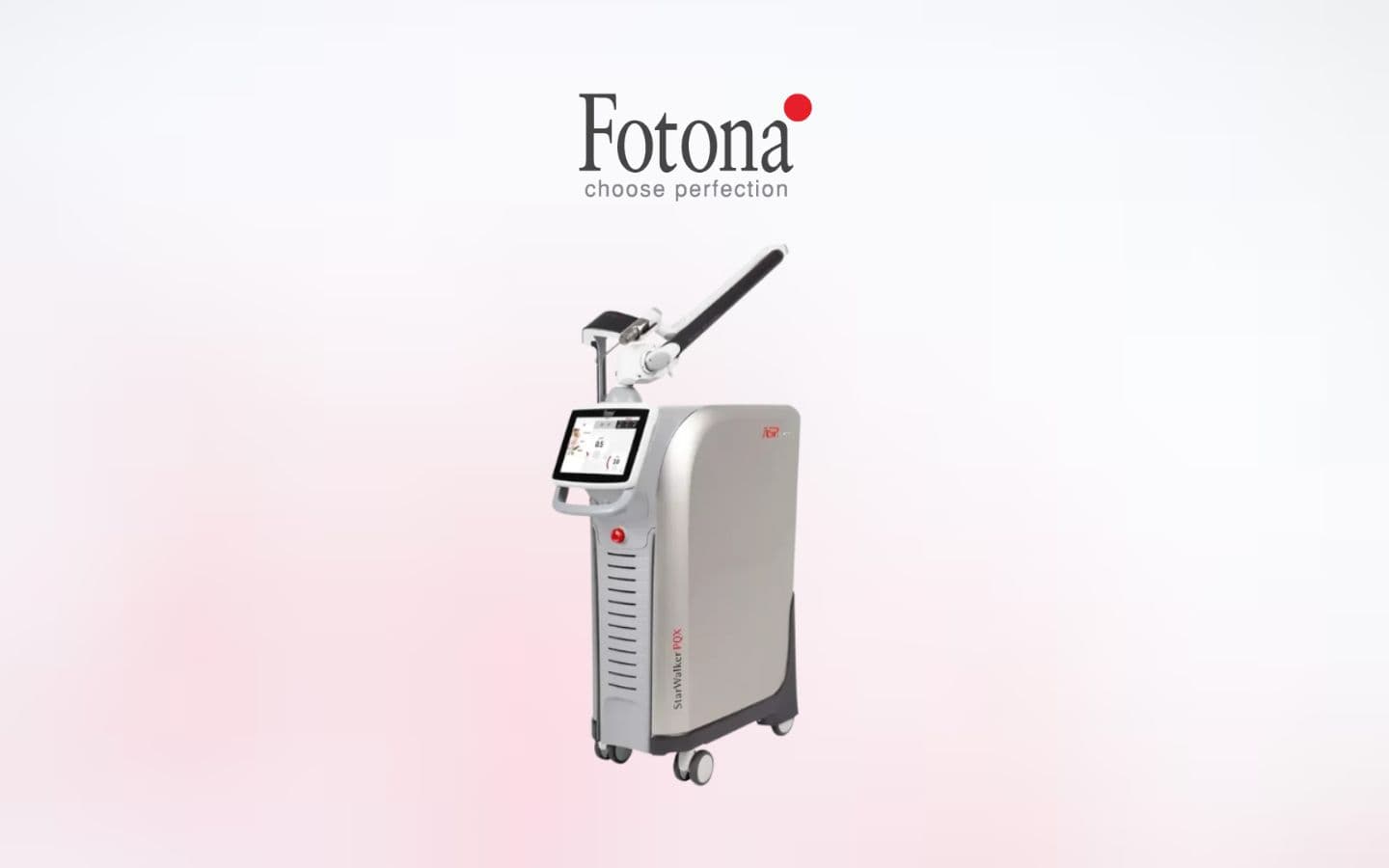
Having more than one platform means the doctor can match the device to your skin type and to what is being treated, rather than fitting your skin to a single machine.
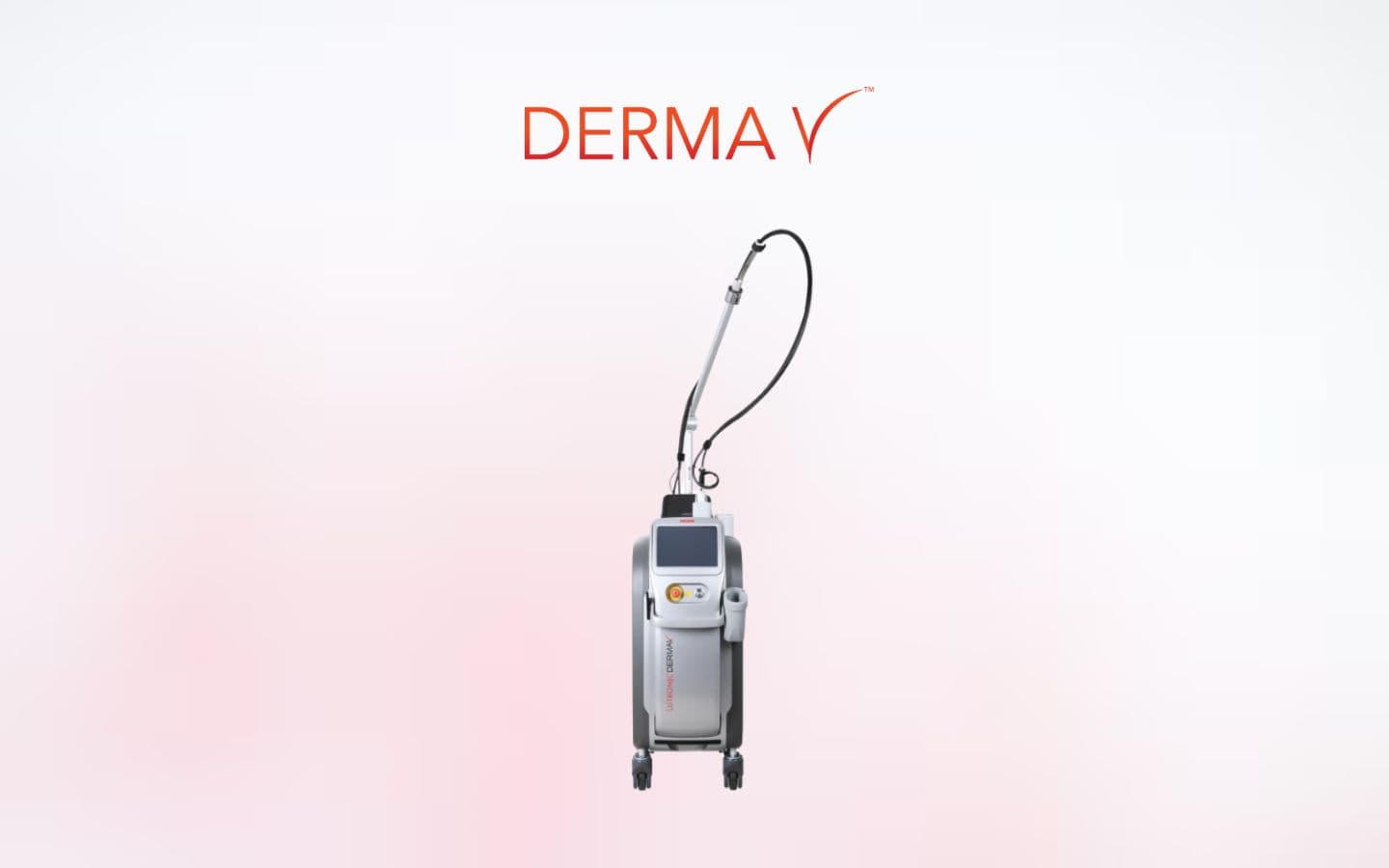
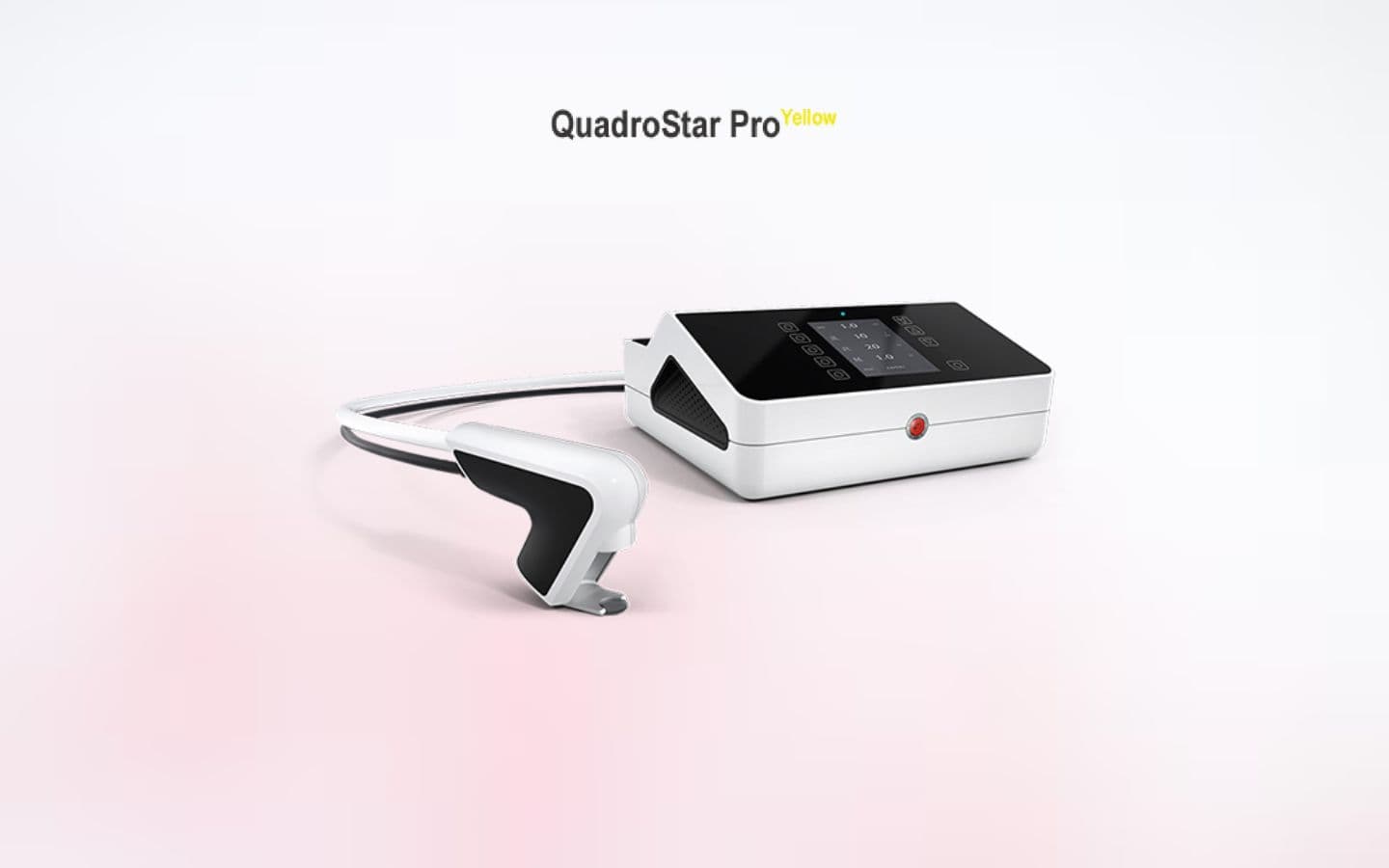
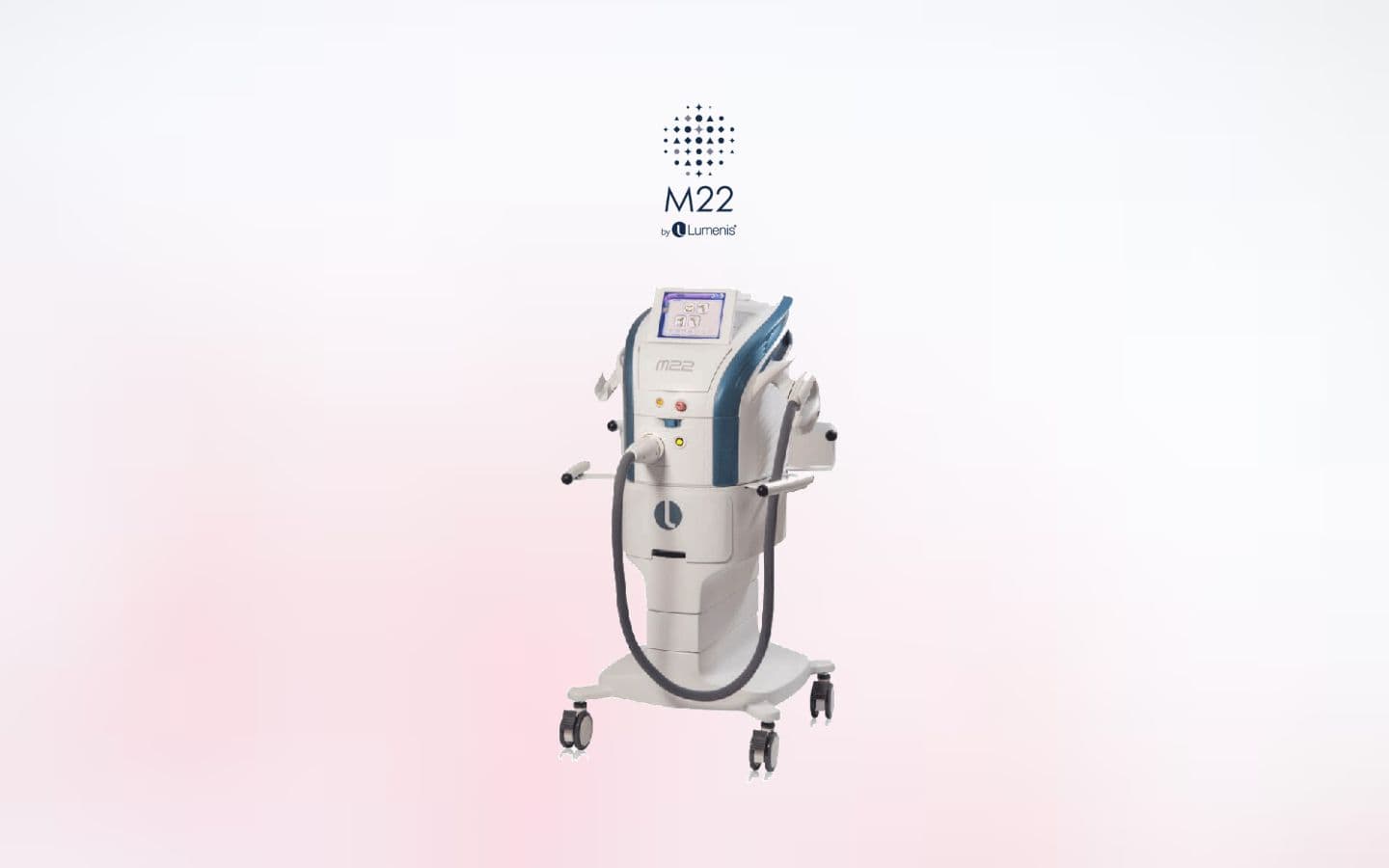
Risks and what to expect
Common and usually temporary
Redness, swelling and stinging after a session, and with vascular laser, purple-grey bruising over the treated area that can last one to two weeks. Small crusts or blisters can form and should be left to heal on their own.Pigment change
Darkening (post-inflammatory hyperpigmentation) or lightening of the treated skin is possible with any laser, and is more likely in darker skin types and with sun exposure around treatment. It usually fades over months but can occasionally persist.Uncommon
Scarring, a change in skin texture, and patchy or uneven lightening that leaves the mark looking mottled.What treatment cannot do
Laser cannot promise complete removal of any birthmark. Some types, café-au-lait patches in particular, can return after lightening, and port-wine stains are usually lightened rather than cleared. Laser is not used to remove congenital moles for appearance, and it does not change the underlying tendency that formed the mark.
Tell your doctor if you are pregnant, take medication that makes skin sensitive to light, have a tendency to keloid or raised scars, have had recent sun exposure or a tan, or have had previous treatment on the birthmark.
What your first visit involves
The doctor checks whether the colour blanches under pressure, which tells pigment from blood vessels.
History
When the mark first appeared, whether it has changed, and any previous treatment.
Examination
Colour, depth, texture and edge, often under magnification.
Photographs
Standardised photographs give a fixed record for judging change.
Discussion and plan
What the mark most likely is, which laser if any, and whether referral is needed.
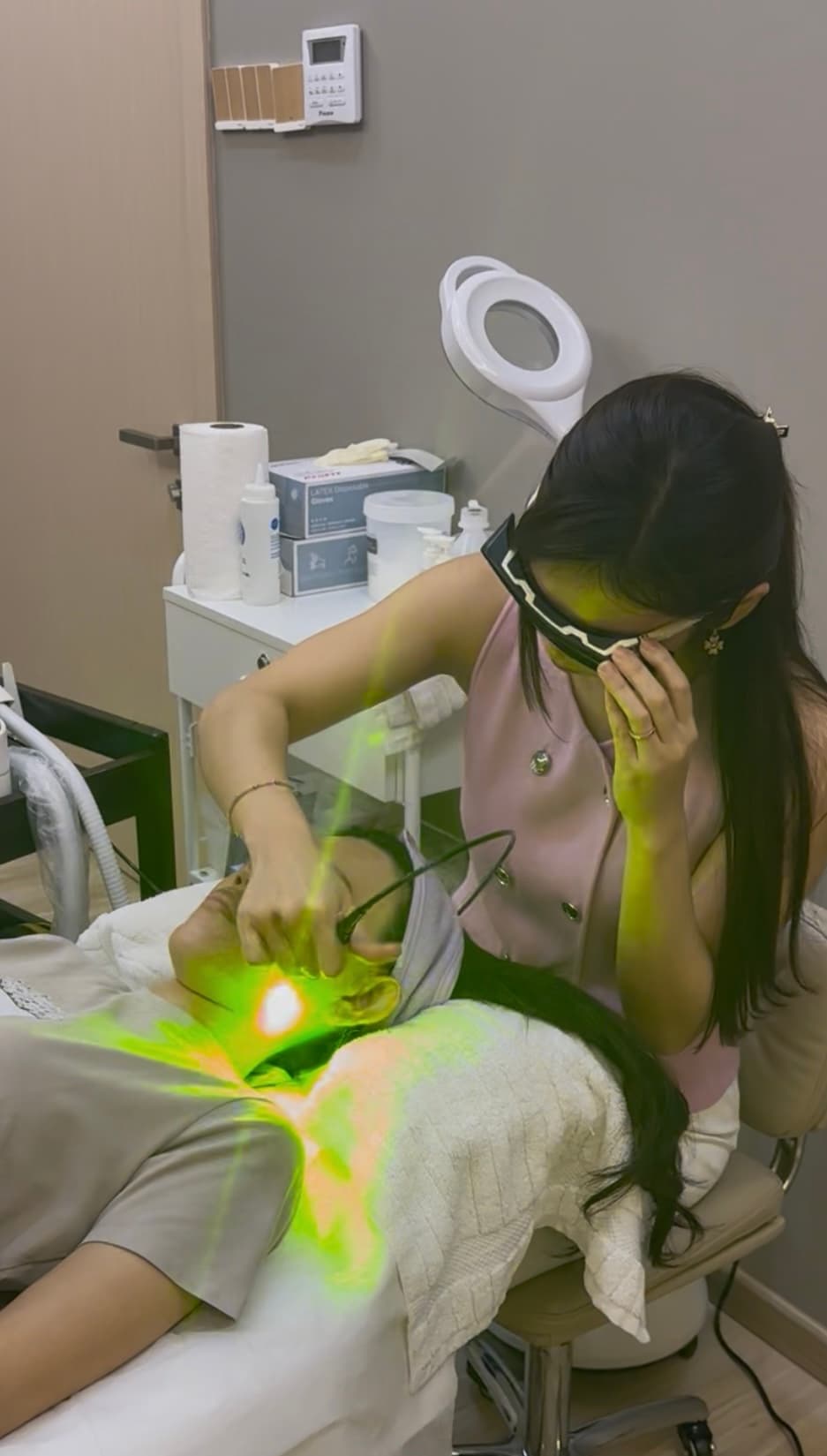
A vascular laser in use. Its wavelength targets blood vessels, which is why it is used for red and purple marks.
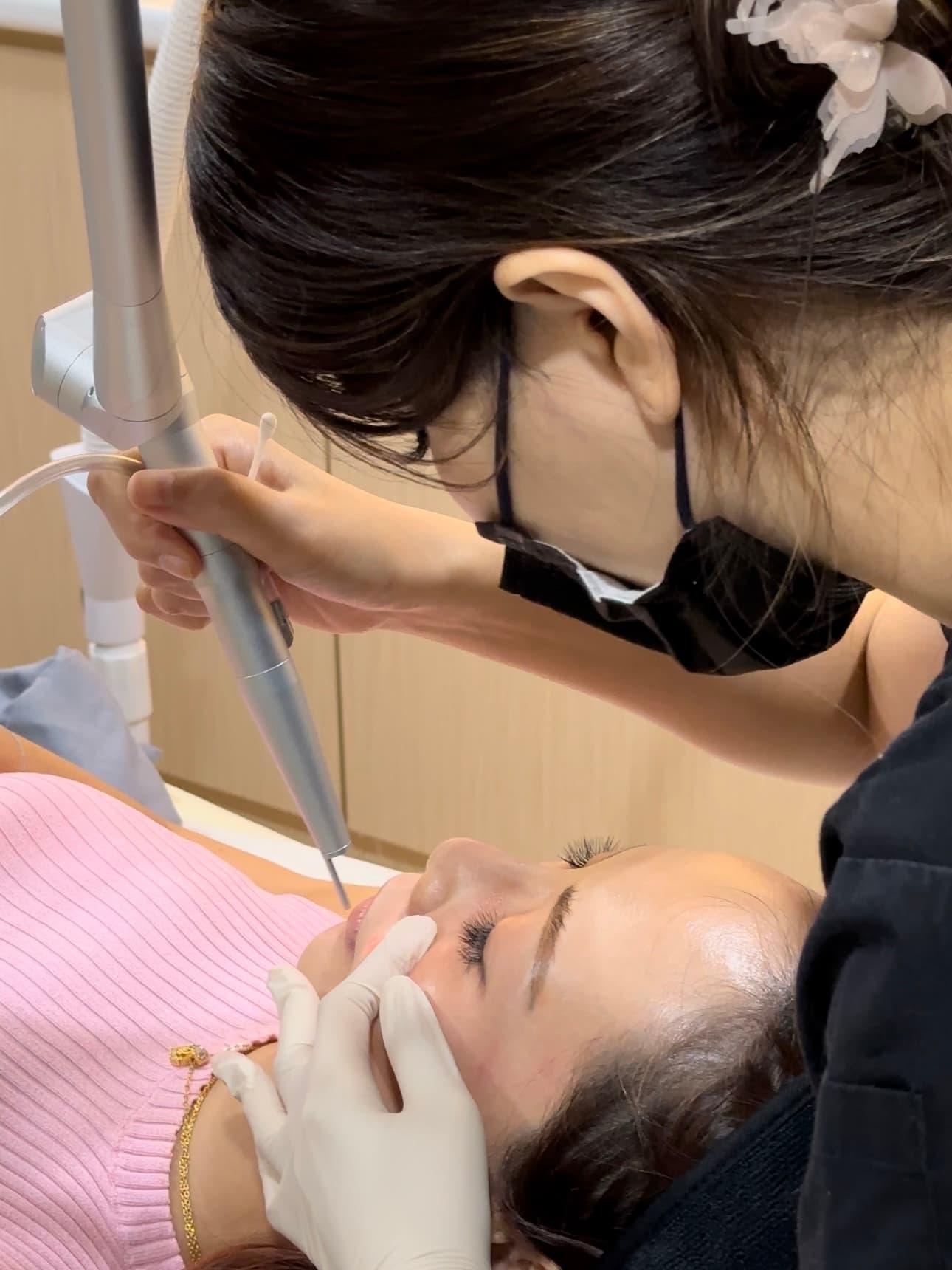
Some small marks are treated with a fine laser handpiece that works on a very small area at a time.
What affects the cost
Pricing is set after assessment. It depends on:
- The type of birthmark, since pigmented and vascular marks are treated with different lasers.
- The size of the area and where it sits, because marks near the eye take more time and care.
- Whether a test area is done first, which is common on the face and on darker skin.
- How many sessions are planned, which varies widely between types and is reviewed as the mark responds.
Common questions
Can birthmarks be removed?
It depends on the type, and outcomes vary between individuals. Some pigmented birthmarks, such as naevus of Ota, often lighten with a course of pigment laser, and port-wine stains are commonly lightened with vascular laser.
Will my child's birthmark fade on its own?
Many do. Mongolian spots usually fade during childhood, salmon patches on the face often fade in the first years, and infant haemangiomas typically grow for several months before slowly shrinking. Port-wine stains and café-au-lait patches generally persist.
How many sessions does birthmark laser take?
There is no standard number, because it depends on the type, depth, size and location of the mark and on how your skin responds.
Does birthmark laser hurt?
Most people describe a snapping or stinging sensation, like a rubber band flicked against the skin. Numbing cream and skin cooling are commonly used to make sessions more comfortable.
Can a birthmark come back after laser?
Some can. Café-au-lait patches in particular may darken again after initial lightening, and port-wine stains can slowly re-darken over years. Sun exposure makes both more likely.
Can a mole I was born with be lasered off?
Laser is not used to remove congenital moles for appearance. It can lighten the surface while leaving cells deeper down, which makes future changes harder to spot.
Read next

Related concerns
Pigmentation
Pigment birthmarks and acquired pigmentation are told apart at the same assessment.Vascular Lesions
Port-wine stains share their treatment approach with visible facial vessels.Tattoo Removal
Pico laser targets birthmark pigment and tattoo ink by a similar mechanism.
Not sure which type you have?
The consultation is free, takes about 20 to 30 minutes, and there is no obligation to book treatment afterwards. A doctor will examine your birthmark and talk you through what is, and is not, worth doing.
Book a free consultationMedically reviewed by
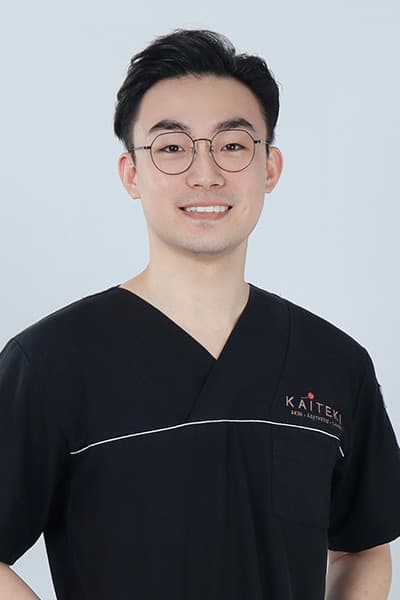
Dr Lucas Chew
Aesthetic Physician
MBBS · MMC 103677
Dr. Lucas Chew is a committed aesthetic physician holding a Bachelor of Medicine and Bachelor of Surgery (MBBS) from Taylor's University. He is dedicated to delivering personalized, evidence-based treatments aimed at enhancing skin health and natural beauty. Dr. Lucas is passionate about maintaining a leading role in advancements in aesthetic medicine to provide safe, high-quality healthcare solutions.
View full profile- Reviewed by
- Dr Lucas Chew, MMC 103677
- Last reviewed
- 13 Jul 2026
- Next review due
- 13 Jul 2027