Skin Concerns8 min read
Melasma treatment in Malaysia: causes, skincare and when to see a doctor
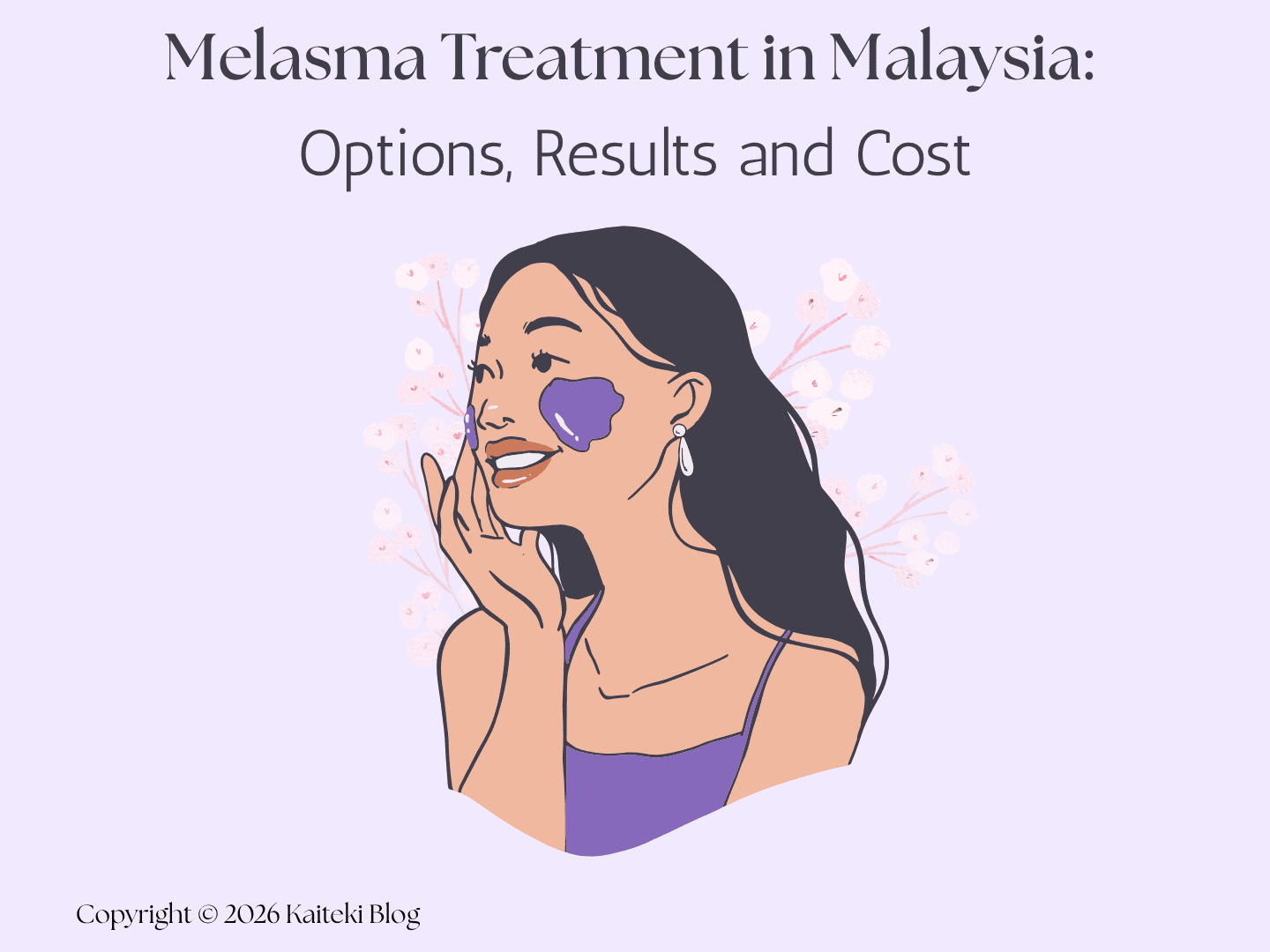
Melasma is a chronic pigmentation disorder causing symmetrical brown or grey patches on the face, driven by UV exposure, hormones and genetics. Daily broad-spectrum SPF 50+ is the foundation of every plan. Where that is not enough, doctors add topical brighteners, oral tranexamic acid or low-energy Pico Laser.
Melasma is a chronic pigmentation disorder that causes dark, symmetrical patches on the face, driven by UV exposure, hormonal shifts and genetics. It is far more common in women than in men, and more common in people with medium to deep skin tones (Fitzpatrick types III to V), which makes it one of the most frequently seen skin concerns in Malaysia's tropical, high UV climate. Options range from daily sunscreen and topical brighteners to oral tranexamic acid and low-energy Pico Laser.
Living near the equator means year-round UV exposure that can trigger or worsen melasma with even short periods outdoors. This guide covers what causes it, how to build a daily routine that protects your skin, the difference between melasma and facial redness, and when professional treatment is the right next step.
Key takeaways
- What is melasma? A chronic condition where pigment cells overproduce melanin, creating brown or grey patches on the cheeks, forehead, upper lip and nose. It is not harmful or contagious, but it rarely clears on its own.
- Main causes: UV radiation (the primary trigger), hormonal changes (pregnancy, oral contraceptives), genetics, and heat or visible light, including blue light from screens.
- Most important daily step: Broad-spectrum SPF 50+ sunscreen containing iron oxides, applied every morning and reapplied every 2 hours outdoors. Sun protection is the part of treatment with the strongest evidence behind it, and stopping it is the most common reason patches come back.
- What the evidence supports: Combination care, pairing a tailored topical routine with oral tranexamic acid and, where suitable, low-energy Pico Laser. Reviews in the Journal of the American Academy of Dermatology consistently find combinations outperform any single agent.
- Melasma or facial redness? Melasma is flat, painless brown or grey patches. Facial redness involves flushing, visible blood vessels or inflammation, from conditions such as rosacea. The two can coexist, but they need different treatment.
What is melasma?
Melasma is a chronic pigmentation disorder in which melanocytes, the pigment-producing cells in the skin, go into overdrive and produce excess melanin. The result is dark brown, light brown or grey patches on the face. The patches are flat and painless, and they usually appear symmetrically on both sides, which is why melasma in pregnancy is sometimes called the "mask of pregnancy".
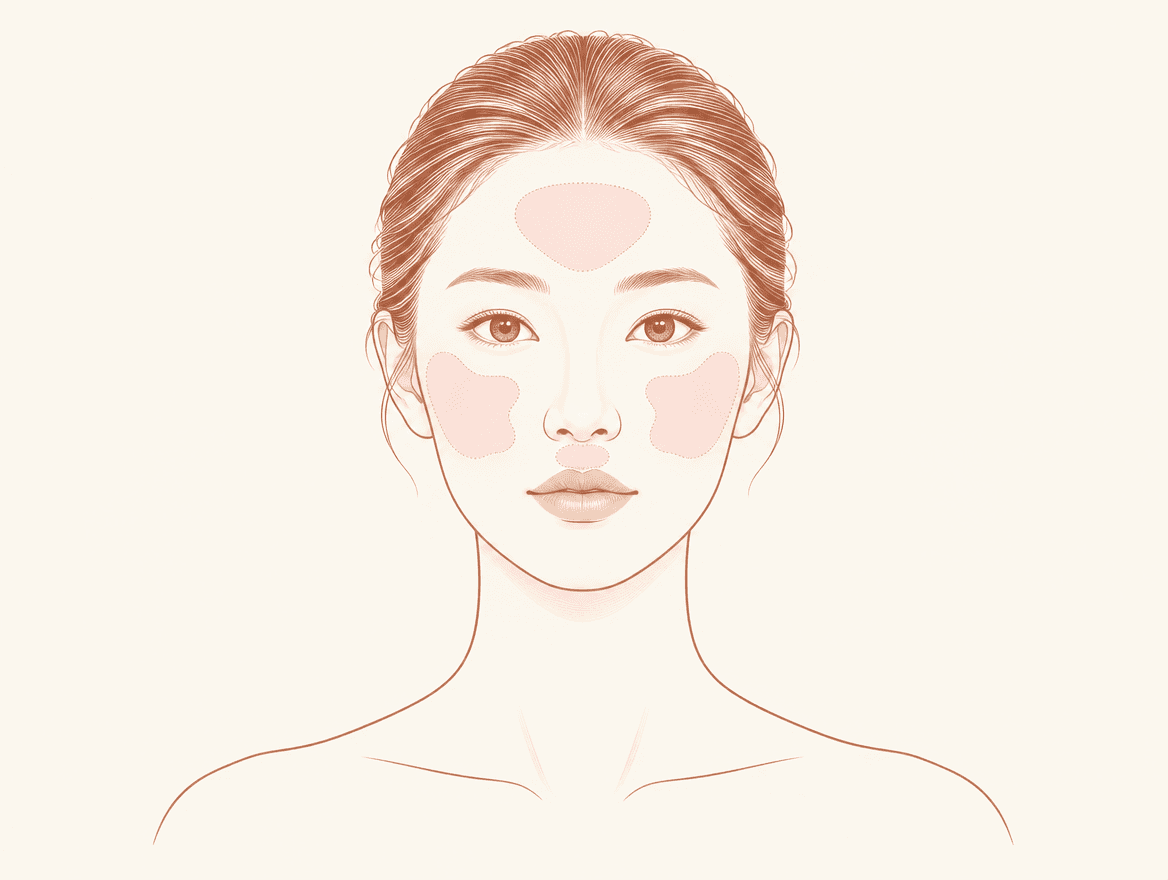
The condition is classified by depth. Epidermal melasma sits in the outer skin layer, appears dark brown with sharp borders, and tends to respond to topical treatment. Dermal melasma sits deeper, appears as a muted blue-grey with softer borders, and generally needs clinical devices as part of the plan. Mixed melasma, which involves pigment at both depths, is the most common type.
Common facial patterns are centrofacial (forehead, nose, upper lip, chin), malar (upper cheekbones) and mandibular (jawline). Pregnancy is one of the most common settings in which melasma first appears, and it is seen more often in Malaysian, Southeast Asian and South Asian skin types than in lighter skin. If you want the wider picture on how pigment problems differ from one another, our pigmentation page sets out the main types side by side. For melasma on its own, including why laser needs caution, see our melasma page.
What causes melasma in Malaysia?
UV radiation is the primary trigger. Malaysia's equatorial position means intense UV exposure all year, so even brief unprotected time outdoors can darken existing patches or set off new ones. UVA and UVB stimulate melanocytes to produce pigment as a defence response.
Hormonal change is the second major driver. Higher oestrogen and progesterone during pregnancy, oral contraceptive use or hormone replacement therapy make pigment cells more reactive, so they overrespond to even small amounts of sunlight. This is why melasma so often appears during pregnancy or after starting birth control.
Genetics matter too. If close family members have melasma, your pigment cells are more likely to react strongly to the same triggers. Heat and visible light are increasingly recognised as contributors as well. Infrared heat from cooking over a stove, from saunas or from direct sun warmth, along with blue light from phone and computer screens, can stimulate pigment pathways without classic UV exposure.
Melasma vs facial redness
Melasma and facial redness are often confused, because both show up on the cheeks and the central face. They are different conditions and they need different treatment.
Melasma presents as flat, painless brown or grey patches. There is no itching, no stinging and no visible blood vessels. The discolouration comes from excess pigment, not from inflammation or blood flow. Facial redness involves flushing, visible blood vessels (telangiectasia) or inflamed skin. The usual causes of persistent redness are rosacea, a chronic inflammatory condition that causes flushing and sometimes bumps, cumulative sun damage that breaks down collagen and leaves vessels more visible, contact dermatitis, and acne-related inflammation.
Getting this distinction right matters, because treatments that suit melasma, such as hydroquinone or retinoids, can aggravate rosacea, and the reverse is also true. The two can sit on the same face. If you have both brown patches and persistent flushing, have it assessed properly so the plan treats one without inflaming the other. We cover the redness side of it separately in how to reduce facial redness.
Daily skincare for melasma
Sunscreen is the single most important step. Apply a broad-spectrum SPF 50+ sunscreen every morning, including on cloudy days and on days spent indoors, since UVA passes through window glass. Choose a tinted formula containing iron oxides, which add protection against visible light, a known melasma trigger. Reapply every 2 hours when you are outdoors.
Beyond sunscreen, use a gentle, fragrance-free cleanser morning and night. In the morning, apply a vitamin C serum before sunscreen. Vitamin C is an antioxidant that interferes with melanin production and supports gradual brightening. At night, a retinoid speeds up cell turnover and helps shed pigmented cells from the surface. Start low, with something like 0.025% tretinoin or an over-the-counter retinol, and build up slowly. Our skincare range includes gentle options suited to reactive, pigment-prone skin.
Avoid fragrance, denatured alcohol and harsh scrubs. Irritation causes inflammation, and inflammation makes melasma worse, which is why aggressive routines usually backfire. In Malaysia's humidity, lightweight, non-comedogenic textures are easier to wear and less likely to clog pores.
Professional melasma treatment options
When a consistent home routine has not moved things far enough after 8 to 12 weeks, clinical treatment can be added. Doctors work in layers, starting with the mildest option that fits the case.
Topical prescription treatments
Hydroquinone at 2% to 4% blocks the enzyme that drives melanin production. It is prescription-only in Malaysia and is used in supervised courses, typically 3 to 4 months at a time, rather than indefinitely. Triple combination cream, the Kligman formula, pairs hydroquinone with a retinoid and a mild steroid for a combined brightening effect. Azelaic acid and topical tranexamic acid are gentler alternatives that suit longer-term use.
Oral tranexamic acid
Low-dose oral tranexamic acid, commonly 250 to 500 mg daily, works systemically to reduce the vascular and inflammatory signalling that feeds overactive pigment cells. Meta-analyses published in the Journal of the American Academy of Dermatology support its use in moderate to severe melasma, particularly the stubborn dermal and mixed types. It is not suitable for everyone. Anyone with a history of clotting problems, or who is on certain medications, needs a proper medical assessment first.
Pico Laser
Pico Laser delivers ultra-short pulses in the picosecond range and works largely through photoacoustic pressure rather than heat, breaking up pigment particles with less thermal load on the surrounding skin. That matters in melasma, because high-heat devices can provoke inflammation and a rebound that leaves the patches darker than before. Treatment is planned as a course, usually in the region of 6 to 10 sessions spaced 3 to 4 weeks apart, at low energy settings. Not every picosecond device is the same, and we compare two of the common ones in Picocare vs PicoSure.
Chemical peels
Superficial peels using glycolic or mandelic acid lift the top layer of pigmented cells and can speed up what a home routine is already doing. They are done in clinic, generally 2 to 4 weeks apart, and depth is kept conservative on melasma-prone skin for the same reason lasers are kept low-energy.
Frequently asked questions
Is melasma curable?
No. Melasma is a chronic condition, because the pigment cells retain a kind of biological memory and can reactivate when triggered. What treatment aims for is meaningful lightening and then keeping it that way, which depends on daily sun protection and periodic maintenance. How much a given person improves varies, and nobody can promise a specific result in advance.
Can laser make melasma worse?
Yes, if the wrong device or the wrong settings are used. High-heat lasers create inflammation, and inflammation tells pigment cells to rebound and darken. This is why melasma is treated with low-energy, photoacoustic settings and conservative spacing, and why a doctor should assess the depth and type of your melasma before any device is used.
Does pregnancy melasma go away after childbirth?
Often it lightens over the months after delivery, as hormones settle. Residual patches frequently remain, particularly in a high UV country like Malaysia. Gentle topical care, once you are no longer pregnant or breastfeeding and your doctor has cleared it, can help clear what is left.
How long does melasma treatment take?
Surface lightening from topical treatment usually starts to show around 4 to 6 weeks in. Deeper change takes roughly 3 months. Laser courses run over several months. Melasma is slow work, and consistency does more for it than intensity.
Can facial redness be a sign of melasma?
No. Melasma causes brown or grey discolouration, not redness. The two can appear together on the same face, though. If you have dark patches and persistent flushing, get it assessed so the plan addresses both rather than treating one and aggravating the other.
Clearer skin starts with the right approach
Managing melasma in Malaysia's climate comes down to daily sun protection, a routine that calms rather than irritates the skin, and professional input when home care stops being enough. It is a condition you manage rather than cure, and that is manageable once the plan is the right one for your skin.
Ready to explore your options? Reach out to us on WhatsApp and we will help you find the right path forward.
Book a free consultation
A doctor will assess your skin and tell you honestly whether this is the right option for you, including when it is not.
Related pages on our site
About the author

Dr Joaan Kong
Aesthetic Physician
MBBS, AAAM, LCP Board Certified · MMC 90047
Dr Joaan Kong obtained her Bachelor of Medicine and Surgery (MBBS) from International Medical University (IMU). She then trained as a Paediatric doctor before embarking her journey in aesthetic medicine. Her training in the paediatric department has refined her skills in needle handling and detailed meticulous work.
View full profile- Written by
- Dr Joaan Kong, MMC 90047
- Published
- 13 August 2026
This page is general information about aesthetic treatments and is not medical advice. Treatments carry risks that are explained during consultation, and individual results vary. A doctor will assess whether a treatment is suitable for you before it is carried out.