
Lifting & Tightening · Device
Wonderface
A facial platform combining bipolar radiofrequency with neuromuscular stimulation, used for skin-firmness and facial contour concerns.
Free consultation, no obligation.

- Bipolar RF + neuromuscular
- Two technologies
- Wonder, Spain
- Manufacturer
- Radiofrequency
- Used within
In brief
Wonderface is a face-specific platform from the Spanish brand Wonder, and unlike a pure skin-tightening machine it combines two technologies: a bipolar radiofrequency mode that warms the skin, and a neuromuscular stimulation mode that produces controlled contractions in the facial muscles.
What is Wonderface?
Wonderface is a face-specific device from the Spanish aesthetic-technology brand Wonder, used at Kaiteki within our radiofrequency treatment. Unlike a pure skin-tightening machine, it is a two-technology platform: a bipolar radiofrequency mode that warms the skin, and a neuromuscular stimulation mode that produces controlled contractions in the facial muscles. The manufacturer describes the two as independent modes rather than a single blended output, so a session can be weighted towards skin quality, towards muscle work, or set to include both.
Whether it suits your face is assessed by a doctor at an in-person consultation.
How the two modes work
In the radiofrequency mode, Wonderface uses a bipolar configuration: current passes between two closely spaced electrodes rather than travelling deep towards a return path as in monopolar systems. Bipolar RF is therefore more contained and comparatively superficial, which suits the thinner, more delicate tissue of the face where controlled, shallower heating is the point. The manufacturer describes the RF mode as bringing tissue to a controlled temperature in the region of 42 to 44 °C to a depth of approximately 2 cm, the range used in aesthetics to encourage collagen remodelling without damaging the skin surface.
In the neuromuscular mode, the applicators deliver pulses intended to stimulate the motor nerves supplying selected facial muscle groups, producing repeated involuntary contractions, the manufacturer's own description is of muscle conditioning rather than paralysis, and it is worth being clear that this is a different mechanism from botulinum toxin, which reduces muscle activity rather than exercising it. The two are not interchangeable and are not alternatives for the same goal. Which mode is used, at what intensity, over which muscle groups and for how long is decided by the treating doctor. Any change develops gradually across a course and varies between individuals.
Muscle tone or skin: which problem does Wonderface address?
That second element is the reason people compare Wonderface with muscle-stimulating facial devices rather than only with RF machines: the premise is that facial ageing is partly a matter of muscle tone and support, not skin laxity alone.
Wonderface is commonly considered for facial firmness and contour concerns, particularly where loss of definition rather than surface pigmentation is the issue. It is not suitable for everyone, and a consultation determines whether it is appropriate for you.
- Loss of definition along the jawline and lower face
- Softening of the cheek and mid-face contour
- Mild skin laxity and loss of facial firmness
- The appearance of a fuller under-chin area
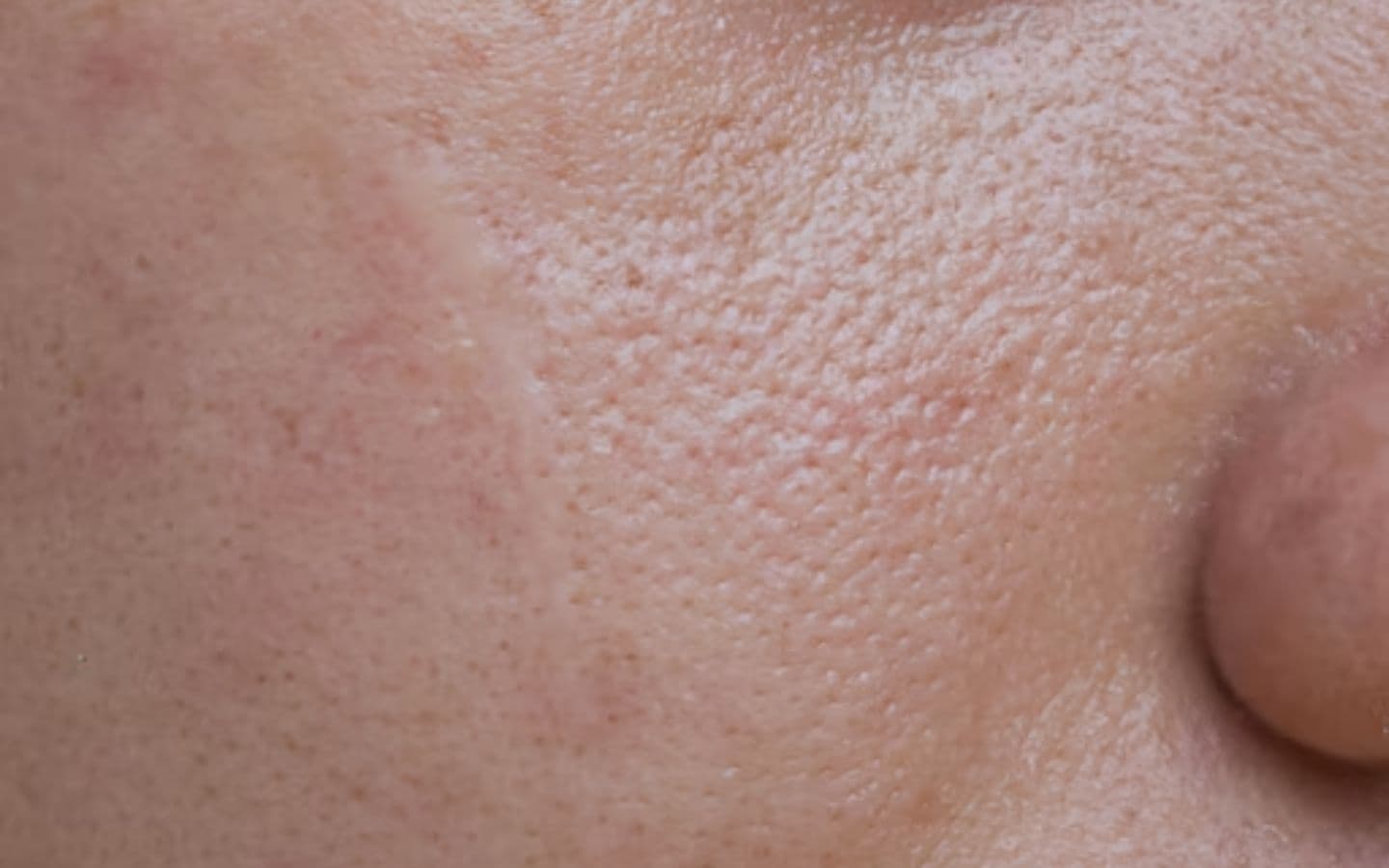
- Fine lines and general skin quality on the face
- Facial tone as part of a wider non-surgical plan
Who is Wonderface for, and when is it not the answer?
Wonderface is generally aimed at people with early to moderate loss of facial firmness who want a non-needling, no-downtime option, and it tends to appeal to those who prefer working on facial tone rather than adding volume. It is not a substitute for surgery where there is significant excess skin, and your doctor will tell you plainly if your concern sits outside what this device is used for.
It is a non-needling, surface-applied treatment: nothing is injected and nothing pierces the skin, which is what separates it from RF microneedling devices covered on their own pages.
Why do implants, seizures and dental metalwork matter before Wonderface?
Because RF heats tissue rather than targeting pigment, it does not depend on contrast in skin colour and is used across a wide range of skin tones including Asian skin.
Devices that deliver electrical stimulation and RF to the face are generally avoided during pregnancy, over active skin infections or inflamed skin, and in people with pacemakers, defibrillators, implanted electronic devices, metal implants in the treatment area or a history of seizures. Recent injectables, threads, dental metalwork, neurological conditions and certain medications are all relevant to the assessment. Please share your full medical and treatment history at consultation so the doctor can advise safely.
How short is a Wonderface session, and is there any downtime?
A visit begins with a doctor consultation and facial assessment, including which muscle groups and which skin areas are relevant to your concern. If Wonderface is appropriate, the skin is cleansed and applicators or pads are positioned on the face. In the neuromuscular mode you will feel repeated tapping or twitching sensations as the muscles contract, which is expected and not painful for most people; in the RF mode you feel building warmth as the applicator works over the area. No numbing is generally required and nothing is injected.
Sessions are typically short: this is a treatment people often schedule around a working day. A course of several sessions over a few weeks is usual for tone-based treatments, sometimes followed by periodic maintenance, but the number, spacing and mode balance are set by your doctor for your face rather than fixed in advance.
Downtime is usually minimal. Most people return to normal activities immediately and can apply makeup the same day. Temporary warmth, pinkness, or a mild worked or tired feeling in the treated muscles can occur afterwards and typically settles within hours, though this varies between individuals.
Gentle skincare, hydration and daily sun protection are advised. Your doctor will give aftercare guidance specific to your skin and the areas treated, including how it fits around any injectables or other treatments you are having.
Can Wonderface leave the muscles tired or the skin irritated?
As with any medical procedure, Wonderface carries risks, which are explained during consultation. Temporary effects can include redness, warmth, mild swelling, transient muscle fatigue or tenderness where the applicators sat. Skin irritation, burns or blistering are uncommon and are less likely when settings are appropriately selected and treatment is performed by a trained doctor who has reviewed your medical history and any implanted devices.
Concerns this device addresses
Whether it is the right choice for any of these is a decision for a doctor who has examined your skin.

Treatments that use Wonderface
Back to all devices and injectables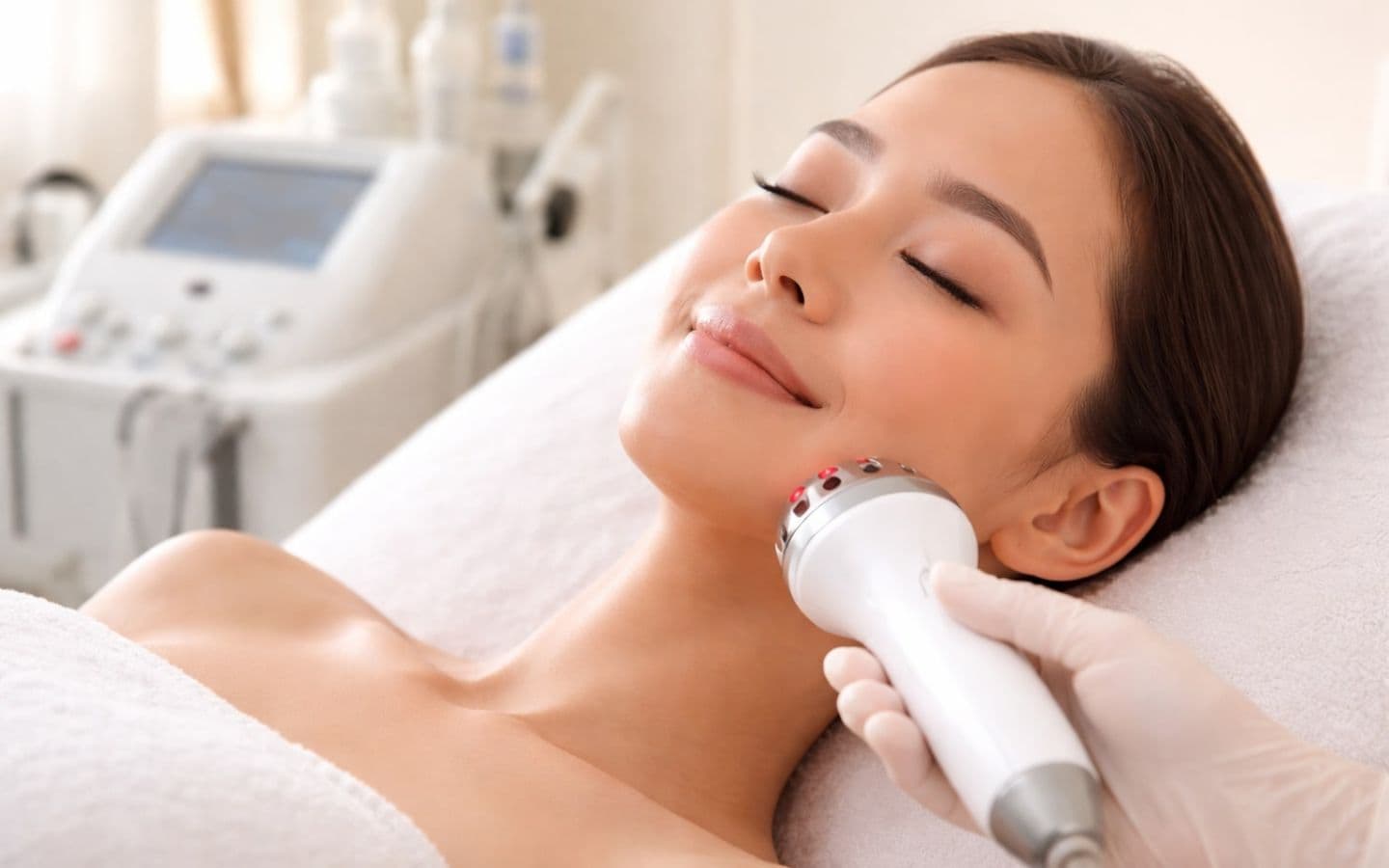
What affects the number of sessions, and the cost
Pricing is discussed at consultation rather than quoted online, so any figure reflects your actual plan rather than a generic package. What moves it:
- Your concern, and whether one mode or both are used.
- The areas treated.
- How your face responds. Tone-based plans generally involve a short initial course followed by less frequent maintenance.
- Whether Wonderface is combined with other treatments, which changes the plan.
Other lifting and tightening devices
These address overlapping concerns. Which one suits you is a decision for a doctor who has examined your skin, not a choice to make from a page.
Common questions
How is Wonderface different from a normal RF skin-tightening facial?
A conventional RF facial only heats the skin. Wonderface pairs bipolar radiofrequency with a separate neuromuscular stimulation mode that produces controlled contractions in facial muscle groups, so the plan can address muscle tone as well as skin quality. The manufacturer describes these as independent modes, and your doctor decides which are used, at what intensity, at consultation.
Is Wonderface an alternative to botulinum toxin?
No. The mechanisms are opposite. Botulinum toxin is a prescription medicine that reduces the activity of selected muscles, while Wonderface's neuromuscular mode stimulates muscles to contract. They are used for different goals and are not substitutes for one another. If you are considering either, discuss it with your doctor, who will advise what is appropriate and how treatments can be sequenced.
What does the muscle stimulation feel like?
Most people describe repeated tapping or twitching as the targeted muscles contract, alongside gentle warmth when the radiofrequency mode is used. It is an unusual sensation rather than a painful one for most people, and intensity is adjustable. Tell your doctor during the session if anything feels uncomfortable so settings can be changed.
Can I have Wonderface if I have fillers, threads or dental implants?
It depends on what you have, where it sits and how recently it was placed: existing injectables, threads and metal in or near the treatment area all need to be assessed before treatment, and implanted electronic devices such as pacemakers are a contraindication. This is exactly why a full treatment history matters. Bring the details to your consultation so the doctor can advise safely.
Read next




Book a free consultation
The consultation is free, takes about 20 to 30 minutes, and there is no obligation to book treatment afterwards. A doctor will examine your skin and tell you whether Wonderface is appropriate, and if it isn’t, what would be.
Ask about thisMedically reviewed by

Dr Chang Chee Seong
Wellness Physician
MD, OHD (NIOSH), MAC · MMC 64526
Dr Chang Chee Seong graduated from Kursk State Medical University with an M.D. and after serving the public sector, pursued his post graduate diploma in Occupational Health with NIOSH.
View full profile- Reviewed by
- Dr Chang Chee Seong, MMC 64526
- Last reviewed
- 18 Jul 2026
- Next review due
- 18 Jul 2027
This page is general information about aesthetic treatments and is not medical advice. Treatments carry risks that are explained during consultation, and individual results vary. A doctor will assess whether a treatment is suitable for you before it is carried out.