
Injectables
Belotero
A hyaluronic-acid dermal filler range from Merz Aesthetics made with a two-phase dynamic cross-linking process, giving softer gels used for fine lines and delicate areas alongside firmer gels for volume.
Free consultation, no obligation.
- Dynamic cross-linking
- Gel process
- Merz Aesthetics, Germany
- Manufacturer
- Dermal fillers
- Used within
In brief
Belotero is a range of hyaluronic acid dermal fillers from Merz Aesthetics, made with a two-phase dynamic cross-linking process. The range spans several gel densities, from softer gels used for fine lines and delicate areas through to firmer gels for volume, matched to skin thickness at consultation.
What is Belotero?
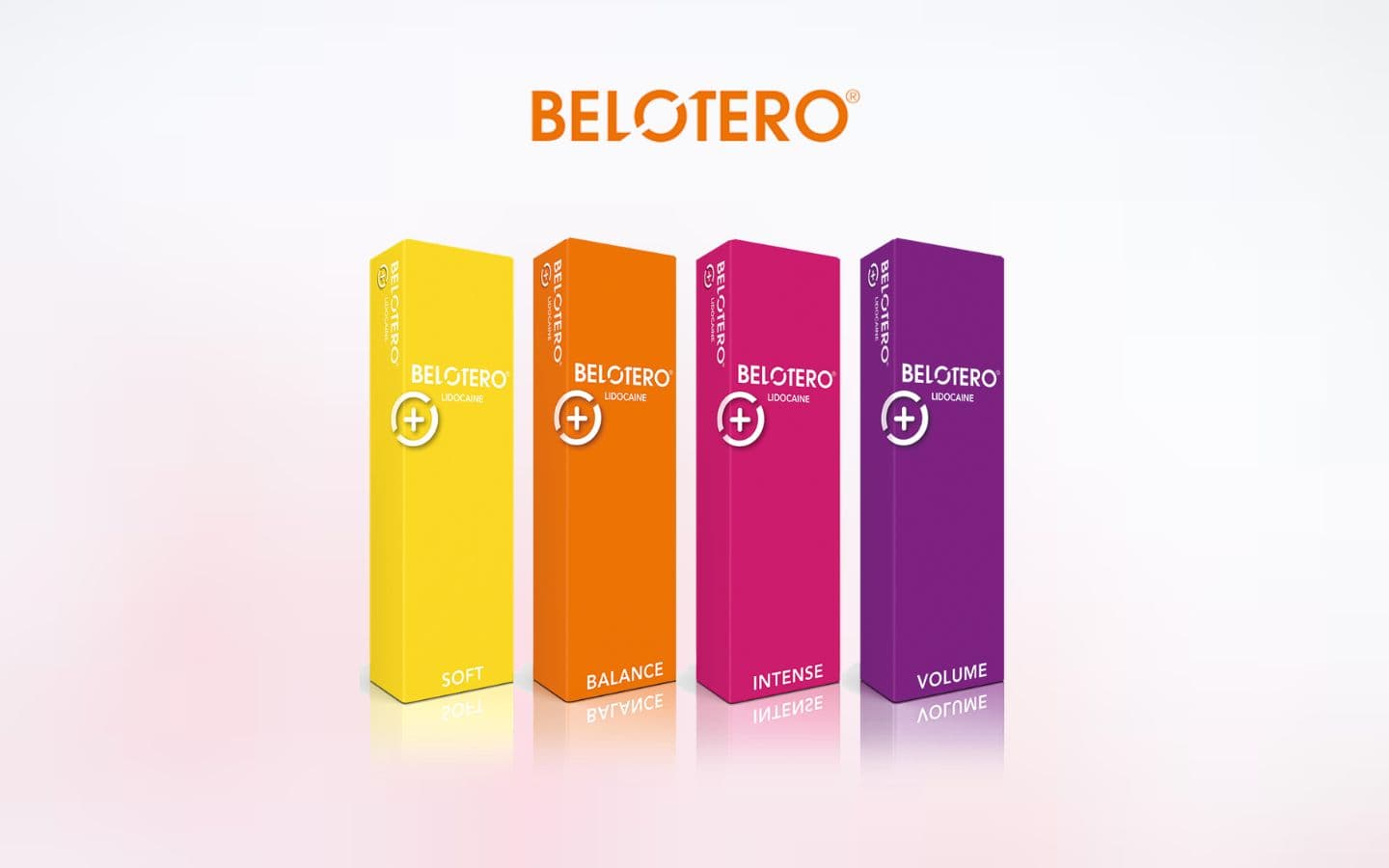
Belotero is a range of injectable hyaluronic-acid (HA) dermal fillers from Merz Aesthetics, the German aesthetics company. Hyaluronic acid is a substance that occurs naturally in skin; for use as a filler it must be cross-linked, because uncross-linked HA would break down within days. The Belotero range spans several gel densities, including Belotero Balance and Belotero Intense for lines and lip work, Belotero Volume for volume and contour such as cheeks and chin, and Belotero Revive, which the manufacturer positions for overall skin quality rather than volume.
What sets Belotero apart from other HA ranges is how the gel is cross-linked. Merz Aesthetics states that, unlike HA fillers made with a single phase of cross-linking, Belotero uses a patented two-phase dynamic cross-linking process, the technology long marketed as Cohesive Polydensified Matrix (CPM®) and now presented as Belotero Biomimetic Matrix Technology. Belotero is used within Kaiteki's dermal fillers treatment. Whether it is appropriate for you, and which gel in the range, is decided by a doctor at an in-person consultation.
How the biomimetic matrix cross-linking works
In a standard process, HA strands are straightened out of their natural coiled form and cross-linked once with an ether to form a gel. Merz Aesthetics describes Belotero as going a step further: the cross-linked gel is expanded so that additional hyaluronic acid can be introduced and cross-linked in a second, dynamic phase. The manufacturer says this creates a three-dimensional structure with varying HA densities within the same gel, intended to mimic the natural detail of skin, hence the biomimetic description.
Is Belotero permanent, and can it be dissolved?
Hyaluronic-acid fillers are gradually broken down by the body, so the effect is not permanent, and maintenance intervals are individual: the area's movement, the gel used and your own metabolism all play a part. Some plans combine a softer gel superficially with a firmer gel for support, which also affects planning.
Hyaluronic-acid gels such as Belotero can be dissolved with hyaluronidase where a doctor judges this clinically indicated. It is a medical procedure with its own risks and assessment, not a routine undo button, and it is not appropriate in every situation.
Can Belotero be used for fine lines and thin skin?
For a comparison shopper the practical consequence is placement. A gel with lower firmness and good spread can be used more superficially and in delicate skin, which is why the softer Belotero gels are commonly discussed for fine lines and thin-skinned areas, while the firmer Belotero Volume gel is used where support and projection are the objective. That is a difference in engineering, not a ranking: a structural gel and a fine-line gel are simply built for different jobs. Gel choice, placement depth and quantity are the treating doctor's decisions, and results develop over the days after treatment and vary between individuals.
Superficial placement carries its own considerations, including the risk of visible or bluish-looking filler. Thin, delicate skin, around the eyes or the perioral area, needs particular care with any filler regardless of brand, and whether it should be treated at all is a clinical judgement.
Belotero gels are commonly considered for the following concerns as part of an individually planned filler treatment. Inclusion here does not mean the treatment is right for you. That is established at consultation.
- Fine superficial lines and etched-in creases
- Nasolabial folds and marionette lines
- Lip volume, smoothness and definition
- Loss of cheek volume and mid-face flattening
- Chin shape and facial balance
- Skin quality and hydration in thin-skinned areas, where clinically appropriate
What should you tell the doctor before Belotero?
Belotero is aimed at adults who want lines softened, volume replaced or contour supported. HA fillers do not use light or heat, so skin tone is not a limiting factor as it can be with lasers; anatomy, skin thickness and medical history matter far more.
Fillers are generally avoided in pregnancy and breastfeeding, and where there is active infection, inflammation or a skin lesion at the intended site. Tell your doctor about known hypersensitivity to hyaluronic acid or to lidocaine and amide-type local anaesthetics, a history of severe allergy or anaphylaxis, autoimmune conditions or immune-modulating treatment, bleeding tendency or blood-thinning medication, previous filler or any permanent implant in the area, a tendency to abnormal scarring, and any recent or planned laser, peel or dermabrasion. Please share your full medical history so the doctor can advise safely.
What happens at a Belotero appointment, and why can small raised areas appear?
Your visit begins with a doctor consultation: your concern, your medical history, and an assessment of your facial proportions and skin thickness: the latter is directly relevant to which Belotero gel would be appropriate. The doctor explains the risks before you consent. The skin is then cleansed and a topical anaesthetic may be applied; some gels in the range are supplied with lidocaine included to support comfort during injection.
The gel is placed in small increments using a needle or a cannula, chosen according to the area and the doctor's judgement. A single-area appointment is usually short, often 15 to 30 minutes once preparation is complete, while a multi-area plan takes longer and is frequently staged across more than one visit rather than done all at once. A review appointment is commonly arranged so the doctor can assess the area after swelling has settled.
Most people carry on with their day afterwards, but redness, swelling, tenderness and bruising at injection points are common in the first few days and vary between individuals. Fine, superficial placement can leave small raised areas that settle over the following days, and mobile or thin-skinned areas such as the lips and perioral region tend to swell more visibly.
Your doctor will give aftercare guidance for the specific area treated: typically avoiding pressure or massage on the site, keeping strenuous exercise, heat and alcohol to a minimum briefly, and contacting the clinic promptly rather than waiting if anything feels unusual.
What are Belotero's side effects, including a bluish tinge?
Belotero is an injectable medical device and carries risks, which are explained at consultation before you consent. Temporary effects can include swelling, bruising, redness, tenderness, firmness or small nodules at the injection site, and occasionally a bluish discolouration where filler sits very superficially. Less common effects include infection, inflammatory nodules and delayed hypersensitivity. The most serious recognised risk of any dermal filler is vascular occlusion, filler entering or compressing a blood vessel, which can affect the skin and, rarely, vision. It is uncommon, but it is exactly why filler must be administered by a doctor trained in facial anatomy and in managing complications, and why sudden pain, skin blanching or any visual change must be reported immediately.
Concerns this injectable addresses
Whether it is the right choice for any of these is a decision for a doctor who has examined your skin.



Treatments that use Belotero
Back to all devices and injectables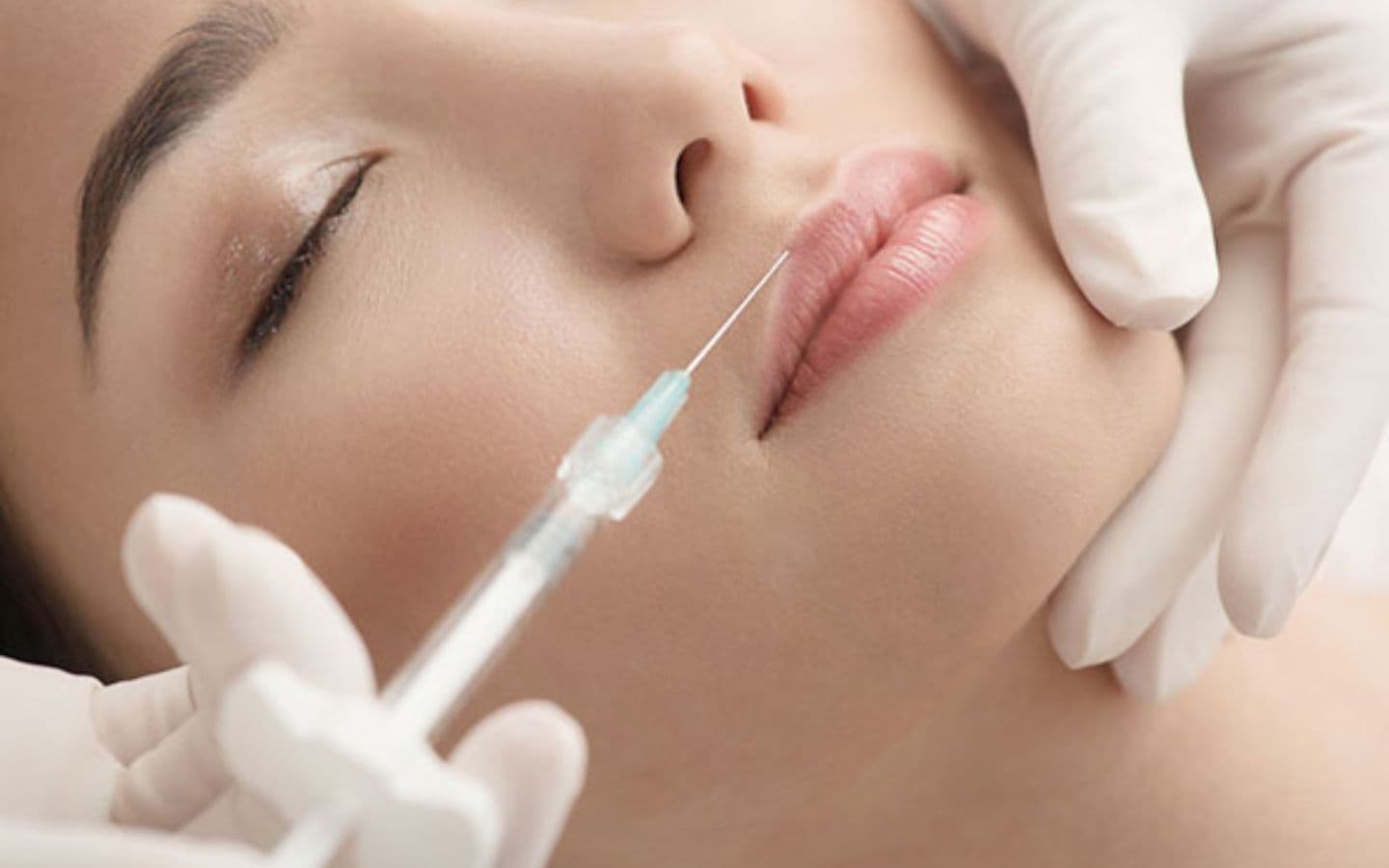
What affects the number of sessions, and the cost
Pricing is discussed at consultation rather than quoted online, so any estimate reflects your actual plan. What moves it:
- How many areas are addressed.
- Which gel density in the range is clinically appropriate for each. A fine-line gel and a volumising gel are different products with different roles, so a plan is costed around what the doctor selects rather than a single per-area figure.
- How much product your anatomy actually calls for.
- Whether the plan combines a softer gel placed superficially with a firmer gel for support.
Other injectables we use
These address overlapping concerns. Which one suits you is a decision for a doctor who has examined your skin, not a choice to make from a page.
Common questions
What makes Belotero different from other hyaluronic-acid fillers?
The ingredient is the same class (cross-linked hyaluronic acid), so the difference lies in the gel. Merz Aesthetics states that Belotero is made with a patented two-phase dynamic cross-linking process rather than a single phase, producing a gel with varying hyaluronic-acid densities that the manufacturer describes as biomimetic. Whether that makes it the right choice for your concern depends on the area and your skin, which your doctor assesses in person.
Is Belotero suitable for very fine lines and thin skin?
The softer gels in the Belotero range are commonly discussed for fine lines and delicate, thin-skinned areas, because a lower-firmness gel with good spread can be placed more superficially than a structural gel. That said, superficial placement carries its own considerations, including the risk of visible or bluish-looking filler. Whether your particular lines should be treated with filler at all is a clinical judgement your doctor makes at consultation.
Which Belotero product would I need?
That is not something to decide before being seen. The range covers several gel densities, from softer gels for lines and lip work to firmer gels for cheek and chin volume, plus a formulation the manufacturer positions for skin quality rather than volume. Product choice, placement and quantity are the treating doctor's decisions after assessing your face, skin thickness and goals in person.
How soon will I look normal after Belotero, and how long does it last?
Swelling and small injection-point marks are usual for the first few days and settle at different rates in different people, so allow a comfortable margin before any important event. Hyaluronic-acid filler is gradually broken down by the body, so it is not permanent, and duration varies with the gel used, the area's movement and your own metabolism. Your doctor will give you a realistic expectation for your plan at consultation.
Read next



Book a free consultation
The consultation is free, takes about 20 to 30 minutes, and there is no obligation to book treatment afterwards. A doctor will examine your skin and tell you whether Belotero is appropriate, and if it isn’t, what would be.
Ask about thisMedically reviewed by

Dr Chew Yuhhui
Co-Founder & Senior Medical Director
MBBS, LCP Board Certified, MAC, MSAM · MMC 68232
Allow your passion to become your purpose and it will one day become your profession.
View full profile- Reviewed by
- Dr Chew Yuhhui, MMC 68232
- Last reviewed
- 18 Jul 2026
- Next review due
- 18 Jul 2027
This page is general information about aesthetic treatments and is not medical advice. Treatments carry risks that are explained during consultation, and individual results vary. A doctor will assess whether a treatment is suitable for you before it is carried out.