
Injectables
Ellanse
A polycaprolactone (PCL) injectable used within bio-stimulator treatment as a collagen-stimulating injectable.
Free consultation, no obligation.
- Polycaprolactone (PCL)
- Material
- Sinclair, Netherlands
- Manufacturer
- Bio-stimulator
- Used within
In brief
Ellanse is an injectable implant whose active material is polycaprolactone, smooth PCL microspheres suspended in a carrier gel. It is manufactured in the Netherlands and distributed by Sinclair, and at Kaiteki it is used within our bio-stimulator treatment rather than as a hyaluronic acid filler.
What is Ellansé?
Ellansé is an injectable implant whose active material is polycaprolactone, smooth PCL microspheres suspended in a carrier gel that the manufacturer describes as a carboxymethylcellulose-based gel. It is manufactured in the Netherlands and distributed by Sinclair, and its CE-marked intended use is subdermal implantation in the face for the correction of wrinkles and signs of facial ageing. Kaiteki uses it within its bio-stimulator treatment, alongside other bio-stimulator materials.
What distinguishes Ellansé from a hyaluronic acid filler is the two-part behaviour the manufacturer describes: the carrier gel provides support when it is placed, while the PCL microspheres remain and act as a stimulus for the skin's own collagen response as they are gradually resorbed. So part of the intended change is immediate and part of it develops over months. Whether Ellansé, another bio-stimulator or a filler suits your concern is a clinical judgement your doctor makes at an in-person consultation.
How polycaprolactone works
Polycaprolactone is a synthetic, bioresorbable polymer already used in absorbable medical implants and sutures. In Ellansé the PCL is formed into uniform microspheres held in the carrier gel. The gel component is absorbed over time, leaving the microspheres in place; as those are gradually broken down and cleared, they act as a scaffold and stimulus around which the body forms its own collagen. That is why the manufacturer frames Ellansé as regenerative rather than purely volumising: the later part of the effect is your tissue, not the product.
Why can Ellansé not be dissolved, and how long does it last?
Unlike hyaluronic acid fillers, polycaprolactone has no dissolving agent: it is bioresorbable and is cleared by the body over time rather than reversed on demand.
Ellansé is supplied as a range of variants (identified by the manufacturer as Ellansé-S through to Ellansé-E) which differ in how long the PCL microspheres take to be resorbed. The manufacturer describes the range as offering sustained duration from around twelve months at the shorter end up to several years at the longest, but individual response varies and duration is not guaranteed. Which variant is used, where it is placed and how much is used are decisions for the treating doctor after assessing your face, not something to choose from a website. Results develop gradually and vary between individuals.
What is Ellansé used for, and how does it differ from Sculptra?
Within Kaiteki's bio-stimulator treatment, Ellansé is commonly considered where the concern combines loss of structural support with declining skin quality. It is not suitable for everyone, and a consultation determines whether it is appropriate for you.
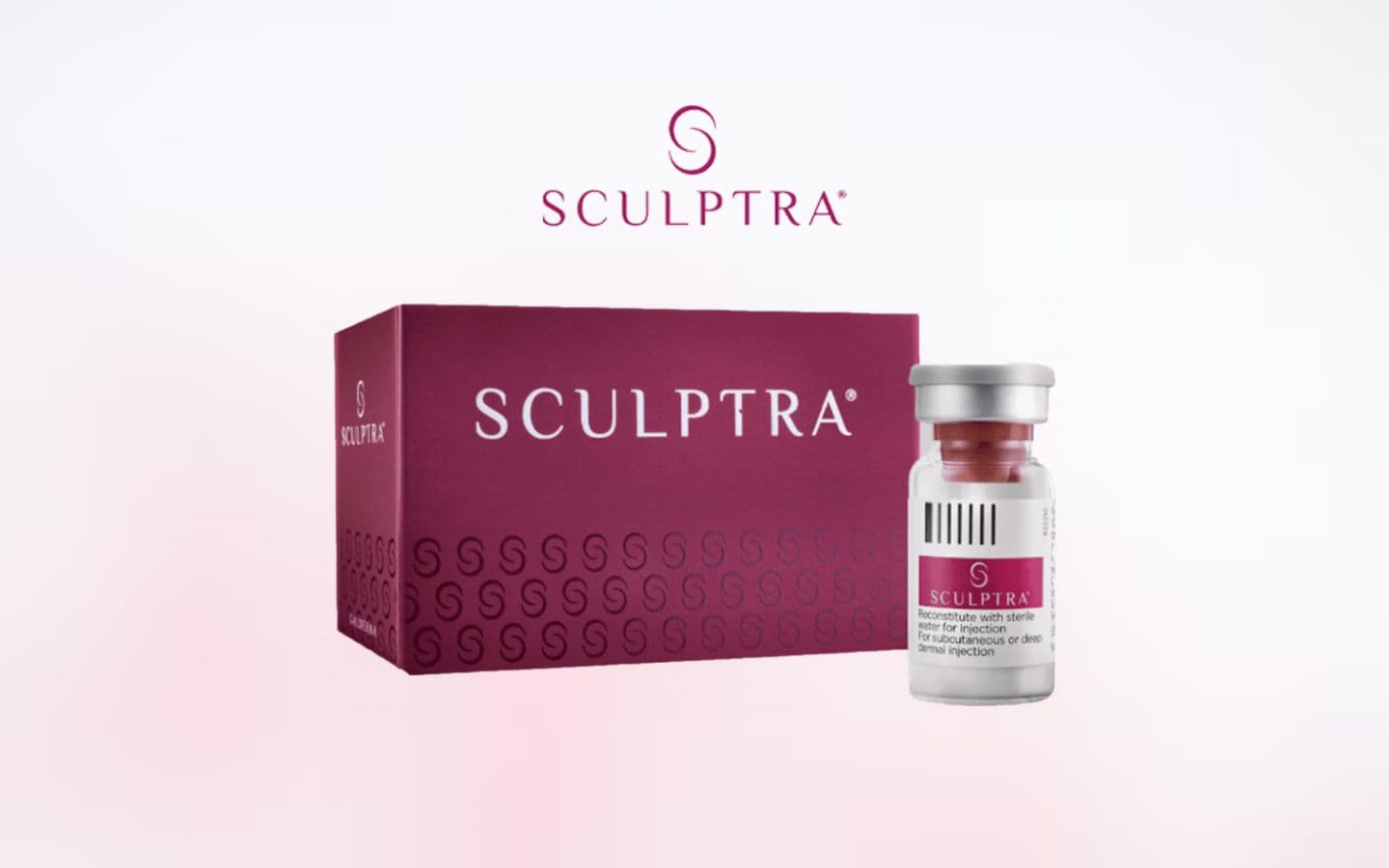
It is often compared with Sculptra. Both are bio-stimulators, but the material differs: Ellansé's polycaprolactone microspheres sit in a carrier gel that the manufacturer describes as giving support when placed, while Sculptra's poly-L-lactic acid is reconstituted before use and is intended to act more purely as a gradual collagen stimulus over a course of sessions. Which is appropriate for your concern is decided by your doctor at consultation.
Concerns it is typically directed at include:
- Nasolabial folds and other established facial folds
- Loss of definition across the mid-face and cheek region
- Softening of the chin and jawline contour
- Temple hollowing associated with volume loss
- General facial laxity and thinning skin quality
- Marionette lines and the lower-face area
Why does Ellansé need a more careful assessment than a filler?
Ellansé is aimed at adults who want a staged, structural approach and understand that part of the change appears later rather than immediately. Because the mechanism is biological rather than light-based, skin tone is not a limiting factor in the way it can be for laser treatments, so it is used across a range of skin tones including Asian skin. Your facial anatomy, how much support has been lost and any previous injectable work in the area all influence whether it is appropriate.
Because polycaprolactone cannot be dissolved the way hyaluronic acid can, careful assessment before treatment matters more, not less. Ellansé is not appropriate for anyone with a known hypersensitivity to its components, and it is not used where there is active infection or inflammation at or near the intended site. It is not used in pregnancy or while breastfeeding. Bleeding disorders and blood-thinning medication, autoimmune or connective-tissue conditions, a history of keloid or hypertrophic scarring, and previous permanent or semi-permanent implants in the same area are all relevant considerations. Please share your full medical history, medication list and any past injectable or surgical treatments at consultation.
Is Ellansé a single session, and what is the recovery like?
The visit starts with a doctor consultation and facial assessment, covering your concern, your medical history, which product category is appropriate and the realistic time course. If Ellansé is appropriate, the doctor selects the variant and plan, the skin is cleansed and prepared, and topical or local anaesthetic is used for comfort. The injection is carried out according to the assessed plan; the appointment as a whole is usually short, with most of the time spent on assessment and aftercare rather than injecting.
The doctor may shape and massage the area afterwards and will explain aftercare. Many plans are built around a single treatment session with a review afterwards, though some people need more than one depending on the assessment and how the area responds. Your doctor will explain what to expect for you and when to come back for review.
Downtime is usually limited, but this varies. Swelling, redness, tenderness or bruising at the injection sites is common in the first days and typically settles; bruising can take longer to fade in some people, so it is worth planning around any upcoming event.
Your doctor will give aftercare guidance for your case, which commonly includes avoiding pressure, vigorous massage, facial treatments, heat and strenuous exercise on the area for a short period, plus any specific instructions for the treated region. Because part of the intended change develops over months, attending the review appointment matters, and anything unexpected should be raised with the clinic promptly rather than left.
What side effects does the manufacturer list for Ellansé?
As with any injectable procedure, Ellansé carries risks, which are explained during consultation. The manufacturer lists possible effects including pain, swelling, redness, bruising, inflammation, infection, hypersensitivity reactions and nodule or lump formation, and recognises rare but serious complications associated with inadvertent intravascular injection during facial filler procedures. These are uncommon when the treatment is appropriately selected and performed by a trained doctor working to an assessed plan, and your doctor will explain which symptoms to report and how quickly.
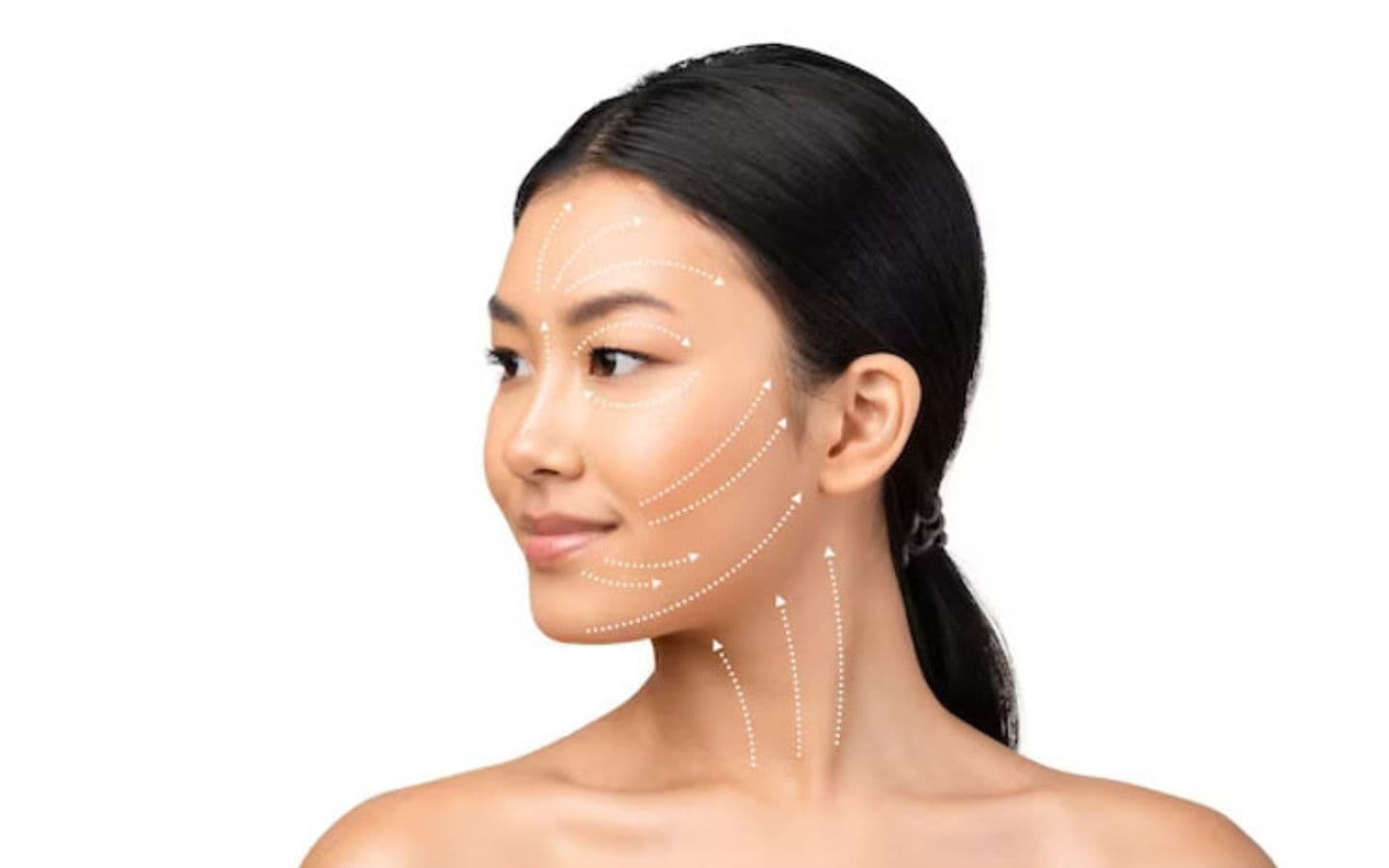
Concerns this injectable addresses
Whether it is the right choice for any of these is a decision for a doctor who has examined your skin.

Treatments that use Ellanse
Back to all devices and injectables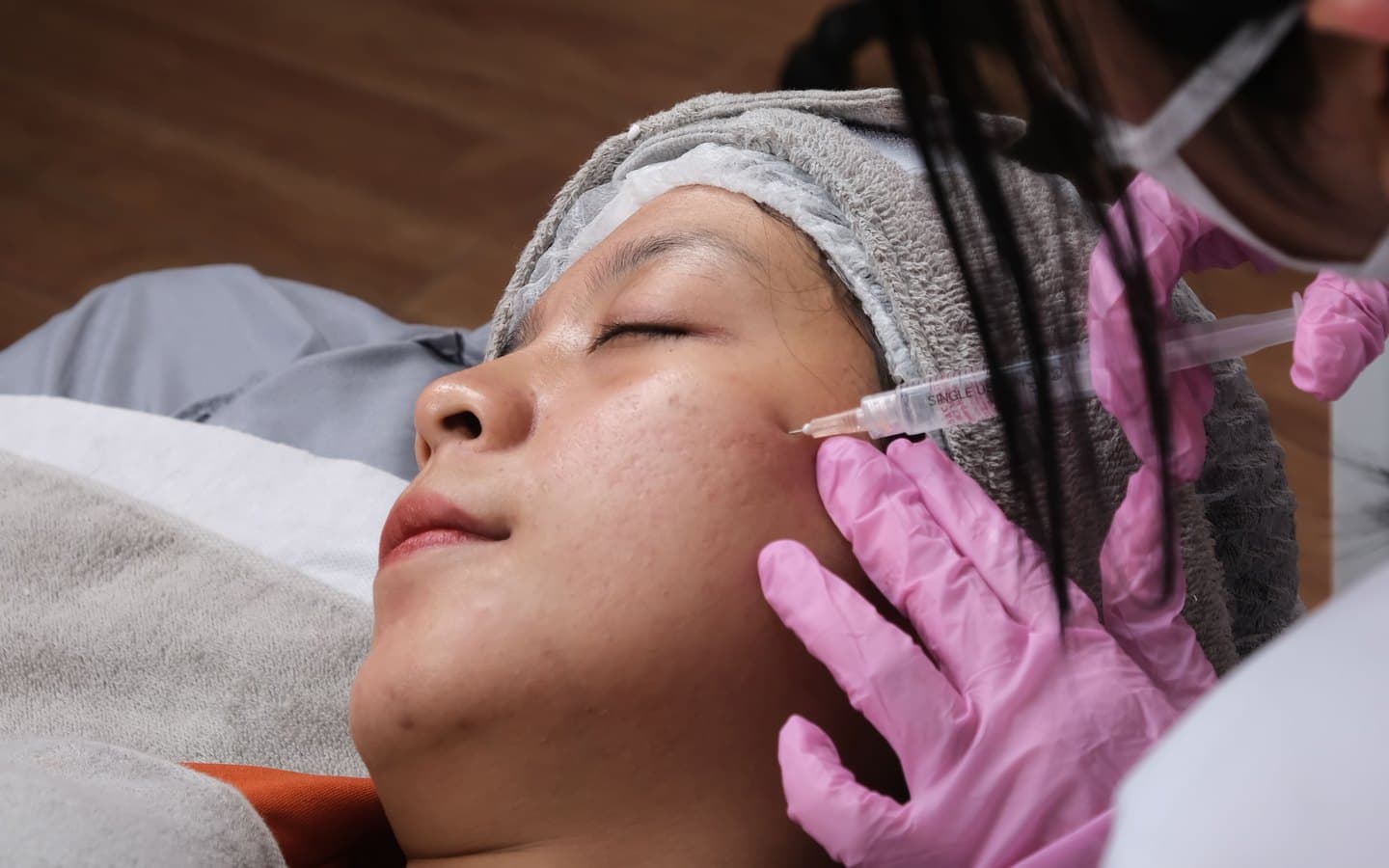
What affects the number of sessions, and the cost
Pricing is discussed at consultation rather than quoted online, so any figure reflects your actual assessed plan. What moves it:
- The area being addressed.
- How much structural support has been lost.
- The variant and quantity your doctor judges appropriate.
- Whether your plan involves more than one session.
Because part of the effect develops over months, the plan is best understood as a course with review rather than a one-off purchase.
Ask what a plan might involveOther injectables we use
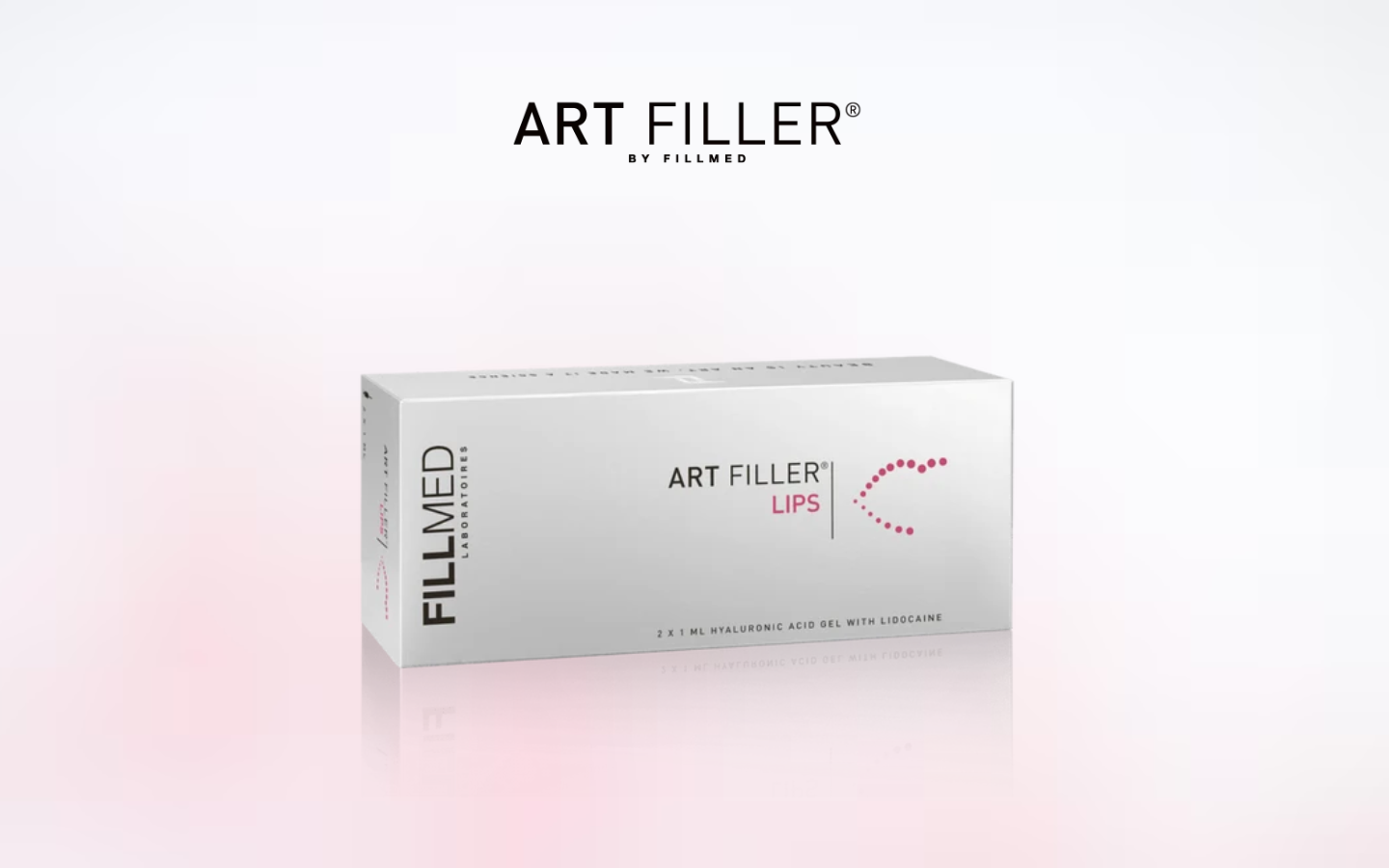
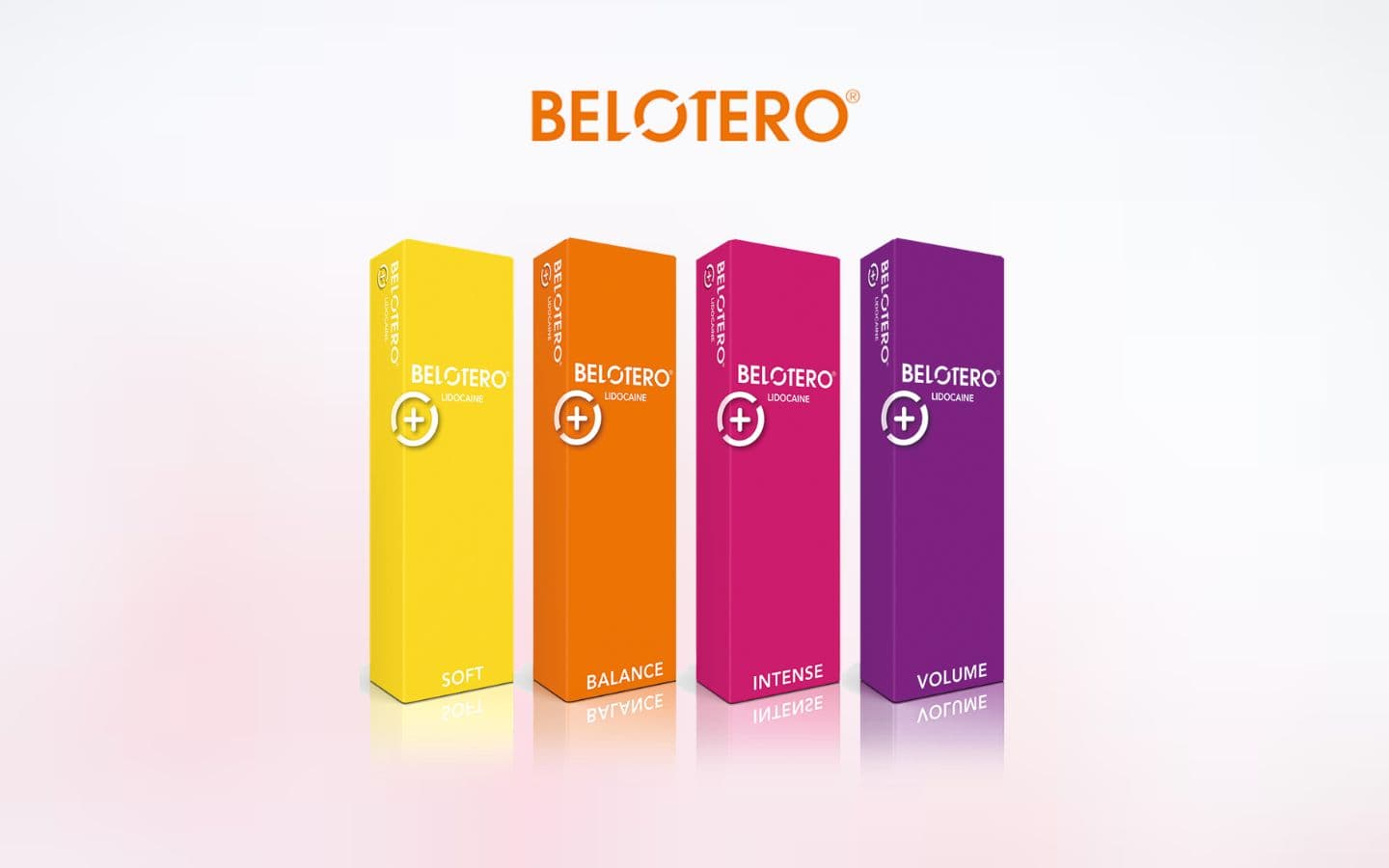
These address overlapping concerns. Which one suits you is a decision for a doctor who has examined your skin, not a choice to make from a page.
Common questions
How is Ellansé different from Sculptra?
Both are bio-stimulators, but the material differs. Ellansé uses polycaprolactone microspheres in a carrier gel, so the manufacturer describes support from the gel when it is placed plus a collagen response as the PCL is resorbed. Sculptra uses poly-L-lactic acid, which is reconstituted before use and is intended to act more purely as a gradual collagen stimulus over a course of sessions. Which is appropriate for your concern is decided by your doctor at consultation, not by comparing materials online.
Can Ellansé be dissolved if I change my mind?
No. Unlike hyaluronic acid fillers, polycaprolactone has no dissolving agent: it is bioresorbable and is cleared by the body over time rather than reversed on demand. That is precisely why assessment beforehand is so important, and why the doctor talks through expectations and alternatives with you before proceeding. Raise any concerns at consultation before treatment.
What do the different Ellansé variants mean?
The manufacturer supplies Ellansé as a range of variants that differ in how long the PCL microspheres take to be resorbed, described as spanning around a year at the shorter end up to several years. Those are the manufacturer's figures for its product range, not a promise for any individual: response and duration vary and are not guaranteed. Which variant suits you, if any, is the treating doctor's decision after examining you in person.
Is Ellansé suitable for Asian skin and facial structure?
The mechanism is biological rather than light-based, so skin tone is not a limiting factor in the way it can be for lasers, and Ellansé is used across a range of skin tones. Facial structure does matter to planning, though, and mid-face and jawline proportions differ between individuals. A doctor assesses your anatomy, skin and medical history at consultation before advising whether it is appropriate.
Read next



Book a free consultation
The consultation is free, takes about 20 to 30 minutes, and there is no obligation to book treatment afterwards. A doctor will examine your skin and tell you whether Ellanse is appropriate, and if it isn’t, what would be.
Ask about thisMedically reviewed by

Dr Jen Meng
Aesthetic Physician
MBBS, MAC · MMC 104167
Dr Jen Meng is an aesthetic medical doctor who graduated with Bachelor of Medicine, Bachelor of Surgery (MBBS) from Manipal Academy of Higher Education. With training in Plastic and Reconstructive Surgery, he has strong expertise in facial anatomy, skin health, and procedural safety.
View full profile- Reviewed by
- Dr Jen Meng, MMC 104167
- Last reviewed
- 18 Jul 2026
- Next review due
- 18 Jul 2027
This page is general information about aesthetic treatments and is not medical advice. Treatments carry risks that are explained during consultation, and individual results vary. A doctor will assess whether a treatment is suitable for you before it is carried out.