
Hair Removal · Device
Alma (IPL + RF)
A light-based hair-reduction platform from Alma, combining broadband IPL energy with radiofrequency heating to target hair follicles over a course of sessions.
Free consultation, no obligation.
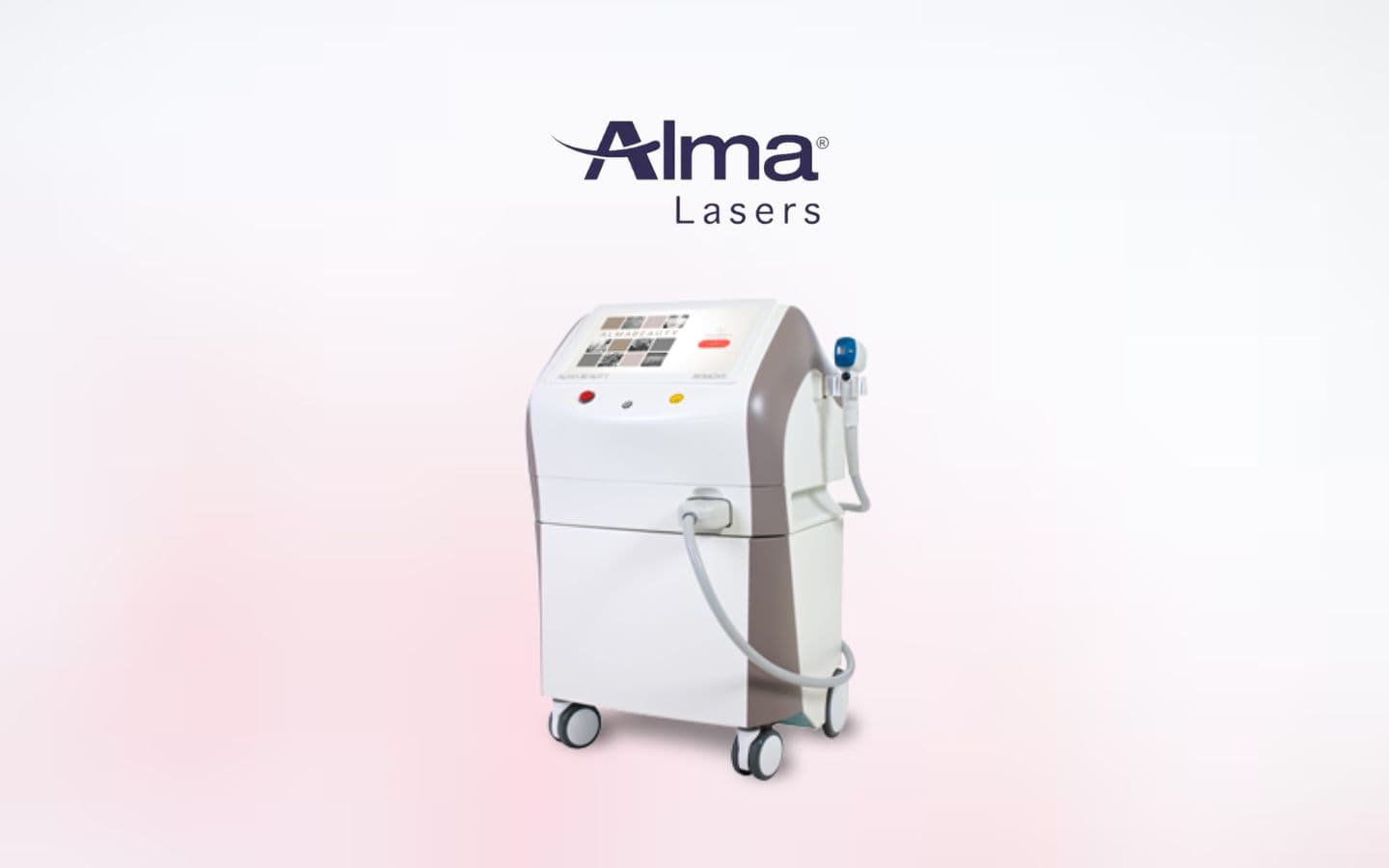
- IPL and radiofrequency
- Two energies
- Alma, Israel
- Manufacturer
- Laser hair removal
- Used within
In brief
Alma's hair-removal platform combines two energies rather than one: broadband light through what the manufacturer calls AFT, alongside radiofrequency heating. Hair grows in cycles and only follicles in the active phase respond to any one session, which is why treatment is planned as a course.
What is the Alma hair-removal platform?
Alma is an Israeli aesthetic device manufacturer whose hair-removal systems are built around light energy delivered through interchangeable applicators. Its broadband applicators use what the manufacturer calls AFT (Advanced Fluorescence Technology), an intense pulsed light approach in which a wide band of light is shaped towards the wavelengths melanin absorbs most strongly, with the Speed AFT applicator described by the manufacturer as covering a 6.4cm² spot for larger areas. Because this is filtered broadband light rather than a single laser wavelength, one applicator can cover a wide range of hair types.
Where a radiofrequency element is combined with the light pulse, the radiofrequency contributes bulk heating of the surrounding dermis rather than being absorbed selectively by pigment. Less light energy is then needed to reach the temperature the follicle requires, which is why combined light-and-radiofrequency systems are generally described as more tolerant across hair colours and skin tones than light alone. Alma is used within Kaiteki's laser hair removal treatment, and which applicator and energy combination suits your hair and skin is decided by a doctor at an in-person consultation.
How it works
Light-based hair removal depends on delivering enough heat to the follicle to interrupt regrowth while leaving surrounding skin unharmed. Alma's approach to that balance is the technology it calls SHR (Super Hair Removal), which the manufacturer describes as delivering low-fluence energy at a high repetition rate while the practitioner glides the applicator over the skin (an in-motion technique), so heat accumulates gradually rather than arriving as one high-energy pulse. Alma states that the applicator's cooled tip protects the epidermis throughout.
That accumulative delivery is the main mechanical difference from conventional stamping IPL, where each pulse is placed shot by shot and gaps can leave uneven coverage. Alma describes the SHR approach as giving more uniform coverage and as being usable on darker, melanin-rich skin. Energy levels, applicator choice, number of passes and endpoint are selected by the treating doctor for your skin tone, hair type and the area treated. Hair reduction develops gradually across a course and varies between individuals.
Why does hair grow back, and why can one session not work?
A course is always needed, spaced according to the growth cycle for the area, often around four to eight weeks apart, because only follicles in their active growth phase respond to any one session. Multiple sessions are always needed because of the growth cycle, and occasional maintenance afterwards is normal rather than a sign something has gone wrong.
Alma is commonly considered for unwanted hair on the areas below, planned as a course of sessions rather than a single visit. It is not suitable for every hair type or every area, and a consultation determines whether it is appropriate for you.
- Underarms and bikini or Brazilian areas
- Legs and arms, where larger applicators cover the area more quickly
- Back, chest and shoulders
- Upper lip, chin and jawline facial hair
- Fine or light hair, which the manufacturer describes as harder to treat and addressed with different wavelengths
- Ingrown hairs and razor irritation from repeated shaving or waxing
Can Alma treat darker skin, and fine or pale hair?
Alma describes its hair-removal technologies as usable across a wide range of skin types, including darker skin, because low-fluence high-repetition delivery with a cooled tip reduces how much energy the surrounding skin absorbs at once. That makes it worth discussing if you have Asian or deeper skin and have been told elsewhere that hair removal carries more risk for you. It is still not appropriate for everyone, and very light, grey or white hair contains little pigment for light to target on any platform.
Why do tattoos, tans and medications matter before Alma?
It may not be suitable during pregnancy, over tattoos or permanent makeup in the area, on recently tanned or sunburnt skin, where there is active infection, inflammation or open skin, with a history of light-sensitive conditions or keloid scarring, or while taking photosensitising medication. Hormonal causes of excess hair growth may need investigating alongside treatment. Please share your full medical, medication and hair-removal history at consultation, including recent waxing, plucking or threading, so the doctor can advise safely.
Should you shave before Alma, and what does a session feel like?
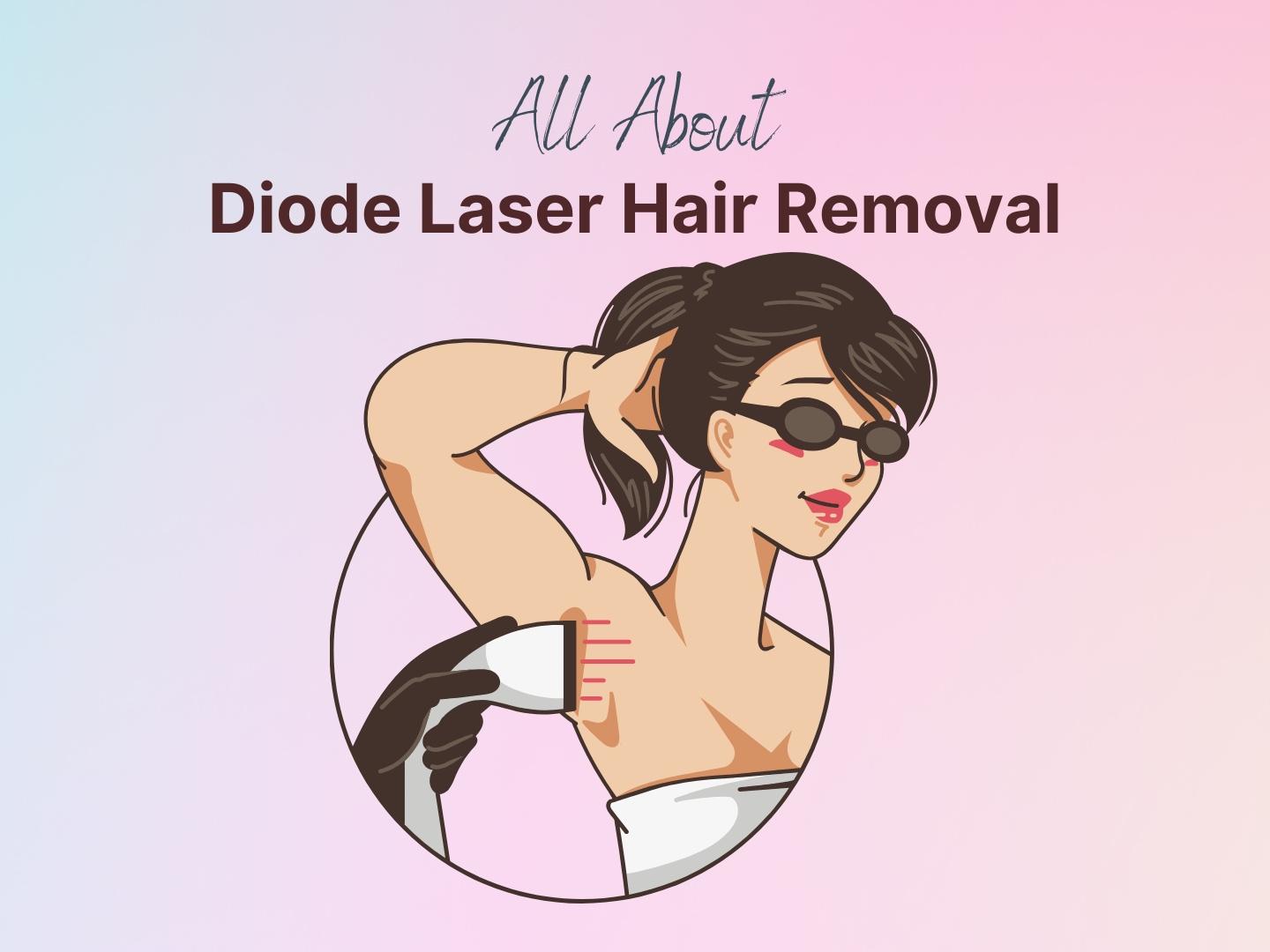
A visit begins with a doctor consultation and a skin and hair assessment, and a test area may be considered first. You will usually be asked to shave shortly beforehand rather than wax or pluck, because the hair above the skin should be short while the follicle below stays intact. On the day the area is cleansed, gel applied where required and eye protection fitted, and the doctor moves the cooled applicator over the area in repeated passes, building warmth gradually.
Most people describe the sensation as spreading warmth rather than the snap of a stamping device, and the manufacturer describes the technique as well tolerated. A small area such as the underarms may take only a few minutes; full legs or a back take considerably longer. Your doctor will explain the course they consider realistic and review it as your hair responds.
Downtime is usually minimal and most people return to normal activity the same day, though this varies between individuals. Mild redness and slight bumpiness around the treated follicles is common for a few hours, and treated hairs may appear to grow out for a week or two before shedding.
Sun protection on exposed areas, avoiding heat such as hot baths, saunas and vigorous exercise for the first day, and skipping deodorant or fragranced products on freshly treated skin are usually advised. Between sessions you can shave, but waxing, plucking, threading and depilatory creams are normally avoided because they remove the follicle contents the light needs to target. Your doctor will give aftercare guidance specific to the area treated.
Can Alma cause burns, folliculitis or more hair?
As with any light-based medical treatment, hair removal carries risks, which are explained during consultation. Temporary effects can include redness, mild swelling around the follicles, a warm sunburnt feeling, and short-lived changes in pigmentation. Less common effects include blistering, burns, folliculitis and, rarely, paradoxical stimulation of fine hair in some areas. Serious effects are uncommon when settings are appropriately selected for your skin tone and the treatment is performed by a trained doctor.
Treatments that use Alma (IPL + RF)
Back to all devices and injectables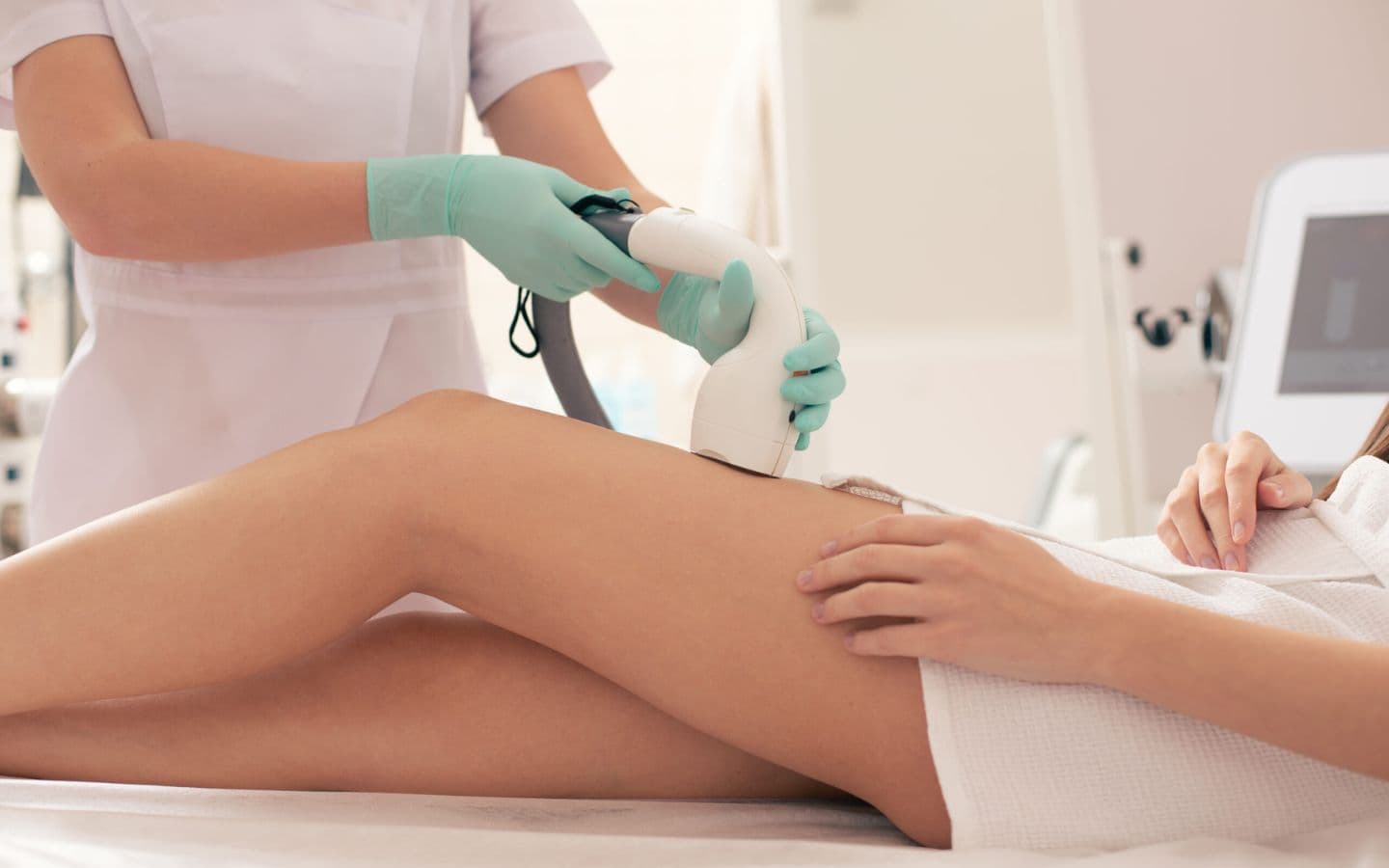
What affects the number of sessions, and the cost
Pricing is discussed at consultation rather than quoted online, so what you are quoted reflects the areas in your actual plan. What moves it:
- The size and number of areas treated.
- Your hair colour, thickness and density.
- Whether an underlying hormonal factor is driving growth.
- How your hair responds as the course progresses.
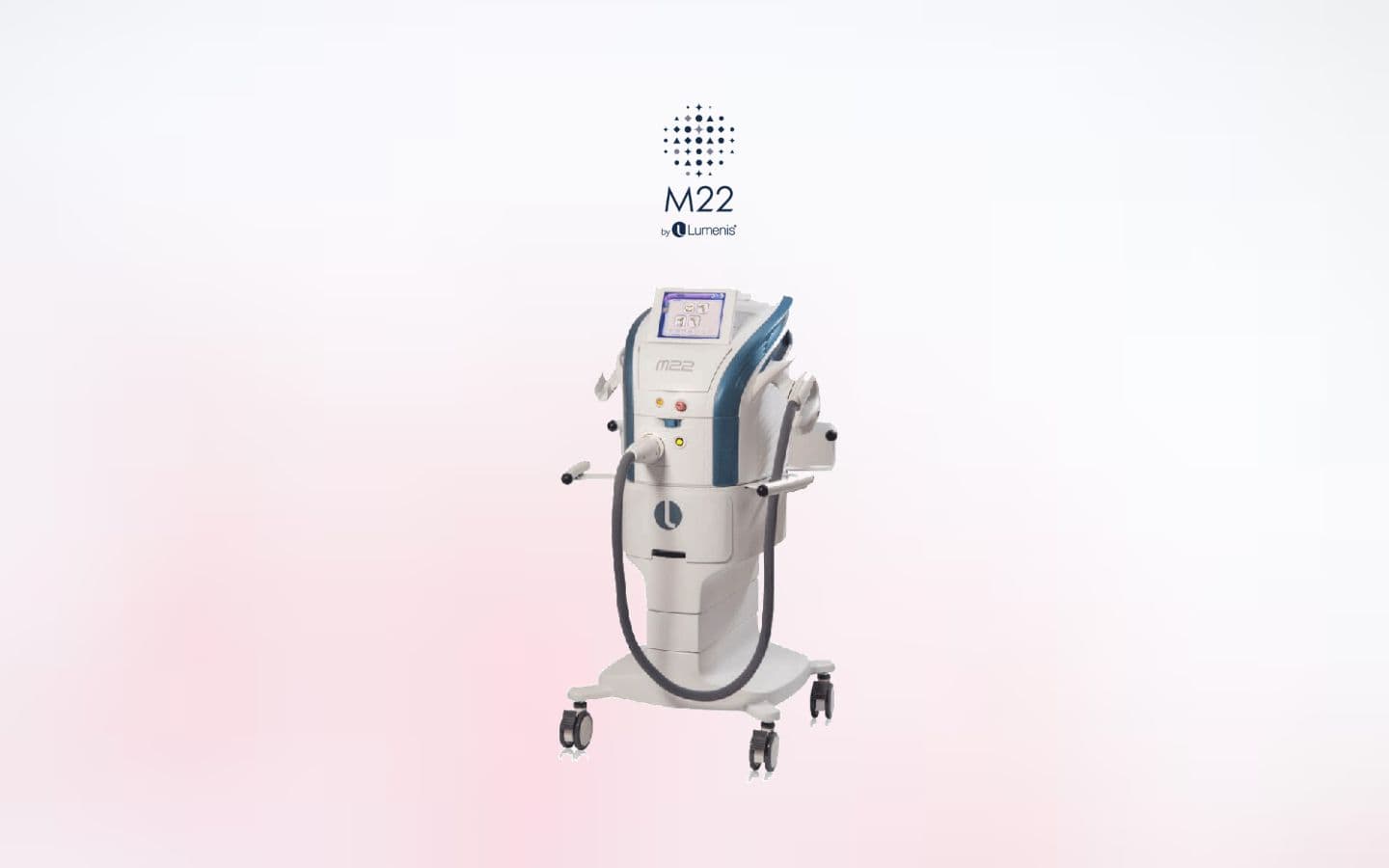
Other hair-removal devices
These address overlapping concerns. Which one suits you is a decision for a doctor who has examined your skin, not a choice to make from a page.
Common questions
Why combine radiofrequency with IPL for hair removal?
Light energy is absorbed selectively by pigment in the follicle, whereas radiofrequency heats the surrounding tissue non-selectively. Combining them means the follicle can reach the required temperature with less light energy, which is why such systems are generally described as more tolerant across a range of hair colours and skin tones. Which energy combination is appropriate for your hair and skin is decided by your doctor at consultation.
Is Alma suitable for darker skin tones?
Alma describes its SHR technology as delivering low-fluence energy at a high repetition rate with a cooled applicator tip, which the manufacturer states allows treatment of darker, melanin-rich skin. That makes it worth discussing if you have Asian or deeper skin, but it does not remove the need for individual assessment, and recently tanned skin is generally not treated. A doctor assesses your skin tone and history at an in-person consultation before recommending a course.
How does in-motion SHR feel compared with conventional stamping IPL?
With in-motion treatment the applicator is glided over the area and heat builds gradually, which most people describe as spreading warmth rather than the repeated snap of a stamped pulse. Alma describes the technique as producing more even coverage across the treated area. Comfort still varies between individuals and between body areas, and your doctor will talk through what to expect before your first session.
Should I shave or wax before my session?
Shave, do not wax. The hair above the skin should be short so energy is not wasted heating it, but the follicle below needs to be intact for the treatment to have a target, and waxing, plucking and threading remove exactly that. Keep to shaving between sessions as well, and your doctor or therapist will tell you how close to your appointment to do it.
Read next
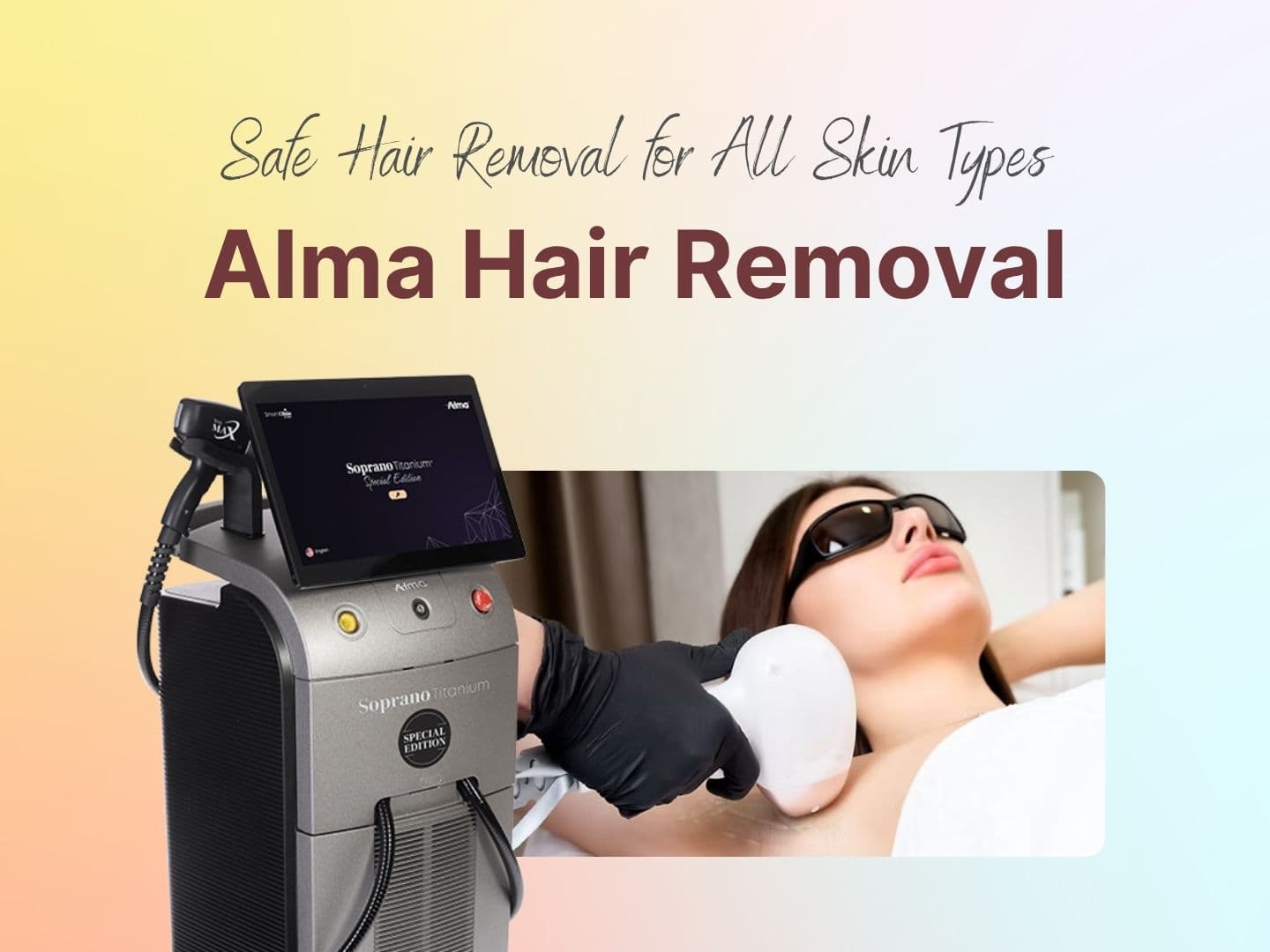


Book a free consultation
The consultation is free, takes about 20 to 30 minutes, and there is no obligation to book treatment afterwards. A doctor will examine your skin and tell you whether Alma (IPL + RF) is appropriate, and if it isn’t, what would be.
Ask about thisMedically reviewed by

Dr Lim Xiao Chien
Partner, Aesthetic Physician
MBBS, LCP Board Certified, GCFM, MAC · MMC 74662
Dr Lim Xiao Chien graduated from Jawaharlal Nehru Medical College, KLE University in India with a degree in Bachelor of Medicine and Bachelor of Surgery (MBBS).
View full profile- Reviewed by
- Dr Lim Xiao Chien, MMC 74662
- Last reviewed
- 18 Jul 2026
- Next review due
- 18 Jul 2027
This page is general information about aesthetic treatments and is not medical advice. Treatments carry risks that are explained during consultation, and individual results vary. A doctor will assess whether a treatment is suitable for you before it is carried out.