
Hair Removal
Laser Hair Removal
IPL and radiofrequency technology used to reduce unwanted hair over a course of sessions.
Free consultation, no obligation.
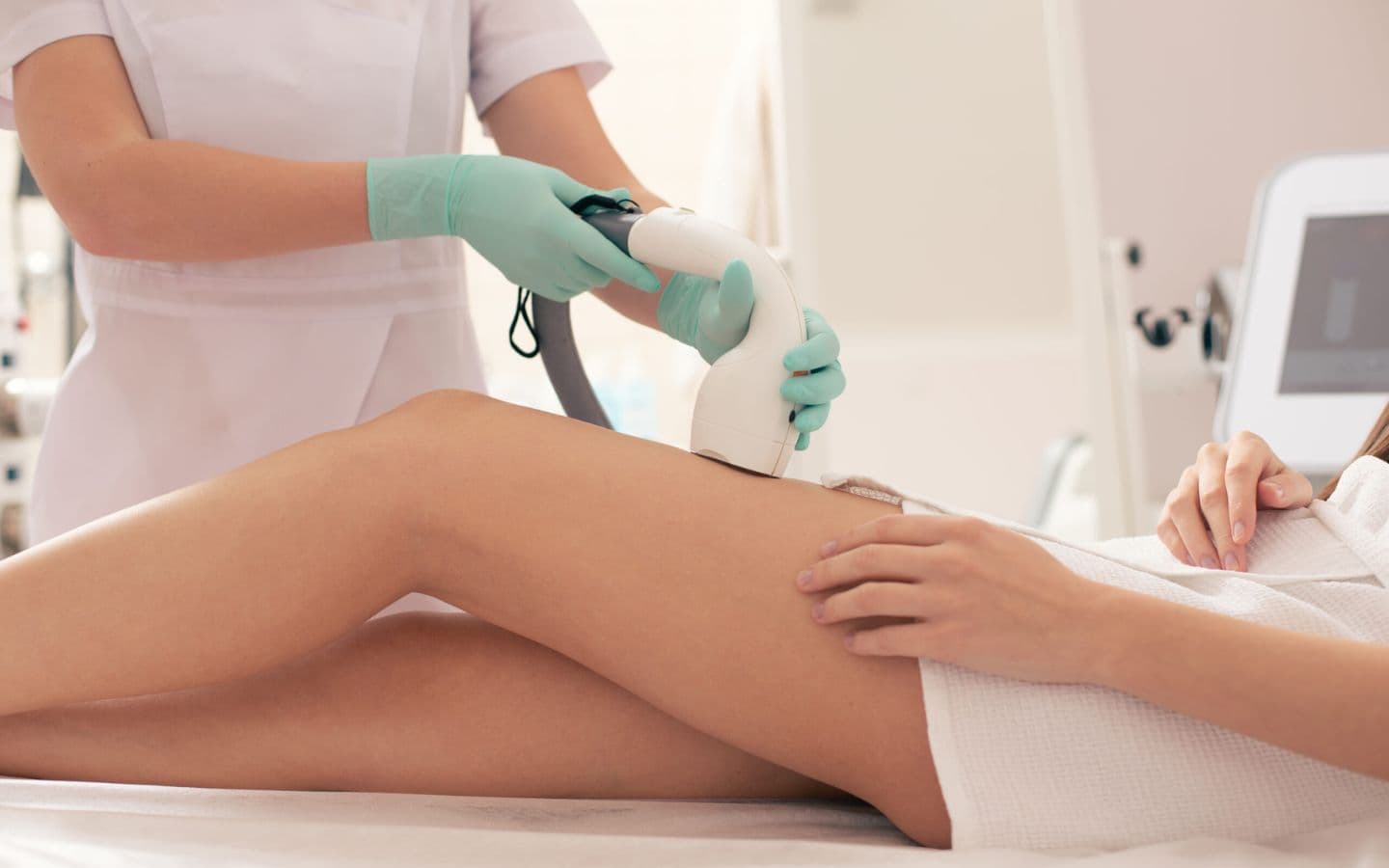
- IPL and radiofrequency
- Two energies on the Alma platform
- 15–45 minutes
- Typical session, depending on the area
- Assessment first
- Your first visit is a consultation, not a treatment
On this page
In brief
Laser Hair Removal at Kaiteki uses the Alma platform, which combines IPL (intense pulsed light) with radiofrequency, to target hair follicles over a course of sessions. Hair colour, skin tone and the cause of the growth decide what a course can reasonably do, so suitability is assessed before any treatment.
What is Laser Hair Removal?
Laser Hair Removal is a treatment intended to reduce unwanted hair by targeting the hair follicle with light or energy-based technology.
It is generally considered for areas such as the underarms, legs, arms or face.
Why does hair removal need a course of sessions?
The light is intended to be absorbed by pigment in the hair follicle, and the radiofrequency adds a second energy pathway to the follicle.
Follicles cycle through active and resting phases, and a session only affects those in an active growth phase at the time. A course spaced with that cycle is intended to reach more of them.
Not sure whether your hair and skin suit light-based removal?
A doctor can tell you what a course can realistically do for your hair and skin before you commit.
Ask about this on WhatsAppFree consultation, about 20 to 30 minutes, no obligation.
Who should postpone or avoid it
Hormonal causes of excess hair may need investigating alongside treatment.
- Pregnancy. Treatment is deferred.
- Recently tanned or sunburnt skin.
- Tattoos or permanent makeup in the area to be treated.
- Active infection, inflammation or open skin in the area.
- Light-sensitive conditions, keloid scarring, or photosensitising medication, which your clinician goes through with you.
What a session involves
Consultation and assessment
Your first visit is a consultation, not a treatment. The treatment area, hair type and skin tone are assessed, and a test area may be considered first.
The treatment
The area is cleansed and the cooled applicator is moved over it in repeated passes, building warmth gradually.
In the treatment room
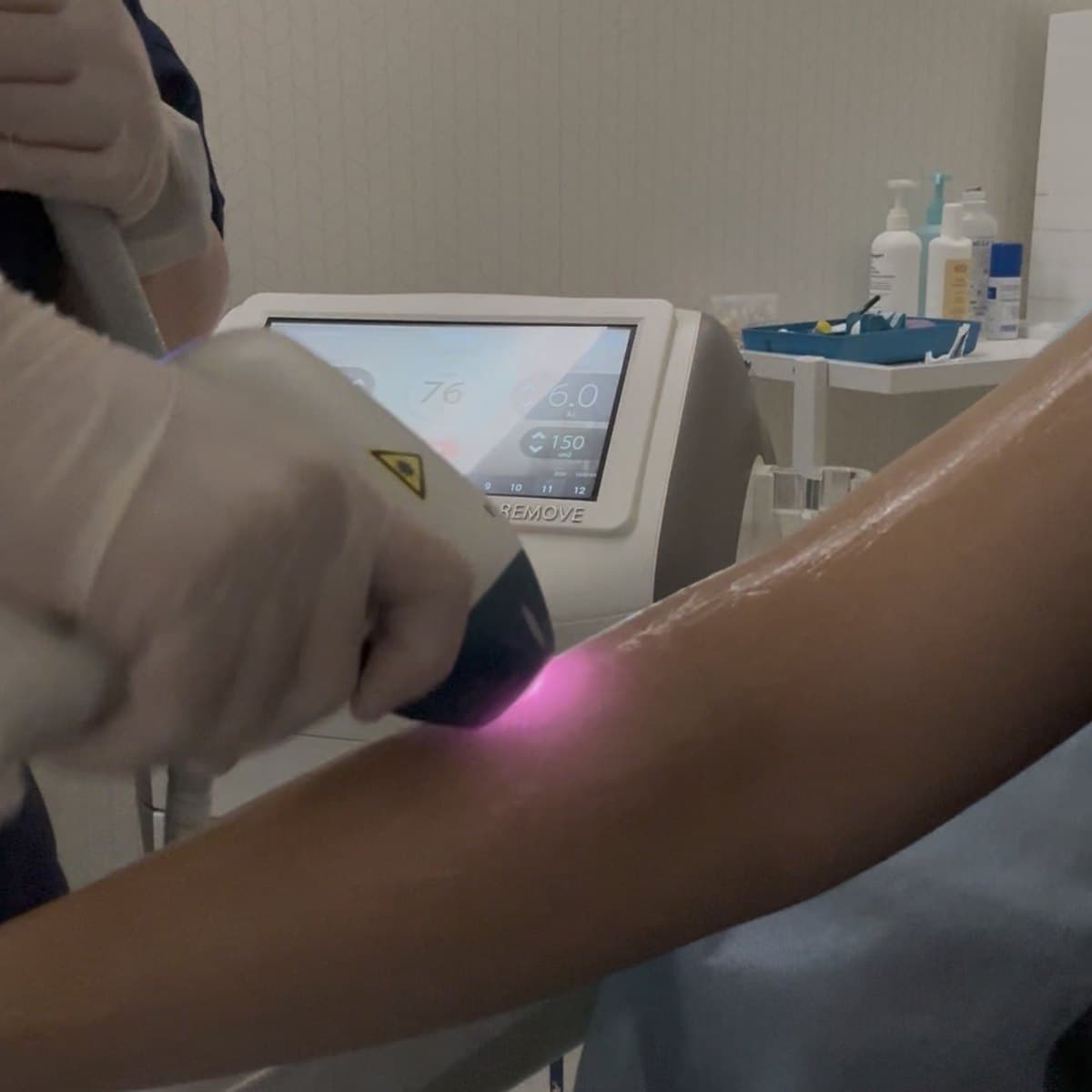
A practitioner glides the laser handpiece along the patient's forearm.
After a session
Downtime is usually minimal.
Straight afterwards
Temporary redness, warmth or mild sensitivity in the treated area can occur and typically settles within a few hours to a day.The following weeks
Treated hairs may appear to grow out for a week or two before shedding.Between sessions
You can shave, but waxing, plucking, threading and depilatory creams are normally avoided because they remove the follicle contents the light needs to target.
Protect treated areas from the sun between sessions.
Risks, side effects, and what Laser Hair Removal cannot do
Like any energy-based treatment, it carries risks, which are explained before a course is booked.
Common and temporary
Redness, swelling or changes in pigmentation.Less common
Blistering, burns, folliculitis and, rarely, paradoxical stimulation of fine hair in some areas.Pigment change and Malaysian skin
Light-based hair removal generally works best where there is more contrast between hair and skin pigment. Alma describes its low-fluence, high-repetition delivery with a cooled applicator tip as usable on darker skin, but recently tanned skin is generally not treated.What it cannot do
- It is not permanent removal.
- One session cannot do it, because only follicles in their active growth phase respond to any one session.
- Very light, grey or white hair contains little pigment for light to target on any platform.
Tell your clinician about every medication you take.
What affects the number of sessions, and the cost
Courses are priced by area across a series, not per visit, and the series is set at consultation. What moves it:
- Your hair type: colour, thickness and density.
- How your hair responds across the course.
- Whether maintenance sessions are needed afterwards.
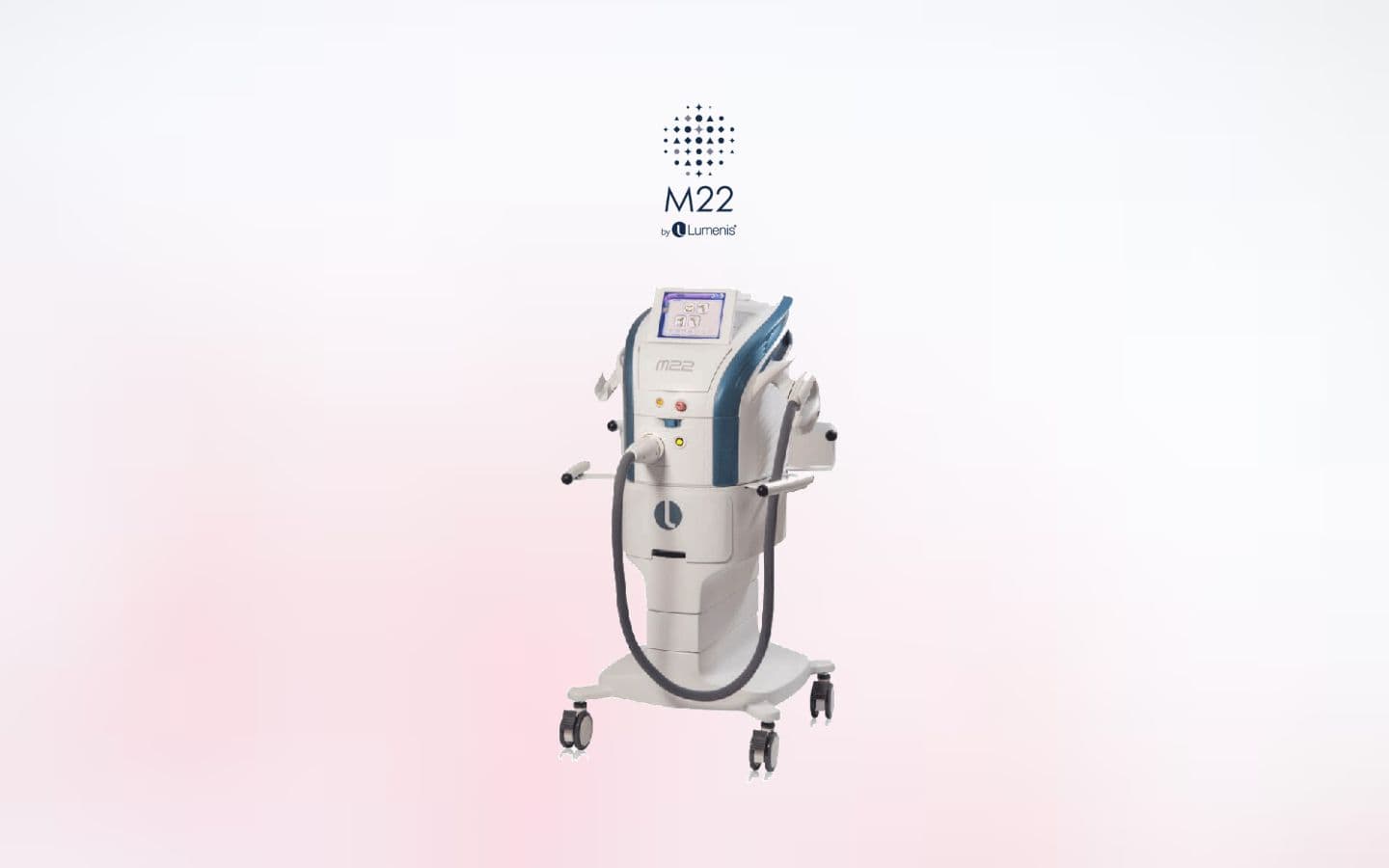
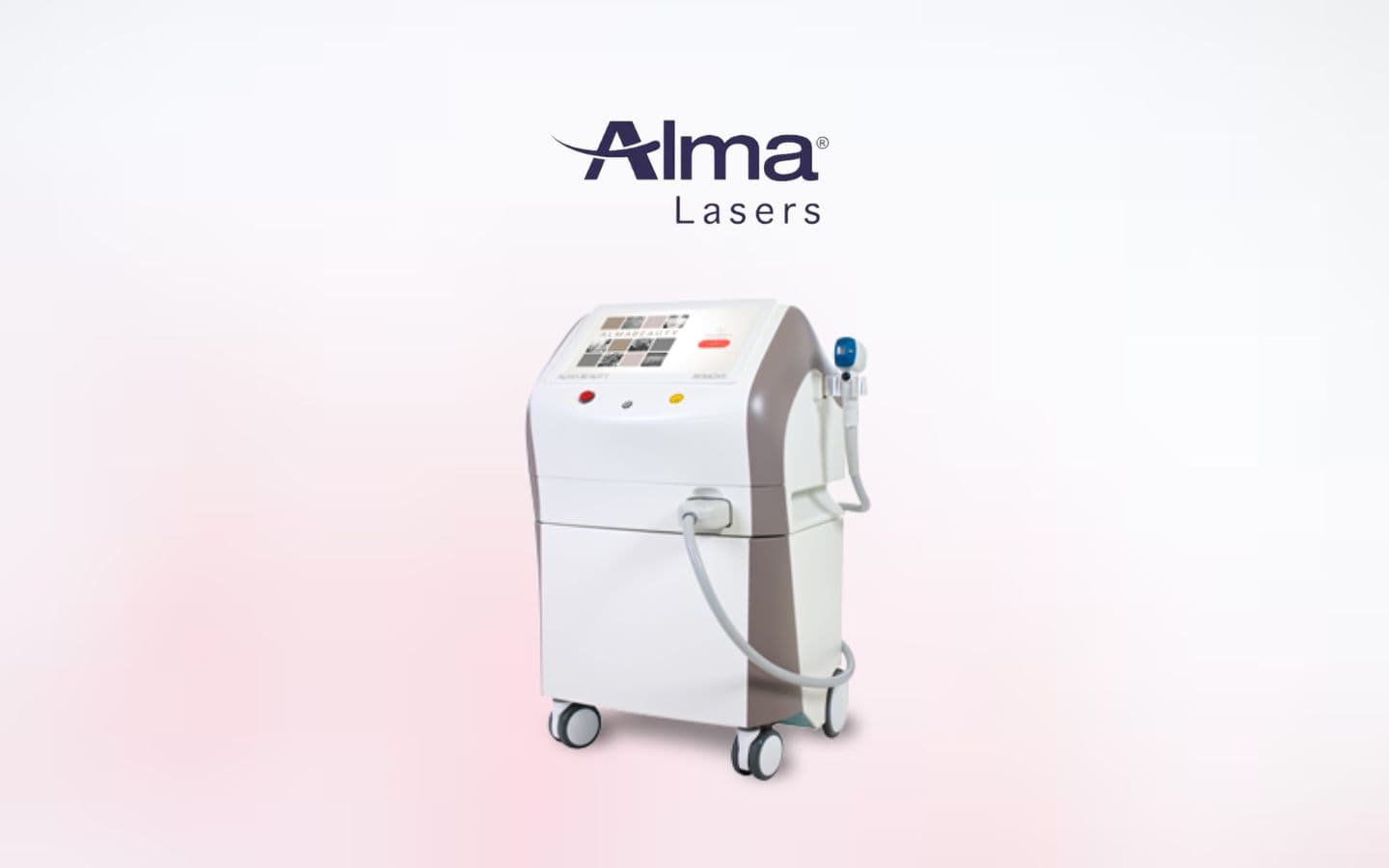
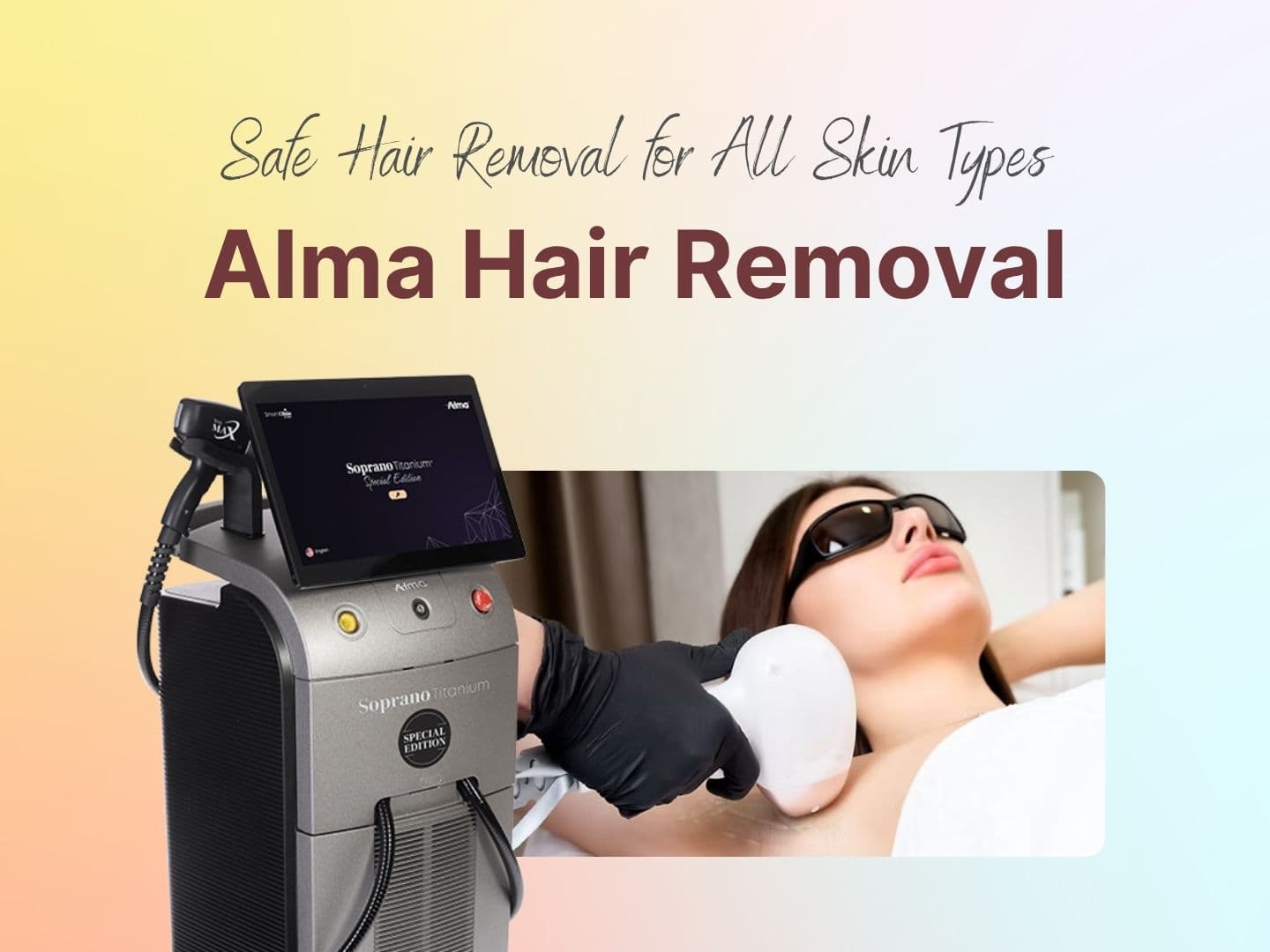
Devices used at Kaiteki
Which platform is used depends on your individual assessment.
Common questions
How many sessions will I need?
A course of several sessions spaced a few weeks apart is common. The number depends on your hair type and the area.
Is Laser Hair Removal permanent?
No. It reduces hair over a course of sessions, and some regrowth or maintenance sessions may be needed over time.
Is it suitable for all skin tones and hair colours?
Not all. Very light, grey or white hair has little pigment to target, and recently tanned skin is generally not treated.
Can I shave between laser hair removal sessions?
Yes. Shaving is fine, but waxing, plucking, threading and depilatory creams are normally avoided between sessions, because they remove the follicle contents the light needs to target.
Read next


Where to go next
Back to all treatments
Book a free consultation
The consultation is free, takes about 20 to 30 minutes, and there is no obligation to book treatment afterwards. A doctor will examine your skin and tell you whether Laser Hair Removal is appropriate, and if it isn’t, what would be.
Ask about this treatmentMedically reviewed by

Dr Lucas Chew
Aesthetic Physician
MBBS · MMC 103677
Dr. Lucas Chew is a committed aesthetic physician holding a Bachelor of Medicine and Bachelor of Surgery (MBBS) from Taylor's University. He is dedicated to delivering personalized, evidence-based treatments aimed at enhancing skin health and natural beauty. Dr. Lucas is passionate about maintaining a leading role in advancements in aesthetic medicine to provide safe, high-quality healthcare solutions.
View full profile- Reviewed by
- Dr Lucas Chew, MMC 103677
- Last reviewed
- 13 Jul 2026
- Next review due
- 13 Jul 2027