
Skin Concerns8 min read
Eczema treatment: from daily skincare to in-clinic care
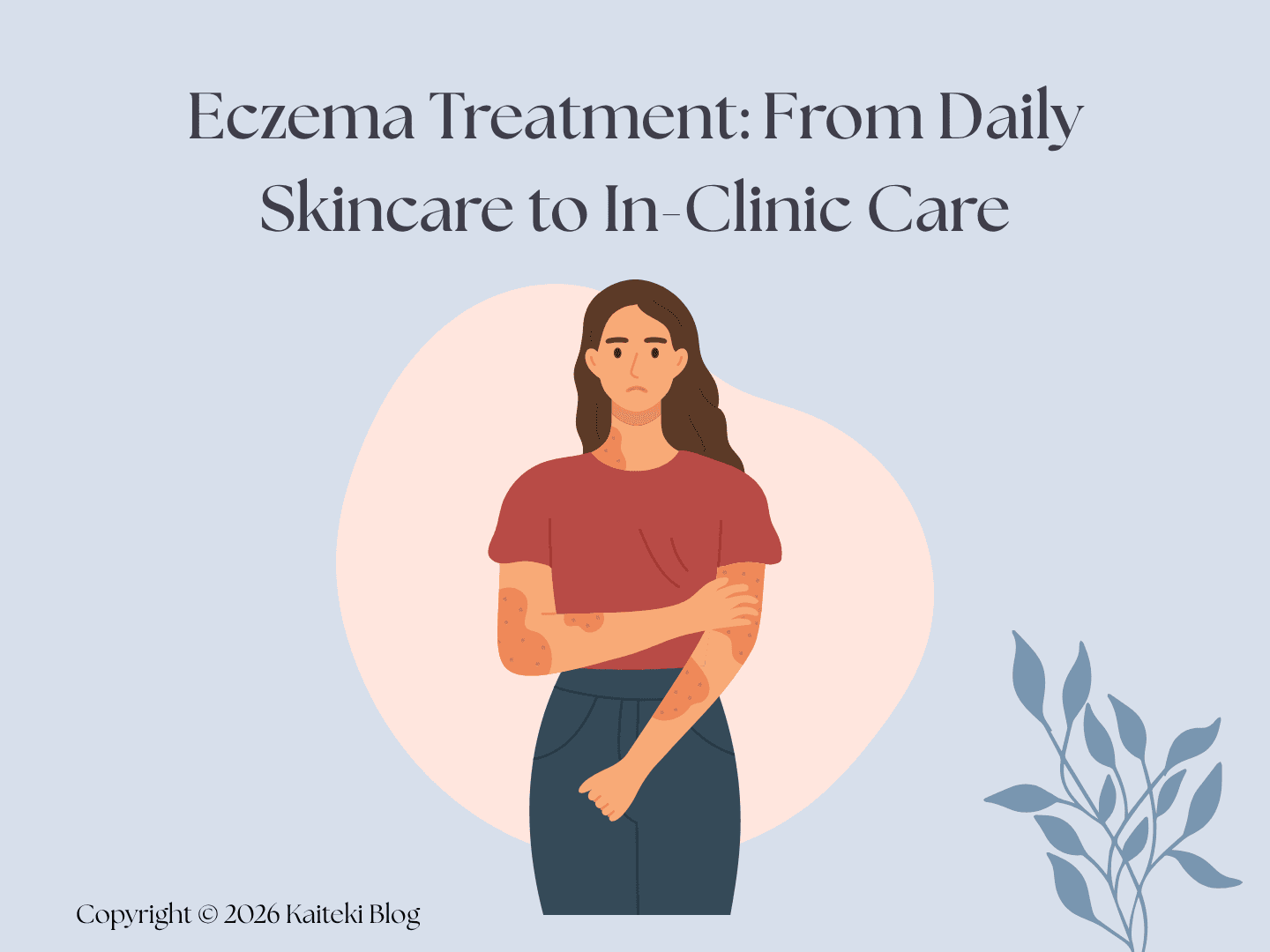
Effective eczema treatment starts with a consistent daily skincare routine built around gentle cleansing, barrier repair moisturisers and targeted topical treatments. When home care is not enough, professional options range from prescription corticosteroids and calcineurin inhibitors to phototherapy and biologic medications like dupilumab.
Eczema (atopic dermatitis) is a chronic skin condition that affects over 230 million people globally (World Health Organization) and more than 20% of children in Malaysia. Effective eczema treatment starts with a consistent daily skincare routine built around gentle cleansing, barrier repair moisturisers, and targeted topical treatments. When home care is not enough, professional options range from prescription corticosteroids and calcineurin inhibitors to phototherapy and biologic medications like dupilumab.
Living in a country where the humidity and heat cycle constantly with air conditioning makes eczema management especially tricky. This guide walks you through building the right daily routine, knowing when to see a doctor, and understanding every professional treatment available.
Key takeaways
- What is eczema? A chronic condition caused by an overactive immune system and weakened skin barrier, leading to dry, itchy, inflamed skin. It is not contagious.
- Best daily routine: Fragrance free cleanser, moisturise within 3 minutes of bathing with ceramide based products, and OTC hydrocortisone for mild flares.
- Key ingredients: Ceramides, colloidal oatmeal, and hyaluronic acid rebuild the barrier. Avoid SLS, fragrances, and alcohol.
- Most effective professional treatment: Biologic medications like dupilumab (Dupixent) have shown up to 75% skin clearance in moderate to severe cases (New England Journal of Medicine).
- When to see a doctor: If flares persist after two weeks of OTC treatment, itching disrupts sleep, or signs of infection appear (oozing, crusting, fever).
What is eczema?
Eczema is a chronic skin condition caused by a combination of an overactive immune system and a weakened skin barrier. When something irritates or triggers the immune response, inflammation beneath the skin's surface leads to persistent dryness, redness, itching, and sometimes cracking or weeping skin.
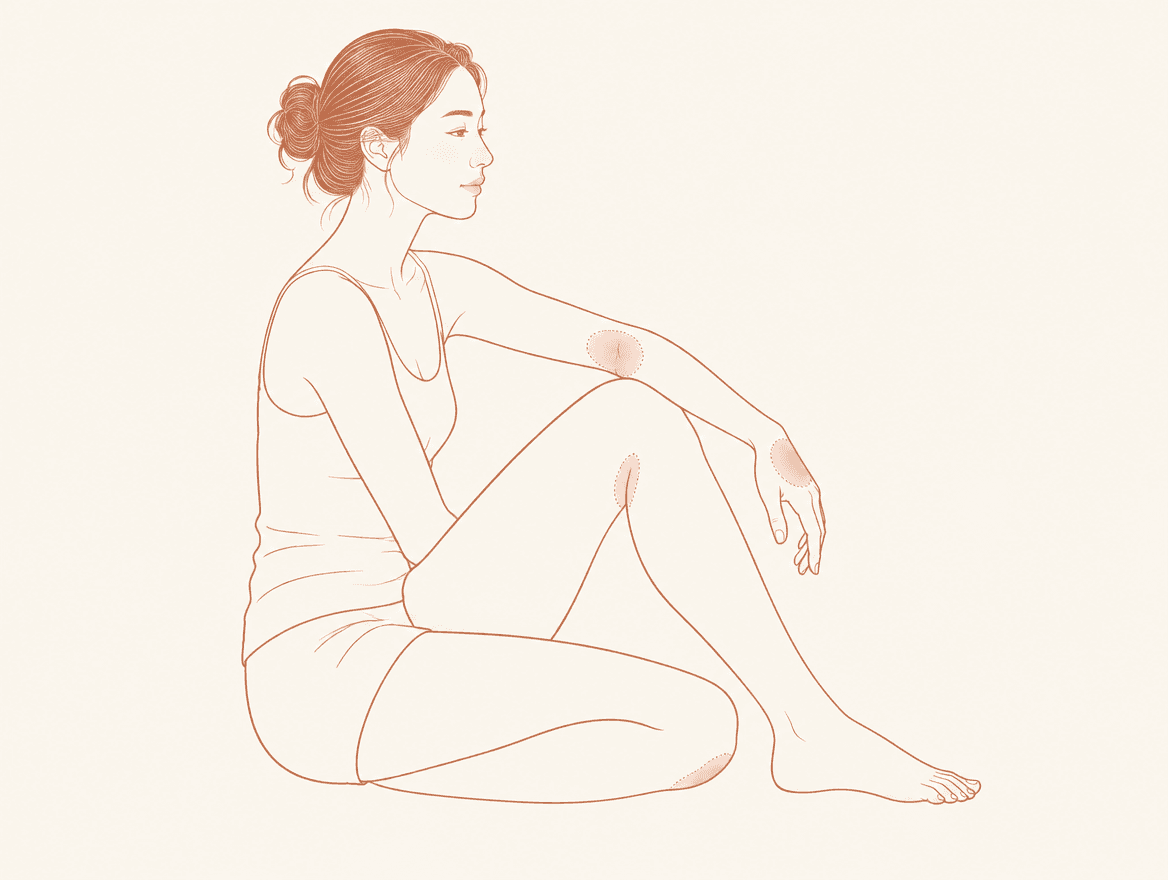
Not all facial redness is eczema, and the distinction matters because the treatment differs. Redness that comes from dilated vessels rather than a damaged barrier is a separate problem with separate options, which how to reduce facial redness covers.
The condition is not contagious and cannot be passed through physical contact. It is, however, strongly genetic. If one or both parents have eczema, asthma, or hay fever, the risk increases significantly. While many children outgrow it, eczema can persist into adulthood or appear for the first time in adults who have never dealt with it before.
Common types of eczema
Atopic dermatitis is the most widespread form, causing dry, itchy patches that favour the inner elbows, behind the knees, and the face. Contact dermatitis develops when the skin reacts to a specific irritant like detergent, fragrance, or nickel. Dyshidrotic eczema produces small, fluid filled blisters on the fingers and palms. Hand eczema is common among people who wash their hands frequently or work with chemicals. Nummular eczema shows up as round, coin shaped patches of irritated skin.
What triggers eczema flare ups?
Flare ups are almost always triggered by something identifiable. In Malaysia, the constant cycling between hot, humid outdoor air and dry, air conditioned indoor spaces creates repeated moisture fluctuations that the skin barrier struggles to handle. Dust mites, which thrive in warm, humid environments, are a major trigger for many people.
Irritants in everyday products, including soaps, detergents, and skincare containing sodium lauryl sulfate (SLS), fragrances, or alcohol, can aggravate sensitive skin. Allergens like pollen, pet dander, and certain foods (dairy, eggs, nuts, wheat) can also worsen flares. Stress and hormonal changes during menstruation, pregnancy, or menopause are well documented triggers.
Building a daily skincare routine for eczema
The foundation of effective eczema treatment is a consistent daily routine. Use a fragrance free, soap free cleanser and keep baths short (10 to 15 minutes) with lukewarm water. Within 3 minutes of bathing, apply a thick moisturiser to slightly damp skin to lock in hydration.
Look for moisturisers containing ceramides (which rebuild the skin barrier), colloidal oatmeal (which soothes inflammation), or hyaluronic acid. Ointments and thick creams work better than lotions. Our skincare range includes ceramide based options formulated for sensitive, dehydrated skin. For mild flares, OTC hydrocortisone cream (0.5% to 1%) can reduce redness and itching when applied only to affected areas.
Avoid products with SLS, fragrances (synthetic or natural), denatured alcohol, essential oils, and artificial dyes. If a product makes your skin sting or tingle, it is likely irritating your barrier.
The gut health and eczema connection
Growing evidence links gut microbiome imbalance to chronic inflammatory skin conditions including eczema. Probiotic rich foods (yogurt, kefir, kimchi, tempeh) can support a healthier gut environment. Anti inflammatory foods like omega 3 rich fish, leafy greens, berries, and turmeric may help reduce overall inflammation.
Common dietary triggers include dairy, gluten, eggs, soy, and highly processed foods. A food and symptom diary can help identify personal patterns. Consult a doctor before eliminating entire food groups, especially for children.
When daily skincare is not enough
A doctor's evaluation is needed if flare ups persist after two weeks of consistent OTC treatment, itching regularly disrupts sleep, or signs of skin infection appear (oozing, yellow crusting, increased redness, swelling, fever). Rapidly spreading patches, thickened or leathery skin from chronic scratching, or acne developing alongside eczema are also signals that professional support is needed.
Professional and clinical eczema treatments
Doctors follow a stepped approach, starting with the mildest effective option.
Prescription topical corticosteroids
Stronger than OTC hydrocortisone, prescribed at a potency matched to severity and body area. Milder formulations for the face, stronger ones for the body. Safe and effective when used under medical guidance.
Topical calcineurin inhibitors
Steroid free alternatives like tacrolimus and pimecrolimus for sensitive areas (face, neck, groin). They suppress the local immune response without the skin thinning risk of prolonged steroid use.
Oral medications
Sedating antihistamines help with nighttime itching. For severe cases, oral immunosuppressants like cyclosporine calm the overactive immune system but require regular monitoring due to potential side effects.
Phototherapy
Controlled doses of ultraviolet B (UVB) light slow the skin's inflammatory response. Sessions are done two to three times per week, with improvements typically visible within a few weeks.
Biologics
Dupilumab (Dupixent) targets specific immune pathways driving eczema inflammation. A pivotal trial published in the New England Journal of Medicine showed up to 75% skin clearance in moderate to severe cases. Reserved for persistent eczema unresponsive to other treatments.
Other skin conditions you should know about
Warts and warts removal cream
Warts are caused by HPV and people with weakened skin barriers may be more susceptible. OTC warts removal cream products containing salicylic acid dissolve wart layers over several weeks. For stubborn warts, professional cryotherapy or laser removal is more effective.
Keloid scars and keloid removal cream
Chronic eczema scratching can damage skin and lead to keloid formation in genetically predisposed individuals. Silicone based keloid removal cream products help flatten and soften scars over time. For larger keloids, corticosteroid injections or laser therapy deliver better results. If you notice unusual skin bumps or growing raised scars, consult a doctor.
Frequently asked questions
Is eczema curable?
There is no permanent cure, but eczema can be managed effectively with consistent skincare and medical treatment when needed. Many children outgrow it, and adults can achieve long periods of clear skin.
Can eczema spread to other people?
No. Eczema is not contagious. It is an immune mediated condition driven by genetics and environmental triggers.
Is steroid cream safe for long term use?
Yes, when used correctly under medical guidance. Doctors match potency to the body area and may alternate with steroid free options like calcineurin inhibitors for ongoing management.
What foods trigger eczema?
Common triggers include dairy, eggs, nuts, wheat, soy, and processed foods. Triggers vary by individual. A food diary helps identify patterns. Consult a professional before eliminating food groups.
Can eczema leave permanent scars?
Eczema itself rarely scars, but persistent scratching can cause thickened, darkened, or lightened skin patches. Deep scratching wounds may heal with scarring, especially in people prone to keloids.
Taking control of your skin
Effective eczema treatment starts with understanding your triggers and building a gentle daily routine. When home care is not enough, proven professional treatments can take you further.
Ready to explore your options? Reach out to us on WhatsApp and we will help you find the right path forward.
Book a free consultation
A doctor will assess your skin and tell you honestly whether this is the right option for you, including when it is not.
About the author

Dr Yvonne Chuah
Aesthetic Physician
MD, MAC, LCP Certified · MMC 86640
Dr. Yvonne Chuah graduated from Nizhny Novgorod State Medical Academy (NNSMA). She began her medical career serving as a Medical Officer at Hospital Pulau Pinang, followed by further service at Hospital Sungai Bakap.
View full profile- Written by
- Dr Yvonne Chuah, MMC 86640
- Published
- 5 August 2026
This page is general information about aesthetic treatments and is not medical advice. Treatments carry risks that are explained during consultation, and individual results vary. A doctor will assess whether a treatment is suitable for you before it is carried out.