Treatments Explained2 min read
Skin Tag Removal Malaysia: Everything You Need to Know
“If you are excited to understand more about the skin tag removal, please consult our experienced doctors at Kaiteki Clinic. We will create a personalized treatment plan tailored to your needs! “
Introduction
Are you bothered by skin tags and looking for a safe, effective way to remove them? Please don’t be worried.
Skin tags are a common skin concern, and the good news is that removing them is quick, easy, and hassle-free. In Malaysia, advanced treatments are available to help you achieve smooth, clear skin. Let’s dive into everything you need to know about skin tag removal, including the best methods, what to expect, and why Kaiteki Clinic is your go-to destination for this treatment.
What Are Skin Tags?
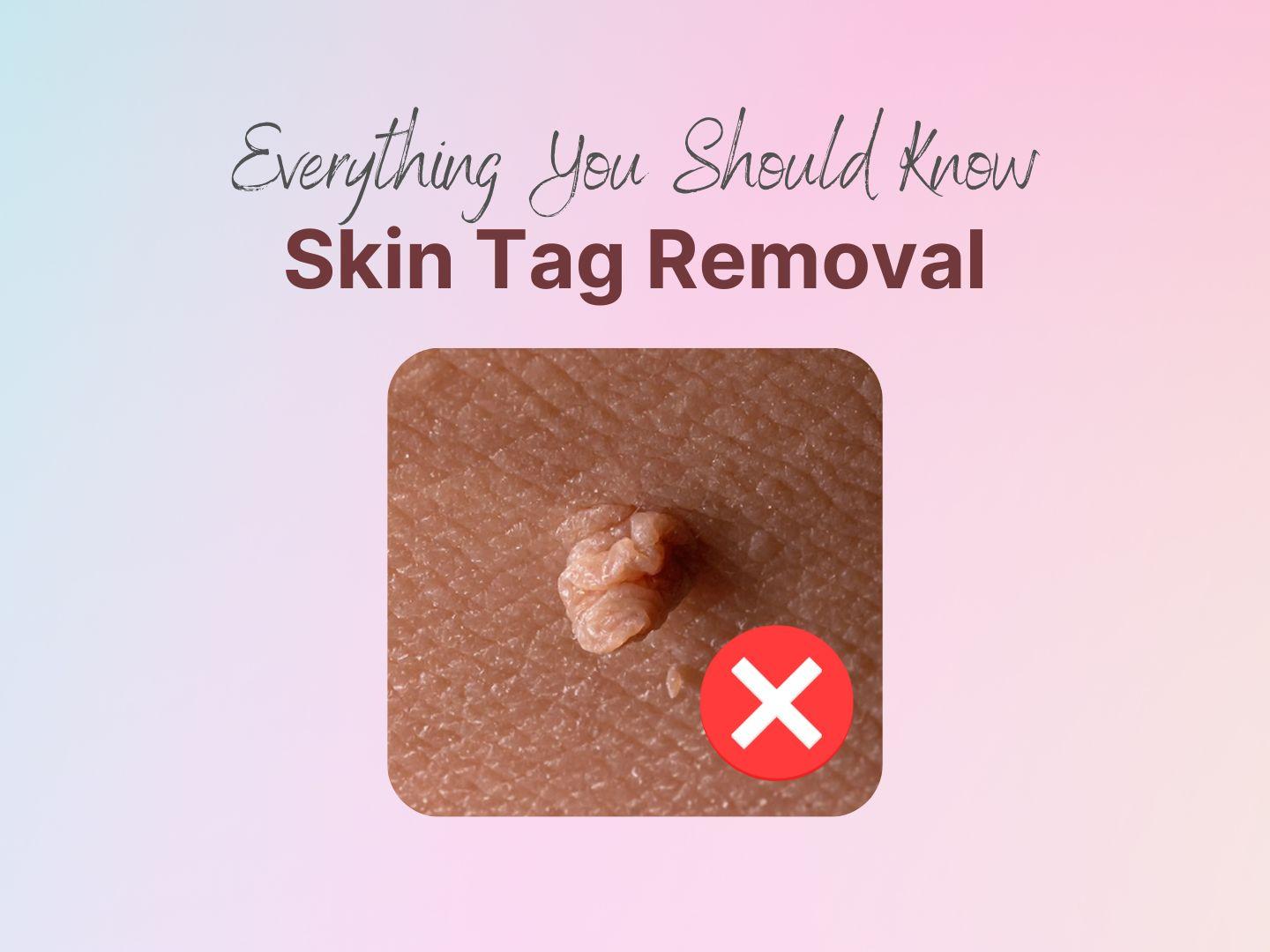
Skin tags are small, soft, benign growths that typically appear on the neck, underarms, eyelids, or other areas where skin rubs against skin or clothing. They’re harmless but can be annoying or affect your confidence, especially if they’re visible.
Why Remove Skin Tags?
While skin tags are not dangerous, many people choose to remove them for the following reasons:
- Cosmetic Concerns: Skin tags can be unsightly, especially when they appear on the face or neck.
- Discomfort: They may rub against clothing or jewelry, causing irritation.
- Hygiene: Skin tags in areas like the underarms can trap sweat and bacteria.
Skin Tag Removal Methods in Malaysia
In Malaysia, several safe and effective methods are available for skin tag removal. Here are the most popular options:
1. Laser Removal
- How It Works: A focused laser beam is used to target and destroy the skin tag tissue.
- Benefits: Precise, quick, and minimal scarring.
- Downtime: Little to none; you can resume daily activities immediately.
2. Cryotherapy (Freezing)
- How It Works: Liquid nitrogen is applied to freeze the skin tag, causing it to fall off within a few days.
- Benefits: Quick and effective for small skin tags.
- Downtime: Mild redness or blistering may occur but usually heals quickly.
3. Electrosurgery (Cauterization)
- How It Works: A small electric current is used to burn off the skin tag.
- Benefits: Instant results and minimal bleeding.
- Downtime: Slight scabbing may occur but heals within a week.
4. Surgical Excision
- How It Works: The skin tag is cut off using a sterile scalpel or scissors.
- Benefits: Immediate removal for larger skin tags.
- Downtime: Minor wound care is needed, but healing is usually quick.
What to Expect During Skin Tag Removal
Step 1: Consultation
- Your dermatologist or skincare expert at Kaiteki Clinic will examine the skin tag and recommend the best removal method based on its size, location, and your skin type.
Step 2: The Procedure
- The chosen method (laser, cryotherapy, etc.) is performed in a sterile environment. Most procedures take just 10-15 minutes.
Step 3: Aftercare
- You’ll receive instructions on how to care for the treated area, which may include keeping it clean and applying an antibiotic ointment.
Why Choose Kaiteki Clinic for Skin Tag Removal in Malaysia?
If you’re tired of dealing with skin tags, it’s time to take action. At Kaiteki Clinic, we make skin tag removal quick, easy, and stress-free. With our expert team and advanced treatments, you can achieve smooth, clear skin in no time.
Book a free consultation
A doctor will assess your skin and tell you honestly whether this is the right option for you, including when it is not.
About the author

Dr Chew Yuhhui
Co-Founder & Senior Medical Director
MBBS, LCP Board Certified, MAC, MSAM · MMC 68232
Allow your passion to become your purpose and it will one day become your profession.
View full profile- Written by
- Dr Chew Yuhhui, MMC 68232
- Published
- 28 April 2025
- Topics
- Minor Surgery, Lasers, Skin Bumps
- Last reviewed
- 6 May 2025
This page is general information about aesthetic treatments and is not medical advice. Treatments carry risks that are explained during consultation, and individual results vary. A doctor will assess whether a treatment is suitable for you before it is carried out.