

Concern · Skin
Excessive Sweating
Sweating that disrupts daily life can often be managed.
Free, about 20–30 minutes, no obligation to book treatment.
- Pattern first
- Which areas sweat, and when it started, decide what the assessment looks for.
- Primary or secondary
- Sweating on its own and sweating caused by something else are handled differently.
- Stepped approach
- Simpler measures are usually tried before anything is injected.
On this page
In brief
Excessive sweating (hyperhidrosis) is sweating beyond what the body needs to regulate temperature, most often in the underarms, palms, soles or face. Primary hyperhidrosis starts young, runs in families and is managed in steps, starting with clinical-strength antiperspirant.
How treatment works, illustrated
1 photos · tap one to enlarge
Illustration, not a patient result: a prescription injectable reduces the nerve signal to sweat glands in the treated area, for a limited time
Photographs of Kaiteki patients, published with consent. Individual results vary and are not guaranteed. These images are not a promise of outcome. A doctor will assess whether any treatment is suitable for you.
What is excessive sweating?
Sweating is a normal bodily function that helps regulate temperature. Excessive sweating, medically known as hyperhidrosis, describes sweating that is noticeably more than what is needed for temperature regulation, and can affect daily activities and confidence.
How sweating is controlled
Eccrine glands are switched on by nerve signals from the sympathetic nervous system, the same system that responds to heat, exercise and stress.
In primary hyperhidrosis the glands themselves are normal; the signal reaching them is stronger or more frequent than the body needs. That is why the condition is not a hygiene problem, and why treatments that work on the signal, rather than on the skin surface, are part of the discussion.
Common causes
- Hormonal change: puberty, pregnancy, menopause and thyroid disorders can all increase sweating.
- Stress and anxiety: emotional triggers activate the same nerve pathway that drives sweating.
- Medication: some antidepressants, diabetes medicines, hormone therapies and other drugs list increased sweating as a side effect.
- Underlying medical conditions: an overactive thyroid, diabetes, infections and, rarely, more serious conditions can cause sweating.
Which kind is it?
The most important thing an assessment does here is decide whether the sweating is the condition itself, or a sign of something else.
Primary focal hyperhidrosis
Focal, since your teens
Sweating in specific areas, typically the underarms, palms, soles or face, affecting both sides evenly. It usually began in childhood or adolescence, often runs in the family, and tends to ease during sleep.
Usually assessed for: assessed for a stepped management plan, starting with topical measures and moving on only if they are not enough.
Sweating as a symptom
Generalised or new in adulthood
Sweating across large areas of the body, sweating that started in adulthood without an obvious reason, sweating on one side only, or sweating at night that soaks the bedding. Here the sweating is a signal.
Usually assessed for: assessed with history, examination and, where indicated, investigation or referral before any cosmetic treatment is discussed.
Where it happens
Each area is managed differently:
Underarms
The most common site.Palms
Sweaty hands affect handshakes, writing, gripping and using phones or keyboards.Soles of the feet
Often accompanies sweaty palms. Constant moisture can lead to slipping in footwear, odour and fungal infection between the toes, which may need treating in their own right.Face and scalp
Sweating from the forehead, scalp or upper lip, often triggered by heat, food or stress.Sweating on one side only?
Sweating that affects only one side of the body or face, or a single small patch, is not the usual pattern of primary hyperhidrosis and should be examined by a doctor promptly.
When to see a doctor
Any of these is a reason to see a doctor:
- Sweating that soaks through clothing, drips, or interferes with work, gripping or daily tasks.
- Night sweats that soak your sleepwear or bedding.
- Unexplained weight loss, fever, a racing or irregular heartbeat, or feeling unusually tired alongside the sweating.
- Sweating that began or increased after starting a new medication.
- Clinical-strength antiperspirant, used correctly for a few weeks, has not made enough difference.
Treatment options at Kaiteki
Excessive sweating is managed in steps, starting with the simplest measures; in-clinic treatment is one step in that sequence.
Botulinum Toxin
For focal sweating that topical measures have not controlled
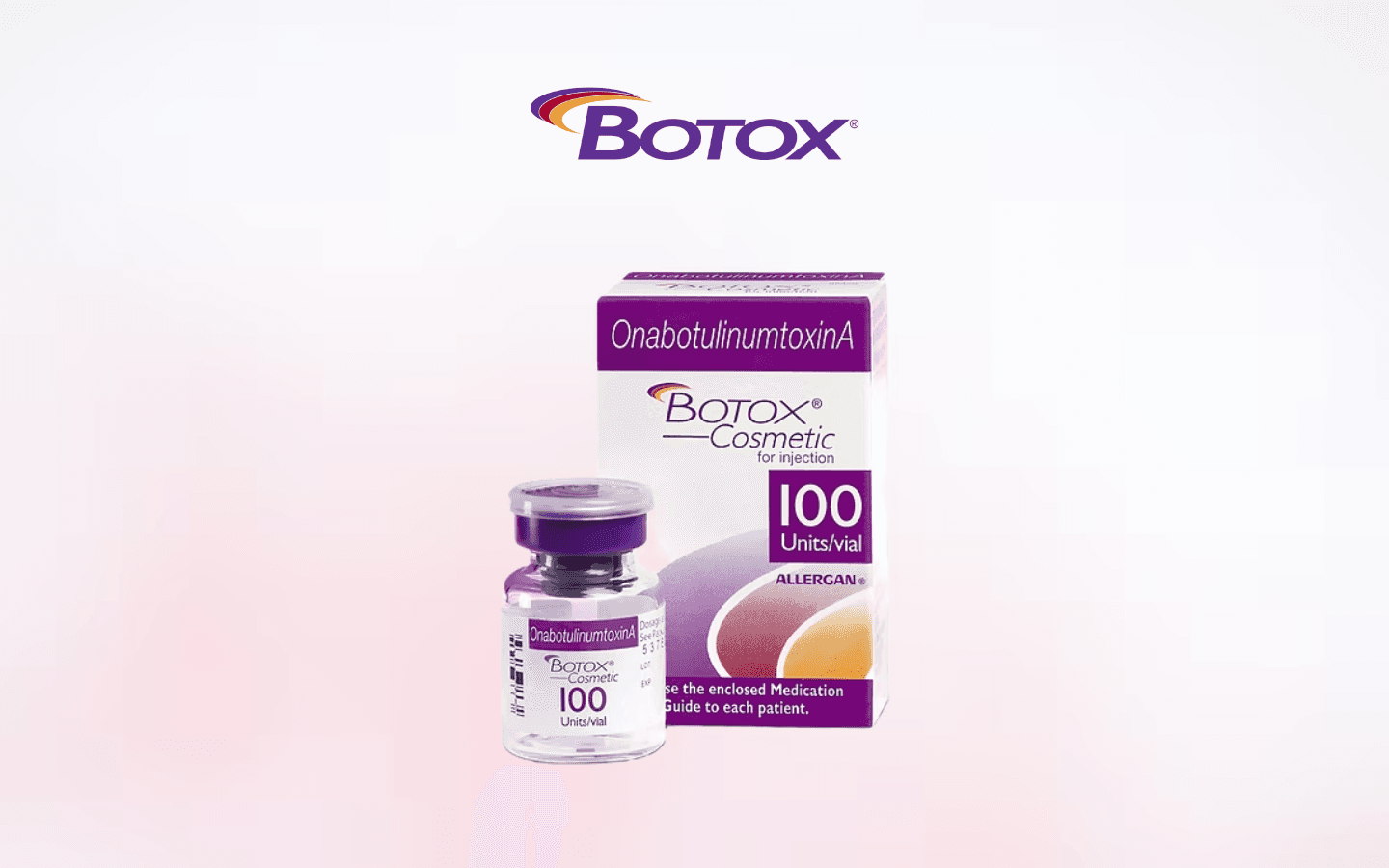
A prescription injectable the doctor may discuss when primary sweating is confined to defined areas such as the underarms. Small amounts are placed in the skin to interrupt the nerve signal that switches the sweat glands on in that area. It is temporary, needs repeating, and is only considered once secondary causes have been ruled out.
Botulinum Toxin
Clinical-strength antiperspirant applied to dry skin at night is a reasonable first step. Prescription topicals, oral medication and iontophoresis for hands and feet are discussed individually.
Not sure whether your sweating needs investigating?
Message us on WhatsApp and a doctor can tell you which you are likely dealing with.
Ask about this on WhatsAppFree consultation, about 20 to 30 minutes, no obligation.
Technology used
Having more than one platform means the doctor can match the device to your skin type and to what is being treated, rather than fitting your skin to a single machine.
Risks and what to expect
Common and usually temporary
Discomfort, small bruises, redness or tenderness at the injection points, usually settling within days. In the palms, temporary weakness of grip can occur, which is one reason hands are assessed carefully.Less common
Some people notice more sweating in untreated areas, or skin irritation from topical treatments. Allergic reactions are rare.Treating the wrong thing
The most consequential risk here is managing the sweating while an overactive thyroid, an infection or another underlying cause goes unnoticed.What treatment cannot do
Nothing on this page cures primary hyperhidrosis. In-clinic treatment is temporary and needs repeating, it does not change the tendency behind the sweating, and it does not address sweating caused by another condition.
Tell your doctor if you are pregnant, breastfeeding or planning pregnancy, have a neuromuscular condition, take blood thinners or any regular medication, have had a reaction to an injectable before, or have a thyroid condition, diabetes or any recent unexplained symptoms.
What your first visit involves
The first question is whether the pattern fits primary focal sweating.
History
When it started, which areas, whether it happens during sleep, family history and your medications.
Examination
The affected skin, checked for irritation or infection.
Ruling out other causes
Blood tests or a referral where something else may be driving it.
Discussion and plan
Which step makes sense now, and what would come next.
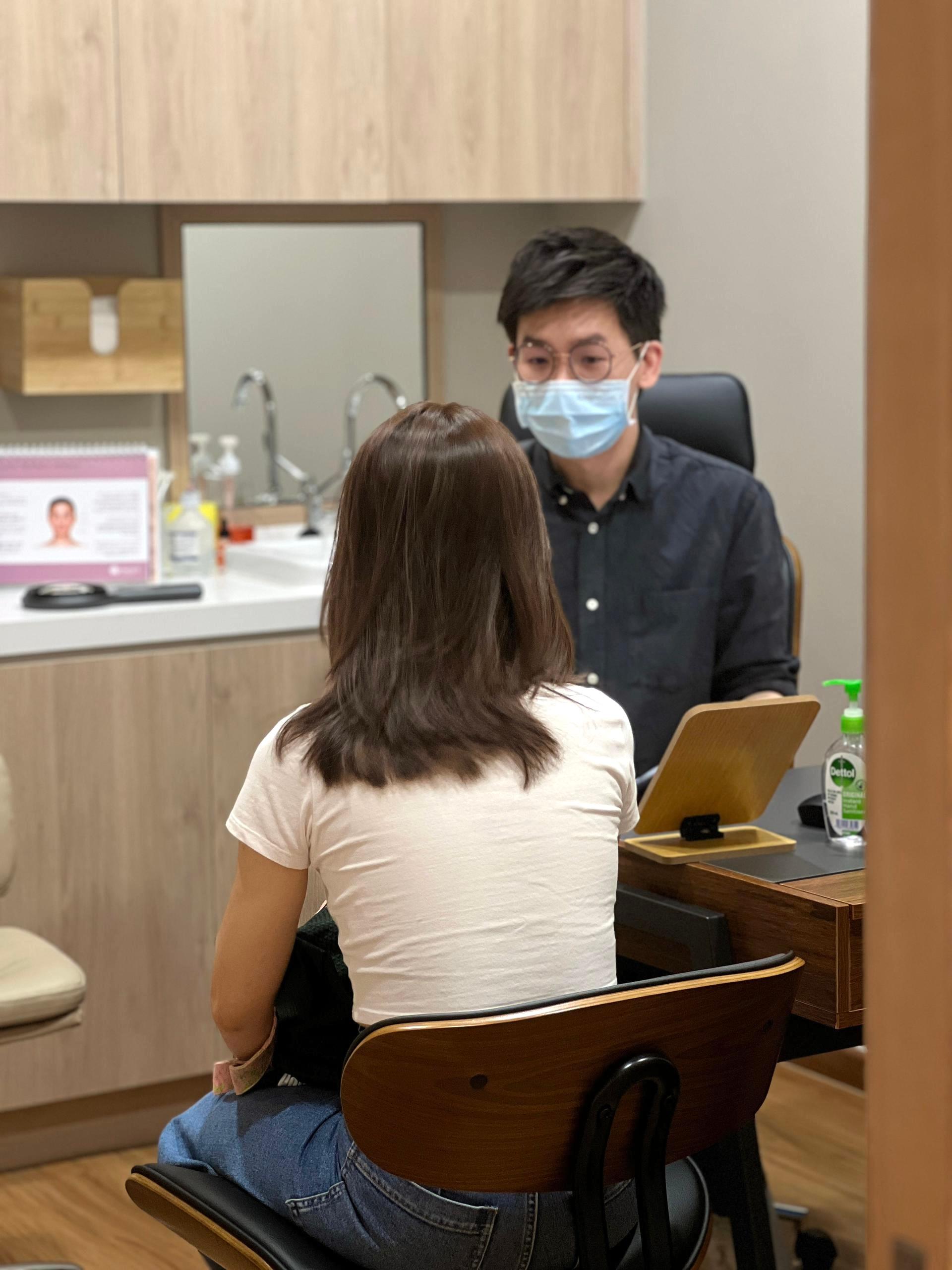
The first visit is a conversation with the doctor about where and when the sweating happens, before anything is recommended.
What affects the cost
Pricing is set after assessment. It depends on:
- Which areas are being treated, and how many.
- The size of each area, since underarms, palms and the scalp differ considerably.
- Whether investigation or a referral is needed before anything is planned.
- How often treatment would need repeating, which varies between individuals.
Common questions
Is excessive sweating a medical condition?
Yes. When sweating is noticeably beyond what is needed to regulate temperature, it is recognised as a condition called hyperhidrosis.
How is it different from normal sweating in hot weather?
Everyone sweats more in Malaysia's heat and humidity. Hyperhidrosis is suggested when you sweat heavily in a cool or air-conditioned room, at rest, or in specific areas such as the palms or underarms regardless of the temperature, and when it interferes with daily life.
What is the difference between deodorant and antiperspirant?
A deodorant masks or reduces odour but does not reduce sweat. An antiperspirant contains aluminium salts that temporarily plug the sweat ducts, reducing how much sweat reaches the skin.
Why do night sweats matter?
Sweating at night that soaks your sleepwear or bedding is more likely to have another cause, such as a hormonal change, an infection, a medication side effect or another medical condition, and is worth having investigated rather than simply treated.
Will treating one area make me sweat more elsewhere?
Some people notice more sweating in untreated areas after treatment, which is called compensatory sweating. It is most strongly associated with surgical approaches, which are not offered here.
Does excessive sweating cause body odour?
Sweat itself has very little smell. Odour develops when bacteria on the skin break down secretions, mostly from the apocrine glands in the underarms and groin. Constant moisture makes this more likely, so sweating and odour often come together, but they are separate problems.
Read next


Related concerns
Acne
Heat, sweat and friction can aggravate breakouts on the face, chest and back.Hair Loss
Scalp sweating and scalp conditions are often assessed in the same visit.Pigmentation
Underarm darkening from friction and constant moisture is assessed alongside the sweating.
Not sure which areas are affected?
The consultation is free, takes about 20 to 30 minutes, and there is no obligation to book treatment afterwards. A doctor will examine the affected areas and talk you through what is, and is not, worth doing.
Book a free consultationMedically reviewed by

Dr Teresa Tan
Aesthetic Physician
MD, MAC · MMC 87513
Dr. Teresa Tan earned her Medical Degree (MD) from Lincoln University College and initially pursued a career in Obstetrics and Gynecology (O&G). This valuable experience honed her precision and meticulousness in needle handling, skills that translate seamlessly to aesthetic medicine.
View full profile- Reviewed by
- Dr Teresa Tan, MMC 87513
- Last reviewed
- 13 Jul 2026
- Next review due
- 13 Jul 2027